.jpg)
.jpg)





.jpg)

What Is a Mortgage Loan and How Does It Work?
If you are buying a home for the first time, the word “mortgage” can sound more complicated than it really is. In plain English, a mortgage loan is money you borrow to buy or refinance real estate, and the property acts as security for the loan.
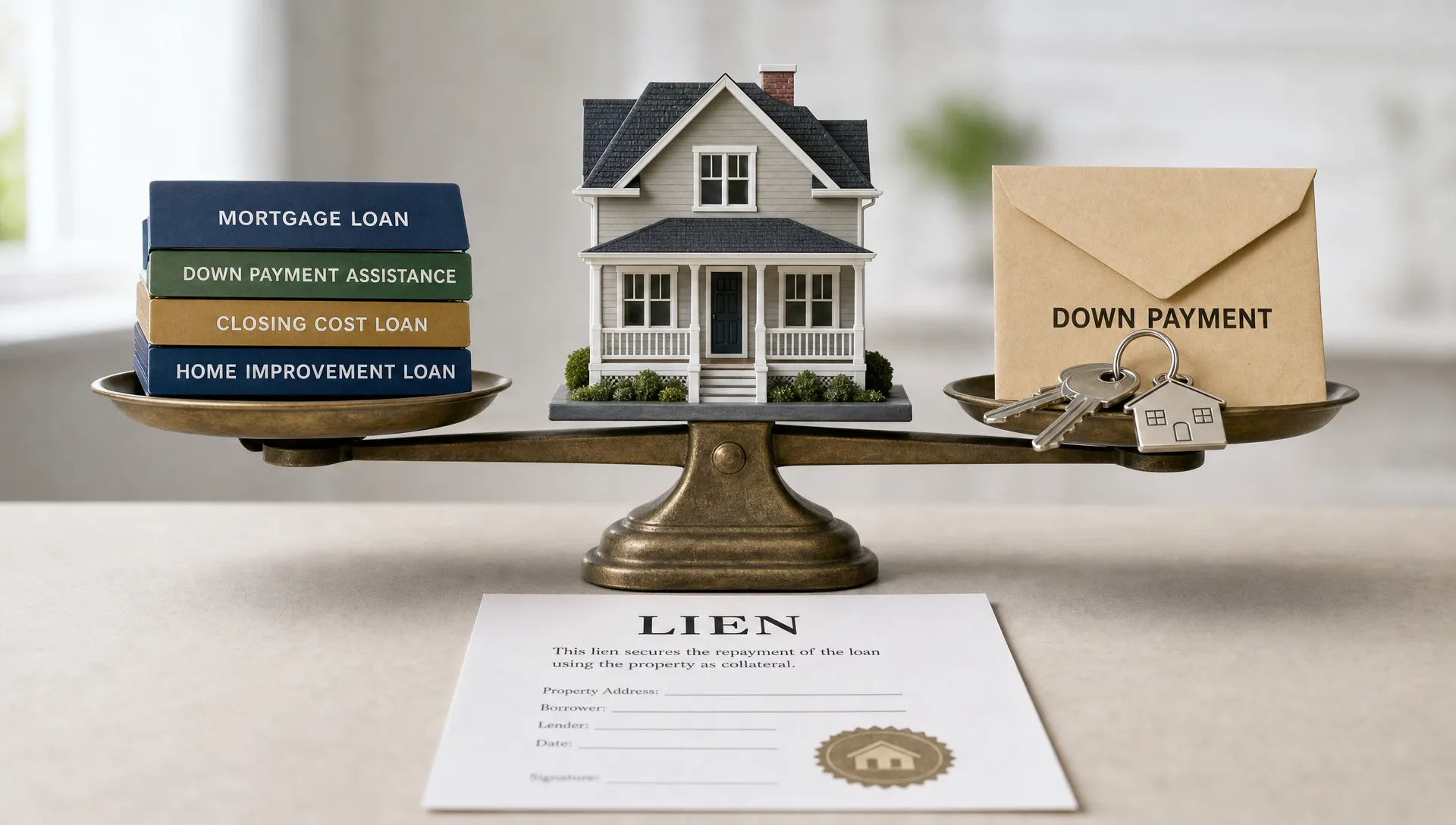
That security is what makes a mortgage different from an unsecured personal loan. You agree to repay the lender over time, usually with interest, and the lender records a legal claim called a lien against the property until the loan is paid off. You still own the home, but if you stop making payments and cannot resolve the issue, the lender may have the right to foreclose under the terms of the loan.
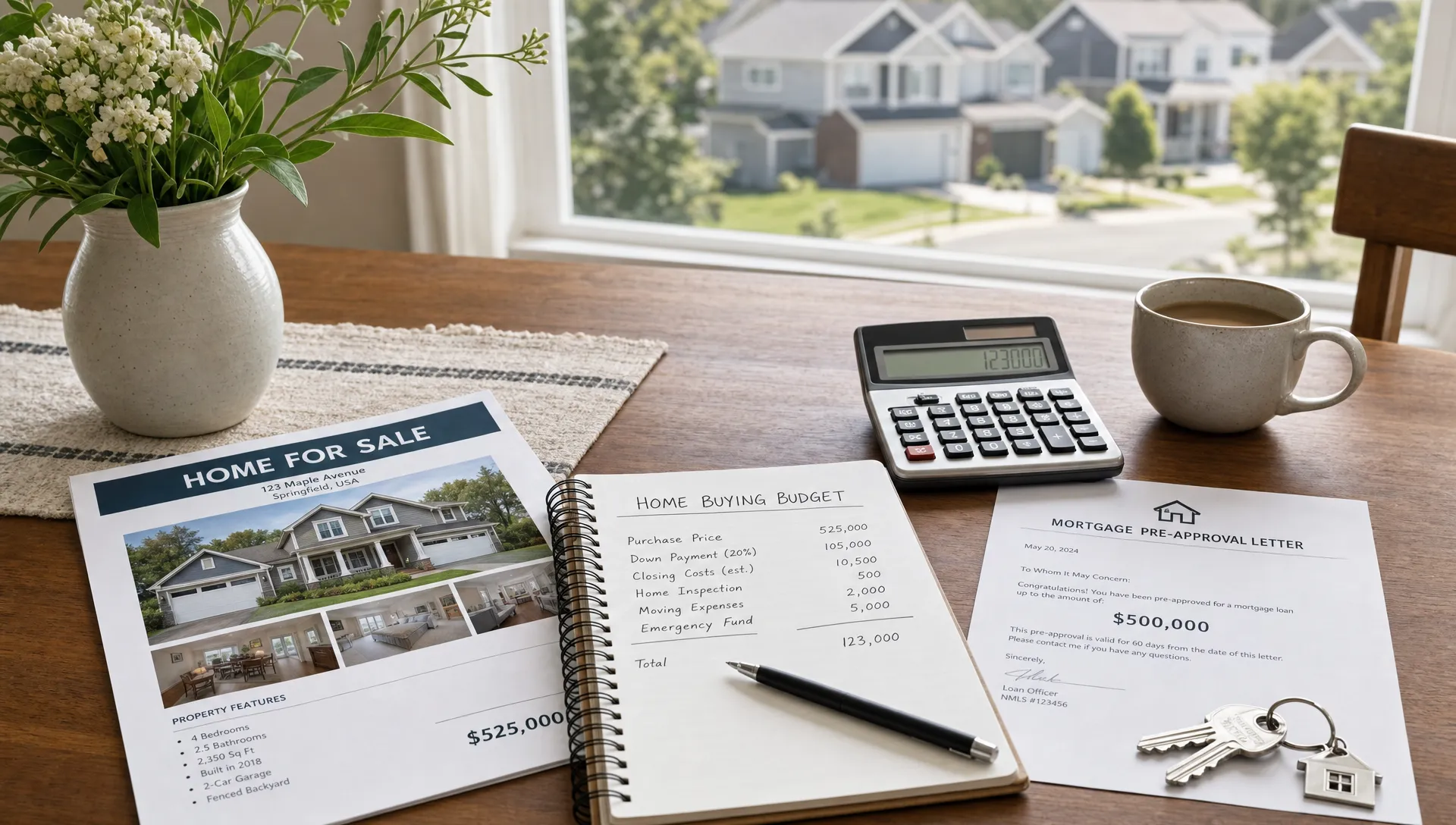
For most buyers, a mortgage loan is what makes homeownership possible. Instead of paying the full purchase price in cash, you bring a down payment, finance the rest, and repay the balance through monthly payments over a set term.
What Is a Mortgage Loan?
A mortgage loan is a type of loan secured by real property, such as a single-family home, condo, townhouse, or eligible multi-unit property. The borrower receives funds from a lender and agrees to repay those funds according to the loan terms.
The key parts of a mortgage loan include:
- Loan amount: The amount you borrow after your down payment or current equity is considered.
- Interest rate: The cost of borrowing the money, expressed as a percentage.
- Loan term: The repayment period, commonly 15, 20, or 30 years.
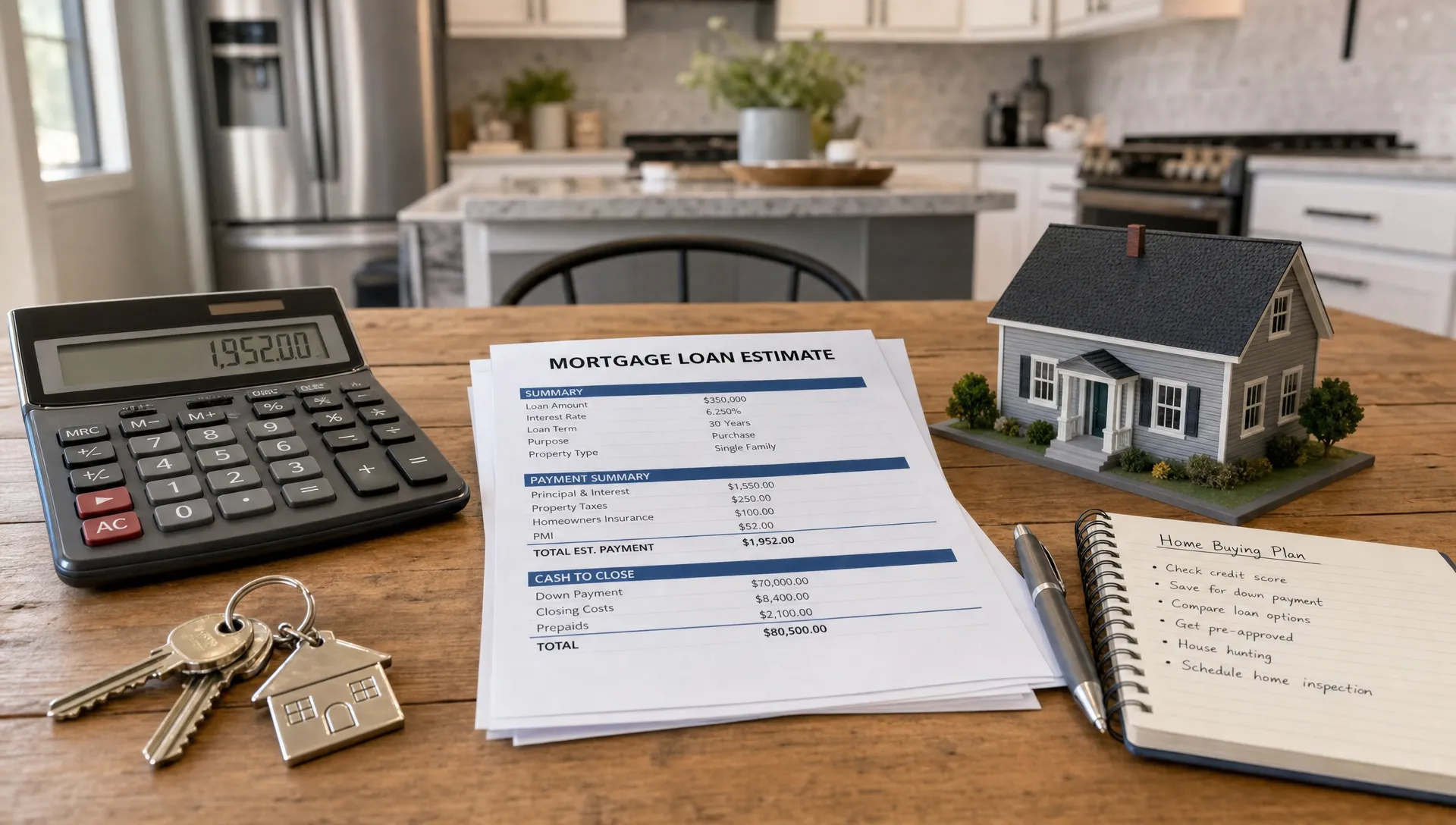
- Monthly payment: The recurring payment you make, often including principal, interest, taxes, insurance, and sometimes mortgage insurance.
- Collateral: The home or property that secures the loan.
A mortgage loan can be used for more than buying a home. Homeowners may also use mortgage financing to refinance an existing loan, access home equity through a cash-out refinance, or change loan terms to better match their financial goals.
If you are comparing terminology, it may help to understand how lenders use the phrases mortgage loan vs home loan, since many people use them interchangeably in everyday conversations.
How Does a Mortgage Loan Work?
A mortgage works through a simple exchange: the lender provides money, and you promise to repay it over time. Because the loan is secured by the property, the lender reviews both your finances and the property itself before approving the loan.
Here is the basic flow.
First, you apply with a lender and share financial information such as income, debts, assets, credit history, and employment details. The lender uses that information to determine whether you qualify and how much you may be able to borrow.
Next, if you are buying a home, the property is reviewed. This usually includes an appraisal to help confirm the home’s market value. The lender wants to make sure the property supports the loan amount.
Then the loan goes through underwriting. During underwriting, the lender verifies your information, checks documents, reviews risk, and confirms the loan meets program requirements.
Finally, if the loan is approved, you sign closing documents, pay any required closing costs and down payment, and the loan funds. After closing, you begin making monthly payments according to the loan terms.
For a deeper walkthrough of the timeline, documentation, and closing steps, New Era Lending has a helpful guide on how a home mortgage loan works from start to close.
What Is Included in a Monthly Mortgage Payment?
Many buyers think of a mortgage payment as one number, but that number can include several separate costs. Understanding these pieces helps you compare loan options more accurately.
The most common parts are principal and interest. Principal is the amount you borrowed and are paying back. Interest is the cost of borrowing that money. In the early years of many mortgages, a larger share of each payment goes toward interest. Over time, more of the payment goes toward principal.
Your payment may also include property taxes and homeowners insurance if your lender sets up an escrow account. With escrow, you pay a portion of these annual costs each month, and the lender or loan servicer pays the bills when they are due.
Some loans also include mortgage insurance. Mortgage insurance may be required when a borrower makes a smaller down payment or uses certain loan programs. It helps protect the lender if the borrower defaults, but it is paid by the borrower.
If the home is part of a homeowners association, HOA dues are usually separate from your mortgage payment. Even so, lenders often consider HOA dues when calculating how much home you can afford.
Common Types of Mortgage Loans
There is no single mortgage that fits every buyer. The right option depends on your credit profile, income, savings, military service history, property type, location, and long-term plans.
Common mortgage loan types include conventional loans, FHA loans, VA loans, USDA loans, jumbo loans, and refinance loans. Each has its own eligibility rules, down payment expectations, property standards, and cost structure.
A conventional loan is not insured by a government agency and is often used by borrowers with solid credit and stable income. FHA loans are backed by the Federal Housing Administration and may be more flexible for certain buyers. VA loans are available to eligible veterans, active-duty service members, and qualifying surviving spouses. USDA loans may support eligible buyers in qualifying rural or suburban areas. Jumbo loans are used when the loan amount exceeds conforming loan limits.
The best choice is not always the loan with the lowest advertised rate. You also need to consider mortgage insurance, closing costs, loan term, down payment, and how long you expect to keep the home. To compare programs in more detail, start with this simple guide to mortgage loan options.
Fixed-Rate vs Adjustable-Rate Mortgages
Another key decision is whether to choose a fixed-rate mortgage or an adjustable-rate mortgage.
A fixed-rate mortgage keeps the same interest rate for the life of the loan. This can make budgeting easier because the principal and interest portion of your payment stays consistent. Taxes and insurance can still change, but your core loan payment does not.
An adjustable-rate mortgage, often called an ARM, usually starts with a fixed rate for an initial period. After that period ends, the rate can adjust based on the loan terms and market conditions. ARMs may appeal to some buyers who plan to move or refinance before the adjustment period, but they carry the risk of a higher payment later.
Neither option is automatically better. The right fit depends on your comfort with payment changes, how long you plan to own the home, and your broader financial strategy.
What Lenders Look at Before Approval
Mortgage approval is not based on one factor. Lenders typically review the full financial picture to decide whether the loan is affordable and likely to be repaid.
They commonly look at credit history, income stability, employment, debt-to-income ratio, assets, down payment, property value, and the type of loan program you choose. Your debt-to-income ratio compares your monthly debt payments with your gross monthly income. This helps the lender evaluate whether the proposed mortgage payment fits within your budget.
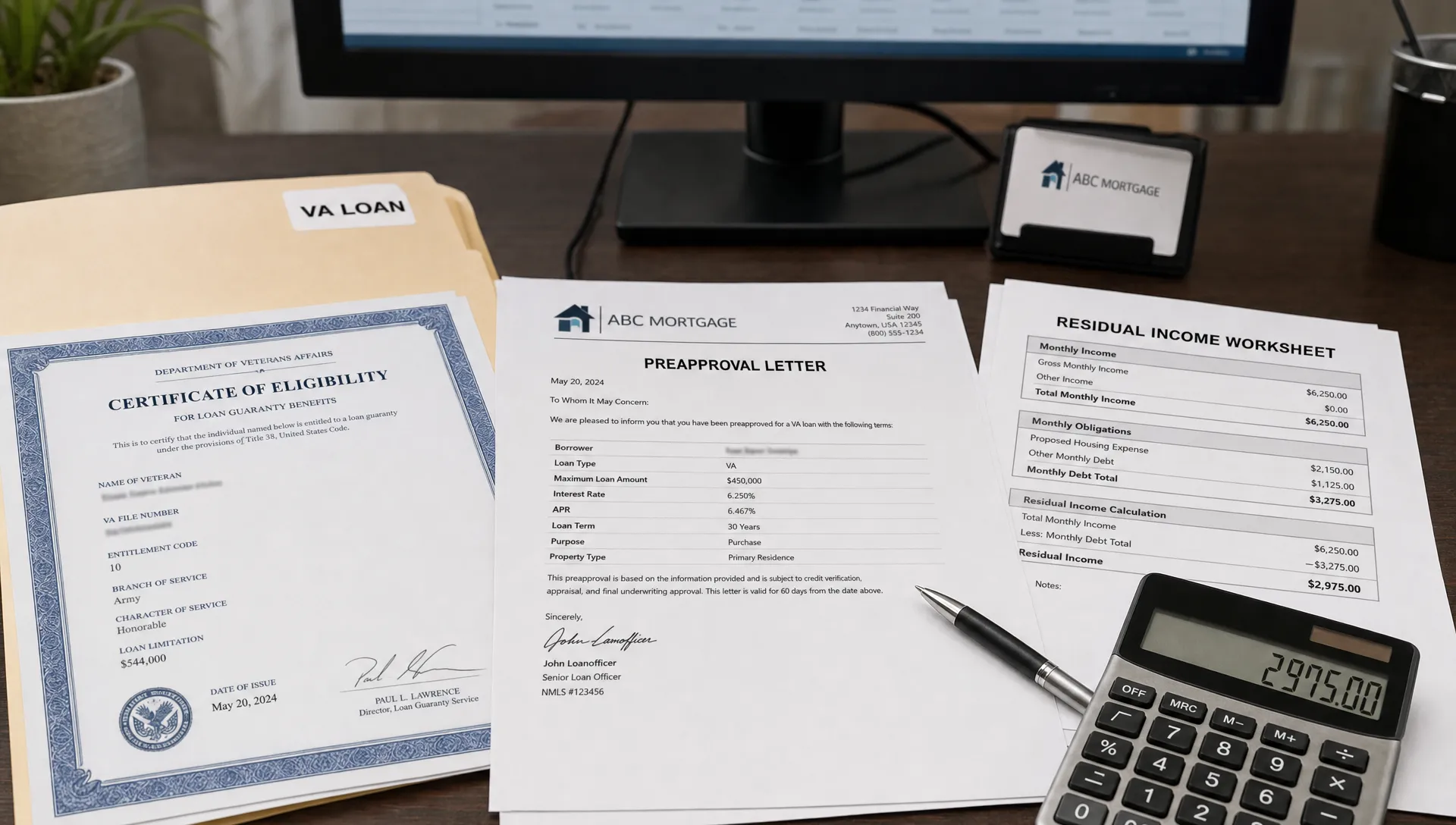
Documents matter because lenders must verify what appears on the application. You may be asked for pay stubs, W-2s, tax returns, bank statements, identification, and other records depending on your situation.
Because mortgage files contain sensitive financial data, it is important to work with a lender that takes secure document handling seriously. The same security-first mindset businesses seek from technology partners offering cybersecurity and cloud infrastructure services is a useful reminder for borrowers to use secure uploads, strong passwords, and trusted communication channels during the mortgage process.
What Happens at Closing?
Closing is the final step where the mortgage becomes official. Before closing, you receive documents that explain the terms, costs, payment amount, interest rate, and other details of the loan.
At closing, you sign the mortgage paperwork and other required documents. If you are buying a home, you also provide your down payment and closing funds. Once everything is signed and funded, ownership transfers according to the transaction terms, and the mortgage lien is recorded.
Closing costs vary by loan, property, state, and transaction type. They can include lender fees, appraisal fees, title-related charges, recording fees, prepaid taxes, prepaid insurance, and other items. A trustworthy lender should explain these costs clearly so you understand what you are paying and why.
How to Know What Mortgage You Can Afford
Affordability is about more than getting approved. A loan may meet guidelines but still feel uncomfortable if it leaves too little room for savings, repairs, emergencies, or lifestyle needs.
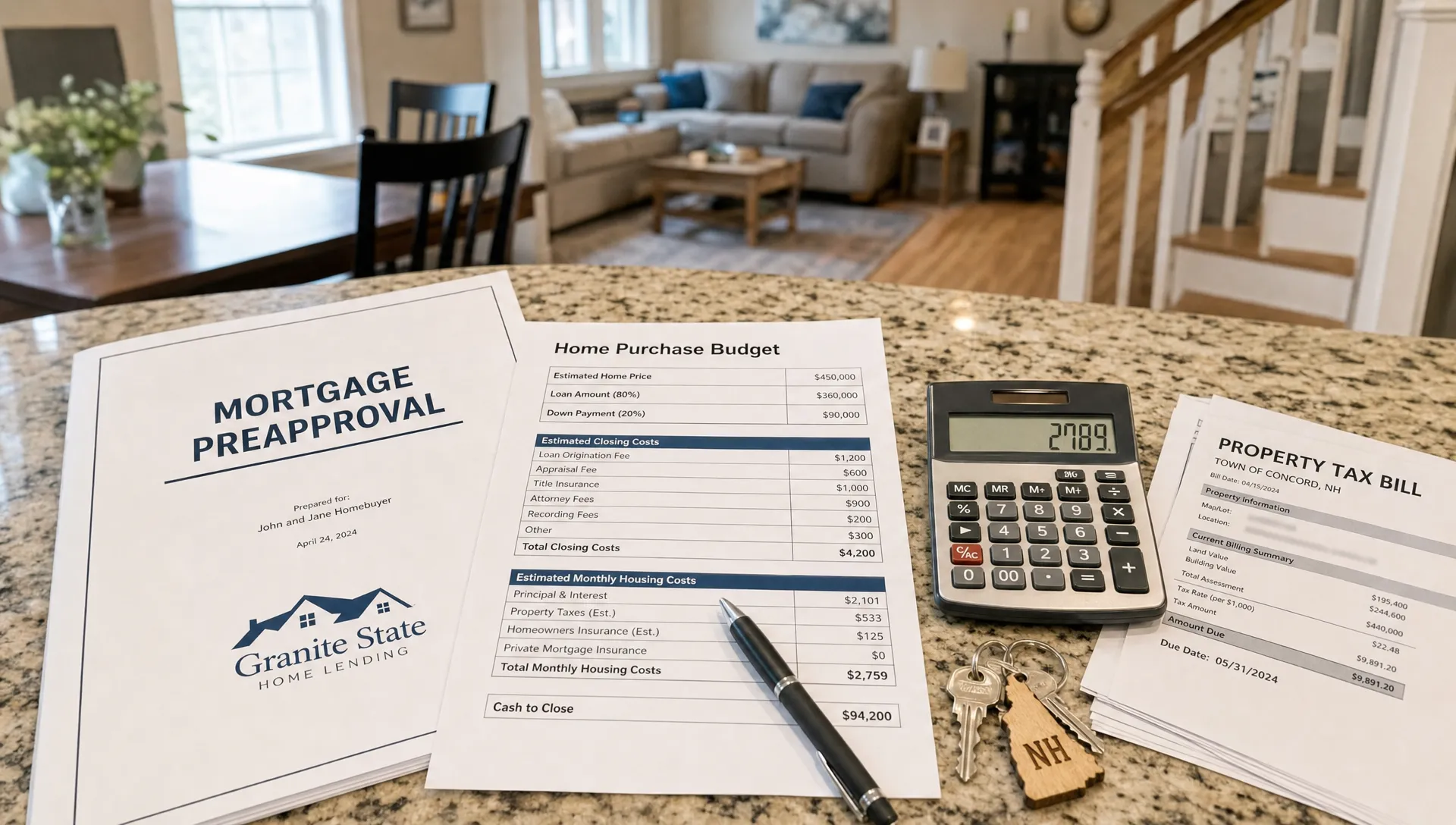
Before choosing a mortgage, consider your full monthly housing cost. That includes principal, interest, property taxes, homeowners insurance, mortgage insurance if applicable, HOA dues if any, utilities, maintenance, and future repairs.
It is also wise to think beyond today’s income. Ask yourself whether your job situation is stable, whether you expect major life changes, and whether you have enough cash reserves after closing. Homeownership can be rewarding, but it comes with responsibilities that renters may not have, such as roof repairs, appliance replacement, and property upkeep.
A good mortgage conversation should help you balance approval with comfort. The goal is not just to buy a home. The goal is to buy a home with financing that supports your life after closing.
Mortgage Loan Example in Plain English
Imagine you buy a home for $350,000 and make a $35,000 down payment. That means you are financing $315,000 through a mortgage loan, before considering closing costs or other adjustments.
Your lender sets the loan terms based on your application, the property, the loan program, and market conditions. If you choose a 30-year fixed-rate loan, your principal and interest payment is calculated so the loan is paid off over 30 years, as long as you make the required payments.
Each month, part of your payment goes toward interest and part goes toward reducing your balance. If your loan includes escrow, your payment may also include amounts for taxes and insurance. Over time, as your balance decreases and your home value may change, your equity can grow.
Equity is the difference between what your home is worth and what you owe. Homeowners may later use that equity through certain refinance or cash-out options, depending on eligibility, market conditions, and financial goals.
Questions to Ask Before Choosing a Mortgage
Before signing loan documents, make sure you understand the structure and long-term impact of the mortgage. A few smart questions can help you avoid surprises.
Ask what your interest rate and APR are, since APR includes certain loan costs and can help you compare offers. Ask whether the rate is fixed or adjustable. Ask what your estimated monthly payment includes and whether taxes and insurance are escrowed.
You should also ask how much cash you need to close, whether mortgage insurance applies, what documents are required, and how long the approval process may take. If you are refinancing, ask how the new loan improves your current situation and how long it may take to recover closing costs.
The clearer the answers, the easier it is to make a confident decision.
Frequently Asked Questions
What is a mortgage loan in simple terms? A mortgage loan is money borrowed to buy, refinance, or access equity in real estate. The property secures the loan, and the borrower repays it over time with interest.
Do I own the home if I have a mortgage? Yes. In a typical home purchase, you own the home, but the lender has a lien on the property until the mortgage is paid off. The lien gives the lender certain rights if the loan is not repaid.
How long does a mortgage loan last? Common mortgage terms include 15, 20, and 30 years, although other terms may be available. A shorter term usually pays off the loan faster, while a longer term may offer a lower monthly payment.
What is the difference between interest rate and APR? The interest rate is the cost of borrowing the loan amount. APR, or annual percentage rate, includes the interest rate plus certain loan-related costs, making it useful for comparing offers.
Can I pay off a mortgage early? Many mortgage loans allow early payoff, but you should review your loan terms and ask whether any prepayment penalty applies. Paying extra principal can reduce interest costs and shorten the loan term.
A Simpler Way to Start Your Mortgage Journey
A mortgage loan is one of the biggest financial decisions most people make, but it does not have to feel confusing. Once you understand the basics, including how payments work, what lenders review, and which loan options may fit your situation, the process becomes much easier to navigate.
New Era Lending helps buyers and homeowners explore purchase, refinance, and equity access solutions with modern tools, clear guidance, and personalized support. If you are ready to take the next step, connect with New Era Lending to start a smarter, more confident mortgage conversation.