.jpg)
.jpg)





.jpg)


Mortgage Loan vs Home Loan: Is There Any Difference?

If you are shopping for financing, you may see lenders use “mortgage loan,” “home loan,” “home mortgage,” and “house loan” almost interchangeably. That can make a simple question feel more complicated than it is: mortgage loan vs home loan, is there any real difference?
The short answer is: in everyday U.S. lending conversations, a home loan is usually a mortgage loan. If you are borrowing money to buy, refinance, or use equity in a house, the loan is typically secured by real estate, which makes it a mortgage.
The longer answer is more useful. “Home loan” usually describes what the money is for. “Mortgage loan” describes how the loan is secured. Understanding that difference can help you read lender offers more clearly, ask better questions, and avoid comparing the wrong products.
Mortgage loan vs home loan: the simple distinction
A mortgage loan is a loan secured by real property. In plain English, the home is used as collateral. If the borrower does not repay the loan according to the terms, the lender has legal rights tied to the property, subject to state law and the foreclosure process.
A home loan is a broader, more consumer-friendly phrase. It usually means money borrowed for a home-related purpose, such as buying a house, refinancing an existing mortgage, or accessing home equity.
So when someone says “I need a home loan to buy a house,” they almost always mean a mortgage loan. When a lender says “mortgage loan,” they are usually being more precise about the legal and financial structure.
The Consumer Financial Protection Bureau defines a mortgage as an agreement between you and a lender that gives the lender the right to take your property if you fail to repay the money you borrowed. That is the key idea behind the term “mortgage.”
What “mortgage loan” means in practice
A mortgage loan involves more than a monthly payment. It is a full financing arrangement with a loan amount, interest rate, repayment term, closing costs, property requirements, and underwriting review.
Most mortgage loans include two important pieces. The first is the promise to repay, often called the note. The second is the security instrument, which gives the lender an interest in the property. Depending on the state, that document may be called a mortgage or a deed of trust, but the practical point is the same: the property secures the loan.
Mortgage loans can be used for several purposes, including:
- Buying a primary residence, second home, or investment property
- Refinancing an existing mortgage to change the rate, term, or payment structure
- Pulling cash from home equity through a cash-out refinance
- Financing certain construction or renovation situations
- Accessing equity through products such as home equity loans or HELOCs
This is why “mortgage loan” is not limited to first-time homebuyers. A homeowner who refinances after 10 years, a veteran using a VA loan, and an investor financing a rental property may all be using mortgage loans, even though their goals are different.
If you want a deeper walkthrough of the approval stages, New Era Lending’s guide to the mortgage loan process from start to closing explains what usually happens from pre-approval through closing.
What “home loan” usually means
“Home loan” is the phrase many borrowers use because it sounds simpler and more intuitive. It tells you the loan is connected to a home, but it does not always tell you the exact loan structure.
For example, all of these may be described casually as home loans:
- A conventional loan used to purchase a single-family home
- An FHA loan for a buyer with a smaller down payment
- A VA loan for an eligible veteran or service member
- A USDA loan for an eligible rural property
- A jumbo loan for a higher-priced home
- A refinance loan on a home you already own
- A home equity loan or HELOC
That does not mean they all work the same way. Some are first mortgages. Some are second liens. Some have fixed rates, while others may have variable rates. Some are designed for purchases, while others are for refinancing or equity access.
This is where the label “home loan” can become too general. It is useful for starting the conversation, but not enough to choose the right financing.
When the difference actually matters
For most buyers, the difference between “mortgage loan” and “home loan” is not something to worry about. If you are purchasing a house and the lender is offering a standard home financing program, you are likely discussing a mortgage loan.
The distinction matters more when you compare different types of borrowing. A home equity loan, HELOC, cash-out refinance, and unsecured personal loan could all be used for home-related goals, but they are not the same product.
A cash-out refinance replaces your current mortgage with a new mortgage loan for a larger amount, then gives you the difference in cash after eligible payoff and costs. A home equity loan is usually a separate loan secured by your home, often with a fixed rate and lump-sum funding. A HELOC is usually a revolving line of credit secured by your home, commonly with a variable rate. An unsecured personal loan may be used for home improvements, but it is not a mortgage because the home is not collateral.
That difference affects risk, pricing, documentation, repayment terms, and what happens if payments are missed. Secured loans often have different rates and longer repayment options than unsecured debt, but they also put the property at risk if you do not repay as agreed.
If your goal is to use equity, it is worth comparing structures carefully. New Era Lending’s guide to equity home loans explains how borrowing power and cost can vary by option.
The terms you should focus on instead
The label matters less than the loan details. Whether a lender calls it a mortgage loan, home loan, or home mortgage, you want to understand the structure behind the offer.
Start with the loan purpose. Are you buying a home, refinancing, taking cash out, or opening an equity line? The purpose determines which programs may be available and what documentation the lender will need.
Next, look at the loan program. Conventional, FHA, VA, USDA, jumbo, and non-QM options can all serve different borrower profiles. The best fit may depend on your credit history, down payment, military service eligibility, income type, property location, and long-term plans. For a broader program overview, see New Era Lending’s guide to mortgage loan programs.
Then compare the actual cost and risk profile. A lower interest rate is helpful, but it is not the whole story. You should also review APR, discount points, lender credits, mortgage insurance, closing costs, escrow items, rate-lock terms, and the full monthly housing payment.
The most important comparison document is the Loan Estimate. The CFPB provides a helpful overview of the Loan Estimate form, which lenders generally provide after you apply and share key details. This document helps you compare offers more consistently because it organizes loan terms, projected payments, closing costs, and cash to close.
Real-world examples that make the difference clearer
Imagine you are buying your first home. You tell a lender you need a home loan. The lender may evaluate whether you fit conventional, FHA, VA, USDA, or another program. Once you choose a program, the financing will usually be documented as a mortgage loan secured by the property.
Now imagine you already own a home and want a lower monthly payment. You may say you want a new home loan, but the more specific term is a mortgage refinance. You are not buying a new home. You are replacing or restructuring the financing on the home you already own.
If you want to renovate your kitchen and need $60,000, the wording matters more. A home equity loan, HELOC, cash-out refinance, and personal loan could all fund the project, but they create very different repayment obligations. Some are mortgage-related and secured by your home. Some may not be.
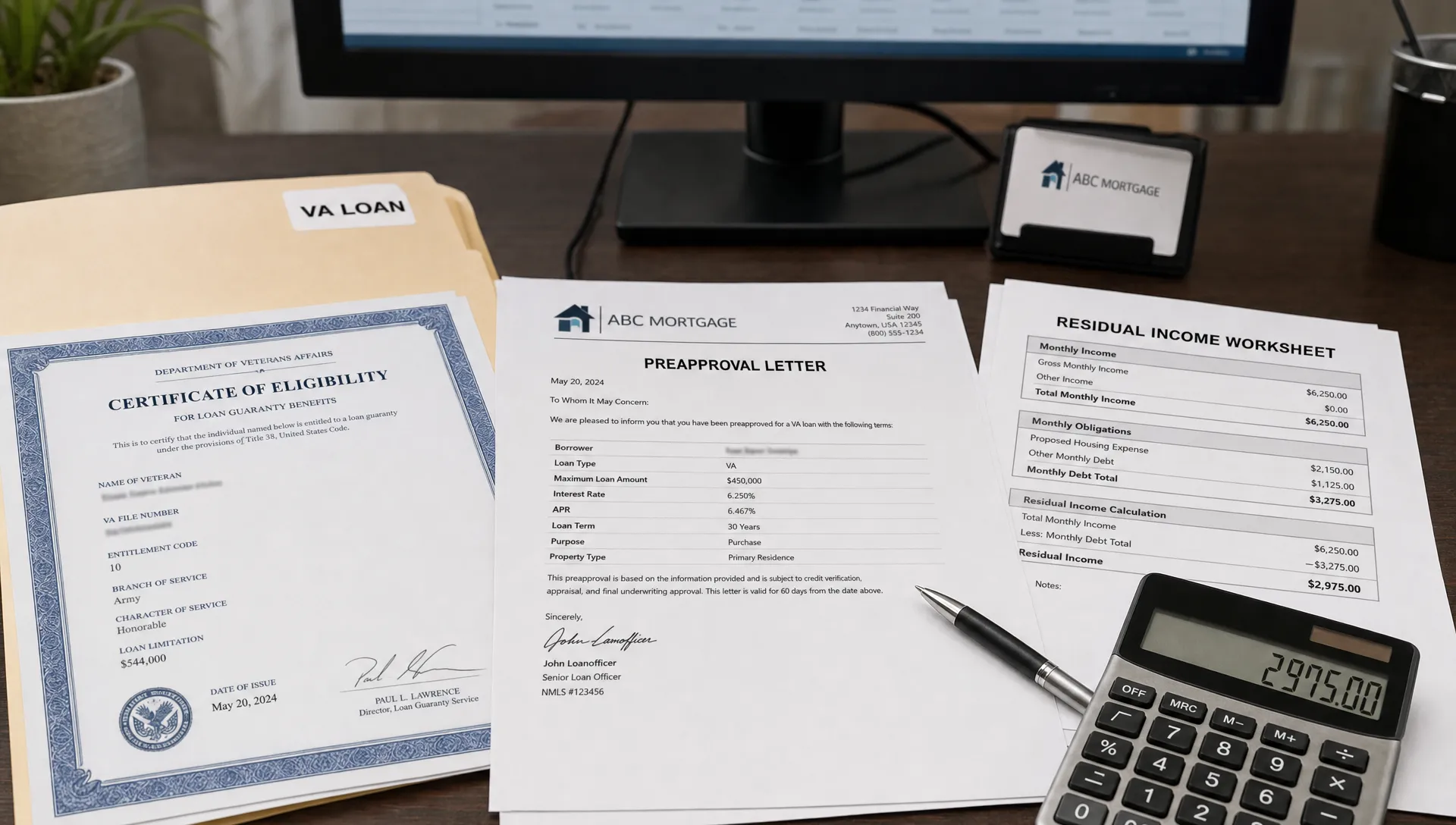
And if you are a veteran or active-duty service member, “home loan” may refer to a VA loan benefit. A VA loan is still a mortgage loan, but it has specific eligibility rules, funding-fee considerations, and property requirements. New Era Lending offers specialized veteran loan guidance, which can be especially valuable when comparing VA options with conventional, FHA, or other programs.
Questions to ask before you apply
You do not need to use perfect lending terminology when you talk to a loan officer. A good lender should help translate your goals into the right financing options. Still, asking clear questions can prevent confusion.
Use these questions when comparing home financing:
- Is this loan secured by my home? This tells you whether you are dealing with a mortgage or another type of credit.
- Is it a first mortgage, second mortgage, HELOC, or another structure? This helps clarify lien position and repayment expectations.
- Which loan program are you quoting? Ask whether the offer is conventional, FHA, VA, USDA, jumbo, non-QM, or another program.
- What is the full monthly payment? Include principal, interest, property taxes, homeowners insurance, mortgage insurance, HOA dues, and any other required items.
- What is my cash to close? Down payment and closing costs are not the same, and both matter.
- How does the APR compare with the interest rate? APR can help show the effect of certain loan costs, although it still needs context.
- What happens if I sell, refinance, or pay off early? Ask about prepayment penalties, break-even timing, and how long you expect to keep the loan.
These questions shift the conversation away from labels and toward the parts of the loan that affect your budget.
How New Era Lending helps simplify the terminology
Mortgage language can feel intimidating, especially when similar phrases mean slightly different things. New Era Lending is built around making that process clearer, combining smart technology with human guidance so borrowers can understand their options before they commit.
For home purchases, refinances, and equity access, the goal is not just to get a loan. It is to match the financing structure to your budget, timeline, property, and future plans. That may involve comparing loan programs, reviewing rates and terms, uploading documents securely, and moving through approvals with fewer surprises.
New Era Lending serves borrowers across 39 states and offers a wide range of loan options, including specialized support for veterans. If you are unsure whether you need a purchase mortgage, refinance, cash-out option, or equity solution, a personalized conversation can help turn general terms into a clear plan.
Frequently Asked Questions
Is a mortgage loan the same as a home loan? Usually, yes. In everyday conversation, borrowers often use “home loan” to mean a mortgage loan used to buy or refinance a home. Technically, a mortgage loan is a loan secured by real estate, while a home loan describes the home-related purpose.
Can a home loan be something other than a mortgage? Sometimes. If a loan is used for home improvements but is not secured by the property, it may be a personal loan rather than a mortgage. For home purchases and most refinances, however, the loan is typically a mortgage.
Does the wording affect my interest rate? No. Your rate is not based on whether the lender calls it a home loan or mortgage loan. Pricing is generally affected by factors such as market conditions, credit profile, loan amount, loan-to-value ratio, property type, loan program, points, credits, and lock period.
What should I compare when reviewing home loan offers? Compare the loan program, interest rate, APR, monthly payment, mortgage insurance, closing costs, cash to close, rate-lock period, and loan term. The Loan Estimate is the best standardized document for comparing mortgage offers.
Should I ask for a home loan or mortgage loan when contacting a lender? Either phrase is fine. What matters most is explaining your goal clearly, such as buying a primary home, refinancing, using VA benefits, lowering your payment, or accessing equity.
Ready to compare your home financing options?
Whether you call it a mortgage loan or a home loan, the right choice should be clear, affordable, and aligned with your goals. New Era Lending can help you compare personalized options for buying, refinancing, or accessing home equity with modern tools and human support.
Connect with New Era Lending to get guidance on the loan structure that fits your next move.