.jpg)
.jpg)





.jpg)

New Home Loan Rates: When to Lock Your Rate

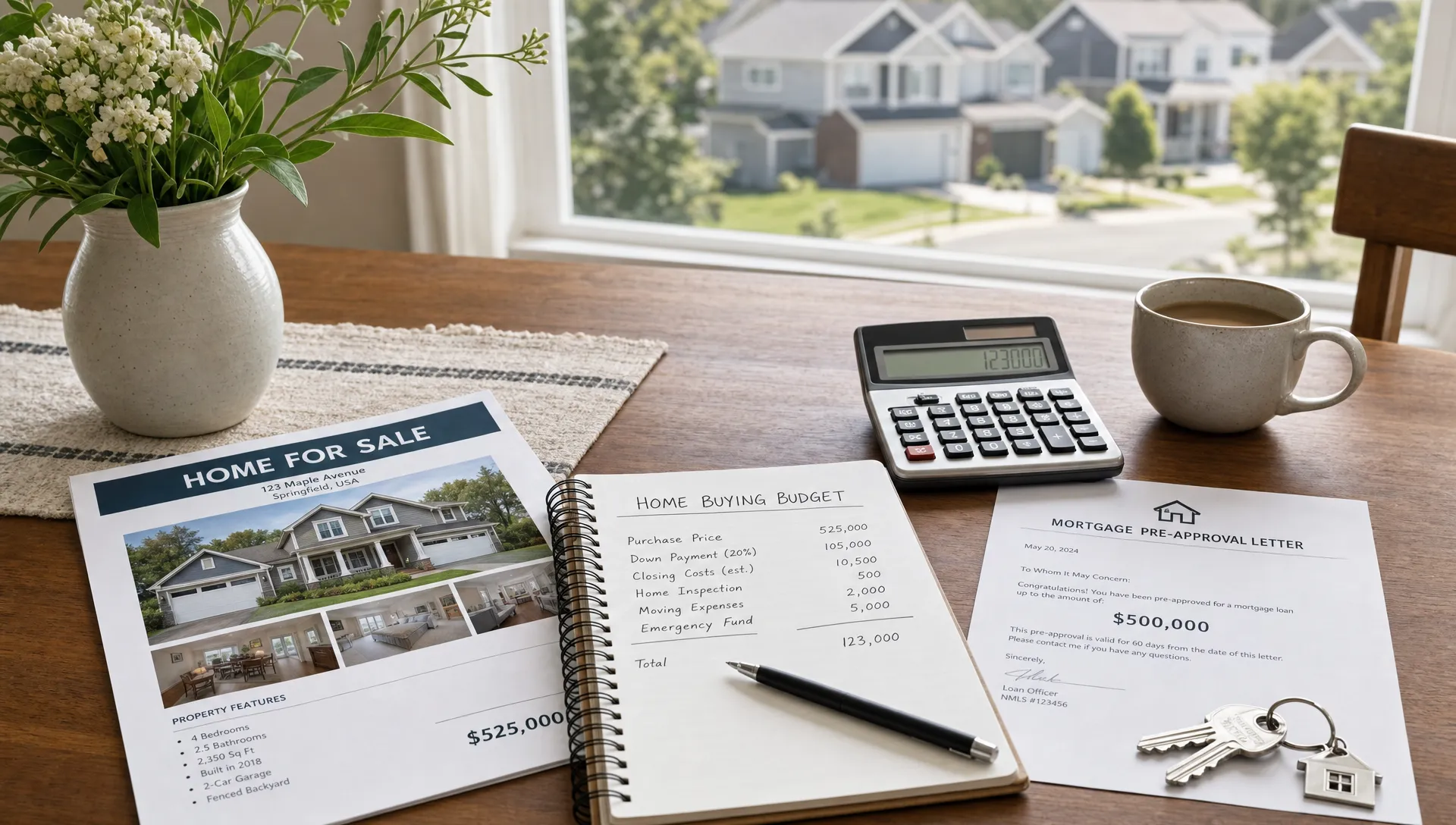
New home loan rates can change quickly, sometimes more than once in the same day. That can make one part of the mortgage process feel especially stressful: deciding when to lock your rate.
A rate lock can protect you from market movement while your loan moves toward closing. But locking too early, choosing the wrong lock period, or focusing only on the lowest advertised rate can create avoidable costs or last-minute pressure. The goal is not to predict the market perfectly. The goal is to choose a lock strategy that fits your timeline, budget, and risk tolerance.
Here is how to think through the decision before you lock your rate on a new home loan.
What does it mean to lock a mortgage rate?
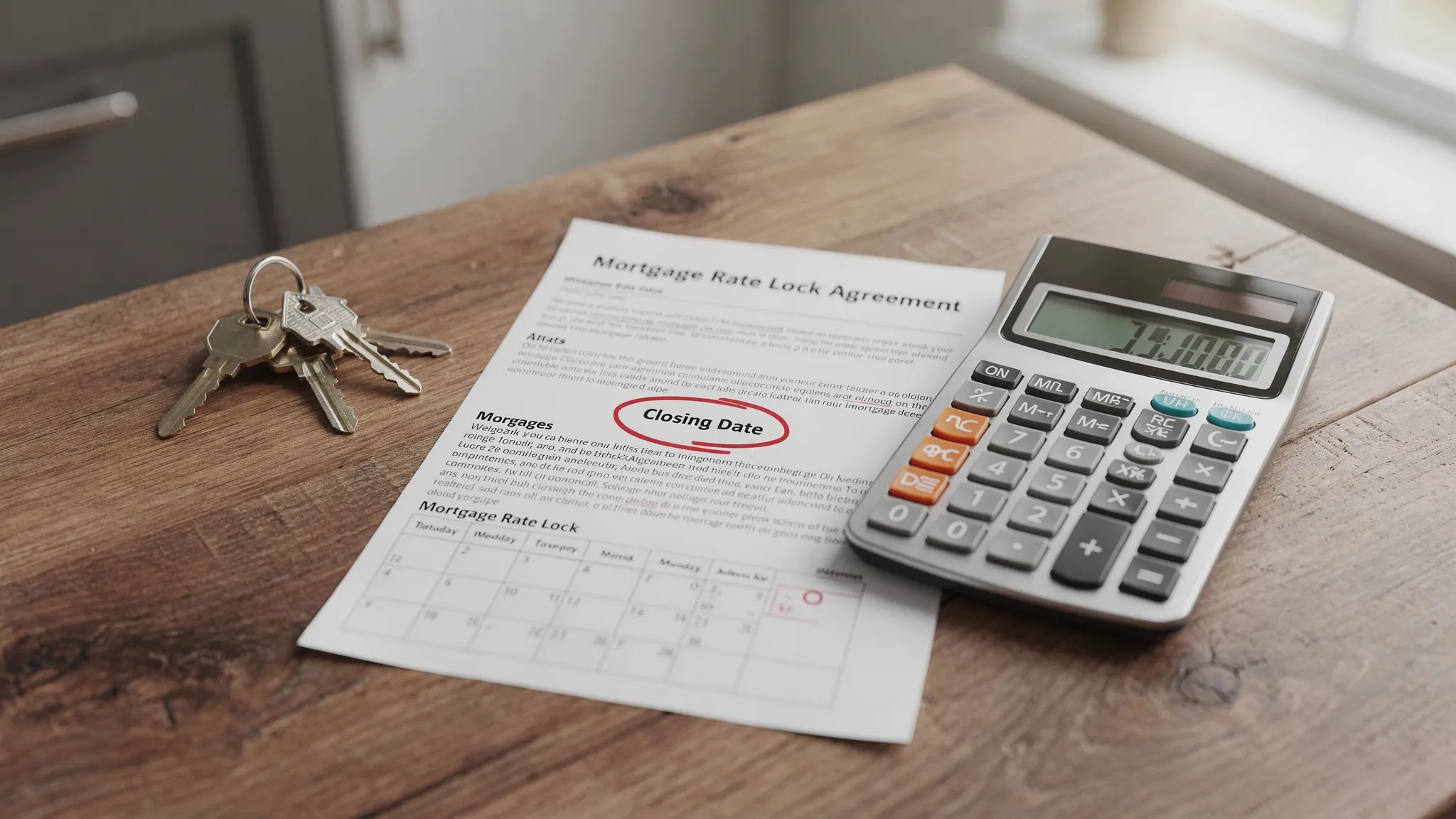
A mortgage rate lock is an agreement that holds a specific interest rate for a set period of time while your loan is being processed. If market rates rise during that period, your locked rate is generally protected, as long as your loan closes before the lock expires and the details of your loan do not materially change.
The Consumer Financial Protection Bureau explains that a rate lock can protect borrowers from rate increases between application and closing, but the exact terms depend on the lender and the lock agreement.
A rate lock usually covers the interest rate and the pricing attached to that rate, such as points or lender credits. It does not guarantee loan approval, and it does not freeze every part of your payment. Property taxes, homeowners insurance, mortgage insurance, HOA dues, and escrow estimates can still change.
It is also important to know that your rate can be re-priced if your loan scenario changes. Examples may include a different loan amount, down payment, credit score, property type, occupancy type, loan program, or closing date. That is why rate-lock decisions should be made using accurate information, not rough guesses.
Why new home loan rates move before closing
Mortgage rates are influenced by broad financial markets, especially bond market activity and mortgage-backed securities pricing. Inflation expectations, jobs data, Federal Reserve commentary, investor demand, and economic uncertainty can all affect mortgage pricing.
That does not mean your personal rate is based only on the market. Your credit profile, loan program, down payment, property type, and lock period also matter. Two buyers shopping on the same day may receive different quotes because their loan scenarios are different.
For a deeper breakdown of how lenders price rates, see New Era Lending’s guide on how home mortgage loan rates are priced.
The key takeaway is simple: a quote is not the same as a lock. Until your rate is locked, the rate and cost structure can move with the market.
When can you lock a rate on a new home loan?
For a purchase loan, many borrowers lock after they are under contract on a specific property. At that point, the lender has the details needed to price the loan more accurately, including the property address, purchase price, down payment, estimated closing date, and loan program.
Some lenders may offer options that allow buyers to lock before they have a signed purchase contract, or to use longer lock periods for new construction. These programs vary, and they may come with specific fees, conditions, or limitations. Do not assume they are available unless your lender confirms the details in writing.
For refinances, the timing is usually different because there is already a property involved. A homeowner may be able to lock once the loan application and refinance scenario are established. Still, the same principle applies: the more accurate the loan details, the more reliable the quote.
The best time to lock your rate
The best time to lock is when the rate, payment, costs, and timeline work for your financial plan. Waiting for the absolute lowest possible rate can be tempting, but it can also backfire if rates rise before closing.
In many purchase situations, locking makes sense when you have an accepted offer, a realistic closing date, and a monthly payment you are comfortable with. If the payment works today and an increase would strain your budget, protecting the current rate may be more valuable than trying to squeeze out a slightly better deal.
A lock may be especially worth considering when:
- You are under contract and closing within the next 30 to 60 days.
- Your budget is tight and a higher payment would affect approval or comfort.
- Market conditions are volatile and rates are moving quickly.
- You are using seller concessions, a buydown, or a program with specific timing requirements.
- Your closing date is firm and missing it could create contract issues.
- You are buying new construction and need a longer strategy for a future closing.
Floating may be more reasonable when you are still early in the shopping process, have not found a property, have strong payment flexibility, or are not yet comfortable with the full loan estimate. But floating is not a strategy unless you understand the risk. It is a bet that rates will stay the same or improve before you lock.
How much can a small rate change affect your payment?
A quarter-point change may not sound dramatic, but it can matter over time.
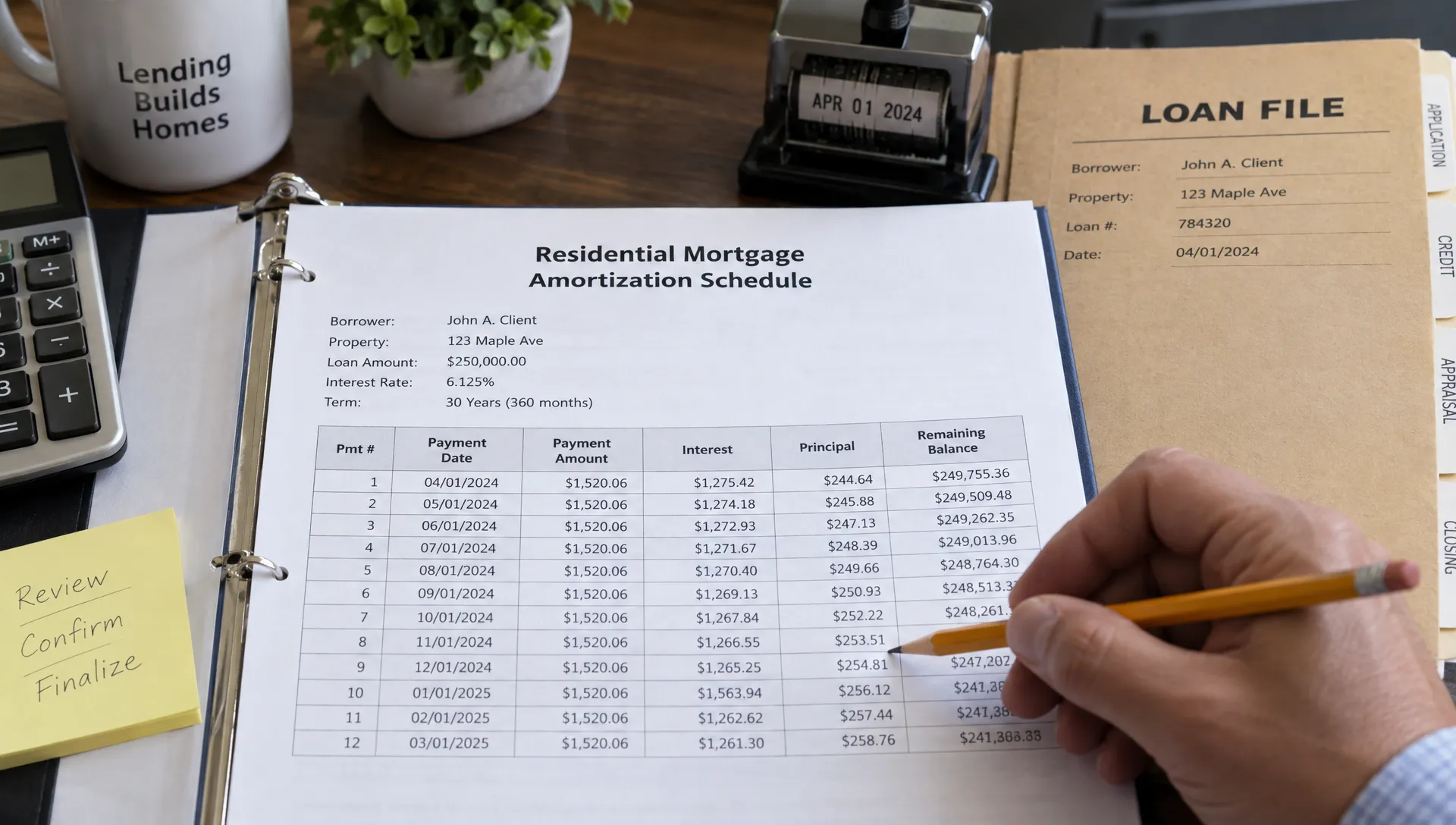
For example, on a $400,000 30-year fixed-rate mortgage, a move from 6.50% to 6.75% could increase principal and interest by roughly $65 per month. A move from 6.50% to 7.00% could increase it by about $130 per month. Those numbers are estimates and do not include taxes, insurance, mortgage insurance, or other housing costs, but they show why timing matters.
The larger the loan amount, the more sensitive your payment may be to rate movement. If you are already near your maximum comfortable payment, a small rate increase can change your buying power or force you to adjust your down payment, loan program, or price range.
This is why rate-lock timing should be part of your affordability plan, not a last-minute decision.
Choosing the right lock period
Rate locks are usually offered for a specific number of days. Common examples include 15, 30, 45, or 60 days, though availability varies by lender and loan type. Longer lock periods may cost more because the lender is taking on more market risk.
The right lock period should match your expected closing date with a cushion. If your closing is expected in 28 days, a 30-day lock might look efficient, but it leaves very little room for appraisal delays, underwriting conditions, title issues, repairs, or scheduling problems. A slightly longer lock may be more practical if your transaction has moving parts.
For new construction, the decision can be more complex. Builder timelines can shift because of permits, inspections, weather, supply issues, or completion delays. A standard short-term lock may not be enough if the home will not be ready for several months. Ask whether a long-term lock, lock extension, or float-down option is available and what it costs.
What happens if your rate lock expires?
If your lock expires before closing, you may need a lock extension or a new lock. Extensions can come with costs, and the available options depend on the lender, the loan program, the reason for the delay, and current market pricing.
This is one reason communication matters. If your appraisal, title work, insurance binder, or underwriting conditions are taking longer than expected, tell your loan team early. Waiting until the lock is about to expire can limit your choices.
Borrowers can also help protect the timeline by responding quickly to document requests, avoiding major credit changes, and keeping funds for closing well documented. Even a strong approval can slow down if information is missing.
Should you pay points to lock a lower rate?
Discount points are upfront costs paid to reduce the interest rate. One point generally equals 1% of the loan amount, though the rate reduction from paying points varies by market, loan program, and lender pricing.
Points can make sense if you plan to keep the loan long enough for the monthly savings to outweigh the upfront cost. This is called the break-even point. If the points cost $4,000 and they save you $80 per month, the simple break-even is 50 months. If you sell or refinance before then, paying points may not have helped.
But the decision is not just mathematical. You also need to consider cash reserves. Paying points may lower your monthly payment, but it also increases cash needed at closing. For some buyers, preserving savings after closing is more valuable than reducing the rate slightly.
If you compare rate-lock options, ask for side-by-side scenarios with no points, points, and lender credits. That makes it easier to see the tradeoff between rate, monthly payment, and cash to close.
What is a float-down option?
A float-down option may allow you to lock a rate now while still having the possibility of capturing a lower rate if market rates improve before closing. This can sound ideal, but the fine print matters.
Float-down policies vary widely. Some lenders charge a fee. Some require a minimum market improvement before the option can be used. Some allow it only once. Some restrict when it can be exercised, such as within a certain number of days before closing.
Before relying on a float-down, ask your lender:
- Is a float-down available for my loan program?
- Is there a fee or higher initial rate?
- How much do rates need to improve before I can use it?
- When can I request it?
- Does it apply to the rate only, or also to points and credits?
- Can I get the policy in writing?
A float-down can be useful, but it should not replace a sound lock strategy.
Common rate-lock mistakes to avoid
One of the biggest mistakes is chasing the lowest advertised rate without looking at the assumptions behind it. An ad may assume a specific credit score, down payment, loan amount, property type, occupancy, points, or lock period. If your scenario is different, your actual rate may be different.
Another mistake is locking before you understand the full payment. The interest rate matters, but so do property taxes, homeowners insurance, mortgage insurance, HOA dues, and closing costs. A lower rate with high points may not be better than a slightly higher rate with lower upfront costs.
Borrowers also run into problems when they choose a lock period that is too short. A short lock may look cheaper upfront, but if the closing timeline slips, extension costs can erase the savings.
Finally, avoid making financial changes after locking your rate. Opening new credit, increasing credit card balances, changing jobs, moving large undocumented funds, or altering your down payment can affect underwriting and pricing. Before making any major financial move, talk to your loan officer.
A simple framework for deciding whether to lock or float
You do not need to become a market analyst to make a good decision. You need a practical framework.
Start with your payment comfort zone. If today’s locked payment fits your budget and a higher payment would create stress, locking may be the safer move.
Next, look at your closing timeline. If you have a signed contract and a closing date within a normal lock period, waiting may expose you to unnecessary risk. If your closing date is uncertain, focus on choosing the right lock length rather than simply grabbing the shortest option.
Then compare the full loan structure. Review the interest rate, APR, points, lender credits, estimated cash to close, and total monthly payment. The CFPB’s Loan Estimate guide can help you understand the document lenders provide after application.
Finally, be honest about your risk tolerance. Some buyers are comfortable floating because they have room in the budget. Others sleep better knowing the rate is protected. Neither approach is automatically right or wrong. The right answer depends on your numbers.
Questions to ask before you lock your rate
Before locking new home loan rates, ask your lender direct questions so you understand the commitment:
- What interest rate, APR, points, and lender credits are attached to this lock?
- How long is the lock period?
- What happens if closing is delayed?
- What does a lock extension cost?
- Can my rate change if my loan amount, credit score, or down payment changes?
- Is a float-down option available?
- Does the lock period realistically match my closing timeline?
- What documents or conditions could delay closing?
Clear answers up front can prevent surprises later.
Frequently Asked Questions
Can I lock a mortgage rate before finding a home? Sometimes, but it depends on the lender and program. Many purchase borrowers lock after they are under contract because the property and closing date are needed for accurate pricing. Ask whether any lock-and-shop or extended-lock options are available.
Is it better to lock a rate early or wait? It depends on your timeline, budget, and market risk. If you are under contract and the payment works, locking can protect you from rate increases. If you are still shopping or have a flexible budget, floating may be an option, but it carries risk.
What if rates drop after I lock? In many cases, your locked rate stays the same unless your lender offers a float-down option or a specific renegotiation policy. Ask about this before locking, not after rates move.
Does a rate lock guarantee my loan will close? No. A rate lock protects pricing for a set period, but you still need to meet underwriting, appraisal, title, income, asset, and program requirements.
How long should my mortgage rate lock be? Your lock should cover your expected closing date with a cushion for delays. A shorter lock may cost less, but it can be risky if appraisal, underwriting, title, or construction timelines are uncertain.
Make your rate-lock decision with confidence
Locking your mortgage rate is not about guessing the perfect day. It is about protecting a payment and loan structure that fit your plan.
New Era Lending helps borrowers compare loan options, understand rate-lock tradeoffs, and move through the mortgage process with smart technology and personalized human guidance. Whether you are buying a home, refinancing, or evaluating equity access, a clear side-by-side review can help you understand your rate, APR, costs, payment, and timeline before you commit.
If you are watching new home loan rates and wondering whether now is the right time to lock, connect with New Era Lending to review your scenario and next steps.