.jpg)
.jpg)





.jpg)

Benefits of a VA Mortgage Loan for Eligible Buyers

For eligible military-connected buyers, the right mortgage program can change more than the monthly payment. It can change how much cash you need to buy, how much flexibility you keep after closing, and how confidently you can compete for a home in 2026.
That is why the VA mortgage loan remains one of the most valuable home financing options available to veterans, active-duty service members, certain National Guard and Reserve members, and eligible surviving spouses. Its best-known benefit is the potential to buy with no down payment, but that is only part of the story.
Used well, a VA loan can help qualified buyers reduce upfront barriers, avoid monthly mortgage insurance, and access lending terms designed around the realities of military service. The key is understanding both the benefits and the responsibilities before you start shopping.
What is a VA mortgage loan?
A VA mortgage loan is a home loan made by a private lender and backed by the U.S. Department of Veterans Affairs. The VA does not lend the money for most purchase loans. Instead, it provides a guaranty that helps reduce lender risk, which can lead to more favorable loan features for eligible borrowers.
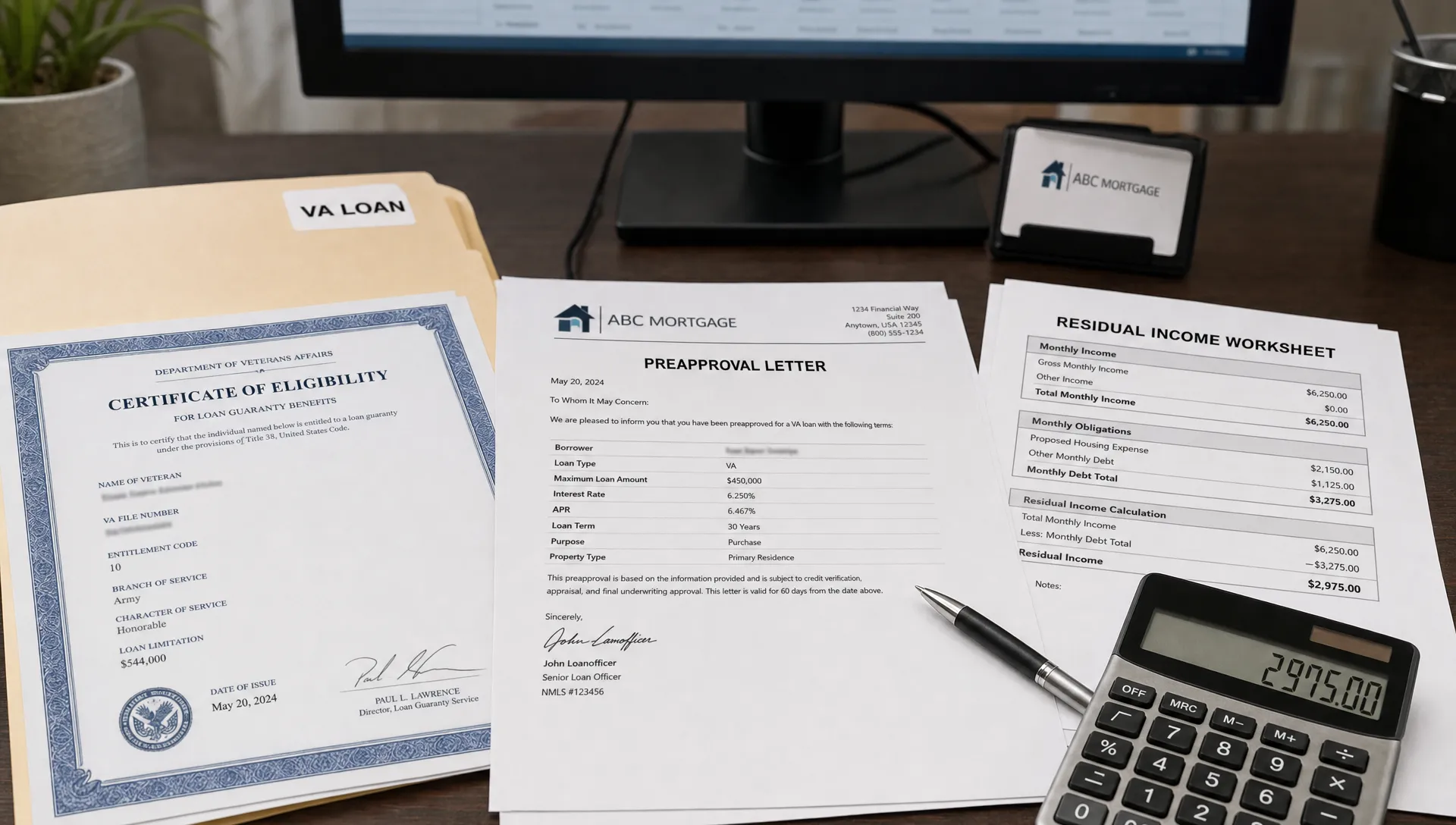
According to the U.S. Department of Veterans Affairs, VA-backed purchase loans can help qualified borrowers buy, build, improve, or refinance a home. To use the benefit, borrowers generally need a Certificate of Eligibility, often called a COE, and must meet lender requirements for credit, income, debts, property type, and occupancy.
A VA loan is typically used for a primary residence. That means it is not designed for vacation homes or standard investment properties, although eligible buyers may be able to buy certain multi-unit properties if they occupy one of the units and meet VA and lender guidelines.
The biggest benefits of a VA mortgage loan
The benefits of a VA mortgage loan are most powerful when viewed as a full package. No single feature tells the whole story. The real advantage often comes from how the benefits work together to lower cash barriers and improve long-term affordability.
1. Potential 0% down payment
The most recognized VA loan benefit is the ability for many eligible buyers to purchase a home with no down payment. For buyers with full entitlement, VA rules may allow 100% financing when the property appraises for the purchase price and the borrower qualifies.
This can make a major difference. On a $400,000 home, a 5% down payment would be $20,000 before closing costs and prepaid expenses. A VA loan may allow an eligible buyer to keep that money available for reserves, moving costs, furniture, repairs, or emergencies.
That said, 0% down does not mean 0 dollars to close in every case. Buyers may still need funds for closing costs, prepaid taxes and insurance, inspections, earnest money, or any difference between the purchase price and appraised value. A down payment may also be required in certain partial entitlement scenarios.
The practical benefit is flexibility. VA financing may let you buy sooner, preserve savings, or choose a home based on your real budget rather than a rigid down payment target.
2. No monthly private mortgage insurance
Many low down payment loans include monthly mortgage insurance. Conventional loans often require PMI when the down payment is below 20%. FHA loans include mortgage insurance premiums. VA loans work differently.
VA loans do not require monthly PMI. For many eligible buyers, that can reduce the monthly payment compared with other low down payment options. It can also make the loan easier to budget for because there is no monthly mortgage insurance line item to factor into the payment.
Most VA borrowers do pay a one-time VA funding fee unless they qualify for an exemption. The funding fee helps support the VA loan program, and it can often be financed into the loan. The VA explains current rules and exemptions on its funding fee and closing costs page.
If you are comparing loan options, look at the full picture: interest rate, APR, monthly payment, mortgage insurance, funding fee, closing costs, and how long you expect to keep the home. For a deeper look at how mortgage insurance differs by program, New Era Lending also covers the topic in its guide to PMI, FHA MIP, and VA options.
3. Competitive financing for eligible buyers
VA loans can be competitive because the government guaranty reduces a portion of the lender’s risk. That does not mean every VA rate is automatically lower than every conventional or FHA rate. Mortgage pricing still depends on market conditions, credit profile, loan size, property type, occupancy, points, lender credits, and lock timing.
Still, VA loans are often worth comparing because their structure can be favorable for qualified buyers, especially when combined with the lack of monthly PMI. Sometimes a loan with a similar interest rate can have a lower total monthly payment because mortgage insurance is not required.
The best approach is to compare personalized loan scenarios on the same day, using the same purchase price, loan amount, credit assumptions, and lock period. New Era Lending’s guide to VA loan mortgage rates explains what affects VA rate and APR in more detail.
4. Flexible qualification standards
VA loans are not automatic approvals, but they can offer flexible underwriting compared with some other loan programs. The VA does not set one universal minimum credit score for every borrower, although individual lenders may have their own credit requirements.
VA underwriting also considers residual income, which looks at how much money is left after major monthly obligations. This can be helpful because it gives a more complete view of whether a borrower has room in the budget after housing, debts, taxes, and other obligations.
For buyers with strong income, manageable debts, and a stable housing plan, VA flexibility can be meaningful. It may help borrowers who have a limited down payment, a military-related employment history, or past credit challenges that have since improved.
5. Limits on certain borrower costs
VA loans include rules around allowable fees and closing costs. While borrowers still have costs to plan for, VA guidelines are designed to protect eligible buyers from certain excessive charges.
Sellers can also contribute toward certain buyer costs, subject to VA rules. In some markets, seller-paid closing costs can help reduce the cash needed to close. This can be especially useful for buyers using the 0% down feature who want to preserve savings after the purchase.
Do not assume the seller will pay costs automatically. Seller help depends on your offer strategy, local market conditions, contract terms, and the seller’s willingness to negotiate. Your loan officer and real estate agent should help you structure the offer so it is both compliant and competitive.
6. Reusable benefit
A VA loan is not necessarily a one-time benefit. Many eligible buyers can use their VA loan benefit more than once. If you sell a home and pay off the VA loan, you may be able to restore entitlement and use the benefit again.
Some borrowers may also have remaining entitlement if they still own a home financed with a VA loan. In those cases, the math can be more complex, and county loan limits may matter. This is one reason it is smart to review your COE and entitlement position early, especially if you have used VA financing before.
The reusable nature of the VA benefit can support multiple life stages, including a first home, a relocation, a larger home for a growing household, or a downsizing move later on.
7. Potential assumability
VA loans are generally assumable, meaning a future qualified buyer may be able to take over the existing loan terms with lender and VA approval. This can become valuable if your loan has a lower rate than the market rate at the time you sell.
Assumability is not automatic. The buyer must qualify, the lender must approve the assumption, and entitlement considerations must be handled correctly. If the buyer is also VA-eligible, they may be able to substitute their entitlement. If not, your entitlement could remain tied to the loan until it is paid off.
Still, assumability can be a powerful long-term feature and may make a VA-financed home more attractive in certain rate environments.
8. Property standards that help protect buyers
VA loans require an appraisal and Minimum Property Requirements, often called MPRs. These standards are intended to help ensure the home is safe, structurally sound, and sanitary.
Some buyers see the VA appraisal as a hurdle, especially when a home needs repairs. But the underlying purpose is protection. A property with serious safety, access, utility, roof, or structural issues may create financial risk for the buyer after closing.
A VA appraisal is not the same as a home inspection. Buyers should still consider a professional inspection to better understand the property’s condition. If you are unsure whether a property type is eligible, New Era Lending explains common rules in its guide to VA loans for homes, property types, occupancy, and rules.

When VA loan benefits matter most
A VA mortgage loan can be useful in many situations, but it is especially valuable when cash-to-close and monthly affordability are your biggest concerns.
It may be a strong fit if you want to preserve savings instead of putting a large amount down, you qualify for VA financing and plan to occupy the property as your primary residence, you want to avoid monthly mortgage insurance, or you have stable income but limited cash reserves.
It can also be helpful for first-time buyers who are eligible but unsure how to enter the market. If that describes you, New Era Lending has a separate guide on VA loans for first-time home buyers that walks through eligibility and next steps.
VA financing is not limited to first-time buyers. Repeat buyers, relocating service members, veterans moving closer to family, and eligible surviving spouses may all benefit depending on their financial profile and goals.
Costs and tradeoffs to understand before you apply
VA loans are powerful, but they are not free money. Smart buyers should understand the costs and tradeoffs before choosing any mortgage program.
The VA funding fee is one of the biggest items to review. If you are not exempt, this fee can increase your loan amount when financed. That may be worthwhile if it preserves cash, but it still affects long-term cost.
Closing costs also matter. Even with 0% down, buyers should plan for lender fees, title fees, recording fees, escrow setup, prepaid interest, homeowners insurance, and taxes. The exact amount varies by state, county, lender, property, and timing.
A higher loan amount can also mean a higher principal and interest payment. If you choose 0% down, you keep more cash upfront but borrow more. That tradeoff may be smart, but it should be intentional.
Finally, not every seller or real estate agent fully understands VA loans. Some still believe VA loans are slower or harder than conventional loans. In reality, a well-prepared VA buyer with a strong pre-approval, clean documentation, and an experienced lending team can be very competitive. Preparation is what matters.
How to use VA loan benefits strategically
The best way to maximize a VA loan is to approach it as a financial strategy, not just a loan label. Start early, compare options, and make sure your numbers reflect the full cost of ownership.
Before you shop seriously, take these steps:
- Confirm your VA eligibility and request your Certificate of Eligibility.
- Get pre-approved so you know your realistic price range and payment range.
- Compare VA financing with conventional or FHA options if those are available to you.
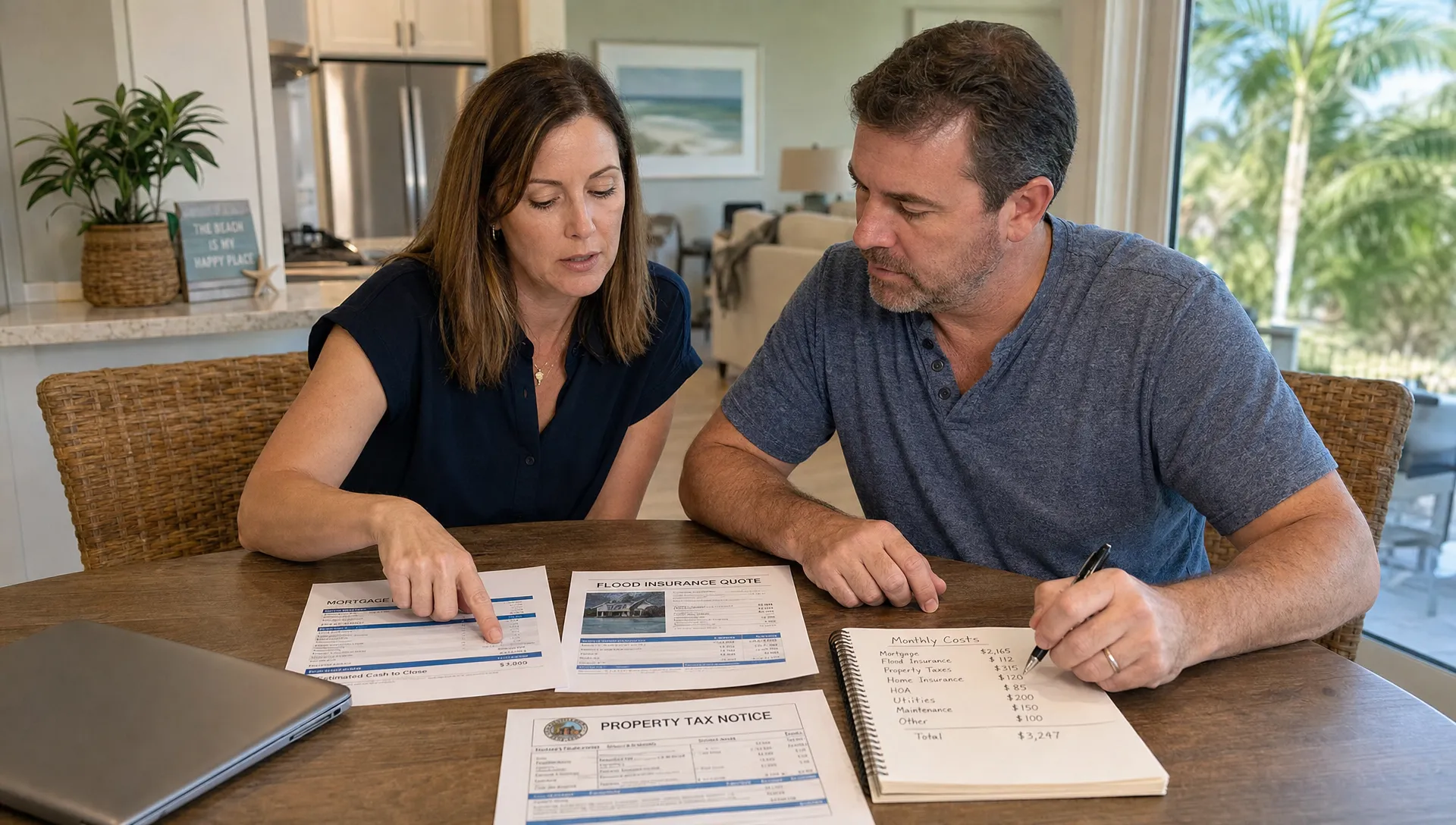
- Review the full monthly payment, including taxes, insurance, HOA dues, and any escrow items.
- Ask how the VA funding fee affects your loan amount and APR.
- Keep cash reserves whenever possible, even if you qualify for 0% down.
- Work with a lender and real estate agent who understand VA rules and timelines.
When you compare offers, use the Loan Estimate rather than relying only on the advertised rate. The Consumer Financial Protection Bureau explains how the Loan Estimate helps borrowers compare interest rate, APR, payment, closing costs, and cash-to-close.
New Era Lending helps eligible buyers review mortgage options with smart technology, transparent rate and term discussions, secure document uploads, e-signature support, and personalized human guidance. For VA borrowers, that combination can make the process feel less confusing and more coordinated from pre-approval to closing.
Is a VA mortgage loan always the best choice?
Not always. A VA loan is often a strong option for eligible buyers, but the best loan depends on your full situation.
A conventional loan might make sense if you have a large down payment, excellent credit, and want to avoid the VA funding fee. An FHA loan might be considered if a buyer is not VA-eligible and needs flexible credit guidelines. A different program may fit better if the property does not meet VA occupancy or condition rules.
The right question is not simply whether VA loans are good. The better question is whether a VA loan gives you the best mix of cash-to-close, monthly payment, approval strength, property fit, and long-term flexibility.
Frequently Asked Questions
Who is eligible for a VA mortgage loan? Eligibility generally includes qualifying veterans, active-duty service members, certain National Guard and Reserve members, and eligible surviving spouses. You will usually need a Certificate of Eligibility, and you still must meet lender and property requirements.
Do VA loans require a down payment? Many eligible buyers can purchase with 0% down, especially when they have full entitlement and the home appraises for the purchase price. A down payment may be needed in some partial entitlement situations or if the buyer chooses to make one.
Do VA loans have PMI? No. VA loans do not require monthly private mortgage insurance. Most non-exempt borrowers pay a one-time VA funding fee, which can often be financed into the loan.
Can I use a VA loan more than once? Yes, many borrowers can use the VA loan benefit more than once. Entitlement restoration and remaining entitlement rules can affect how much you can borrow without a down payment, so it is important to review your COE with a knowledgeable lender.
Are VA loans harder to close? Not when the loan is handled correctly. VA loans have specific appraisal, property, and documentation rules, but an experienced team can help prevent delays and structure a competitive offer.
Ready to explore your VA mortgage options?
If you are eligible for a VA mortgage loan, the next step is to understand how the benefit applies to your budget, your home search, and your long-term goals.
New Era Lending offers personalized mortgage guidance, modern tools, secure document workflows, and VA-focused loan support across 39 states. Whether you are buying your first home, relocating, or comparing VA financing with another option, the right scenario review can help you move forward with confidence.
Start by visiting New Era Lending to explore your options and connect with a team that can help you compare the numbers clearly.