




aRTICLES
.jpg)
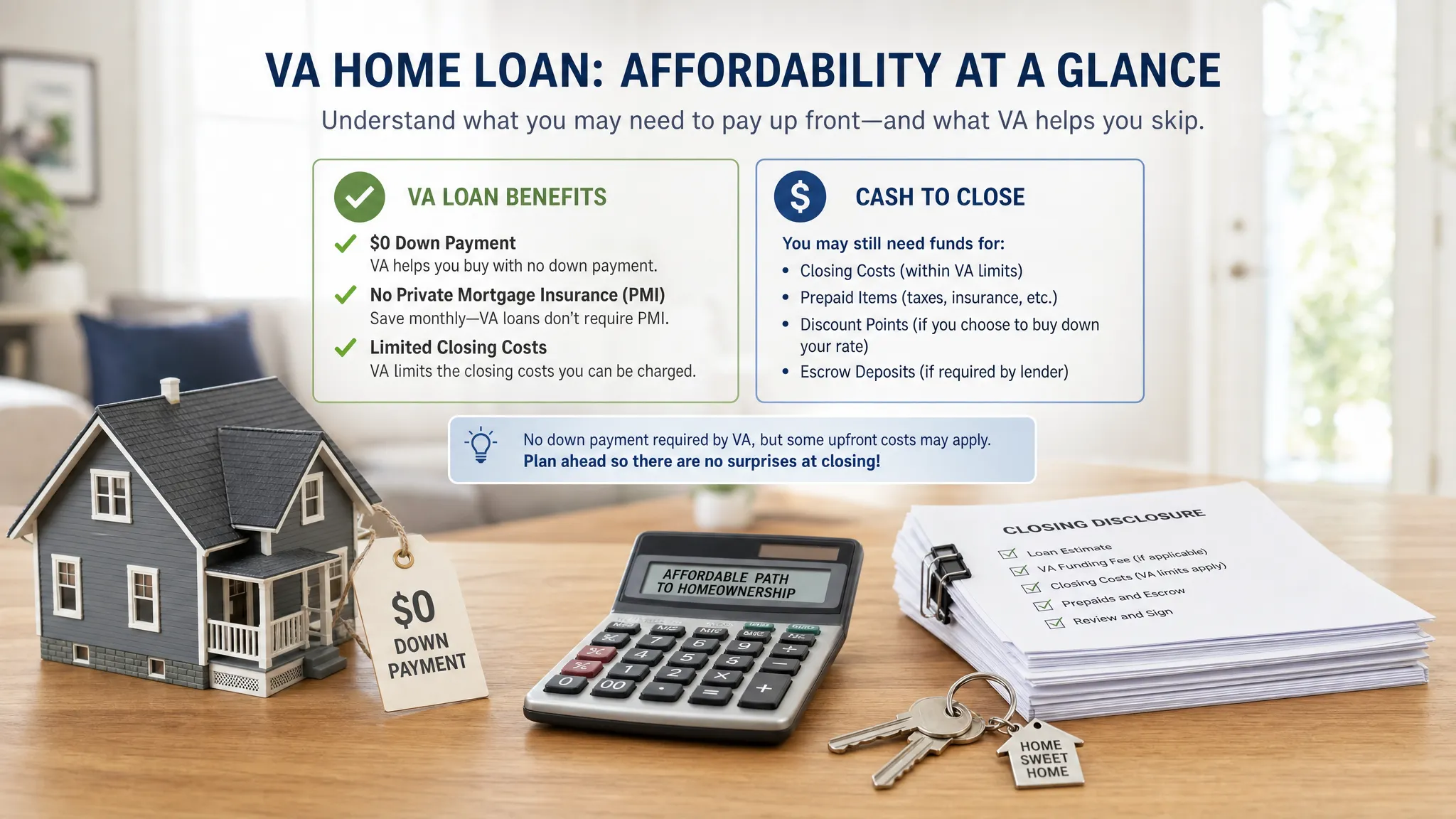
For those who have served, a home is more than a purchase — it’s stability, dignity, and a reward for years of sacrifice. Yet every year, thousands of veterans miss out on powerful financial benefits they’ve fully earned through their service.
Whether you’re buying your first home, looking to lower your payment, or thinking about tapping into your equity, this guide breaks down how to maximize every single benefit available to you.

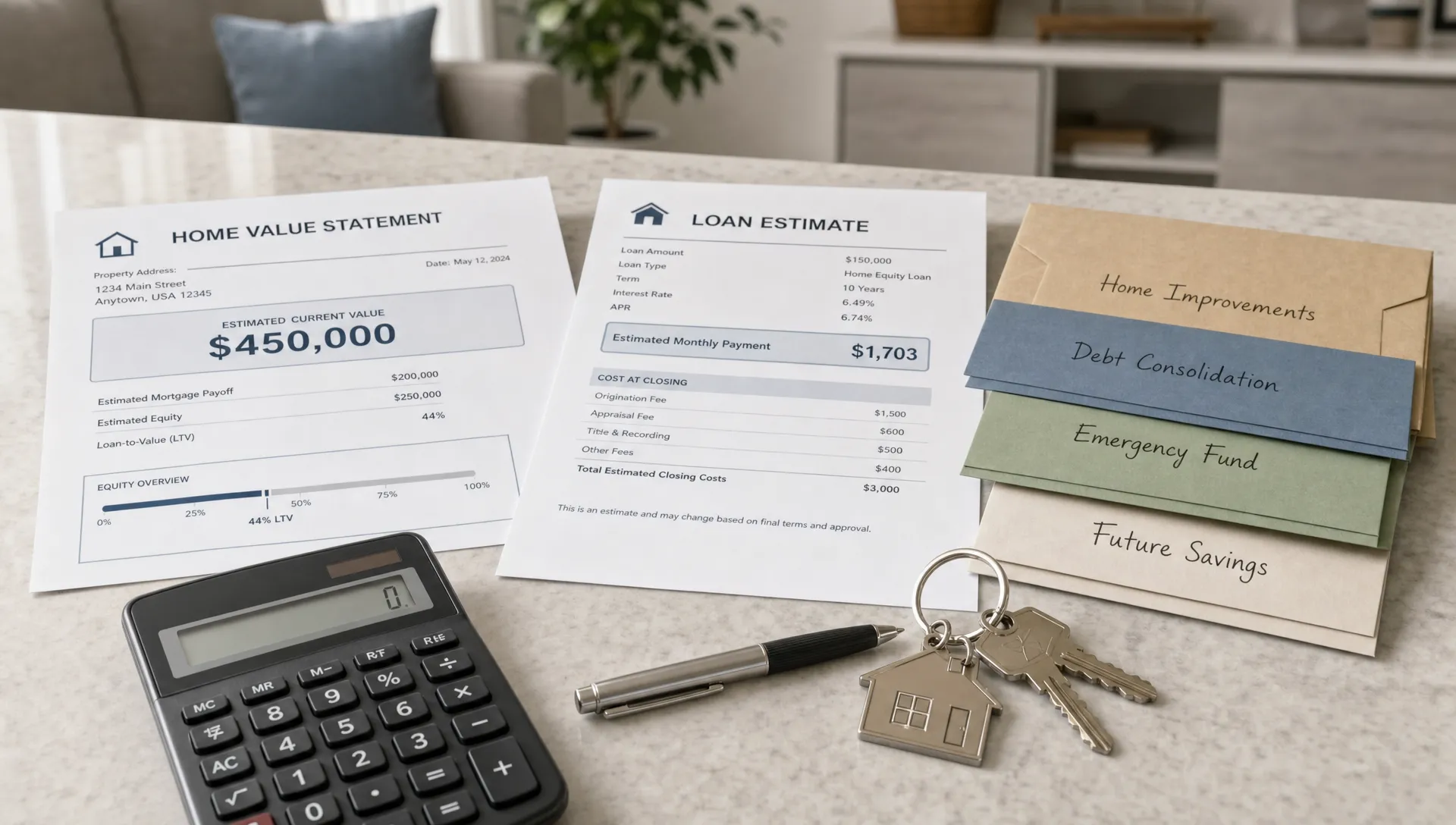
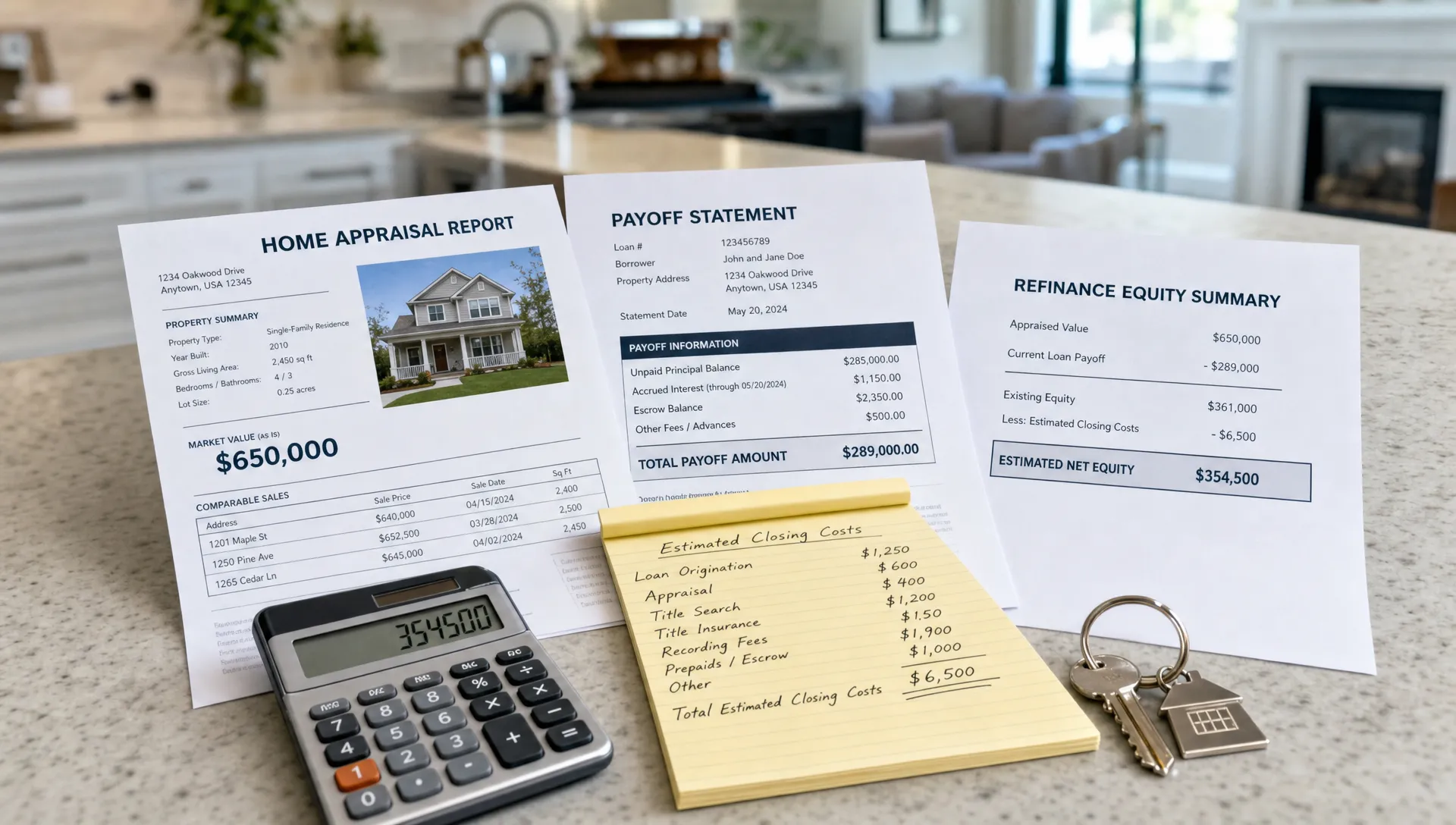
A HELOC allows you to borrow against your equity, which is the value of your home less the amount owed on your principal mortgage. You can also receive a HELOC if you own your home entirely, in which case the HELOC is the top mortgage rather than a second one. When looking for a loan, borrowing against the equity in your home can frequently earn you the best rate. A HELOC, like a credit card, enables you to draw against your spending limit as often as needed. You may borrow against your home equity, repay, and repeat.
The interest rates on most HELOCs are adjustable. This implies that if the benchmark interest rate changes, so will the interest rate on your HELOC. However, since a HELOC is secured against the value of your home, the interest rate is often closer to a mortgage rate than a credit card rate. Let’s go through this more.

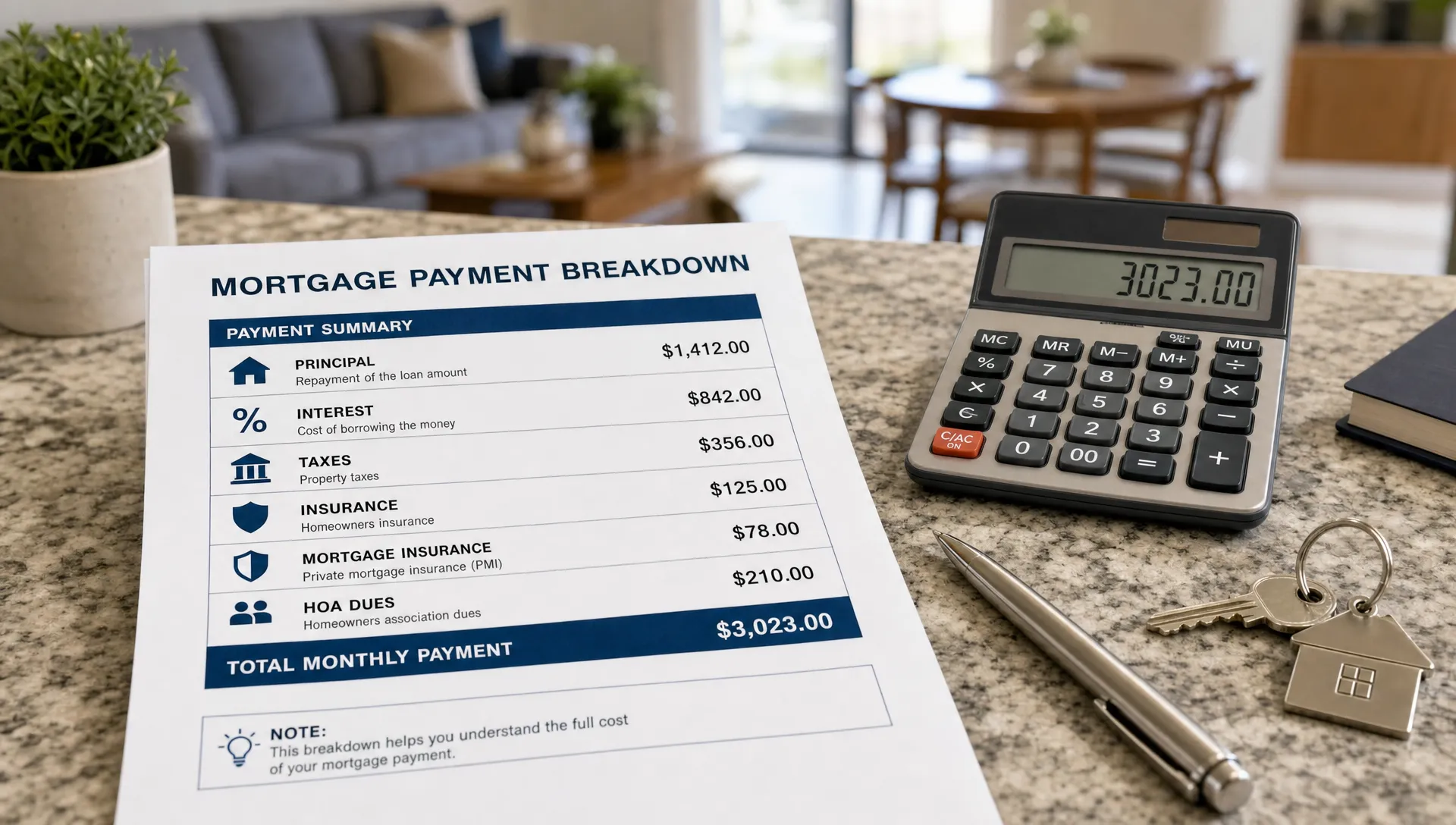
The fundamental distinction between conventional and FHA loans is that the government does not guarantee conventional loans. FHA loans are backed by government money, giving lenders additional protection. Because the risk to lenders is reduced, FHA loans are more straightforward to qualify for. A comparable lender protection may be required for conventional loans. However, this coverage is obtained as private mortgage insurance.
Borrowers should know that FHA mortgage loans are only available to owners who intend to live in the home. You cannot use an FHA loan to finance a home if you do not plan to live there. These loans are not meant for investment homes or commercial properties where the home’s residential aspect takes second place to the property’s non-residential purposes. Conventional loans may provide more flexibility in this regard.
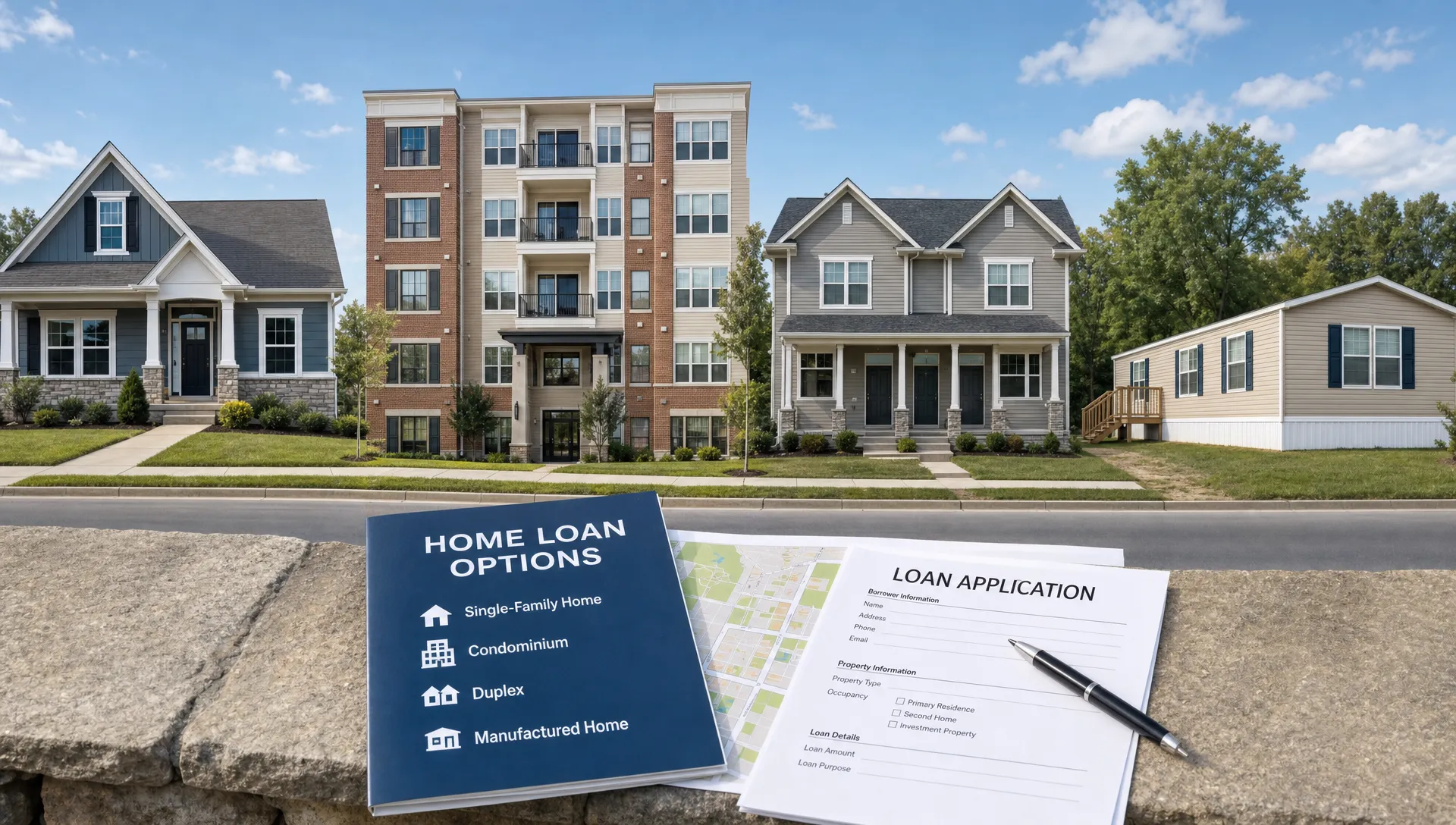
FHA loan standards allow for financing a multi-unit property (up to four units) as long as the borrower intends to live in one or more of the units. In this case, renting the others is acceptable if the occupancy restrictions are met.

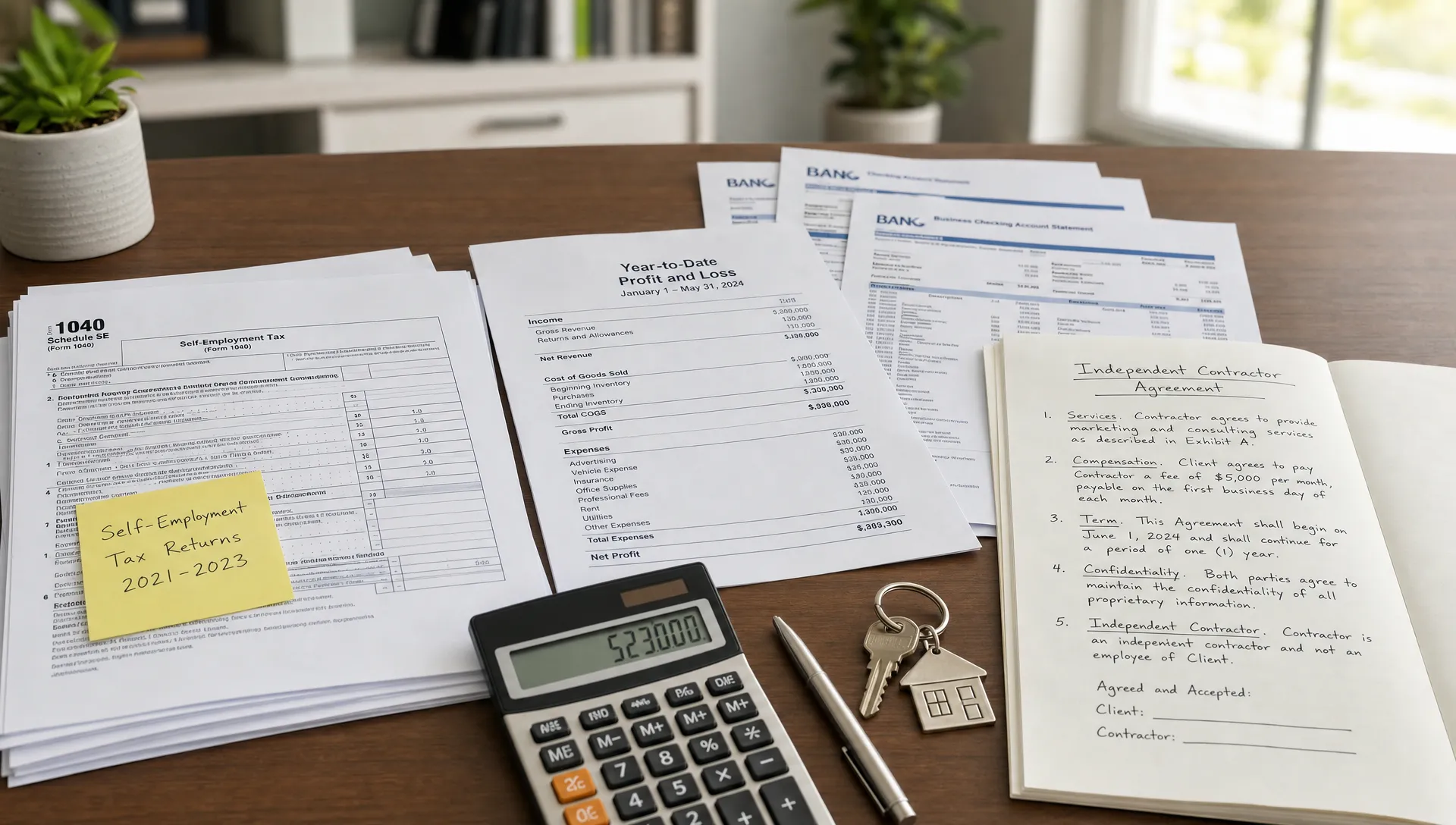
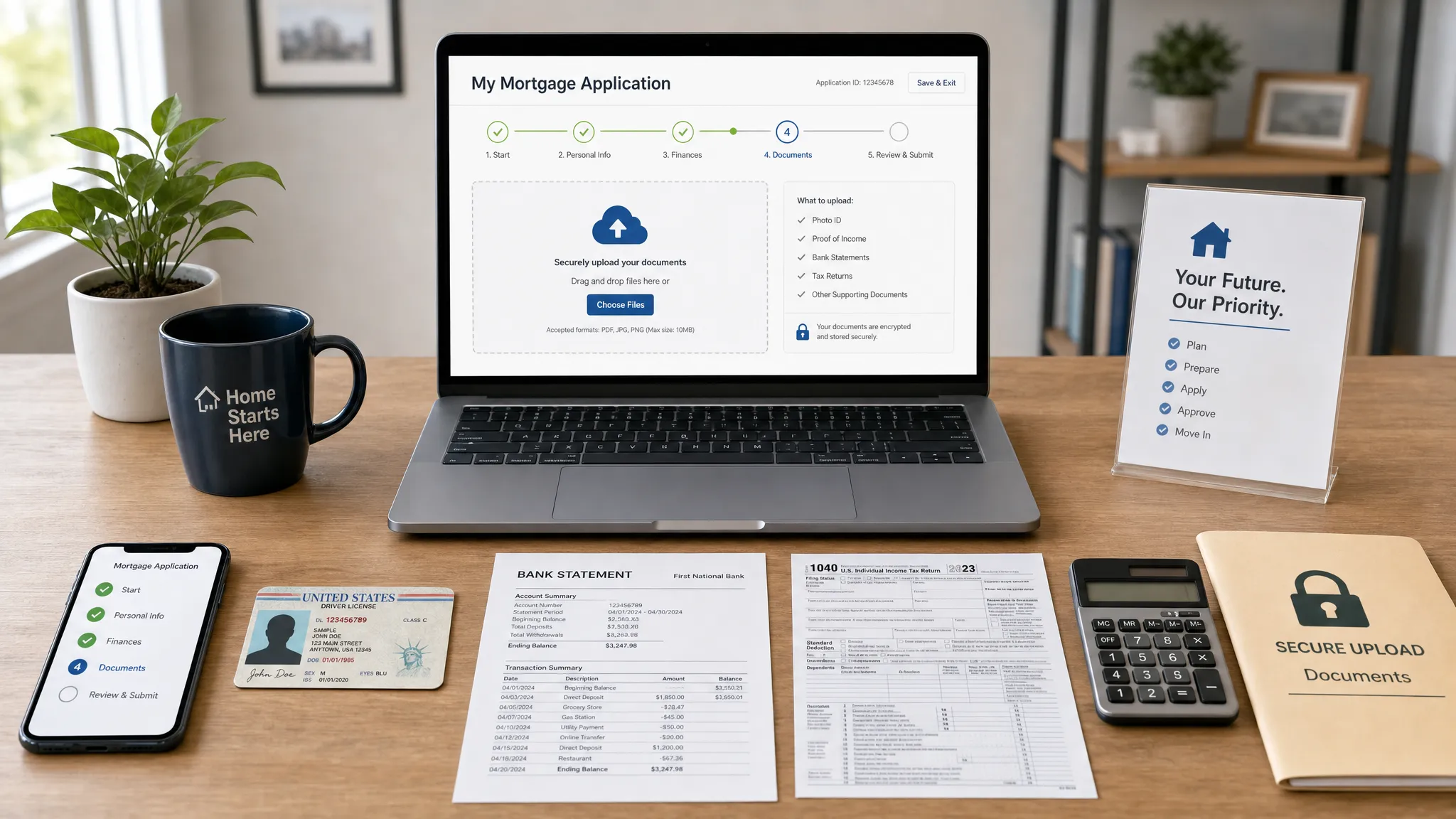
When a self-employed person applies for a mortgage, loan officers often think of two words: high risk. There is a common misconception that self-employed borrowers have less dependable income than salaried employees. As a result, self-employed mortgage applicants often have to achieve a greater level of lender standards to receive a mortgage loan. However, it is possible.
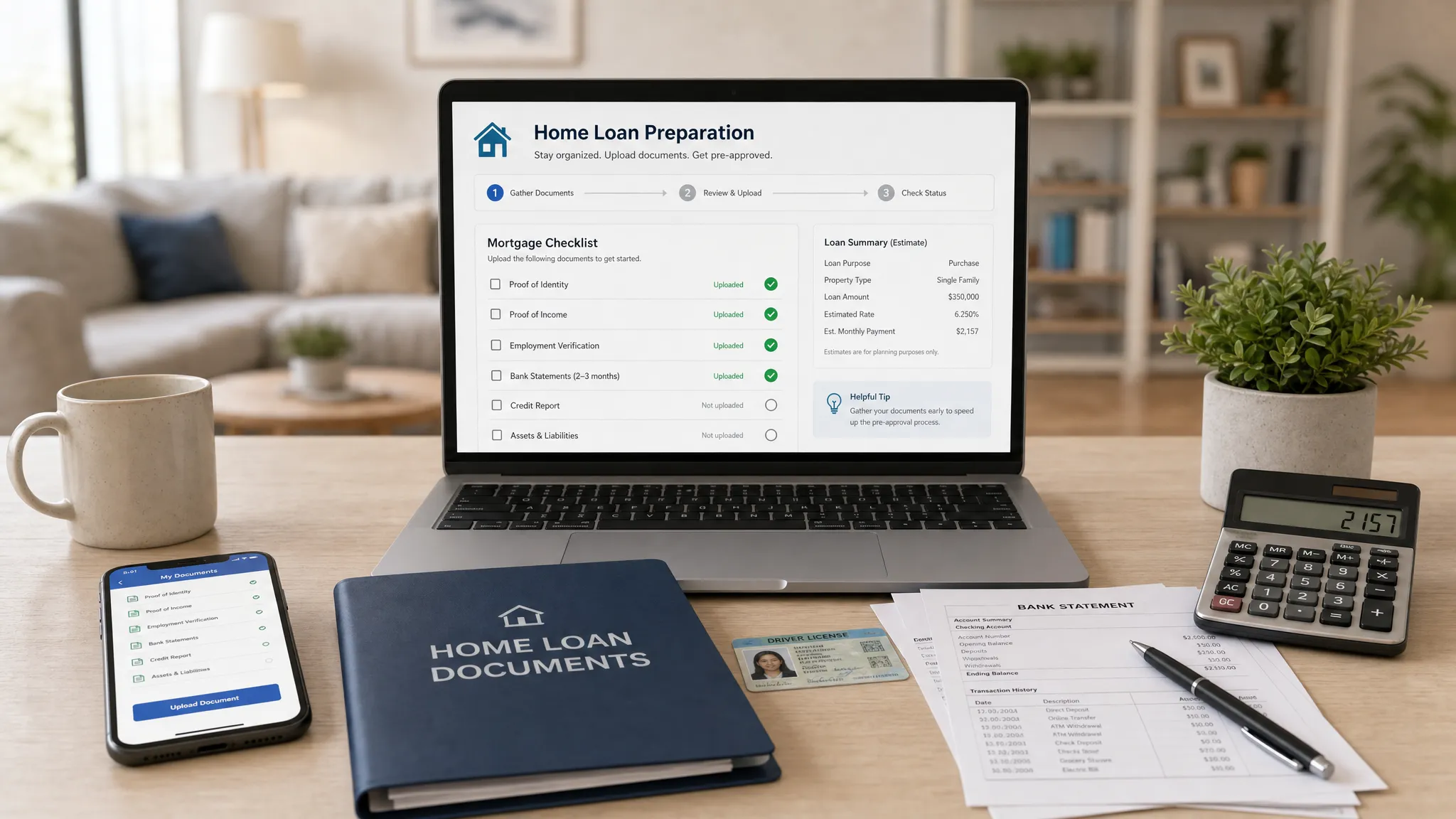
Before looking for a mortgage, you should assess your company and personal finances. To assist the lender and yourself throughout the mortgage application process, keep note of whether you have submitted personal vs company income separately or jointly. Simply put, make sure your revenue sources are recorded.
Veterans
Purchase
.jpg)
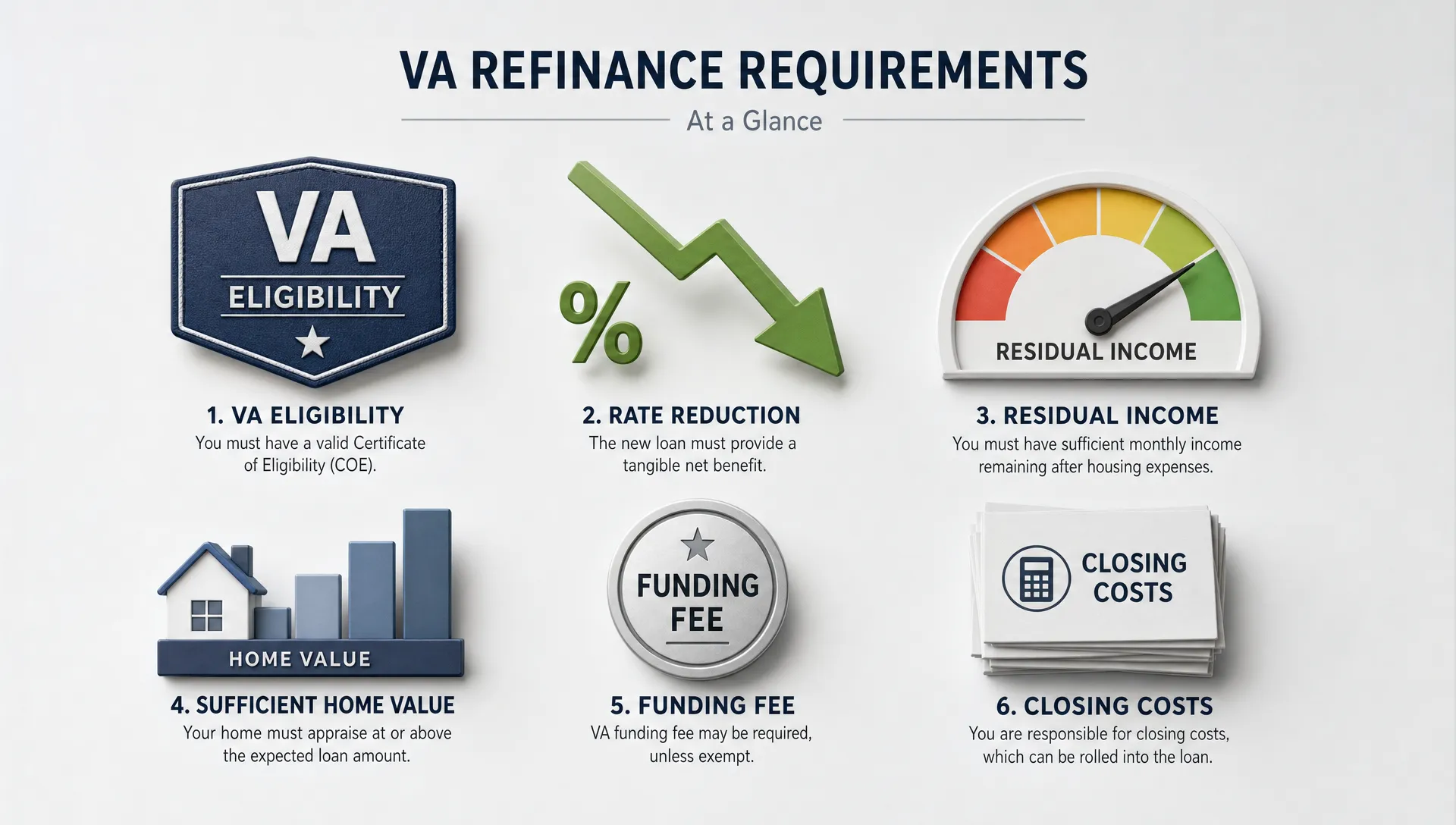
For those who have served, a home is more than a purchase — it’s stability, dignity, and a reward for years of sacrifice. Yet every year, thousands of veterans miss out on powerful financial benefits they’ve fully earned through their service.
Whether you’re buying your first home, looking to lower your payment, or thinking about tapping into your equity, this guide breaks down how to maximize every single benefit available to you.

When a self-employed person applies for a mortgage, loan officers often think of two words: high risk. There is a common misconception that self-employed borrowers have less dependable income than salaried employees. As a result, self-employed mortgage applicants often have to achieve a greater level of lender standards to receive a mortgage loan. However, it is possible.
Before looking for a mortgage, you should assess your company and personal finances. To assist the lender and yourself throughout the mortgage application process, keep note of whether you have submitted personal vs company income separately or jointly. Simply put, make sure your revenue sources are recorded.
.jpg)
Buying your first home is exciting — but let’s be honest, it can also feel a little… overwhelming. Between the jargon (escrow? PMI?), the paperwork, and the fear of making a huge mistake, it’s easy to get stuck in analysis paralysis.
Don’t worry — we’ve got your back. Here are five things every first-time buyer should know before diving in, written with zero fluff and a whole lot of clarity.

The fundamental distinction between conventional and FHA loans is that the government does not guarantee conventional loans. FHA loans are backed by government money, giving lenders additional protection. Because the risk to lenders is reduced, FHA loans are more straightforward to qualify for. A comparable lender protection may be required for conventional loans. However, this coverage is obtained as private mortgage insurance.
Borrowers should know that FHA mortgage loans are only available to owners who intend to live in the home. You cannot use an FHA loan to finance a home if you do not plan to live there. These loans are not meant for investment homes or commercial properties where the home’s residential aspect takes second place to the property’s non-residential purposes. Conventional loans may provide more flexibility in this regard.
FHA loan standards allow for financing a multi-unit property (up to four units) as long as the borrower intends to live in one or more of the units. In this case, renting the others is acceptable if the occupancy restrictions are met.
.jpg)
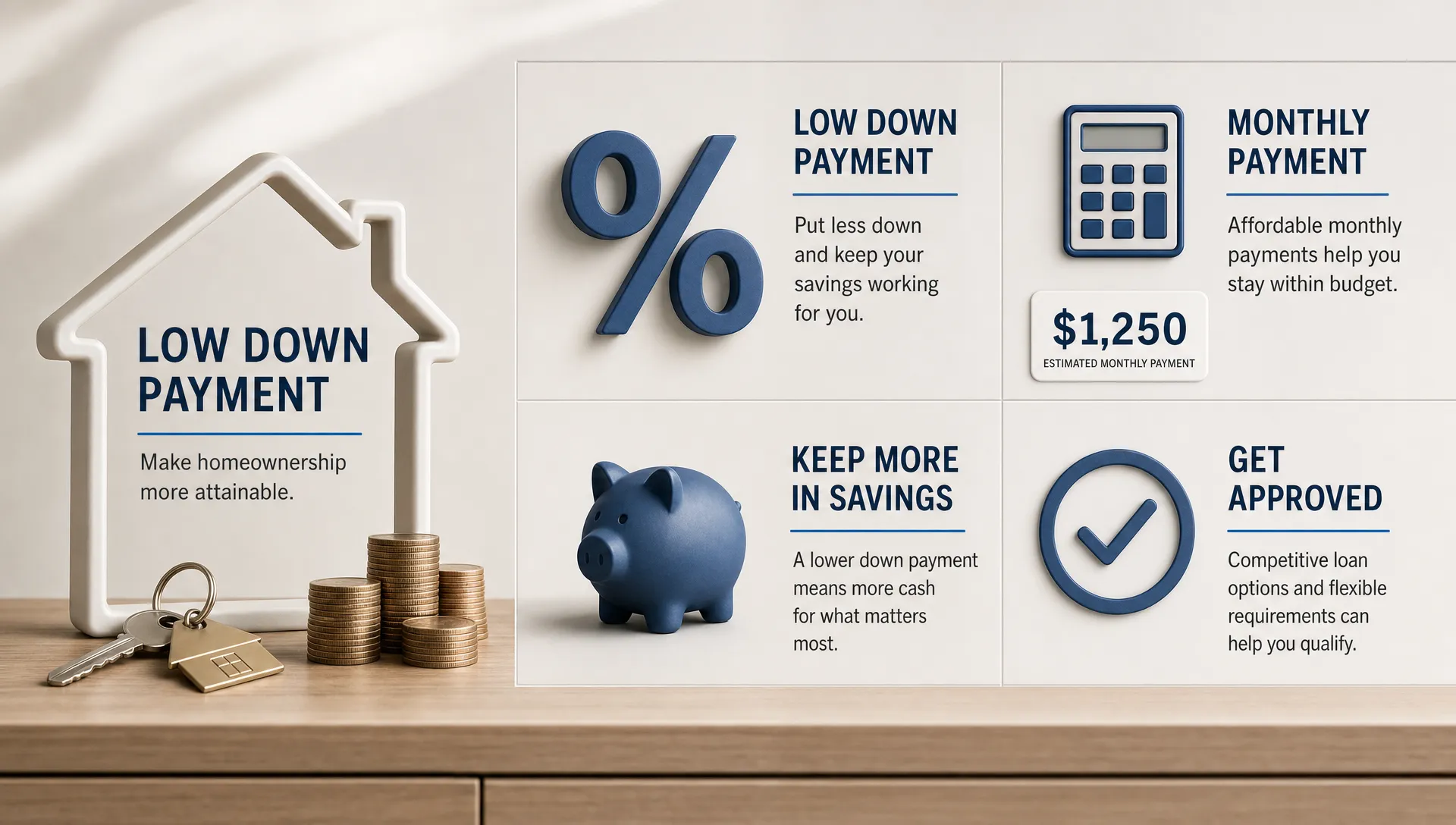
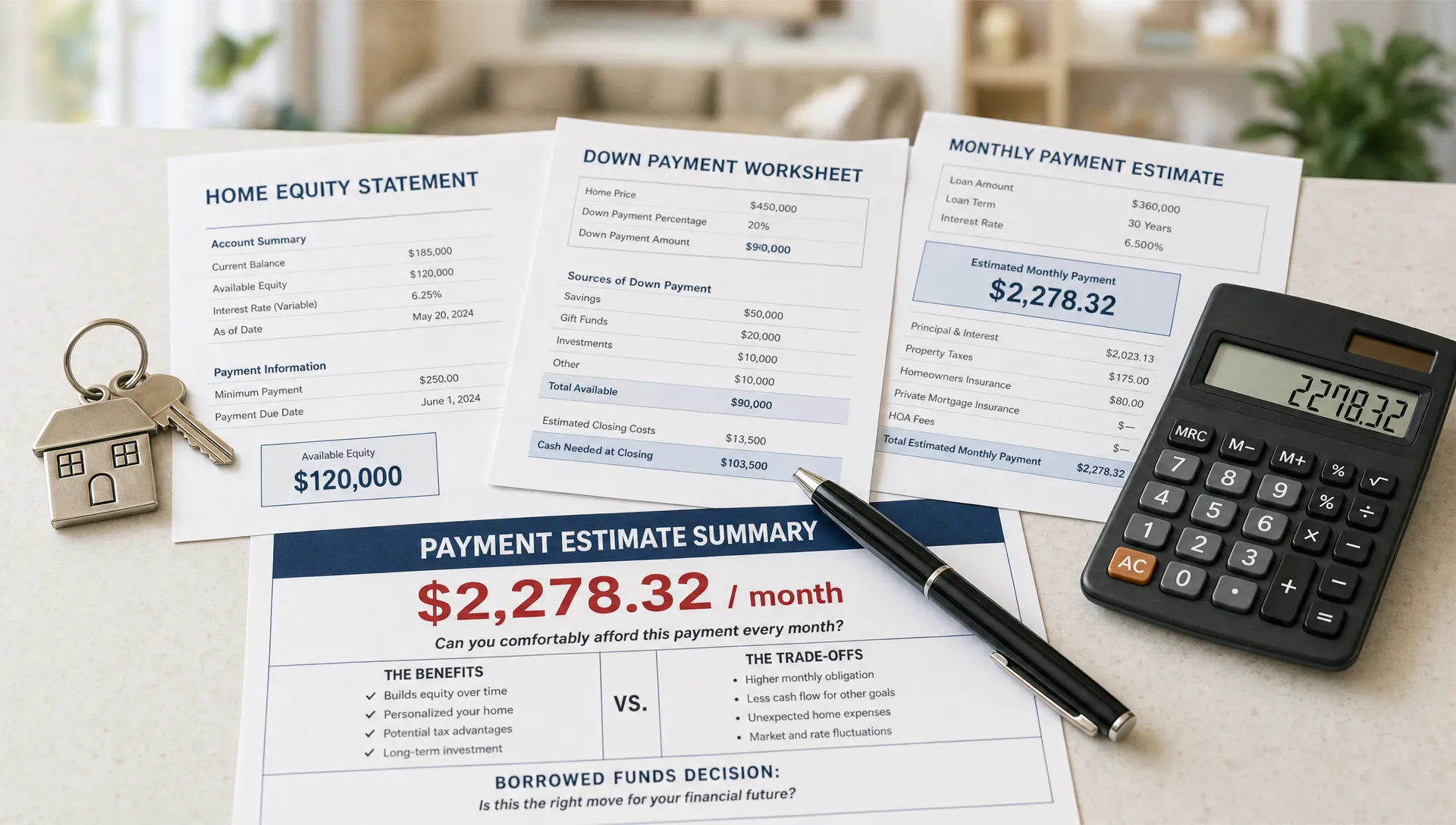
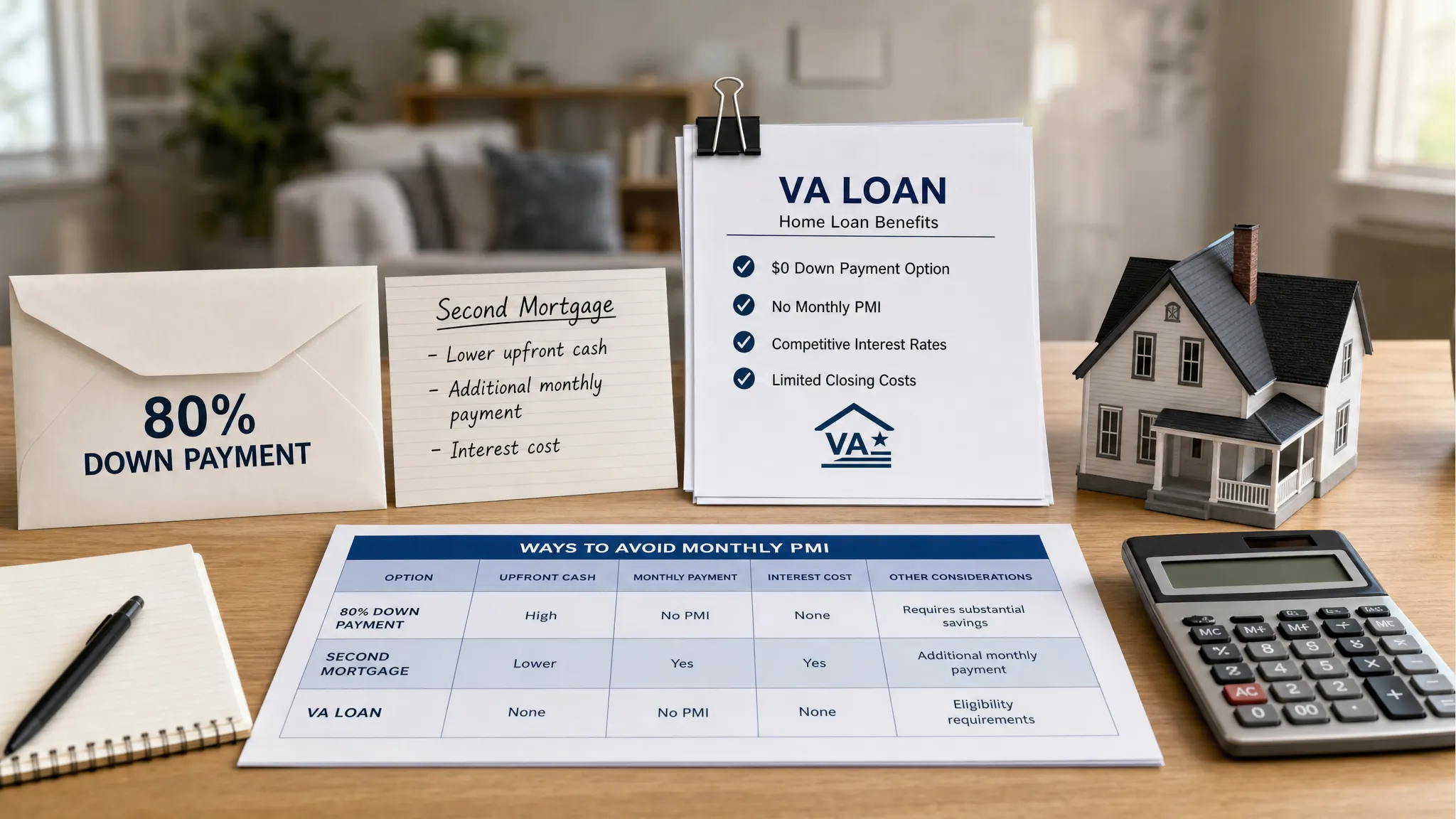
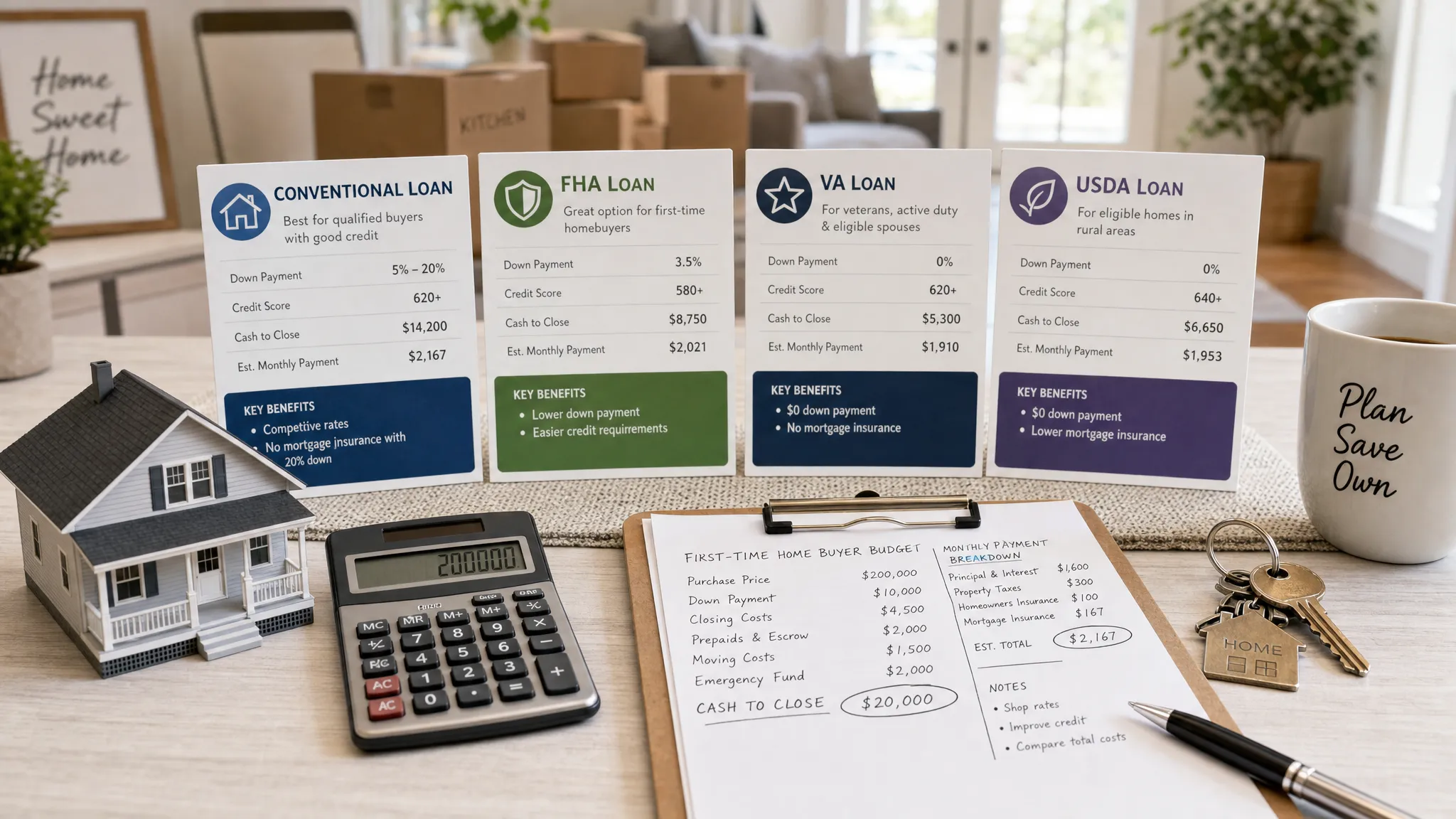
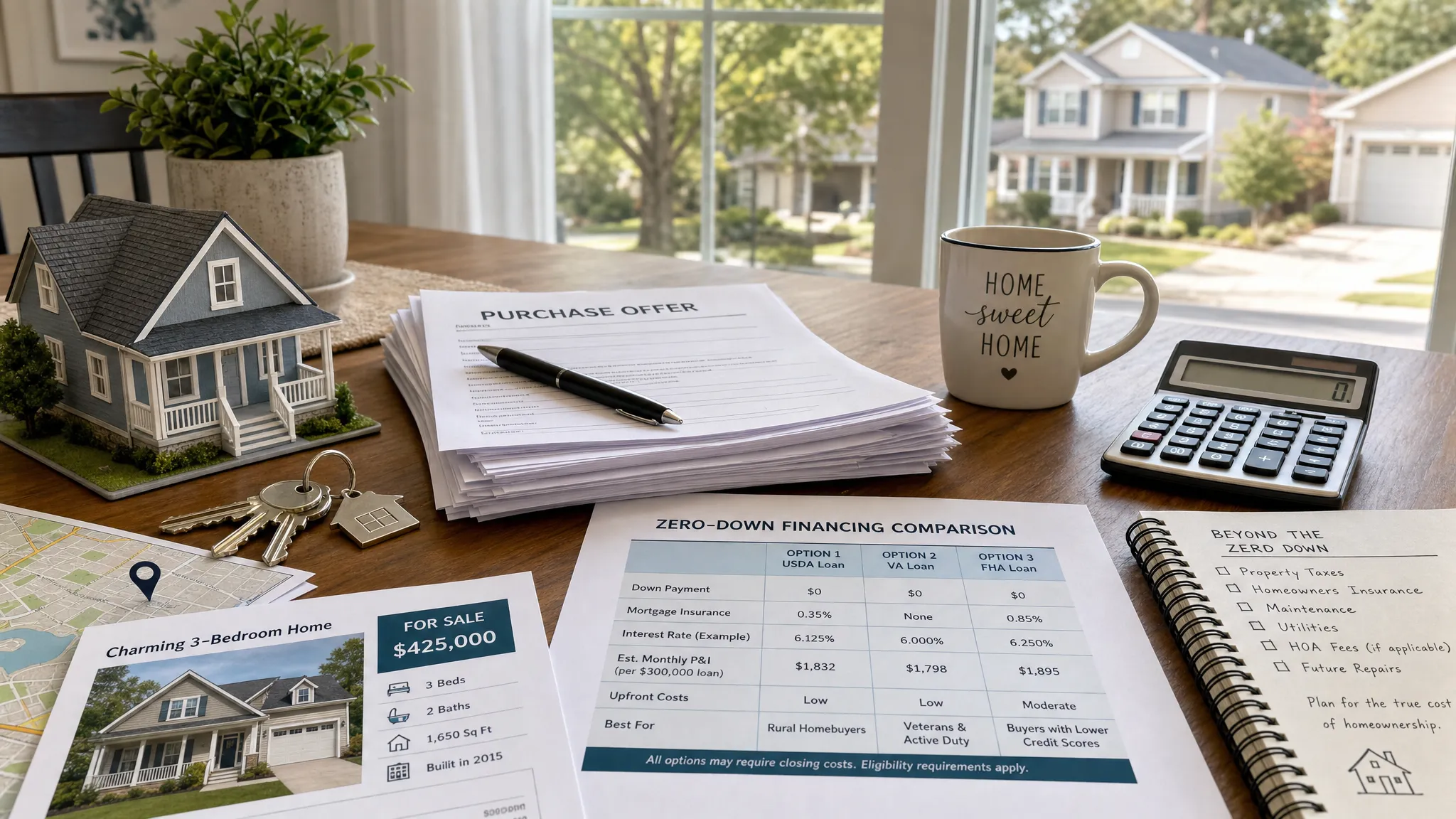
When most people think “down payment,” they picture 20% of the home price — which is enough to make almost anyone panic. But here’s the truth: you’ve got options. Lots of them.

Buying your first home is exciting — but let’s be honest, it can also feel a little… overwhelming. Between the jargon (escrow? PMI?), the paperwork, and the fear of making a huge mistake, it’s easy to get stuck in analysis paralysis.
Don’t worry — we’ve got your back. Here are five things every first-time buyer should know before diving in, written with zero fluff and a whole lot of clarity.
.jpg)
Buying your first home is exciting — but it’s also easy to trip over a few common pitfalls along the way. Don’t worry, we’ve got you covered. Here are five mistakes first-time buyers make (and how to avoid them).

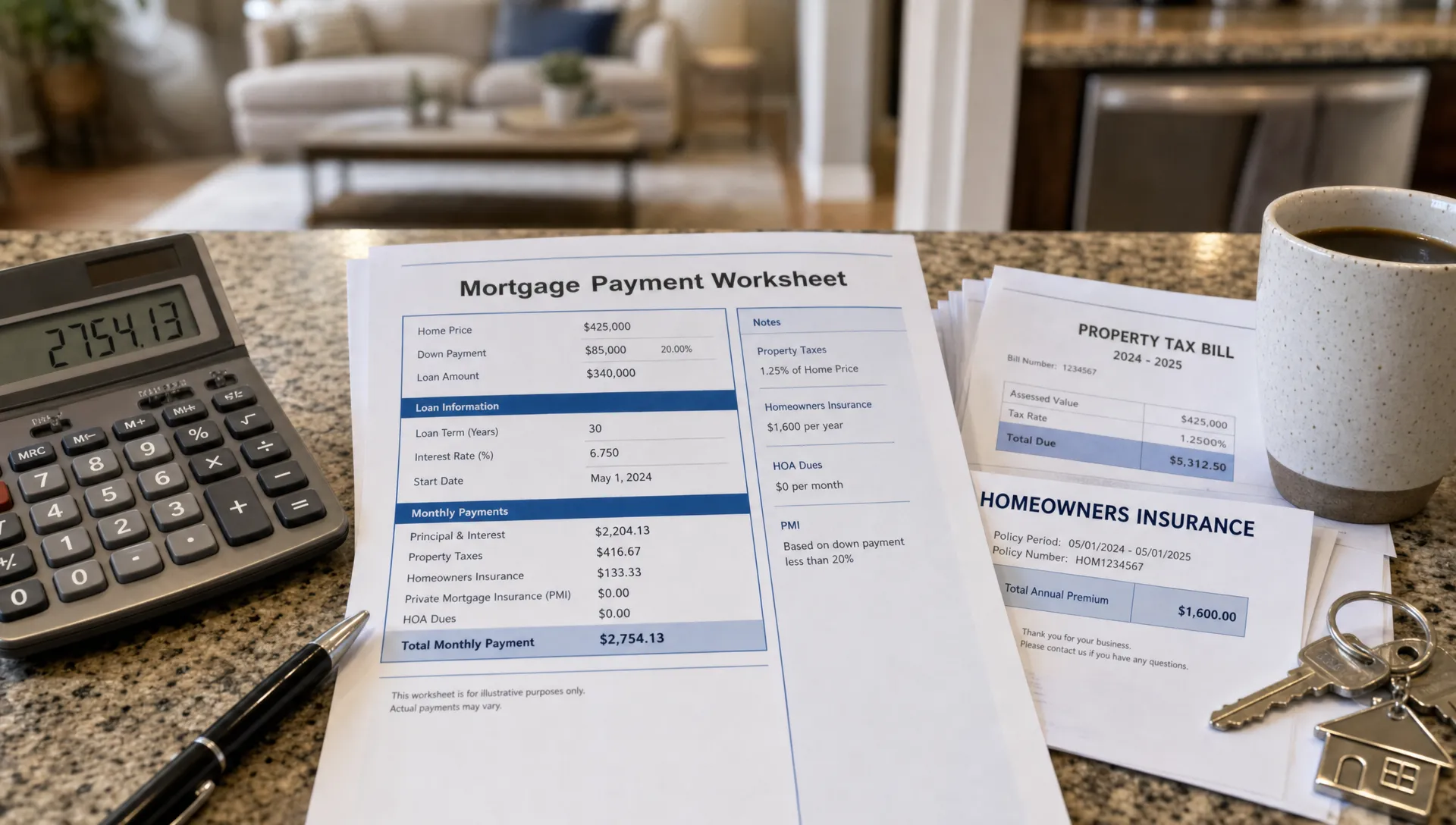
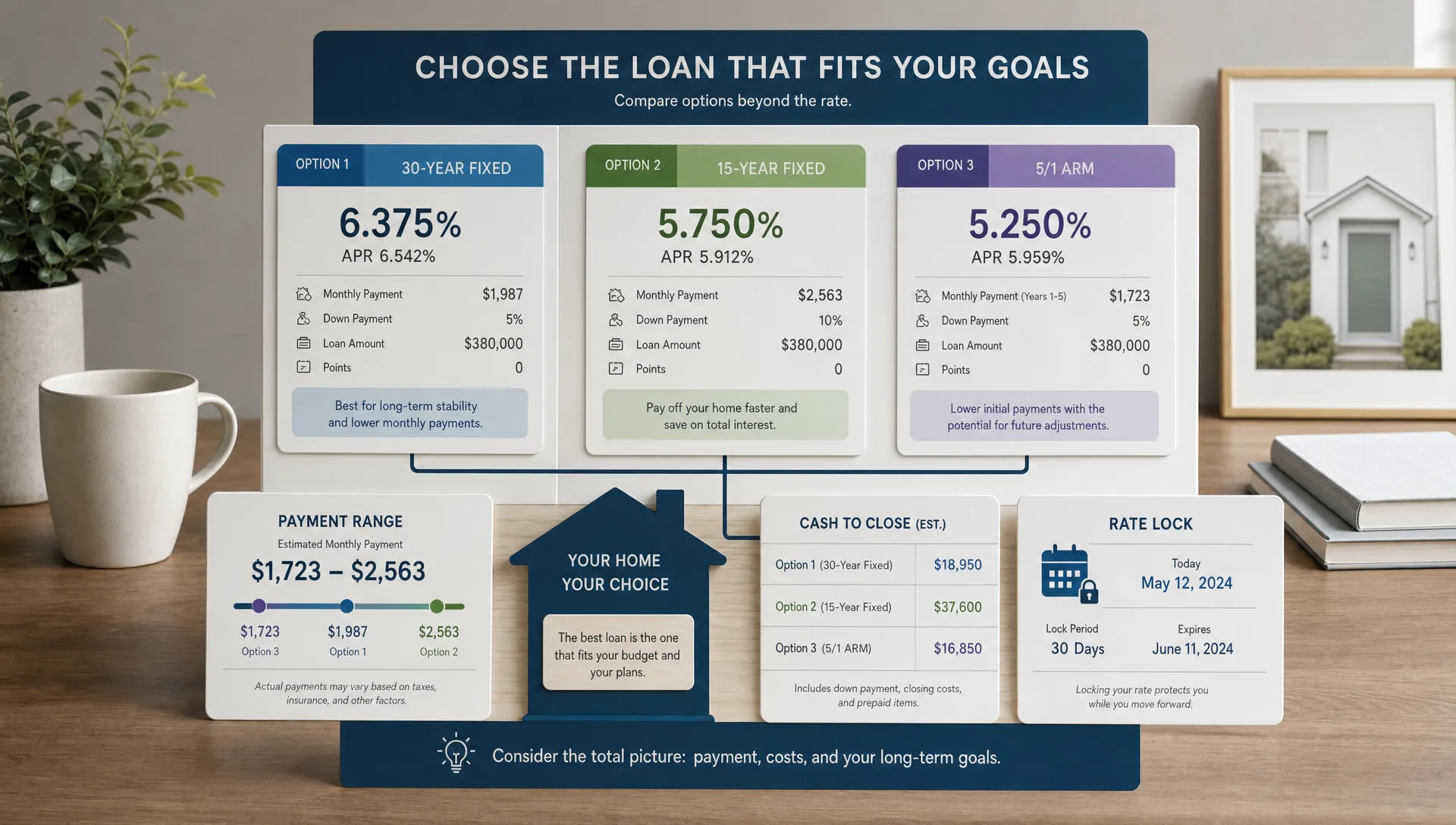
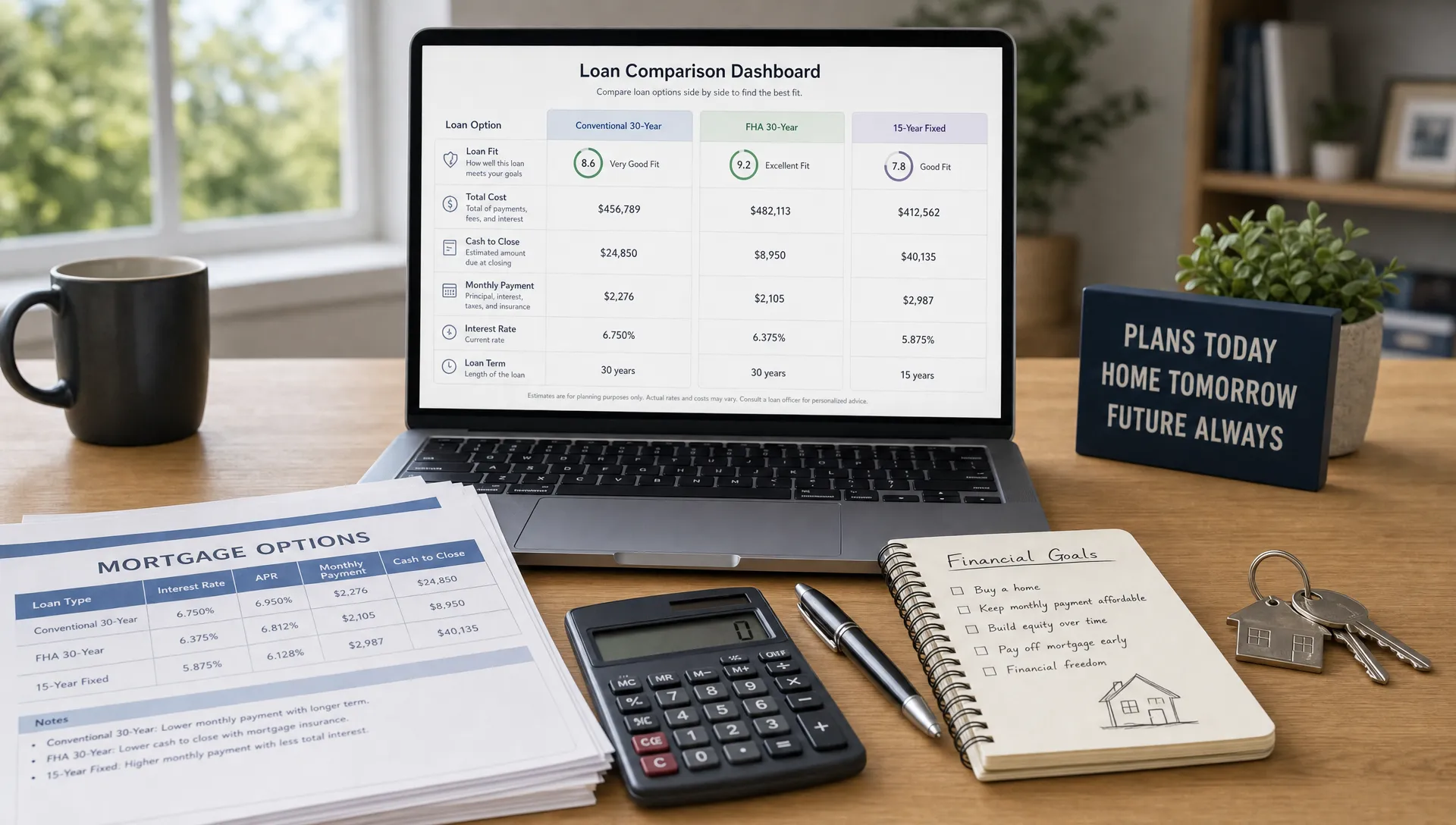
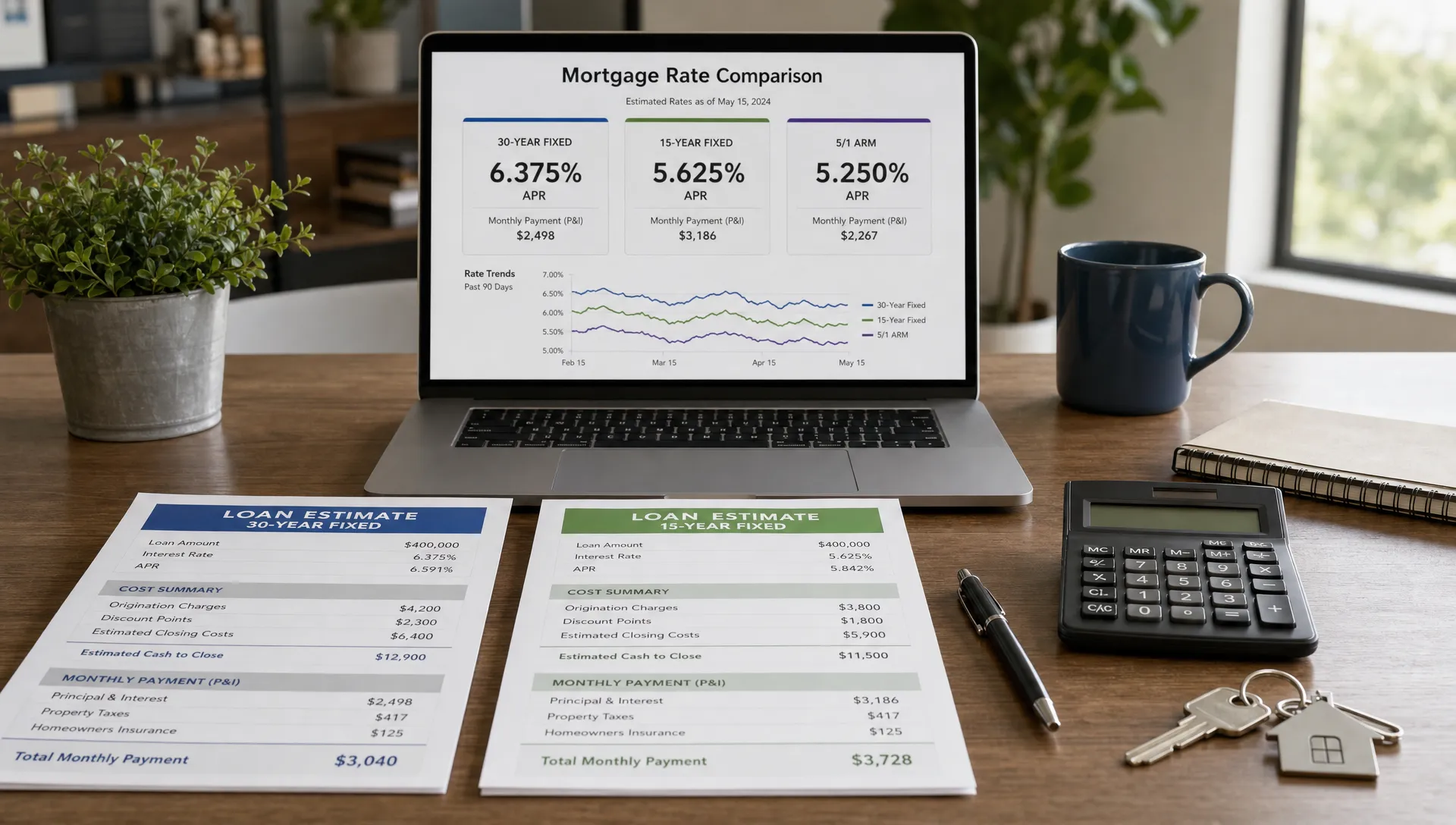
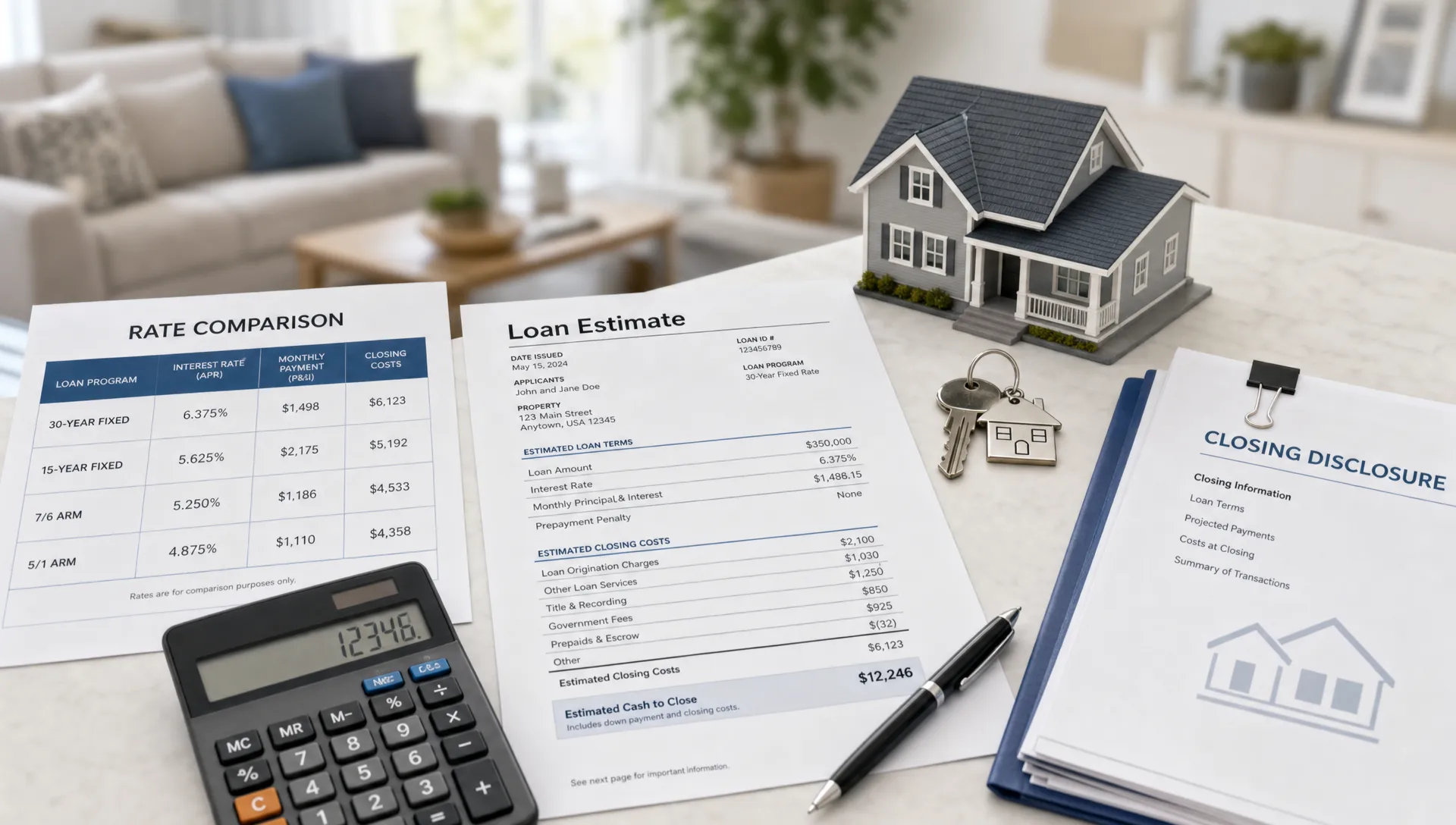
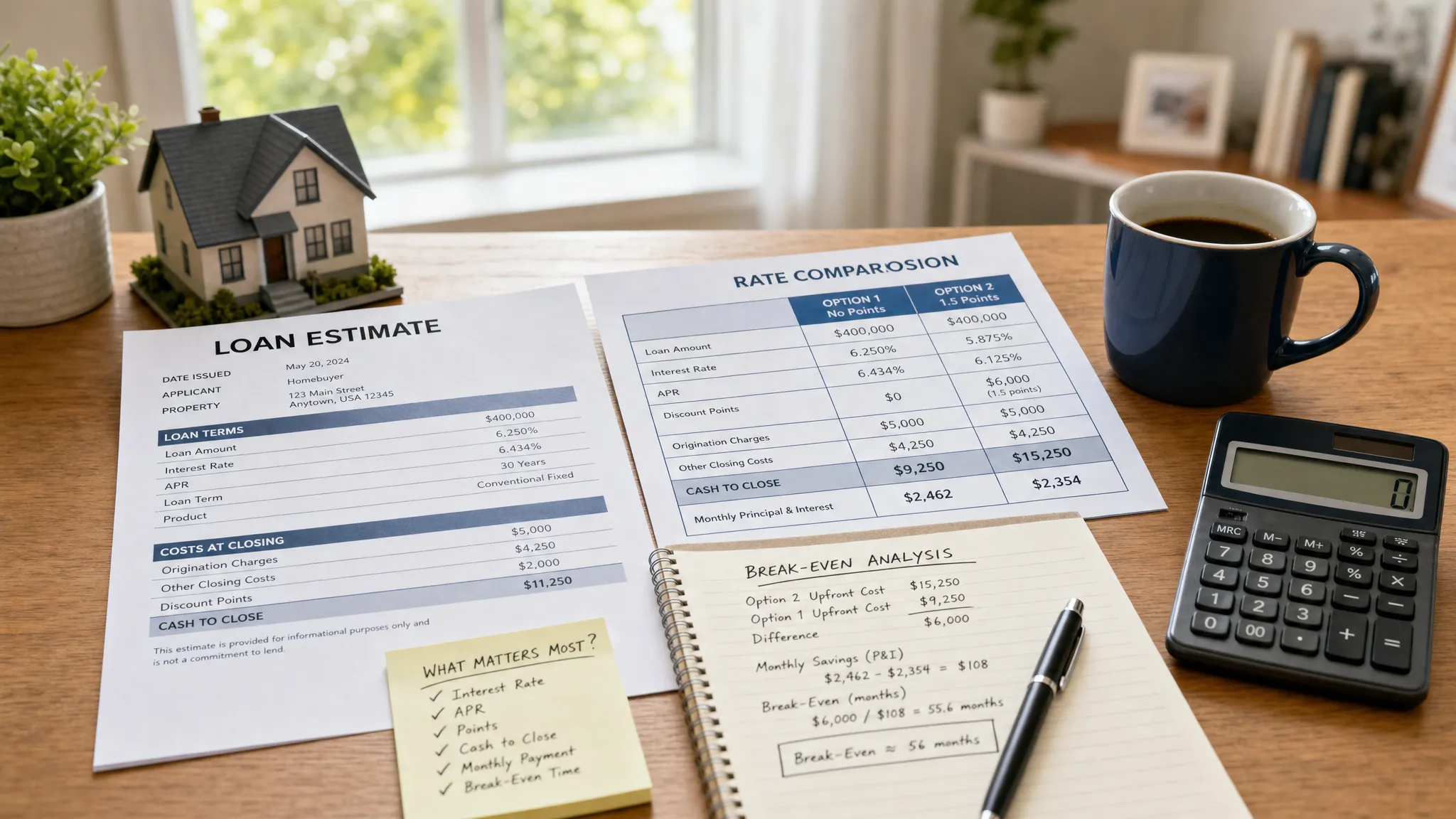
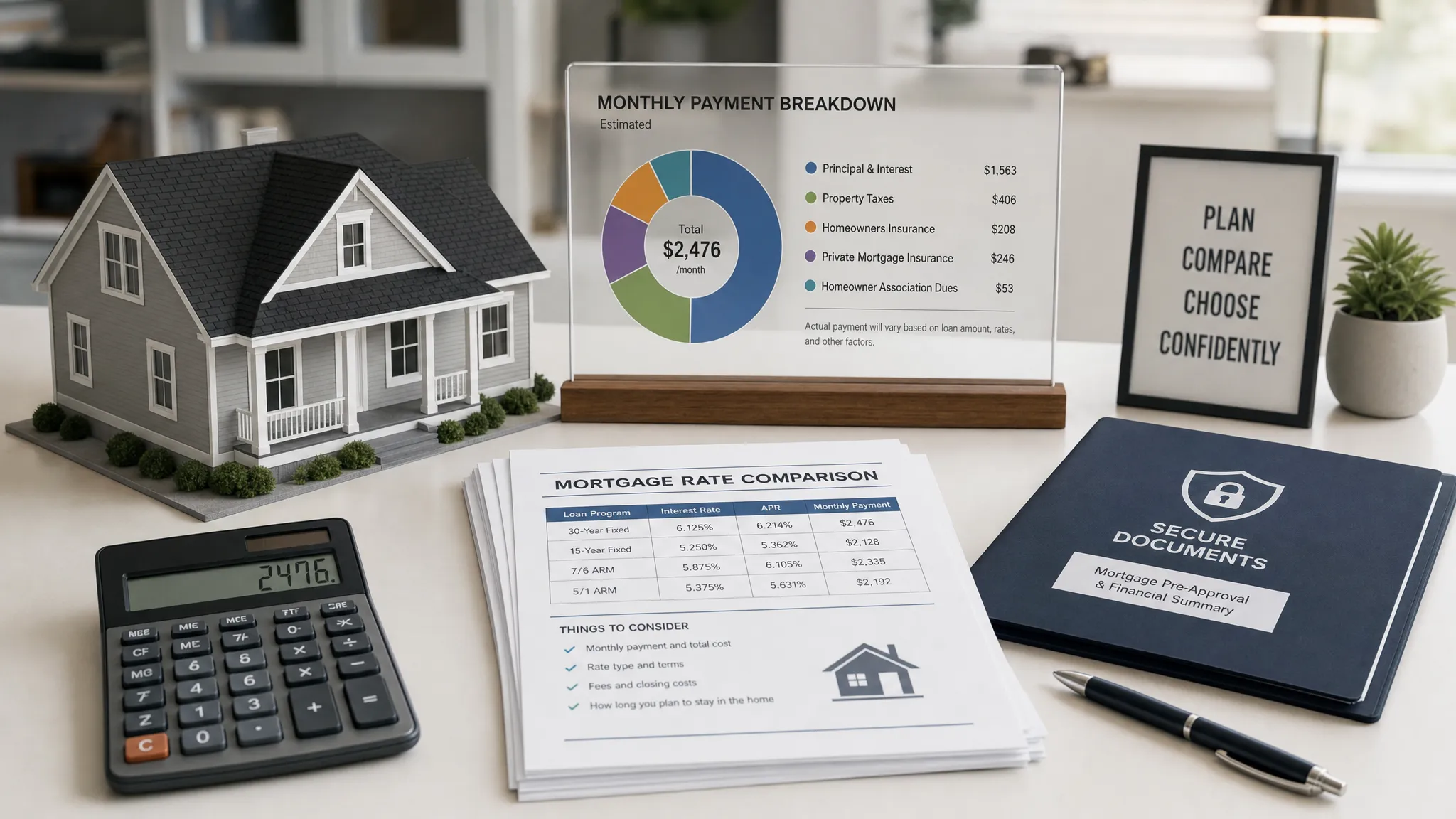
Shopping for a mortgage can feel like picking between two mystery boxes. FHA? Conventional? Which one is the smarter move? Don’t worry — we’ll keep it simple, break down the differences, and even throw in some tools so you can see which option fits your budget best.

A HELOC allows you to borrow against your equity, which is the value of your home less the amount owed on your principal mortgage. You can also receive a HELOC if you own your home entirely, in which case the HELOC is the top mortgage rather than a second one. When looking for a loan, borrowing against the equity in your home can frequently earn you the best rate. A HELOC, like a credit card, enables you to draw against your spending limit as often as needed. You may borrow against your home equity, repay, and repeat.
The interest rates on most HELOCs are adjustable. This implies that if the benchmark interest rate changes, so will the interest rate on your HELOC. However, since a HELOC is secured against the value of your home, the interest rate is often closer to a mortgage rate than a credit card rate. Let’s go through this more.
.jpg)
.jpg)


.jpg)