.jpg)
.jpg)





.jpg)

Getting a Mortgage in North Carolina: Costs to Plan For
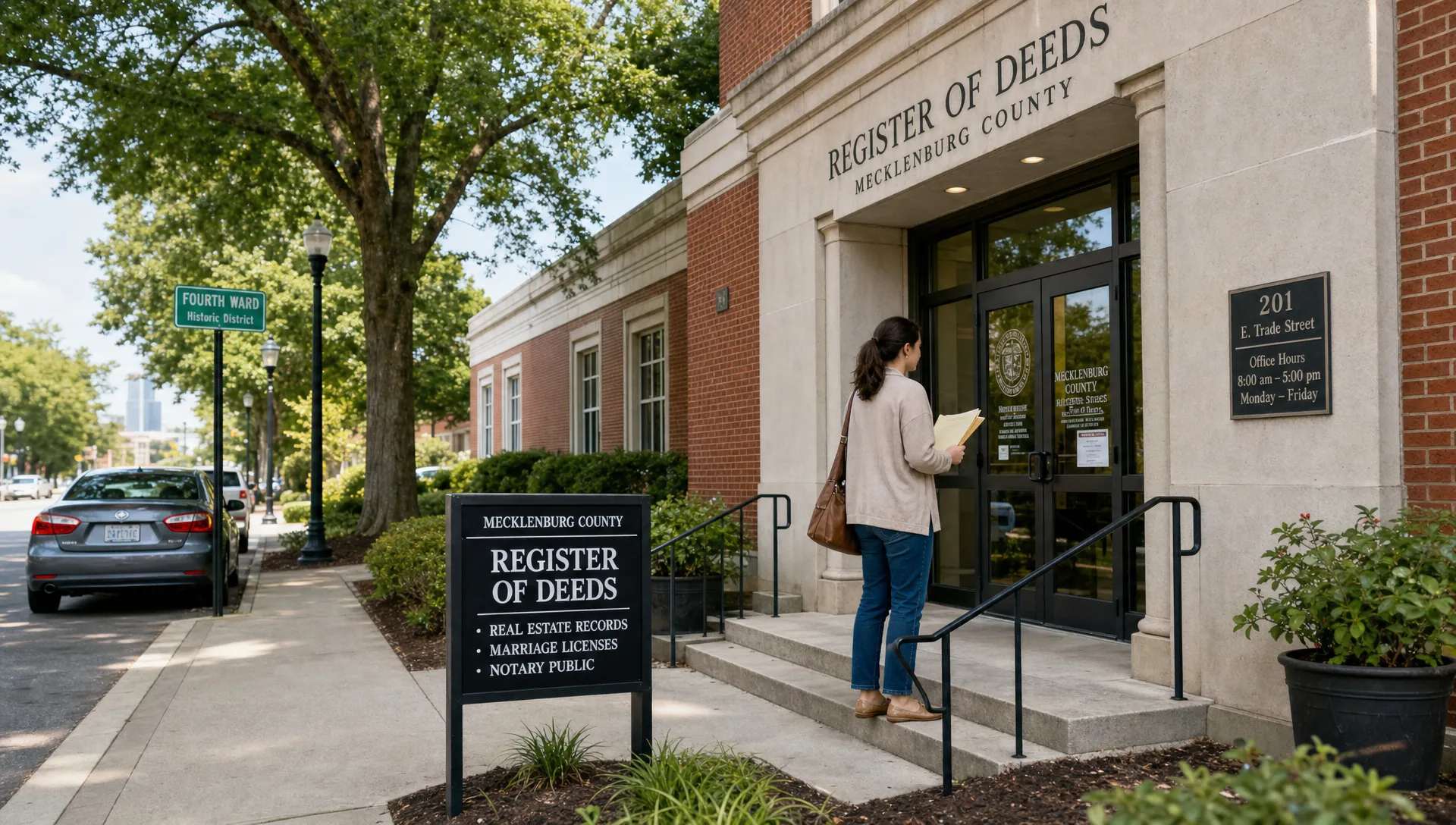
Planning for a mortgage in North Carolina is not just about the interest rate or the listing price. Buyers also need to account for upfront cash, local property taxes, insurance, attorney and title charges, inspections, escrow reserves and the everyday costs that arrive right after moving in. When you understand these costs early, you can shop with more confidence and avoid being surprised at the closing table.
Why the cost of a mortgage in North Carolina varies by location
The cost of buying a home in North Carolina can change sharply from one county, city or neighborhood to another. A home in Charlotte, Raleigh, Durham, Asheville, Wilmington or a smaller rural market may come with a different mix of home prices, taxes, insurance needs, HOA dues and inspection concerns.
For example, coastal properties may require closer attention to wind, flood and storm-related insurance exposure. Mountain properties may raise different questions about access roads, septic systems, wells or terrain. Urban condos and townhomes may have lower exterior maintenance responsibilities but higher HOA dues.
That is why the real question is not only whether you can qualify for a mortgage in North Carolina. The better question is whether the full cost of ownership fits your cash flow after all local expenses are included.
Down payment costs by loan type
Your down payment is usually the largest upfront cost, but the amount depends on the loan program, your eligibility and the property type. Some buyers assume they need 20% down, which can reduce or eliminate certain mortgage insurance costs, but many qualified buyers use a lower down payment option.
Common paths include conventional loans with low down payment options, FHA loans with more flexible credit guidelines, VA loans for eligible service members and veterans and USDA loans for qualifying rural properties. VA and USDA loans may allow no down payment for eligible borrowers, though they can include program-specific fees.
The right loan program can make a mortgage in North Carolina more affordable upfront, but it can also change the monthly payment. A smaller down payment may preserve cash for repairs, moving and emergencies, while a larger one may lower the loan balance and reduce long-term interest.
| Cost category | When it is paid | What to know |
|---|---|---|
| Down payment | At closing | Varies by loan program, borrower profile and purchase price |
| Closing costs | At closing | Often includes lender, title, attorney, appraisal and recording charges |
| Prepaid items | At closing | Usually includes prepaid interest, homeowners insurance and escrow deposits |
| Inspection costs | Before closing | Usually paid directly to inspectors during the contract period |
| Due diligence fee | Soon after contract acceptance | Negotiated with the seller and usually credited at closing if the purchase is completed |
Closing costs and prepaid items
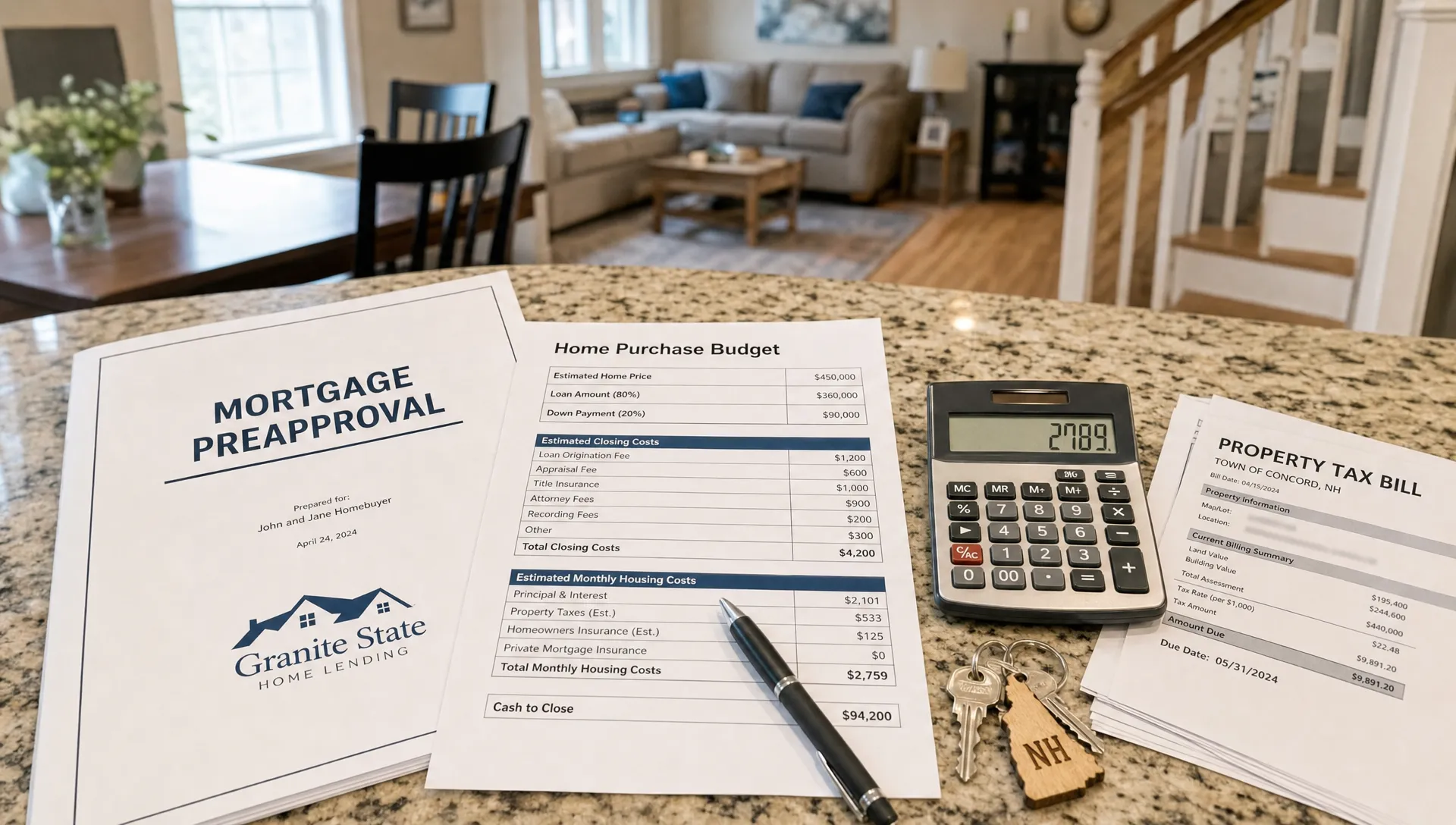
Closing costs are separate from the down payment. As a broad planning range, many buyers budget around 2% to 5% of the loan amount for closing costs, although the actual number depends on the property, loan size, lender, title work and negotiated credits.
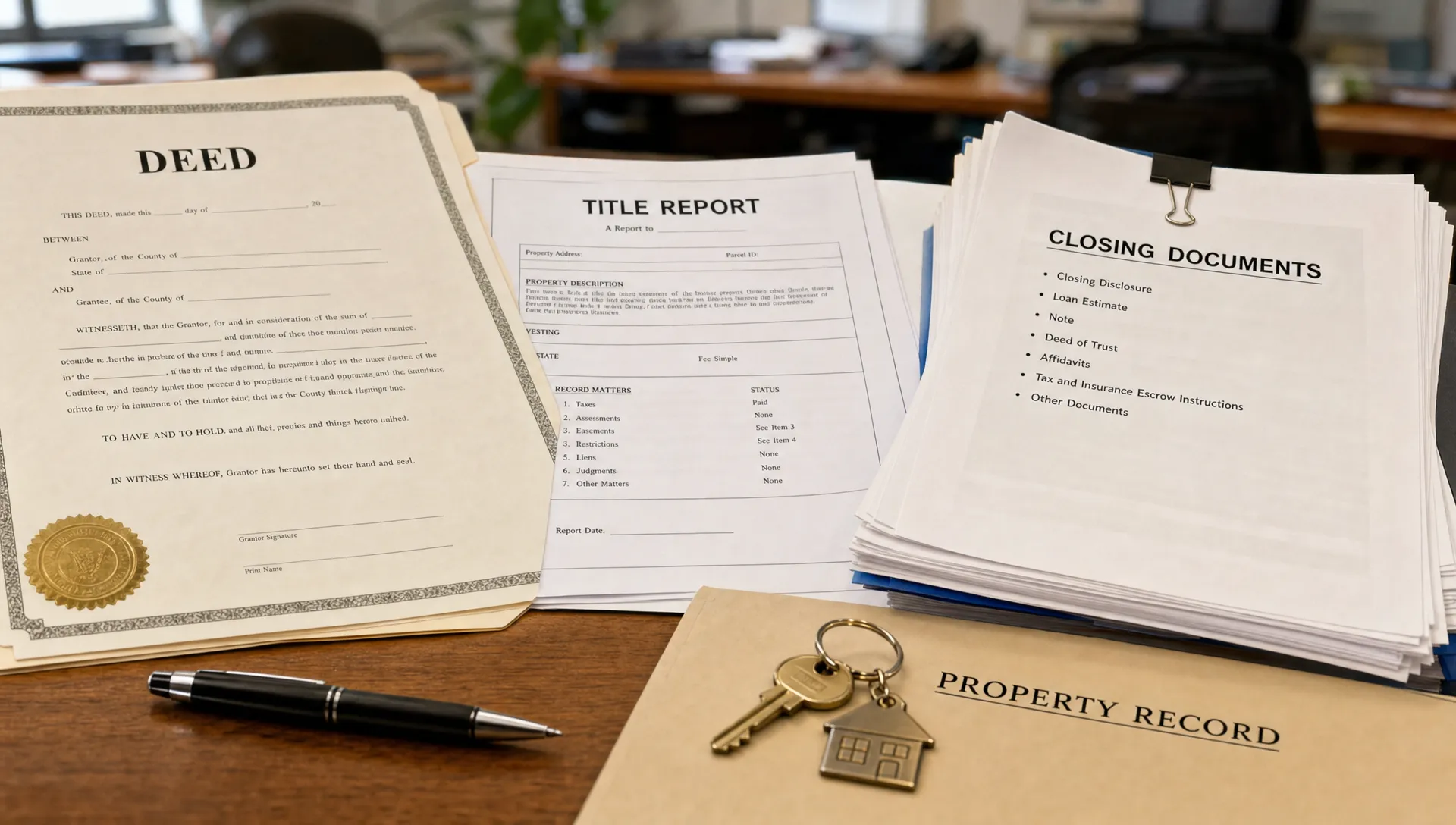
In North Carolina, your closing disclosure may include lender origination charges, appraisal fees, credit report fees, title search and title insurance, real estate attorney fees, recording fees and prepaid items. Prepaids are not junk fees. They are costs you would owe anyway, such as prepaid interest from the closing date to the end of the month, your first year of homeowners insurance and funds deposited into an escrow account for taxes and insurance.
When you compare loan estimates for a mortgage in North Carolina, look beyond the interest rate and study the full cash to close. New Era Lending’s guide to closing costs buyers often overlook is a helpful companion if you want a deeper breakdown of common fees.
North Carolina-specific costs buyers often miss
North Carolina purchase contracts often include a due diligence fee and earnest money deposit. The due diligence fee is negotiated between buyer and seller, paid early in the process and generally credited toward the purchase at closing. If the buyer terminates during the due diligence period, that fee is typically at risk, so it should be treated as real money out of pocket, not just a placeholder.
Earnest money is also negotiated and usually held in escrow. If the transaction closes, it is commonly credited back to the buyer on the final settlement. If the contract does not close, what happens to the deposit depends on the contract terms and timing.
For a mortgage in North Carolina, inspections can also shape your budget. A general home inspection is common, but buyers may also need termite, radon, septic, well, structural or HVAC inspections depending on the property.

Property taxes, insurance and escrow
Your monthly payment is often described as principal and interest, but most homeowners pay more than that. If your loan includes escrow, the lender collects a monthly amount for property taxes and homeowners insurance, then pays those bills when due.
North Carolina property taxes are set locally, so the cost can vary by county and municipality. Do not rely only on the seller’s current tax bill, especially if the home has recently changed value or the county has updated assessments. Ask your loan professional to estimate taxes based on the purchase scenario, not just the old owner’s situation.
Homeowners insurance also deserves early attention. Premiums can be affected by roof age, claims history, distance to fire services, coastal exposure, flood risk and the amount of coverage required by the lender. Flood insurance is separate from standard homeowners insurance and may be required if the property is in a designated flood zone.
A mortgage in North Carolina should be reviewed as a total housing payment, not just a loan payment. If you want a broader look at recurring expenses, New Era Lending explains monthly mortgage costs buyers often miss in more detail.
HOA dues, utilities and maintenance reserves
HOA dues can make a property easier to maintain, but they still count against your budget. Condo, townhome and planned-community dues may cover exterior maintenance, amenities, insurance for shared areas or neighborhood services. Lenders usually include required HOA dues when calculating your debt-to-income ratio.
Utilities can also be higher than expected, especially when moving from renting to owning or from a smaller home to a larger one. Electricity, water, sewer, gas, trash, internet, lawn care and pest control can add up quickly.
Maintenance reserves matter too. Even a well-inspected home can need small repairs after move-in. A practical budget should leave room for locks, filters, appliances, landscaping, paint, furniture and the first unexpected service call. If buying the home drains every dollar of savings, the mortgage may feel stressful even if the approval technically works.
Moving and first-month lifestyle costs
The weeks around closing can be surprisingly expensive. Buyers often pay for movers, truck rentals, storage, utility deposits, cleaning, temporary lodging, pet boarding, meals out and time off work. These are not mortgage fees, but they affect whether the move feels manageable.
If you are relocating to a busy area such as Raleigh, Charlotte, Durham or Wilmington, you may also spend time exploring neighborhoods before choosing where to buy. For occasional planning around hard-to-book local dining during house-hunting trips or move-in week, a verified restaurant reservation marketplace such as LineFlip can be useful when schedules are tight and popular spots are booked.
These lifestyle costs should not drive the homebuying decision, but they should be part of your cash plan. A smoother move often comes from keeping a cushion rather than applying every available dollar to the down payment.
Refinance and cash-out mortgage costs
Purchase buyers are not the only ones who need to plan for mortgage costs. If you already own a home and want to refinance, lower your payment, adjust your term or access equity, you will still need to review loan costs and long-term value.
A refinance mortgage in North Carolina may include lender fees, appraisal costs, title services, recording charges, prepaid interest and escrow adjustments. Some borrowers roll costs into the new loan, which reduces immediate cash needed but increases the financed balance. Others pay costs out of pocket to keep the loan amount lower.
For a cash-out refinance, the key question is whether the new payment and total interest make sense compared with the purpose of the funds. Paying for home improvements may be different from consolidating debt or covering a short-term expense. The numbers should be compared carefully before moving forward.
How to estimate your total budget before applying
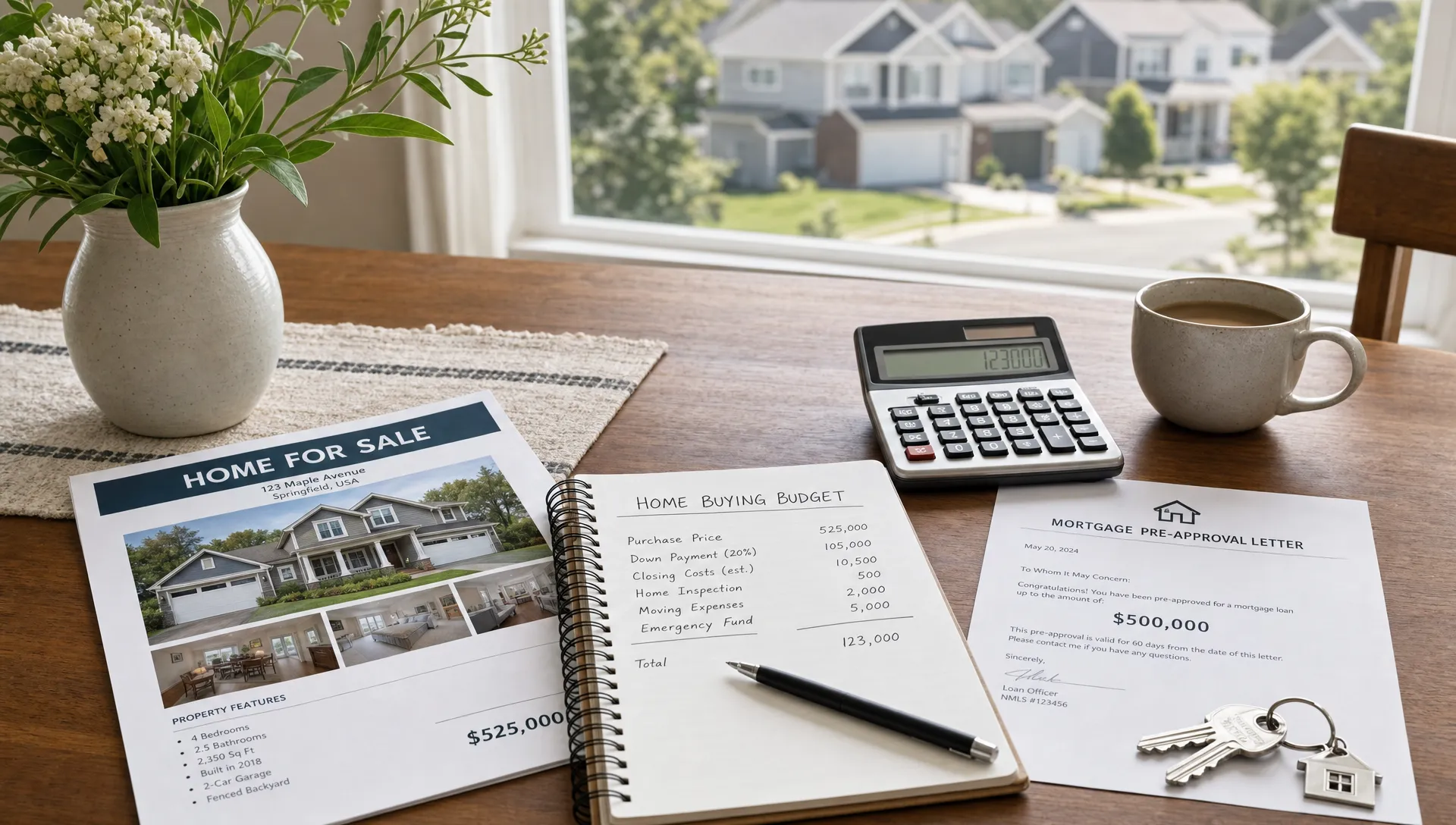
Before applying for a mortgage in North Carolina, estimate three numbers: your comfortable monthly payment, your expected cash to close and your post-closing cushion. These numbers are connected, but they are not the same.
Your comfortable monthly payment should include principal, interest, taxes, insurance, mortgage insurance if applicable, HOA dues and a maintenance allowance. Your cash to close should include down payment, closing costs, prepaids and any contract deposits already paid. Your cushion should be money left over after closing for emergencies, repairs and normal life.
Federal mortgage rules require lenders to provide a Loan Estimate within three business days after receiving a complete application. Use that estimate to compare rate, fees, credits, cash to close and monthly payment. If you are still gathering documents, New Era Lending’s guide on what you need to get a mortgage can help you prepare before the process starts.
Smart ways to reduce surprises
A strong mortgage plan is not about choosing the cheapest option on paper. It is about matching the loan, property and cash strategy to your life. Ask your lender to model more than one scenario, such as a lower down payment with more cash reserved, a larger down payment with a lower monthly payment or a rate buydown if you are considering discount points.
Also ask how seller credits, lender credits or builder incentives affect the final numbers. Credits can reduce upfront cash, but they may come with tradeoffs. For example, a lender credit might lower cash due at closing in exchange for a higher interest rate. Discount points may lower the rate but increase upfront cost.
A well-planned mortgage in North Carolina should leave you with clarity on both sides of the transaction: what you need to bring to closing and what the home will cost month after month.
Frequently Asked Questions
How much are closing costs in North Carolina? Many buyers use 2% to 5% of the loan amount as a broad planning range, but actual closing costs vary based on the lender, property, title work, attorney fees, prepaid items and negotiated credits.
Is a due diligence fee the same as earnest money? No. In North Carolina, the due diligence fee is typically paid to the seller and generally credited at closing if the purchase is completed. Earnest money is usually held in escrow. Refund rules depend on the contract terms and timing.
Do I need 20% down to buy a home in North Carolina? Not always. Many qualified buyers use conventional, FHA, VA or USDA options with less than 20% down. The best option depends on eligibility, credit profile, income, cash available and the property.
What costs are included in a monthly mortgage payment? A full housing payment may include principal, interest, property taxes, homeowners insurance, mortgage insurance, HOA dues and sometimes flood insurance. Utilities and maintenance are separate but should still be included in your personal budget.
Can closing costs be rolled into the loan? Sometimes, especially in refinance scenarios. For a purchase, options may include seller credits, lender credits or certain program structures, but availability depends on loan guidelines and the specific transaction.
Plan your North Carolina mortgage with more confidence
Getting the numbers right before you make an offer can reduce stress and help you choose a home that truly fits. New Era Lending combines technology-driven tools with personal guidance to help buyers, homeowners and refinancing borrowers compare options, understand costs and move through the process more clearly.
If you are planning a purchase, refinance or equity strategy, start with a full cost conversation, not just a rate quote. That is the simplest way to make your next mortgage decision with confidence.