.jpg)
.jpg)





.jpg)


If You Borrow Against Your Home, Know These Risks

Your home can be a powerful financial tool, but if you borrow against it, you are not just taking out another loan. You are putting part of your home equity behind the debt, which can make the money easier to access and more expensive to misuse. Before you sign, it helps to understand what can go wrong, how different loan structures shift the risk and which safeguards can keep a helpful financing move from becoming a long-term burden.
Borrowing against your home usually means one of three options: a home equity loan, a home equity line of credit (HELOC) or a cash-out refinance. Each can be useful for the right purpose, such as necessary repairs, strategic debt consolidation or planned major expenses. The risk comes from assuming that available equity is the same as affordable debt.
The Consumer Financial Protection Bureau encourages borrowers to compare mortgage costs and understand loan terms before committing. That advice matters even more with equity-based borrowing because the loan is tied to the place you live.
What changes if you borrow against your home
The biggest change is collateral. Credit cards and personal loans may damage your credit if you fall behind, but home-secured loans can put your property at risk. If payments become unmanageable, the lender may have the right to pursue foreclosure under the loan terms and applicable state law.
The second change is time. A short-term need can turn into a 10, 15 or 30-year obligation. That may lower the monthly payment compared with an unsecured loan, but it can also stretch interest over many years. A smaller payment is not automatically a cheaper loan.
A third change is flexibility. Once equity has been borrowed, it is no longer available for another need unless your home value rises, you pay the balance down or you qualify for additional financing. That can matter if you later need to move, repair the property or handle a job loss.
The major risks to review before you apply
Home equity can help when used with a clear plan, but if you borrow without stress-testing the downside, you may underestimate the pressure on your budget. These are the risks worth reviewing before choosing a loan type.
| Risk | Why it matters | What to review before signing |
|---|---|---|
| Foreclosure risk | The home secures the debt | Whether the new payment is affordable during income changes |
| Payment shock | HELOC rates or future payments can rise | Rate caps, draw period, repayment period and monthly maximums |
| Longer interest cost | A low payment can extend debt for years | Total interest over the full loan term |
| Reduced equity | Less equity may limit future options | Loan-to-value ratio and resale plans |
| Closing costs | Fees can reduce the benefit of borrowing | APR, origination fees, appraisal fees and prepaid costs |
| Debt cycle | Paying off debt without changing habits can backfire | Budget changes that prevent balances from returning |
Risk 1: Your home is on the line
This is the risk that deserves the most attention. A home equity loan, HELOC or cash-out refinance is secured by your property. If a borrower misses payments and cannot resolve the delinquency, the consequences can be more serious than late fees.
That does not mean these loans should be avoided. It means the loan should match a stable repayment plan, not a hopeful future scenario. Review your income, emergency savings and required expenses before accepting a higher housing payment.
Risk 2: The payment may not stay comfortable
A fixed-rate home equity loan gives more payment certainty, but HELOCs often have variable rates. During the draw period, some HELOC payments may be lower because they are interest-only or based on the amount used. Later, the repayment period can increase the required monthly payment.
If you borrow through a cash-out refinance, the payment change depends on your new rate, new balance and loan term. Even when the payment looks manageable, compare it with your current mortgage and the total amount you will repay.
Risk 3: You may pay more interest over time
The interest rate is only one part of the cost. A loan with a lower rate can still cost more if it runs for many years. This is especially important when replacing short-term debt with home-secured debt.
For example, rolling credit card balances into a home equity loan may lower the monthly payment. But if the repayment period stretches far longer and the cards are used again, the borrower can end up with both the home loan and new revolving debt.
Know the loan type before comparing offers
The right structure depends on the purpose of the money, the timing of the expense and your comfort with payment changes. New Era Lending helps homeowners review purchase, refinance and equity options with smart technology and human guidance, but the best choice still begins with understanding how each structure works.
A home equity loan may fit a one-time expense because you receive a lump sum and repay it over a set period. A HELOC may fit expenses that arrive in stages, such as a renovation, because you can draw as needed during the draw period. A cash-out refinance replaces your existing mortgage with a new one, which can make sense in some situations but may not be ideal if it gives up a favorable current rate.
If you are still deciding whether the reason is strong enough, New Era Lending's guide on when to borrow from your home equity can help you separate practical uses from expenses that may not justify putting equity at risk.

Questions to ask if you borrow for a specific goal
A loan that is risky for one purpose may be reasonable for another. The goal should be specific enough that you can measure whether borrowing improved your financial position.
For home improvements, ask whether the project protects the property, improves livability or may support future resale value. Not every upgrade increases home value, so avoid assuming the renovation will pay for itself.
For debt consolidation, ask what caused the debt and what will change after consolidation. If the old balances return, the home equity loan becomes an added burden instead of a solution. A written budget and a plan to close or limit high-interest accounts can make consolidation safer.
For business expenses, be careful about mixing personal housing risk with business uncertainty. Business owners should also protect sensitive financial records, tax documents and customer data. Reliable cybersecurity, backup and continuity support from Shring Technologies can reduce operational risk, but it does not remove the repayment risk of borrowing against a personal residence.
How to reduce risk before you tap equity
Risk management starts before the application. The goal is not to borrow the maximum available. It is to borrow only what supports the purpose and remains affordable if life changes.
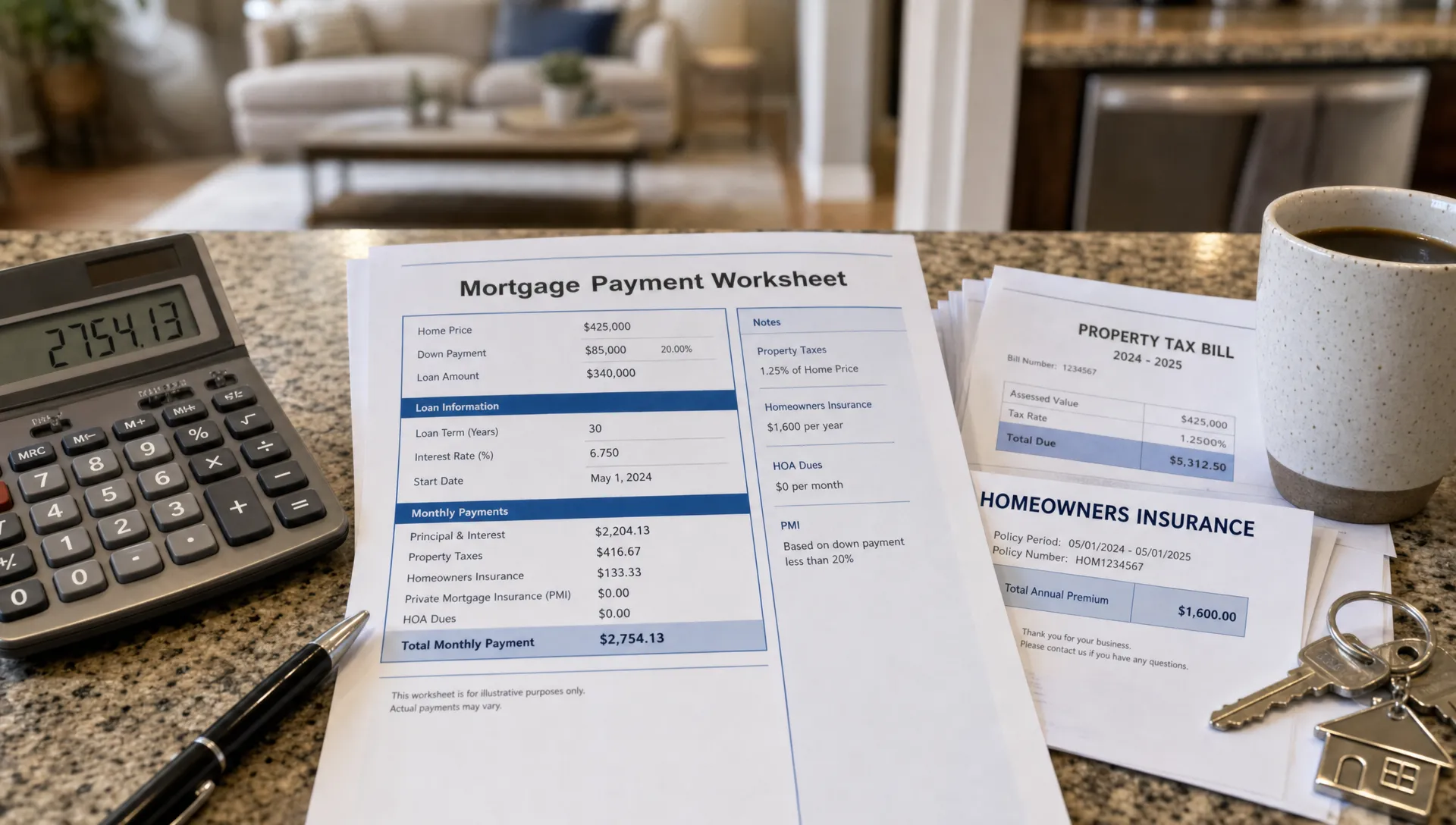
Start by calculating the full monthly payment, including your current mortgage, the new equity payment, taxes, insurance, HOA dues and other debts. Then stress-test that number against a temporary income drop or a higher HELOC rate. If the payment only works in the best-case scenario, the loan is too tight.
Next, compare more than the advertised rate. Review the APR, closing costs, repayment period, prepayment terms and whether the rate is fixed or variable. Ask for plain-language explanations of anything unclear before signing.
Finally, leave equity untouched when possible. Keeping a cushion can help if home values decline or you need to sell sooner than expected. New Era Lending's article on how to access your home equity without overborrowing walks through ways to estimate a safer amount.
Red flags that the loan may be too risky
Some warning signs are financial, and others are behavioral. If you borrow because the payment technically fits but leaves no room for savings, repairs or emergencies, the loan may be too aggressive. The same is true if you feel rushed to decide before you understand the numbers.
Be cautious if the loan is being used for recurring lifestyle expenses, speculative investments or unsecured debt without a plan to prevent new balances. Equity can create a false sense of extra income, but it is still borrowed money that must be repaid.
Also watch for pressure to take a larger amount than requested. A higher approval amount is not a recommendation to use it. The safer number is based on your budget, purpose and long-term goals, not the maximum available equity.
When a cash-out refinance deserves extra attention
A cash-out refinance can be useful, but it changes the mortgage itself. If you currently have a low fixed rate, replacing the entire loan may be costly even if the cash you receive solves a short-term problem.
Review the break-even point, the new payoff timeline and the total interest over the life of the loan. If mortgage insurance, closing costs or a higher rate apply, include those in the comparison. If you are considering this route, the guide on how to use equity when refinancing your home explains how equity affects refinance options.
Frequently asked questions
Is borrowing against home equity always risky? No. It can be a practical tool when the purpose is clear, the payment is affordable and the loan terms are understood. The risk rises when the loan is used to cover ongoing overspending, speculative goals or payments that depend on everything going perfectly.
What is the safest amount if you borrow against your home? The safest amount is usually less than the maximum you qualify for. A conservative amount leaves room for emergencies, future repairs, changes in income and possible shifts in home value.
Can I lose my home with a HELOC or home equity loan? Yes, because these loans are secured by your property. If payments are not made and the issue is not resolved, foreclosure may be possible depending on the loan terms and state law.
Is a home equity loan better than a HELOC? It depends on the purpose. A home equity loan may be better for a fixed, one-time expense because the payment is more predictable. A HELOC may be better for staged expenses, but variable rates and changing payments require more caution.
Should I use home equity to pay off credit cards? It can reduce interest costs in some cases, but it also turns unsecured debt into debt secured by your home. It is usually safer only when paired with a realistic payoff plan and changes that prevent new credit card balances.
A smarter way to decide
If you borrow against your home, the best decision is not simply the loan with the lowest monthly payment. It is the option that fits your purpose, protects your budget and keeps your long-term housing plans intact.
New Era Lending combines modern mortgage tools with personalized guidance for homeowners exploring purchase, refinance and equity solutions. If you are weighing a home equity loan, HELOC or cash-out refinance, start with a clear review of your numbers and ask questions until the risks are as clear as the benefits.