.jpg)
.jpg)





.jpg)


How to Access Your Home Equity Without Overborrowing
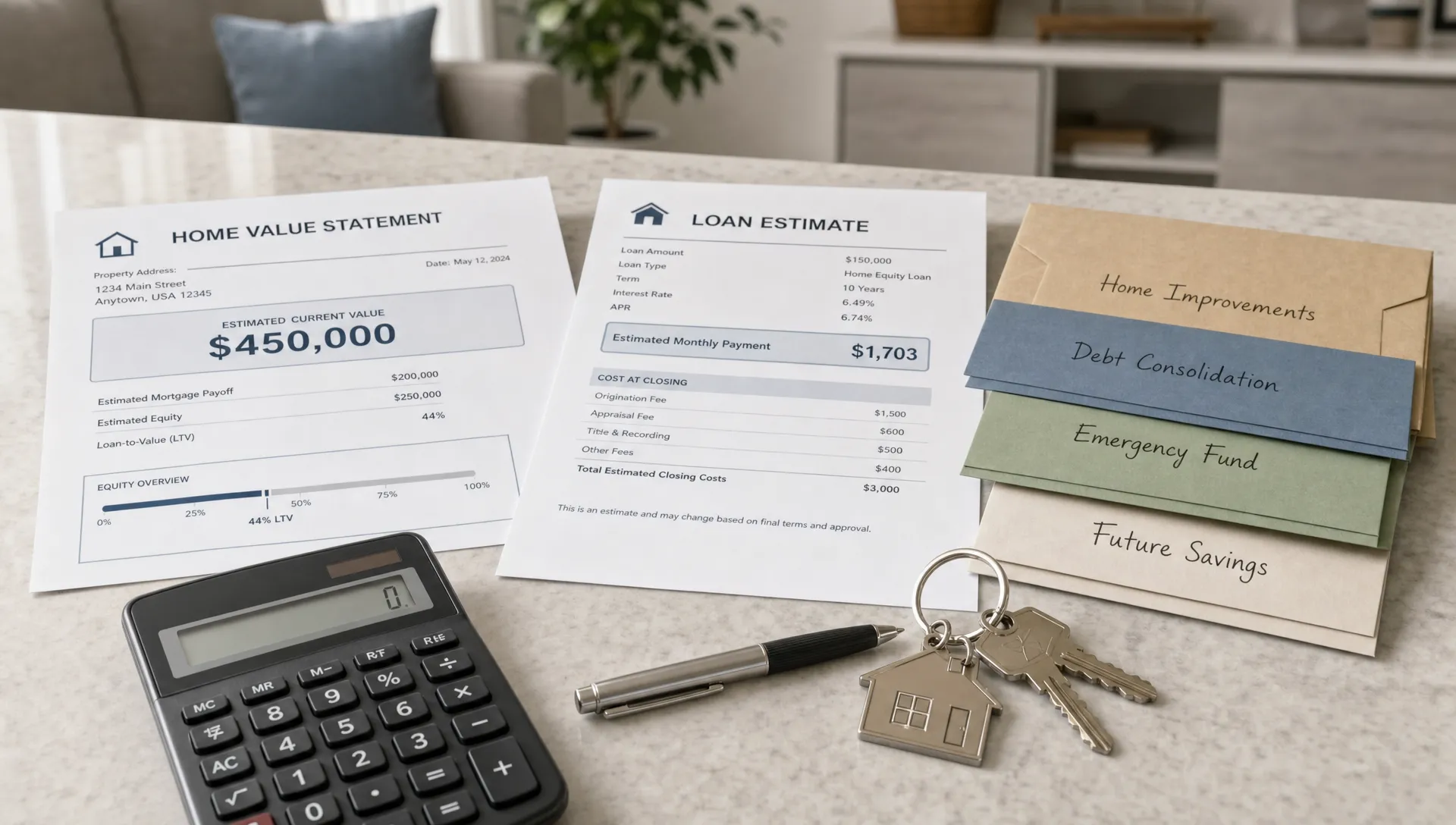
Home equity can be a useful financial tool, but it is not free money. When you borrow against it, you are turning part of your ownership stake into debt secured by your home. That can make sense for the right purpose, at the right amount, with a repayment plan that still leaves room in your monthly budget.
The key is not simply asking, “How much can I get?” A better question is, “How much do I actually need, and how much can I repay comfortably if life gets more expensive?” That shift helps you access your home equity without overborrowing.
What overborrowing looks like with home equity
Overborrowing happens when the loan amount is driven by available equity rather than a real financial need. A homeowner may qualify for a larger home equity loan, HELOC or cash-out refinance than they originally planned to use. The extra cash can feel like a safety cushion, but it also increases monthly payments, total interest and risk.
Your equity is the difference between your home’s current value and what you owe on mortgages or other liens. If you want a deeper refresher on how lenders view equity, loan-to-value and usable borrowing power, New Era Lending’s guide to how mortgage equity works is a helpful place to start.
The important distinction is this: your available equity and your safe borrowing amount are not the same thing. Available equity is based on property value, existing mortgage balances and lender guidelines. Safe borrowing depends on your income, expenses, goals, cash reserves and tolerance for payment changes.
Start with the exact use of funds
Before comparing loan products, define the purpose of the money. Homeowners most often use equity for renovations, debt consolidation, education costs, medical expenses, business needs or a down payment on another property. Some uses are more durable than others.
A kitchen remodel that may improve livability and potentially support home value is different from using equity for everyday spending. Consolidating high-interest debt can be reasonable if it lowers total interest and comes with a plan to avoid rebuilding card balances. Borrowing for a short-lived purchase can be risky because the debt may outlast the benefit.
Large, one-time healthcare costs can also belong in the conversation, but only after you have firm estimates and a repayment plan. If dental work is part of the reason you want cash, start with a written treatment plan from the provider, whether it is your local oral surgeon or a family dentist offering general and cosmetic dentistry, so the loan amount is tied to a real invoice rather than a rough guess.
A practical rule is to match the debt to the need. If the expense is known, borrow close to the known amount. If the expense is uncertain, build a modest contingency rather than taking the maximum available.
Calculate a safe borrowing range, not just a maximum
Lenders use factors such as loan-to-value, combined loan-to-value, credit history, income, debt-to-income ratio, property type and occupancy to determine how much you may be eligible to borrow. That is an underwriting limit, not a personal financial recommendation.
Here is a simplified example. Suppose your home is valued at $500,000 and your current mortgage balance is $300,000. Your total equity is $200,000. If a lender uses an 80% combined loan-to-value limit for your scenario, the total debt allowed against the home would be $400,000. After subtracting the existing $300,000 mortgage, the maximum additional borrowing would be $100,000 before any applicable costs or adjustments.
That does not mean $100,000 is the right amount. If your actual project budget is $62,000 and you want a $8,000 contingency, a $70,000 limit may be more responsible than borrowing the full amount. The smaller loan can reduce payment strain and keep more equity intact.
| Borrowing checkpoint | What to ask | Why it protects you |
|---|---|---|
| Purpose | What exact expense will this money cover? | Prevents borrowing because funds are available rather than needed |
| Loan amount | What is the minimum effective amount plus a reasonable cushion? | Keeps payments and interest costs lower |
| Monthly payment | Can I afford this payment after taxes, insurance, utilities and savings? | Reduces the chance of cash-flow stress |
| Rate risk | Could the payment change over time? | Especially important for variable-rate HELOCs |
| Exit plan | How will I pay this down and by when? | Turns equity borrowing into a planned strategy |
Stress-test the monthly payment
A loan can fit on paper and still feel uncomfortable in real life. Before you sign, stress-test the payment against your real household budget. Include property taxes, homeowners insurance, HOA dues if applicable, maintenance, childcare, auto costs, healthcare, retirement contributions and emergency savings.
For a fixed-rate home equity loan or cash-out refinance, focus on whether the payment is sustainable for the full repayment term. For a HELOC, look beyond the initial draw period. Many HELOCs allow interest-only or lower required payments during the draw period, then convert to principal and interest repayment later. If you only test the early payment, you may underestimate the long-term obligation.
A stronger stress test asks whether you could still afford the payment if one of these happens: income drops temporarily, insurance premiums rise, property taxes increase, a car repair hits or a variable interest rate moves higher. You do not need to plan for every worst-case scenario, but home equity borrowing should not depend on everything going perfectly.
Choose the loan structure that matches the expense
Different equity products solve different problems. Overborrowing often happens when homeowners choose a structure that does not fit how they will use the money.
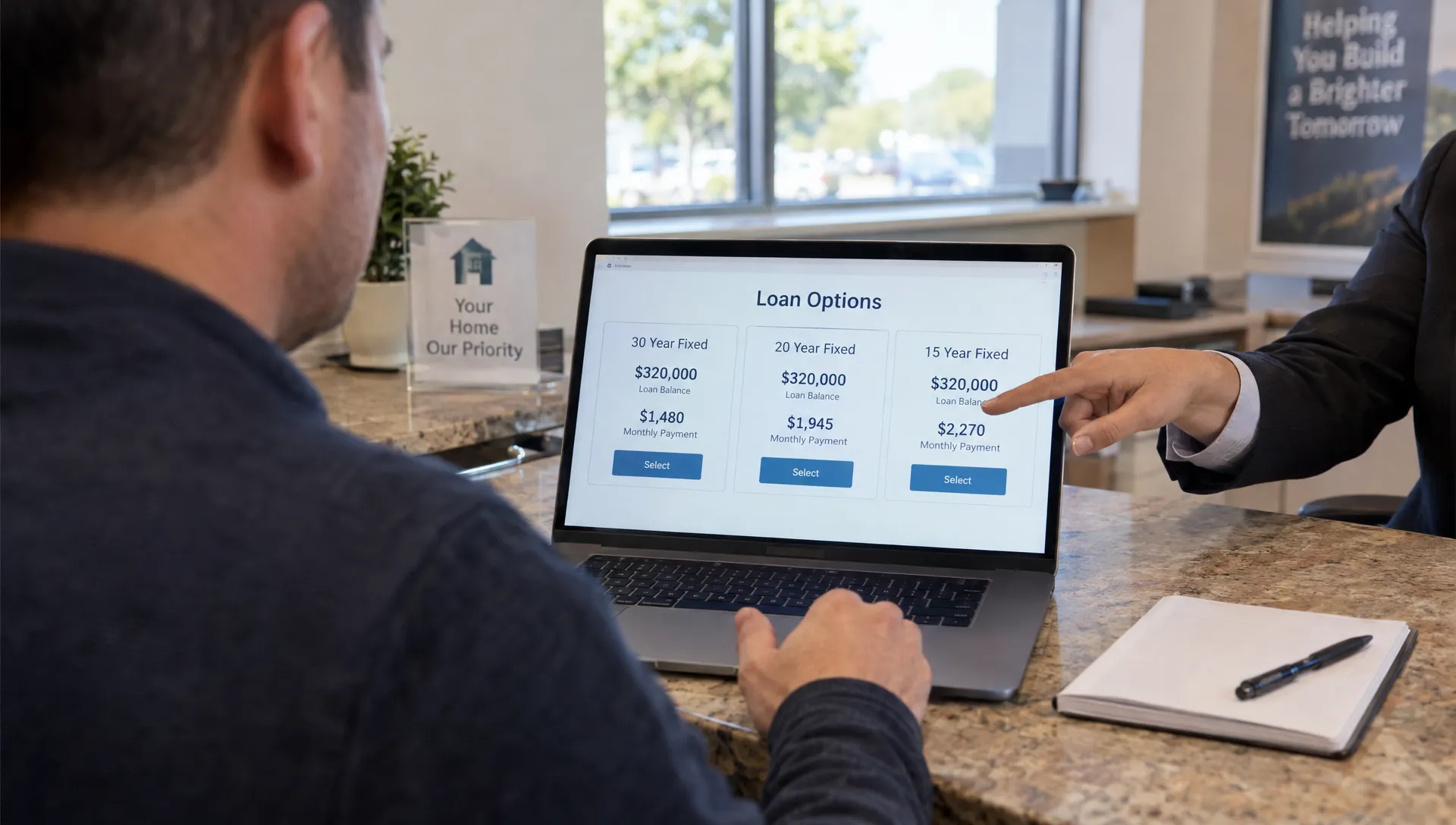
A home equity loan can work well when you need a set amount for a defined expense. You receive a lump sum, usually with a fixed payment, which can make budgeting easier. The tradeoff is that you start paying interest on the full amount right away.
A HELOC can fit projects with phased or uncertain costs because you can draw as needed during the draw period. This flexibility can help prevent overborrowing if you only use what you need. It can also tempt some borrowers to keep tapping the line for unrelated purchases. If you choose a HELOC, set your own draw limit below the approved limit and track every withdrawal.
A cash-out refinance replaces your existing mortgage with a new, larger one and gives you the difference in cash. This can make sense in specific circumstances, but it should be evaluated carefully because it affects your primary mortgage, repayment timeline and total interest. If you are comparing a refinance with other equity options, New Era Lending explains how to use equity when refinancing your home in more detail.
For side-by-side product comparisons, including rate and payment differences, you may also find this breakdown of an equity mortgage loan vs HELOC useful.
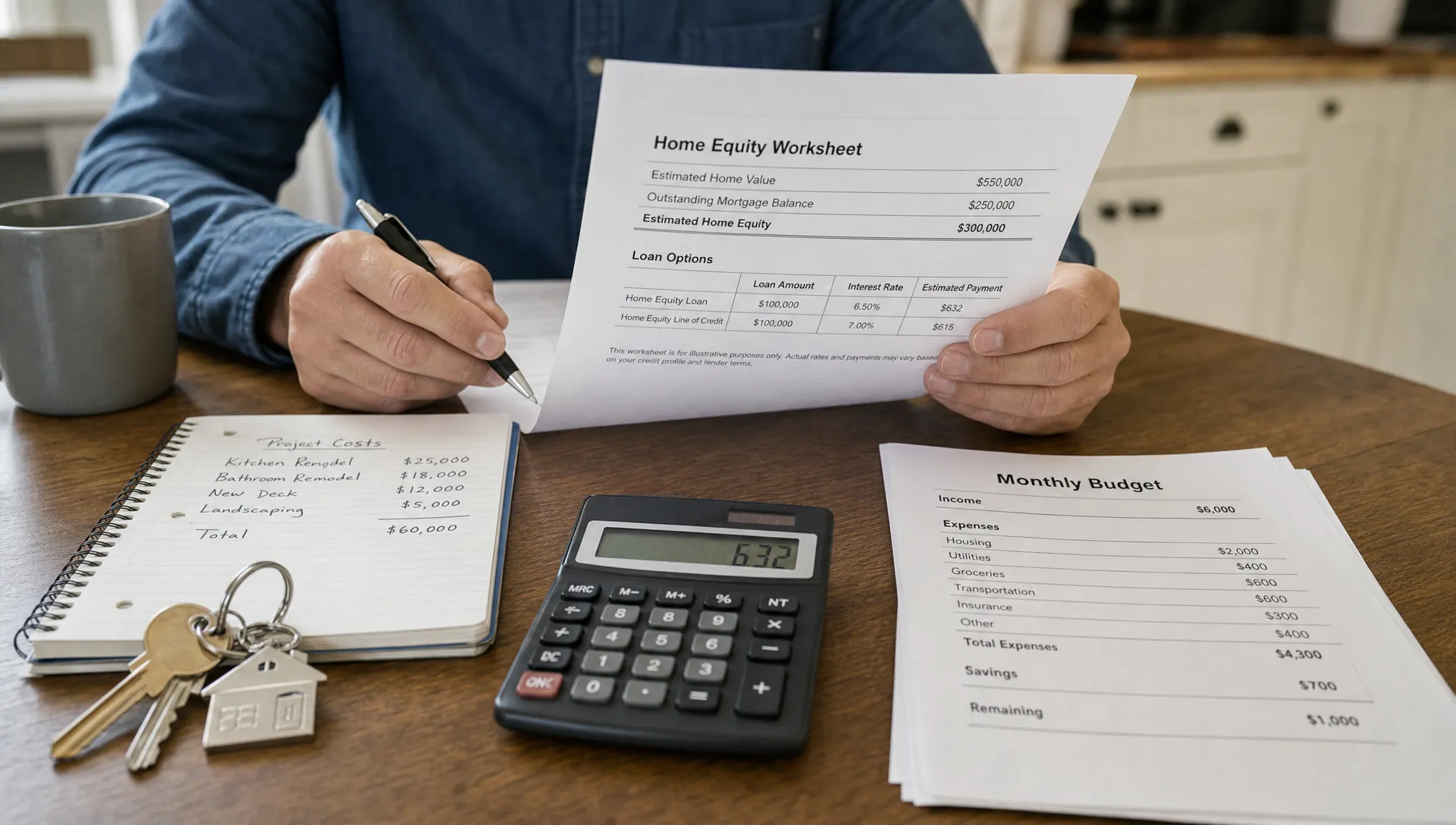
Build a borrowing cap before applying
One of the simplest ways to avoid overborrowing is to set your own cap before you apply. This cap should be based on your goal, payment comfort and savings cushion, not only on your property value.
Start with the amount you need for the primary purpose. Add realistic closing costs or fees if they will not be paid out of pocket. Then add a contingency only if the expense warrants it. For home improvements, a modest cushion can be helpful because project costs can change. For debt consolidation, a cushion is usually less necessary because payoff balances can be verified.
Once you have that number, translate it into a monthly payment estimate. If the payment makes you pause, lower the amount, extend the planning timeline or consider whether the expense can be funded in stages. The goal is to preserve flexibility, not drain it.
Watch for warning signs
Home equity borrowing deserves extra care because your home secures the debt. If payments become unmanageable, the consequences can be serious. The warning signs are often visible before closing.
Be cautious if the only way the loan works is by assuming your income will rise soon, you plan to use borrowed funds for routine bills or you are consolidating credit cards without changing the spending pattern that created the balances. Also pause if you feel pressure to take more cash than requested because you “might as well” use the equity.
Another warning sign is ignoring total cost. A smaller payment over a longer term may feel easier, but it can increase the amount of interest paid over time. Ask for a clear explanation of rate, term, fees, payment changes and whether there are annual fees, early closure fees or other costs.
Keep enough equity and cash reserves
Accessing your home equity should not leave you financially thin. Equity is part of your net worth, and keeping some of it untouched can help if home values soften or you need to sell earlier than expected. A larger equity cushion may also make future refinancing or selling less stressful.
Cash reserves matter too. It is usually not wise to use home equity as a substitute for emergency savings. If the loan payment absorbs the money you normally save each month, you may become more dependent on credit when the next surprise expense appears.
A balanced plan protects both sides of your balance sheet: you use equity for a specific purpose, but you keep enough monthly breathing room and emergency cash to avoid turning one loan into a cycle of borrowing.
Ask better questions before closing
The right lender conversation should go beyond approval amount. You want clarity on structure, cost and repayment. Ask how the payment is calculated, whether the rate is fixed or variable, what costs are due at closing, how long approval may take and what documentation is needed.
You should also ask what happens if you borrow less than the maximum. In many cases, a lower amount may better align with your goal. A transparent lending process should help you compare scenarios rather than push you toward the largest possible balance.
This is where a guided mortgage process can be valuable. Smart tools can make document collection, e-signatures and approval steps more efficient, but human guidance still matters when you are deciding how much debt is prudent. A personalized conversation can help you compare the monthly impact of different loan amounts before you commit.
Frequently Asked Questions
How much home equity should I borrow? Borrow the amount needed for a defined purpose, plus a reasonable cushion if the expense is likely to change. The right amount is often less than the maximum a lender may approve.
Is a HELOC a good way to avoid overborrowing? A HELOC can help if you draw only what you need, when you need it. It can also lead to overborrowing if you treat the credit line like extra income, so setting a personal draw limit is important.
Does borrowing against home equity hurt my credit? Applying may involve a credit inquiry, and the new debt can affect your credit profile. Over time, on-time payments may help your credit history, while missed payments can damage it.
Should I use home equity to pay off credit cards? It can reduce interest costs if the new loan has better terms, but it only works if you avoid rebuilding card balances. You are also moving unsecured debt into debt secured by your home, which raises the stakes.
Can I access home equity without refinancing my first mortgage? Yes, options such as home equity loans and HELOCs may allow you to keep your existing first mortgage. The best fit depends on your current rate, goals, loan amount and repayment preferences.
Access equity with a plan, not a guess
Home equity can help you move forward with important goals, but the safest strategy is intentional. Define the use of funds, set your own borrowing cap, stress-test the payment and choose the structure that fits the expense.
New Era Lending combines smart mortgage technology with personalized human guidance to help homeowners compare options for purchases, refinancing and equity access. If you want transparent rates and terms, secure document uploads, e-signature support and a clearer path through the process, visit New Era Lending to explore your next step with confidence.