.jpg)
.jpg)





.jpg)

Pay Cash for Your Home or Get a Mortgage? Compare the Tradeoffs

If you can pay cash for your home, you have a choice many buyers would welcome: eliminate a mortgage payment or keep more money available for other goals. Neither option is automatically better. Paying cash avoids loan interest and simplifies the purchase, but it also ties up money in an asset you cannot quickly spend. A mortgage preserves liquidity while adding interest, closing costs and a required monthly payment.
The right decision depends on what remains after closing, how reliably you can cover ongoing expenses and what you would actually do with the money you keep.
Should you pay cash for your home or finance the purchase?
Paying cash is generally more attractive when you can buy without weakening your financial safety net. A mortgage becomes more attractive when preserving accessible savings is worth the borrowing cost. A larger down payment can provide a middle ground.
| Factor | All-cash purchase | Purchase with a mortgage |
|---|---|---|
| Monthly principal and interest | None | Required according to the loan terms |
| Accessible savings after closing | More money committed to the property | More money can remain available |
| Financing expenses | No mortgage interest or lender fees | Interest and applicable loan costs |
| Purchase process | No mortgage underwriting | Income, credit and property requirements apply |
| Ongoing ownership costs | Taxes, insurance, maintenance and applicable HOA fees | The same ownership costs, plus loan payments |
| Access to equity later | Usually requires selling or qualifying for financing | Usually requires selling or qualifying for additional financing |
Your starting point should be your post-closing finances, not simply whether your account balance covers the purchase price.
What paying cash gives you, and what it takes away
Less debt and fewer financing complications
When you pay cash for your home, you remove mortgage principal and interest from your monthly budget. That can be valuable if you are retiring, have variable earnings or simply prefer lower fixed obligations.
You also avoid mortgage underwriting and the risk that your purchase loan will fall through. A seller may value an offer without a financing contingency, especially when timing matters. That does not guarantee a lower purchase price, though. Competing offers, property condition and the seller’s priorities still determine your negotiating position.
Cash does not eliminate due diligence. An inspection, title review and assessment of market value still protect you, even when no lender requires them.
More wealth tied to one property
Home equity contributes to net worth, but it cannot directly pay a medical bill or replace a failed furnace. Accessing it generally means selling the property or obtaining financing, both of which take time and may involve costs.
Before committing your funds, reserve money for emergencies, moving expenses and known repairs. Consider what happens if several needs arrive together, such as a roof replacement during a period of reduced income.
Buying without debt also does not remove real estate risk. Property values can fall whether you have a mortgage or own the home outright.
What a mortgage preserves, and what it adds
A mortgage allows you to spread the purchase cost over time. Keeping accessible assets may help fund a business, support retirement withdrawals or prevent the need to sell investments during a downturn.
The strongest reason not to pay cash for your home may be protecting financial flexibility, rather than trying to outperform the mortgage rate. That flexibility has a price: interest, applicable lender charges and the obligation to make payments even when your finances change.
The payment also deserves a closer look. Principal and interest are only part of the monthly cost. Property taxes, homeowners insurance, applicable mortgage insurance and HOA dues can materially change affordability. Taxes and insurance can increase even when a fixed-rate loan’s principal-and-interest payment stays constant.
Compare actual offers using the Consumer Financial Protection Bureau’s Loan Estimate guide. Look at the interest rate, APR, points, lender fees and cash to close, not just the advertised payment. APR helps compare borrowing costs, but your expected ownership period also matters, particularly when deciding whether to pay upfront points.
A side-by-side example: buying a $500,000 home
Purchase cash and monthly payments
Assume you are comparing an all-cash purchase with a 30-year fixed-rate mortgage using a 20% down payment. The mortgage rate below is hypothetical, not a current quote or a New Era Lending offer.
| Item | Pay all cash | Put 20% down |
|---|---|---|
| Home price | $500,000 | $500,000 |
| Cash toward purchase price | $500,000 | $100,000 |
| Mortgage amount | $0 | $400,000 |
| Illustrative interest rate | Not applicable | 6.50% fixed |
| Monthly principal and interest | $0 | About $2,528 |
| Purchase funds kept outside the home | $0 of the $500,000 | $400,000 before additional financing costs |
This comparison excludes closing costs, property taxes, insurance, maintenance and HOA charges. It also assumes you maintain separate reserves rather than spending your last available dollar on either option.
If you pay cash for your home in this example, you avoid the loan payment but commit an additional $400,000 to the property. Financing preserves that amount before loan-related costs, while requiring enough ongoing income or assets to support the payment.
Interest cost is not the same as the total payment
At these assumptions, keeping the mortgage for all 30 years and making only scheduled payments would produce approximately $510,178 in interest. That figure excludes loan fees and other ownership expenses.
It is a nominal total spread over three decades, not a complete comparison with investing. Selling, refinancing or paying extra principal would change the interest paid. Your retained funds could also earn returns, incur taxes or lose value during that period.
Remember that part of each payment reduces the loan balance. In the first month, approximately $2,167 goes to interest and $362 to principal. Principal repayment builds equity, so treating the entire mortgage payment as a financing expense overstates the cost of borrowing.
For a shorter ownership period, compare interest and loan fees over that period with the likely benefit of keeping the cash available. Do not base a five-year decision solely on a 30-year interest total.
Compare borrowing costs with realistic after-tax returns
The argument for financing often sounds straightforward: keep investments earning more than the mortgage costs. In practice, mortgage interest is contractual, while investment returns may be uncertain.
Before deciding whether to pay cash for your home, compare borrowing costs with returns that reflect taxes, investment fees and risk. A taxable savings yield, an expected stock-market return and the return from a private business are not interchangeable.
For example, a taxable account yielding 5% before taxes would not cover a 6.5% mortgage interest rate if there were no mortgage tax benefit. Stocks might earn more over a long period, but losses can coincide with a job disruption or an unexpected need for cash.
Mortgage interest also does not automatically create a tax deduction. Under IRS Publication 936, eligibility depends on requirements including itemizing deductions, qualified debt and applicable limits. The relevant benefit is the additional tax savings your mortgage actually produces, not an assumed deduction for every dollar of interest.
On the cash side, selling appreciated investments can trigger capital gains taxes. Retirement-account withdrawals may create income taxes or penalties, depending on the account and your circumstances. Include those costs before treating account balances as available purchase money.
A larger down payment can split the difference
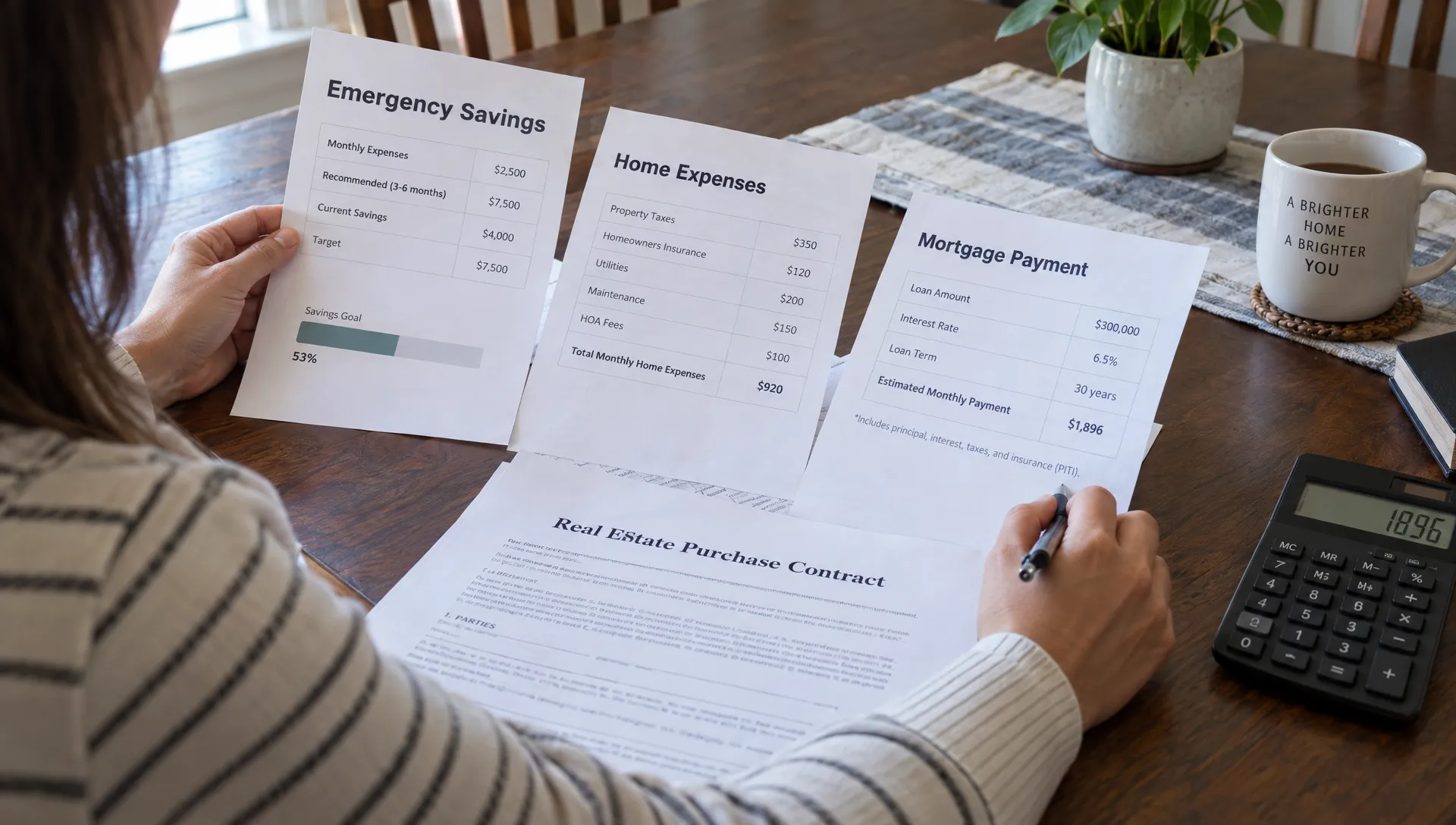
You do not have to choose between borrowing as much as possible and paying the entire price upfront. A larger down payment can reduce the monthly payment while preserving a meaningful reserve.
For example, someone buying a $500,000 home might compare putting down $100,000, $250,000 or the full purchase price. Each choice creates a different combination of monthly obligations, accessible savings and financing costs. Request actual loan estimates because pricing does not necessarily improve in a straight line as the down payment rises.
If you could pay cash for your home but would feel uncomfortable afterward, a smaller loan may offer a better balance. Start with the reserves you want to protect, then work backward to a down payment and payment you can comfortably sustain.
Our guide to down payment options that protect your savings explores this balance in more detail. Avoid choosing a down payment solely to meet a familiar percentage when it would leave you short on repair funds or emergency savings.
Do not assume you can easily borrow against the home later
Paying cash now and obtaining financing afterward can be possible, but it is not guaranteed. A future lender will evaluate your eligibility under the rules and market conditions in effect when you apply.
Income, credit, property value, occupancy and documentation can affect approval and the amount available. Some programs allow delayed financing after an eligible cash purchase, subject to specific requirements. Other transactions may involve waiting periods or different limits.
If your plan is to pay cash for your home and quickly replenish savings through a loan, discuss that sequence with a lender before making the purchase. Confirm the intended program, documentation requirements, timing and likely costs. Do not assume that a later loan will have today’s terms.
This is especially important if you expect to retire, become self-employed or otherwise change your income soon after closing. Owning a valuable property does not, by itself, establish the ability to repay a mortgage.
Keep the purchase protections that still matter
A cash transaction can remove financing steps, but it should not remove safeguards. Confirm clear title, understand the property’s condition and review taxes, insurance availability and any HOA obligations. Consider an independent appraisal if the price is difficult to evaluate.
Ask the closing agent for an itemized estimate of buyer costs. Cash buyers can still face title charges, recording fees, inspections, legal expenses and applicable transfer taxes. An owner’s title insurance policy is separate from a lender’s policy and deserves consideration even without a mortgage.
An all-cash purchase normally means transferring verified funds through the closing process, not bringing physical currency. Independently verify wiring instructions using a trusted phone number, particularly if emailed instructions change.
Whether you pay cash for your home or borrow, keep enough money outside the transaction to handle immediate problems without relying on a new credit application.
Make the decision using three numbers
Before choosing, calculate accessible savings after closing, the full monthly ownership cost and the cost of obtaining the purchase funds. That last number includes potential investment-sale taxes, withdrawal penalties or loan expenses.
Then stress-test both options against a realistic setback. Could you cover ownership costs after an income interruption? Could you manage a major repair without selling investments at an unfavorable time? Would a mortgage payment force withdrawals you otherwise would not need?
If financing remains attractive, compare loan choices against your budget and timeline. The best structure is one you can sustain without depending on strong investment returns, a quick refinance or rising property values.
Frequently asked questions
Is buying a house with cash always better? No. Avoiding mortgage interest is valuable, but retaining enough accessible savings may be more important. Your income stability, tax position, reserves and comfort with debt all affect the decision.
Will a seller accept less if I make a cash offer? Possibly, but there is no standard cash discount. A seller may value fewer financing conditions or a more convenient closing date. Price still depends on competing offers, local demand and the property itself.
Do I still need homeowners insurance without a mortgage? You generally will not have a mortgage lender requiring coverage, but going uninsured leaves you exposed to major property losses and liability. HOA rules or other agreements may also impose insurance requirements.
Should I use retirement savings to buy outright? Be cautious. Before using retirement funds to pay cash for your home, assess withdrawal taxes, possible penalties and the effect on future income. A mortgage-free home does not replace the accessible assets needed to fund retirement expenses.
Compare the options before committing your cash
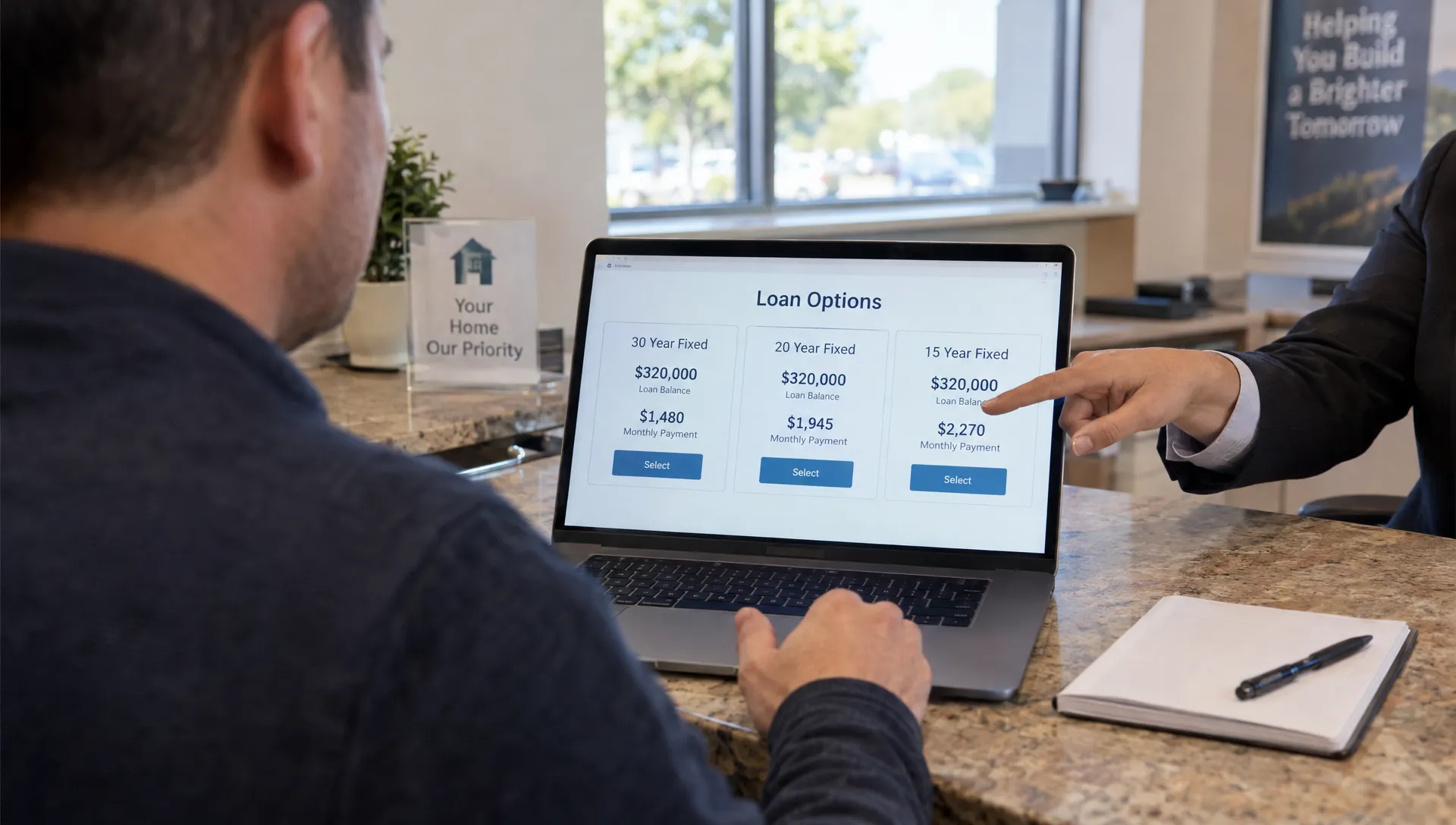
Ask for a written mortgage estimate, obtain a cash-purchase closing estimate and compare the savings remaining under each approach. If the all-cash option leaves you financially stretched, consider a larger down payment rather than an all-or-nothing decision.
New Era Lending combines technology-driven mortgage tools with personalized human guidance. Discuss your purchase budget, reserve goals and financing options so you can evaluate the tradeoffs using your own numbers.