.jpg)
.jpg)





.jpg)

How to Buy Your First Home Step by Step

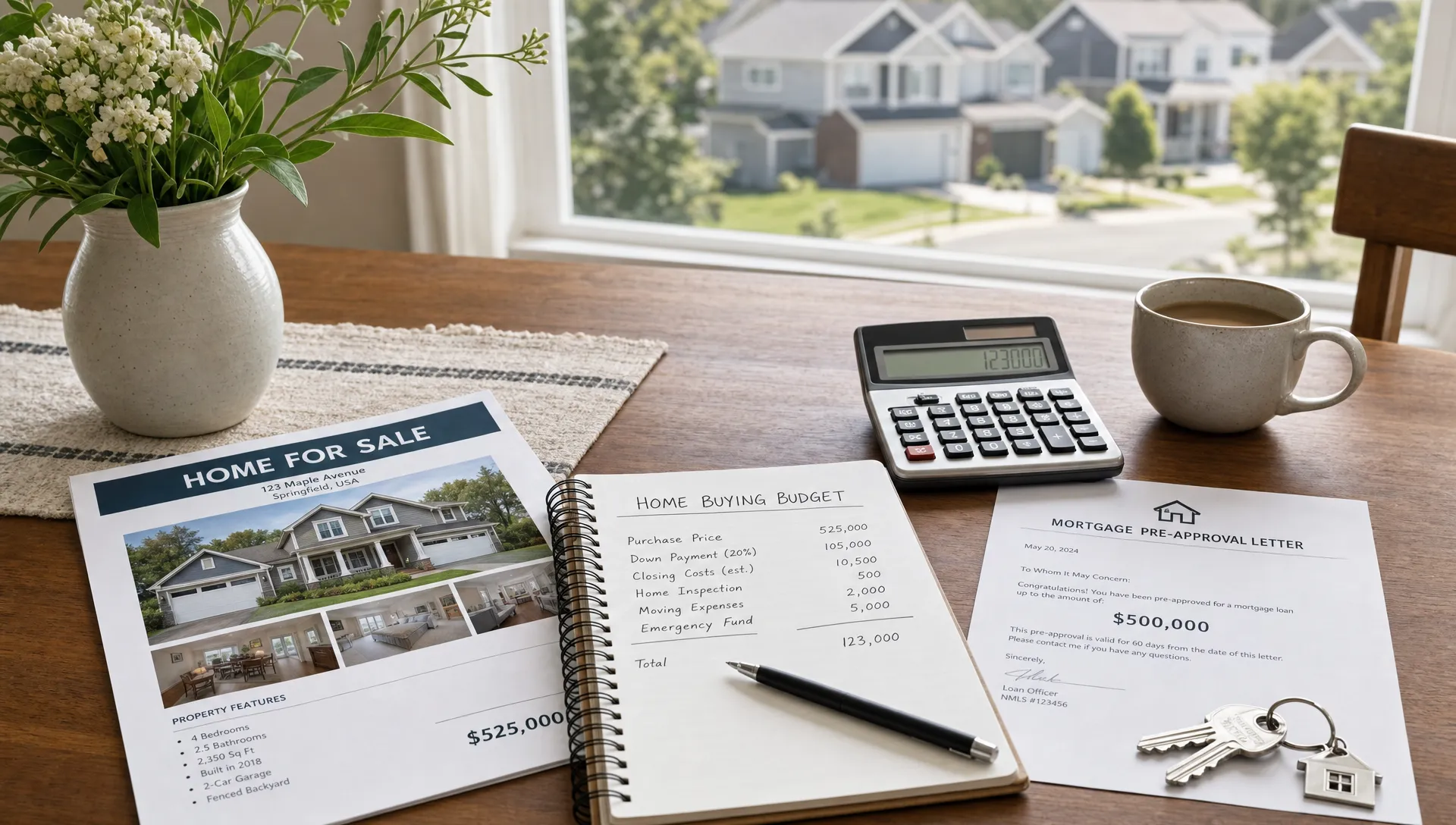
If you are trying to understand the process of buying your first home, the goal is not to memorize mortgage jargon. The goal is to know what happens next, what decisions are yours to make and where a lender, real estate agent, inspector and title company fit into the picture. A first home purchase can feel complicated, but it becomes much more manageable when you break it into clear steps and prepare before you fall in love with a listing.
The Process of Buying Your First Home at a Glance
At a high level, buying a home moves from financial preparation to mortgage approval, home shopping, contract negotiation, underwriting and closing. Each step affects the next, so rushing early decisions can create problems later.
| Step | What you do | Why it matters |
|---|---|---|
| 1 | Set your budget | Helps you shop within a payment you can sustain |
| 2 | Prepare your credit and documents | Makes pre-approval smoother |
| 3 | Compare loan options | Helps you choose the right mortgage structure |
| 4 | Get pre-approved | Shows sellers you are a serious buyer |
| 5 | Shop and make an offer | Turns your plan into a purchase contract |
| 6 | Complete inspection, appraisal and underwriting | Confirms the home and loan meet requirements |
| 7 | Review final numbers and close | Transfers ownership and finalizes the mortgage |
The process of buying your first home is easier when you treat it as a sequence rather than one giant decision. You do not need to know everything on day one, but you do need to know which step you are in and which action comes next.
Step 1: Set a Realistic Homebuying Budget
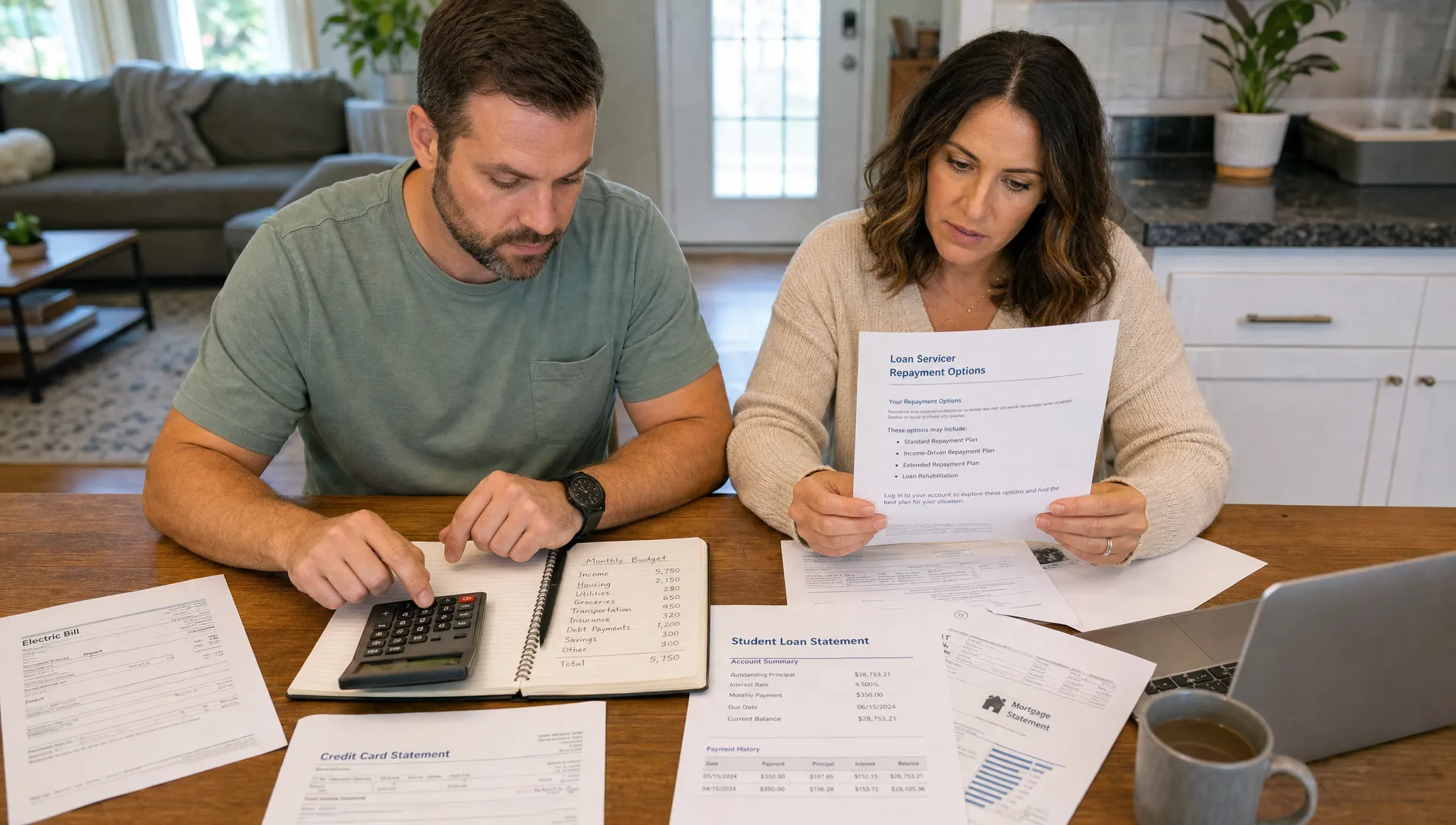
Before you tour homes, decide what monthly payment fits your life. The listing price does not tell the whole story because your actual housing payment may include principal, interest, property taxes, homeowners insurance, mortgage insurance and homeowners association dues.
A practical budget starts with your current income, recurring debts and savings goals. If a proposed payment forces you to pause retirement contributions, rely on credit cards or drain your emergency fund, the price point may be too high even if you technically qualify.
In the process of buying your first home, this budget step protects you from becoming “house poor.” A lender can help estimate what you may qualify for, but you should also decide what feels comfortable based on your lifestyle, job stability and future plans.
For a deeper first-time buyer overview, New Era Lending also explains what to prepare in this guide on what to know before you buy your first home.
Step 2: Get Your Finances Mortgage-Ready
Once you have a target payment range, focus on the pieces a lender will review. Your credit history, debt-to-income ratio, income consistency, assets and employment profile all help determine which loan options may fit.
Start by reviewing your credit reports for errors, paying bills on time and avoiding unnecessary new debt. If you are saving for cash to close, separate those funds from everyday spending so you can track progress clearly.
The process of buying your first home also requires restraint. Large purchases before closing can change your loan profile, especially if they add a new monthly payment. If a car-related purchase is truly necessary, keep it budgeted and cash-based when possible, whether you are replacing tires locally or comparing wheel and rim options from a specialist retailer instead of financing a bigger vehicle upgrade.
Common documents to gather early include recent pay stubs, W-2s or tax returns, bank statements, identification and records for large deposits. If you are self-employed, expect to provide additional documentation so the lender can evaluate income stability.
Step 3: Compare Loan Options and Get Pre-Approved
Pre-approval is a major milestone because it gives you a clearer price range and shows sellers you have already started the mortgage review process. It is not the same as final approval, but it is far stronger than guessing based on an online calculator.
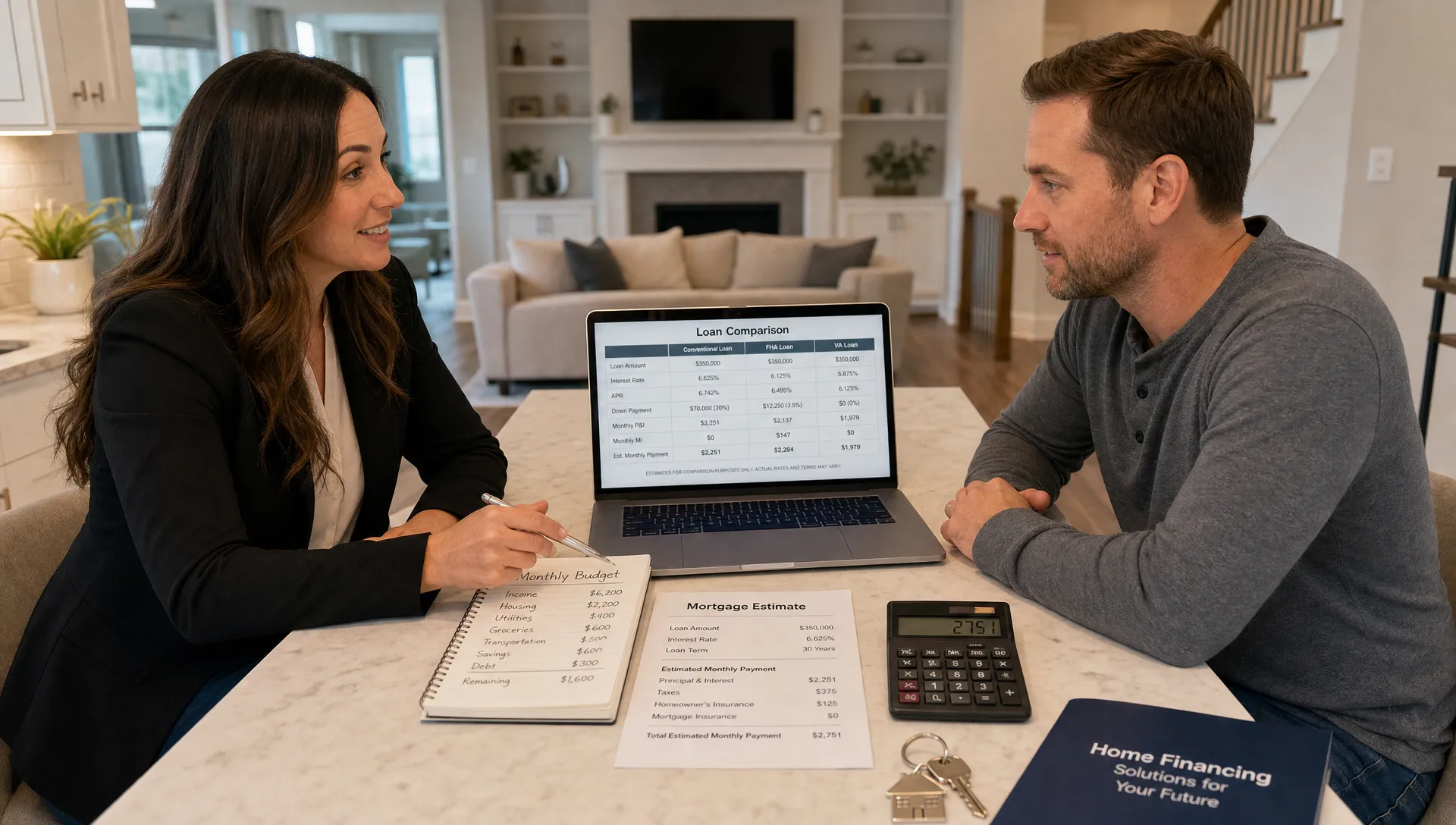
Loan options can vary widely. Conventional loans, FHA loans, VA loans and USDA loans each have different eligibility rules, down payment expectations and property requirements. Eligible veterans, service members and surviving spouses may want to ask about VA loan benefits, while buyers with limited savings or more flexible credit needs may compare FHA options.
In the process of buying your first home, the best loan is not always the one with the lowest advertised rate. Compare the total monthly payment, cash needed at closing, mortgage insurance, fees and how long you expect to keep the home.
New Era Lending’s first-time home loan guide for buyers is a helpful next read if you want to understand common loan paths before speaking with a lender.
Step 4: Choose the Right Lender and Real Estate Agent
Your lender and agent are two of the most important people in your homebuying team. A good lender explains options clearly, communicates quickly and helps you understand tradeoffs without pressuring you into a decision. A good real estate agent helps you interpret market conditions, structure offers and avoid emotional overbidding.
Ask potential lenders how they communicate, how quickly they can issue pre-approval updates and what technology they use for document uploads or e-signatures. Modern tools can make the process faster, but human guidance matters when you have questions about rates, closing costs or loan terms.
The process of buying your first home is smoother when your professionals communicate well with each other. Delays often happen because one party is waiting on a document, clarification or signed form, so choose a team that is organized and responsive.

Step 5: Search With Priorities, Not Just Emotions
Once you are pre-approved, home shopping gets exciting. This is also where buyers can drift away from their budget because a nicer kitchen, bigger yard or lower inventory creates pressure to stretch.
Separate your needs from your preferences before touring homes. Needs may include commute distance, number of bedrooms, school district, accessibility, safety or space for remote work. Preferences may include finishes, paint colors, landscaping or appliances.
In the process of buying your first home, the right property is not necessarily perfect. It is the home that fits your budget, passes key due diligence and supports your life for the next several years. Cosmetic issues can often be improved over time, but an unaffordable payment is much harder to fix.
Keep notes after each showing because homes can blur together. Photos, utility questions, neighborhood observations and estimated repair needs can help you compare properties more objectively.
Step 6: Make a Smart Offer and Complete Inspections
When you find a home, your agent will help you prepare an offer. The offer usually includes price, earnest money, financing terms, closing date, contingencies and any seller concessions you request.
A home inspection is one of the most important protections for first-time buyers. It can uncover roof issues, plumbing concerns, electrical problems, foundation red flags, HVAC age and other items that affect your decision. Depending on the contract and local market, you may negotiate repairs, credits or a price adjustment.
The process of buying your first home should leave room for due diligence. Skipping inspections to win a bidding war can expose you to expensive surprises, especially if you do not have extra cash after closing.
The lender will typically order an appraisal to confirm the property’s value supports the loan. If the appraisal comes in low, you may need to renegotiate, bring more cash or explore other options with your lender and agent.
Step 7: Move Through Underwriting Without Disruptions
After your offer is accepted, the loan moves toward underwriting. The underwriter reviews your application, income, assets, credit, appraisal and property information to confirm the loan meets program guidelines.
During this stage, respond to document requests quickly. Some conditions are routine, such as updated bank statements or explanations for deposits. Others may require more detailed review, especially for self-employed income, recent job changes or gift funds.
In the process of buying your first home, one of the most common mistakes is changing your financial picture before closing. Do not open new credit cards, finance furniture, co-sign a loan, change jobs without discussing it or move large sums of money without a paper trail.
A secure, technology-driven mortgage process can reduce friction because you can upload documents safely and sign many forms electronically. Still, every file is unique, so ask questions when you do not understand a request.
Step 8: Review Closing Costs and Final Loan Documents
A few days before closing, you should receive a Closing Disclosure that outlines your loan terms, monthly payment and cash needed to close. Review it carefully and compare it with earlier estimates. Ask about anything that changed or does not make sense.
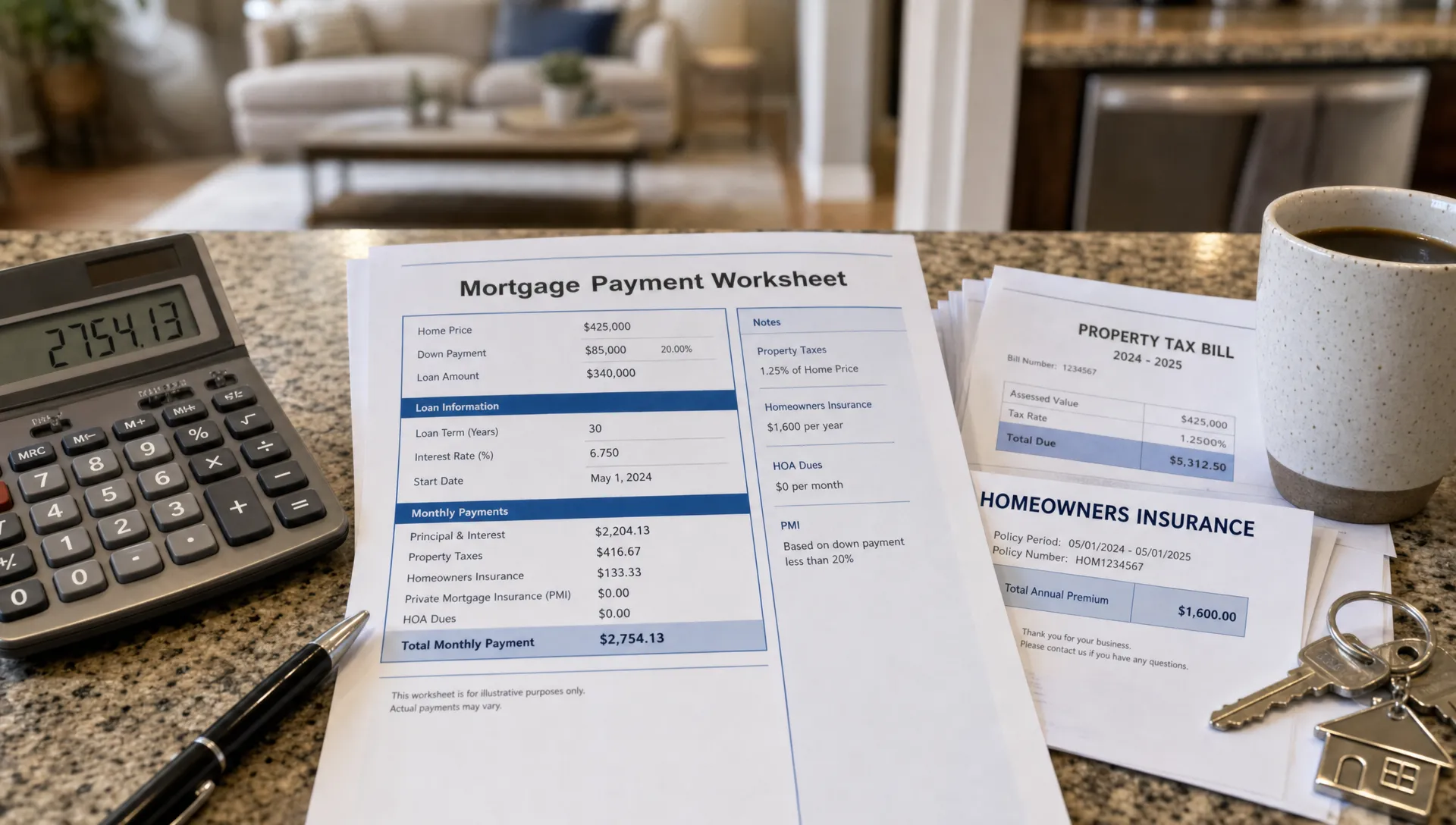
Closing costs can include lender fees, title charges, prepaid taxes, prepaid insurance, recording fees and escrow deposits. These costs are separate from your down payment, so planning early matters.
| Cost category | What it may include | Why to review it |
|---|---|---|
| Down payment | Your required contribution toward the purchase price | Affects loan amount and cash needed |
| Lender and third-party fees | Origination, appraisal, credit report, title and settlement charges | Helps you understand total financing cost |
| Prepaids and escrow | Homeowners insurance, property taxes and escrow reserves | Impacts cash to close and future payments |
| Credits | Seller credits or lender credits | May reduce upfront costs depending on terms |
The process of buying your first home ends with signing final documents, transferring funds and receiving the keys once the transaction records according to local rules. To plan more confidently, review New Era Lending’s breakdown of closing costs and fees buyers often overlook.
What Happens After You Close?
After closing, set up mortgage autopay, store your closing documents securely and update your address with banks, employers, subscriptions and government agencies. You may also need to transfer utilities, register for local services and confirm any homeowners association requirements.
Build a maintenance fund as soon as possible. Renters often call a landlord when something breaks, but homeowners need cash available for repairs, seasonal maintenance and replacements. Even small monthly contributions can prevent a surprise repair from becoming credit card debt.
If interest rates change, your equity grows or your financial goals shift, refinancing or home equity access may become relevant later. For now, focus on settling in, protecting your budget and learning the rhythm of homeownership.
Frequently Asked Questions
How long does it take to buy your first home? Many buyers spend several weeks or months preparing, shopping and closing. The timeline depends on your finances, local inventory, loan type, inspection results, appraisal timing and how quickly all parties provide required documents.
How much money do I need before buying a first home? You may need funds for a down payment, closing costs, inspections, moving expenses and post-closing reserves. The exact amount depends on the home price, loan program, location and whether you receive seller credits or gift funds.
Should I get pre-approved before looking at houses? Yes. Pre-approval helps you shop within a realistic range and gives sellers more confidence in your offer. It also helps identify credit, documentation or loan program issues before you are under contract.
What is the biggest mistake first-time buyers make? One major mistake is focusing only on the home price instead of the full monthly payment and cash needed to close. The process of buying your first home works best when affordability guides every decision.
Take the Next Step With a Clear Mortgage Plan
Buying your first home is a major financial move, but you do not have to navigate it alone. New Era Lending combines smart mortgage technology with personalized human guidance to help buyers compare options, understand terms and move through the process with more confidence.
If you are ready to explore purchase financing, refinancing or equity access, start by getting clear on your budget and loan options. A simpler, more transparent path can make the difference between guessing your way through the process and buying with a plan.