.jpg)
.jpg)





.jpg)

Smart Home Loans That Match Your Budget

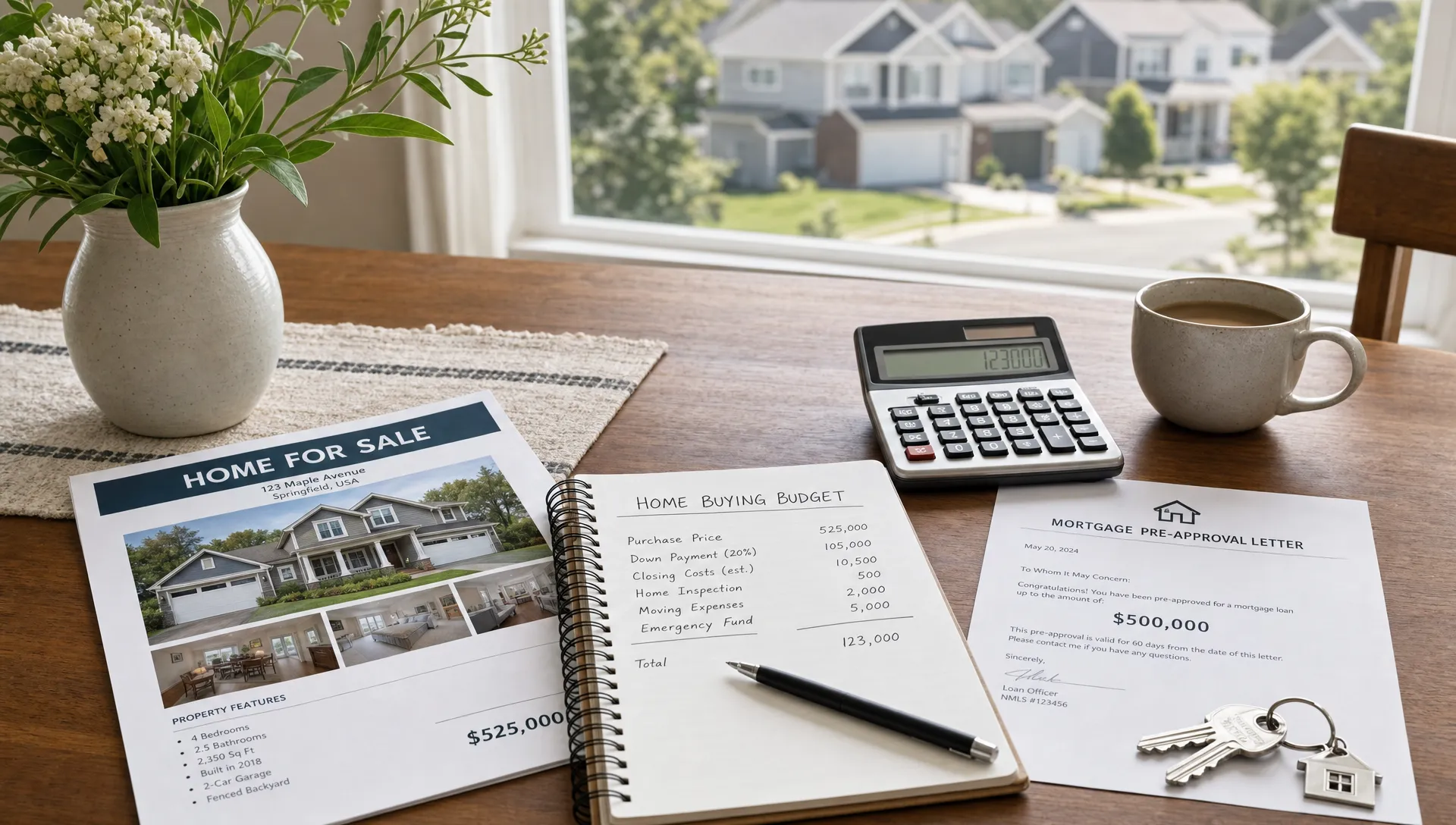
A smart home loan should start with the payment you can comfortably manage, not the highest amount a lender might approve. That distinction matters because your mortgage affects far more than your purchase price. It influences your savings, your monthly flexibility, your ability to handle repairs and how confidently you can make future financial decisions.
For many homebuyers and homeowners in 2026, affordability is less about finding one perfect rate and more about matching the right loan structure to real life. Property taxes, insurance premiums, down payment funds, credit profile, closing costs and timeline all shape what “affordable” means. A loan can look attractive on paper and still strain your budget if the full monthly obligation is not clear before you commit.
What Makes a Smart Home Loan Budget Friendly?
A budget-friendly mortgage is not simply the loan with the lowest advertised interest rate. It is the option that balances payment comfort, total cost, approval strength and long-term plans. That may mean choosing a fixed-rate loan for stability, using a government-backed program to reduce upfront cash needs or comparing refinance options that improve monthly cash flow without creating avoidable cost.
The right fit starts with transparency. You should know what goes into the payment, how much cash you need at closing and what tradeoffs come with each loan choice. A smart home loan becomes budget friendly when those moving parts are compared side by side instead of treated as separate decisions.
Start With the Payment You Can Live With
Your approval amount is a lender’s risk calculation. Your comfort zone is a household decision. The two are related, but they are not the same.
Before comparing loan programs, define a monthly housing payment that leaves room for savings, utilities, transportation, insurance deductibles, childcare, student loans, retirement contributions and ordinary surprises. A payment that works only when everything goes perfectly is usually too tight.
A practical starting point is to look at your current housing cost, then ask how much more you can absorb without reducing essential savings or relying on credit cards. If you are moving from renting to owning, include maintenance. Even a newer home can bring costs for appliances, landscaping, plumbing or small repairs.
When you compare a smart home loan, keep the conversation focused on the full payment rather than principal and interest alone. That full payment often includes taxes, homeowners insurance, mortgage insurance and homeowners association dues if the property has an HOA.
| Payment component | Why it matters to your budget | What to ask before you decide |
|---|---|---|
| Principal and interest | This is the core loan repayment amount | Is the rate fixed or adjustable? |
| Property taxes | Taxes vary widely by location and can change | Are estimates based on the current tax bill or reassessment? |
| Homeowners insurance | Premiums affect the monthly escrow payment | Has the estimate been checked with an insurance quote? |
| Mortgage insurance | Often applies with lower down payments | When can it be removed, if ever? |
| HOA dues | Common with condos and planned communities | Are dues stable and are special assessments possible? |
Look Beyond the Rate Quote
Interest rate matters, but it is only one part of mortgage cost. A lower rate can come with higher upfront fees, discount points or a loan structure that does not fit how long you plan to keep the home.
The Consumer Financial Protection Bureau explains that the Loan Estimate is designed to help borrowers compare terms, projected payments, closing costs and cash needed to close. Reviewing that document carefully can prevent a common mistake: choosing the option with the lowest monthly payment without understanding what was paid upfront to get it.
APR can also be useful because it reflects certain loan costs in addition to the interest rate. It is not perfect for every scenario, especially if you expect to sell or refinance soon, but it can make two similar offers easier to compare.
A smart home loan should make the tradeoff visible. If one option saves $75 per month but costs $5,000 more at closing, you need to know how long it would take to break even and whether that timeline matches your plans.
Match the Loan Type to Your Financial Profile
Different borrowers need different tools. A first-time buyer with limited savings may benefit from a different program than a move-up buyer with strong equity. A veteran may have access to VA financing. A borrower buying in an eligible rural area may consider USDA options. Someone with a larger down payment and strong credit may find a conventional loan more efficient.
The goal is not to chase every possible program. It is to narrow the field to options that support your budget without creating unnecessary complexity. If you want a broader overview, New Era Lending’s guide to loan options that can make buying a home easier explains how common mortgage paths differ by borrower need.
Here is a simple way to think about fit:
- Conventional loans often work well for borrowers with solid credit, stable income and enough funds for down payment and closing costs.
- FHA loans may help borrowers who need more flexible credit or down payment guidelines.
- VA loans can be powerful for eligible service members, veterans and qualifying surviving spouses.
- USDA loans may support eligible buyers in approved rural or suburban areas.
- Refinance loans can help existing homeowners adjust rate, term, payment structure or access equity when the numbers make sense.
The smartest choice is the one that fits your income, cash reserves, credit profile and time horizon. A smart home loan should feel customized to your numbers, not forced into a generic recommendation.
Use Technology to Clarify, Not Rush, the Decision
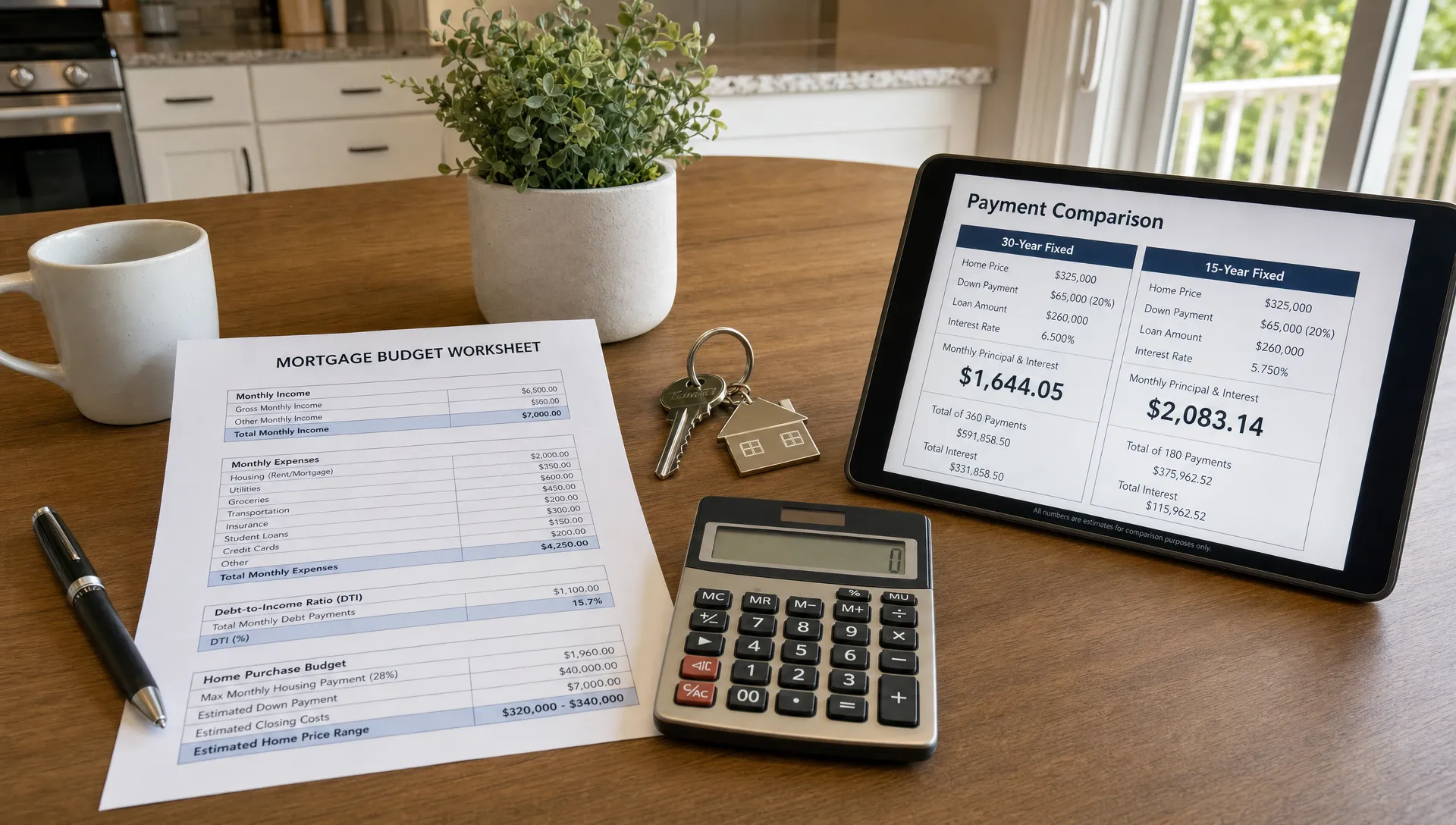
Digital mortgage tools can make the process easier, especially when they help you compare payments, upload documents securely and move through steps without repeated paperwork. Speed is useful, but only when the information is accurate and the borrower understands the decision.
A modern lending process should help you see your options clearly before you are under contract or pressed by a closing deadline. Pre-approval, secure document upload and e-signature support can reduce friction, but human guidance still matters when you need to interpret tradeoffs.
That blend is where technology is most valuable. New Era Lending has written more about tech tools that simplify mortgages, including how digital steps can support a smoother loan experience without replacing personal guidance.
With a smart home loan, the question is not “How fast can I get approved?” It is “Can I understand my approval, trust the numbers and move forward without guessing?”
Build a Budget Buffer Before You Choose
A mortgage budget should include room for change. Even if your loan payment is fixed, other homeownership costs can move. Insurance can renew at a higher premium. Property taxes may adjust after purchase. Utilities can be higher than expected. Repairs rarely arrive on your preferred schedule.
A useful buffer can take several forms. You might keep extra cash after closing instead of using every dollar toward the down payment. You might choose a slightly lower purchase price so the payment is more comfortable. You might compare whether paying points is worth it or whether those funds are better kept as reserves.
This is especially important for buyers who are approved near the top of their range. A home that stretches your budget can limit your options later, even if you technically qualify. The more flexible your monthly cash flow, the easier it is to handle life after closing.
A smart home loan should also be tested against “what if” questions before you sign. What if insurance is $100 per month higher than estimated? What if you need to replace a water heater six months after closing? What if one income changes? Those questions are not pessimistic. They are how you protect the homeownership experience you are working to build.
Compare Cash to Close, Not Just Down Payment
Many borrowers focus on the down payment and underestimate total cash to close. Closing costs can include lender fees, title charges, prepaid taxes, prepaid insurance, escrow setup and other property-specific items. The final amount depends on the loan, location and timing.
For example, two loans may have the same down payment but different closing costs. One may reduce upfront cash but increase monthly payment through mortgage insurance. Another may require more at closing but produce a more stable long-term cost. Neither is automatically better. The right answer depends on your priorities.
If keeping cash reserves is your top concern, a lower down payment option may help. If minimizing monthly payment is more important, increasing the down payment or considering a different structure may be worth discussing. For a deeper planning framework, see New Era Lending’s article on finding a mortgage that fits your budget.
The value of a smart home loan is that it makes these choices easier to weigh before you are emotionally attached to a property or negotiating against a deadline.
When Refinancing or Equity Access Fits the Budget Conversation
Budget matching is not only for home purchases. Existing homeowners may also need a smarter structure if their financial goals have changed. Refinancing could be considered to adjust the interest rate, change the loan term, move from an adjustable rate to a fixed rate or consolidate certain obligations. Equity access may be considered for renovations, debt strategy or major expenses.
These choices should be evaluated carefully because lowering a monthly payment does not always mean lowering total cost. Extending a term can reduce the payment while increasing the length of repayment. Cash-out refinancing can create liquidity, but it also increases the mortgage balance. Home equity decisions should be tied to a clear goal, not treated as free money.
A smart home loan approach for refinancing asks the same budget questions as a purchase: What is the monthly benefit? What does it cost to get that benefit? How long will it take to break even? Does the new loan support your long-term plan?
Red Flags That a Loan May Not Match Your Budget
Some warning signs show up before closing. If the payment feels comfortable only because taxes or insurance were estimated too low, pause and verify. If you do not understand why one loan has lower upfront cash and another has a lower payment, ask for a clearer comparison. If the approval amount pushes you into a price range that would leave little savings after closing, reconsider the target price.
Also be cautious about focusing only on today’s rate. Rate quotes can change with market movement, credit factors, lock timing, property type and loan structure. A transparent lender should explain what is locked, what is estimated and what could still change.
A good mortgage conversation should leave you more confident, not more confused. You should be able to explain why the loan fits your budget in plain language.
Frequently Asked Questions
What is a smart home loan? A smart home loan is a mortgage chosen around your full financial picture, including payment comfort, cash to close, loan type, rate structure and long-term goals. It uses clear comparisons and guidance instead of relying only on the lowest advertised rate.
How do I know what mortgage payment I can afford? Start with your real monthly budget, then include principal, interest, taxes, insurance, mortgage insurance if applicable and HOA dues. Leave room for savings, maintenance and unexpected expenses before deciding on a target payment.
Is the lowest interest rate always the best option? Not always. A lower rate may require higher upfront costs or discount points. Compare the monthly savings, cash needed at closing and how long you expect to keep the loan before deciding.
Can smart mortgage tools replace a loan officer? Digital tools can simplify document collection, pre-approval and comparisons, but they should not replace personalized guidance. The best experience combines convenient technology with a professional who can explain tradeoffs.
Can refinancing be part of a budget-friendly mortgage strategy? Yes, if the numbers support it. Refinancing may reduce payment, change the loan term or help access equity, but you should compare closing costs, break-even timing and total repayment impact.
Find a Loan That Fits the Way You Live
Your mortgage should support your life, not crowd it. New Era Lending combines smart technology with personalized human guidance to help borrowers compare home purchase, refinance and equity access options with more clarity. The process is designed to simplify documentation, support transparent conversations and help you move forward with confidence across the states where New Era Lending is available.
If you want a smart home loan that is built around your budget, start by reviewing your numbers with a lending team that can explain your options clearly. Visit New Era Lending to explore a simpler path to home financing.