
.jpg)
.jpg)





.jpg)


How to Finance a New Property With Confidence
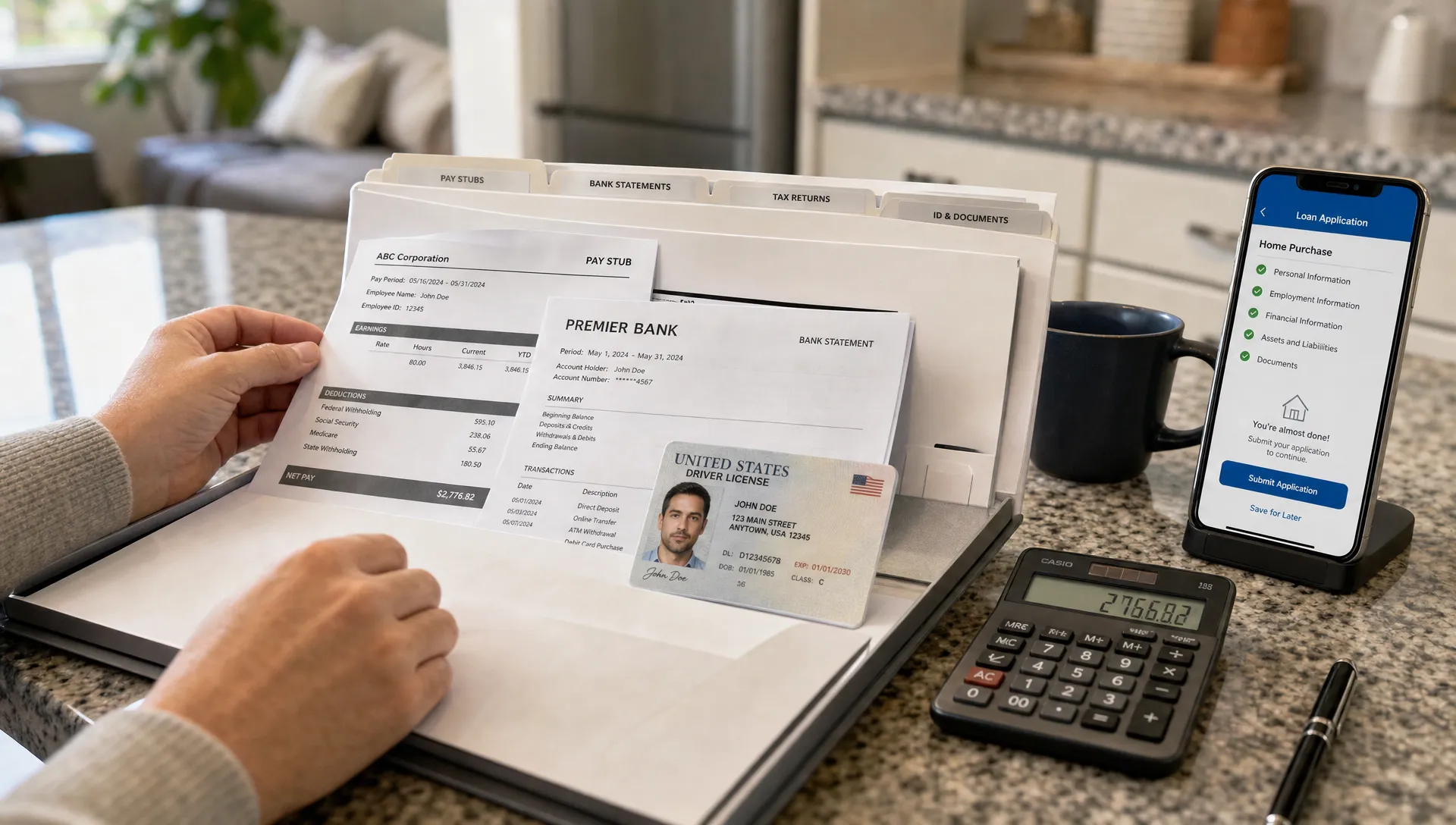
Financing a new property can feel complicated because the biggest decisions happen before you ever sign at the closing table. You are choosing a monthly payment, a loan structure, a lender relationship and a financial cushion for the years ahead. Confidence comes from turning those choices into a plan you understand.
A confident new property finance plan is not just about finding the lowest advertised rate. It starts with knowing what you can comfortably afford, matching the loan to the property, preparing documents early and comparing real loan terms before you commit. Whether you are buying your first home, moving up, purchasing a second property or adding an investment, the process becomes easier when each step has a clear purpose.
Start with the payment you can live with
Many buyers begin with a purchase price. Lenders, however, qualify you based on income, debts, credit, assets and the full housing payment. Those are related, but they are not the same thing.
Your comfortable payment should include more than principal and interest. It may also include property taxes, homeowners insurance, mortgage insurance, HOA dues, flood insurance if required and ongoing maintenance. A home that fits your approval amount may still feel too expensive if taxes are high or the property needs repairs.
Before you tour homes seriously, build a monthly payment range that fits your life. Include retirement savings, emergency savings, childcare, car costs, travel and lifestyle spending. The goal is not to stretch to the highest approval. The goal is to finance a property without feeling trapped by it.
| Cost to plan for | Why it matters |
|---|---|
| Principal and interest | This is the core mortgage payment based on loan amount, rate and term. |
| Property taxes | Taxes vary widely by location and can change over time. |
| Homeowners insurance | Premiums depend on property type, location, coverage and risk factors. |
| Mortgage insurance | Often applies when the down payment is below certain thresholds. |
| HOA dues | Condos, townhomes and planned communities may require monthly or annual dues. |
| Maintenance reserve | Repairs are not part of the mortgage payment, but they affect affordability. |
If the estimated payment feels tight before you move in, treat that as useful information rather than a setback. You can adjust the price range, down payment, loan type or timeline before making an offer.
Match the loan to the property and your goal
A strong new property finance strategy depends on the type of property you are buying and why you are buying it. A primary residence, vacation home, duplex, condo, manufactured home and rental property can all come with different lender requirements.
Common mortgage options include conventional loans, FHA loans, VA loans for eligible service members and veterans, jumbo loans for higher-priced properties and specialized options for investment or unique income situations. The right fit depends on credit profile, down payment, occupancy, property type and long-term plans.
For example, a buyer who plans to live in a single-family home may prioritize a low down payment and predictable monthly cost. A veteran may benefit from reviewing VA loan eligibility. A buyer purchasing a rental property may need a larger down payment and should expect a different underwriting review than a primary residence buyer.
If you want a deeper breakdown of how loan choices change by property type, New Era Lending explains how property loan options vary by home type and goal. You can also compare broader decision factors in this guide to choosing the right new home loan.
Get pre-approved before you shop seriously
A pre-approval gives you a clearer view of your buying power and can make your offer stronger. It also helps uncover issues early, such as credit report errors, income documentation gaps or debt-to-income limits.
Pre-approval is more valuable when it is based on verified information. That usually means the lender reviews income, assets, credit and debts instead of relying only on estimates. It is not the same as final loan approval, since the property, appraisal, title work and underwriting conditions still matter, but it gives you a more reliable starting point.
After pre-approval, avoid making financial changes without speaking to your lender. New debt, large deposits, job changes, missed payments or moving money between accounts can all create extra questions during underwriting. Even if the change seems small, it may affect timing or documentation.
Prepare your documents before the lender asks
Document delays are one of the most avoidable sources of stress in home financing. You do not need to wait until you are under contract to gather the basics.
Most borrowers should be ready to provide recent pay stubs, W-2s or tax returns, bank statements, retirement or investment account statements, identification, current housing information and explanations for large deposits or credit inquiries. Self-employed borrowers may need business returns, profit and loss statements or additional income documentation.
Digital tools can make this part easier when they are secure and well organized. New Era Lending combines technology with human guidance, including secure document uploads and e-signature support, so buyers can move through the process without losing the personal help that matters when questions come up.
Compare Loan Estimates, not just interest rates
The interest rate is important, but it is not the whole offer. Once you submit a mortgage application, lenders are generally required to provide a standardized Loan Estimate within three business days. This document is designed to help you compare costs in a consistent format.
Look beyond the rate and review the annual percentage rate, points, lender fees, estimated closing costs, prepaid taxes and insurance, escrow setup, rate lock terms and whether any payment could change. A lower rate with high points may or may not be the best choice, depending on how long you expect to keep the loan.
| Loan Estimate item | What to compare |
|---|---|
| Interest rate | The cost of borrowing before other fees are included. |
| APR | A broader cost measure that includes certain finance charges. |
| Points | Upfront fees paid to reduce the interest rate. |
| Closing costs | Lender, title, government and prepaid costs due at closing. |
| Cash to close | The estimated amount you need to bring to settlement. |
| Rate lock | How long the quoted rate is protected and what happens if closing is delayed. |
A clear comparison protects you from choosing a loan based on one attractive number while missing costs elsewhere. It also gives you better questions to ask your lender.

Protect yourself during the offer and underwriting stage
Once you find the right property, the financing process becomes more time-sensitive. Your contract timeline, appraisal, inspection, title review and underwriting all need to work together.
A financing contingency can help protect your earnest money if you cannot secure the loan under the contract terms. An appraisal contingency can matter if the appraised value comes in lower than the purchase price. Inspection periods allow you to evaluate the property condition and negotiate repairs or credits where appropriate.
Your lender should help you understand which financing milestones affect your closing date. For example, appraisal timing can vary by market and property type. Condos may require additional project review. New construction may involve builder documentation and completion requirements. Investment properties may be reviewed differently than owner-occupied homes.
This is where communication matters. A good lender does more than quote a rate. They explain conditions, coordinate with the real estate team and help you avoid surprises. New Era Lending covers this broader support in its article on how lender guidance supports a confident purchase.
Keep cash reserves for life after closing
Your lender may require reserves for certain loan types, but you should also keep reserves for your own peace of mind. Moving costs, utility setup, furnishings, repairs and seasonal expenses can arrive quickly after closing.
This matters even more if the new property changes your lifestyle. A buyer moving to a colder climate may need snow removal tools and winter clothing. A family purchasing near a mountain area may want to budget for seasonal recreation after closing by comparing equipment rental or apparel options from a specialist retailer like Fabbrica Ski Sises, rather than draining savings before the loan is finalized.
The key is timing. Avoid large discretionary purchases while underwriting is active unless your lender confirms they are safe. After closing, your reserve fund gives you flexibility without relying on credit cards for every new-home expense.
Watch for red flags before committing
Confidence also means knowing when to slow down. If a loan offer is hard to understand, ask for clarification in writing. If the payment only works under perfect conditions, revisit your budget. If you feel pressured to waive protections or move faster than you can verify documents, pause before signing.
Be especially careful with:
- Quotes that focus only on the monthly payment without explaining total costs
- Large lender credits or discount points that are not clearly tied to your goals
- Adjustable payment features you do not fully understand
- Pressure to make major financial changes before underwriting is complete
- Cash-to-close estimates that keep changing without clear explanations
A trustworthy process should make the numbers clearer over time, not more confusing.
Use a simple new property finance checklist
You do not need to master every mortgage detail at once. Use a practical sequence and work with a lender who explains the tradeoffs.
- Define your target monthly payment before choosing a price range.
- Review credit, income, debts and available cash early.
- Choose a loan direction based on property type, occupancy and eligibility.
- Get a verified pre-approval before making serious offers.
- Compare Loan Estimates using total cost, not only interest rate.
- Keep financial activity stable during underwriting.
- Preserve reserves for moving, repairs and post-closing expenses.
This checklist keeps the process grounded. A new property finance decision becomes less intimidating when every step answers a specific question: Can I afford it, does the loan fit, are the documents ready and do I understand the final terms?
Frequently Asked Questions
How much money do I need to finance a new property? The amount depends on the purchase price, loan type, down payment, closing costs, prepaid taxes and insurance, reserves and property type. Some programs allow lower down payments, but you still need enough cash for closing and a post-closing cushion.
Is pre-approval required before making an offer? It is not always legally required, but many sellers expect it. A verified pre-approval also helps you shop within a realistic range and identify financing issues before you are under contract.
What is the biggest mistake buyers make when financing a property? One common mistake is focusing only on the interest rate. The full payment, cash to close, loan fees, rate lock terms and long-term affordability all matter.
Can I finance an investment property the same way as a primary home? Usually no. Investment properties often have different down payment requirements, interest rates, reserve expectations and underwriting standards. Rental income may help, but lenders review it carefully.
When should I talk to a lender? Speak with a lender before you start serious property shopping. Early guidance gives you time to improve credit, organize documents, compare options and choose a payment range with confidence.
Finance your next property with clearer guidance
The right mortgage process should help you feel informed, not overwhelmed. New Era Lending offers personalized mortgage guidance, smart technology, transparent rate and term discussions, secure document tools and a wide range of loan options across 39 states.
If you are planning a purchase, refinance or equity strategy, start your new property finance conversation with New Era Lending and move forward with a plan built around your goals, timeline and comfort level.