.jpg)
.jpg)





.jpg)
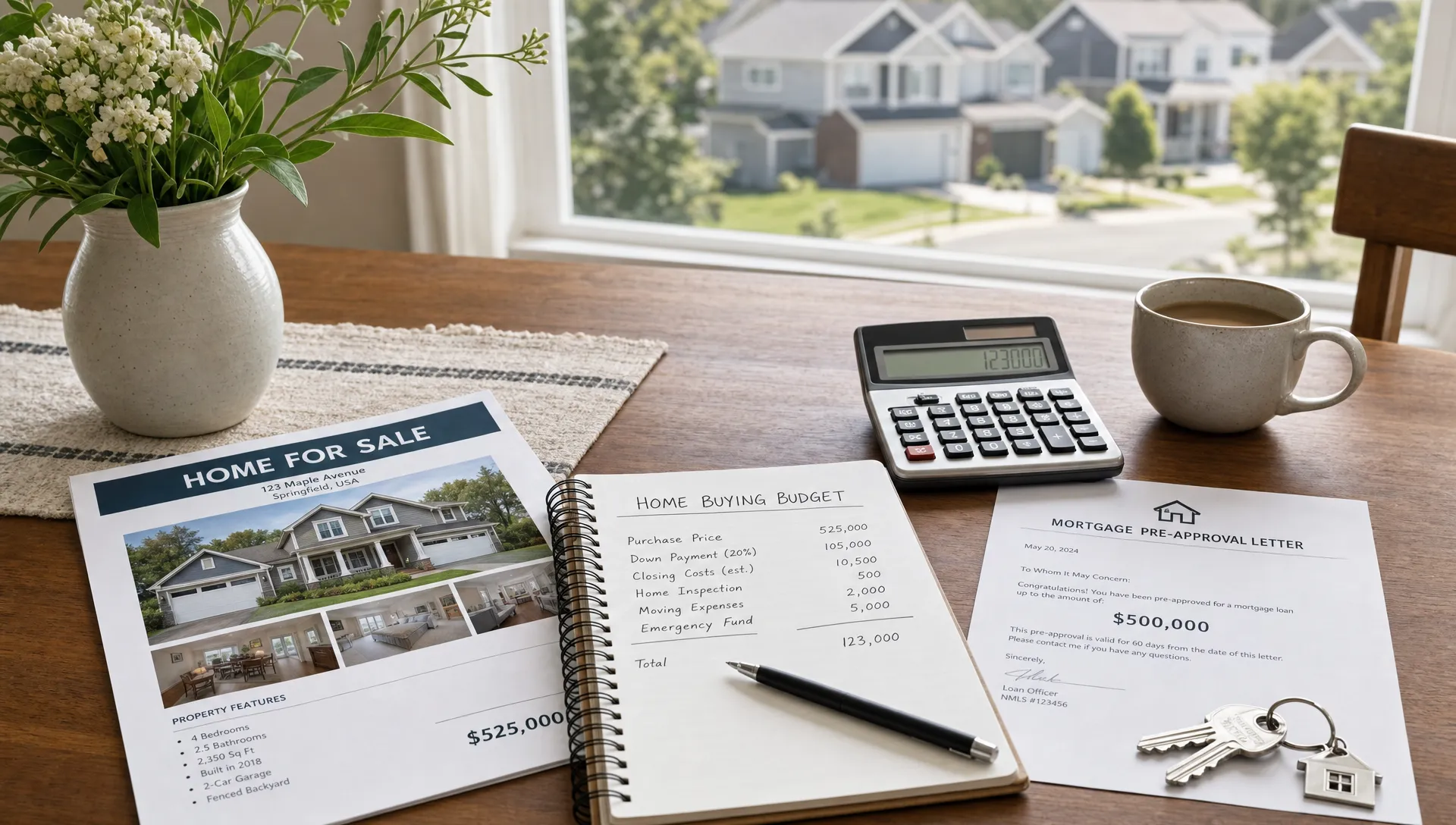

Property Loans Explained by Home Type and Goal
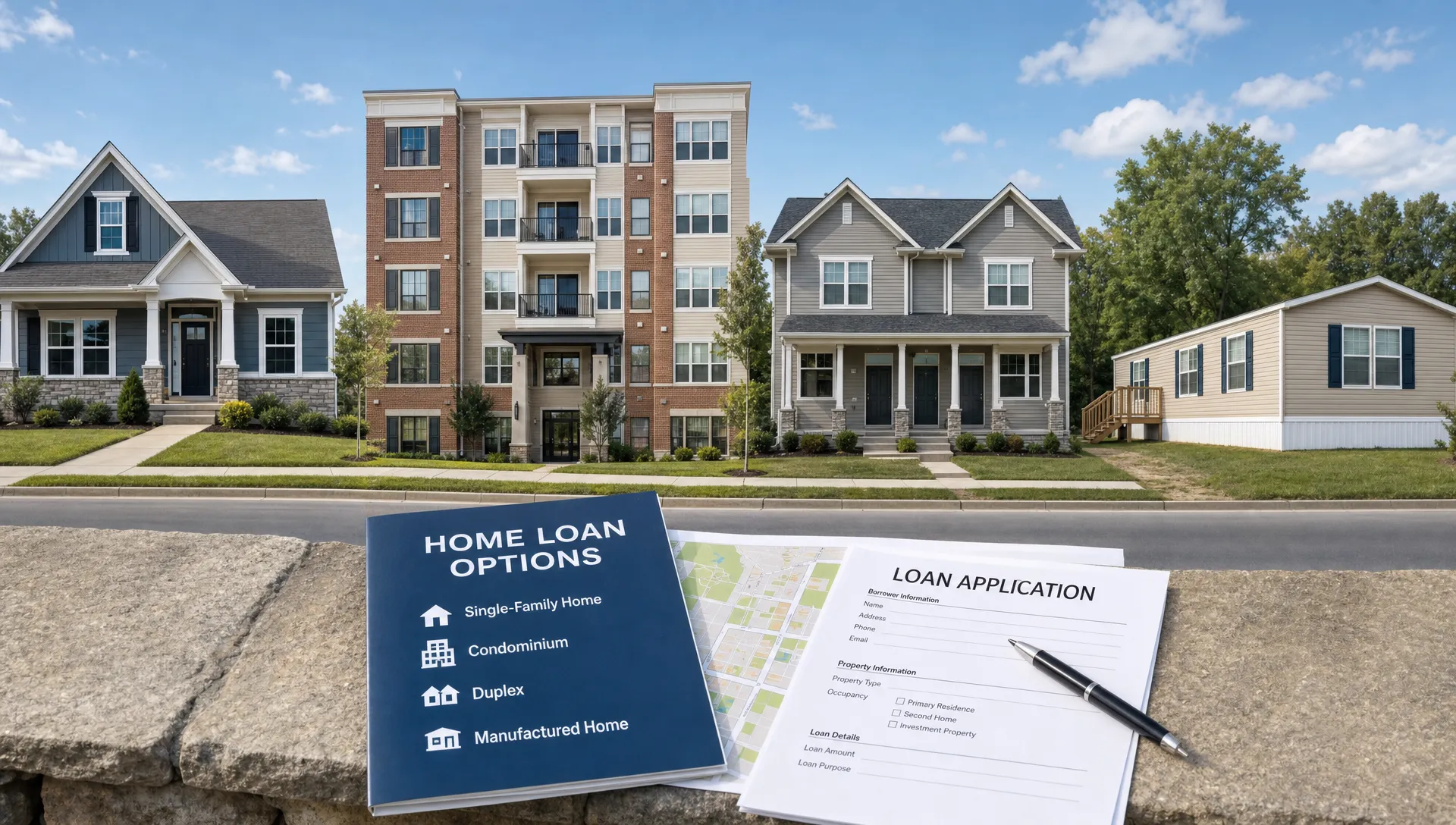
Property loans are not one-size-fits-all. The loan that works for a primary single-family home may not fit a condo, a duplex, a manufactured home, or a rental property. The right choice depends on two things lenders care about deeply: what you are buying or refinancing and what you plan to do with it.
That is why a buyer who wants a first home, a homeowner who wants to tap equity, and an investor purchasing a rental may all hear very different loan recommendations, even if the purchase prices look similar. Understanding the differences early can help you ask better questions, avoid delays, and choose a structure that supports your real goal.
What “property loans” usually means
In everyday lending conversations, property loans usually refer to loans secured by real estate. For most consumers, that means a mortgage used to purchase, refinance, or access equity in a home or residential property.
The property itself matters because it becomes collateral for the loan. Lenders need to know whether the property is marketable, habitable, insurable, and appropriate for the loan program. They also need to understand your use of the property, since a primary residence generally carries different risk than a vacation home or investment rental.
If you are still comparing program categories, it can help to review the broader landscape of mortgage loan options for different buyers before narrowing your choice by property type.
The two questions that shape your loan options
Before you compare rates, terms, or monthly payments, start with two practical questions.
First, what type of property is involved? A detached house, condo, duplex, manufactured home, and mixed-use property can each trigger different underwriting requirements.
Second, what is your goal? Buying a primary residence, refinancing for a lower payment, taking cash out, purchasing a second home, or building an investment portfolio are different scenarios. Each goal changes how lenders evaluate income, assets, equity, occupancy, and long-term risk.
These two questions often matter more than the label “property loan” itself.
Property loans by home type
Single-family homes
A single-family detached home is often the simplest property type to finance, especially when it will be your primary residence. Lenders can usually compare it to nearby sales, evaluate its condition through an appraisal, and verify that it is suitable for residential use.
Common loan paths may include conventional, FHA, VA, USDA, jumbo, or other programs depending on your credit profile, income, down payment, location, and eligibility. The right fit depends less on the house being “single-family” and more on your overall financial picture.
This property type can work well for first-time buyers, move-up buyers, and homeowners refinancing an existing mortgage. It may also work for investors, but investment financing is typically evaluated differently than owner-occupied financing.
Condos and townhomes
Condos can be excellent options for buyers who want lower maintenance responsibilities or a more urban location, but the loan review may involve more than your personal finances. In addition to reviewing you as the borrower, lenders often need to review the condo project.
That can include HOA finances, insurance coverage, owner-occupancy levels, litigation, commercial space, special assessments, and whether the project meets program rules. A strong borrower can still face delays if the condo association cannot provide required documentation or if the project does not meet the selected loan program’s standards.
Townhomes can be treated differently depending on the legal structure. Some are fee-simple properties, while others are part of a condo association. That distinction can affect the documentation needed during underwriting.
Multi-unit residential properties
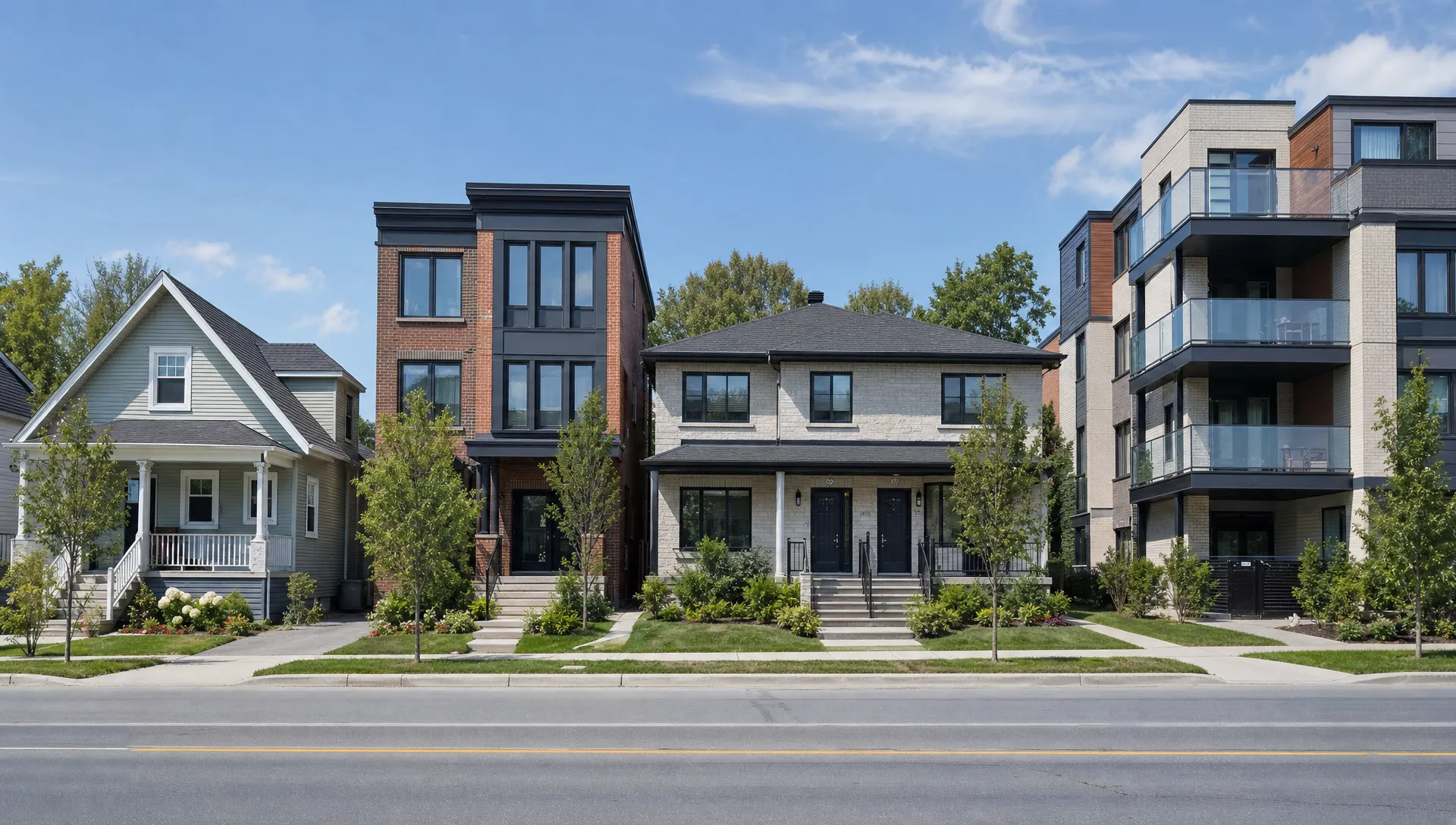
Two- to four-unit properties can serve several goals. Some buyers live in one unit and rent out the others. Others purchase the entire property as an investment. These two scenarios are not underwritten the same way.
When you plan to occupy one unit as your primary residence, certain loan programs may allow owner-occupied financing. Lenders may consider potential rental income, but they will usually apply specific rules for how much of that income can count. If the property is purely an investment, lenders may expect stronger reserves, larger down payments, or a different qualification approach.
Multi-unit homes can be powerful wealth-building tools, but they also introduce landlord responsibilities, vacancy risk, repair costs, and insurance considerations. The loan should be matched not just to the purchase price, but to your ability to manage the property over time.
Manufactured and modular homes
Manufactured and modular homes are often confused, but lenders may treat them differently.
A manufactured home is built to federal HUD standards and usually has specific requirements related to age, foundation, title status, land ownership, and whether it has been moved. A modular home is built in sections and assembled on-site, often under local building codes, and may be financed more like a traditional site-built home if it meets program requirements.
For manufactured homes, small documentation issues can become big underwriting issues. Is the home permanently affixed to the land? Is the land included in the transaction? Has the title been retired or converted to real property where required? These details can influence which loan programs are available.
New construction and renovation properties
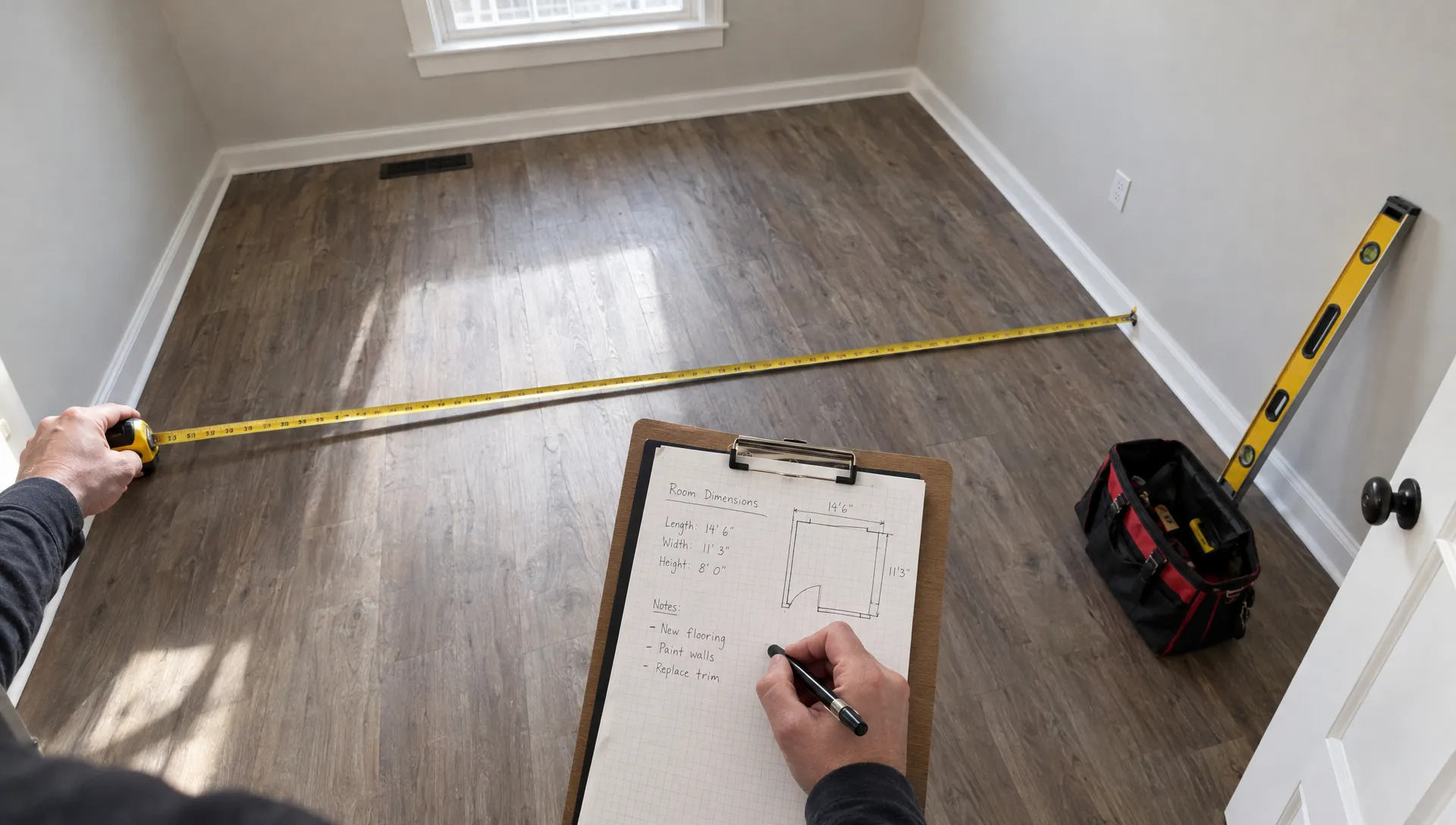
A move-in-ready home and a home that needs major repairs are not the same from a lending standpoint. If the property condition does not meet program standards, a standard purchase loan may not work without repairs before closing.
Construction and renovation financing can solve that problem, but they usually involve additional reviews. Lenders may need contractor bids, project timelines, draw schedules, permits, and inspections. The process can be more complex, but it can also help buyers finance improvements rather than paying for them entirely out of pocket.
This category is especially important in 2026, as many buyers are considering homes that need updates because fully renovated properties can be more competitive and expensive in many markets.
Second homes and vacation properties
A second home is usually a property you occupy part of the year, such as a vacation home or weekend retreat. It is not the same as a rental property, even if you may occasionally rent it out under certain circumstances.
Lenders often look closely at whether the property makes sense as a second home. Distance from your primary residence, occupancy plans, rental activity, and property type can all matter. Since second homes are not your primary residence, qualification guidelines may be more conservative than for an owner-occupied purchase.
Buyers should also account for the full carrying cost: mortgage payment, taxes, insurance, HOA dues, maintenance, travel costs, utilities, and seasonal upkeep.
Investment and rental properties
Investment property loans are designed for properties you do not plan to occupy as your primary residence. That distinction matters. Lenders often view rental properties as higher risk because repayment may depend partly on rental income, market conditions, vacancies, and the borrower’s ability to manage multiple financial obligations.
Common considerations include rent potential, lease documentation, reserves, property condition, borrower experience, credit profile, and debt-to-income ratio. Some programs rely more heavily on the borrower’s personal income, while others may focus more on the property’s cash flow.
If your goal is to buy a rental, compare the full investment picture, not just the rate. For a deeper look at this path, New Era Lending has a guide to investment property loan requirements, rates, and down payments.
Mixed-use properties
A mixed-use property combines residential and commercial space, such as an apartment above a storefront. These can be attractive for entrepreneurs, investors, or buyers who want flexible use, but they can also be harder to finance through standard residential programs.
Lenders may review the percentage of commercial space, zoning, income, property layout, and whether the residential portion is the primary use. If your broader goal includes operating a business from the property, financing is only one piece of the plan. A strong local presence, including a professional website and search visibility from a partner like Netco Design, can also support the business side of that strategy.
Property loans by financial goal
Buying a primary residence
If your goal is to buy a home you will live in, lenders generally evaluate your ability to repay based on income, debts, credit, assets, and the property itself. Owner-occupied loans often provide the widest range of program choices because the home is your primary residence.
Your best option may depend on cash available for closing, credit score, military service, location, income limits, and how long you expect to keep the property. A buyer with strong credit and savings may choose a different path than a buyer prioritizing a lower down payment.
Refinancing an existing loan
Refinancing replaces your current mortgage with a new one. The goal may be to lower the interest rate, change the loan term, move from an adjustable-rate loan to a fixed-rate loan, remove a borrower, or restructure monthly payments.
The property type still matters. A refinance on a single-family primary residence is usually more straightforward than a refinance on a condo with HOA issues or a rental property with limited documentation. Equity also matters because your loan-to-value ratio can affect pricing, mortgage insurance, and eligibility.
When comparing refinance offers, review the interest rate, APR, closing costs, breakeven point, and how long you plan to keep the loan. The Consumer Financial Protection Bureau’s guide to the Loan Estimate is a useful reference for understanding the standardized form lenders provide.
Accessing equity or taking cash out
A cash-out refinance allows you to replace your current mortgage with a larger one and receive part of your equity as cash. Homeowners may use this strategy for renovations, debt consolidation, education expenses, emergency reserves, or other major financial goals.
Because cash-out lending increases the loan balance, lenders usually review equity, credit, income, and property value carefully. The purpose of the funds may not always control eligibility, but it should guide your decision. Using home equity can be useful, but it also ties the debt to your property.
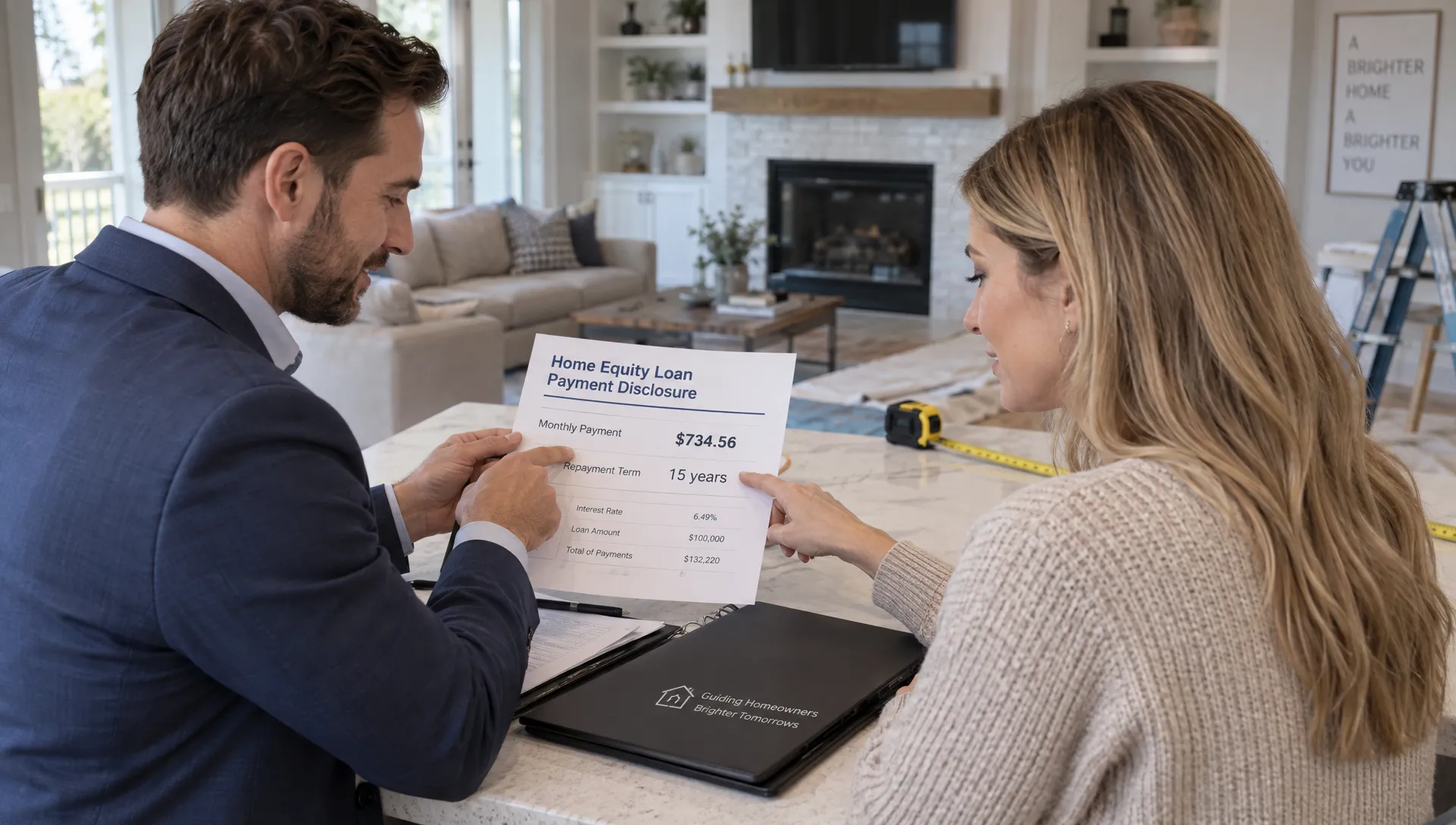
Before choosing a cash-out option, compare the new payment, total interest over time, closing costs, and whether a home equity loan or HELOC might better match your needs.
Purchasing with veteran benefits
Eligible veterans, active-duty service members, and certain surviving spouses may be able to use VA financing for qualified property purchases. VA loans have their own rules around occupancy, property condition, eligibility, and acceptable home types.
The property must generally meet VA minimum property requirements, and the borrower must intend to occupy the home as a primary residence. That can make VA financing a strong option for many buyers, but it is important to confirm whether the specific property type fits the rules. For more detail, review this guide to VA loans for different home types and occupancy rules.
Building an investment portfolio
If your goal is long-term rental income or property appreciation, the loan should support your investment strategy. Some investors prioritize the lowest monthly payment. Others want faster principal repayment, flexible documentation, or the ability to finance multiple properties.
The right loan may depend on whether the property is a single-family rental, condo, duplex, short-term rental, or small multi-unit building. Investors should also consider property management, repair reserves, local rental rules, tax planning, and exit strategy.
In investment lending, a slightly lower rate is not always the best deal if the loan terms restrict your strategy or create cash flow pressure.
How to match the property and goal to the right loan
A simple way to think about property loans is to start with fit, then compare cost.
Use these questions before you apply:
- Will I live in the property, rent it out, or use it seasonally?
- Is the property a single-family home, condo, manufactured home, multi-unit property, or mixed-use building?
- Is the property move-in ready, under construction, or in need of repairs?
- Do I need the lowest possible cash to close, the most stable payment, or the strongest long-term investment structure?
- How long do I expect to own the property or keep the loan?
- Do I need special eligibility, such as veteran benefits or a program for a rural property?
Once those answers are clear, rate comparisons become more meaningful. Without them, you may be comparing loans that do not actually fit the property or your plan.
Common mistakes to avoid
One common mistake is shopping for a rate before confirming whether the property qualifies. A low quoted rate is not helpful if the condo project, manufactured home, or property condition does not meet program requirements.
Another mistake is assuming all residential properties are underwritten the same way. A duplex, vacation home, and rental condo may all be residential real estate, but lenders may evaluate them differently.
Buyers also sometimes underestimate reserves. Owning property involves more than the mortgage payment. Maintenance, insurance changes, taxes, HOA dues, vacancies, and repairs can affect affordability.
Finally, avoid choosing a loan based only on today’s payment. A good property loan should fit your near-term budget and your long-term goal.
Frequently Asked Questions
Are property loans the same as mortgages? In most consumer conversations, yes. A property loan usually means a mortgage or real estate loan secured by a property. The exact loan type depends on the property, occupancy, borrower profile, and financial goal.
What property type is easiest to finance? A move-in-ready single-family home used as a primary residence is often the most straightforward. Condos, manufactured homes, multi-unit properties, and investment properties can still be financed, but they may require more documentation or specific program approval.
Can I use the same loan for a primary home and a rental property? Not always. Primary residences and rental properties are evaluated differently because occupancy affects lender risk. Investment property loans may have different down payment, reserve, income, and pricing requirements.
Do condos require special loan approval? Often, yes. Lenders may need to review the condo association, insurance, budget, litigation status, owner-occupancy, and other project details before approving the loan.
How do I know which property loan is right for me? Start with your property type, occupancy plan, budget, credit profile, cash available, and long-term goal. Then compare loan programs with a lender who can explain the tradeoffs clearly.
Choose a loan around the property and the plan
The best property loan is not simply the one with the lowest advertised rate. It is the one that fits the property, supports your goal, and remains manageable after closing.
New Era Lending helps borrowers explore personalized mortgage solutions for purchasing, refinancing, and accessing equity with modern tools and human guidance. If you are comparing property types or deciding which loan path fits your next move, a guided conversation can help you narrow your options with more confidence.