.jpg)
.jpg)





.jpg)


What a Simple Mortgage Process Should Look Like

A mortgage can feel complicated when the steps are unclear, the paperwork arrives in waves, and the numbers keep changing without explanation. But the process itself does not have to feel that way. A simple mortgage process is structured, transparent, and guided from the first conversation through closing.
Simple does not mean careless. It does not mean skipping underwriting, ignoring documentation, or choosing the fastest option without understanding the tradeoffs. It means every stage has a clear purpose, every request is explained, and you know what to expect before you are asked to make a decision.
Whether you are buying your first home, refinancing, or looking at ways to access equity, here is what a modern, straightforward mortgage experience should look like.
Simple starts with clarity, not shortcuts
The best mortgage process begins before an application is submitted. A lender should help you understand your goal, your budget, and the type of financing that may fit your situation.
That first conversation should not feel like a sales pitch. It should feel like a guided review of where you are now and what you are trying to accomplish. Are you trying to purchase with the lowest possible down payment? Reduce a monthly payment through a refinance? Use home equity for a major expense? Buy again after a financial setback? Each goal can lead to a different path.
A simple process gives you a map early. You should understand the major milestones, including pre-approval, application, document review, underwriting, appraisal, final approval, and closing. For a deeper step-by-step breakdown, New Era Lending’s guide to the mortgage loan process from start to closing explains how those stages typically fit together.
Your budget should be explained in real monthly terms
A simple mortgage process should never start and end with “How much can I qualify for?” Qualification matters, but affordability matters more.
Your lender should help you look at the full housing payment, not just principal and interest. Depending on your loan and property, your monthly payment may include property taxes, homeowners insurance, mortgage insurance, homeowners association dues, and escrow payments.
You should also understand the cash needed to close. That can include a down payment, closing costs, prepaid taxes and insurance, and any reserves required by the loan program. A clear lender will separate these numbers instead of blending them into one vague estimate.
This is especially important for buyers in changing rate environments. A small rate difference can affect monthly payment, but taxes, insurance, loan type, points, and seller credits can also change the true cost of the loan. A simple mortgage process helps you compare the whole picture.
Pre-approval should be useful, not confusing
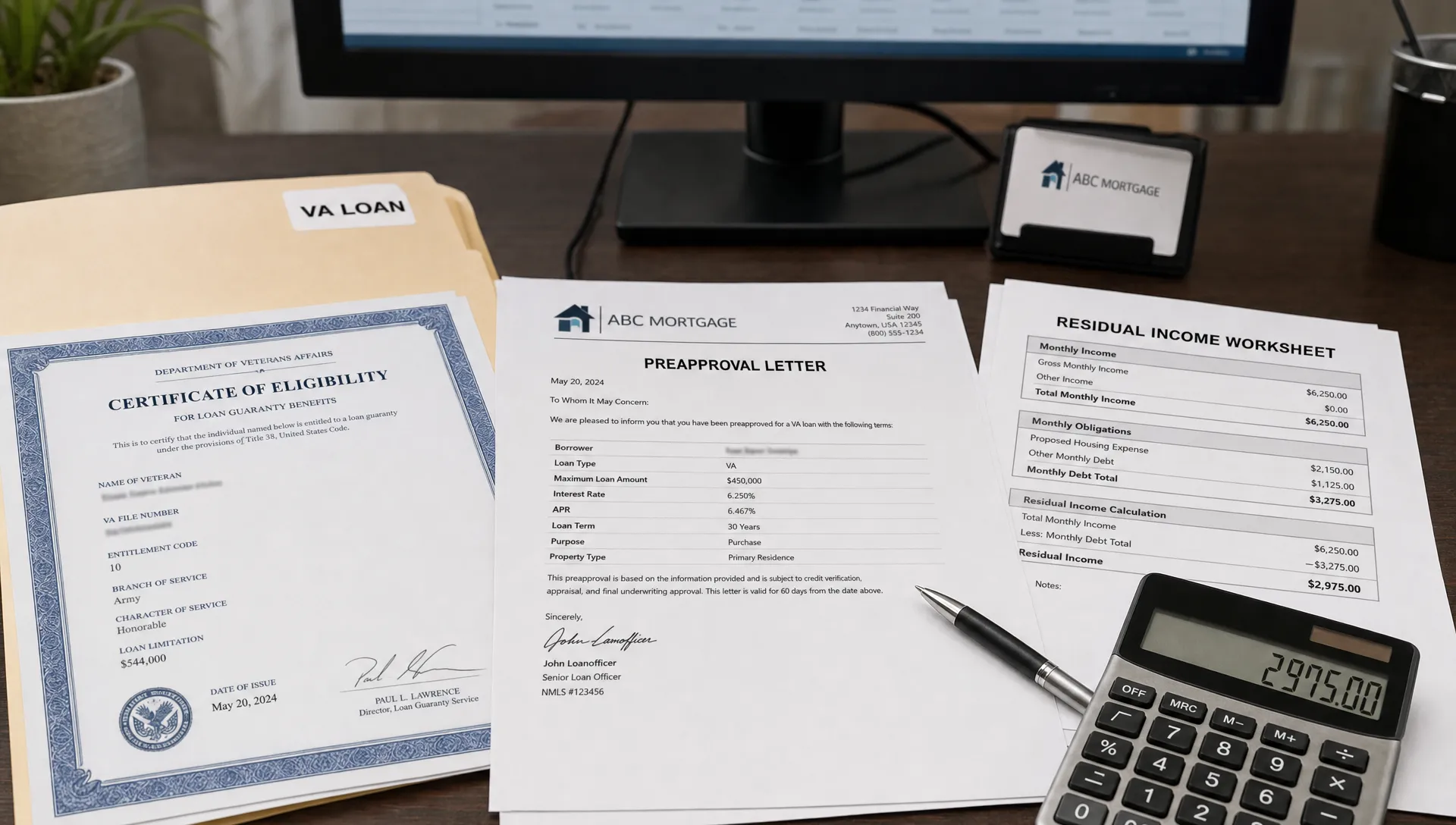
Pre-approval is one of the most important early steps for homebuyers. It helps you understand your price range and gives sellers more confidence in your offer. But not all pre-approvals are equally helpful.
A strong pre-approval should be based on a meaningful review of your credit, income, assets, debts, and basic loan eligibility. It should also explain any conditions that still need to be satisfied. For example, the final approval may still depend on the property appraisal, title review, homeowners insurance, updated income documents, or final underwriting.
A simple pre-approval experience should include:
- A clear list of required documents
- A realistic estimate of purchase price, payment, and cash to close
- An explanation of what can change later
- Guidance on what not to do before closing
- A direct contact for questions
It should also move quickly when your documents are complete. Fast does not mean rushed. It means the lender has a clean process, secure technology, and a team that knows what to review first.
Document requests should be organized and secure
Paperwork is one of the biggest reasons people feel stressed during a mortgage. A simple process makes documentation predictable.
Instead of receiving random requests from different people, you should get an organized list that explains what is needed and why. Common documents may include pay stubs, W-2s, tax returns, bank statements, identification, purchase contracts, mortgage statements for refinances, or proof of homeowners insurance.
For self-employed borrowers, the documentation may be more detailed. That does not mean the process has to be messy. It means the lender should explain the review clearly, especially when income is calculated differently than a standard W-2 employee.
Security matters too. Mortgage documents contain sensitive personal and financial information. A modern lender should offer secure document uploads and clear instructions, rather than asking you to send sensitive files through risky or disorganized channels.
Loan options should be compared in plain English
A simple mortgage process does not force every borrower into the same product. It helps you compare options in a way that makes sense.
For a home purchase, that might mean looking at conventional, FHA, VA, USDA, jumbo, or other specialized programs depending on eligibility, property type, credit profile, and down payment. For a refinance, it may mean comparing a rate-and-term refinance, cash-out refinance, or another structure based on your goals.
The key is explanation. Your lender should help you understand the tradeoffs between monthly payment, upfront costs, mortgage insurance, down payment, rate, flexibility, and long-term interest. If you want a plain-English overview of common programs, this guide to mortgage loan options for every buyer is a helpful place to start.
A simple process should answer questions like these before you commit:
- Why is this loan option being recommended?
- What are the main benefits and drawbacks?
- How much cash will I need at closing?
- How will this loan affect my monthly payment?
- Are there other programs I should consider?
When borrowers understand the “why,” the mortgage process becomes less intimidating.

Rates, fees, and terms should be transparent
Mortgage pricing can be confusing because several numbers are involved. A simple mortgage process explains the difference between interest rate, APR, discount points, lender fees, third-party fees, prepaid items, and escrow setup.
Your lender should walk you through the Loan Estimate, which is a standardized form designed to help consumers understand and compare mortgage costs. The Consumer Financial Protection Bureau explains that lenders generally must provide a Loan Estimate within three business days after receiving a complete application.
This is where transparency matters. A low rate may come with points. A higher rate may reduce upfront cost. Closing costs can vary by lender, location, property, and loan type. A simple process does not hide these details. It helps you decide which structure best fits your plans.
You should also understand rate locks. A rate lock can protect your rate for a set period, but the details matter. Ask when the lock starts, how long it lasts, what happens if closing is delayed, and whether there are costs for extensions.
Underwriting should feel structured, even when conditions come up
Underwriting is the part of the process where the lender verifies that your loan meets program, investor, and regulatory requirements. This is where your income, assets, credit, property, and documentation are reviewed in more detail.
Many borrowers get nervous when the underwriter asks for additional information. In reality, conditions are common. The difference between a stressful process and a simple one is how those conditions are handled.
A good lending team explains what is needed, why it is needed, and how to provide it. They also help you avoid duplicate requests whenever possible. If something could affect your approval, such as a large bank deposit, employment change, credit inquiry, or missing document, they should communicate early.
The goal is not to make underwriting invisible. The goal is to make it understandable.
Technology should remove friction, not replace guidance
Digital tools can make mortgages much easier. Online applications, secure document uploads, e-signatures, calculators, and status updates can reduce delays and keep the process organized.
But technology alone does not make a mortgage simple. Borrowers still need context, especially when comparing loan options, interpreting conditions, or making decisions about costs and timing. The best experience combines convenient tools with knowledgeable human support.
That balance is especially helpful for modern buyers who want speed without feeling left alone. New Era Lending’s article on smart home lending technology explains how digital tools can support a smoother mortgage experience when paired with clear communication.
Appraisal, title, and insurance should be coordinated early
A mortgage is not only about the borrower. The property also has to be reviewed.
For a purchase, the lender may order an appraisal to help confirm the property’s value. Title work is also needed to verify ownership history and identify any liens or issues that must be resolved before closing. Homeowners insurance must usually be in place before the loan can close.
A simple process keeps these items moving in the background, but still tells you what is happening. You should know when the appraisal is ordered, whether the value supports the loan, and if any repairs or title issues need attention.
This stage is where proactive coordination can prevent last-minute stress. When the lending team, real estate agents, title company, insurance provider, and borrower are aligned, closing becomes much easier to manage.
Closing should feel like a final review, not a surprise
Closing is the finish line, but it should not feel like a mystery. By this point, your lender should have already explained your final numbers, your loan terms, and what you need to bring.
Before closing, you will receive a Closing Disclosure. According to the CFPB, borrowers generally must receive the Closing Disclosure at least three business days before closing for most mortgage loans. This gives you time to review the final terms and ask questions.
A simple closing process should include clear instructions on:
- Final cash to close
- Accepted payment methods for closing funds
- Time and location of signing
- Identification requirements
- Any documents that still need signatures
If e-signature is available for certain documents, that can make the process more convenient. Some documents may still require in-person signing or notarization depending on the transaction and location.
What a simple mortgage process should feel like
When the process is working well, you should not feel like you are chasing updates or translating industry language on your own. You should feel informed, prepared, and supported.
A simple mortgage process usually has these qualities:
- You know your next step at every stage
- Your document requests are organized
- Your loan options are explained without pressure
- Your costs are discussed clearly and early
- Your questions are answered in plain English
- Your timeline is realistic
- Your lender communicates before problems become urgent
That does not mean every loan is effortless. Some transactions involve complex income, appraisal issues, title delays, credit questions, or unique property requirements. But even a complex loan can have a simple process when communication is strong.
Red flags that the process may not be simple enough
Some mortgage friction is normal. Confusion should not be.
Be cautious if you cannot get clear answers about payment, closing costs, loan program, timeline, or documentation. You should also be wary of vague promises that sound too good to be true, especially if no one is explaining the conditions behind them.
Other warning signs include repeated requests for the same documents, unclear points of contact, pressure to choose a loan before comparing options, or major cost changes that are not explained. Mortgage details can change for legitimate reasons, but you deserve to understand why.
If a lender makes you feel embarrassed for asking questions, that is a problem. A mortgage is one of the largest financial decisions most people make. Clear explanations are not extra service. They are part of doing the job well.
Frequently Asked Questions
What makes a mortgage process simple? A simple mortgage process is clear, organized, and transparent. You understand the steps, know which documents are needed, receive plain-English explanations of costs and loan options, and have reliable guidance from application through closing.
Does a simple mortgage process mean faster approval? It can, but speed depends on your documents, loan type, property, appraisal, and underwriting requirements. A simple process helps reduce avoidable delays by keeping requests organized and communication clear.
What documents are usually needed for a mortgage? Common documents include pay stubs, W-2s, tax returns, bank statements, identification, and details about debts or assets. Refinances may also require current mortgage statements, insurance information, and property details.
How can I avoid surprises before closing? Review your Loan Estimate, ask about rate locks and closing costs early, respond quickly to document requests, avoid major financial changes, and review your Closing Disclosure carefully before signing.
Is a digital mortgage process better? Digital tools can make the process more convenient through secure uploads, online applications, and e-signatures. The best experience combines technology with human guidance so you can move quickly without losing clarity.
A simpler path to home financing
A mortgage should not leave you guessing. The right process gives you clear steps, transparent numbers, secure technology, and real guidance when decisions matter.
New Era Lending helps borrowers purchase, refinance, and access home equity with smart mortgage tools and personalized human support. If you want a clearer way to move from questions to closing, start with New Era Lending and explore mortgage solutions designed to make the process feel simpler from the beginning.