.jpg)
.jpg)





.jpg)


Residential Lending Solutions for Modern Buyers
Modern buyers expect more from a mortgage than a rate quote and a stack of paperwork. They want speed without confusion, technology without losing the human touch, and loan options that fit real life. That is where residential lending solutions become more than a product category. The right solution helps you understand what you can afford, compare loan paths clearly, and move from application to closing with fewer surprises.
In 2026, the best lending experience is not simply digital. It is guided, personalized, transparent, and built around the way people actually buy homes today. Whether you are purchasing your first property, moving up, relocating, using veteran benefits, or refinancing to improve your financial position, modern residential lending should make the process clearer from the first conversation.
What Modern Buyers Need From Residential Lending
A mortgage is one of the largest financial commitments most people make, but many buyers still enter the process focused on only one question: “What is my rate?” Rate matters, but it is only one part of the larger picture.
A strong residential lending solution should help you answer several questions at the same time:
- What monthly payment fits my budget comfortably?
- How much cash will I need at closing?
- Which loan programs match my credit, income, property type, and goals?
- How quickly can I get pre-approved and close?
- What tradeoffs am I making between rate, fees, flexibility, and long-term cost?
Modern buyers also need responsiveness. In competitive markets, a slow or unclear lending process can weaken your offer. At the same time, speed should never come at the expense of accuracy or borrower protection. A good lender balances both by combining secure digital tools with experienced guidance.
If you are still learning the fundamentals of how mortgages work, New Era Lending’s guide to home lending for today’s buyers is a helpful starting point before comparing more advanced options.
Residential Lending Is Not One Size Fits All
Residential lending covers a wide range of financing needs. For one buyer, the best path may be a conventional loan with a larger down payment. For another, it may be an FHA loan designed to support more flexible credit or down payment requirements. Eligible veterans and service members may benefit from VA loan options. Buyers in certain rural or suburban areas may explore USDA financing. Higher-priced homes may require jumbo financing.
The point is not to memorize every loan type before you apply. The point is to work with a lending team that can explain which options are actually relevant to your situation and why.
For example, a first-time buyer may care most about cash-to-close and payment stability. A move-up buyer may need to coordinate a sale and purchase. A self-employed buyer may need more careful income documentation. A veteran buyer may want guidance on VA eligibility, funding fees, and property requirements. A homeowner refinancing may be focused on payment improvement, term changes, or equity access.
For a deeper overview of common mortgage structures, you can review New Era Lending’s simple guide to mortgage loan options. The best choice depends on your complete financial picture, not just a headline rate.
The Core Pieces of a Modern Residential Lending Solution
Residential lending works best when it combines four core elements: fit, clarity, convenience, and guidance. If any one of those is missing, buyers can end up feeling rushed, underinformed, or stuck with a loan that does not fully support their goals.
Payment fit and full cost clarity
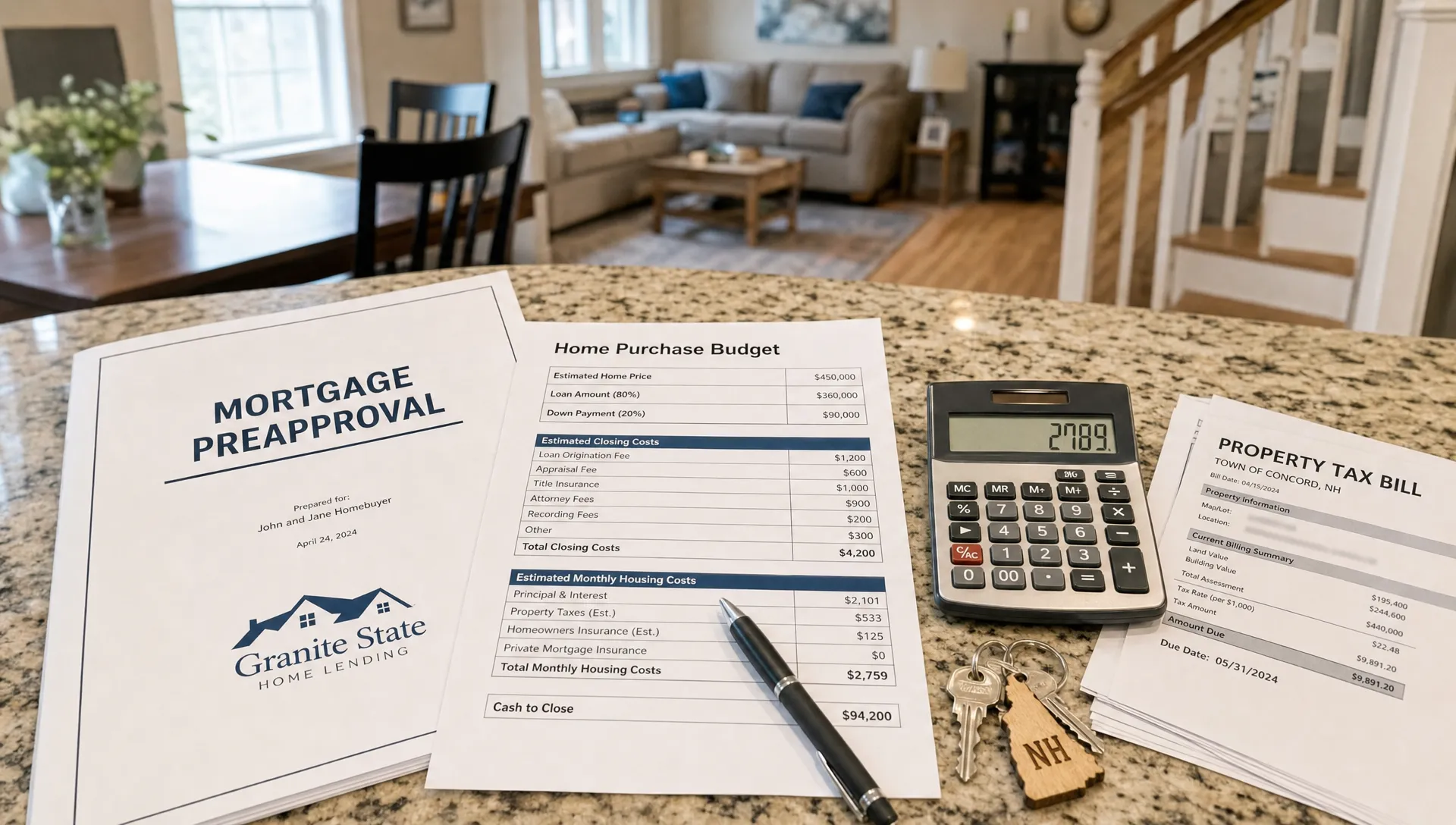
A modern lending experience starts with payment fit. Your approval amount is not the same as your personal comfort zone. A lender may determine that you qualify for a certain payment, but you still need to decide whether that payment supports your lifestyle, savings goals, emergency fund, and future plans.
This is why transparent cost discussions matter. Buyers should understand principal and interest, property taxes, homeowners insurance, mortgage insurance if applicable, association dues, closing costs, prepaid items, and discount points. A lower rate can sometimes come with higher upfront costs, while a slightly higher rate may make sense if it preserves cash.
The Consumer Financial Protection Bureau explains that the Loan Estimate is designed to help borrowers compare key costs before moving forward. A strong lender should walk you through that document in plain English, not leave you to decode it alone.
The right loan structure for your goals
Loan structure affects both your monthly payment and long-term flexibility. Fixed-rate loans offer predictable principal and interest payments. Adjustable-rate mortgages may offer a lower initial rate in some cases, but they require careful discussion about future payment changes. Buydowns, lender credits, points, and term choices can all shift the balance between upfront cash and long-term cost.
Modern residential lending is about matching the structure to the borrower. A buyer planning to stay in a home for decades may evaluate options differently than someone expecting to move within five years. A household with variable income may prioritize reserves more than the lowest possible payment. A borrower using VA benefits may value a lender who understands veteran-specific program details.
There is no universal “best” mortgage. There is only the mortgage that best aligns with your qualifications, risk tolerance, property, and timeline.
Digital tools that remove friction
Technology has changed what buyers expect from a mortgage process. Secure document uploads, e-signatures, digital communication, and faster application workflows can reduce delays and make the experience more manageable.
Digital convenience is especially valuable when buyers are juggling showings, inspections, negotiations, work, and family responsibilities. Instead of printing, scanning, mailing, and repeating the same steps, buyers can often move key parts of the process forward online.
Still, technology should simplify the process, not hide it. The best systems make it easier to see what is needed, submit documents securely, and stay informed. New Era Lending’s article on smart home lending tools that simplify mortgages explores how modern technology can support a smoother borrower experience.
Human guidance at decision points
A mortgage is not just a transaction. It is a sequence of decisions. Should you pay points? Should you increase your down payment or keep more cash in reserves? Should you lock now or discuss timing? Does a different loan program better fit your goals? What documentation might underwriting ask for next?
This is where human guidance remains essential. Automated tools can organize information and speed up tasks, but experienced professionals help interpret tradeoffs. The best residential lending solutions use technology for efficiency and human expertise for judgment.
A Better Buyer Workflow: From Readiness to Closing
The most confident buyers usually do not wait until they find a home to think seriously about financing. They prepare early, understand their numbers, and keep communication open with their lending team.
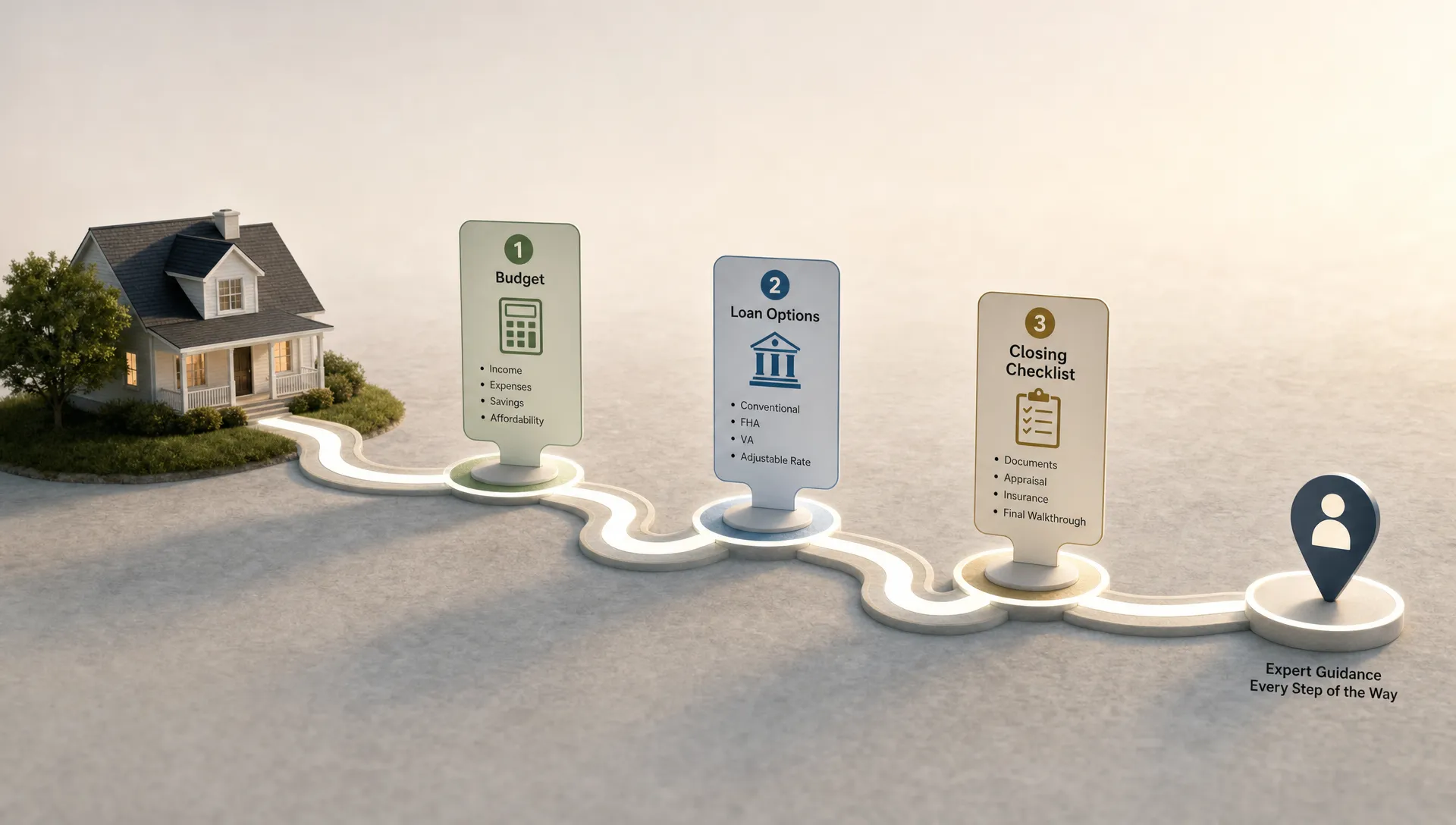
A practical workflow looks like this:
- Clarify your budget before shopping: Start with a realistic monthly payment range, not just a purchase price. Include taxes, insurance, debts, savings goals, and lifestyle needs.
- Review your credit, income, and assets: Lenders evaluate more than your credit score. Income consistency, debt-to-income ratio, available funds, and documentation quality all matter.
- Get pre-approved early: A strong pre-approval can help you understand your price range and show sellers that you are prepared to move forward.
- Compare loan options before committing: Review more than one structure if possible. A small difference in upfront cost, rate, or term can change your strategy.
- Stay organized during underwriting: Respond quickly to document requests, avoid major financial changes, and keep your lender informed about contract updates.
- Review closing details carefully: Before signing, make sure you understand your final payment, cash-to-close, escrow setup, and any conditions tied to the loan.
This workflow gives buyers a clearer path, but it also reduces stress. When you know what comes next, the mortgage process feels less like a mystery and more like a managed plan.

How to Compare Residential Lending Solutions
When buyers compare lenders, they often start with rate. That is understandable, but it is not enough. The quality of the lending experience can affect your confidence, timeline, and ability to close smoothly.
Ask questions that reveal how the lender works, not just what they quote:
- Does the lender explain the difference between interest rate, APR, points, and closing costs?
- Can you securely upload documents and complete signatures digitally?
- Will you receive guidance from a real person when comparing loan options?
- Does the lender have experience with your type of buyer profile, property, or program?
- Are timelines, conditions, and next steps communicated clearly?
Home financing also rewards scenario thinking. Buyers often need to compare “what if” paths, such as putting more down, choosing a different loan term, or keeping more cash available after closing. This kind of decision practice is similar in spirit to how organizations use experiential business simulation tools to test strategies in a realistic but lower-risk environment. In lending, the goal is not to guess. It is to understand how each choice affects your payment, cash flow, and long-term flexibility before you commit.
A good residential lending partner should welcome these questions. If you feel rushed, confused, or discouraged from reviewing details, that is a signal to slow down and ask for clearer explanations.
Common Tradeoffs Modern Buyers Should Understand
Most mortgage decisions involve tradeoffs. Understanding them early can prevent disappointment later.
One common tradeoff is rate versus upfront cost. Discount points may lower your interest rate, but they require money at closing. That can make sense for some long-term homeowners, but it may not be the best fit for someone who wants to preserve cash or expects to refinance or move sooner.
Another tradeoff is down payment versus reserves. A larger down payment may lower your loan amount or reduce mortgage insurance, but using too much cash can leave you financially stretched after closing. Modern buyers should consider what they will need for moving expenses, repairs, furnishings, emergencies, and life after the purchase.
There is also a tradeoff between maximum approval and comfortable affordability. Being approved for a higher amount does not mean you should spend that amount. A more sustainable payment can make homeownership feel less stressful and give you more room to handle future changes.
Finally, speed and completeness must work together. Fast approvals are valuable, but only when supported by accurate documentation, transparent terms, and clear communication. A rushed file with missing details can create problems near closing. A streamlined, organized file gives everyone more confidence.
Where New Era Lending Fits for Modern Buyers
New Era Lending is built around the idea that mortgage financing should be simpler, smarter, and more human. The company combines technology-driven tools with personalized guidance for home purchase, refinance, and equity access needs.
For buyers, that means the process can include modern conveniences such as secure document uploads and e-signature support, while still giving you access to human professionals who can explain your options. New Era Lending also offers a wide range of loan options, transparent rate and term discussions, educational resources, and specialized veteran loan programs. Its services are available across 39 states.
That combination matters because modern borrowers do not all need the same thing. Some need speed. Some need education. Some need help comparing programs. Some need a lending partner who can simplify documentation. The strongest residential lending solutions meet buyers where they are, then guide them toward a financing path that supports the next stage of their lives.
Residential Lending Solutions Beyond the Purchase
Although many buyers first think about lending when purchasing a home, residential lending can support other financial goals as well. Homeowners may refinance to adjust their rate, change their term, move from an adjustable rate to a fixed rate, or access equity through a cash-out refinance if it fits their broader financial plan.
Equity access should be approached thoughtfully. Using home equity can support debt consolidation, renovations, education expenses, or other major needs, but it also changes your mortgage balance and long-term obligations. A responsible lending conversation should review both benefits and risks.
This is another reason personalization matters. A refinance that is useful for one household may not make sense for another. The right solution depends on current loan terms, remaining time in the home, credit profile, home value, income, and financial goals.
Signs You Are Working With the Right Lending Partner
A strong lending partner makes the mortgage process feel structured and understandable. You should know what is happening, why it matters, and what is needed next.
Look for a lender who communicates clearly, explains tradeoffs without pressure, protects your personal information, provides transparent estimates, and helps you compare options in context. You should feel comfortable asking basic questions and detailed questions. Both are important.
Modern lending is not about replacing people with technology. It is about using technology to remove unnecessary friction so buyers and lending professionals can focus on better decisions. When digital tools and human guidance work together, buyers gain more confidence from application through closing.
Frequently Asked Questions
What are residential lending solutions? Residential lending solutions are mortgage financing options and services designed for homebuyers and homeowners. They can include purchase loans, refinancing, equity access, digital application tools, secure document handling, and personalized guidance.
How do I choose the right residential loan? Start with your goals, budget, credit profile, down payment, property type, and timeline. Then compare loan structures based on payment fit, total cost, cash-to-close, and flexibility. A qualified lending professional can help narrow the options.
Is the lowest mortgage rate always the best choice? Not always. A low rate may come with higher upfront costs, points, or terms that do not match your plans. Compare the full Loan Estimate, including closing costs, APR, monthly payment, and how long you expect to keep the loan.
Can digital mortgage tools make the process safer? They can, when used properly. Secure document uploads and e-signatures can reduce paperwork and help protect sensitive information. Buyers should still work with reputable lenders and review all disclosures carefully.
When should I get pre-approved for a home loan? It is smart to get pre-approved before serious home shopping. Pre-approval helps you understand your budget, identify documentation needs, and strengthen your position when making an offer.
Take the Next Step With Confidence
Residential lending should not feel like guesswork. With the right mix of smart technology, transparent options, and personal guidance, you can move through the mortgage process with more clarity and less stress.
If you are preparing to buy, refinance, or explore equity access, connect with New Era Lending to review lending options built for modern borrowers. The sooner you understand your numbers and choices, the more confidently you can plan your next move.