.jpg)
.jpg)





.jpg)


Smart Home Lending: Tech Tools That Simplify Mortgages
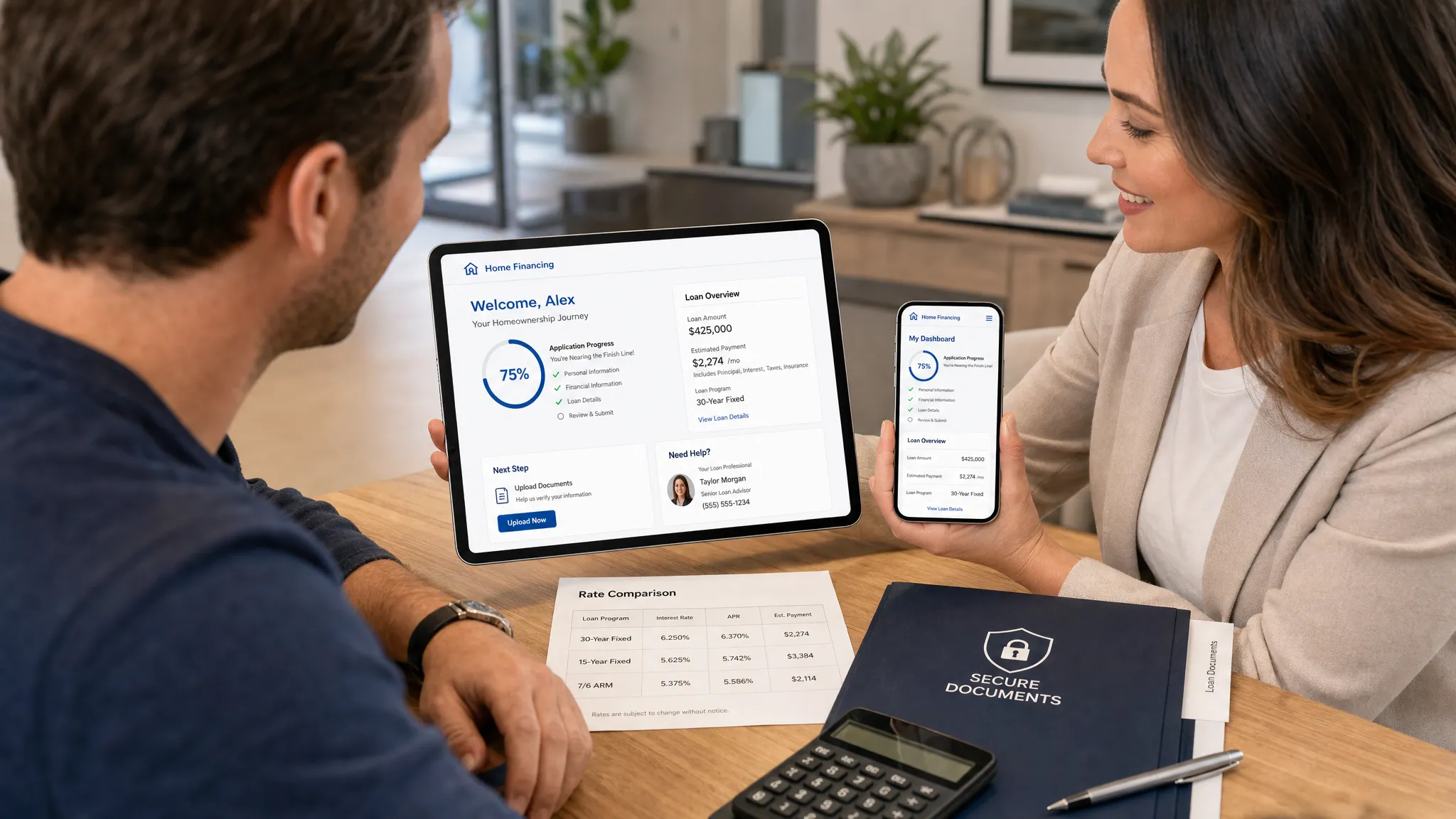
Smart home lending is not about replacing people with software. It is about using the right mortgage technology to remove friction from a process that can feel paperwork-heavy, time-sensitive, and difficult to compare.
For homebuyers and homeowners in 2026, the expectation is simple: a mortgage process should be secure, clear, and easy to follow from a phone or computer, without losing access to a knowledgeable loan professional when a decision actually matters. The best digital lending tools help you understand your options faster, organize documents, compare costs, and keep your loan moving toward closing.
But technology is only helpful when it makes the mortgage simpler, not when it hides important details behind a slick interface. Here is what smart home lending really means, which tools matter most, and how to use them wisely when buying, refinancing, or accessing home equity.
What Smart Home Lending Really Means
Smart home lending combines digital mortgage tools with personalized guidance. Instead of relying on scattered emails, paper forms, unclear status updates, and repeated document requests, borrowers can often complete much of the process online while still working with a real loan expert.
That combination matters because mortgages are not one-size-fits-all. A first-time buyer comparing FHA and conventional financing has different questions than a veteran evaluating a VA loan, a self-employed borrower documenting income, or a homeowner deciding between a cash-out refinance and a HELOC.
The “smart” part is not just speed. It is the ability to bring the right information to the surface at the right time. A strong digital mortgage experience should help you answer practical questions like:
- What monthly payment fits my budget?
- Which loan programs may match my credit, down payment, and property type?
- What documents will I need before underwriting?
- How do rate, APR, points, lender credits, and cash to close compare?
- What step is next, and what could delay closing?
When technology supports those decisions clearly, borrowers can feel more prepared and less overwhelmed.
Why Mortgage Technology Matters More Than Ever
The mortgage process has many moving parts. A lender may need to verify income, assets, credit history, debts, property value, homeowners insurance, title details, and compliance disclosures. Even a straightforward loan can involve multiple handoffs between the borrower, loan officer, processor, underwriter, appraiser, title company, insurance agent, and closing team.
Without organized tools, those handoffs can create confusion. Borrowers may wonder whether a document was received, whether their rate is locked, why a condition appeared, or whether a delay is normal. Smart lending tools reduce that uncertainty by creating a more structured experience.
They also help borrowers act faster. In a purchase market, a strong pre-approval can affect how confidently you make an offer. In a refinance, getting documents in quickly can help you compare options while pricing is still relevant. In a cash-out or equity transaction, clean documentation can prevent delays when funds are needed for a planned project or financial goal.
Technology does not remove underwriting standards, appraisal requirements, or disclosure rules. What it can do is make each step easier to understand and easier to complete.
Tech Tools That Simplify the Mortgage Process
1. Digital Pre-Approval Tools
Pre-approval is often the first major checkpoint for homebuyers. Digital pre-approval tools can help collect key information about income, assets, debts, credit, purchase goals, and down payment plans in a more organized way than a long phone call or paper packet.
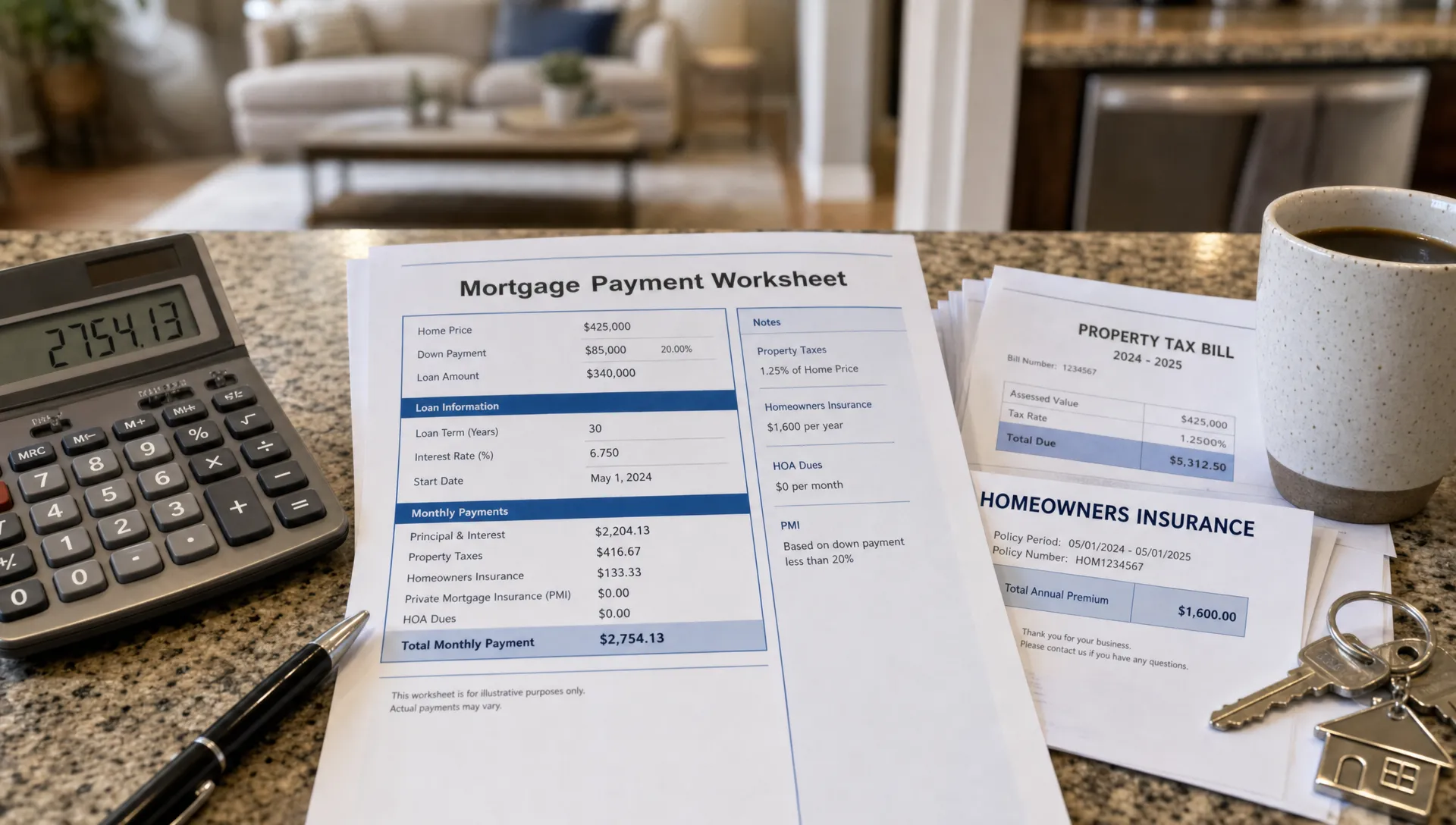
A better pre-approval experience helps borrowers avoid vague estimates. Instead of asking, “What house price can I afford?” the smarter question becomes, “What full monthly payment and cash-to-close amount fit my budget?” That includes principal and interest, property taxes, homeowners insurance, mortgage insurance if applicable, and possible HOA dues.
Digital pre-approval tools can also help flag missing documents early. That is especially useful for self-employed borrowers, buyers using gift funds, veterans verifying VA eligibility, or anyone with variable income.
2. Mortgage Calculators and Scenario Comparisons
Mortgage calculators are most useful when they go beyond a basic principal and interest estimate. A helpful calculator allows borrowers to test different down payments, loan terms, interest rates, taxes, insurance, and mortgage insurance assumptions.
Scenario comparisons can show how small changes affect the bigger picture. For example, putting more down may reduce the monthly payment or mortgage insurance, but it could also leave you with less cash after closing. Buying down the rate may lower the payment, but the upfront cost needs to be compared with your expected time in the home.
This is where smart home lending becomes practical. Technology can model multiple paths quickly, but a loan professional can help explain which assumptions are realistic for your situation.
For a deeper look at loan structures before applying, New Era Lending’s guide to home loan options for 2026 can help you understand what to consider before choosing a program.
3. Secure Document Uploads
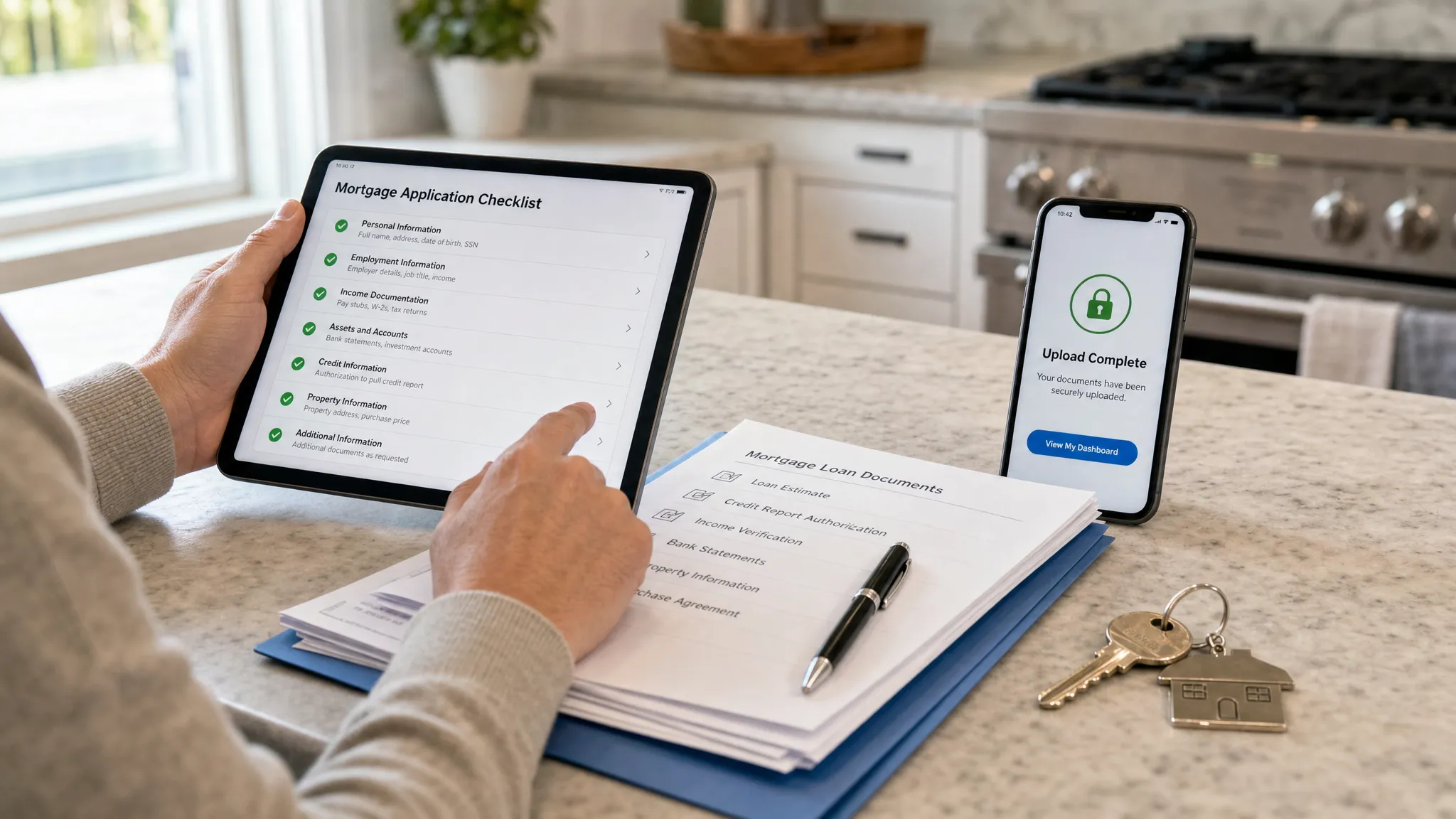
Few parts of the mortgage process create more stress than document collection. Borrowers may need to provide pay stubs, W-2s, tax returns, bank statements, identification, business documents, divorce decrees, gift letters, homeowners insurance information, or explanations for large deposits.
Secure upload portals make this easier than sending sensitive documents through standard email. They also help keep files organized by category so the lending team can review them more efficiently.
The key word is secure. Mortgage documents contain personal and financial information, so borrowers should use lender-approved portals, avoid sending sensitive documents over unsecured channels, and confirm they are working through the correct website or contact.
4. E-Signatures and Digital Disclosures
Mortgage lending involves important disclosures, including documents that help borrowers understand costs, loan terms, and timing. E-signature tools can reduce delays by allowing borrowers to review and sign many documents electronically.
That convenience is valuable, but speed should never replace careful review. Borrowers should still read key disclosures, especially the Loan Estimate and Closing Disclosure. These documents help clarify interest rate, APR, estimated monthly payment, closing costs, cash to close, and whether any terms can change.
A good digital process makes documents easier to access, but it should also encourage borrowers to ask questions before signing.
5. Automated Status Updates and Task Lists
One of the most frustrating parts of a mortgage is not knowing what is happening. Automated status updates can help borrowers see where the file stands, what is still needed, and which milestones are complete.
Task lists are especially helpful because they turn a complex process into manageable steps. Instead of wondering whether underwriting is waiting on income verification, homeowners insurance, an appraisal condition, or a bank statement, borrowers can see specific requests.
That kind of clarity improves the overall customer experience. Many modern financial companies study service operations outside the mortgage industry, including CX consulting and managed support teams, because responsive communication is critical when people are making high-stakes decisions.
6. Online Loan Comparison Support
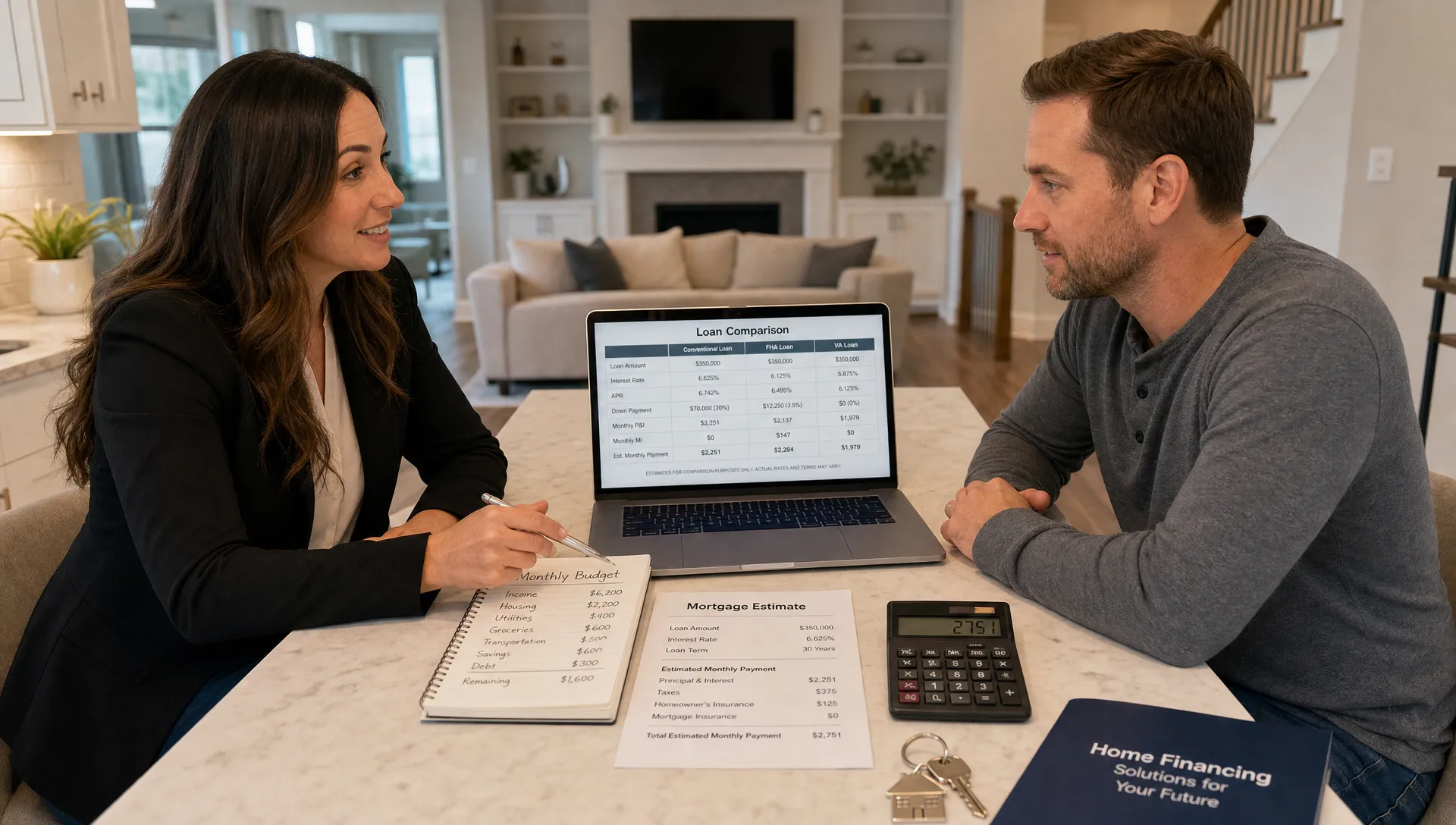
Comparing mortgage offers can be confusing because the lowest interest rate is not always the lowest-cost option. A loan with a lower rate may include higher points or fees. A loan with a slightly higher rate may offer lender credits that reduce upfront cash needed at closing.
Smart lending tools can help organize comparisons, but borrowers should still compare the same scenario across offers. That means using the same loan amount, down payment, loan program, term, lock period, and point structure whenever possible.
The best comparison focuses on several numbers together:
- Interest rate and APR
- Monthly principal and interest
- Full estimated monthly payment
- Discount points and lender credits
- Closing costs and cash to close
- Loan program and mortgage insurance rules
- Rate lock period and expiration date
If two offers are built on different assumptions, they are not truly comparable. A helpful loan officer can explain those differences before you make a decision.
What Technology Should Not Hide
A digital mortgage experience should make the numbers clearer, not less transparent. If a platform shows a payment estimate without taxes, insurance, mortgage insurance, or HOA dues, the payment may look more affordable than it really is.
Borrowers should be cautious with any tool that focuses only on the advertised rate. Mortgage pricing can change based on credit profile, loan-to-value ratio, property type, occupancy, loan program, points, credits, and lock period. Your personalized quote matters more than a generic number.
Smart home lending should also make it easy to understand tradeoffs. For example, a temporary buydown may reduce the payment at first, but the payment can rise later. An adjustable-rate mortgage may start with a lower rate, but future adjustments can change the payment. A refinance may lower the monthly payment, but closing costs and the break-even timeline still matter.
The goal is not just to close faster. The goal is to close with confidence.
Why Human Guidance Still Matters
Technology can collect data, organize tasks, and speed up communication. It cannot fully understand the personal context behind a borrower’s decision.
A loan professional can help interpret the details. If your credit score is near a pricing threshold, a human advisor may help you understand whether timing your application differently could matter. If you are self-employed, they can explain how income may be calculated. If you are a veteran, they can walk through VA loan benefits, funding fees, and property requirements. If you are refinancing, they can help compare rate reduction, term change, mortgage insurance removal, and cash-out options.
Human guidance is also valuable when something does not go as planned. Appraisals can come in low. Underwriters may request additional documentation. A seller may need a faster closing timeline. Insurance premiums may change the estimated payment. In those moments, the best technology keeps everyone organized, but experienced guidance helps solve the problem.
For a full step-by-step look at what happens from application to closing, see New Era Lending’s guide to the mortgage loan process.
How Borrowers Can Make the Most of Smart Lending Tools
Smart tools work best when borrowers use them proactively. Before you apply, gather the basics: recent pay stubs, W-2s or tax returns, bank statements, photo ID, debt information, and any documents tied to your specific situation, such as a Certificate of Eligibility for a VA loan or business income records if you are self-employed.
Next, define your comfort zone. Do not rely only on the maximum loan amount you may qualify for. Decide what monthly payment feels sustainable after considering utilities, maintenance, savings, retirement contributions, childcare, commuting, and lifestyle needs.
Then, use digital tools to compare scenarios before you are under contract or locked into a refinance decision. The earlier you understand your options, the easier it is to avoid rushed choices.
A simple process can help:
- Start with budget and cash-to-close estimates: Look at the full monthly payment, not just principal and interest.
- Complete the digital application carefully: Small errors in income, assets, or debts can create delays later.
- Upload documents through secure channels: Keep files complete, legible, and organized.
- Compare loan options side by side: Review rate, APR, points, credits, mortgage insurance, and cash to close.
- Ask questions before signing disclosures: Digital convenience should still leave room for clear explanations.
The more complete your information is upfront, the more useful the technology becomes.
What to Look for in a Smart Home Lending Experience
Not every digital mortgage process is equally helpful. Some platforms look modern but still leave borrowers confused. Others are fast at the front end but weak on communication once underwriting begins.
A strong smart lending experience should include secure document handling, clear communication, transparent rate and term discussions, realistic payment estimates, and access to a loan professional. It should also support multiple loan paths rather than pushing every borrower toward the same option.
When evaluating a lender, ask how the process works after you apply. Will you know which documents are missing? Can you sign disclosures electronically? How will rate lock decisions be explained? Who answers questions when underwriting conditions appear? How are closing timelines managed?
You can also review New Era Lending’s guide on questions to ask a home loan mortgage lender before choosing who to work with.
Smart Lending for Purchase, Refinance, and Equity Access
Smart home lending is useful across multiple mortgage goals.
For homebuyers, technology can support pre-approval, payment planning, document collection, offer timing, and closing coordination. This is especially useful in competitive markets where delays can weaken an offer.
For homeowners refinancing, digital tools can help compare current loan terms against new options. The right process should show whether the refinance may lower the payment, shorten the term, remove mortgage insurance, switch from an adjustable to a fixed rate, or access equity.
For homeowners exploring equity access, technology can help organize estimated property value, current mortgage balance, available equity, and possible loan structures. But the decision still requires careful guidance because cash-out refinances, HELOCs, and home equity loans can differ significantly in cost, flexibility, and payment risk.
In every case, the best experience blends speed with clarity.
Frequently Asked Questions
What is smart home lending? Smart home lending is a mortgage process that uses digital tools, secure online workflows, and personalized guidance to make home financing easier to understand and complete.
Does smart lending mean the entire mortgage happens online? Not always. Many steps can be handled digitally, such as applications, document uploads, disclosures, and e-signatures, but borrowers should still have access to human guidance for questions and decisions.
Are online mortgage document uploads safe? They can be, when you use a secure lender-approved portal. Avoid sending sensitive financial documents through unsecured email or unfamiliar links.
Can technology make mortgage approval faster? Technology can reduce delays by organizing information, speeding document collection, and improving communication. Approval still depends on underwriting, documentation, appraisal, title work, and program requirements.
What should I compare besides the interest rate? Compare APR, points, lender credits, closing costs, cash to close, monthly payment, mortgage insurance, loan program, and rate lock terms. The lowest advertised rate is not always the best overall offer.
A Smarter Mortgage Process Starts With the Right Team
Smart tools can simplify the mortgage process, but the right guidance helps you make sense of the numbers behind the screen. New Era Lending combines technology-driven mortgage tools with personalized human support for home purchase, refinancing, and equity access across 39 states.
If you are ready to compare options, organize your documents, or understand what loan path fits your goals, connect with New Era Lending and take the next step with more clarity and confidence.