.jpg)
.jpg)





.jpg)

Veteran Lending Options for Buying or Refinancing

Veteran lending can be a powerful advantage, but it is not a single loan or a one-size-fits-all answer. For some borrowers, a VA-backed mortgage is the clear winner because it can reduce upfront cash needs and eliminate monthly mortgage insurance. For others, a conventional, FHA, USDA, cash-out refinance, or home equity option may fit better depending on the property, credit profile, equity position, and long-term plan.
The right choice starts with the question behind the loan: are you buying a primary home, lowering your payment, accessing equity, changing loan terms, or consolidating debt? Once that goal is clear, the loan comparison becomes much easier.
What Veteran Lending Really Includes
Veteran lending usually refers to mortgage options available to eligible veterans, active-duty service members, certain National Guard and Reserve members, and eligible surviving spouses. The VA home loan benefit is the centerpiece, but it is only part of the picture.
The U.S. Department of Veterans Affairs does not usually lend directly to borrowers for standard VA home loans. Instead, the VA guarantees a portion of the loan made by approved private lenders. That guarantee can help eligible borrowers access favorable terms, including the possibility of no down payment on many purchase loans and no monthly private mortgage insurance.
The VA explains the core home loan benefit on its official VA-backed home loan page. Still, veterans should compare all realistic options before choosing. A VA loan may be excellent for a primary residence purchase, but a different product could make more sense for an investment property, second home, specific refinance goal, or borrower who wants to avoid the VA funding fee.
If you want a deeper VA-specific primer before comparing loan paths, New Era Lending also offers a clear guide to VA mortgage financing for veterans.
Buying a Home: Veteran Lending Options to Compare
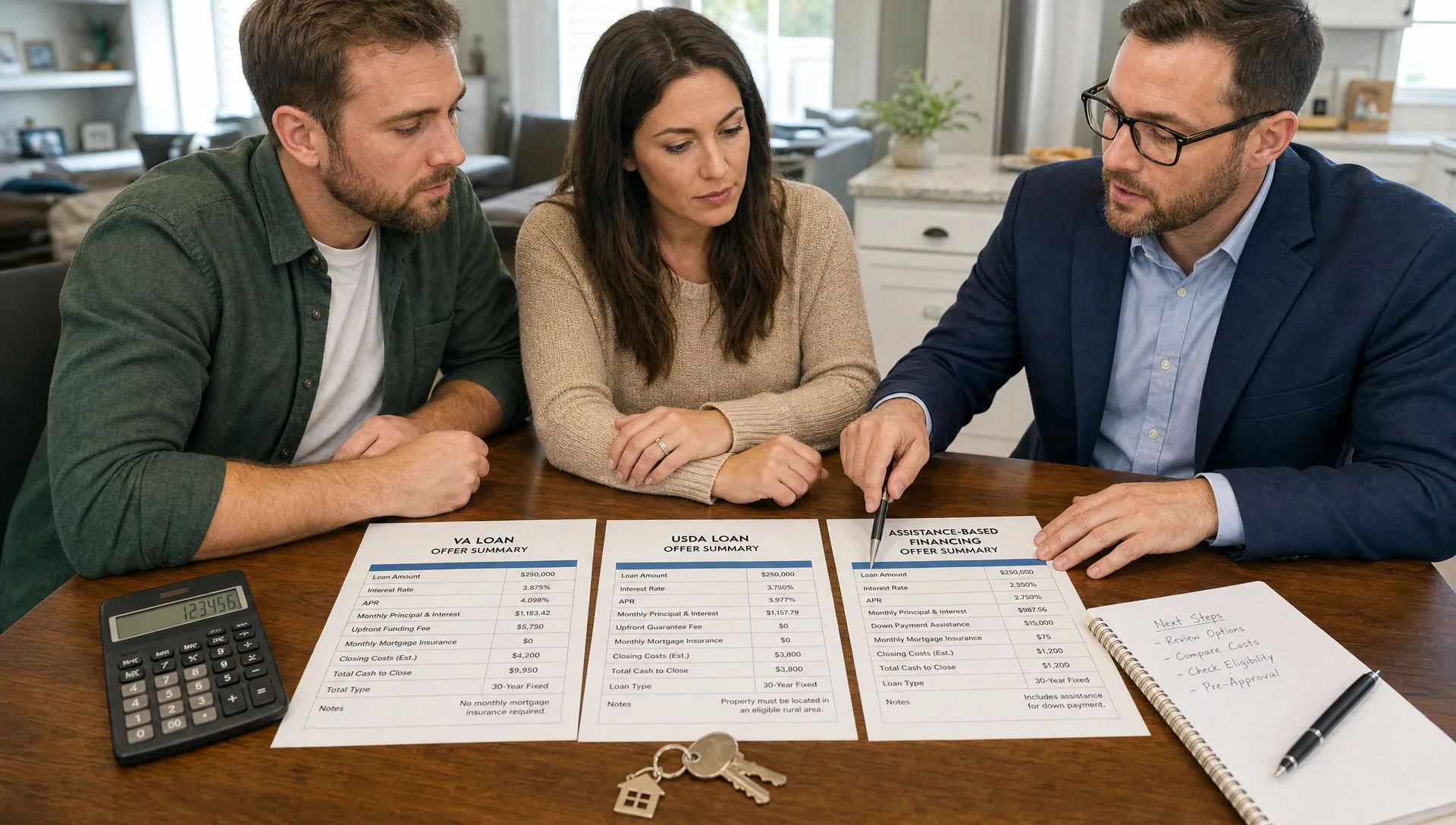
For homebuyers, the best loan is not just the one with the lowest rate. It is the loan that creates the right balance between cash to close, monthly payment, approval strength, property eligibility, and long-term cost.
VA Purchase Loan
A VA purchase loan is often the first option veterans consider, and for good reason. Eligible borrowers may be able to buy a primary residence with no down payment, subject to lender approval and entitlement rules. VA loans also do not require monthly PMI, which can make the payment more competitive than some low-down-payment alternatives.
That said, VA loans have requirements. The home generally must be used as a primary residence, the property must meet VA minimum property standards, and the borrower must qualify based on income, credit, debt, and residual income guidelines. Most non-exempt borrowers also pay a VA funding fee, which can often be financed into the loan.
A VA purchase loan may be especially useful if you want to preserve savings for moving costs, repairs, furniture, or emergencies. It can also be valuable when monthly mortgage insurance would otherwise make another low-down-payment loan more expensive.
Conventional Mortgage
A conventional loan can be a strong fit for veterans with solid credit, stable income, and enough savings for a down payment. It may also be useful for property types or occupancy goals that do not fit VA rules, such as second homes or investment properties.
Conventional loans can require private mortgage insurance when the down payment is below 20 percent, but that insurance may be removable later if equity grows and program requirements are met. For some borrowers, especially those exempt from neither PMI nor the VA funding fee comparison, conventional financing may produce a lower total cost over a certain time horizon.
FHA Loan
FHA loans are not veteran-specific, but they can still be part of a veteran lending comparison. FHA financing may help borrowers with lower credit scores or limited savings qualify for a primary home purchase. However, FHA loans include mortgage insurance costs, often both upfront and monthly, which should be compared carefully against VA and conventional options.
An FHA loan may make sense when a borrower does not qualify for VA financing, has entitlement complications, or finds that FHA underwriting is more favorable for their specific profile.
USDA Loan
For eligible rural and some suburban properties, USDA financing can offer a low or no down payment path for qualifying borrowers. USDA loans have property location and income limits, so they are not available everywhere or for every household. Still, veterans buying in eligible areas may want to include USDA in the comparison, especially if they are considering a primary residence outside a major metro core.
Higher-Balance and Jumbo Options
Veterans purchasing higher-priced homes may still have options, including VA loans with full entitlement, conventional high-balance loans, or jumbo financing. The best route depends on entitlement status, loan size, county, down payment, credit, reserves, and lender guidelines.
This is where personalized guidance matters. A small difference in points, down payment, or mortgage insurance can significantly change the long-term cost of a higher-balance loan.
Refinancing: Match the Loan to the Goal
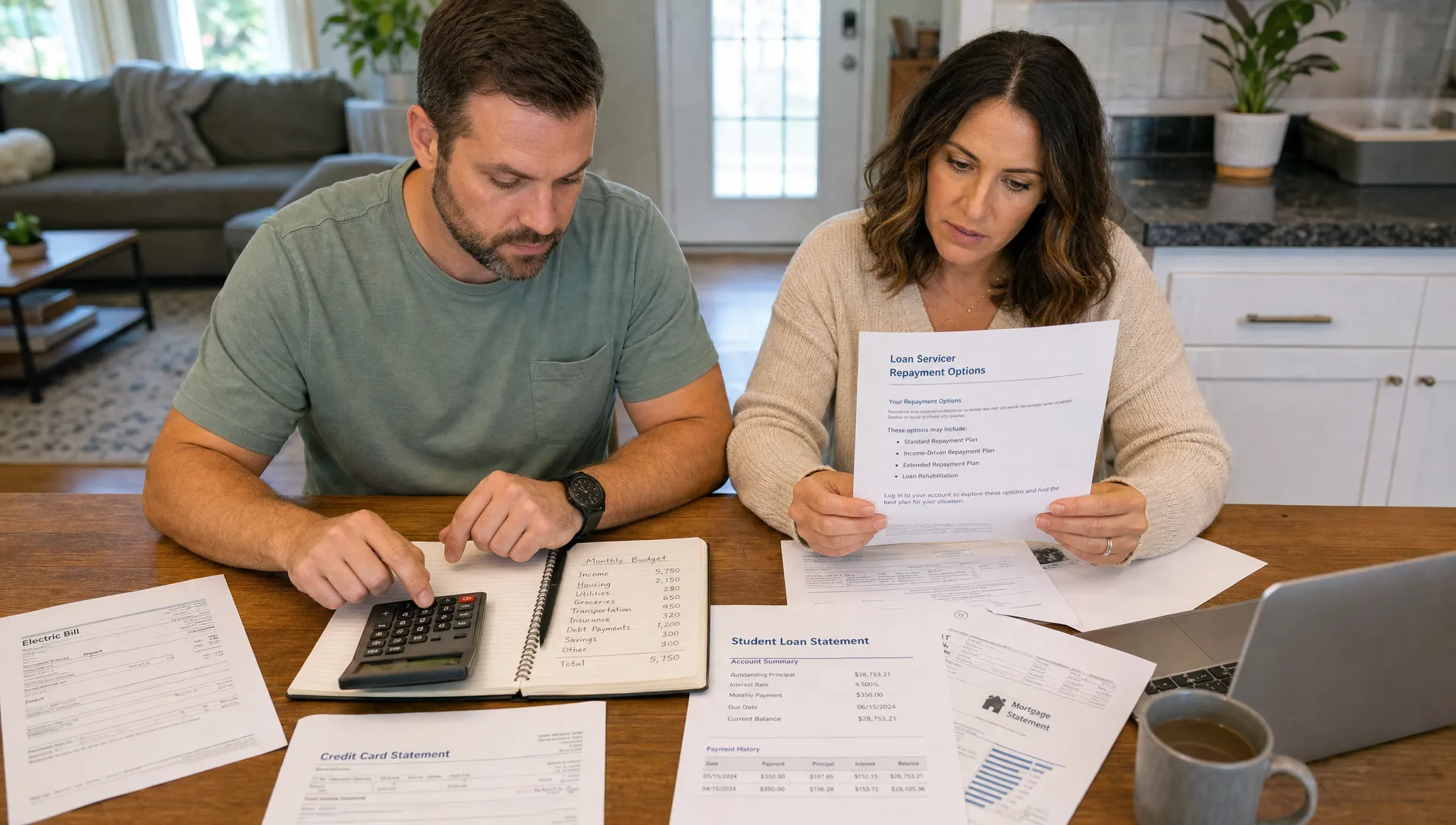
Refinancing should begin with a clear purpose. A refinance that looks attractive because of a lower rate may not be worthwhile if closing costs are high or if the borrower plans to move soon. On the other hand, a refinance can be a smart strategy when it reduces monthly payment, improves loan stability, replaces an expensive loan, or unlocks needed equity.
VA Interest Rate Reduction Refinance Loan
The VA Interest Rate Reduction Refinance Loan, often called an IRRRL or VA streamline refinance, is designed for borrowers who already have a VA loan. Its main purpose is to help refinance an existing VA mortgage into a new VA mortgage with a lower rate, a more stable loan type, or another allowable benefit.
An IRRRL may involve less documentation than a full refinance, though lender requirements still apply. It is not designed for taking cash out. Veterans considering this option should compare the new rate, closing costs, funding fee, loan term, and break-even timeline.
VA Cash-Out Refinance
A VA cash-out refinance can be used to refinance an existing VA or non-VA loan into a VA loan, and it may allow eligible homeowners to access home equity. This can be useful for major expenses, debt consolidation, home improvements, or replacing a loan that no longer fits.
Unlike an IRRRL, a VA cash-out refinance typically requires full underwriting, income review, credit review, and an appraisal. Because it can increase the loan balance and reset the repayment timeline, the long-term cost deserves close attention.
Conventional Refinance
A conventional refinance may be the better fit when the homeowner has strong equity, wants to remove mortgage insurance, owns a property that does not fit VA occupancy rules, or wants to avoid a VA funding fee. It may also be useful for borrowers who already have an excellent conventional loan structure but want to change the rate or term.
When comparing VA and conventional refinancing, look beyond the rate. Factor in closing costs, mortgage insurance, funding fees, escrow changes, and how long you expect to keep the home.
Home Equity Loan or HELOC
Not every equity strategy requires replacing the first mortgage. If your current mortgage has a low rate, a home equity loan or home equity line of credit may allow you to access funds while keeping the original loan in place. These products are not the same as a VA cash-out refinance, but they belong in the conversation when your goal is equity access rather than full loan replacement.

How to Choose the Right Veteran Lending Path
The best option becomes clearer when you compare loans through the lens of your specific goal. Instead of asking which loan is best overall, ask which loan is best for this home, this timeline, and this financial situation.
A VA purchase loan may be ideal if you are buying a primary residence and want to minimize cash to close. A conventional loan may be better if you have a larger down payment, excellent credit, or a non-primary-residence goal. FHA may help if credit flexibility is the top priority. USDA may be worth exploring if the property and income profile qualify.
For refinancing, the decision is even more goal-driven. If you already have a VA loan and simply want to reduce the payment or move from an adjustable to a fixed rate, an IRRRL may be a natural place to start. If you need equity, a VA cash-out refinance or home equity product may be more relevant. If you have built substantial equity and want to avoid VA-specific costs, a conventional refinance may deserve a close look.
Use these questions to narrow the field:
- Is the property a primary residence? VA, FHA, and USDA programs are generally focused on primary residences, while conventional loans may offer more flexibility for second homes and investment properties.
- How much cash do you want to bring to closing? VA and USDA options may reduce down payment needs, but closing costs and fees still matter.
- Are you trying to lower payment or reduce total interest? A lower monthly payment can help cash flow, while a shorter term may save interest over time.
- Do you need cash from equity? If yes, compare VA cash-out refinancing with home equity products and conventional options.
- How long will you keep the home or loan? Closing costs matter more if you plan to sell or refinance again within a few years.
Costs Veterans Should Compare Before Signing
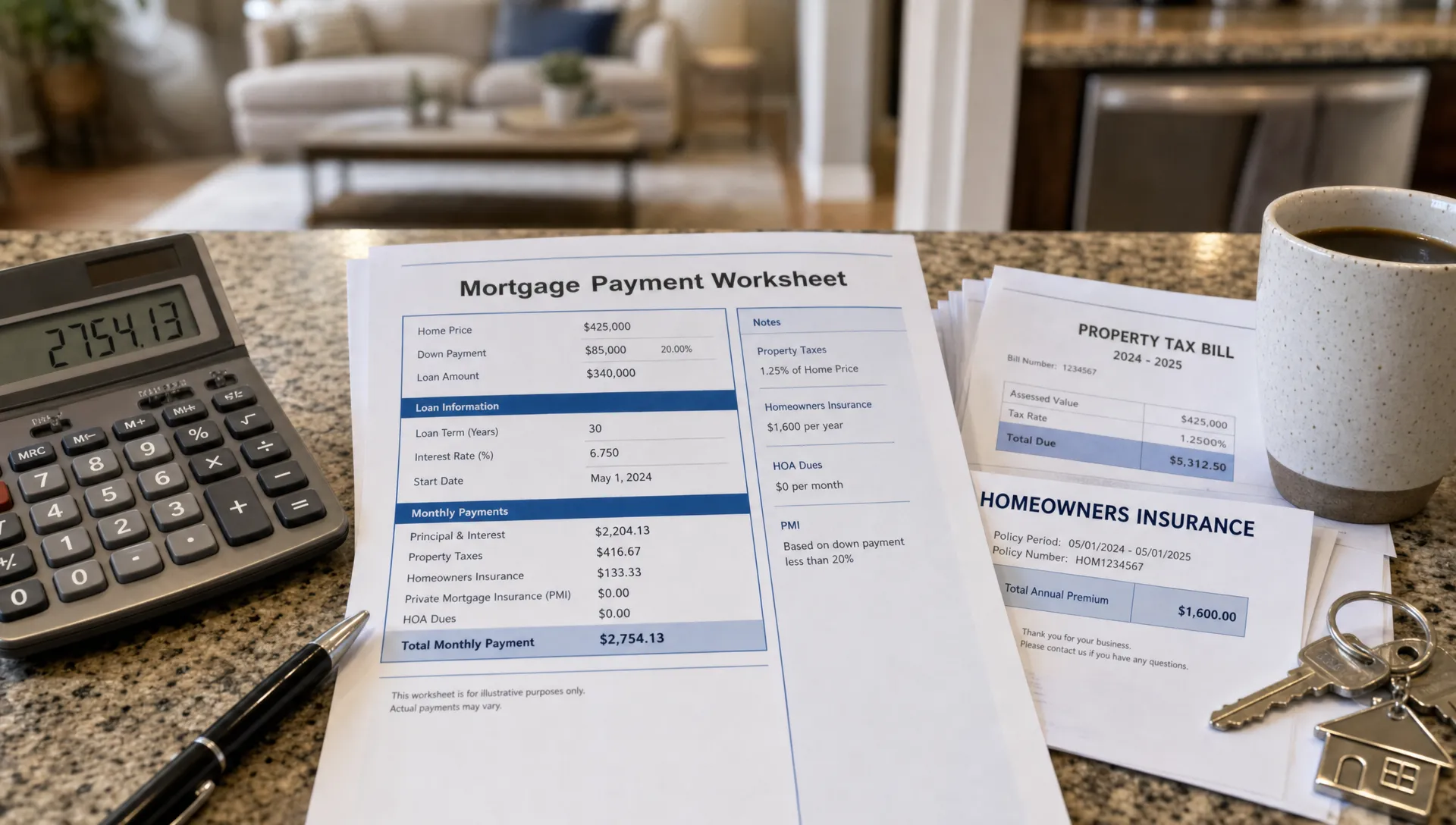
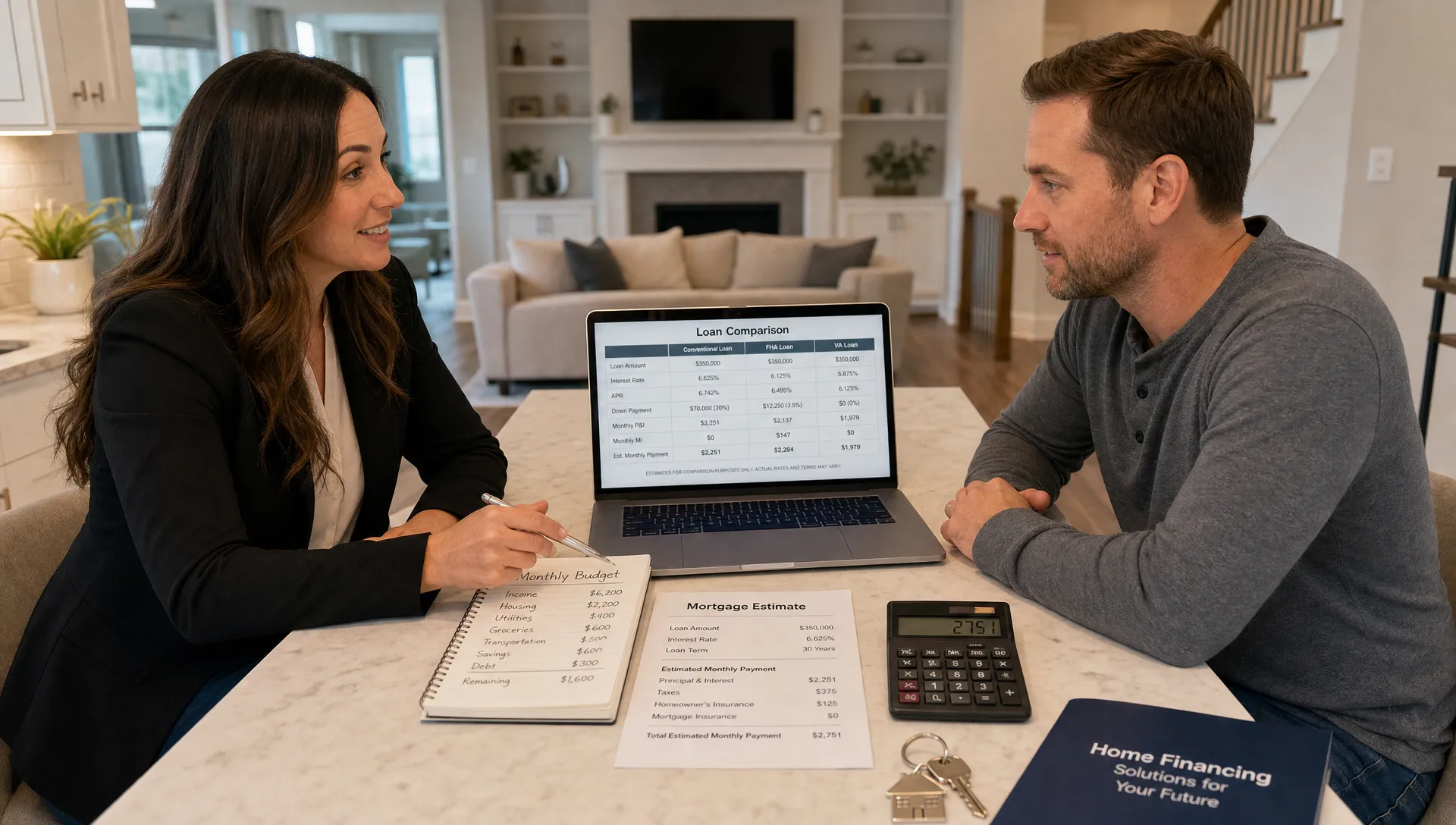
Veteran lending decisions should be based on total cost, not just the advertised interest rate. Two loans with the same rate can have very different upfront costs, monthly payments, and long-term outcomes.
Pay close attention to the VA funding fee if you are using a VA loan and are not exempt. The funding fee varies based on factors such as loan type, down payment, and whether you have used the benefit before. The VA provides current details on its VA funding fee and closing cost guidance.
Also compare discount points, lender credits, origination charges, appraisal fees, title fees, escrow deposits, prepaid taxes, prepaid insurance, and any mortgage insurance. For refinances, ask when the monthly savings will recover the closing costs. A refinance with savings of $150 per month and $4,500 in costs has a much different break-even point than one with $2,000 in costs.
The Consumer Financial Protection Bureau recommends using the Loan Estimate to compare offers consistently. Its guide to shopping for a mortgage can help borrowers understand how rate, APR, cash to close, and projected payments work together.
If refinancing is your focus, it is worth reviewing what veterans should watch when comparing VA refinance rates, since the headline rate alone rarely tells the full story.
Documents Veterans Typically Need
A smoother mortgage process often comes down to preparation. VA loans require standard mortgage documentation plus VA-specific eligibility information. Conventional, FHA, USDA, and home equity products also require income, asset, credit, and property documentation.
Veterans should be ready to provide items such as a Certificate of Eligibility, government-issued ID, income documents, bank statements, and information about debts and assets. Depending on your service status, a DD Form 214, Statement of Service, or other military record may be needed.
Self-employed borrowers, retirees, disabled veterans receiving benefits, and borrowers with multiple income sources may need additional documentation. Getting organized early can help avoid delays and make it easier to compare options accurately.
For a more detailed preparation checklist, see this guide to the documents veterans need to qualify for a mortgage.
Common Mistakes to Avoid
One common mistake is assuming the VA loan is always the cheapest option. It is often highly competitive, but the funding fee, property requirements, and your time horizon can change the math.
Another mistake is focusing only on the interest rate. A lower rate with high points may be more expensive than a slightly higher rate with lower upfront costs, especially if you do not keep the loan long enough to benefit.
Veterans should also avoid waiting until the last minute to confirm eligibility. A missing Certificate of Eligibility, unresolved entitlement issue, or documentation gap can slow down a purchase or refinance.
Finally, do not refinance without a defined goal. Lowering the payment, shortening the term, accessing equity, or moving into a more stable loan can all be valid reasons. Refinancing simply because rates moved slightly lower may not be enough if costs outweigh the benefit.
Frequently Asked Questions
What is the best veteran lending option for buying a home? The best option depends on your eligibility, credit, cash to close, property type, and long-term plan. VA loans are often attractive for primary residences because they may allow no down payment and no monthly PMI, but conventional, FHA, or USDA loans may fit better in certain situations.
Can veterans refinance a conventional loan into a VA loan? Yes, eligible veterans may be able to refinance a conventional loan into a VA loan through a VA cash-out refinance, subject to underwriting, appraisal, equity, and lender requirements.
Is a VA streamline refinance the same as a cash-out refinance? No. A VA streamline refinance, also called an IRRRL, is generally for refinancing an existing VA loan into a new VA loan with an allowable benefit. A VA cash-out refinance can allow equity access and may refinance a VA or non-VA loan into a VA loan.
Do VA loans always have the lowest mortgage rate? Not always. VA loans are often competitive, but rates vary by lender, borrower profile, market conditions, loan type, points, and fees. Compare the full Loan Estimate, not just the rate.
Can I use my VA loan benefit more than once? Many eligible borrowers can use the VA home loan benefit more than once, depending on entitlement, previous VA loan usage, and whether prior loans have been paid off or restored. A lender can help review your entitlement situation.
Move Forward With Clear Veteran Lending Guidance
Veteran lending works best when the loan is matched to the mission. Whether you are buying your next home, refinancing for a better structure, or exploring equity access, the right comparison can help you move forward with confidence.
New Era Lending combines smart mortgage technology with personalized human guidance, including secure document uploads and e-signature support, to help borrowers evaluate purchase, refinance, and veteran loan options across 39 states. When you are ready to compare your choices, start with New Era Lending and get guidance built around your goals.