.jpg)
.jpg)





.jpg)

VA Loans Explained for Homebuyers and Homeowners
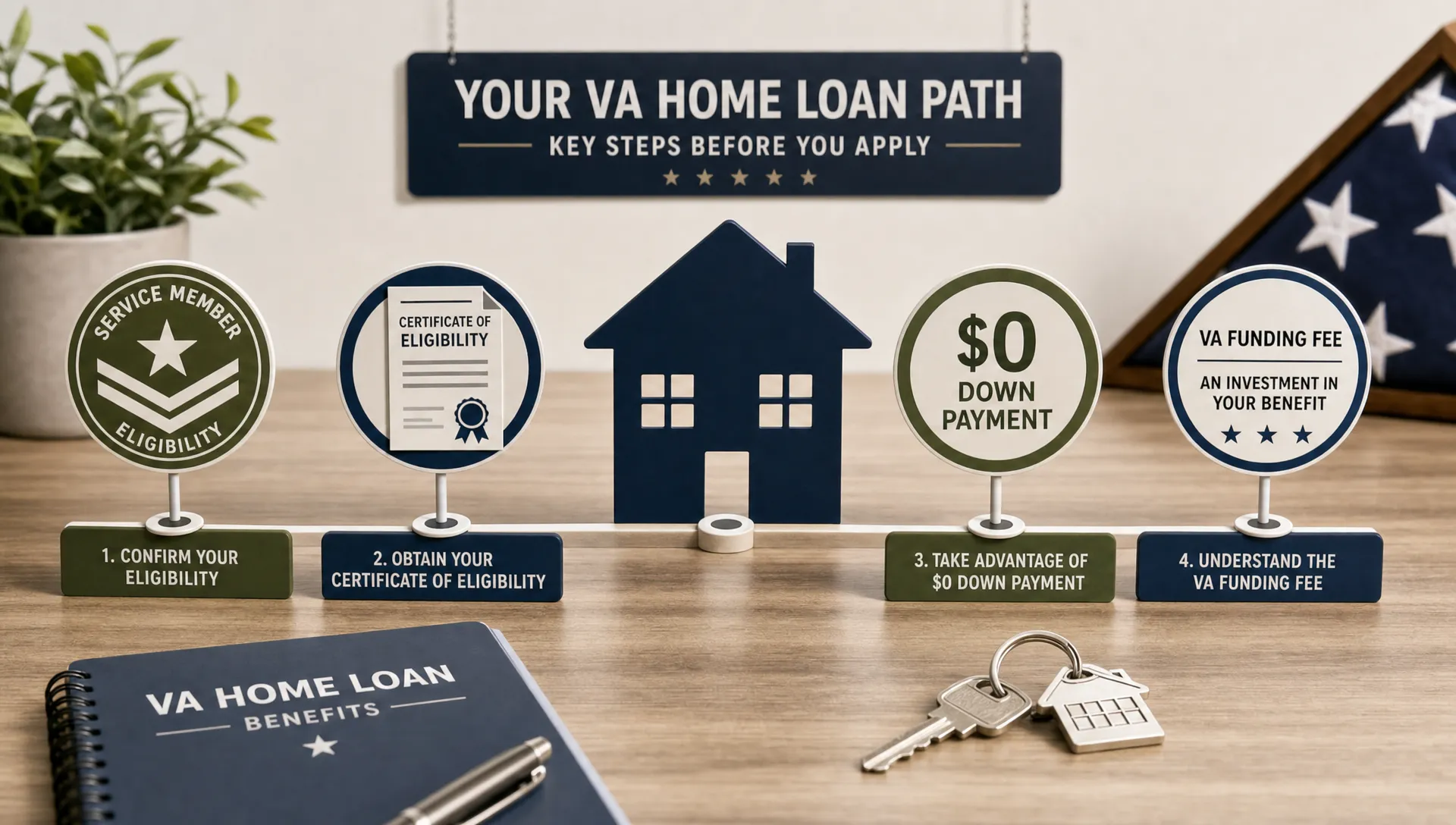
VA loans are one of the most valuable mortgage benefits available to eligible veterans, active-duty service members, certain National Guard and Reserve members, and qualifying surviving spouses. They can make homeownership more accessible, often with no required down payment, no monthly private mortgage insurance, and flexible refinancing options for homeowners who already have a VA-backed loan or want to tap home equity.
Still, “VA loan” is not a single one-size-fits-all product. It is a mortgage made by a private lender and backed in part by the U.S. Department of Veterans Affairs. That guarantee helps lenders offer benefits that may not be available through conventional financing, but borrowers still need to meet lender guidelines, property requirements, and occupancy rules.
This guide explains VA loans for both homebuyers and homeowners, with a practical look at benefits, eligibility, costs, refinancing choices, and what to expect before you apply.
What Is a VA Loan?
A VA loan is a mortgage option designed to help eligible military borrowers buy, build, improve, refinance, or retain a home. The VA does not usually lend money directly. Instead, approved private lenders originate the loan, and the VA provides a partial guaranty that reduces lender risk.
That structure matters because it explains two things borrowers often misunderstand. First, VA loan guidelines come from both the VA and the lender. Second, rates, approval standards, documentation requirements, and closing timelines can vary from one lender to another.
For homebuyers, the best-known VA loan benefit is the possibility of buying a primary residence with no down payment. For homeowners, VA options may include refinancing into a lower rate, changing loan terms, or accessing equity through a VA cash-out refinance.
If you want a broader foundation before comparing options, New Era Lending’s clear guide to VA mortgage financing is a helpful next read.
Key VA Loan Benefits for Homebuyers
VA loans can be especially powerful for eligible buyers who have stable income but would rather preserve savings for moving costs, repairs, furniture, or an emergency fund.
The biggest potential benefits include:
- No required down payment in many cases: Borrowers with full VA entitlement can often finance 100 percent of the purchase price, subject to lender approval and the home appraising for enough value.
- No monthly PMI: Unlike many low-down-payment conventional loans, VA loans do not require monthly private mortgage insurance.
- Competitive rate potential: Because the VA guaranty lowers lender risk, VA rates are often competitive, although the exact rate depends on market conditions and borrower-specific factors.
- Flexible credit considerations: The VA does not set one universal minimum credit score, but lenders typically apply their own credit, income, and debt guidelines.
- Limits on certain borrower costs: VA rules restrict some fees and help protect eligible borrowers from excessive closing costs.
These benefits do not mean every borrower automatically qualifies or that every home will pass VA requirements. They do mean eligible buyers may have more purchasing flexibility than they would with some other loan programs.
Who Is Eligible for a VA Loan?
VA loan eligibility is based on service history, discharge status, and, in some cases, surviving spouse status. Eligible groups may include veterans, active-duty service members, certain National Guard and Reserve members, and surviving spouses who meet VA requirements.
To verify eligibility, borrowers typically need a Certificate of Eligibility, often called a COE. The COE tells the lender whether the VA recognizes your basic service eligibility and helps determine entitlement. Many lenders can request the COE electronically, but some borrowers may need to provide service documents such as a DD Form 214, statement of service, or other records.
Eligibility is only the first step. You still need to qualify for the mortgage based on factors such as income, credit profile, debt-to-income ratio, residual income, assets, and the property itself.
How VA Loans Work When Buying a Home
For homebuyers, the VA loan process is similar to other mortgage processes, but with a few VA-specific steps.
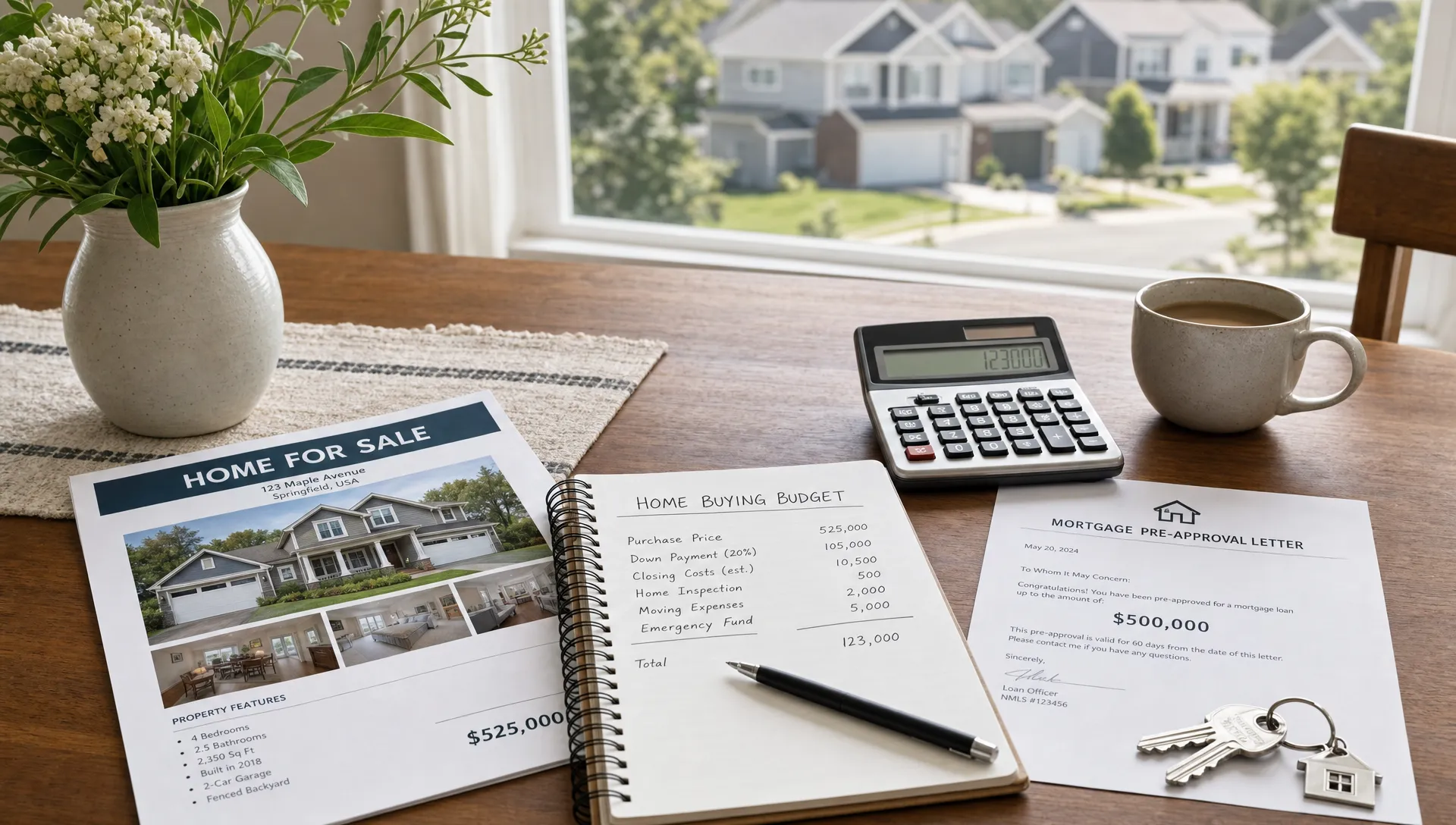
The journey usually starts with a preapproval. During preapproval, the lender reviews your income, credit, debts, assets, and VA eligibility. A strong preapproval helps you understand your price range and gives sellers more confidence in your offer.
After you find a home and sign a purchase agreement, the lender orders a VA appraisal. This appraisal is not a full home inspection. It is used to estimate market value and check whether the property meets the VA’s minimum property requirements, often called MPRs. The goal is to confirm that the home is safe, structurally sound, sanitary, and suitable for year-round living.
VA loans are intended for primary residences, not vacation homes or investment properties bought only for rental income. Occupancy rules can vary by situation, especially for active-duty buyers, deployed service members, and spouses, so it is worth reviewing the details early. For a deeper look at eligible homes and occupancy expectations, see this guide to VA property types, occupancy, and rules.
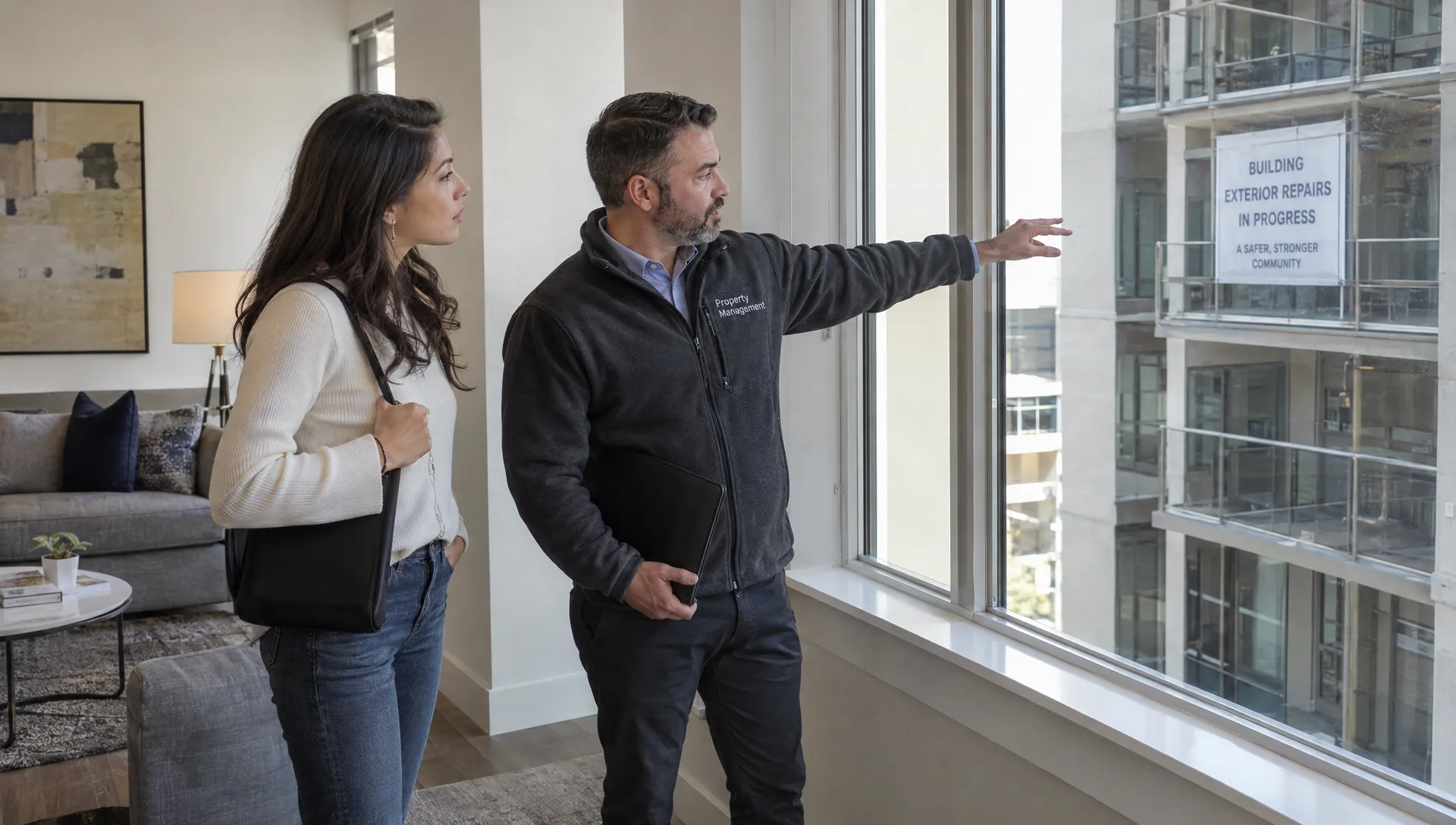
A VA appraisal can help identify major property issues, but it will not tell you everything about day-to-day comfort. Buyers should still consider a professional home inspection, neighborhood research, commute patterns, and environmental factors like nearby highways, rail lines, or industrial noise. If sound is a serious concern, resources from acoustic solutions specialists can help you understand how noise control and soundproofing are evaluated before you commit to a property.
VA Loan Costs Homebuyers Should Understand
“No down payment” does not mean “no money needed.” VA buyers may still need funds for earnest money, inspections, appraisal fees, closing costs, prepaid taxes, homeowners insurance, and moving expenses.
One VA-specific cost is the VA funding fee. This fee helps support the VA loan program and can vary based on factors such as loan type, down payment amount, and whether you have used the benefit before. Many borrowers finance the funding fee into the loan, which reduces upfront cash needs but increases the loan balance.
Some borrowers are exempt from the VA funding fee, including many veterans receiving VA disability compensation and certain surviving spouses. Because exemptions can materially change loan costs, it is important to confirm your status with your lender.
Interest rate is another major cost driver. VA loan rates are affected by market conditions, credit profile, loan size, property type, discount points, and lender pricing. The VA backs the loan, but it does not set one universal rate for every borrower. If you want to understand the moving parts, New Era Lending explains what changes your VA loan rate in more detail.

VA Loans for Current Homeowners
VA loans are not just for buying a home. Eligible homeowners may also use VA refinancing options, depending on their current mortgage, goals, equity, and financial profile.
VA Interest Rate Reduction Refinance Loan
The VA Interest Rate Reduction Refinance Loan, often called an IRRRL or VA streamline refinance, is designed for borrowers who already have a VA loan. It may help homeowners lower their interest rate, reduce monthly payments, or move from an adjustable-rate mortgage to a fixed-rate mortgage.
An IRRRL is typically simpler than a full refinance, but it still must provide a legitimate financial benefit, and closing costs still matter. A lower rate does not automatically mean the refinance is worthwhile if the costs outweigh the savings or if you plan to sell soon.
VA Cash-Out Refinance
A VA cash-out refinance can allow eligible homeowners to refinance an existing mortgage and access home equity in cash. Unlike an IRRRL, this option may be available whether the current loan is VA or non-VA, provided the borrower meets VA and lender requirements.
Homeowners often consider a cash-out refinance for debt consolidation, home improvements, major expenses, or replacing another mortgage type with VA financing. Because you are increasing or restructuring debt, it is important to compare the new monthly payment, total interest over time, closing costs, and long-term plans for the home.
Reusing a VA Loan Benefit
Many borrowers do not realize VA loan benefits can be used more than once. If you sell a home financed with a VA loan and pay off the mortgage, you may be able to restore entitlement and use the benefit again. Some borrowers may also have remaining entitlement while keeping a prior VA-financed property.
The details can get technical, especially if you have partial entitlement, an existing VA loan, or a previous VA claim. A knowledgeable lender can help calculate what is available and whether a down payment may be required.
VA Loans vs. Conventional and FHA Loans
VA loans can be the strongest option for many eligible borrowers, but the right mortgage depends on the full financial picture.
Compared with conventional loans, VA loans may offer a lower barrier to entry because they can allow no down payment and no monthly PMI. Conventional loans may be attractive for borrowers with strong credit, substantial down payment funds, or investment property goals.
Compared with FHA loans, VA loans can be appealing because FHA loans usually require both an upfront mortgage insurance premium and monthly mortgage insurance. FHA may still be useful for some non-VA-eligible borrowers or specific credit scenarios.
The best choice depends on your eligibility, credit profile, income, assets, property type, loan size, and how long you expect to keep the mortgage. The smartest move is to compare options side by side rather than assuming one program is automatically best.
Common VA Loan Myths
VA loans are widely used, but myths can still make buyers and sellers hesitate. Understanding the reality can help you make a stronger offer and avoid unnecessary confusion.
Myth: VA loans always take longer to close. VA loans can close efficiently when the borrower, lender, real estate agent, and seller understand the process. Delays usually come from documentation gaps, appraisal repairs, title issues, or contract problems, not the VA label itself.
Myth: You can only use a VA loan once. VA loan benefits can often be used more than once. Entitlement restoration and remaining entitlement rules determine what is available.
Myth: VA buyers are weaker buyers because they may put no money down. A no-down-payment structure does not mean a borrower is unqualified. Lenders still review income, credit, assets, residual income, and debt obligations.
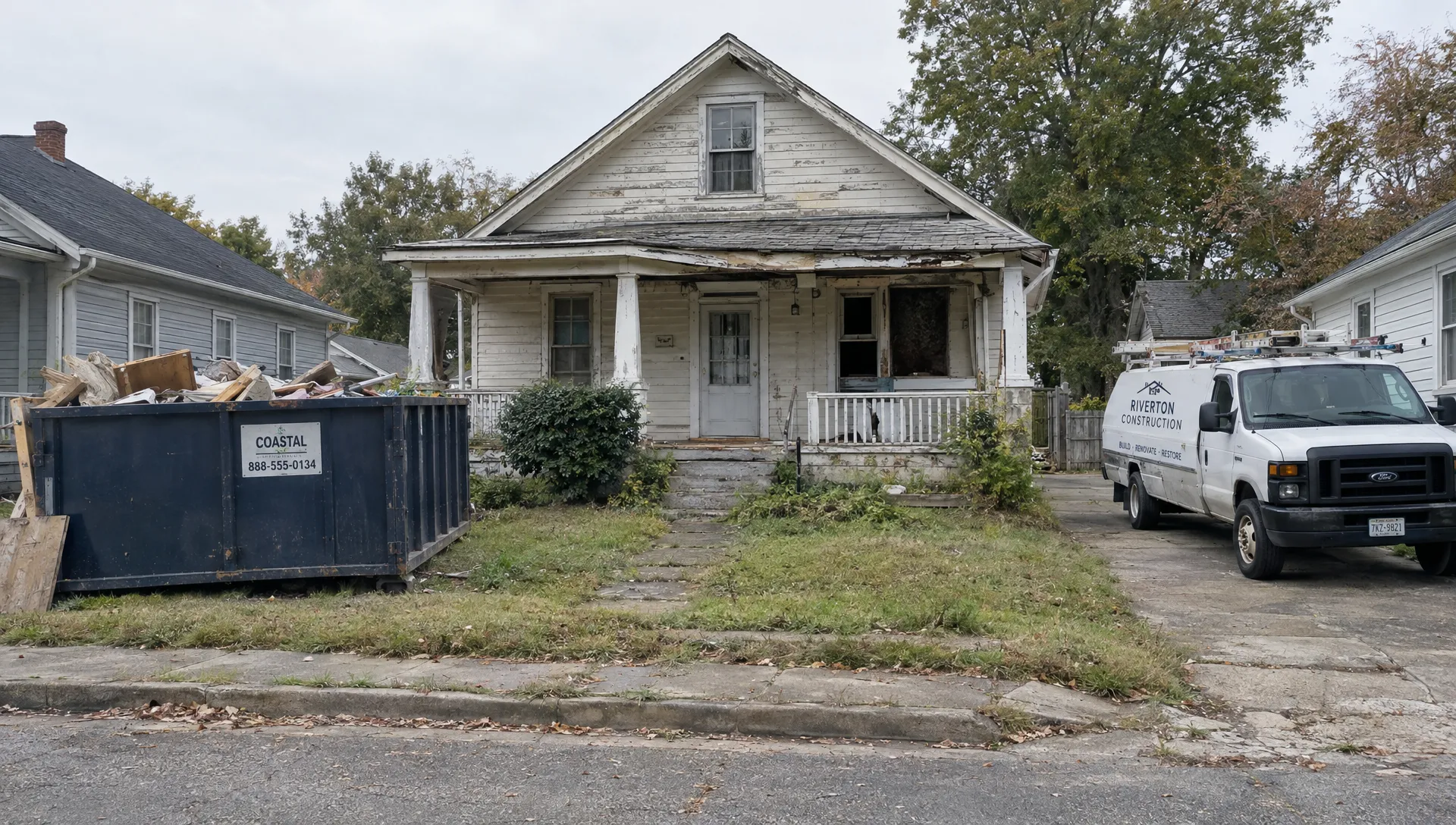
Myth: The VA requires a perfect home. The VA wants homes to meet minimum standards for safety, soundness, and sanitation. Cosmetic issues are not usually the same as serious property deficiencies, although lender and appraiser review still matters.
Practical Steps Before Applying
A little preparation can make the VA loan process smoother, whether you are buying your first home, moving to a new duty station, refinancing, or accessing equity.
- Confirm your basic eligibility: Ask your lender about obtaining your Certificate of Eligibility and gather service records if needed.
- Review your credit and debts: Check for errors, late payments, high balances, or obligations that could affect approval.
- Estimate your budget beyond the mortgage: Include taxes, insurance, utilities, maintenance, HOA dues, and commuting costs.
- Compare loan options: Look at VA, conventional, FHA, or other options when relevant, especially if you have a large down payment or unique property goals.
- Get preapproved before shopping: A preapproval helps you understand your price range and strengthens your negotiating position.
- Choose a VA-aware real estate team: Agents and lenders familiar with VA requirements can help avoid contract and appraisal surprises.
- Read your Loan Estimate carefully: Review rate, fees, cash to close, funding fee treatment, and whether you are paying points.
When a VA Loan May Not Be the Best Fit
VA loans are excellent tools, but they are not perfect for every situation. If you are buying a second home, investment property, or a property that does not meet VA standards, another loan type may be more appropriate.
A VA loan may also require extra planning if the home appraises below the contract price. The VA does allow a process called reconsideration of value in some cases, but buyers should be prepared to renegotiate, bring cash for the gap, or walk away if the numbers do not work.
For homeowners, refinancing is not automatically beneficial just because a VA option is available. The breakeven point, closing costs, new loan term, funding fee, and long-term interest cost all matter. If refinancing resets your loan to a new 30-year term, your payment might fall while your total interest cost rises.
The goal is not simply to get approved. The goal is to choose financing that supports your household, your timeline, and your long-term financial stability.
Frequently Asked Questions
Can I buy a home with no down payment using a VA loan? Many eligible borrowers with full entitlement can buy with no required down payment, as long as they qualify with the lender and the home appraises for the purchase price. Partial entitlement, appraisal gaps, or lender requirements may change the cash needed.
Do VA loans require mortgage insurance? VA loans do not require monthly private mortgage insurance. However, most non-exempt borrowers pay a VA funding fee, which can often be financed into the loan.
Can I use a VA loan for an investment property? VA loans are generally intended for primary residences. You usually cannot use a VA loan to buy a property solely as an investment, although certain multi-unit properties may be eligible if you occupy one unit as your primary home.
Can homeowners refinance with a VA loan? Yes. Homeowners with an existing VA loan may consider an IRRRL, while eligible homeowners may also explore a VA cash-out refinance depending on equity, goals, and lender requirements.
Does the VA set my mortgage rate? No. Private lenders set VA loan rates based on market conditions, borrower qualifications, loan details, and pricing strategy. Comparing offers can make a meaningful difference.
Is a VA appraisal the same as a home inspection? No. A VA appraisal estimates value and reviews minimum property requirements. A home inspection is a separate evaluation that can provide a more detailed look at the home’s condition.
Move Forward With a VA Loan Strategy That Fits
VA loans can help eligible homebuyers purchase with confidence and give homeowners flexible ways to refinance or access equity. The key is understanding how the benefit works, what costs to expect, and which option supports your real goals.
New Era Lending combines smart mortgage technology with personalized guidance to help borrowers compare options, understand requirements, and move through the process with clarity. If you are buying, refinancing, or exploring equity access, connect with a lending team that can help you evaluate your VA loan options and choose the path that makes sense for your next chapter.