.jpg)
.jpg)





.jpg)

Home Buyer Down Payment: How Much Should You Save?
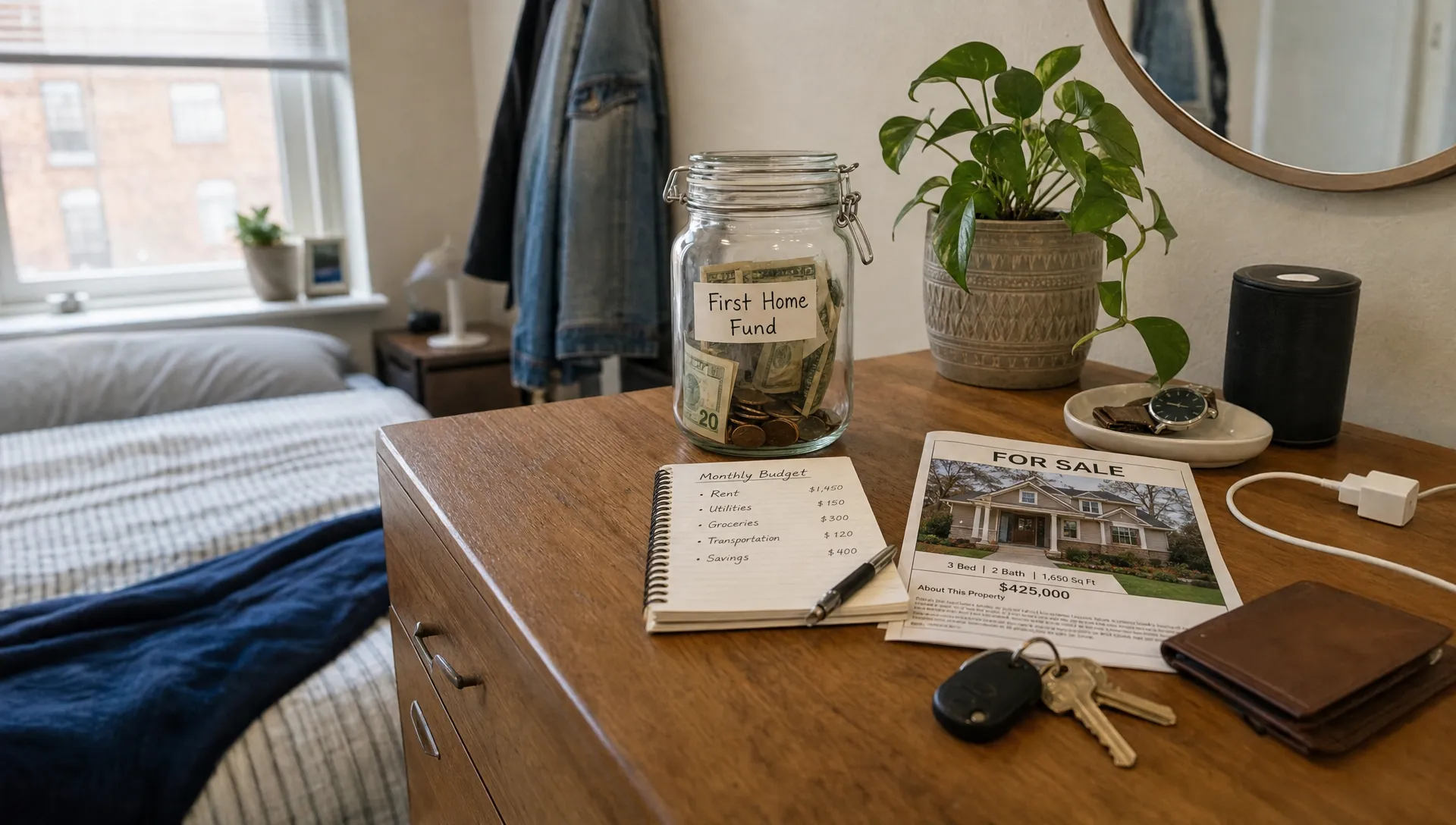
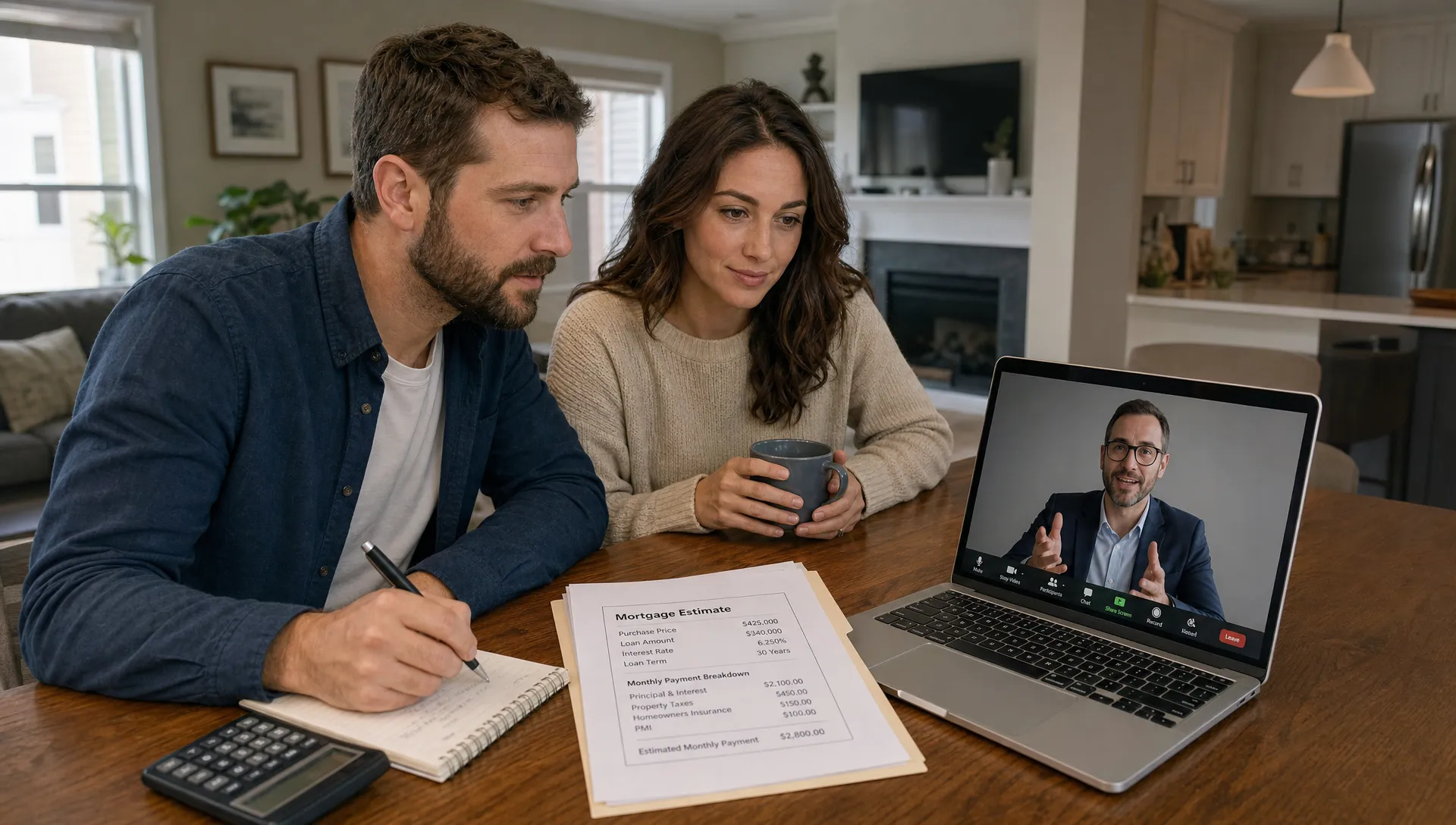
Saving for a home buyer down payment is not just about choosing a percentage of the purchase price. It is about making sure you have enough cash to close, enough money left after closing and a monthly payment that still fits your life.
Many buyers start with the same question: should I wait until I have 20% down, or buy sooner with less? The right answer depends on your loan program, income, credit profile, local home prices, closing costs and comfort level with reserves. A bigger down payment can reduce your loan amount and may lower mortgage insurance costs, but waiting too long can also mean missing a home that fits your budget today.
This guide focuses on how to set a practical savings target, not just the minimum required by a loan program.
What a home buyer down payment really needs to cover
A down payment is the part of the home price you pay upfront rather than finance through your mortgage. If you buy a $350,000 home and put 5% down, your down payment is $17,500 and the rest is covered by the loan, subject to approval and program rules.
A home buyer down payment is only one line item in the cash you need to buy a property. You also need to plan for closing costs, prepaid expenses, escrow setup, inspections, moving costs and the money you want to keep available after closing.
Down payment versus cash to close
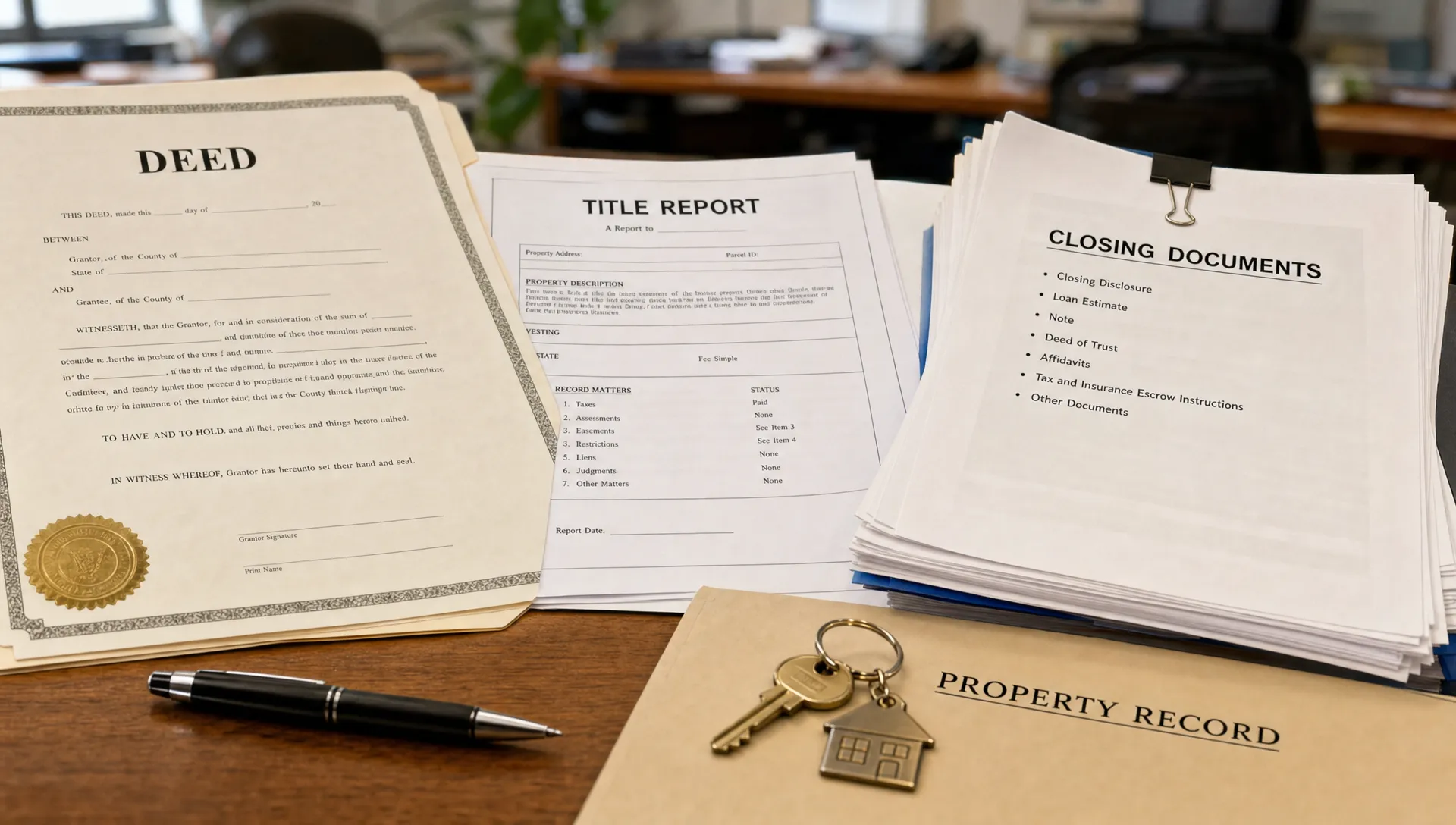
Your cash to close is the full amount you bring to the settlement table. It may include your down payment, lender fees, title charges, taxes, homeowners insurance, prepaid interest and escrow deposits. If you paid earnest money when your offer was accepted, that deposit is usually credited toward your cash to close.
The Consumer Financial Protection Bureau explains that your Loan Estimate and Closing Disclosure are designed to show these costs in a standardized format, so you can compare offers and understand what is due before closing.
The 20% myth
Putting 20% down can be useful because it often helps conventional borrowers avoid private mortgage insurance. It is not a universal requirement. Some buyers qualify with much less, and eligible VA or USDA borrowers may have no down payment requirement at all.
That does not mean the smallest possible down payment is always best. It means you should compare the total payment, upfront cash need and long-term flexibility before deciding.
Start with your target home price and loan option
Before you set a savings number, estimate the home price range you can afford. A down payment target without a price range is just a guess. If you are shopping between $300,000 and $375,000, your cash need will be very different than someone looking at $550,000 homes.
The home buyer down payment you should save also depends on the mortgage program that fits your situation. Conventional, FHA, VA and USDA loans all have different guidelines, and those guidelines can change based on credit, property type, occupancy and borrower eligibility.
| Example purchase price | Down payment percentage | Down payment amount | What to remember |
|---|---|---|---|
| $300,000 | 3% | $9,000 | May fit some conventional first-time buyer options if eligible |
| $300,000 | 3.5% | $10,500 | Common FHA minimum for qualifying borrowers |
| $300,000 | 5% | $15,000 | May lower the loan amount and improve payment flexibility |
| $300,000 | 10% | $30,000 | Can reduce monthly costs but uses more cash upfront |
| $300,000 | 20% | $60,000 | Often avoids conventional PMI, but may take much longer to save |
These examples are simple math, not a loan approval. For a deeper breakdown of program minimums, New Era Lending’s guide to minimum down payment by loan type is a helpful companion to this savings-focused article.
Build your target around payment comfort
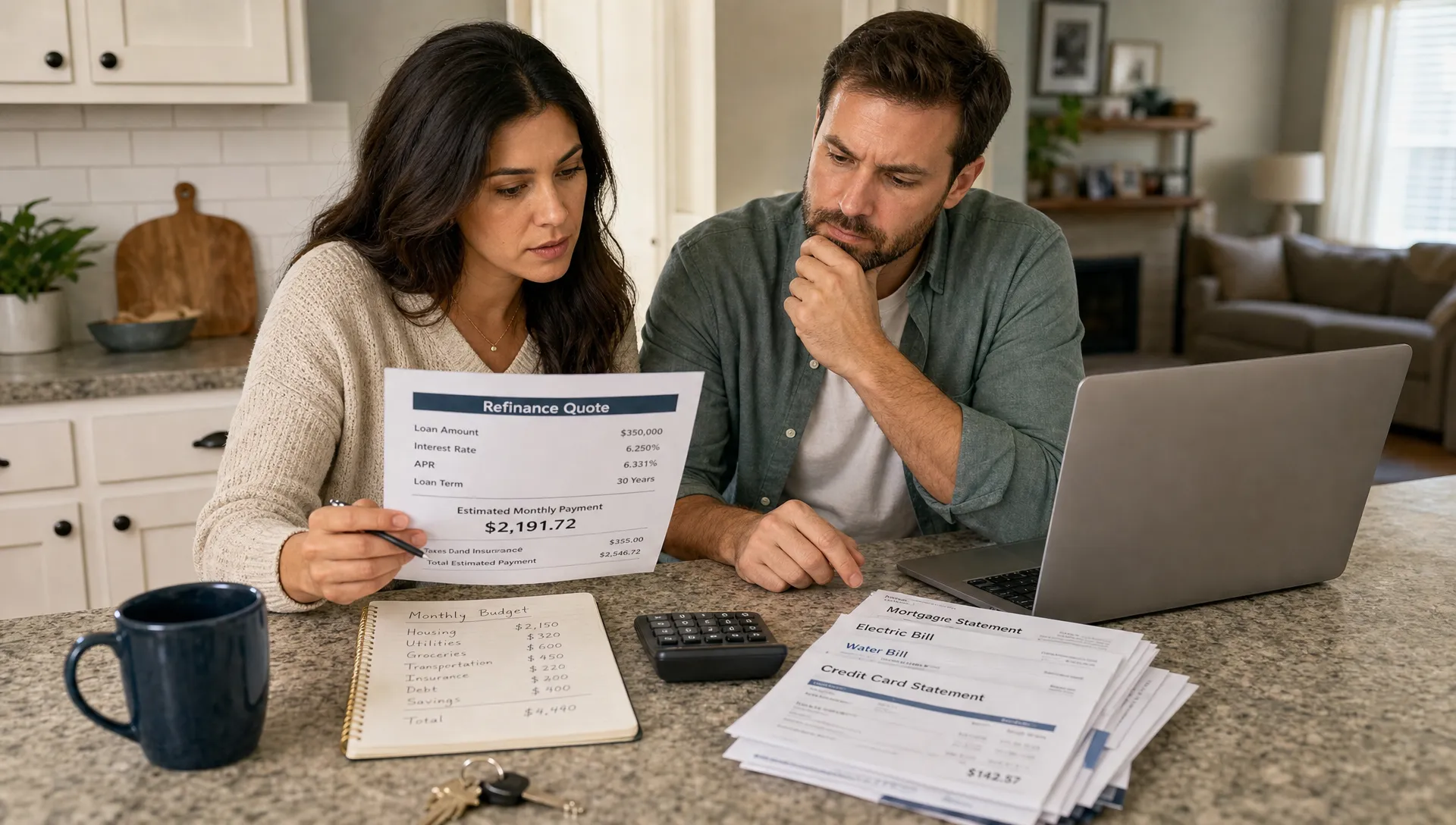
A larger down payment can reduce your monthly principal and interest payment because you borrow less. It may also reduce mortgage insurance, improve loan-to-value ratio and affect pricing. But the monthly payment is what you live with after closing, so use that as your main guardrail.
If putting more down leaves you without emergency savings, the lower payment may not be worth the financial stress. If putting less down keeps your reserves healthy and the payment is still manageable, buying sooner may be a reasonable path.
How to set a home buyer down payment goal you can afford
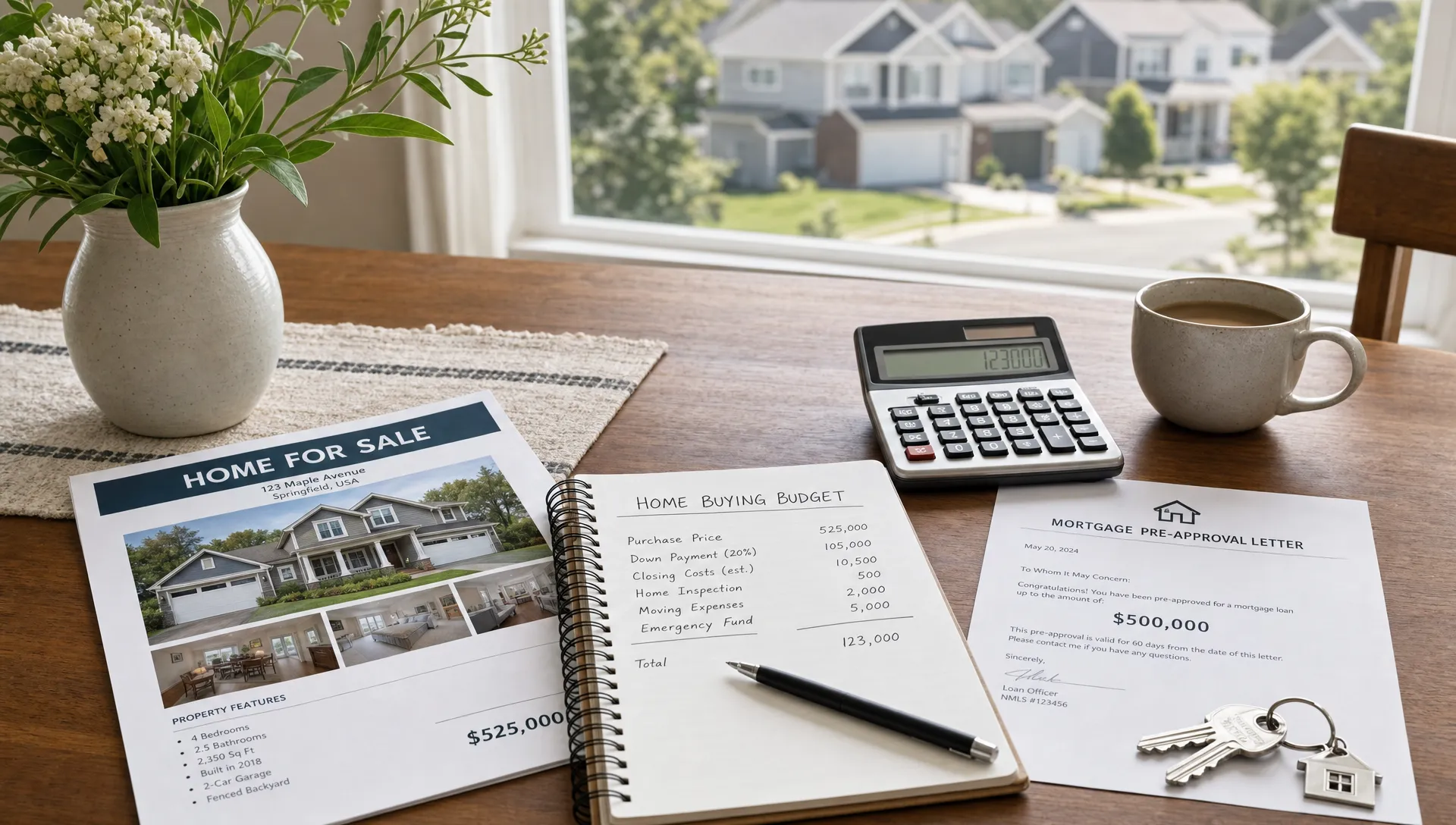
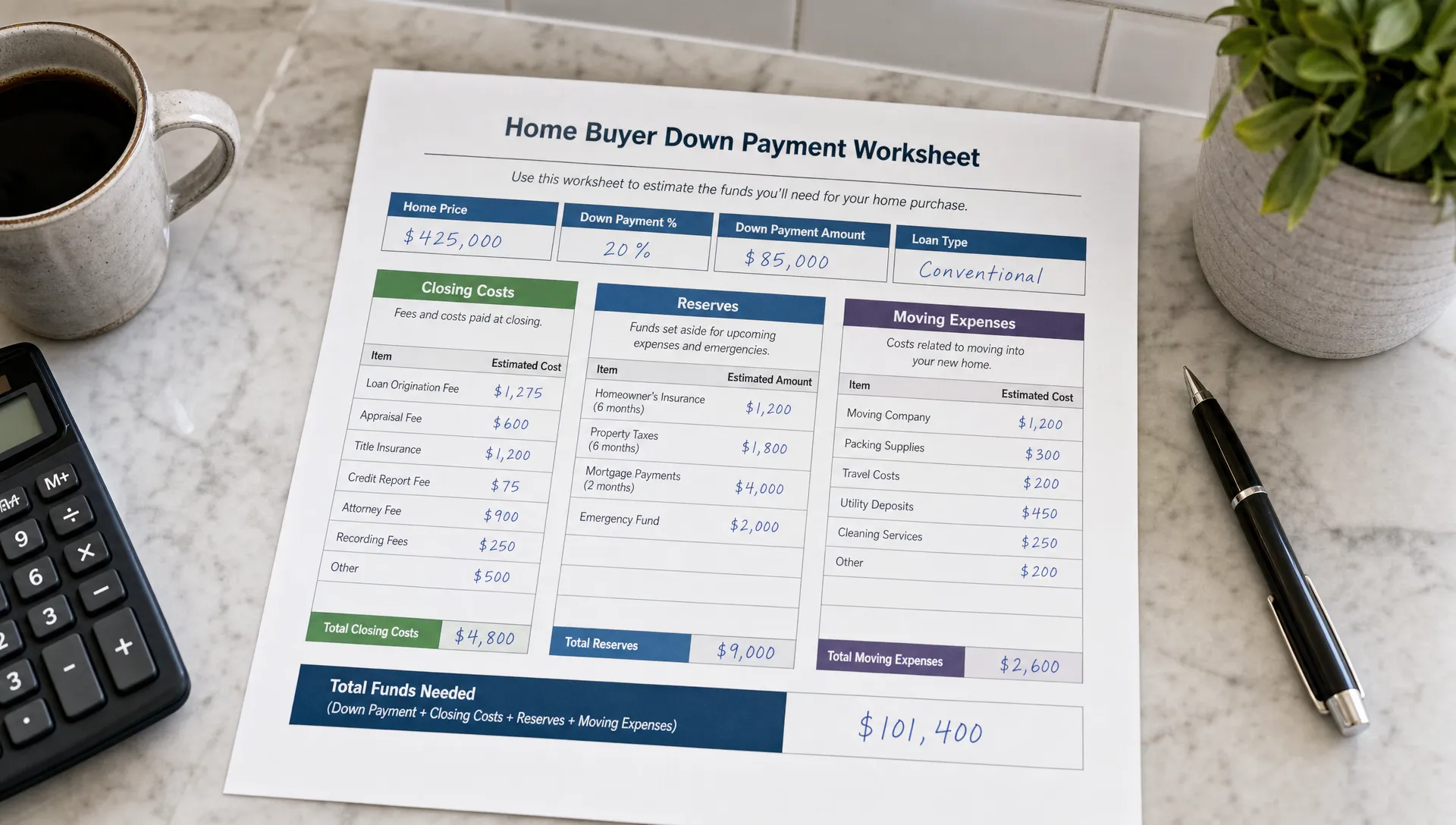
A realistic savings goal should include every major cash item connected to the purchase. A useful way to think about it is:
| Savings component | What it covers | Why it matters |
|---|---|---|
| Down payment | Your upfront equity in the home | Reduces the amount you borrow |
| Closing costs | Lender, title, recording and settlement charges | Often due at closing unless covered another way |
| Prepaids and escrow | Homeowners insurance, property taxes and prepaid interest | Helps fund required accounts at closing |
| Cash reserves | Money left in your accounts after closing | Gives you a safety net for repairs or income changes |
| Move-in buffer | Movers, utilities, furniture and small repairs | Prevents credit card debt right after buying |
A solid home buyer down payment goal accounts for all five categories, not just the percentage shown in a mortgage advertisement.
Estimate closing costs early
Closing costs vary by state, county, loan type, lender and property. Many buyers use a rough estimate early in the process, then replace it with a lender-provided estimate once they are ready to apply.
As a planning shortcut, you might test different scenarios using a down payment plus a separate closing-cost estimate. For example, if you want to buy a $325,000 home with 5% down, the down payment alone is $16,250. If your estimated closing costs and prepaids are several thousand dollars more, your true cash target may be closer to the low or mid $20,000s before you include reserves and moving costs.
Keep reserves in the plan
Reserves are not wasted money. They are what keep a new homeowner from turning every repair into a financial emergency. Even if your loan program does not require reserves, you may want to keep at least a few months of essential expenses available after closing.
Should you save more, buy sooner or use assistance?
The best answer is not always to save the largest possible amount. The best home buyer down payment is the one that supports loan approval, keeps the monthly payment comfortable and leaves you with enough cash after closing.
When saving more can make sense
Saving more may be smart if it helps you avoid mortgage insurance, qualify for better terms, reduce your payment or compete more confidently in your local market. It can also make sense if home prices in your area are stable and you can add to your savings quickly.
The tradeoff is time. If it takes several extra years to reach a larger down payment, home prices, rents and interest rates may change along the way. No one can predict those perfectly, which is why comparing scenarios is more useful than chasing a single number.
When buying with less can make sense
Buying with a lower down payment may be reasonable if you have stable income, good credit, manageable debt and enough reserves. It can also be useful when your rent is rising and you already qualify for a payment that fits your budget.
If you are considering this route, look closely at mortgage insurance, total cash to close and how the smaller down payment changes the loan. New Era Lending explains those tradeoffs in more detail in this article on how down payment size changes your home loan.
When assistance may bridge the gap
Some buyers may qualify for grants, forgivable loans, deferred second mortgages or other assistance programs. These programs often have income limits, location rules, education requirements or occupancy requirements, so they need to be reviewed early.
If upfront cash is your main obstacle, learn how down payment assistance programs can work with common mortgage options before assuming you must save everything yourself.
A practical savings timeline for buyers
Your savings plan should become more precise as you get closer to making an offer. Early on, broad estimates are fine. As you approach preapproval and home shopping, you need documented funds, current numbers and fewer surprises.
Twelve months or more before buying
Start by choosing a price range, reviewing your credit and calculating how much you can save each month. Keep your down payment savings separate from everyday spending so it is easier to track progress.
At this stage, your home buyer down payment target may still be flexible. Focus on improving the habits that make mortgage approval easier: paying bills on time, lowering high-interest debt and avoiding unnecessary new credit.
Six months before buying
This is a good time to speak with a mortgage professional, compare loan options and narrow your savings target. You do not need to know the exact house yet, but you should understand the likely cash needed for your price range.
You should also keep your bank activity clean and easy to document. Large unexplained deposits can create extra underwriting questions, so track where money comes from and keep records for gifts, bonuses or asset transfers.
Thirty to sixty days before making offers
By the time you are actively shopping, your funds should be accessible, documented and ready. Avoid moving money around without a clear paper trail. Avoid opening new credit accounts unless your lending team has reviewed the impact.
This is also when you should revisit your comfort level. If the payment, cash to close or post-closing reserves feel too tight, adjust the price range before you fall in love with a property.
Common home buyer down payment mistakes to avoid
One common mistake is saving only the advertised down payment and forgetting about the other cash needed to close. A buyer who has exactly 3.5% saved for an FHA loan may still be short once closing costs and prepaids are included.
Another mistake is draining every available dollar to increase the down payment. A larger home buyer down payment can look good on paper, but homeownership comes with maintenance, utility setup, insurance deductibles and unexpected repairs.
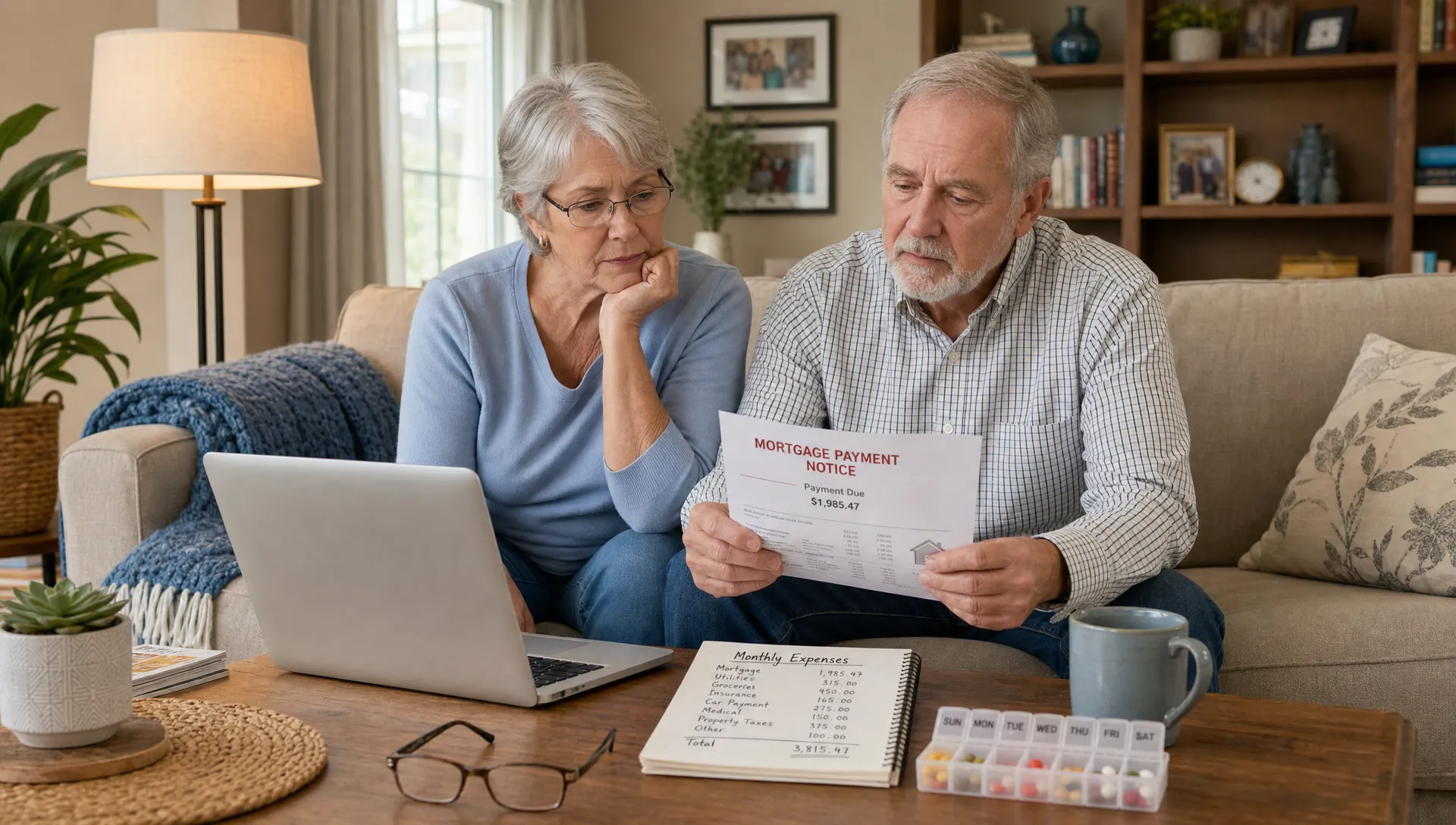
A third mistake is ignoring the monthly payment. Some buyers focus so much on the down payment that they do not fully test whether the payment fits alongside groceries, transportation, childcare, retirement savings and other real-life expenses.
Finally, do not assume all funds are treated the same. Gift funds, assistance funds, retirement account withdrawals and proceeds from selling assets can each come with rules, documentation needs or tax consequences. Review the source of funds before you rely on them.
Frequently Asked Questions
How much should I save for a home buyer down payment? Start with the down payment required for your likely loan program, then add estimated closing costs, prepaid expenses, reserves and moving costs. The right amount depends on the home price, loan type, credit profile and local costs.
Do I need 20% down to buy a home? No. Many buyers purchase with less than 20% down, and some eligible borrowers may qualify for zero-down programs. A 20% down payment can reduce certain costs, but it is not the only path to homeownership.
Should I put more down or keep more cash in savings? If a larger down payment leaves you with no emergency fund, keeping more cash available may be safer. Compare the payment difference, mortgage insurance cost and your post-closing reserves before deciding.
Can closing costs be included in my mortgage? Sometimes costs can be offset through seller credits, lender credits or certain program structures, but it depends on the loan type, property, market conditions and approval guidelines. Ask your lender to compare options before making an offer.
Turn your savings number into a mortgage plan
A savings target becomes much more useful when it is connected to a real loan scenario. New Era Lending combines smart mortgage technology with human guidance to help buyers compare options, understand cash to close and choose a path that fits their goals.
If you are deciding how much to save, connect with New Era Lending to review personalized mortgage options for purchasing a home, refinancing or accessing equity where available. The right plan can help you move forward with confidence instead of guessing at the number you need.