.jpg)
.jpg)





.jpg)

Down Payment Assistance for First Time Home Buyers: A Guide

Down payments are one of the biggest hurdles for first-time buyers, but they are also one of the most misunderstood. The good news is that in many areas, down payment assistance (DPA) programs can reduce the cash you need at closing, sometimes by thousands of dollars. The important part is knowing what type of assistance you are looking at, what the tradeoffs are, and how to stack it correctly with your mortgage.
This guide breaks down how down payment assistance for first time home buyers works, how to qualify, and how to avoid common (and expensive) surprises.
What is down payment assistance (DPA)?
Down payment assistance is funding that helps cover part of your upfront homebuying costs, usually the down payment, and in some cases, closing costs. DPA is typically offered by:
- State housing finance agencies
- Counties and cities
- Local nonprofits and community development organizations
- Employers and credit unions (in some markets)
Most programs are designed to expand homeownership access, so they often come with rules around income, purchase price, location, occupancy, and education.
Key point: DPA is not one single program. It is a category of programs with different structures, requirements, and fine print.
Are you considered a “first-time home buyer”?
Many DPA programs use the most common definition: you have not owned a primary residence in the last three years. That means some “repeat” buyers can still qualify if they have been renting for a while.
That said, every program sets its own rules. Some target true first-time buyers only, while others focus on income limits, neighborhood revitalization areas, essential workers, or buyers purchasing specific property types.
If you are early in your search, it also helps to understand the down payment basics first. New Era Lending’s article, Down Payments 101: You Have More Options Than You Think, gives a solid overview of low-down-payment loan paths.
The main types of down payment assistance (and how each one works)
When buyers hear “assistance,” they often assume it is a free grant. Sometimes it is, but often it is structured differently.
Grants
A grant is money that does not have to be repaid, as long as you meet the program rules.
What to watch:
- Grants may be limited to certain areas or income brackets.
- Some grants are paired with higher interest rates or specific loan types.
- Some “grants” can convert to repayment if you sell or refinance too soon.
Forgivable second mortgages
This is very common. The program provides DPA as a second loan that is forgiven over time (for example, after you live in the home for a set number of years).
What to watch:
- If you sell or refinance before the forgiveness period ends, you may owe some or all of the balance.
- The assistance is typically recorded as a lien, which is normal, but important to understand.
Deferred-payment second mortgages
A deferred second mortgage often requires no monthly payment, but the balance is due when you sell, refinance, or pay off the first mortgage.
What to watch:
- You still owe it eventually, so it impacts your future equity.
- It can affect refinance flexibility later.
Low-interest (or repayable) second mortgages
Some programs offer a second mortgage with a low rate and a monthly payment.
What to watch:
- This can reduce your upfront cash, but it increases your monthly obligations.
- The combined payment must still fit your budget and your debt-to-income (DTI) limits.
What DPA usually can and cannot be used for
Most programs focus on cash-to-close items, but details vary.
DPA may help pay for:
- Down payment
- Some or all closing costs (depending on the program)
- Prepaid items like homeowners insurance or initial escrow deposits (program-dependent)
DPA usually cannot be used for:
- Paying off consumer debt to qualify
- Appraisal gaps in competitive markets (unless explicitly allowed)
- Post-closing renovations (unless it is a specialized rehab program)
For a deeper look at fees and budgeting, see Closing Costs: The Fees Nobody Tells You About.
Common eligibility requirements (and why they exist)
Most down payment assistance for first time home buyers comes with guardrails. These do not exist to make things harder, they exist because the funding is limited and targeted.
Income limits
Many programs cap household income at a percentage of the local Area Median Income (AMI). The limit might change based on household size.
Purchase price limits
Some programs cap how expensive the home can be. This varies by county and is often updated annually.
Occupancy rules
Most DPA requires the home to be your primary residence, not an investment property.
Homebuyer education
A homebuyer education course is a frequent requirement, especially for first-time buyers. It can be time-consuming, but it also tends to reduce surprises during escrow.
You can also explore the federal perspective on shopping for a mortgage and understanding your options through the Consumer Financial Protection Bureau (CFPB).
How DPA works with different mortgage types
Your DPA options often depend on the first mortgage you choose. Some programs are designed specifically around certain loan types.
FHA + DPA
FHA loans are commonly paired with DPA because FHA allows low down payments and can be more flexible with credit. However, FHA also includes mortgage insurance rules that affect the overall monthly payment.
If you want the details, New Era Lending breaks it down in FHA vs. Conventional Loans: Which One Is Right for You?.
Conventional + DPA
Conventional mortgages can work well with DPA, particularly if you have stronger credit. Some conventional options allow low down payments, but DPA program rules may add steps and extra documentation.
VA loans (for eligible veterans and service members)
Many VA borrowers already have a $0 down option, but DPA can still matter if a program allows funds to be used toward closing costs, prepaid items, or to preserve savings.
If you are eligible, it is worth reading How Veterans Can Optimize Every Benefit They’ve Earned.
USDA loans (rural eligible areas)
USDA loans can be another $0 down pathway in eligible areas, and some state or local programs may layer additional assistance. USDA comes with location and income requirements, so it is very scenario-specific.
The real tradeoffs to understand before you say “yes” to assistance
DPA can be a smart move, but you should understand the costs and constraints.
1) Your interest rate may differ
Some assistance programs require using a particular lender channel, product, or rate structure. That does not automatically mean it is bad, but it does mean you should compare:
- Monthly payment with DPA vs without DPA
- Total cash to close
- Long-term cost if you stay in the home for 5 to 10 years
2) You may have a lien or repayment trigger
Forgivable and deferred second mortgages are common. Ask:
- When does it get forgiven (if forgivable)?
- What happens if you refinance?
- What happens if you sell?
3) Timelines can be tighter
Some programs have funding windows and reservation processes. In competitive markets, timing matters.
4) You still need reserves and a realistic budget
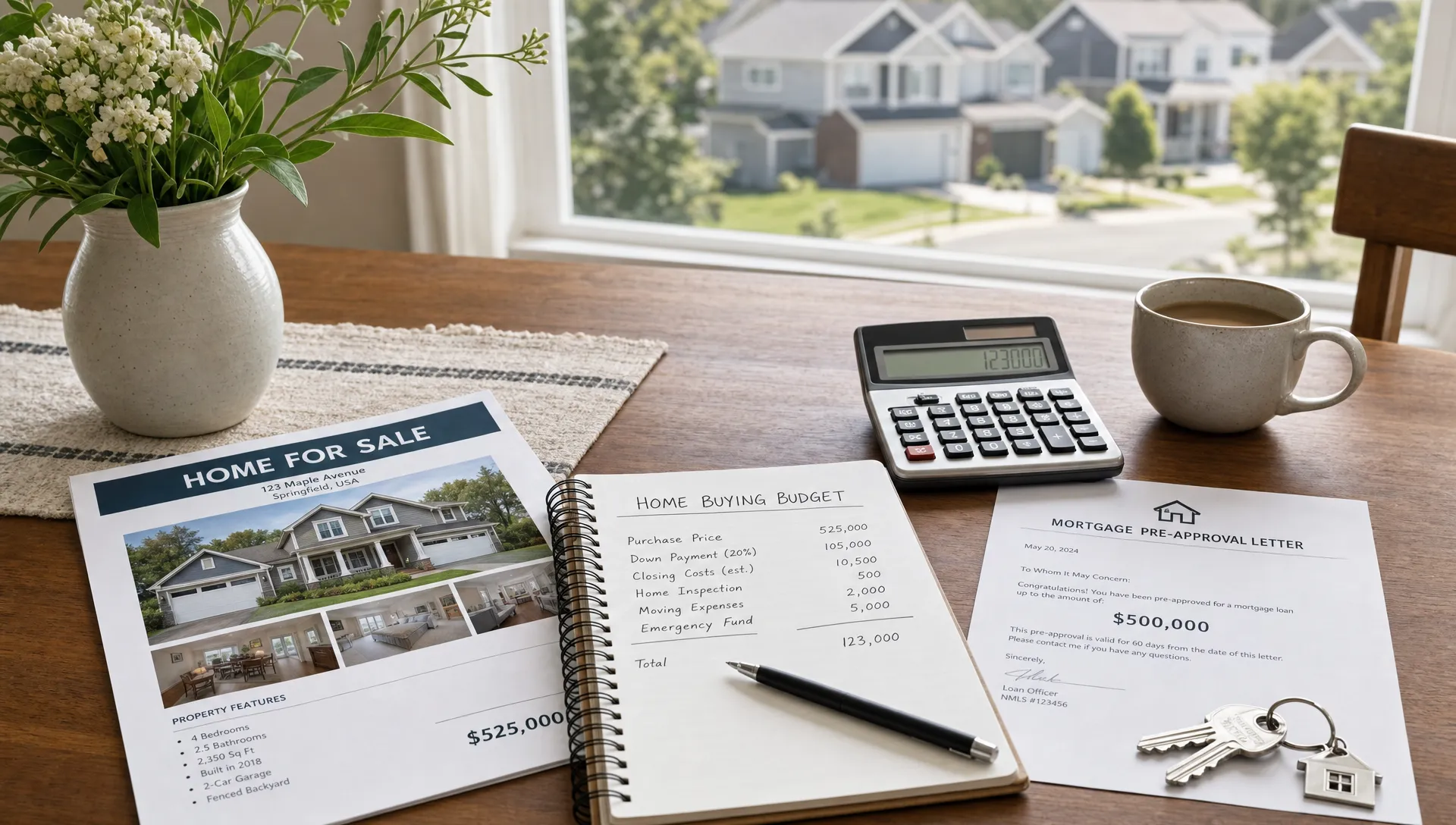
Even with assistance, you will likely need funds for inspections, moving, utilities, and emergency savings after closing.
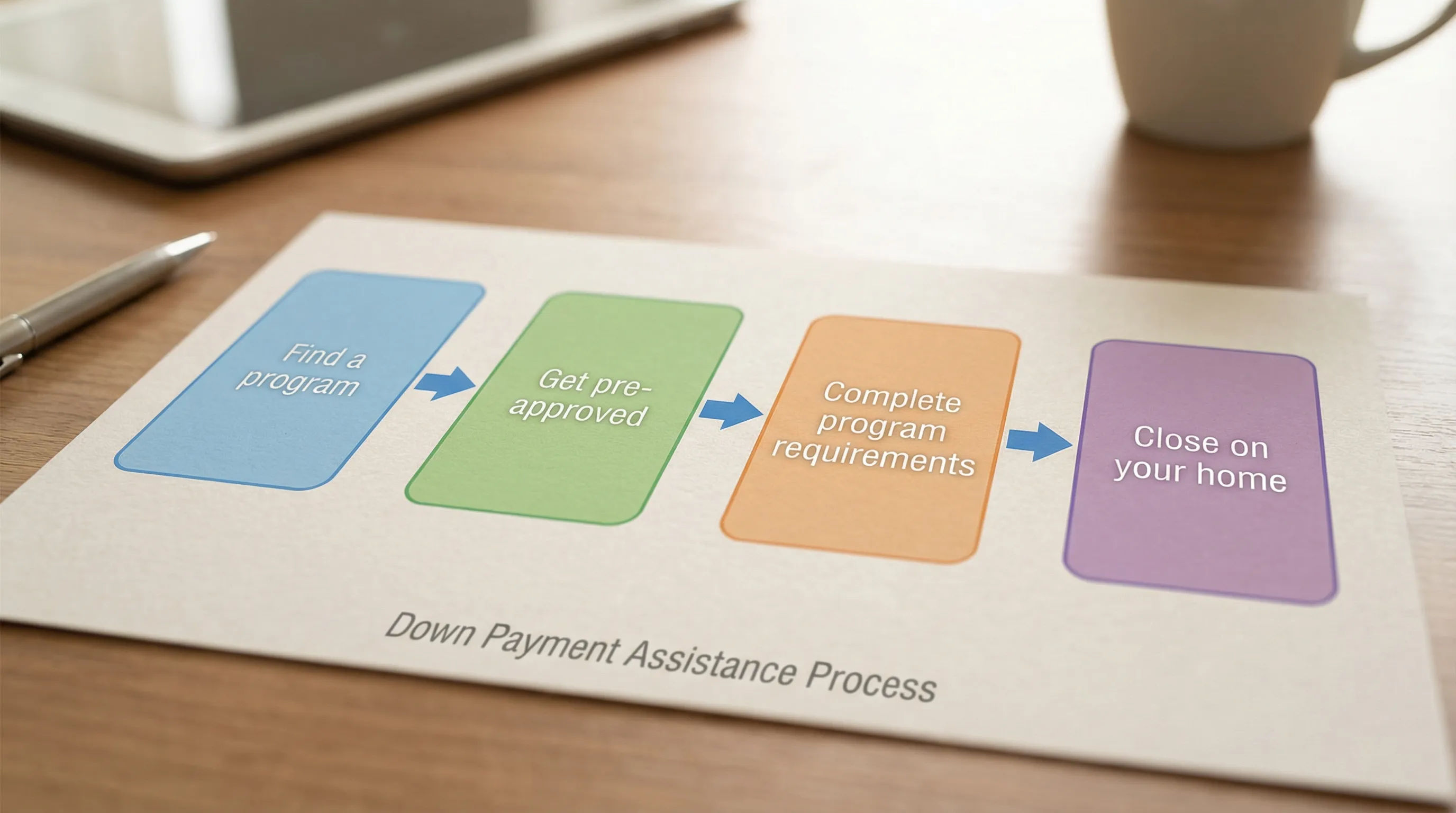
Step-by-step: how to apply for down payment assistance
Different programs have different workflows, but most follow a similar path.
Start with pre-approval (before house hunting)
Pre-approval helps you estimate what you can afford and confirms you are eligible for the underlying mortgage. It also makes it easier to shop DPA programs because you will know your approximate price range.
New Era Lending’s first-time buyer article, 5 Things Every First-Time Buyer Should Know Before They Start, explains why this step reduces stress and prevents costly surprises.
Identify programs that match your situation
The best-match program depends on:
- Where you are buying
- Household income and size
- Whether you are truly a first-time buyer by that program’s definition
- The property type (single-family, condo, multi-unit, etc.)
- The loan type you are using
A reputable place to start for many buyers is HUD’s local homebuying resources, including your state housing agency. See the HUD directory.
Confirm the program’s fine print
Before you commit, ask for written details on:
- Maximum assistance amount
- Repayment or forgiveness terms
- Education and counseling requirements
- Property eligibility rules
- Whether funds can be used for closing costs
Complete your program requirements early
If a course or counseling session is required, schedule it as early as possible. This avoids delays once you are under contract.
Close with the right documentation
Expect additional disclosures and verification steps compared to a standard loan.

Documents you will likely need (prepare these upfront)
Having these ready can speed up both mortgage approval and DPA approval:
- Recent pay stubs and W-2s (or self-employed income documents)
- Federal tax returns (often the last 1 to 2 years, program-dependent)
- Bank statements showing available funds and deposits
- Photo ID
- Signed purchase contract (once you are under contract)
- Homebuyer education certificate (if required)
If you are self-employed, documentation can be more nuanced. New Era Lending’s guide, How to Qualify For a Self-Employed Mortgage Loan, is a helpful prep resource.
Special note: nontraditional housing (including container-based builds)
Some first-time buyers look beyond standard single-family homes, especially in high-cost markets. If you are considering a modular or container-based project, two things matter:
- Financing eligibility: Many DPA programs and mortgage products require specific property standards and may not allow certain construction types.
- Budget clarity: Even if the structure is affordable, site work, utilities, permits, and foundation costs can change the economics fast.
If you are pricing out materials or storage during a build, a supplier that lets you buy shipping containers online can help you understand real delivered costs, but confirm early whether your lender and assistance program can support the property type you want to purchase.
Frequently Asked Questions
How much down payment assistance can a first-time buyer get? Amounts vary widely by state, county, and program funding. Some offer a few thousand dollars, others provide a percentage of the purchase price or a capped amount based on local rules.
Is down payment assistance free money? Sometimes it is a true grant, but many programs are forgivable or deferred loans. Always ask when repayment is triggered and whether refinancing affects forgiveness.
Can I use down payment assistance for closing costs too? Some programs allow it, others restrict funds to the down payment. You may also be able to use seller credits (if negotiated) to help with closing costs.
Will down payment assistance slow down my closing? It can, especially if there is a separate approval process, a required education course, or limited funding windows. Starting early and staying organized helps.
Can I combine down payment assistance with FHA or conventional loans? Often yes, but it depends on the specific DPA program. Some programs are designed to pair with FHA or certain conventional products, while others have strict requirements.
Get matched with a DPA strategy that fits your budget
Down payment assistance can be a powerful tool, but the best program is the one that fits your location, timeline, and long-term plans, not just the one with the biggest headline number.
If you want help evaluating options, New Era Lending can guide you through a modern mortgage process with personalized support, transparent terms, and secure digital tools like document upload and e-signature. Start by getting clarity on your numbers and your eligibility, then build a plan to buy with confidence.
Explore your next step at New Era Lending.