.jpg)
.jpg)





.jpg)

Lower Down Payment Mortgage Options to Consider

A 20% down payment can be helpful, but it is not the only path to homeownership. Many buyers qualify for a lower down payment mortgage that lets them purchase sooner, preserve cash reserves, or keep money available for moving costs and early home repairs.
The key is knowing which low down payment option fits your profile. A smaller down payment can change your monthly payment, mortgage insurance, loan approval strength, and long-term cost. In other words, the best option is not always the one with the lowest cash required at closing. It is the one that balances affordability, eligibility, and future flexibility.
Below are the main lower down payment mortgage options to consider in 2026, plus the tradeoffs to review before you apply.
What Counts as a Lower Down Payment Mortgage?
In practical terms, a lower down payment mortgage usually means a home loan requiring less than 20% down. Many common programs allow 0% to 5% down for eligible buyers, while others may require more depending on the property type, credit profile, occupancy, and loan size.
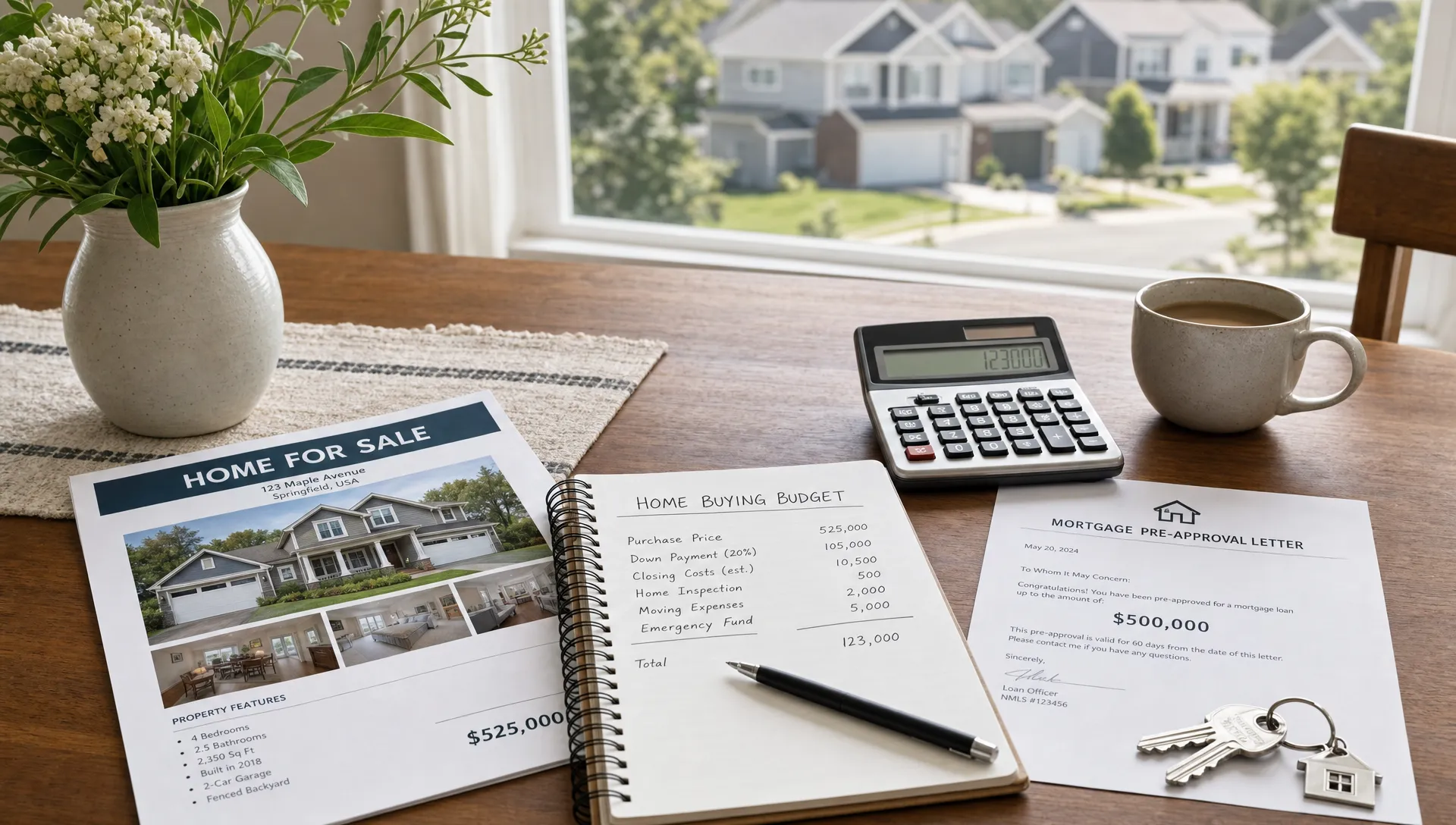
It is also important to separate your down payment from your total cash to close. Your down payment goes toward the purchase price. Your cash to close can also include lender fees, title fees, escrow deposits, prepaid taxes, homeowners insurance, appraisal costs, and other closing expenses. A buyer using a 3% down loan still needs to plan for these additional costs unless they are covered through seller credits, lender credits, gift funds, or assistance programs.
If you are still deciding how much to put down, New Era Lending’s guide on what down payment you need for a mortgage loan explains how minimums vary by program and borrower profile.
Conventional Loans With as Little as 3% Down
A conventional loan is not backed by a government agency, but certain conventional programs allow eligible buyers to purchase with as little as 3% down. These programs are often attractive for borrowers with steady income, acceptable debt-to-income ratios, and stronger credit.
Common 3% down conventional paths may include first-time buyer programs and affordable lending options such as Fannie Mae HomeReady or Freddie Mac Home Possible. Eligibility can depend on income limits, property type, first-time buyer status, homebuyer education requirements, and underwriting factors. Program rules can change, so it is worth confirming details with a mortgage professional before making an offer.
The biggest advantage of a low down payment conventional loan is that private mortgage insurance, or PMI, may be removable later if you meet equity and payment-history requirements. That can make conventional financing appealing for buyers who expect their income or equity position to improve over time.
The main tradeoff is pricing. With less money down, your loan-to-value ratio is higher, which can affect mortgage insurance cost and sometimes the rate. A 3% down conventional loan may be a strong fit if your credit profile is solid and you want a path to canceling PMI in the future.
FHA Loans With 3.5% Down
FHA loans are government-insured loans designed to make home financing more accessible. For many buyers, FHA is one of the most flexible lower down payment mortgage options because it can be more forgiving of lower credit scores or higher debt-to-income ratios than some conventional programs.
The standard FHA minimum down payment is often 3.5% for borrowers who meet the applicable credit requirements. According to the U.S. Department of Housing and Urban Development, FHA loans are intended for owner-occupied properties and must meet FHA underwriting and property standards.
FHA can be especially useful for first-time buyers, buyers rebuilding credit, or buyers whose monthly debt profile does not fit neatly into conventional underwriting. However, FHA loans come with mortgage insurance premiums, including an upfront mortgage insurance premium and annual mortgage insurance paid monthly. Depending on the down payment and loan term, FHA mortgage insurance can last for a long time, sometimes for the life of the loan.
That does not make FHA a bad option. It simply means you should compare the full payment and long-term cost against conventional alternatives. For some buyers, FHA makes homeownership possible sooner. For others, a conventional loan with PMI may be less expensive over time.
For a deeper comparison, review New Era Lending’s guide to FHA vs. conventional loans.
VA Loans With Potentially 0% Down
For eligible veterans, active-duty service members, certain National Guard or Reserve members, and eligible surviving spouses, a VA loan may offer one of the strongest low down payment paths available. VA loans can allow 0% down, and they do not require monthly mortgage insurance.
The VA home loan benefit is provided through private lenders and backed by the Department of Veterans Affairs. The VA purchase loan program can help eligible borrowers buy a primary residence with favorable terms, subject to lender underwriting, entitlement, and property requirements.
VA loans may include a VA funding fee unless the borrower qualifies for an exemption. Even with that fee, the lack of monthly mortgage insurance can make VA financing very competitive compared with other low down payment options.
The biggest considerations are eligibility, occupancy, property condition, and seller acceptance in your local market. VA appraisals include property standards, so homes needing major repairs may require more planning. Still, for eligible borrowers, VA financing is often worth reviewing first.
New Era Lending offers specialized veteran loan guidance and can help compare VA options with conventional, FHA, or other programs when more than one path is available.
USDA Loans With Potentially 0% Down
USDA loans are another potential 0% down option, but they are location and income based. They are designed to support homeownership in eligible rural and some suburban areas. Many buyers are surprised to learn that eligible areas can include communities outside major metro centers, not only remote farmland.
USDA loans generally require the home to be in an eligible area and the household to meet income limits. The USDA provides an eligibility tool that can help buyers check property and income requirements.
USDA loans can be appealing because they may require no down payment and can offer competitive terms for qualified borrowers. However, they include guarantee fees, and processing timelines may vary depending on the transaction and local requirements.
A USDA loan may be worth considering if you are open to eligible locations, your household income fits within program limits, and you want to minimize upfront cash without using a VA loan.
Down Payment Assistance Programs
Down payment assistance, often called DPA, can help reduce the cash required to buy a home. These programs may come from state housing finance agencies, local governments, nonprofit organizations, employers, or community programs.
Assistance can take several forms. Some programs offer grants that do not have to be repaid if conditions are met. Others provide forgivable second mortgages, deferred-payment second mortgages, or low-interest second loans. In many cases, assistance can be paired with FHA, conventional, VA, or USDA financing, but rules vary widely.
DPA can be powerful, but it is not free in every situation. Some programs have income limits, purchase price limits, location requirements, homebuyer education requirements, occupancy rules, or repayment triggers if you sell or refinance too soon. Some may also come with a slightly higher first mortgage rate, which is why the monthly payment and long-term cost matter.
If you are a first-time buyer or have limited savings, start with New Era Lending’s down payment assistance guide to understand how grants, forgivable loans, and deferred seconds typically work.
Gift Funds From Family or Approved Donors
Gift funds can help eligible buyers cover part or all of a down payment, depending on the loan program. They are common for first-time buyers who have stable income but need help getting across the cash-to-close finish line.
Lenders usually require documentation showing that the money is a true gift, not an undisclosed loan. That often means a signed gift letter, evidence of the donor’s ability to give the funds, and a paper trail showing the transfer. Requirements differ by program, so do not move large sums of money without first asking your loan officer how to document it correctly.
Gift funds can be especially useful when combined with a 3% conventional loan or a 3.5% FHA loan. However, your lender still has to verify that your full loan file meets underwriting standards, including income, credit, debt, assets, and property requirements.
Seller Credits and Lender Credits
Seller credits and lender credits do not usually reduce the down payment requirement itself, but they can reduce the amount of cash you need for closing costs. That distinction matters.
A seller credit is when the seller agrees to pay a portion of your allowable closing costs. A lender credit is when the lender helps offset closing costs, often in exchange for a higher interest rate. Both can make sense in the right situation, especially when preserving cash is more important than getting the lowest possible rate.
For example, a buyer with enough money for the down payment but limited extra savings may use a seller credit to cover title fees, prepaid taxes, or insurance costs. This can help the buyer keep emergency reserves after closing.
Credits have limits, and the rules vary by loan type, down payment size, occupancy, and transaction structure. They also need to be negotiated and disclosed properly, so involve your lender and real estate agent early.
Why Keeping Cash After Closing Matters
A lower down payment mortgage can help you buy sooner, but one of its biggest benefits is often overlooked: it may help you avoid becoming house poor on day one.
New homeowners often face expenses shortly after moving in. You may need appliances, furniture, utility deposits, minor repairs, landscaping, security upgrades, or safety improvements. If a home needs a yard upgrade, for example, buyers in southern Idaho may want to compare estimates from a Twin Falls fencing contractor before deciding how much cash to preserve for post-closing projects.
The goal is not to borrow more just because you can. The goal is to choose a mortgage structure that leaves you with a safe financial cushion. A buyer who puts every available dollar into the down payment may get a slightly lower monthly payment, but they may also be vulnerable to a surprise repair or income disruption.
How to Compare Low Down Payment Options
When comparing lower down payment mortgage options, do not stop at the minimum down payment. A loan with less cash up front can cost more monthly, while a loan with more cash down can leave you with fewer reserves. The right answer depends on your budget, timeline, and risk tolerance.
Focus on these comparison points:
- Total cash to close: Include down payment, closing costs, prepaid items, escrow deposits, and any assistance or credits.
- Full monthly payment: Look at principal, interest, taxes, homeowners insurance, mortgage insurance, HOA dues, and any second mortgage payment.
- Mortgage insurance rules: Ask whether the insurance can be removed, how long it may last, and what you would need to do to eliminate it.
- Interest rate and APR: Compare both, but make sure each quote uses the same loan amount, term, points, credits, and lock assumptions.
- Property requirements: FHA, VA, and USDA loans may involve specific appraisal or condition standards.
- Future flexibility: Consider whether you might refinance, sell, convert the home to a rental, or need cash for repairs within a few years.
The Loan Estimate is the best document for comparing offers because it standardizes many of the key numbers. You can also ask your lender for side-by-side scenarios showing 3%, 5%, 10%, and 20% down if you have enough savings to choose among them.
When a Lower Down Payment Mortgage Makes Sense
A low down payment loan may make sense when buying sooner is financially responsible and the monthly payment is comfortable. This is often the case for buyers with stable income, manageable debts, good emergency savings, and a clear plan for homeownership costs.
It can also make sense when rent is rising, home prices are moving faster than savings, or waiting to save 20% would delay ownership for several years. In that situation, a lower down payment may help you enter the market while preserving cash for reserves.
Lower down payment options can also be useful for buyers who have cash but do not want to tie all of it up in home equity. Liquidity has value. Once money is put into a down payment, accessing it later may require a refinance, HELOC, home equity loan, or sale.
When You May Want to Put More Down or Wait
A lower down payment is not always the right move. If the payment feels tight, mortgage insurance pushes your budget too high, or you would have no emergency fund after closing, it may be better to wait or consider a lower purchase price.
You may also want to put more down if it helps you qualify, lowers your debt-to-income ratio, improves pricing, or makes your offer stronger in a competitive market. In some cases, increasing the down payment from 3% to 5% or 10% can meaningfully change mortgage insurance costs or underwriting strength.
The best decision comes from modeling real scenarios instead of relying on rules of thumb. A lender can help show how different down payments affect monthly payment, cash to close, mortgage insurance, and long-term cost.
Steps to Take Before You Apply
Before choosing a lower down payment mortgage, get clear on your numbers. Review your credit, estimate your monthly comfort zone, and calculate how much cash you want left after closing. Then get pre-approved before you start shopping seriously.
New Era Lending combines smart mortgage technology with personalized human guidance to help buyers compare loan options, upload documents securely, review transparent rates and terms, and move through the process with confidence. Because loan rules, assistance programs, and pricing can vary by borrower and state, personalized guidance matters.
A good pre-approval should do more than tell you a maximum purchase price. It should help you understand your best-fit program, your estimated cash to close, your payment range, and any documentation issues to solve before you make an offer.
Frequently Asked Questions
Can I buy a house with less than 20% down? Yes. Many buyers purchase with less than 20% down. Depending on eligibility, options may include 3% down conventional loans, 3.5% down FHA loans, 0% down VA loans, 0% down USDA loans, or down payment assistance programs.
Is a lower down payment mortgage more expensive? It can be. A smaller down payment usually means a larger loan amount, and it may include mortgage insurance or guarantee fees. However, it may also help you preserve cash reserves, which can be valuable after closing.
Is FHA better than conventional for a low down payment? Not always. FHA may be better for buyers who need more credit or debt-to-income flexibility. Conventional may be better for buyers with stronger credit who want a potential path to remove PMI. The best choice depends on your full profile.
Can down payment assistance cover my entire down payment? Sometimes, but not always. Assistance programs vary by location, income, loan type, and funding availability. Some cover only part of the down payment or closing costs, while others may cover a larger amount if you meet all requirements.
Will sellers accept an offer with a low down payment loan? Many do, especially when the buyer has a strong pre-approval, clean documentation, and a realistic closing timeline. Offer strength depends on more than down payment size, including appraisal risk, contingencies, financing certainty, and local market conditions.
Find the Right Low Down Payment Path
Lower down payment mortgage options can make homeownership more accessible, but the details matter. The right loan should fit your cash-to-close target, monthly budget, credit profile, property goals, and long-term plans.
If you are comparing FHA, conventional, VA, USDA, or assistance programs, New Era Lending can help you review personalized scenarios and understand the tradeoffs before you commit. With modern tools, secure document uploads, e-signature support, transparent terms, and experienced human guidance across 39 states, you can move forward with more clarity and confidence.
Start by getting a personalized mortgage review from New Era Lending and see which lower down payment options may fit your next home purchase.