.jpg)
.jpg)





.jpg)

What Down Payment Do You Need for a Mortgage Loan?

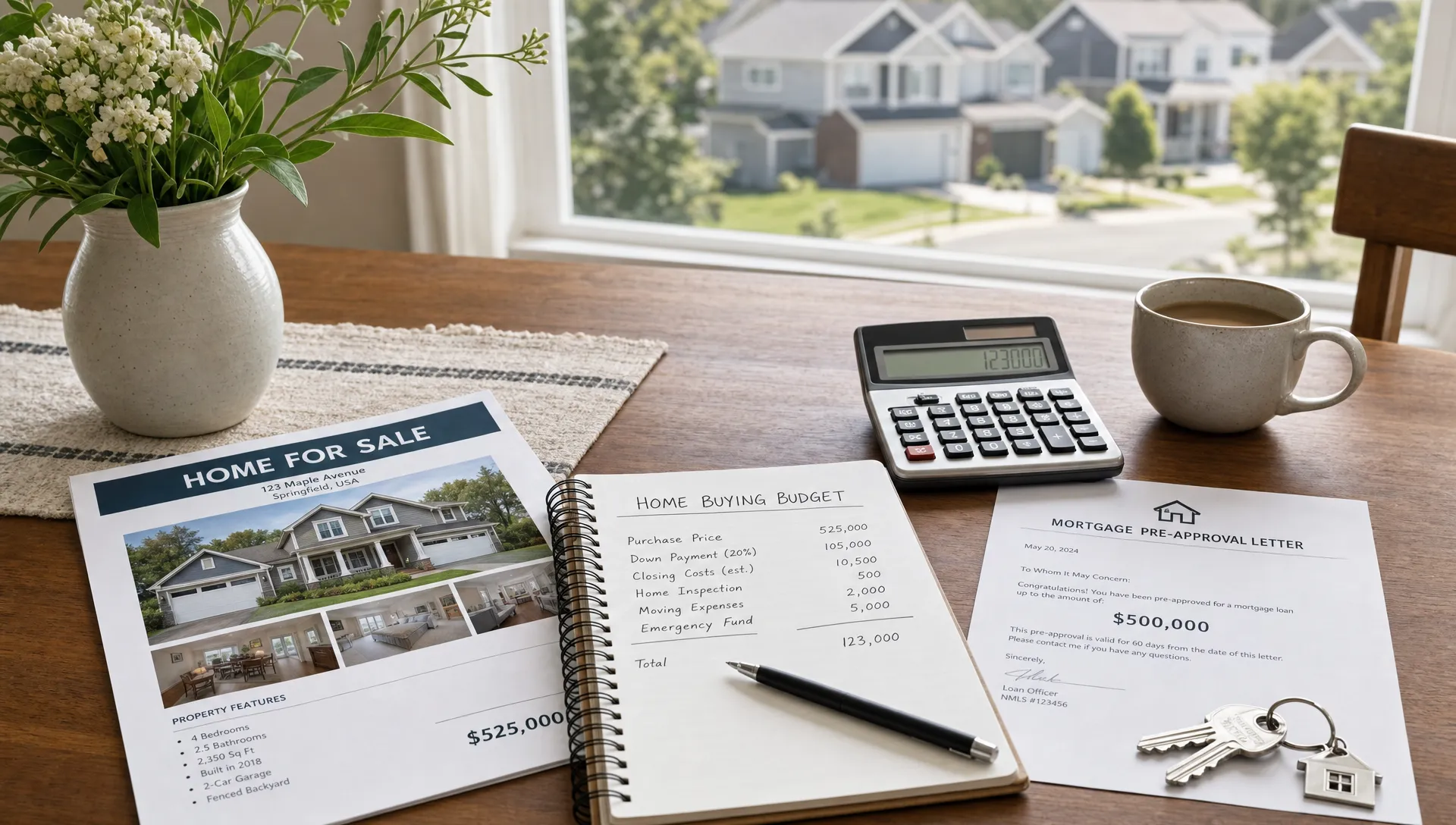
The down payment you need for a mortgage loan depends on the loan program, your credit profile, the property type, and your overall financial picture. The good news is that 20% down is not required for many buyers. Some qualified borrowers may be able to buy with 3%, 3.5%, or even 0% down, depending on eligibility.
But the better question is not always, “What is the minimum?” It is, “What down payment helps me get approved, keep my payment comfortable, and avoid draining my savings?”
Below is a plain-English guide to how down payments work, what different loan types may require, and how to decide what is right for your mortgage loan.
What Is a Down Payment on a Mortgage Loan?
A down payment is the portion of the home’s purchase price you pay upfront from your own approved funds. The rest is financed through your mortgage.
For example, if you buy a $400,000 home and put $20,000 down, your down payment is 5% and your starting loan amount is about $380,000 before any program-specific financed fees.
In simple terms:
Purchase price minus down payment equals loan amount.
Your down payment also affects your loan-to-value ratio, usually called LTV. LTV compares the loan amount to the property value. A larger down payment creates a lower LTV, which can influence loan eligibility, mortgage insurance, pricing, and sometimes how strong your offer looks to a seller.
One important detail: lenders usually base LTV on the lower of the purchase price or appraised value. If the appraisal comes in lower than the contract price, you may need to bring more cash, renegotiate, or adjust the loan structure.
The Short Answer: Common Minimum Down Payments by Loan Type
Minimum down payments vary by program, and lender requirements can differ. Still, these are common starting points many borrowers see:
- Conventional loan: As low as 3% down for certain eligible borrowers, with 5% down common for many buyers.
- FHA loan: As low as 3.5% down if you meet FHA credit requirements, with higher down payment requirements for lower credit scores.
- VA loan: 0% down may be available for eligible veterans, active-duty service members, and certain surviving spouses.
- USDA loan: 0% down may be available for eligible rural or suburban properties and income-qualified borrowers.
- Jumbo loan: Often 10% to 20% or more, depending on the lender, loan size, credit, reserves, and property.
- Investment property loan: Often 15% to 25% or more, depending on property type and loan program.
These are only general guidelines. Your actual requirement can change based on credit score, debt-to-income ratio, occupancy, income documentation, reserves, and the home itself.
Why 20% Down Still Matters, Even If It Is Not Required
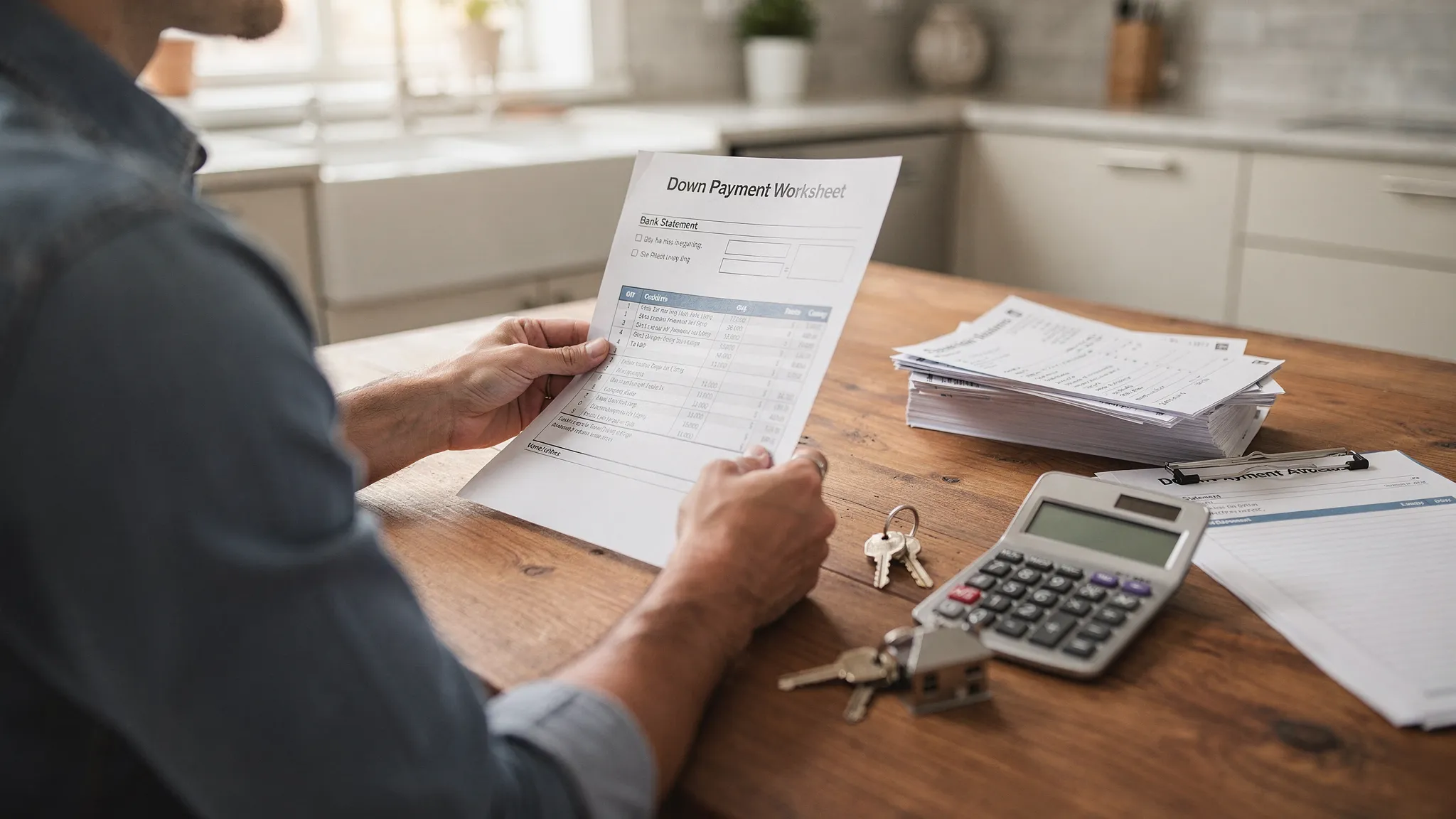
The 20% down payment rule is one of the most persistent mortgage myths. Many buyers believe they cannot purchase a home without it, which can delay homeownership unnecessarily.
That said, 20% down can still be useful. On a conventional mortgage, putting at least 20% down typically helps you avoid private mortgage insurance, commonly called PMI. It also reduces the loan amount, which can lower your monthly principal and interest payment.
A 20% down payment may help if you want to:
- Reduce or avoid monthly mortgage insurance on a conventional loan.
- Lower your monthly payment.
- Strengthen your offer in a competitive market.
- Build equity from day one.
- Potentially access better pricing, depending on your full loan profile.
But there is a tradeoff. If putting 20% down drains your savings, leaves you with no emergency fund, or delays your purchase for years, a lower down payment may be the better strategy. A mortgage should fit your life after closing, not just get you to closing day.
Down Payment vs. Cash to Close: Do Not Confuse the Two
Your down payment is only one part of the money you may need to buy a home. Your total cash to close can also include closing costs, prepaid taxes and insurance, escrow setup, lender fees, title charges, recording fees, and other transaction costs.
For many buyers, closing costs can add another meaningful amount on top of the down payment. That is why a buyer with a 5% down payment may still need more than 5% of the purchase price available.
For example, on a $400,000 purchase:
- 3% down is $12,000.
- 5% down is $20,000.
- 10% down is $40,000.
- 20% down is $80,000.
But if closing costs and prepaid items total another $8,000 to $14,000, your actual cash needed at closing could be much higher than the down payment alone.
This is where your Loan Estimate matters. The Consumer Financial Protection Bureau provides a helpful overview of the Loan Estimate, which shows projected cash to close, monthly payment, loan terms, and fees. When comparing mortgage options, look at the full cash-to-close number, not just the down payment percentage.
How Each Major Mortgage Program Handles Down Payments
Different loan programs solve different problems. Some are designed for borrowers with limited upfront cash. Others reward stronger credit, lower debt, or larger down payments. Here is how the main options generally work.
Conventional Loans
Conventional loans are not insured by the federal government. They are often a strong fit for borrowers with solid credit, stable income, and enough cash for at least a small down payment.
Some conventional programs allow as little as 3% down for eligible buyers. A 5% down payment is also common. If you put less than 20% down, you will typically have PMI, but PMI may be removable later if you meet the required equity and payment-history rules.
A conventional loan may be a good fit if you have decent credit, want flexibility with property types, and prefer a mortgage insurance structure that may not last for the life of the loan.
FHA Loans
FHA loans are insured by the Federal Housing Administration and are often used by buyers who need more flexible credit guidelines. According to HUD’s FHA loan information, FHA financing can help buyers who may not qualify for a conventional loan.
The common minimum down payment is 3.5% for borrowers who meet FHA’s credit criteria. FHA loans include mortgage insurance premiums, often called MIP, which can affect both upfront and monthly costs.
An FHA loan may make sense if your credit profile is still improving, your savings are limited, or you need a more flexible path to approval. However, you should compare the long-term mortgage insurance cost against conventional options before deciding.
VA Loans
VA loans are one of the most powerful mortgage benefits available to eligible military borrowers. Through the VA purchase loan program, eligible borrowers may be able to purchase a primary residence with 0% down.
VA loans also typically do not require monthly mortgage insurance. However, many borrowers pay a VA funding fee unless they are exempt. That fee may often be financed into the loan, but it still affects total borrowing cost.
A VA loan may be a strong fit if you are eligible, plan to occupy the home as your primary residence, and want to preserve cash while avoiding monthly PMI.
USDA Loans
USDA loans can offer 0% down financing for eligible homes in qualifying rural and some suburban areas. The program also has income limits and property eligibility rules. The USDA Single Family Housing Guaranteed Loan Program outlines the program’s purpose and eligibility framework.
A USDA loan may be worth exploring if you are buying outside a major urban center and meet the income and property requirements. Like other low-down-payment loans, USDA financing has program fees that should be reviewed as part of the total cost.
Jumbo Loans
Jumbo loans exceed conforming loan limits and are not eligible for standard Fannie Mae or Freddie Mac purchase. Because the loan amount is larger, lenders often require stronger credit, more reserves, and a larger down payment.
Some jumbo programs may allow 10% down for highly qualified borrowers, while others require 15%, 20%, or more. The exact requirement depends heavily on loan amount, credit score, occupancy, property type, and lender guidelines.
How Your Down Payment Affects Your Monthly Mortgage Payment
Your down payment changes your mortgage payment in several ways.
First, a larger down payment reduces the amount you borrow. That usually lowers your principal and interest payment.
Second, your down payment can change whether mortgage insurance applies. On conventional loans, less than 20% down usually means PMI. On FHA loans, mortgage insurance is part of the program and depends on FHA rules. VA loans usually do not have monthly mortgage insurance, but they may include a funding fee.
Third, your down payment affects LTV. LTV can influence your rate and pricing, although it is only one factor. Credit score, loan type, term, property type, occupancy, points, and market conditions also matter.
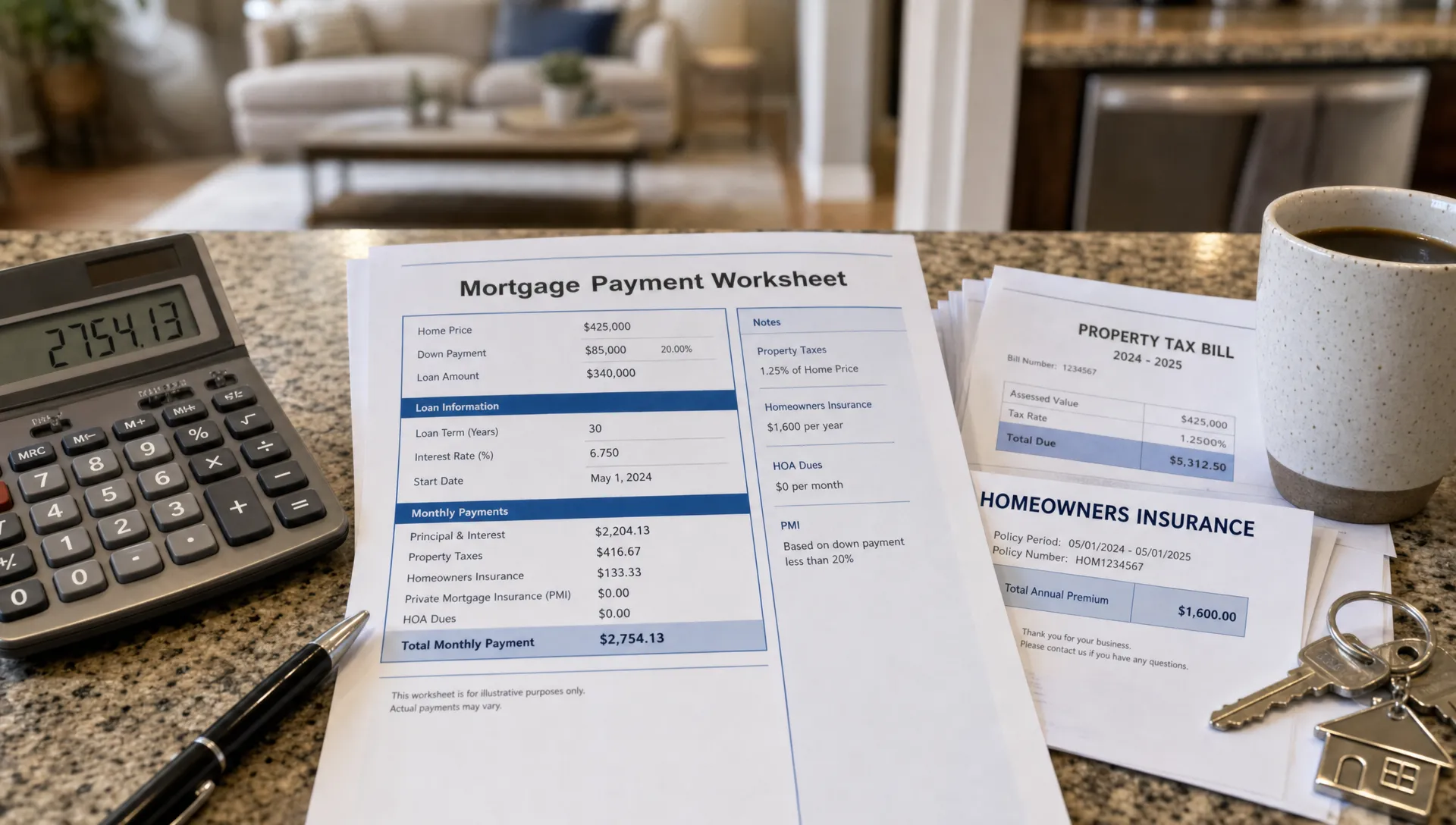
If you want to understand how these pieces come together, New Era Lending’s guide on how to estimate your monthly mortgage payment breaks down principal, interest, taxes, insurance, mortgage insurance, and other costs.
What Lenders Look at Besides the Down Payment
A strong down payment helps, but it does not guarantee approval. Lenders review your full ability and willingness to repay the loan.
Common factors include:
- Credit history: Your score, payment history, credit depth, and recent credit activity all matter.
- Debt-to-income ratio: Lenders compare your monthly debt obligations to your qualifying income.
- Income stability: W-2 income, self-employment income, retirement income, bonus income, and other sources may be documented differently.
- Assets and reserves: Lenders want to verify where your funds came from and whether you have money left after closing.
- Property condition and value: The home must meet appraisal and program requirements.
- Occupancy: Primary residences often have lower down payment options than second homes or investment properties.
This is why two buyers with the same down payment can receive different loan options. One buyer may qualify easily with 5% down, while another may need a larger down payment because of credit, income, debt, or property factors.
Where Can Your Down Payment Money Come From?
Your down payment funds must be acceptable under the loan program and properly documented. Lenders need to verify that the money is yours or comes from an approved source.
Common acceptable sources may include checking and savings accounts, investment accounts, proceeds from selling an asset, gift funds from an eligible donor, down payment assistance, retirement account funds if allowed, and certain employer assistance programs.
Gift funds are common, especially for first-time buyers, but they must be documented correctly. A lender may require a gift letter and proof of transfer. Down payment assistance can also help, but programs have their own eligibility rules, timelines, income limits, and property requirements. If you are exploring assistance, read New Era Lending’s guide to down payment assistance for first-time home buyers.
Be careful with cash deposits, undocumented transfers, borrowed money, or last-minute account movement. Large unexplained deposits can delay underwriting because the lender must verify the source of funds.
Should You Put More Down If You Can?
Maybe. A larger down payment can reduce your payment, lower your loan amount, and potentially improve your mortgage terms. But it can also create risk if it leaves you cash-poor after closing.
Before increasing your down payment, ask yourself these questions:
- Will I still have an emergency fund after closing?
- Do I need money for moving, furniture, repairs, or utility setup?
- Would a slightly higher monthly payment be manageable if I keep more savings?
- Does the larger down payment meaningfully reduce mortgage insurance or pricing?
- How long do I plan to keep the home or loan?
Many new homeowners underestimate post-closing costs. Even a move-in ready home can require blinds, appliances, tools, landscaping, or repairs. If you are planning custom home projects after closing, whether that means hiring local contractors, ordering furniture, or exploring custom 3D printing projects, keep those expenses separate from the funds you need to close.
A good down payment strategy balances approval, monthly affordability, liquidity, and future flexibility.
A Practical Way to Choose Your Down Payment
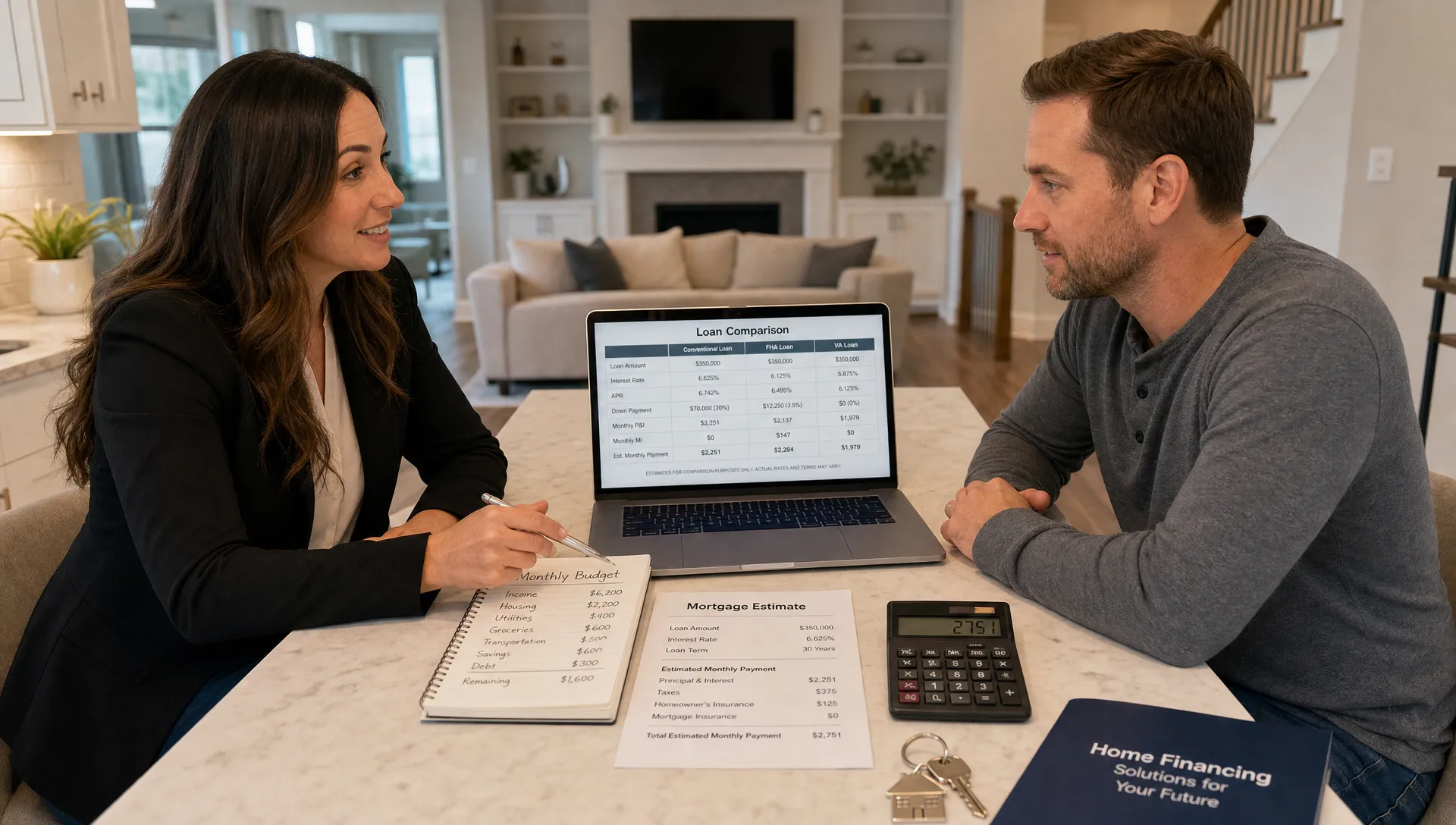
Instead of picking a number because it sounds standard, compare a few realistic scenarios. For example, ask your loan officer to model 3%, 5%, 10%, and 20% down if those are available to you.
Review each scenario for:
- Total cash to close.
- Monthly payment including taxes, insurance, and mortgage insurance.
- Interest rate and APR.
- Mortgage insurance type and cancellation rules.
- Cash reserves left after closing.
- Break-even point if paying more upfront saves monthly costs.
The “best” choice is often the one that keeps your total housing payment comfortable while preserving enough savings for real life. Sometimes that means putting less down and keeping reserves. Sometimes it means putting more down to reduce payment pressure or avoid mortgage insurance.
For a deeper look at mortgage insurance differences, read New Era Lending’s guide to PMI vs FHA MIP vs VA options.
Common Down Payment Mistakes to Avoid
A down payment is not just a savings goal. It is part of a larger mortgage approval strategy. Avoid these common mistakes before and during the loan process.
Do not assume you need 20% down without checking your options. Many buyers qualify sooner than they think.
Do not focus only on the down payment and forget closing costs. Cash to close is the number that matters at settlement.
Do not drain every account to make a larger down payment. Owning a home with no reserves can make routine repairs feel like emergencies.
Do not move money around without documentation. Keep records for transfers, deposits, gifts, and asset sales.
Do not open new credit or make major purchases before closing without talking to your loan officer. New debt can affect your credit score, debt-to-income ratio, and approval.
Do not choose a loan based only on the lowest upfront cash. A low down payment can be smart, but you should compare total monthly payment, mortgage insurance, interest rate, and long-term cost.
Frequently Asked Questions
Do I need 20% down for a mortgage loan? No. Many mortgage programs allow less than 20% down. Conventional loans may allow as little as 3% for eligible borrowers, FHA may allow 3.5%, and VA or USDA loans may allow 0% down if you qualify.
What is the lowest down payment for a first-time home buyer? It depends on eligibility. Some conventional first-time buyer programs allow 3% down, FHA may allow 3.5%, and VA or USDA loans may allow 0% down for qualified borrowers.
Can my family help with my down payment? Often, yes. Many loan programs allow gift funds from eligible donors, but the gift must be documented correctly. Your lender may require a gift letter, proof of transfer, and verification that the funds are not a loan.
Is it better to put down 5% or 20%? It depends on your priorities. A 20% down payment can reduce your payment and help avoid PMI on a conventional loan, but 5% down may be better if it helps you preserve emergency savings and buy sooner.
Does a bigger down payment guarantee a lower interest rate? Not always. A larger down payment can improve your LTV, which may help pricing, but your rate also depends on credit score, loan program, term, property type, occupancy, points, and market conditions.
Can seller concessions cover my down payment? Usually, seller concessions can help cover allowable closing costs and prepaid items, but they generally cannot be used as your required down payment. Rules vary by loan type, so confirm with your lender.
Get a Clear Down Payment Plan Before You Shop
The down payment you need for a mortgage loan is not one-size-fits-all. It depends on your loan program, credit, income, property, and comfort level after closing.
New Era Lending helps buyers compare mortgage options with smart technology and human guidance, so you can see how different down payments affect your cash to close, monthly payment, and long-term strategy. Whether you are buying your first home, using a veteran loan program, refinancing, or exploring your equity options, the right guidance can make the process clearer.
If you are ready to understand your numbers, connect with New Era Lending and review your personalized mortgage options before you start making offers.