.jpg)
.jpg)





.jpg)

MTG Loan Rates Explained in Plain English

If you have been searching for MTG loan rates, you are really looking at mortgage loan rates. “MTG” is simply shorthand for mortgage, and the rate is one of the biggest numbers borrowers watch when buying, refinancing, or tapping home equity.
But here is the plain-English truth: the rate is important, but it is not the whole story. A mortgage quote can look attractive at first glance and still be more expensive once you factor in fees, points, mortgage insurance, loan term, and how long you plan to keep the loan.
This guide breaks down MTG loan rates in simple terms so you can understand what lenders are quoting, why rates change, and how to compare offers with more confidence.
What Is an MTG Loan Rate?
An MTG loan rate is the interest rate charged on a mortgage loan. It represents the cost of borrowing money to buy a home, refinance an existing mortgage, or access home equity.
If you borrow money from a lender, the lender charges interest. Your mortgage rate helps determine the principal and interest portion of your monthly payment. The lower the rate, the less interest you generally pay over time, assuming the loan amount, term, and fees stay the same.
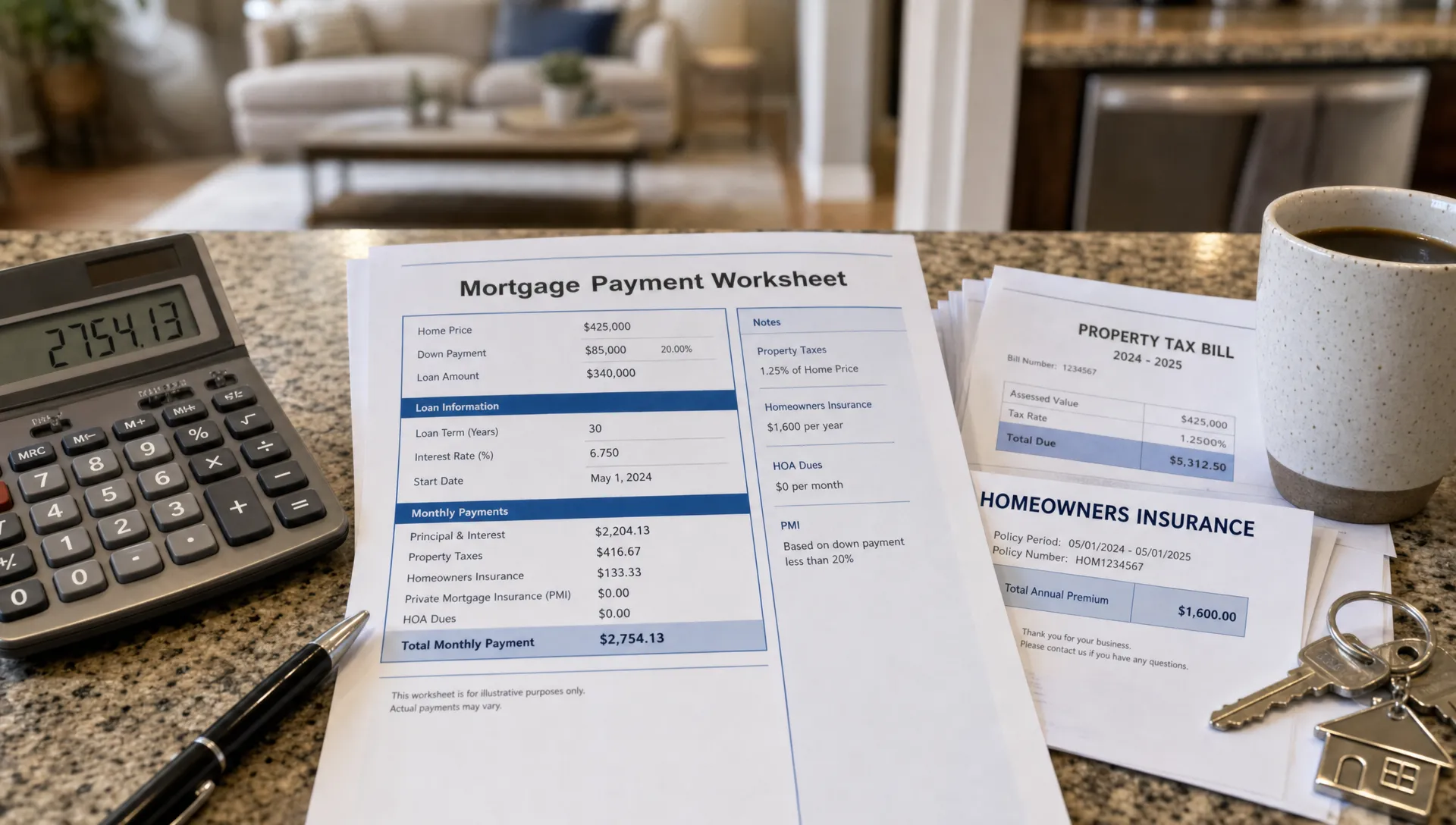
However, your mortgage payment usually includes more than principal and interest. Depending on your loan and property, your total monthly housing payment may also include:
- Property taxes
- Homeowners insurance
- Mortgage insurance, if required
- HOA dues, if applicable
- Escrow shortages or adjustments over time
That is why a rate quote alone does not tell you whether a loan is affordable. You need to look at the full payment and the full cost of the loan.
Interest Rate vs. APR: The Simple Difference
One of the most common sources of confusion is the difference between the interest rate and APR.
The interest rate is the cost used to calculate your monthly principal and interest payment.
The APR, or annual percentage rate, is designed to show a broader cost of borrowing because it includes the interest rate plus certain loan costs spread over the life of the loan.
In plain English, the rate helps answer, “What is my monthly payment?” The APR helps answer, “What is this loan really costing me over time?”
APR can be helpful when comparing loans, but it is not perfect. It assumes you keep the loan for the full term. If you plan to refinance, sell, or pay off the loan early, a slightly higher APR loan with lower upfront costs may sometimes be more practical than a lower APR loan with expensive points or fees.
For a deeper explanation of these terms, see New Era Lending’s guide to APR, points, and amortization.
Why MTG Loan Rates Change
Mortgage rates can change daily, and sometimes more than once in a day. That does not mean lenders are guessing. It means mortgage pricing is connected to broader financial markets.
At a high level, mortgage rates are influenced by investor demand for mortgage-backed securities, inflation expectations, economic reports, Federal Reserve policy signals, and the overall cost of capital. When markets expect inflation to remain high, rates often face upward pressure. When economic conditions weaken or inflation cools, rates may improve.
But market movement is only one layer. Your personal quote can differ from someone else’s because lenders also price for borrower and loan risk. Two buyers shopping on the same day may receive different quotes based on credit profile, down payment, property type, loan program, and other details.
That is why it is rarely useful to ask, “What is the rate today?” without also asking, “For what borrower, what loan type, what property, and what assumptions?”
If you want more context on what moves rates in the current market, New Era Lending also has a detailed guide on mortgage rates in 2026.
What Affects Your Personal MTG Loan Rate?
The rate you qualify for is not based on one factor. Lenders look at the full loan scenario. Some factors are within your control, while others depend on the market or the type of loan you need.
Common factors that affect MTG loan rates include:
- Credit profile: Higher credit scores can often help you qualify for better pricing, though the impact varies by loan type.
- Down payment and loan-to-value: The more equity you have, the less risk the lender may see, which can affect pricing.
- Loan program: Conventional, FHA, VA, USDA, jumbo, and non-QM loans can all price differently.
- Loan term: A 15-year mortgage may have a different rate than a 30-year mortgage, but the monthly payment can be higher because the payoff period is shorter.
- Occupancy: Primary residences, second homes, and investment properties are often priced differently.
- Property type: Condos, multi-unit properties, manufactured homes, and single-family homes may have different pricing adjustments.
- Debt-to-income ratio: A stronger income-to-debt picture can help your overall approval profile.
- Points or lender credits: Paying more upfront can sometimes lower the rate, while taking lender credits can sometimes increase it.
This is why online rate averages can be misleading. They may be useful for spotting general trends, but they do not replace a personalized quote based on your actual goals and documents.
Fixed Rates, Adjustable Rates, and Buydowns
When people talk about MTG loan rates, they often mean a 30-year fixed rate. But that is not the only option.
A fixed-rate mortgage keeps the same interest rate for the life of the loan. This is popular with borrowers who want predictable principal and interest payments.
An adjustable-rate mortgage, often called an ARM, usually starts with a fixed introductory period. After that, the rate can adjust based on the loan terms and market index. ARMs may be attractive when the starting rate is lower, but borrowers need to understand future payment risk.
A temporary buydown reduces the borrower’s payment for an initial period, often through funds provided by a seller, builder, or other allowed source. A permanent buydown usually means paying discount points upfront to reduce the rate for the full loan term.
None of these options is automatically best. A fixed rate may be better if you value stability. An ARM may fit if you expect to sell or refinance before the adjustment period, but only if you can handle the risk if plans change. A buydown may help with early affordability, but you need to understand who pays for it and what happens after the lower-payment period ends.
For more on this choice, read New Era Lending’s guide to fixed-rate mortgages, ARMs, and buydowns.
Points and Lender Credits: Why the Lowest Rate May Cost More
A very low quoted rate can be appealing, but it may come with discount points. A discount point is an upfront cost paid to lower the interest rate. One point usually equals 1% of the loan amount.
For example, on a $400,000 loan, one point would equal $4,000. If paying that point lowers your monthly payment, you would compare the upfront cost to the monthly savings to calculate your break-even point.
If the point costs $4,000 and saves $100 per month, the simple break-even is 40 months. If you expect to keep the loan longer than that, paying points might make sense. If you expect to sell or refinance sooner, it might not.
Lender credits work in the opposite direction. You may accept a slightly higher rate in exchange for the lender covering some closing costs. This can help reduce cash needed at closing, but it may increase your monthly payment.
The key is to compare the whole tradeoff, not just the rate. Sometimes the “lowest rate” is not the best deal for your timeline.
What Does It Mean to Lock a Rate?
A mortgage rate quote is not always the same as a locked rate.
A rate lock is an agreement that protects your quoted rate for a specific period, as long as the loan closes within the lock window and the loan details do not materially change. Common lock periods may vary based on lender, transaction type, and timeline.
If your rate is not locked, it can move with the market. Floating the rate may help if rates improve, but it can hurt if rates rise before closing.
Before locking, ask your lender:
- How long is the lock period?
- What happens if closing is delayed?
- Is there a cost to extend the lock?
- Can the rate change if the appraisal, credit, loan amount, or program changes?
- Is there a float-down option if rates improve?
A lock is especially important in a purchase transaction because the closing date matters. If your lock expires before closing, you may face extension fees or updated pricing.
How to Compare MTG Loan Rates Correctly
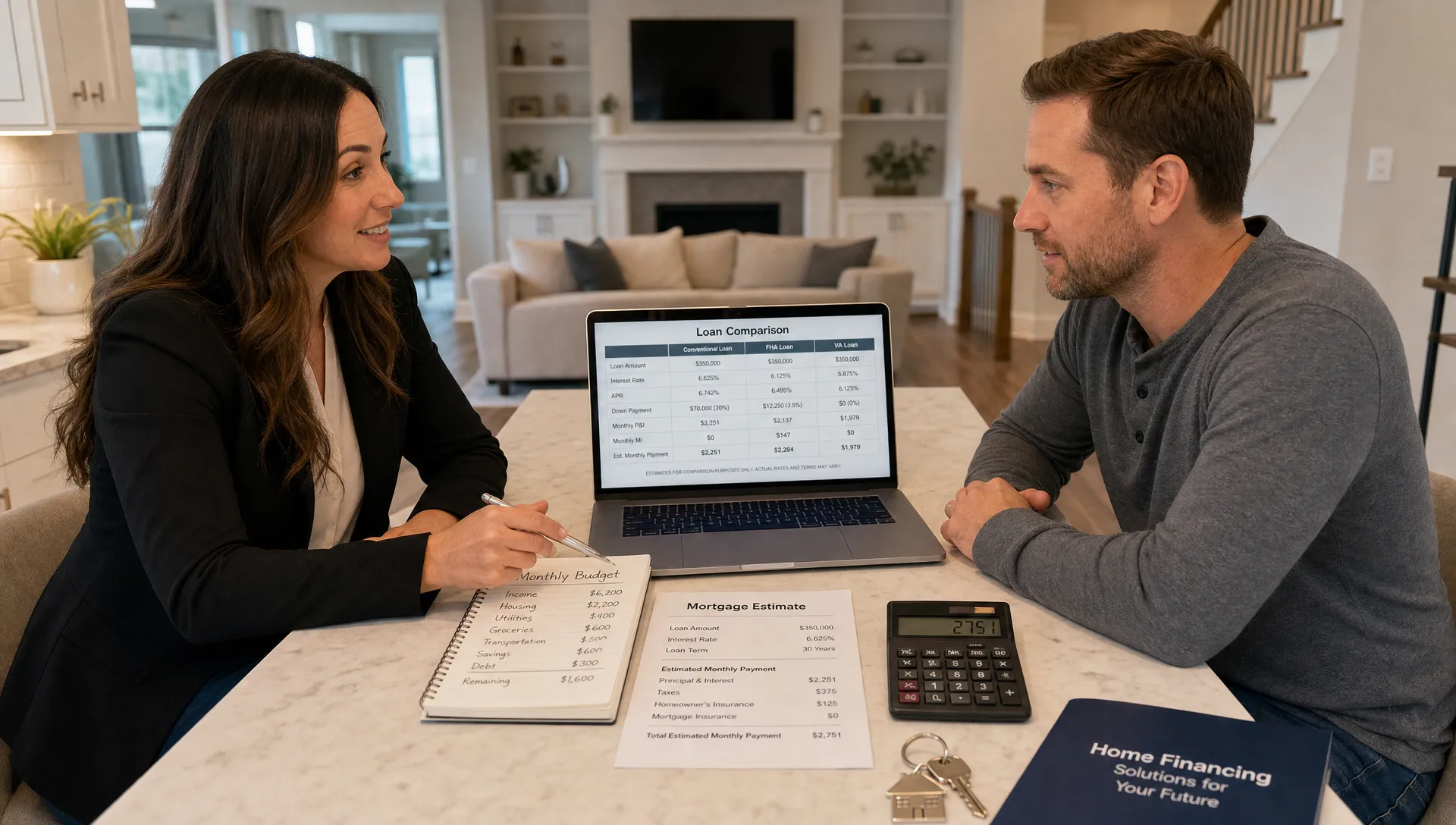
Comparing mortgage quotes is where many borrowers get tripped up. One lender may show a lower rate, but another may have lower fees. One quote may include points, while another may not. One may estimate taxes and insurance differently.
To compare fairly, make sure every quote uses the same basic assumptions:
- Same loan amount
- Same down payment or equity position
- Same loan program
- Same loan term
- Same rate lock period
- Same property type and occupancy
- Same point structure
Then review the Loan Estimate, not just the rate screenshot or advertisement. The Loan Estimate is a standardized form that helps borrowers compare loan terms, estimated payments, closing costs, and cash to close.
Focus on three areas together: monthly payment, cash to close, and total loan cost over the period you expect to keep the mortgage. A loan that looks best in one category may not be best overall.
Advertised Rates vs. Your Actual Rate
Advertised MTG loan rates often come with assumptions. The ad might assume excellent credit, a certain down payment, a specific loan amount, a primary residence, points paid upfront, or a narrow property type.
That does not mean advertised rates are fake. It means they may not apply to every borrower.
Your actual rate can change based on your verified credit, income, assets, property details, appraisal results, and final loan structure. Until the lender has reviewed your scenario and issued a formal estimate, the advertised rate should be treated as a starting point, not a promise.
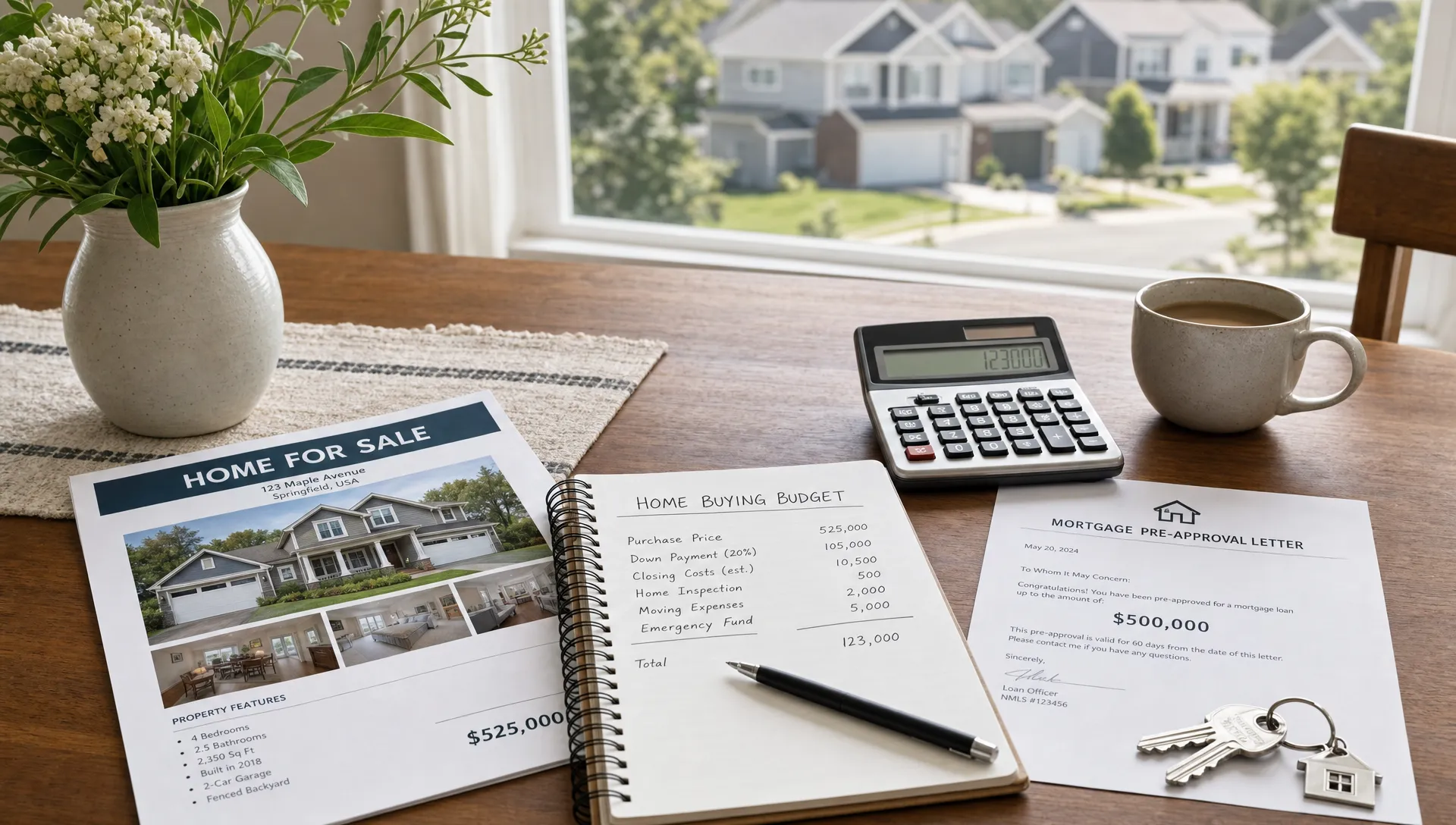
This is also why pre-approval is so helpful. It gives your loan officer a clearer picture of your financial profile and helps narrow the rate discussion from “general market range” to “realistic options for your situation.”
How to Improve Your Chances of Getting a Better Rate
You cannot control the bond market, but you can control how prepared you are. A cleaner loan file can help you compare options faster and avoid surprises.
Start by checking your credit early, reviewing your debts, and avoiding major financial changes before applying. Large new credit balances, new auto loans, unexplained deposits, or job changes can complicate underwriting.
It also helps to gather documents before you shop. Lenders may need pay stubs, W-2s, tax returns, bank statements, identification, and property information depending on the loan type. Because mortgage applications involve sensitive financial data, it is reasonable to ask how your lender handles secure uploads, privacy, and compliance. Borrowers who want to better understand the broader importance of data protection and governance can explore resources from governance, risk, and compliance professionals.
You can also ask your loan officer to compare scenarios. For example, you may want to see the difference between 5% down and 10% down, or between paying points and using lender credits. The best rate strategy is often tied to your cash flow, time horizon, and comfort level.
When a Higher Rate Might Still Be the Better Choice
This may sound strange, but the lowest rate is not always the smartest choice.
A slightly higher rate may make sense if it comes with meaningfully lower closing costs and you do not expect to keep the loan long. It may also make sense if keeping more cash available helps you maintain emergency reserves after closing.
For some borrowers, flexibility matters more than squeezing out the lowest possible rate. A first-time buyer may prefer lower cash to close. A homeowner refinancing may prefer a no-cost or low-cost option if the break-even period is short. A veteran using a VA loan may compare rate, funding fee, and monthly payment together rather than focusing on the rate alone.
The right question is not, “What is the lowest MTG loan rate?” The better question is, “Which loan structure gives me the best balance of payment, cost, risk, and flexibility?”
Frequently Asked Questions
What does MTG mean in MTG loan rates? MTG is shorthand for mortgage. MTG loan rates are mortgage loan interest rates used to calculate the cost of borrowing for a home loan.
Is the lowest mortgage rate always the best deal? Not always. A lower rate may require discount points or higher upfront costs. Compare monthly payment, cash to close, APR, and your expected time in the loan.
How often do MTG loan rates change? Mortgage rates can change daily and sometimes during the same day. Market conditions, lender pricing, and your personal loan details all affect your quote.
Can I negotiate my mortgage rate? You can compare lenders and ask about pricing options, points, lender credits, and loan programs. A lender may be able to show different scenarios, but pricing depends on market conditions and your qualifications.
Should I lock my rate right away? It depends on your timeline and risk tolerance. If you are under contract to buy a home, locking can protect you from market increases before closing. Ask about lock length, extension costs, and what could change your pricing.
Get a Clearer Mortgage Rate Comparison
Understanding MTG loan rates does not require a finance degree. You just need the right breakdown, honest assumptions, and a side-by-side look at your real options.
New Era Lending combines smart mortgage technology with personalized human guidance to help borrowers compare purchase, refinance, and equity access solutions with more confidence. If you want a clearer view of your rate, payment, closing costs, and loan choices, start with a personalized conversation through New Era Lending.