.jpg)
.jpg)





.jpg)

Mortgage vs Loan: What Homebuyers Should Know

People often use the words “mortgage” and “loan” like they mean the same thing. In everyday conversation, that’s understandable, a mortgage is a loan. But in real homebuying paperwork (and real monthly payments), the difference matters.
If you’re buying in 2026, when affordability can change quickly with rate movement and insurance/tax increases, getting clear on mortgage vs loan helps you compare options correctly, avoid surprises at closing, and pick the right tool for the job.
Mortgage vs loan: the simple definition
A loan is any agreement where you borrow money and agree to pay it back under specific terms (rate, repayment schedule, fees, and consequences if you don’t pay).
A mortgage is a specific kind of loan used to buy (or refinance) real estate, where the home is the collateral and the lender records a lien against the property.
So yes, all mortgages are loans, but not all loans are mortgages.
Why the distinction matters for homebuyers
When you’re shopping for a home, you’re not just choosing a payment, you’re choosing a legal structure, a timeline, and a risk profile. “Loan” is a broad bucket. A mortgage has rules and features that are unique to real estate financing.
Here’s what homebuyers typically miss when the terms get blended together:
- A mortgage is tied to a property and a closing. It comes with appraisal, title work, escrow, recording, and lender underwriting.
- A non-mortgage loan usually isn’t. A personal loan or auto loan may fund quickly, but it won’t give you 15 to 30 years to repay, and it won’t be priced like a mortgage.
If you compare a “loan offer” to a “mortgage offer” without confirming what type it is, you can end up comparing apples to oranges.

What makes a mortgage different from other loans?
Below are the practical differences that show up in real decisions.
Collateral: secured by the home vs unsecured
Most mortgages are secured by the property. If you default, the lender can foreclose.
Many other consumer loans (like personal loans) are unsecured, meaning there’s no property backing the debt. Because the lender has more risk, unsecured loans typically carry higher interest rates and shorter terms.
Term length: mortgages are built for long horizons
A purchase mortgage often comes in 15-year or 30-year terms (other terms exist, but those are common). That long repayment window is a big reason the monthly payment can be manageable compared to shorter loans.
By contrast, many non-mortgage loans are designed for faster payoff:
- Personal loans commonly run 2 to 7 years.
- Auto loans often run 3 to 7 years.
- Credit cards are revolving and can become long-term debt if you only pay minimums.
Rates and APR: how pricing is calculated
Mortgage pricing is heavily influenced by the broader mortgage market (including mortgage-backed securities), your credit and down payment (LTV), occupancy, and the specific program type.
It’s also important to separate:
- Interest rate: the rate used to calculate interest on your balance.
- APR: a broader measure that includes certain finance charges and fees.
For a deeper explanation of APR and points, the CFPB has a helpful overview of how mortgage costs show up across documents and disclosures: CFPB mortgage resources.
Underwriting: mortgage approval is more documentation-heavy
Mortgage lenders must verify your ability to repay and confirm the collateral. That’s why mortgages typically require:
- Income and employment documentation
- Asset verification (funds to close, reserves when applicable)
- Credit review
- Appraisal and property review
- Title and insurance requirements
Many other loans can be approved with less documentation (and often at higher cost).
Closing process: mortgages come with escrow, title, and recording
A mortgage is not just a “yes” or “no” approval. It’s a structured closing event.
Common mortgage-related costs include lender fees, appraisal, title services, escrow setup, prepaid taxes and homeowners insurance, and recording. (If you want a plain-English overview, New Era Lending also covers what buyers typically overlook in their closing cost planning in their educational resources.)
Mortgage documents you’ll see (and what they mean)
One reason mortgage vs loan gets confusing is that you’ll see multiple documents, and each plays a different role.
Promissory note (the loan)
This is your promise to repay. It includes the loan amount, rate, payment terms, and what counts as default.
Mortgage or deed of trust (the lien)
This document ties the debt to the property. The name depends on the state, many states use a deed of trust structure.
Closing Disclosure (the final cost and payment snapshot)
This is the document you review right before closing that shows your final numbers and cash to close.
Common “loan” options homebuyers confuse with a mortgage
Homebuyers often ask, “Should I get a mortgage or a loan?” Usually, they mean: “Should I use a mortgage, or should I borrow money some other way to make the purchase work?” Here are the common alternatives and how they fit (or don’t).
Personal loan
A personal loan is typically unsecured and faster to fund, but the payment can be much higher because the term is shorter and the rate is often higher.
A key mortgage reality: using borrowed funds to cover down payment or closing costs may be restricted depending on loan program and underwriting rules. Always disclose new debt to your lender before you take it out, because it can change your DTI and approval.
401(k) loan
Some buyers consider borrowing from a retirement plan for down payment or closing costs. This can work in certain cases, but it carries tradeoffs (opportunity cost, repayment rules, and job-change risk). Talk with a financial professional and your loan officer before building a plan around it.
Gift funds (not a loan, but often part of the conversation)
Gift funds from eligible donors can sometimes be used for down payment and closing costs depending on program rules. This is one reason many buyers don’t actually need 20 percent down.
Home equity loan or HELOC (for current homeowners)
If you already own a home and you’re buying again, you might use equity for the next purchase. A HELOC or home equity loan is still a loan, and it’s also secured by real estate, but it’s not the same as a purchase mortgage.
These tools are more relevant for:
- Bridge-like timing needs (careful here, risk and rules vary)
- Renovations prior to selling
- Liquidity planning
If you’re researching equity tools, it’s smart to compare them against cash-out refinance and second-lien options based on your timeline and payment tolerance.
Construction or renovation financing
If the property needs major work, a “regular mortgage” may not fit. Renovation or construction programs are still mortgages, but they have additional steps (contractor approvals, draw schedules, inspections).
How to choose the right financing: think in “use case,” not buzzwords
A good way to cut through the mortgage vs loan confusion is to start with the job you need the money to do.
If you’re purchasing a home to live in
You’re almost always looking for a purchase mortgage (conventional, FHA, VA, USDA, jumbo, or another program based on eligibility and property type). The best choice typically comes down to:
- Cash to close
- Credit profile
- Property type and condition
- How long you expect to own the home
- How stable you need the payment to be
If you’re trying to lower your payment or change your term
You’re likely comparing refinance options. That might be a rate-and-term refinance, or switching between fixed and adjustable structures.
If you need funds for a big expense
You might be comparing:
- Cash-out refinance
- Home equity loan
- HELOC
- (Sometimes) a personal loan for smaller amounts
The right answer is usually the one that meets your goal with the lowest risk to your budget, not necessarily the lowest advertised rate.
A quick “translation guide” for common phrases you’ll hear
Real estate conversations can be sloppy with language. Here’s what people often mean:
- “I got approved for a loan” usually means pre-approval for a mortgage, not a personal loan.
- “My mortgage company wants more paperwork” usually means underwriting is verifying income, assets, and the property.
- “I’m taking out a loan on my house” could mean a cash-out refinance, a home equity loan, or a HELOC. These are different products with different rate and payment behavior.
Don’t forget the non-loan costs of owning a home
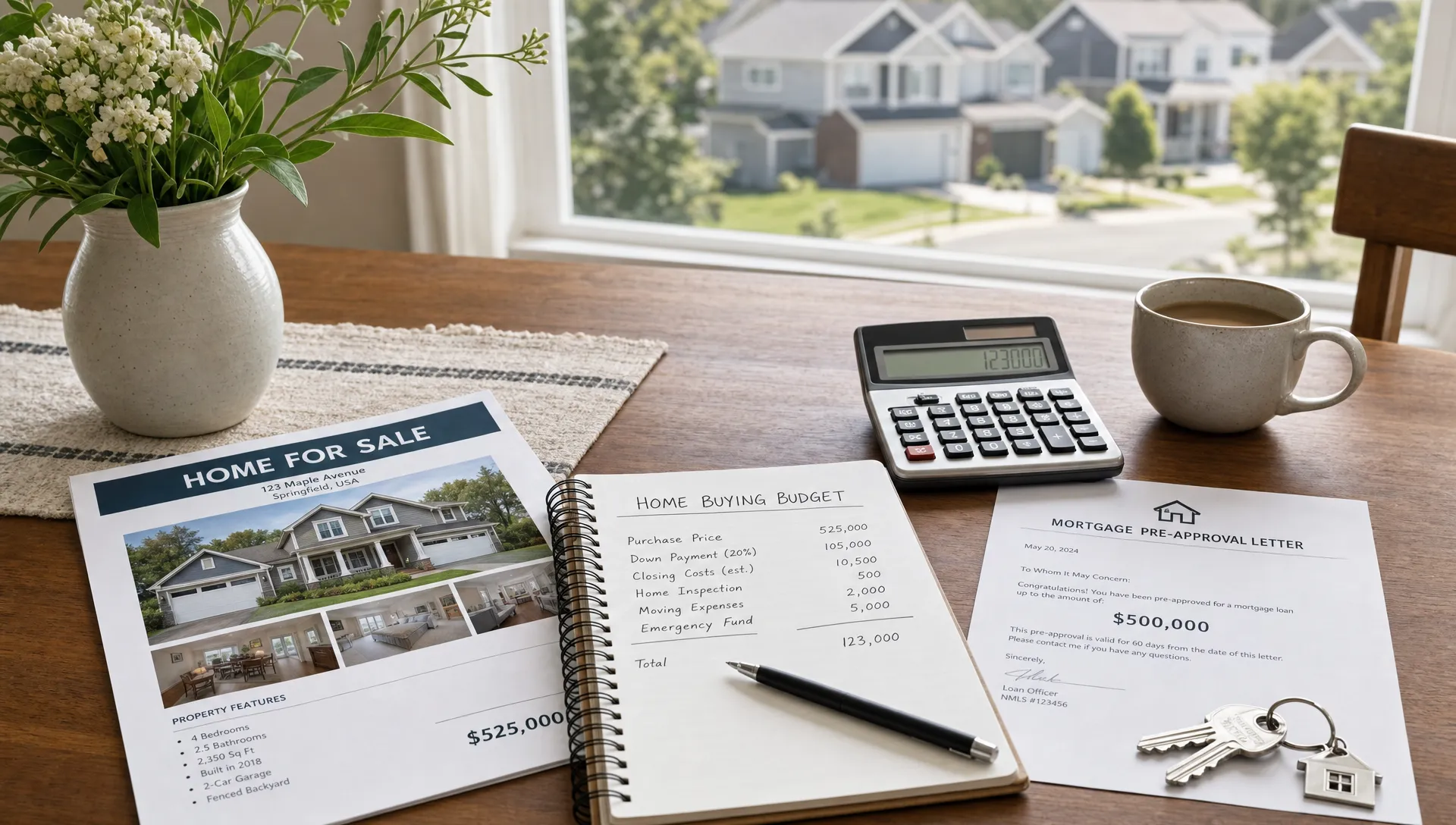
A mortgage is usually the biggest monthly bill, but it’s not the only one. When you’re budgeting, account for:
- Property taxes and homeowners insurance (often escrowed)
- HOA dues (if applicable)
- Maintenance and long-term repairs
- Utilities
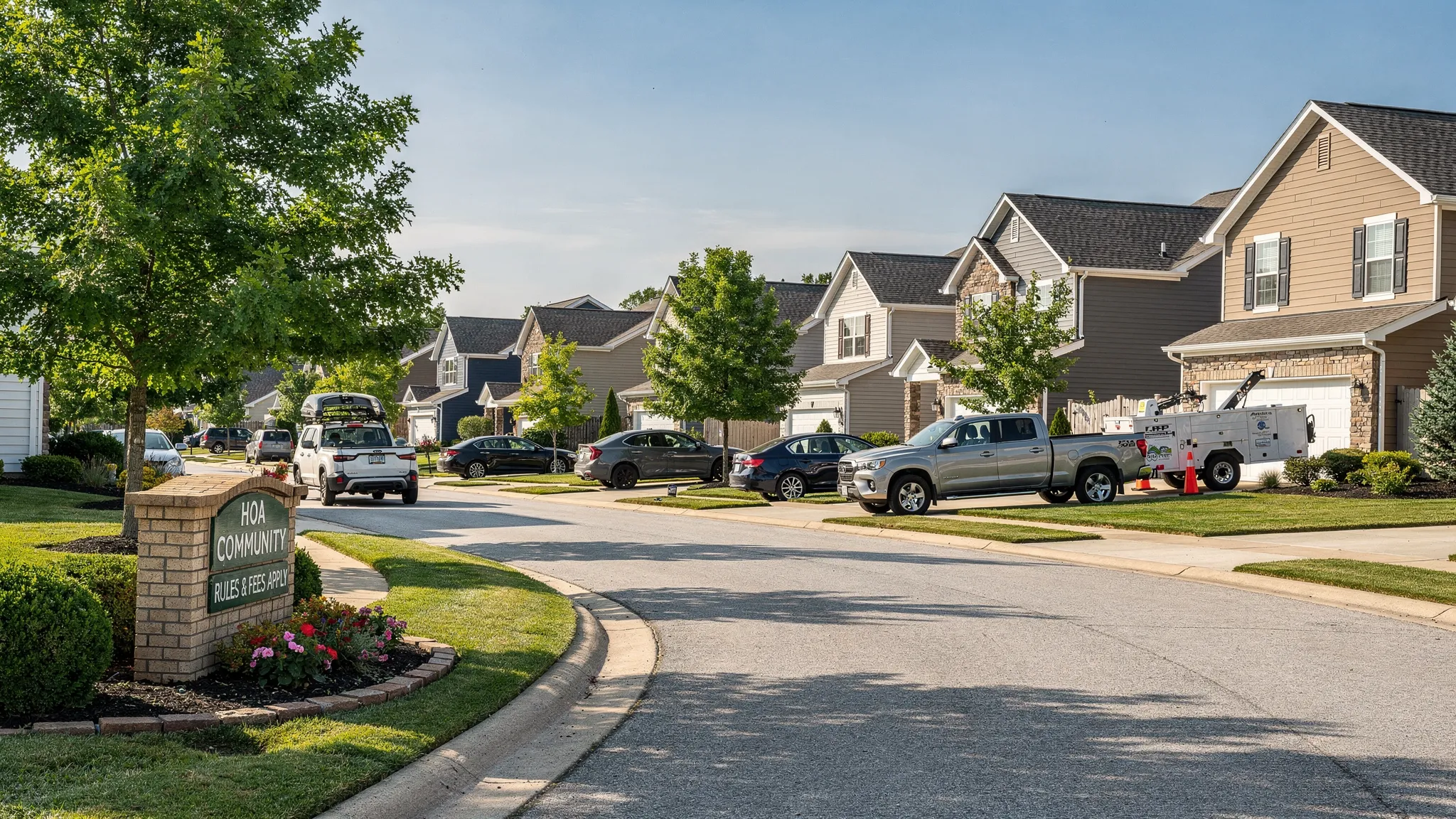
HOA dues, in particular, can include neighborhood upkeep you don’t directly manage, things like landscaping, amenities, and even periodic street and parking area cleaning. In some areas, HOAs and property managers partner with local vendors for services like street sweeping in Nashville to keep communities clean and compliant. It’s not “mortgage math,” but it is real monthly budget math.
Questions to ask any lender (or anyone offering a “loan”) before you commit
If someone quotes you a rate or payment, slow down and clarify the structure. These questions keep comparisons honest:
- Is this a mortgage secured by the property, or another type of loan?
- Is the rate fixed or adjustable, and for how long?
- What is the APR, and what fees are included in it?
- What is the total monthly payment estimate (including taxes and insurance)?
- How much cash is due at closing, and what can change before closing?
- Is there mortgage insurance, and can it be removed later?
Frequently Asked Questions
Is a mortgage the same as a home loan? A mortgage is a type of home loan. “Home loan” is often used as a general term, but a mortgage specifically uses the property as collateral and is recorded as a lien.
Why do people say “mortgage loan” if a mortgage is already a loan? It’s mostly redundancy. In practice, people use “mortgage loan” to distinguish real estate financing from other loans like personal loans or auto loans.
Can I use a personal loan for a down payment? Sometimes it’s allowed, but often it creates approval issues because it increases your debt-to-income ratio and may violate program rules for down payment sourcing. Always discuss it with your mortgage lender before taking new debt.
What’s the difference between a HELOC and a mortgage? A HELOC is a line of credit secured by your home’s equity, usually in second lien position, and often has a variable rate. A purchase mortgage is used to buy the home (or refinance it) and is typically the primary loan on the property.
What should I focus on when comparing mortgage offers? Compare the full monthly payment, cash to close, interest rate vs APR, loan term, mortgage insurance, and whether the lender can reliably hit your contract closing timeline.
Get clarity on your best mortgage option with New Era Lending
If you’re still stuck on “mortgage vs loan,” the next step is usually a quick scenario review: what you qualify for, what your payment looks like, and what cash to close is realistic.
New Era Lending helps homebuyers and homeowners compare mortgage options with a technology-driven process (secure document uploads and e-signature support) plus personalized human guidance, so you can move forward with confidence. Explore New Era Lending at NewEraLendingLLC.com and request a personalized mortgage comparison if you’re ready to run real numbers.