.jpg)
.jpg)





.jpg)

Do You Have the Right to Mortgage Your Property?
In most cases, the right to mortgage a property belongs to the person or legal entity that owns it and has authority to pledge it as collateral. That sounds simple, but real estate ownership can involve co-owners, spouses, trusts, business entities, estate issues, existing liens and state-specific rules that affect whether you can legally sign mortgage documents.
This guide explains what the right means in practical terms, who usually has it, what can limit it and how lenders look at your authority before approving a purchase loan, refinance or equity-based mortgage. It is educational information, not legal advice. If title ownership or family law issues are unclear, speak with a real estate attorney in your state before signing loan documents.
What the right to mortgage actually means
A mortgage is not just a loan. It is a security interest in real estate, meaning the borrower gives a lender a legal claim against the property if the loan is not repaid as agreed. In many states, the document may technically be called a deed of trust rather than a mortgage, but the practical idea is similar: the property secures the debt.
Your right to mortgage property is the authority to voluntarily place that security interest on the real estate. You might be borrowing to buy the home, replacing an existing loan through a refinance or accessing equity with a new secured loan. If you want a broader explanation of how these loans work, New Era Lending’s guide to what a mortgage property loan is covers the basics of loan structure and common programs.
The key distinction is ownership versus authority. A person may live in a property without owning it. A person may own only part of a property. A trustee, company officer or agent may have authority to act, but only if the governing documents allow it. A lender will not rely only on what someone says. It will verify title, identity, signatures and any required consents.
Who usually has the right to mortgage a property?
The most straightforward situation is a sole owner whose name appears on title and who is legally competent to sign. If the property is free of unusual restrictions and the borrower qualifies financially, the owner can generally use the property as collateral.
The right to mortgage becomes more complicated when more than one person or legal interest is involved. Real estate title is public record, but the legal effect of that title can depend on state law, marital status, ownership form and recorded documents.
Sole owners
If you are the only titled owner, you usually control whether to mortgage the property. Still, a lender may ask whether you are married, whether the home is your primary residence and whether any state homestead or spousal rights apply. In some states, a non-owner spouse may need to sign certain documents even if they are not personally responsible for the debt.
Co-owners
When two or more people own property together, one owner generally cannot mortgage the entire property without the others. Depending on how title is held, one owner may be able to mortgage only that owner’s share, but most mainstream mortgage lenders will require all owners with an interest in the property to sign the security instrument.
This protects the lender because a partial interest is harder to enforce and may not provide enough collateral. It also protects co-owners from having their property interest encumbered without consent.
Trusts, LLCs and estates
Property held by a trust, limited liability company or estate requires extra review. A trustee must have authority under the trust document. An LLC manager or member must have authority under company records. An estate representative may need court approval or letters of administration.
In these cases, the right comes from a legal role rather than personal ownership. Lenders usually need copies of governing documents before they can decide whether the signer has valid authority.
Common limits on the right to mortgage
Even when you own real estate, certain restrictions can limit or delay your ability to mortgage it. Some limits are legal, some are contractual and some are practical lender requirements.
| Possible limitation | Why it matters | What may be needed |
|---|---|---|
| Co-owner interest | One owner may not be able to encumber the full property alone | Signatures from all required owners |
| Spousal or homestead rights | State law may protect a spouse or primary residence | Spouse signature or legal review |
| Existing mortgage lien | A current lender may already have priority | Payoff, refinance or subordination |
| Tax lien or judgment | Public debts can attach to property | Release, payment plan or title clearance |
| Trust or entity ownership | Authority depends on legal documents | Trust agreement, LLC resolution or court papers |
| HOA or deed restrictions | Some communities restrict transfers or uses | Review of covenants and approvals |
| Pending probate | Ownership may not be fully transferred yet | Estate documentation or court approval |
A clean title search is one of the main ways these issues surface. The title company reviews public records to confirm ownership, identify liens and determine who must sign. A lender also reviews the title commitment before closing.
Your right to mortgage can exist in principle but still be delayed until a title defect is corrected. For example, an old paid-off mortgage may still appear of record if the release was never recorded. A deceased former owner may remain on title if an estate transfer was never completed. These issues do not always stop financing permanently, but they need to be resolved before closing.
Legal authority is not the same as loan approval
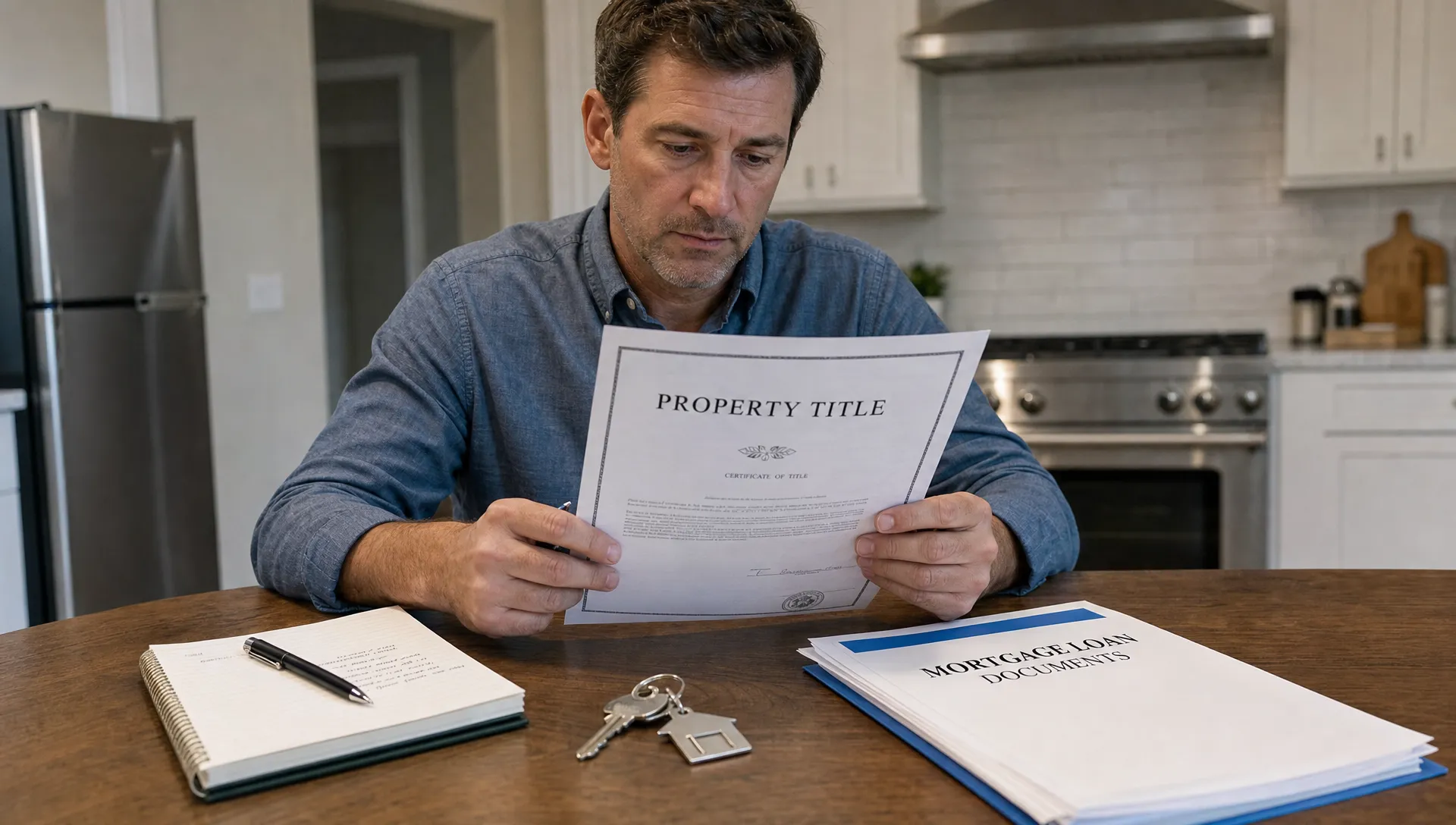
Having authority to pledge property does not mean a lender must approve the loan. Legal authority answers one question: are you allowed to mortgage this property? Loan approval answers a different question: does the borrower and property meet the lender’s guidelines?
A lender will typically evaluate credit history, income, assets, debt-to-income ratio, property value, occupancy type and loan purpose. The property itself must usually meet appraisal and eligibility standards. If you are preparing to apply, New Era Lending’s article on what you need to get a mortgage explains the documents and borrower qualifications that often matter.
The right to mortgage is only one part of that larger review. Someone may be the valid owner of a property but still have too much debt, too little verified income or insufficient equity for the loan requested. On the other hand, a financially strong borrower may be unable to proceed if the title is not clear or required signers are unavailable.
That is why mortgage teams usually review both tracks at the same time: borrower qualification and property authority.
Situations where the question often comes up
Homeowners and buyers usually ask about the right to mortgage when something about ownership is not standard. The answer depends on the facts, but these common scenarios show how lenders tend to think through the issue.
You inherited a property
If you inherited a home, you may not be able to mortgage it until title is legally transferred to you. A will, trust or probate order may be involved. If multiple heirs own the home, all required owners may need to participate.
The right to mortgage inherited property usually depends on whether the estate process is complete and whether the person signing has documented authority. Before applying, gather death certificates, probate documents, trust papers or recorded deeds so the lender and title company can review them.
You are divorced or separated
Divorce decrees often assign responsibility for a mortgage or award ownership of a home to one spouse, but lenders and title companies still rely on recorded title and signed loan documents. If an ex-spouse remains on title, that person may need to sign deed or mortgage-related documents, even if the divorce judgment says the property should belong to someone else.
A quitclaim deed, refinance or court order may be needed to align the legal record with the divorce agreement. Do not assume the mortgage servicer or county records automatically update after a divorce.
You want to borrow against home equity
If you own a home with equity, you may consider a home equity loan, HELOC or cash-out refinance. The legal ability to pledge the home is only the first question. The bigger financial question is whether using home equity fits the purpose, repayment plan and risk level.
Because the home secures the debt, missed payments can put the property at risk. Before using equity, review the tradeoffs in New Era Lending’s guide to the risks of borrowing against your home. Equity can be useful for repairs, debt consolidation or major planning needs, but it should not be treated like free money.
You are financing a major life event
Some homeowners consider tapping property equity for weddings, relocations or family milestones. That may be reasonable in limited cases, but it deserves a careful budget comparison first. For example, if you are planning a proposal overseas, researching purchase options such as the best places to buy an engagement ring in New Zealand can help you understand the cost before deciding whether mortgage debt should be involved at all.
The right to mortgage a property does not mean every expense should be secured by your home. A secured loan can lower the interest rate compared with some unsecured borrowing, but it also raises the stakes because the collateral is real estate.
Questions to ask before signing mortgage documents
Before you apply for a mortgage, refinance or equity loan, take time to confirm both your authority and your financial comfort. The goal is not only to close the loan, but to close the right loan for the right reason.
Start with ownership. Confirm whose names are on the deed, whether anyone else has marital, homestead or inheritance rights and whether the property is held by an individual, trust or entity. Then look at liens. Existing mortgages, unpaid taxes, judgments or contractor liens can affect loan structure and closing timelines.
Next, consider repayment. Even if you have the right to mortgage, the payment must fit your monthly budget after taxes, insurance, association dues and maintenance. A larger loan may solve a short-term cash need but create long-term pressure if the payment is too high.
Finally, ask what happens if plans change. Will you keep the property for several years? Could your income become less predictable? Are you refinancing into a better term or extending debt longer than necessary? These questions help you treat a mortgage as a financial tool rather than just an approval amount.
How lenders verify your right to mortgage
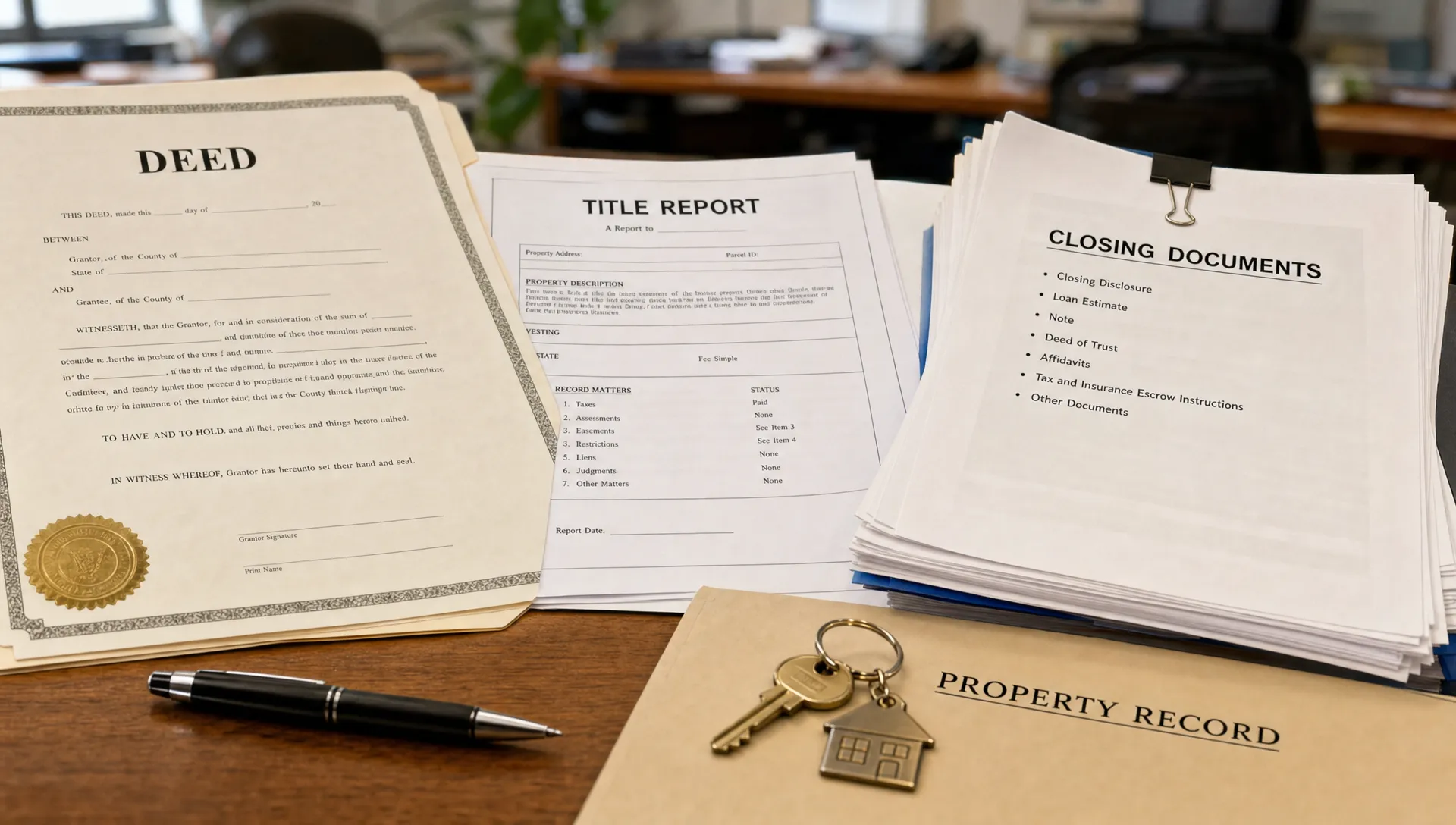
During the mortgage process, lenders rely on documentation rather than assumptions. A typical file may include the deed, title report, payoff statements, identification, marital status information, entity documents, trust certifications or powers of attorney.
A power of attorney can sometimes allow one person to sign for another, but lenders often have strict rules about the form, timing and scope of authority. Some loan types may require the attorney-in-fact to sign in a specific way. If you expect to use a power of attorney, raise the issue early so the lender and title company can review it before closing.
The right to mortgage also depends on the final closing documents being properly signed and recorded. Recording gives public notice that the lender has a lien on the property. If signatures are missing or authority is defective, the lien could be challenged, which is why lenders are careful before funding.
New Era Lending combines a technology-driven mortgage process with human guidance to help borrowers move through these documentation steps more clearly. Secure document uploads, e-signature support where available and personalized loan guidance can make the process easier, especially when timing matters.
Frequently Asked Questions
Can I mortgage a property if my name is not on the deed? Usually no. If you are not on title, you generally do not have ownership authority to pledge the property as collateral. There may be exceptions for authorized agents, trustees or entity representatives, but those roles must be documented.
Can one co-owner mortgage a jointly owned home? A co-owner may have rights in that person’s share, but most residential mortgage lenders require all owners with a property interest to sign the mortgage or deed of trust. State law and the ownership form matter.
Does my spouse have to sign if the house is only in my name? Possibly. Some states have homestead, dower, community property or marital rights that require a spouse to sign certain documents, even if the spouse is not a borrower. Ask your lender, title company or attorney about your state’s rules.
Can I mortgage a house that already has a mortgage? Yes, but the existing mortgage must be addressed. In a refinance, the new loan usually pays off the old loan. With a second mortgage or HELOC, the new lender takes a junior lien position if guidelines allow it.
Can a trust mortgage property? A trust can often mortgage property if the trustee has authority under the trust documents and the lender accepts the structure. The lender will usually review trust paperwork before approving the loan.
What if there is a lien on my property? A lien does not always prevent a mortgage, but it can affect approval, priority and closing. Some liens must be paid, released or subordinated before the new loan can close.
The bottom line
Owning property often gives you the ability to use it as collateral, but the legal and practical details matter. Co-owners, spouses, trusts, estates, liens and state rules can all affect who must sign and what must be cleared before closing.
If you are unsure whether you have the authority to mortgage your property, start by reviewing title and gathering ownership documents. Then speak with a knowledgeable mortgage professional and, when legal rights are unclear, a real estate attorney. With the right preparation, you can avoid closing delays and make a more confident financing decision.