.jpg)
.jpg)





.jpg)
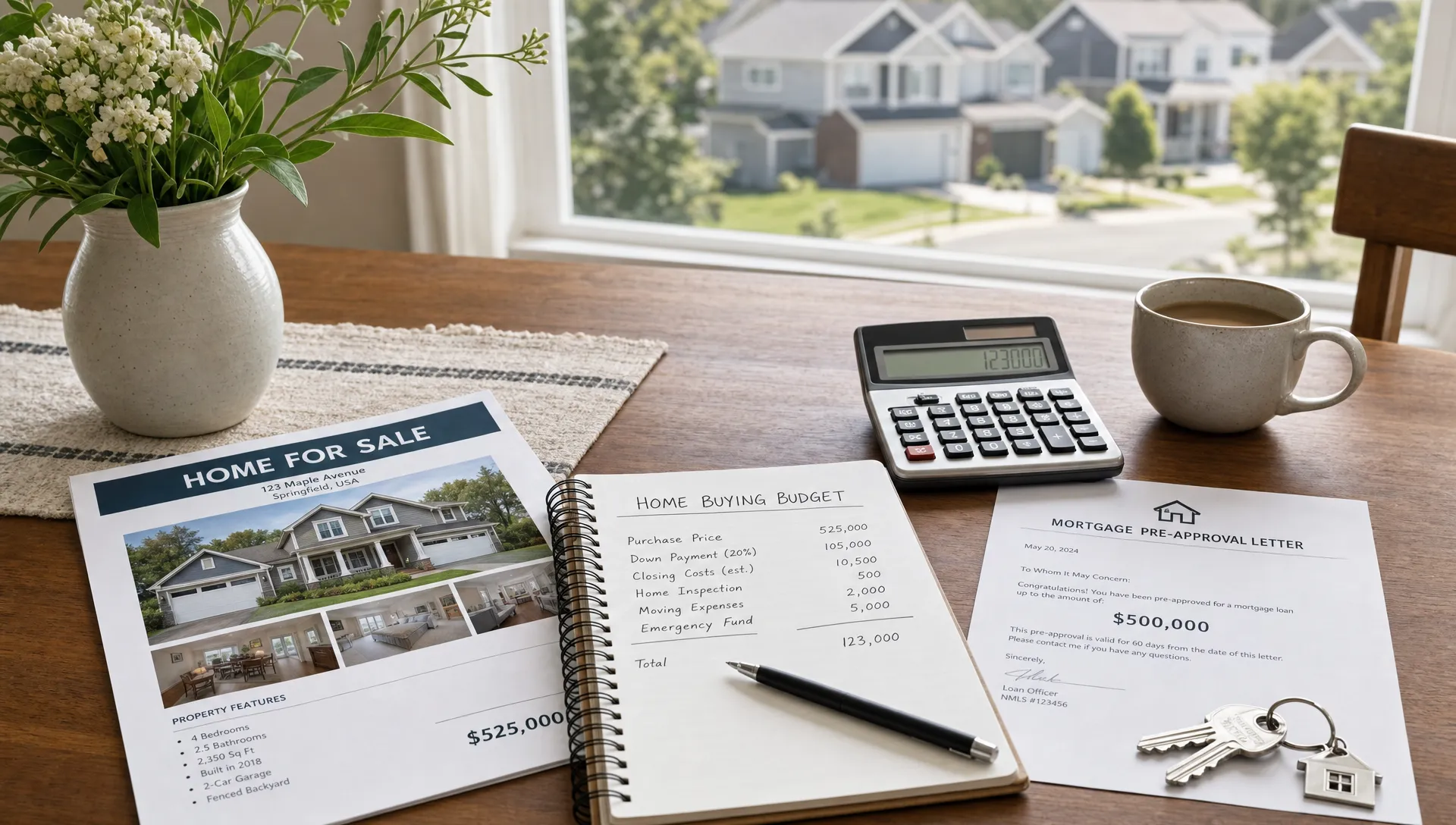

What Is a Mortgage Property Loan?

A mortgage property loan is a loan used to buy, refinance, or borrow against real estate, with the property itself serving as collateral. In plain English, it is the financing most people mean when they say they are “getting a mortgage” to purchase a home.
The phrase can sound more complicated than it is because it combines three familiar words: mortgage, property, and loan. A mortgage is a specific type of loan secured by real estate. The property is the asset tied to the loan. The lender provides funds, and in return, the borrower agrees to repay the debt under stated terms. If the borrower does not repay, the lender may have legal rights to recover the debt through the property, subject to federal and state rules.
For buyers, homeowners, and investors, understanding how a mortgage property loan works can help you compare options, avoid surprises, and choose financing that fits your goal.
What Does “Mortgage Property Loan” Mean?
A mortgage property loan generally means a loan secured by a real estate property. The property may be a single-family home, condo, multi-unit residence, second home, or investment property, depending on the loan program and lender requirements.
The key idea is collateral. Unlike an unsecured personal loan, a mortgage property loan is backed by the property. That security gives the lender a legal interest in the real estate until the loan is paid off or otherwise resolved.
In everyday U.S. lending conversations, “mortgage loan,” “home loan,” and “mortgage property loan” are often used in similar ways. If you want the terminology broken down further, New Era Lending’s guide to mortgage loan vs home loan explains where the terms overlap and where the technical differences may matter.
A mortgage property loan usually includes two core documents. The promissory note is the borrower’s promise to repay. The mortgage or deed of trust creates the lender’s security interest in the property. The names and legal mechanics can vary by state, but the practical result is similar: the property is connected to the debt.
How a Mortgage Property Loan Works
A mortgage property loan follows a structured process because both the borrower and the property must be evaluated. The lender is not only asking, “Can this borrower repay?” The lender is also asking, “Is this property acceptable collateral for the loan?”
A typical process looks like this:
- Preapproval: The lender reviews your credit, income, assets, debts, and initial loan goals to estimate how much you may be able to borrow.
- Property selection: You choose a property, sign a purchase contract, or identify the home you want to refinance.
- Loan application: You submit the full application and supporting documents, such as pay stubs, W-2s, bank statements, tax returns, or other records depending on your situation.
- Appraisal and title review: The lender verifies the property’s value and checks for title issues that could affect ownership or lien priority.
- Underwriting: The lender reviews borrower risk, property eligibility, loan guidelines, and required documentation.
- Closing: If approved, you sign final documents, funds are disbursed, and the lender’s lien is recorded.
After closing, you make monthly payments according to the loan terms. A typical payment may include principal, interest, property taxes, homeowners insurance, and, when required, mortgage insurance or HOA dues.
What Can a Mortgage Property Loan Be Used For?
Most people associate mortgage property loans with buying a home, but that is only one use case. Depending on your goals and eligibility, a mortgage secured by property may be used for several purposes.
Buying a Primary Residence
This is the most common use. A primary residence loan helps you finance the home where you plan to live most of the time. These loans often have more favorable terms than loans for second homes or investment properties because owner-occupied homes are generally considered lower risk.
Refinancing an Existing Mortgage
Refinancing means replacing your current mortgage with a new one. Homeowners refinance for many reasons, such as changing the loan term, moving from an adjustable rate to a fixed rate, removing a co-borrower, or accessing a different loan structure.
Accessing Home Equity
If you have built equity in your property, you may be able to borrow against it through a cash-out refinance, home equity loan, or home equity line of credit. These options are different, but they all use property value and available equity as part of the lending decision.
Financing a Second Home or Investment Property
Mortgage property loans can also be used for vacation homes or rental properties. These loans often require stronger borrower qualifications, larger down payments, or additional cash reserves because the lender sees them as higher risk than a primary home.
For a deeper look at how financing changes by property type and goal, see New Era Lending’s guide to property loans by home type and goal.
Common Types of Mortgage Property Loans
The right mortgage property loan depends on your credit profile, income, down payment, property type, military service history, location, and long-term plans. Not every program fits every borrower, and guidelines can change, but these are the common categories buyers often compare.
Conventional Loans
Conventional loans are not insured or guaranteed by a federal government agency. They may be a good fit for borrowers with solid credit, stable income, and enough funds for the down payment and closing costs. Some conventional programs allow lower down payments, but private mortgage insurance may be required when the down payment is below certain thresholds.
FHA Loans
FHA loans are insured by the Federal Housing Administration and are often used by first-time buyers or borrowers who need more flexible credit or down payment guidelines. FHA loans include mortgage insurance, and the property must meet FHA standards.
VA Loans
VA loans are available to eligible veterans, active-duty service members, and certain surviving spouses. They are backed by the U.S. Department of Veterans Affairs and may offer strong benefits, including no required down payment for eligible borrowers, subject to lender and VA guidelines.
USDA Loans
USDA loans are designed for eligible rural and some suburban properties and borrowers who meet income and location requirements. They can be useful for buyers outside dense urban areas, but eligibility is specific.
Jumbo Loans
Jumbo loans are used when the loan amount exceeds conforming loan limits. Because larger loan amounts create more lender risk, jumbo mortgages often require stronger credit, lower debt-to-income ratios, and more reserves.
Fixed-Rate and Adjustable-Rate Mortgages
A fixed-rate mortgage keeps the same interest rate for the life of the loan. An adjustable-rate mortgage, often called an ARM, has a rate that can change after an initial fixed period. Fixed-rate loans are often chosen for payment stability, while ARMs may appeal to borrowers who expect to sell, refinance, or pay down the loan before the adjustable period begins.
Key Terms You Should Know
Mortgage property loans come with terms that affect your payment, total cost, and approval odds. Understanding these terms before you apply can make the process feel much less overwhelming.
Principal is the amount you borrow, not including interest. If you buy a $400,000 home and put $40,000 down, your starting principal may be $360,000 before financed fees, if any.
Interest rate is the cost of borrowing expressed as a percentage. It affects your monthly principal and interest payment.
APR, or annual percentage rate, includes the interest rate plus certain loan costs. It is useful for comparing offers, but you should still review the full Loan Estimate. The Consumer Financial Protection Bureau provides helpful guidance on how to read and compare Loan Estimates.
Loan term is how long you have to repay the loan. Common terms include 15, 20, and 30 years. A shorter term may cost less in total interest, but it usually creates a higher monthly payment.
Down payment is the amount you pay upfront toward the purchase price. A larger down payment can reduce the loan amount and may improve pricing, but it is not the only factor lenders consider.
Loan-to-value ratio, or LTV, compares the loan amount to the property value. If you borrow $320,000 on a property valued at $400,000, the LTV is 80%.
Mortgage insurance may be required when the lender needs extra protection, often because of a smaller down payment or specific loan program rules. For more detail, New Era Lending explains property mortgage insurance costs, rules, and ways to avoid it.

How Lenders Evaluate a Mortgage Property Loan Application
Mortgage approval is based on a combination of borrower strength, property eligibility, and loan program rules. A strong borrower profile can help, but the property must also meet requirements.
Borrower Factors
Lenders typically review your credit history, credit score, income stability, employment, assets, debt-to-income ratio, and cash reserves. They want to see that you can reasonably manage the new payment along with your existing obligations.
Your debt-to-income ratio, often called DTI, compares monthly debt payments to gross monthly income. A lower DTI may strengthen your application, but acceptable levels vary by loan type and the overall risk profile.
Lenders also look for funds to close. This may include the down payment, closing costs, prepaid taxes and insurance, and reserves after closing when required.
Property Factors
The property is reviewed because it secures the loan. The lender may require an appraisal to estimate market value. The appraiser also notes certain property conditions that could affect safety, livability, or eligibility.
Title review is another important step. The lender wants to confirm that ownership can transfer properly and that there are no unresolved liens or claims that could interfere with the mortgage.
Property condition matters too. Cosmetic updates often do not prevent financing, but major safety, structural, or habitability concerns can create issues. If the home needs post-closing work, budget carefully. Even reviewing how a professional service provider presents project scope, such as a residential painting company in Nordsjælland, can be a useful reminder to compare written estimates, timelines, and included work before setting aside improvement funds.
Mortgage Property Loan vs. Other Property-Related Financing
A mortgage property loan is a broad concept, but it is not the same as every loan connected to real estate. Here are a few related terms that often create confusion.
A purchase mortgage helps you buy a property. It is tied to the purchase contract, down payment, appraisal, and closing.
A rate-and-term refinance replaces an existing mortgage, usually to adjust the rate, term, or loan structure without taking significant cash out.
A cash-out refinance replaces the current mortgage with a larger new mortgage and provides the borrower with cash from available equity, subject to guidelines.
A home equity loan is a second mortgage that provides a lump sum and is repaid over time with fixed payments in many cases.
A HELOC is a home equity line of credit that may allow you to borrow, repay, and borrow again during a draw period.
A construction loan is used to finance the building of a home and may have different draw schedules, inspections, and conversion rules.
A land loan finances vacant land and is often underwritten differently because there may be no completed home serving as collateral.
The best option depends on whether you are buying, refinancing, renovating, consolidating debt, or accessing equity.
How Much Does a Mortgage Property Loan Cost?
The cost of a mortgage property loan is more than the monthly payment. Buyers and homeowners should look at both upfront costs and long-term costs.
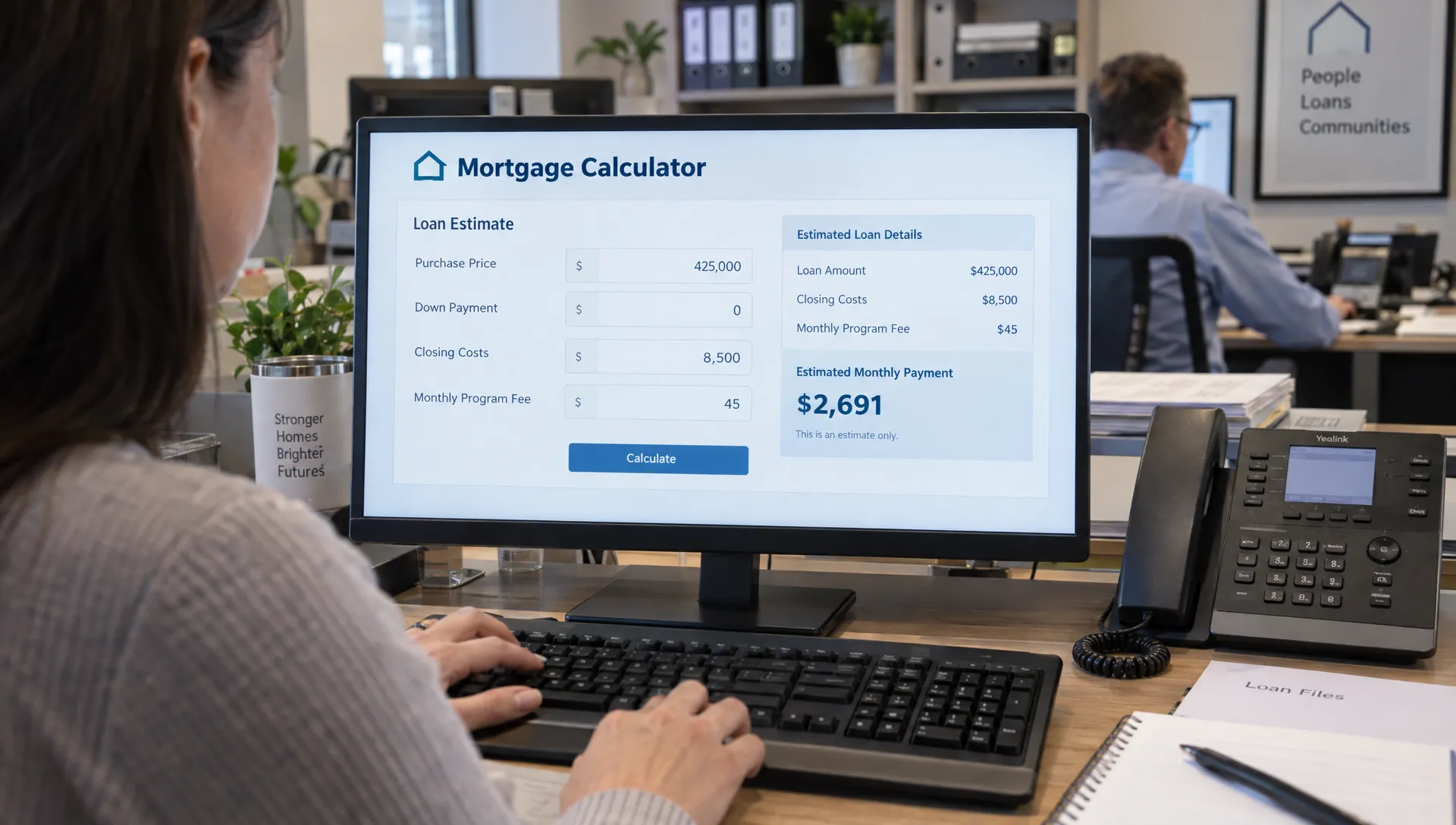
Upfront costs may include lender fees, appraisal fees, credit report fees, title services, recording fees, prepaid interest, escrow deposits, homeowners insurance, and taxes. Some loans also include program-specific fees or mortgage insurance premiums.
Long-term costs include interest over the life of the loan, mortgage insurance when applicable, property taxes, homeowners insurance, HOA dues, maintenance, and repairs. A lower monthly payment may feel attractive, but it can sometimes mean a longer repayment term or higher total interest.
This is why comparing Loan Estimates is so important. Do not focus only on the interest rate. Review APR, closing costs, points, lender credits, cash to close, and whether the payment could change in the future.
How to Choose the Right Mortgage Property Loan
Choosing the right mortgage property loan starts with your goal. A first-time buyer with limited savings may need a different strategy than a move-up buyer with equity, a veteran using VA benefits, or an investor purchasing a rental.
Start by asking practical questions. How long do you expect to own the property? How much payment fits comfortably into your monthly budget? Do you prefer payment stability, or are you comfortable with some rate adjustment risk? How much cash do you want to keep after closing? Is the property a primary residence, second home, or investment property?
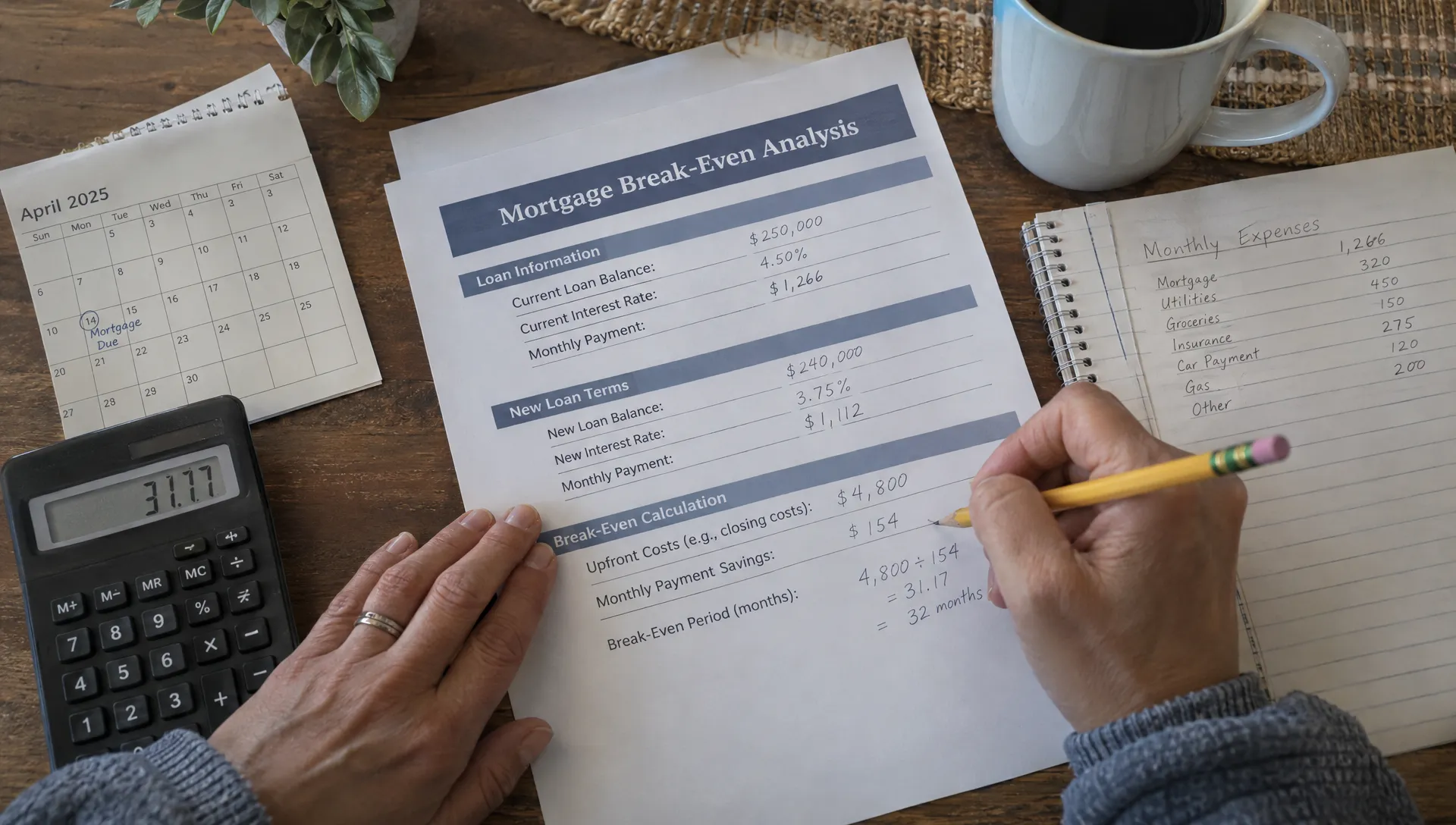
It also helps to compare more than one loan structure. A slightly higher rate with lower upfront costs may make sense for someone who expects to refinance or sell soon. Paying points for a lower rate may make sense for someone planning to keep the loan for many years. The right answer depends on your break-even point and financial priorities.
Most importantly, work with a lender that explains the tradeoffs clearly. A good mortgage conversation should not feel like a pile of unexplained numbers. It should help you understand what you qualify for, what it costs, and what risks or responsibilities come with the loan.
Common Mistakes to Avoid
Mortgage property loans are easier to navigate when you know where borrowers commonly run into trouble.
- Shopping only by rate: The lowest advertised rate may come with points, fees, or assumptions that do not match your situation.
- Ignoring total cash to close: Down payment is only part of the upfront cost. Closing costs and prepaid items matter too.
- Changing finances before closing: New debt, job changes, or large unexplained deposits can delay or affect approval.
- Skipping property research: Taxes, insurance, HOA rules, flood zones, and maintenance costs can change the affordability picture.
- Overstretching the budget: Approval amount and comfortable payment are not always the same thing.
- Not asking about loan alternatives: Different programs may offer different benefits, requirements, and long-term costs.
A mortgage property loan is a major financial commitment, so clarity matters. The more you understand before closing, the more confident you can be after closing.
Frequently Asked Questions
Is a mortgage property loan the same as a mortgage? In most everyday conversations, yes. A mortgage property loan usually means a mortgage loan secured by real estate. The phrase is not usually a separate loan category, but rather a descriptive way to refer to property-backed financing.
Can I get a mortgage property loan with a low down payment? Possibly. Some loan programs allow lower down payments for eligible borrowers, but requirements depend on credit, income, property type, occupancy, and loan program. Mortgage insurance may apply.
Does the property have to be a house? Not always. Mortgage property loans may be available for condos, townhomes, multi-unit properties, manufactured homes, second homes, and investment properties, depending on the program and property eligibility.
What is the difference between a mortgage property loan and a home equity loan? A purchase mortgage is typically used to buy a property, while a home equity loan lets an existing homeowner borrow against equity in a property they already own. Both may be secured by real estate.
What matters more, my credit or the property value? Both matter. Your credit and income help show whether you can repay the loan. The property value and condition help determine whether the property is acceptable collateral.
How long does mortgage property loan approval take? Timelines vary based on documentation, appraisal timing, title review, loan type, and borrower responsiveness. A smoother process usually starts with complete documents and clear communication with your lender.
Move Forward With a Clearer Mortgage Plan
A mortgage property loan is simply real estate financing secured by property, but the details matter. Loan type, rate structure, down payment, mortgage insurance, property use, and closing costs can all shape the right decision.
New Era Lending helps borrowers explore purchase, refinance, and equity-access options with smart technology and personalized human guidance. If you want a clearer path through the mortgage process, start with New Era Lending and review your options with a team built to make home financing simpler.