.jpg)
.jpg)





.jpg)

How to Find a Mortgage That Fits Your Budget
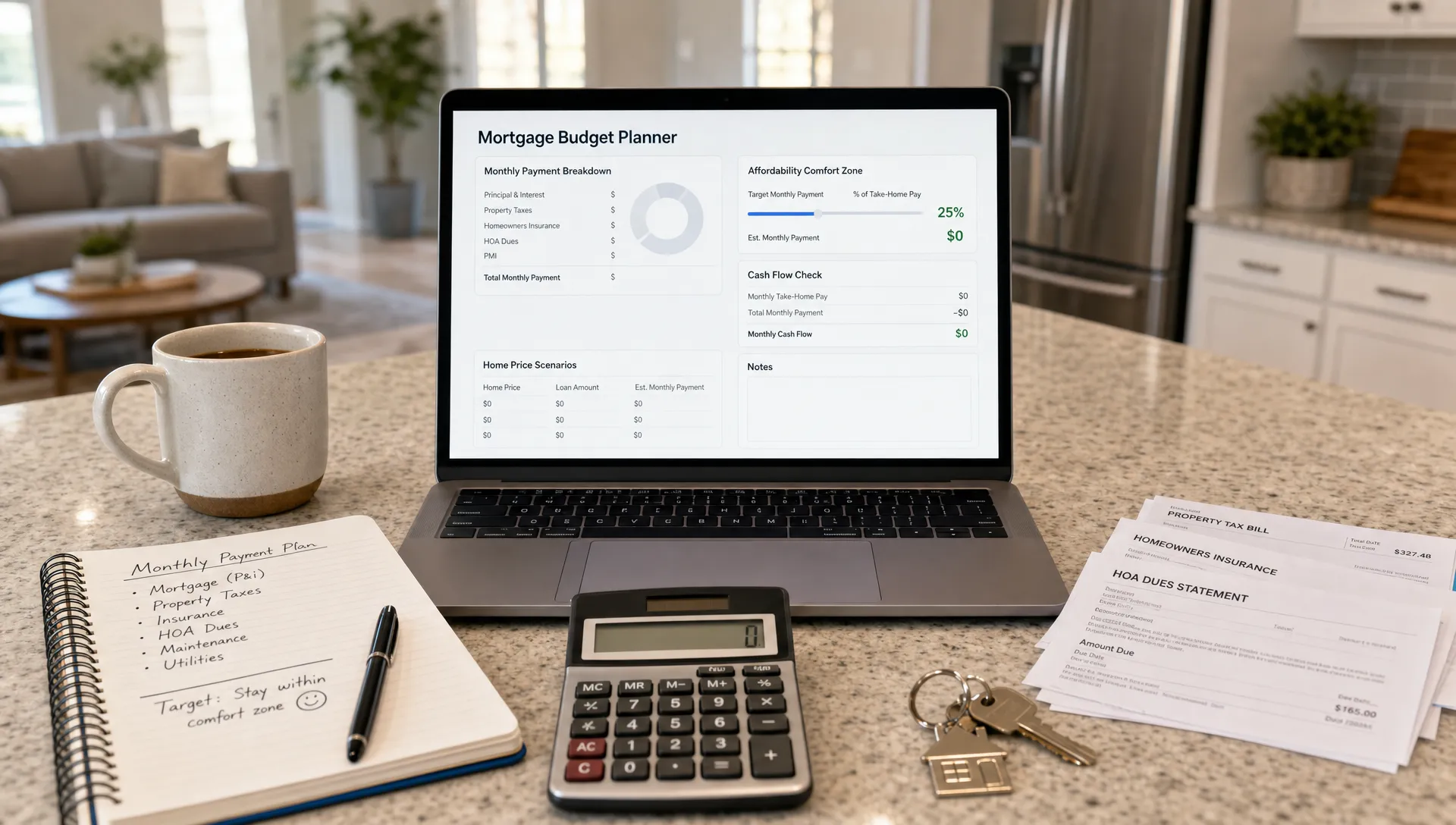
Finding a mortgage is not just about getting approved. It is about choosing a home loan that lets you buy with confidence, keep your monthly obligations manageable, and still have room for the rest of your life.
That distinction matters. A lender may approve you for a certain loan amount based on income, debts, credit, and assets, but your personal comfort zone may be lower. The right mortgage should support your goals without making every tax bill, repair, or insurance renewal feel like a financial emergency.
If you are trying to find a mortgage that fits your budget, start with the payment, not the house price. Then work backward through loan options, cash needed at closing, rate structure, fees, and long-term plans.
Start With Your Real Monthly Comfort Zone
Before comparing rates or shopping for homes, decide what monthly housing payment you can comfortably afford. This should be based on your actual spending habits, not just a general rule of thumb.
A budget-friendly mortgage has three qualities:
- The monthly payment leaves room for savings, utilities, groceries, transportation, insurance, and lifestyle expenses.
- The upfront cash requirement does not drain your emergency fund.
- The loan structure still makes sense if your taxes, insurance, or household expenses rise.
Debt-to-income ratio, often called DTI, is one factor lenders use to evaluate affordability. It compares your monthly debt obligations with your gross monthly income. But DTI does not capture everything. It may not fully reflect childcare costs, medical expenses, support for family members, retirement savings, or the lifestyle choices that matter to you.
That is why your first step is not asking, How much can I borrow? A better question is, What monthly payment can I live with comfortably for years?
The Consumer Financial Protection Bureau offers helpful homebuying resources that can help borrowers think through affordability, loan documents, and the broader cost of ownership.
Build the Full Mortgage Payment, Not Just Principal and Interest
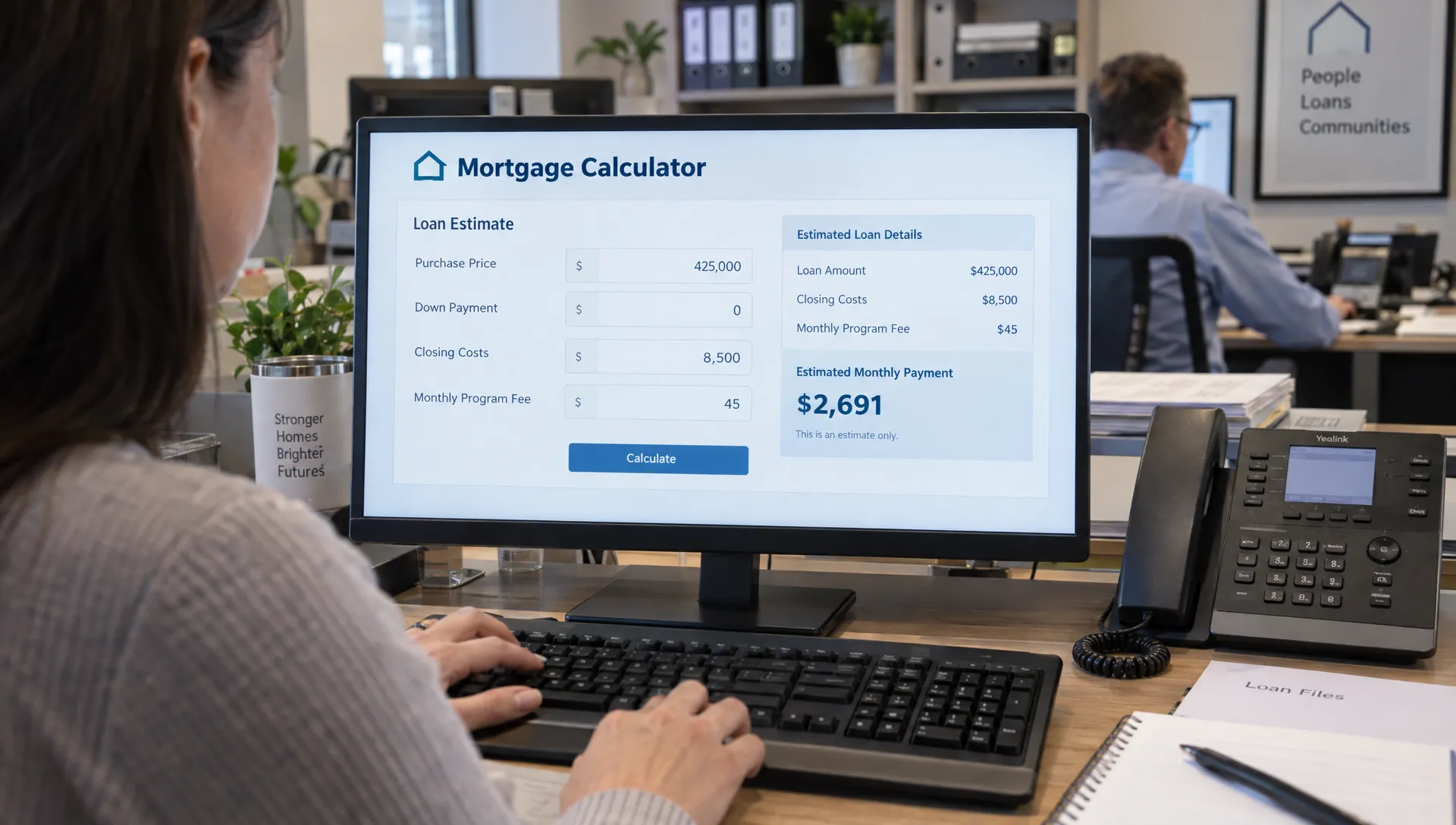
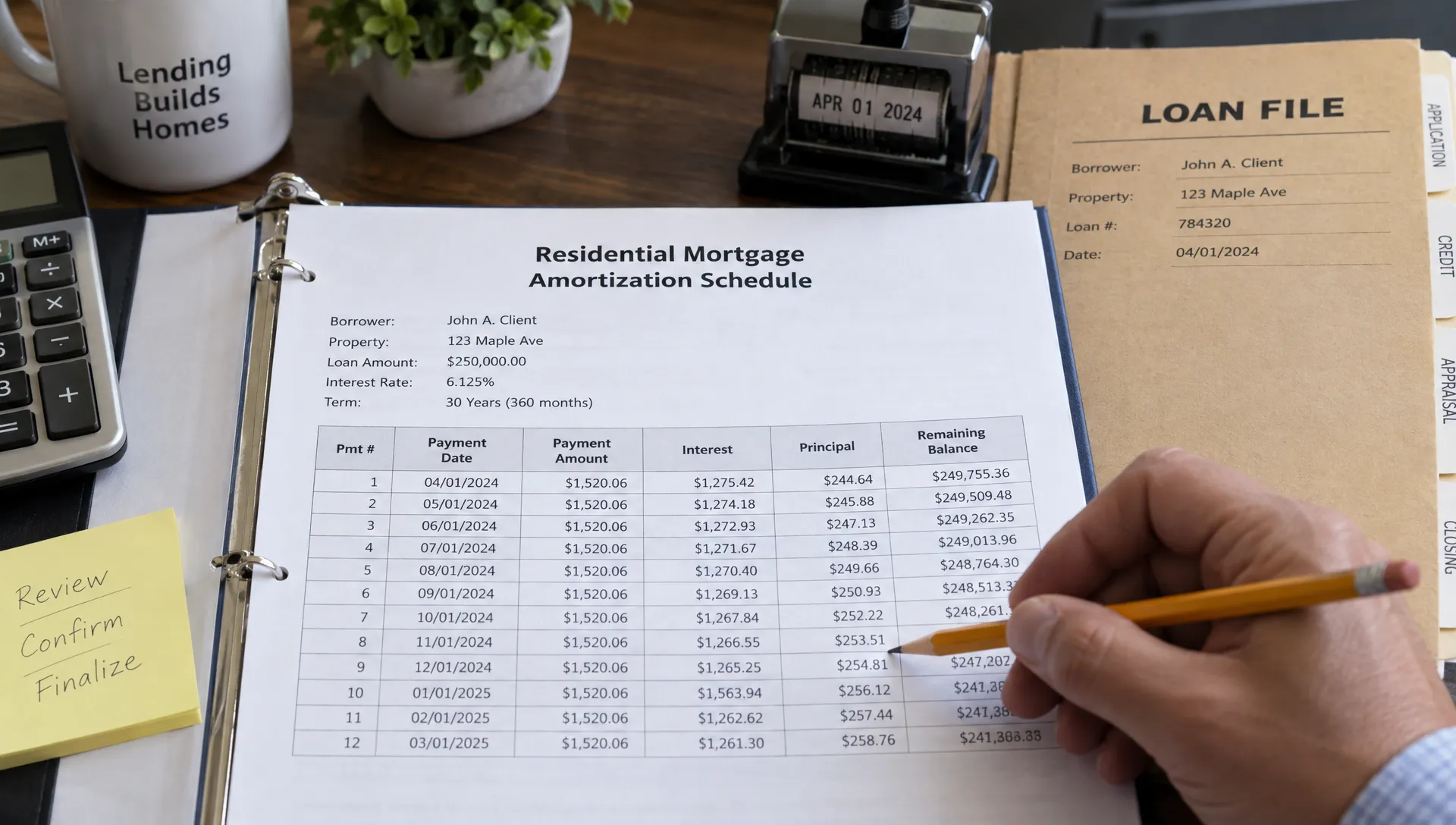
Many buyers focus on principal and interest because those numbers are easy to estimate from a loan amount and interest rate. But your real monthly housing cost usually includes more than that.
A complete mortgage payment may include:
- Principal, which reduces your loan balance.
- Interest, which is the cost of borrowing.
- Property taxes, often collected through escrow.
- Homeowners insurance.
- Mortgage insurance, if required by your loan program.
- HOA dues, condo fees, or community assessments.
Taxes and insurance are especially important because they can change over time. A payment that looks affordable at closing may feel tighter later if property taxes are reassessed or insurance premiums rise. This has become a major consideration in many parts of the country, especially where weather risk and local tax changes affect ownership costs.
If you want a deeper breakdown of payment components, New Era Lending has a helpful guide on how to estimate your monthly mortgage payment before you commit to a target price.
A practical way to set your budget is to choose three numbers: your ideal payment, your acceptable payment, and your hard stop. Your ideal payment is the one that feels easy. Your acceptable payment is manageable but requires attention. Your hard stop is the number you should not exceed, even if you technically qualify.
Decide How Much Cash You Can Safely Bring to Closing
A mortgage that fits your budget is not only about the monthly payment. It also needs to fit your cash position.
Your cash to close may include the down payment, closing costs, prepaid taxes, prepaid insurance, escrow deposits, and other fees. Closing costs vary by location, loan type, lender, and transaction details, so estimates should be reviewed carefully rather than assumed.
It can be tempting to put down as much as possible to reduce the loan amount. That can be a smart move in some cases, but it is not always the best choice if it leaves you with no reserves. Homeownership comes with repairs, maintenance, furniture needs, moving costs, and occasional surprises. A lower payment is helpful, but so is having cash available after closing.
Think of your down payment strategy as a balance between three priorities: reducing the monthly payment, qualifying for the right program, and keeping financial breathing room. The best answer depends on your income stability, emergency fund, other debts, and timeline for living in the home.
Compare Loan Programs Through a Budget Lens
Different mortgage programs can produce very different budget outcomes, even for the same home price. The lowest down payment option is not always the lowest total cost option. The loan with the lowest monthly payment is not always the best long-term fit either.
Here are common program categories to discuss with a mortgage professional:
- Conventional loans may be a strong fit for borrowers with solid credit, stable income, and a down payment that fits program guidelines.
- FHA loans may help buyers who need more flexible credit or down payment options, but mortgage insurance costs should be included in the budget.
- VA loans can be powerful options for eligible veterans, active-duty service members, and certain surviving spouses, with benefits that may include no required down payment, though a funding fee may apply.
- USDA loans may support eligible buyers in qualifying rural or suburban areas, subject to income and property rules.
- Jumbo loans may apply when the loan amount exceeds conforming limits, often with stricter qualification requirements.
The right program depends on more than eligibility. You also want to compare monthly payment, upfront cost, mortgage insurance, seller contribution rules, credit requirements, and long-term flexibility. For a plain-English overview, review this guide to mortgage loan options for different types of buyers.
Look Beyond the Interest Rate
The interest rate matters, but it is only one part of the mortgage cost. Two offers can have the same rate and very different fees. Two offers can also have different rates but similar long-term value once points, credits, and closing costs are included.
When comparing offers, pay close attention to the Loan Estimate. This standardized document was designed to help borrowers compare loan terms, projected payments, closing costs, and cash to close. The CFPB guide to the Loan Estimate explains what each section means and why it matters.
One of the most important trade-offs is whether to pay discount points. Points are upfront fees paid to reduce the interest rate. They can make sense if the monthly savings outweigh the upfront cost over the time you expect to keep the loan. But if you plan to move or refinance soon, paying points may not give you enough time to recover the cost.
This is why a budget-friendly mortgage comparison should include both the monthly and the upfront view. Ask yourself: Does this option lower my payment enough to justify the cash required today?
Stress-Test the Payment Before You Commit
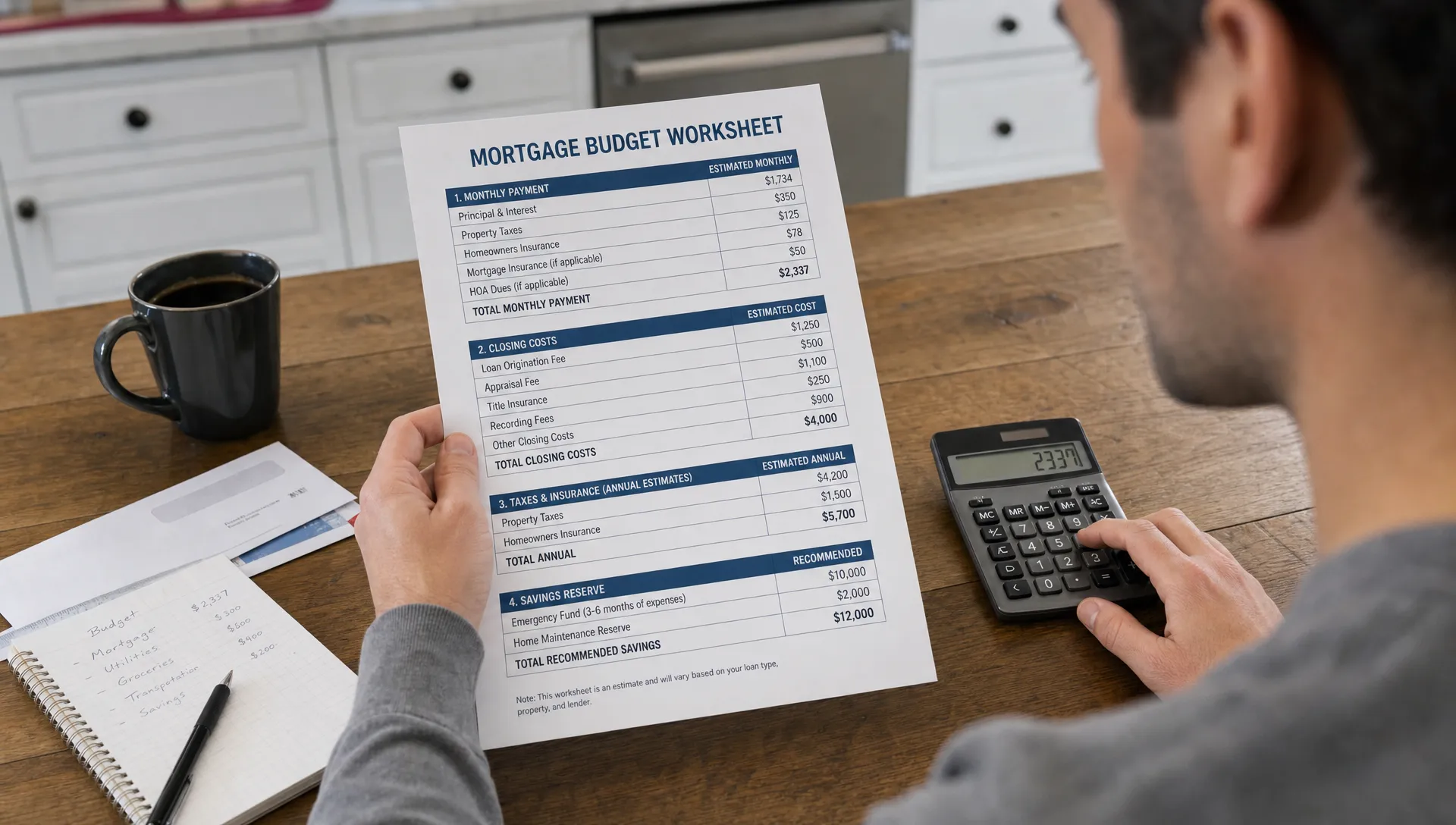
A mortgage can look affordable on paper and still become stressful if your budget is too tight. Before moving forward, test the payment against realistic life scenarios.
Consider how your budget would handle a property tax increase, higher insurance premium, unexpected car repair, medical bill, job change, or major home maintenance expense. You do not need to plan for every possible problem, but you should avoid a mortgage that only works if everything goes perfectly.
One helpful exercise is to practice the future payment before you buy. If your current rent is lower than your projected mortgage payment, set aside the difference each month for a few months. This shows whether the new payment feels manageable and helps build extra reserves for closing or moving costs.
Also think about your time horizon. If you expect to stay in the home for many years, a stable fixed-rate mortgage may provide predictability. If your plans are shorter term, an adjustable-rate option might be worth discussing, but only if you understand how and when the payment could change.
Get Pre-Approved With Numbers You Trust
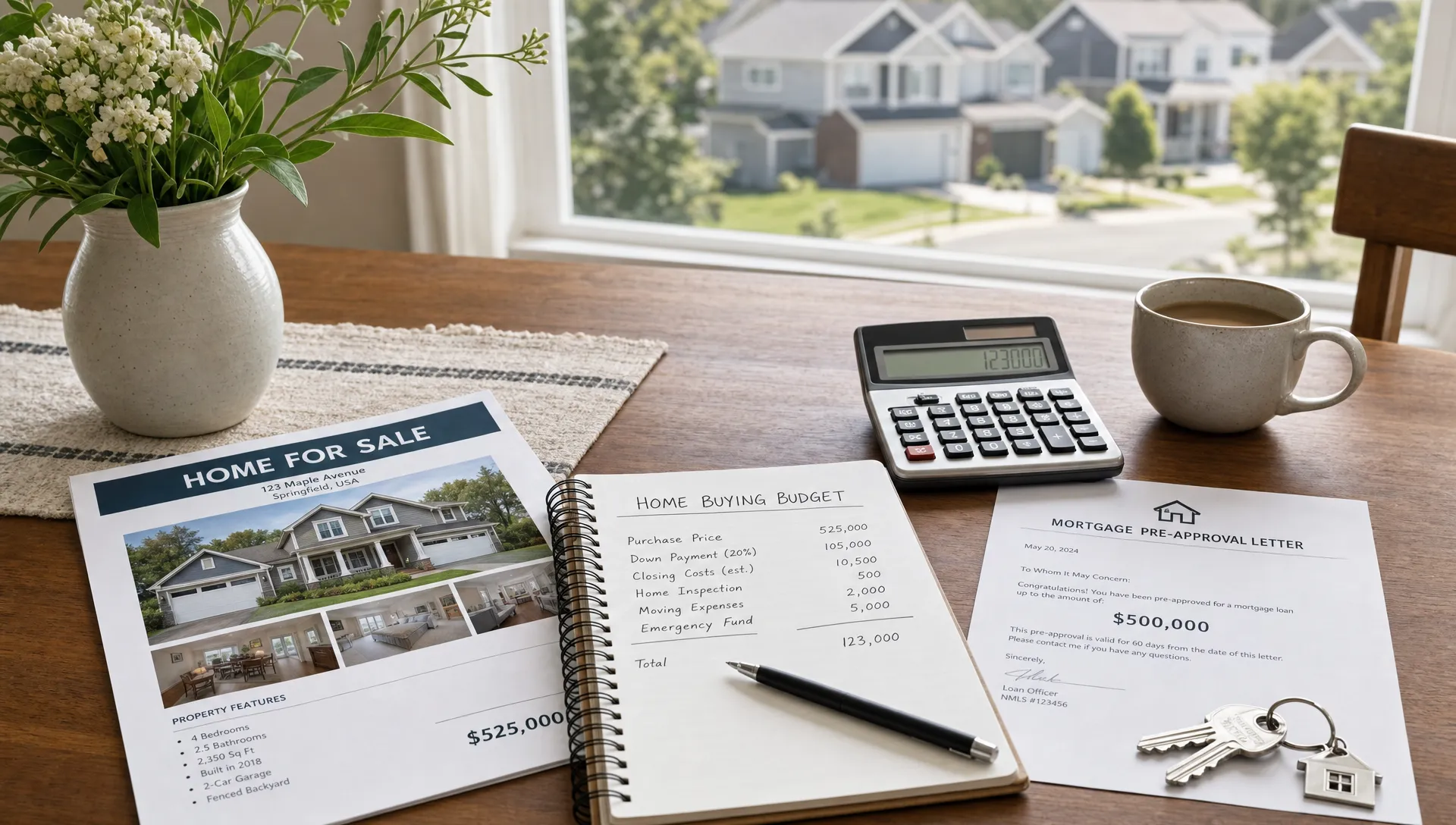
Pre-approval helps you understand your buying range and show sellers you are a serious buyer. But the quality of the pre-approval matters. A quick estimate based on limited information is not the same as a carefully reviewed pre-approval that considers income, assets, debts, credit, and loan program details.
To get a more accurate picture, be prepared to provide documentation such as pay stubs, W-2s, tax returns if applicable, bank statements, identification, and information about current debts. Self-employed borrowers may need additional documentation.
You should also ask what assumptions are being used. Is the estimate based on a specific property tax amount? Does it include homeowners insurance? Is mortgage insurance included? Are HOA dues factored in? Are the rate and fees current, or just placeholders?
The more complete the assumptions, the more useful the pre-approval will be for budgeting.
Watch for Budget Red Flags
Not every loan that gets you into a home is the right loan for your financial life. A few warning signs should make you pause and review the numbers again.
A mortgage may be too tight if you would have little or no emergency savings after closing, need to rely on credit cards for normal expenses, cannot keep contributing to basic savings goals, or feel pressured to choose a payment above your comfort zone.
Another red flag is focusing only on the maximum purchase price. A higher price can increase not only the loan amount, but also taxes, insurance, maintenance, and sometimes HOA dues. Even if the payment difference looks small, the full cost of ownership may be larger than expected.
It is also worth being cautious with temporary affordability. Seller credits, buydowns, or lender credits can be useful tools, but you should understand what happens when any temporary benefit ends. The long-term payment needs to work, not just the first few months.
Use Human Guidance and Smart Tools Together
Modern mortgage technology can make the process faster and easier. Digital applications, secure document uploads, e-signatures, and online communication can reduce friction. But choosing the right mortgage still benefits from human guidance, especially when your budget, loan options, and long-term goals need to be weighed together.
That combination is where personalized lending support becomes valuable. New Era Lending offers technology-driven mortgage solutions with expert guidance for home purchases, refinancing, and equity access across 39 states. Instead of treating the mortgage as a one-size-fits-all product, the goal is to help borrowers understand their options and move forward with confidence.
When you speak with a lender, be direct about your comfort zone. Share your ideal payment, your hard stop, your cash reserve goals, and your plans for the home. A good mortgage conversation should help you compare options clearly, not push you toward the largest loan amount possible.
A Simple Checklist to Find a Mortgage That Fits Your Budget
Use this checklist before you choose a loan or make an offer:
- Define your ideal monthly payment, acceptable payment, and hard stop.
- Estimate the full payment, including taxes, insurance, mortgage insurance, and HOA dues.
- Calculate cash to close and decide how much reserve savings you want after closing.
- Compare loan programs based on monthly cost, upfront cost, eligibility, and long-term flexibility.
- Review the Loan Estimate carefully, including APR, points, lender fees, and cash to close.
- Stress-test the payment against realistic changes in expenses or income.
- Get a pre-approval based on complete, accurate information.
This process keeps the focus where it belongs: not on the biggest loan you can get, but on the mortgage that best supports your financial life.
Frequently Asked Questions
How do I know if a mortgage fits my budget? A mortgage fits your budget if the full monthly payment is comfortable, your cash to close does not drain your savings, and you can still handle normal expenses, emergencies, and long-term savings goals after buying.
Should I borrow the maximum amount I am approved for? Not necessarily. Your maximum approval is based on lender guidelines, but your personal budget may require a lower payment. It is usually smarter to choose a mortgage based on comfort, stability, and long-term affordability.
What costs should I include when estimating my mortgage payment? Include principal, interest, property taxes, homeowners insurance, mortgage insurance if required, and HOA or condo dues if applicable. You should also budget separately for utilities, maintenance, repairs, and moving costs.
Is the lowest interest rate always the best mortgage option? No. A lower rate may come with higher upfront fees or discount points. Compare the total cost, including monthly payment, APR, closing costs, and how long you expect to keep the loan.
When should I get pre-approved? It is wise to get pre-approved before serious home shopping. This helps you understand your price range, compare loan options, and make stronger offers with a clearer view of your budget.
Find a Mortgage With More Confidence
The best mortgage is not always the biggest loan or the lowest advertised rate. It is the loan that fits your income, cash position, goals, and comfort level.
If you are ready to compare options with both smart technology and personal guidance, New Era Lending can help you explore mortgage solutions for purchasing, refinancing, or accessing home equity with a clearer understanding of your numbers.