.jpg)
.jpg)





.jpg)
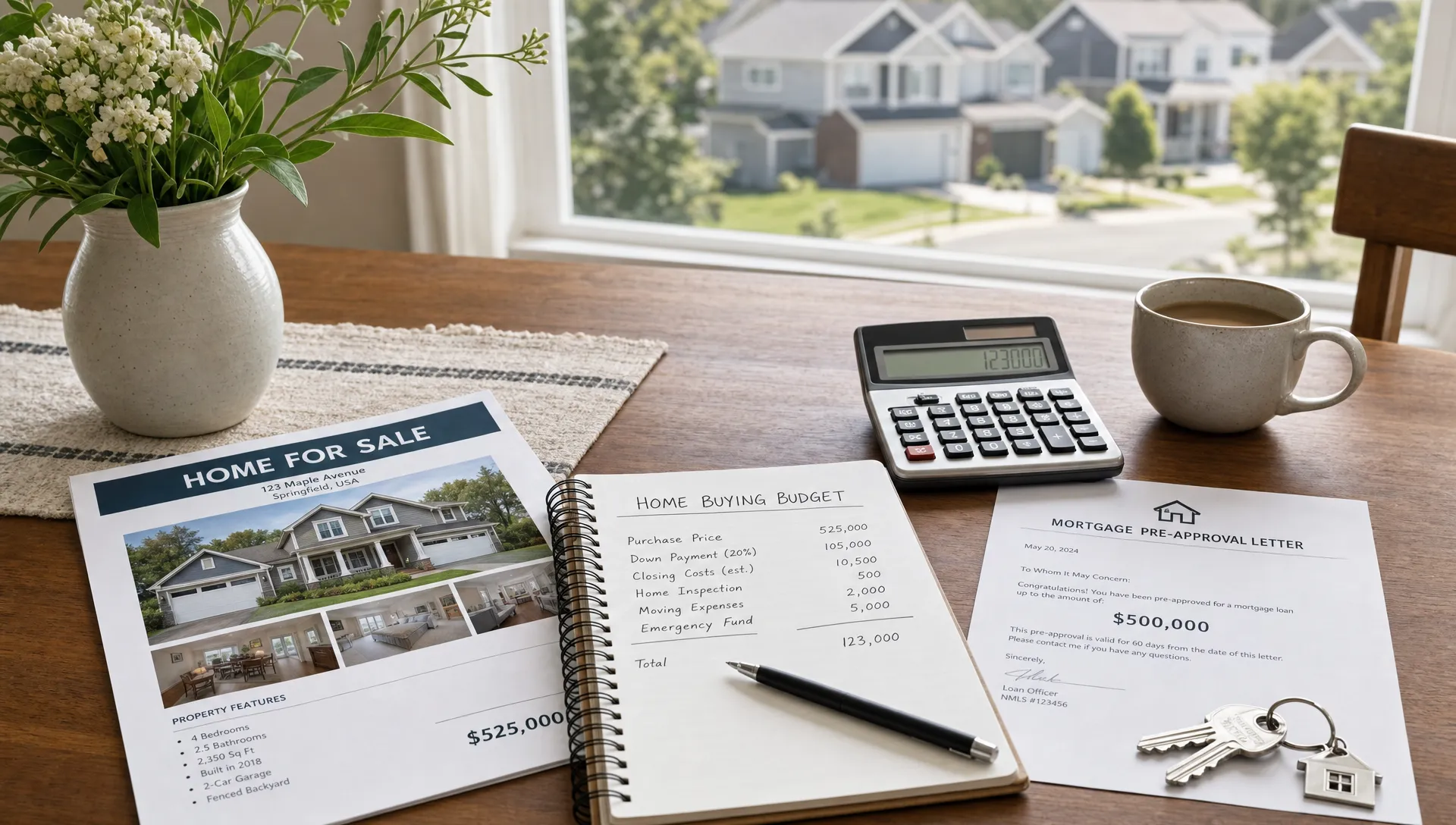

What to Know Before You Purchase a Home
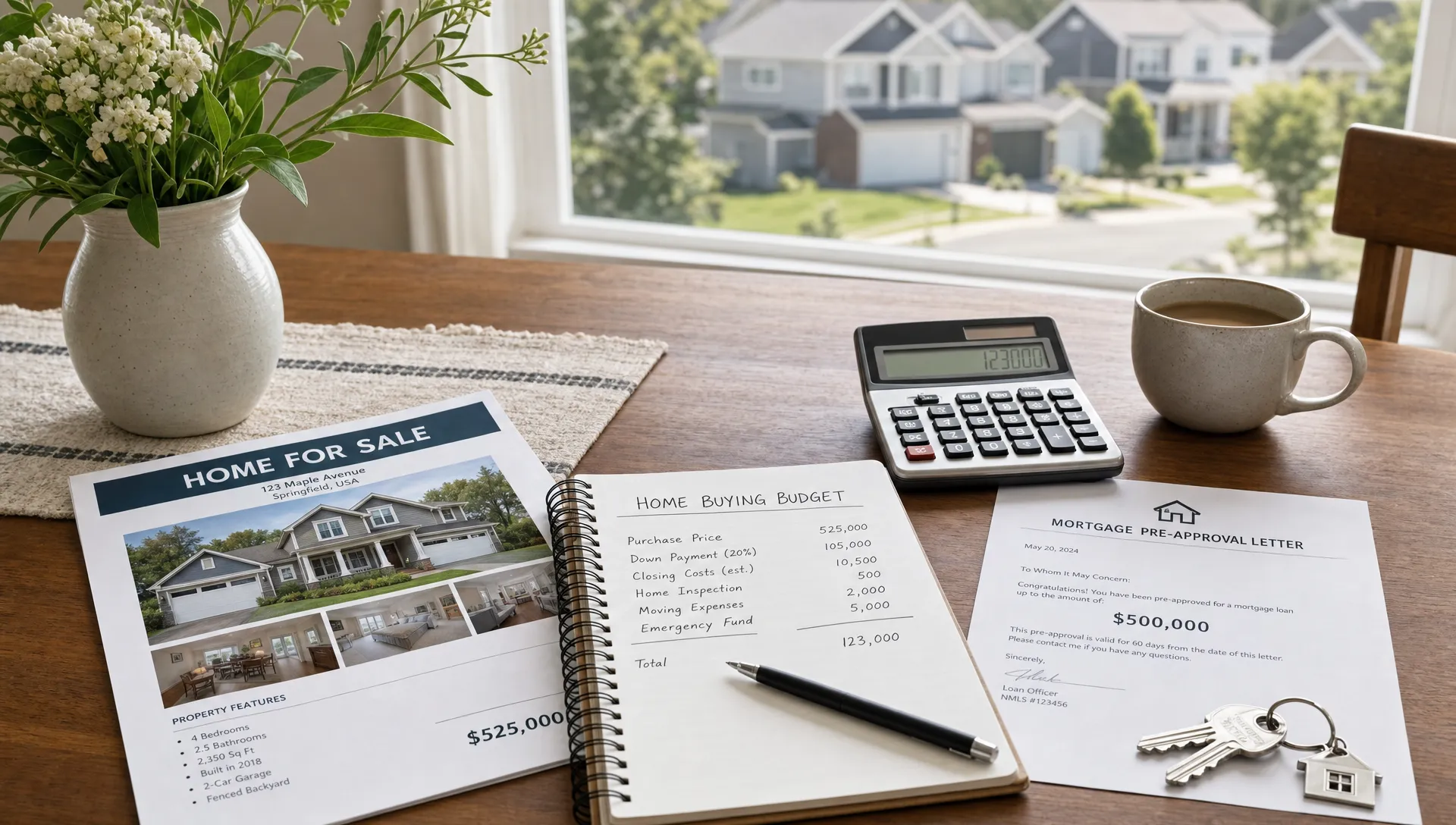
Purchasing a home is exciting, but it is also one of the largest financial decisions most people make. The best time to prepare is not after you find the perfect property. It is before you tour homes, before you make an offer, and before emotions start competing with your budget.
A strong home-buying plan helps you answer three big questions: what can you comfortably afford, what loan structure fits your goals, and what risks should you understand before closing. Whether this is your first home or your next one, the steps below can help you purchase a home with more confidence and fewer surprises.
Start with the reason you are buying
Before looking at listings, get clear about why you want to buy. Are you trying to build long-term stability, move closer to work, get more space, start investing in equity, or lock in a housing plan for your family? Your reason matters because it shapes the right budget, location, loan type, and timeline.
A home that is perfect for a two-year plan may not be ideal for a ten-year plan. A condo with lower maintenance might fit a busy professional, while a single-family home could better serve a growing household that wants a yard. If you may relocate soon, you will want to think carefully about transaction costs, resale potential, and whether renting could still make sense for now.
It also helps to separate needs from preferences. Needs are the items that truly affect your daily life, such as commute, number of bedrooms, accessibility, school district, or proximity to family. Preferences are features you would enjoy, such as a finished basement, luxury countertops, or a larger yard. Knowing the difference keeps you from overpaying for features that are nice, but not essential.
Build your budget around the monthly payment
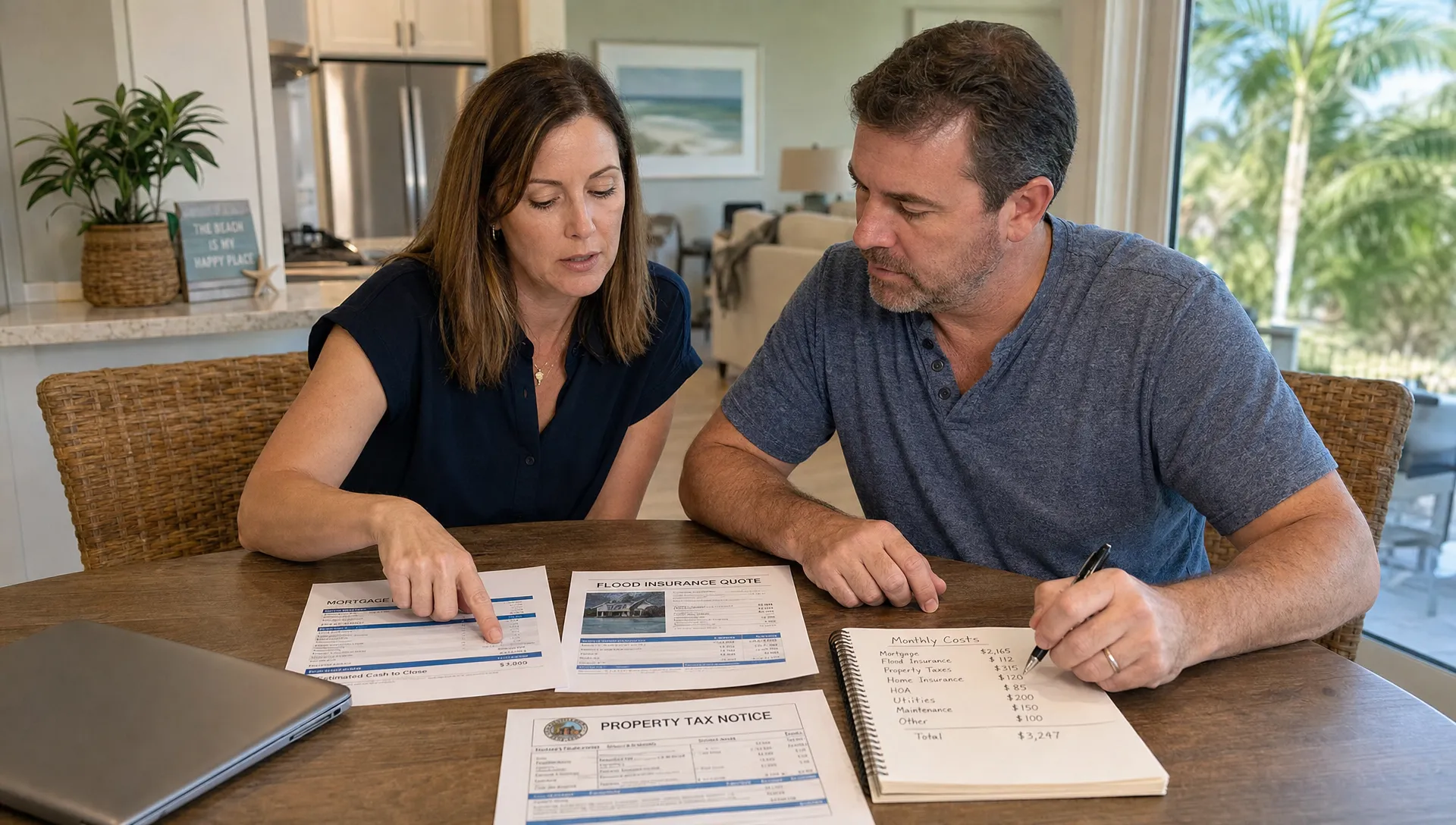
Many buyers start with the purchase price, but your monthly payment is usually the better affordability anchor. Two homes with the same price can have very different monthly costs depending on property taxes, insurance, homeowners association fees, mortgage insurance, and loan terms.
A realistic housing budget should consider the full payment, often called PITI:
- Principal and interest
- Property taxes
- Homeowners insurance
- Mortgage insurance, if applicable
- HOA dues, if the property has them
- Utilities, maintenance, and repairs
This is where buyers can get into trouble. A payment may look manageable before taxes and insurance are added, but less comfortable after the full picture is included. Property taxes and insurance can also change over time, so leave room in your budget for increases.
Lenders will review your income, debts, credit profile, and available funds, but lender approval is not the same as personal comfort. You may technically qualify for a larger loan than you want to carry each month. Your own budget should include groceries, transportation, childcare, savings, retirement contributions, medical costs, travel, and the lifestyle expenses that matter to you.
If you want a stronger foundation before you purchase a home, New Era Lending’s overview of home loan basics every buyer should know explains key terms like down payment, loan-to-value ratio, debt-to-income ratio, and cash to close.
Get pre-approved before serious home shopping
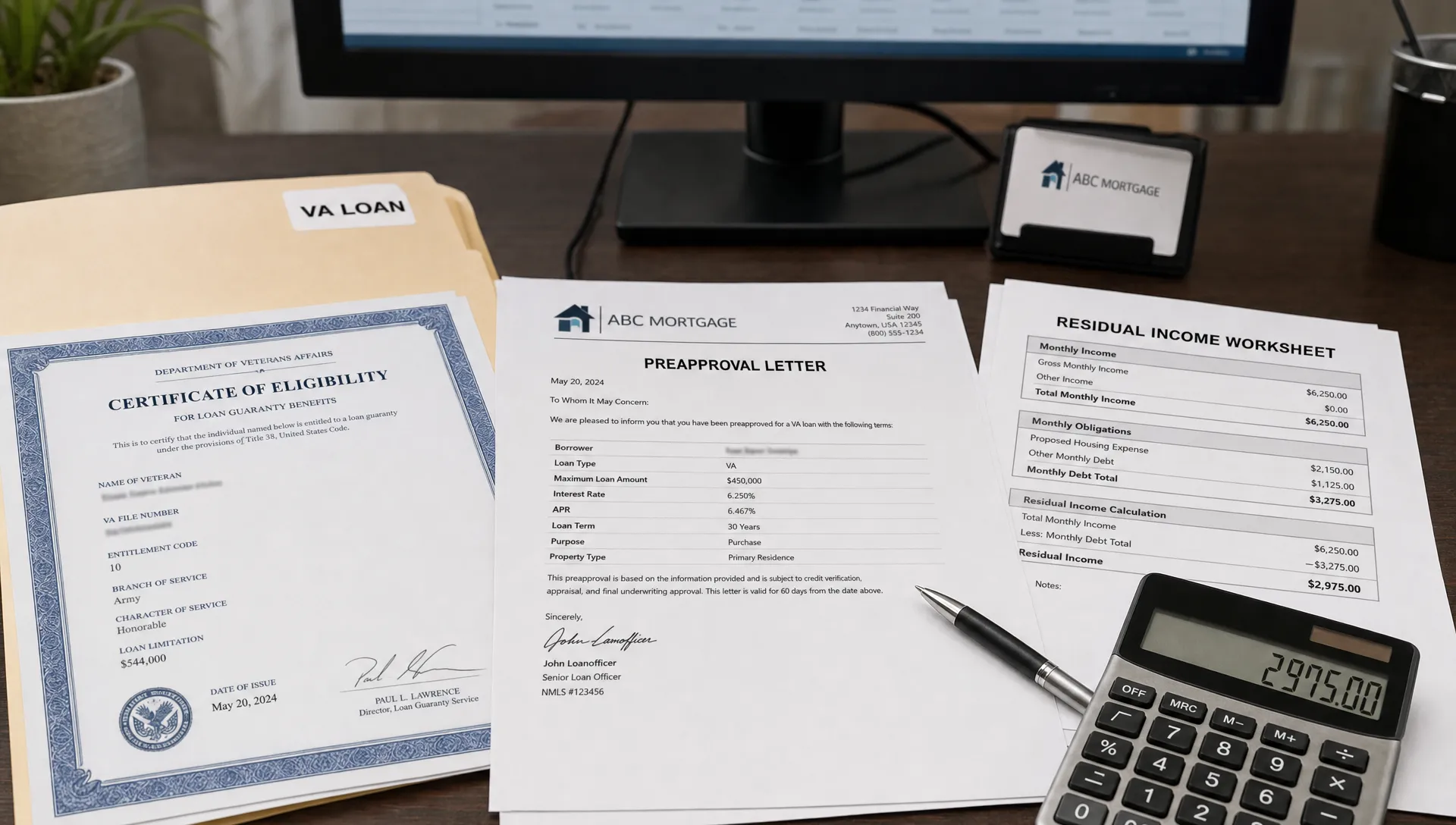
A mortgage pre-approval helps you understand what financing may be available before you start making offers. It can also strengthen your position with sellers because it shows you have already taken steps toward financing.
Pre-approval is more detailed than a quick affordability estimate. Your lender will typically review documents such as pay stubs, W-2s or tax returns, bank statements, identification, and credit information. If you are self-employed, have variable income, receive bonuses, or own multiple properties, the documentation process may require extra detail.
Pre-approval can also reveal issues early. Maybe a credit card balance is affecting your debt-to-income ratio. Maybe a recent deposit needs documentation. Maybe you qualify for more than one type of loan and need help comparing the tradeoffs. Finding these things before you write an offer gives you more time to solve them.
Once you are pre-approved, avoid major financial changes unless you have discussed them with your lender. Opening new credit, financing furniture, changing jobs, moving money between accounts without records, or making large unexplained deposits can complicate underwriting.
Understand your loan options before you choose a home
The mortgage you choose affects your down payment, monthly payment, cash to close, approval requirements, and long-term costs. There is no single “best” loan for every buyer. The right fit depends on your credit, income, savings, military service history, property type, location, and goals.
Common loan categories include:
- Conventional loans, which may fit buyers with solid credit and stable income
- FHA loans, which can be helpful for some buyers with lower down payments or more flexible credit profiles
- VA loans, which may offer major benefits for eligible service members, veterans, and surviving spouses
- USDA loans, which may support eligible buyers in certain rural or suburban areas
- Jumbo loans, which are used when the loan amount exceeds conforming loan limits
You will also need to compare fixed-rate and adjustable-rate structures. A fixed-rate mortgage offers payment stability on principal and interest. An adjustable-rate mortgage may start with a lower rate for an initial period, but the rate can change later based on the loan terms.
Pay attention to points and lender credits, too. Paying points can lower your interest rate, but it increases upfront cost. Taking a lender credit can reduce cash needed at closing, but it may come with a higher rate. The right choice depends partly on how long you expect to keep the loan.
When comparing offers, review the Loan Estimate carefully. The Consumer Financial Protection Bureau explains how a Loan Estimate helps borrowers compare interest rate, monthly payment, closing costs, taxes, insurance, and cash needed to close.
Plan for cash to close, not just the down payment
One of the most common surprises for buyers is that the down payment is only part of the upfront cash needed. Cash to close can include your down payment, closing costs, prepaid taxes, prepaid insurance, escrow deposits, title fees, recording fees, appraisal fees, and lender-related fees.
You may also need money before closing for earnest money, inspections, option fees in some states, moving expenses, utility setup, and immediate repairs. Even if your loan allows a low down payment, you still need enough reserves to feel secure after closing.
Closing costs vary by state, county, loan type, and property, but they are real and should be included in your plan from the beginning. If you want a deeper breakdown, review New Era Lending’s guide to closing costs and the fees buyers often overlook.
A good rule of thumb is to avoid draining every dollar to buy the house. Homeownership comes with repairs and maintenance, and those expenses rarely wait until your savings account has recovered.

Evaluate the property beyond the listing photos
A home is more than square footage and finishes. Before you purchase a home, look closely at condition, location, future costs, and resale factors. A beautiful kitchen cannot offset a failing roof, major foundation issues, unsafe wiring, or a location that does not fit your daily life.
The appraisal and inspection serve different purposes. An appraisal helps the lender evaluate the property’s value for the loan. A home inspection helps you understand the property’s condition. The inspection is your opportunity to learn about systems such as the roof, HVAC, plumbing, electrical, drainage, attic, foundation, appliances, and visible safety concerns.
Buying a home is not an industrial engineering project, but the principle is similar: complex assets deserve expert review. Technical service providers like BKL apply specialized inspection and engineering expertise to help make systems safer and more efficient, and homebuyers should apply that same mindset by relying on qualified residential inspectors and licensed specialists when needed.
Location deserves the same level of attention. Visit the neighborhood at different times of day. Consider commute patterns, traffic noise, parking, nearby development, school boundaries, local taxes, flood zones, insurance availability, and how easy the home may be to resell later.
Insurance is especially important. In some markets, homeowners insurance costs have risen significantly due to weather risk, rebuilding costs, and carrier changes. Get an insurance estimate early so the full payment does not surprise you near closing.
Know what makes an offer strong
A strong offer is not always the highest offer. Sellers often consider price, financing strength, contingencies, closing timeline, earnest money, seller credits, and the likelihood that the deal will close smoothly.
Common contingencies include financing, appraisal, inspection, title review, and sale of a current home. Contingencies protect buyers, but they can also make an offer less attractive in a competitive situation. Be careful about waiving protections just to win a bidding war. Saving a deal is not helpful if you inherit an expensive problem you cannot afford.
Seller credits can also be useful. In some situations, a seller may agree to contribute toward closing costs or rate buydown options, subject to loan program limits. This can reduce upfront cash or help improve affordability, but it must be structured correctly and approved within lending guidelines.
Your real estate agent and lender should communicate before you submit an offer. That coordination helps confirm the offer price, financing type, expected cash to close, closing timeline, and any seller contributions you plan to request.
Protect your approval between contract and closing
Once your offer is accepted, the mortgage process moves into a more detailed phase. The lender verifies information, the property is appraised, title work is reviewed, insurance is confirmed, and underwriting conditions are cleared.
During this period, keep your financial life steady. Do not take on new debt, co-sign a loan, quit or change jobs, make large purchases, or move money around without documentation. Even a well-intentioned furniture purchase can affect your approval if it changes your credit, cash reserves, or debt-to-income ratio.
Respond quickly to document requests. Underwriters may ask for updated bank statements, letters of explanation, proof of earnest money, employment verification, or clarification about deposits. These requests are normal, but delays can put pressure on the closing timeline.
You should also review your Closing Disclosure carefully before closing. Confirm the loan terms, monthly payment, cash to close, taxes, insurance, and credits. If something looks different from what you expected, ask questions immediately.
Think about the first year of ownership
A successful home purchase does not end when you receive the keys. The first year often brings new expenses and adjustments. You may need tools, lawn equipment, window coverings, appliance repairs, pest treatment, furniture, security upgrades, or minor renovations.
Create a home maintenance fund as soon as possible. Even newer homes need upkeep, and older homes can require more frequent repairs. The exact amount depends on the property, but setting aside money each month can prevent routine maintenance from becoming credit card debt.
Also remember that your mortgage payment may not stay exactly the same forever, even with a fixed-rate loan. The principal and interest portion can be fixed, but taxes, insurance, HOA dues, and escrow payments may change. Review escrow statements and local tax notices so you are not caught off guard.
Finally, keep your long-term options in mind. Over time, you may build equity, refinance if market conditions make sense, remove mortgage insurance if eligible, renovate, rent the property, or sell and move again. Buying with a long-term plan helps you make smarter decisions today.
Choose a lending team that explains the process clearly
The right lender should do more than quote a rate. You want a team that explains options, communicates clearly, helps you understand tradeoffs, and keeps the process moving. A mortgage is a major commitment, and you should feel comfortable asking questions before you sign.
Look for clarity around loan options, estimated payments, closing costs, documentation, rate locks, underwriting timelines, and what could affect approval. Fast communication matters, especially in competitive markets where sellers expect timely updates.
Technology can make the process smoother, but human guidance still matters. Secure document uploads, e-signatures, and modern tools can reduce friction, while an experienced mortgage professional can help you interpret the numbers and make decisions that fit your life.
Frequently Asked Questions
How much money should I save before I purchase a home? It depends on your loan type, down payment, closing costs, property taxes, insurance, moving costs, and desired emergency fund. Many buyers focus only on the down payment, but cash to close and post-closing reserves are just as important.
Do I need 20% down to buy a home? Not always. Some loan programs allow lower down payments for qualified buyers. A 20% down payment can help you avoid certain mortgage insurance costs on many conventional loans, but it is not the only path to homeownership.
When should I get pre-approved? Get pre-approved before you start serious home shopping. This helps you understand your budget, compare loan options, and make stronger offers. If you are still months away from buying, a lender can still help you prepare.
What should I avoid doing before closing? Avoid opening new credit, making large purchases, changing jobs, co-signing loans, depositing undocumented cash, or moving funds without a paper trail. Ask your lender before making any major financial change.
Is the lowest interest rate always the best choice? Not necessarily. Compare the full loan structure, including points, lender fees, credits, closing costs, APR, monthly payment, and how long you expect to keep the loan. A slightly higher rate with lower upfront costs may make sense in some situations.
Move forward with a clearer home-buying plan
The more you understand before you purchase a home, the more confident you can feel when it is time to make decisions. Start with your budget, get pre-approved, compare loan options, review the property carefully, and protect your finances through closing.
If you are ready to explore your next step, connect with New Era Lending for smart mortgage solutions, modern tools, and personalized guidance designed to make home financing easier to understand.