.jpg)
.jpg)





.jpg)


Smart Loan Solutions for Homebuyers in 2026

Buying a home in 2026 requires more than finding a lender with a competitive rate. Many buyers are balancing affordability pressure, changing inventory, stricter budget discipline, and the need to move quickly when the right property appears. That is where smart loan solutions matter.
A smart loan solution is not just a digital application or a faster preapproval. It is a mortgage strategy that fits your income, timeline, credit profile, cash reserves, and long-term plans. It combines useful technology with real guidance, so you can compare options clearly and avoid choosing a loan based on one number alone.
For homebuyers, the goal is simple: understand what you can afford, choose the right loan structure, and close with fewer surprises.
What Makes a Loan Solution “Smart” in 2026?
A mortgage becomes smart when it helps you make a better decision, not just a faster one. In 2026, that usually means three things: clearer data, more personalized recommendations, and a process that removes unnecessary friction.
Digital tools can help you upload documents securely, sign disclosures electronically, compare payment scenarios, and stay organized from preapproval to closing. But technology alone does not answer the most important questions, such as whether you should buy now, preserve cash, pay points, choose a fixed rate, or explore a veteran loan program.
A smart loan solution should help you evaluate:
- Your realistic monthly payment range, including taxes, insurance, and possible mortgage insurance
- Your cash-to-close needs, not just the down payment
- Your timeline, especially if you need a strong preapproval before making an offer
- Your risk tolerance if considering an adjustable-rate option
- Your expected time in the home
- Your eligibility for specialized programs, including options for veterans
If you want a deeper overview of what makes financing more modern and buyer-friendly, New Era Lending’s guide to smart mortgage solutions for modern homebuyers is a helpful companion to this article.
Start With Your Buying Strategy, Not the Loan Product
Many buyers begin by asking, “What is the best loan?” A better question is, “What loan best supports my homebuying strategy?”
For example, a first-time buyer with limited savings may need a different solution than a move-up buyer using proceeds from a sale. A military borrower may benefit from exploring VA loan options. A buyer with strong income but variable bonuses may need extra attention on documentation and debt-to-income planning. A self-employed borrower may need more time to prepare income records.
Before comparing loan programs, define the outcome you want. Are you trying to minimize cash out of pocket? Keep the lowest possible monthly payment? Build equity faster? Buy before relocating for work? Leave room in your budget for renovations? Each goal can point toward a different loan structure.
This is why smart lending is not one-size-fits-all. The right solution depends on how the loan performs in real life after closing.
The Most Important Loan Choices to Compare
Homebuyers in 2026 should avoid shopping by interest rate alone. The advertised rate may not include points, fees, mortgage insurance, escrow costs, or the long-term implications of the loan structure. A smarter comparison looks at the full picture.
Fixed-rate mortgages
A fixed-rate mortgage can be attractive if you want predictable payments and plan to stay in the home for several years. Your principal and interest payment stays the same, which makes budgeting simpler. This can be especially valuable when other household expenses are rising.
The tradeoff is that fixed-rate loans may carry a higher starting rate than some adjustable-rate options. The stability may still be worth it if payment certainty is a top priority.
Adjustable-rate mortgages
An adjustable-rate mortgage, often called an ARM, may offer a lower initial rate for a set period. It can make sense for buyers who expect to move, refinance, or significantly increase income before the rate adjusts. However, it requires careful planning.
A smart approach is to stress test the future payment. Ask what happens if rates are higher when the adjustment period begins. If the possible payment increase would strain your budget, the lower starting payment may not be worth the risk.
Low down payment options
Low down payment loans can help buyers enter the market sooner, but the best choice depends on credit, income, property type, and savings. Some buyers may prefer to keep emergency reserves rather than put every available dollar into the down payment.
A larger down payment can reduce the loan amount and possibly lower mortgage insurance costs. A smaller down payment can preserve cash for moving expenses, repairs, furniture, or unexpected costs after closing. Smart loan solutions help you weigh both sides.
VA and other specialized programs
Eligible veterans, active-duty service members, and certain surviving spouses may want to evaluate VA loan benefits. These programs can be powerful, but they still require a clear understanding of funding fees, property requirements, and long-term affordability.
Depending on location and eligibility, some buyers may also consider FHA, USDA, conventional, jumbo, or assistance programs. For a broader look at what to evaluate before applying, review this 2026 guide to home loan options.
Discount points and buydowns
Paying points means paying upfront to potentially lower your interest rate. A temporary buydown may reduce the payment for the first year or two, often through seller or builder contributions. These can be useful, but only if you understand the break-even timeline and future payment.
The key question is not, “Can I get a lower rate?” It is, “Will the upfront cost create enough value for my situation?” If you expect to refinance or sell soon, paying significant upfront costs may not make sense.
Why Smart Technology Helps Buyers Move Faster
In competitive markets, speed can matter. A slow document process or unclear preapproval can weaken your offer. Smart mortgage technology helps by reducing administrative delays and giving both the buyer and lending team a clearer view of the file.
Secure document uploads, e-signature support, automated status updates, and organized task lists can make the process feel less overwhelming. These tools are especially useful when you are coordinating with real estate agents, sellers, title teams, and insurance providers.
Still, the smartest technology keeps people involved where judgment matters. Mortgage approvals depend on details that software may flag but a professional needs to interpret, such as income patterns, credit history, asset sourcing, property issues, or timing constraints. The same principle is appearing across many industries, where AI-first tools that keep humans in the approval loop are used to handle repetitive work while leaving important decisions to people.
For mortgages, that human layer can be the difference between a confusing approval process and a confident one.
A Practical Framework for Choosing a Smart Loan Solution
A smart mortgage decision should answer more than “Do I qualify?” It should answer “Does this loan support the way I want to live after I buy?” Use the following framework when comparing options.
Payment fit
Look beyond principal and interest. Your real monthly housing cost may include property taxes, homeowners insurance, mortgage insurance, HOA dues, and maintenance. A loan that looks affordable before these items may feel very different after closing.
A good rule is to build a personal comfort payment, not just rely on the maximum amount a lender may approve. Being approved for a payment does not always mean that payment fits your lifestyle.
Cash preservation
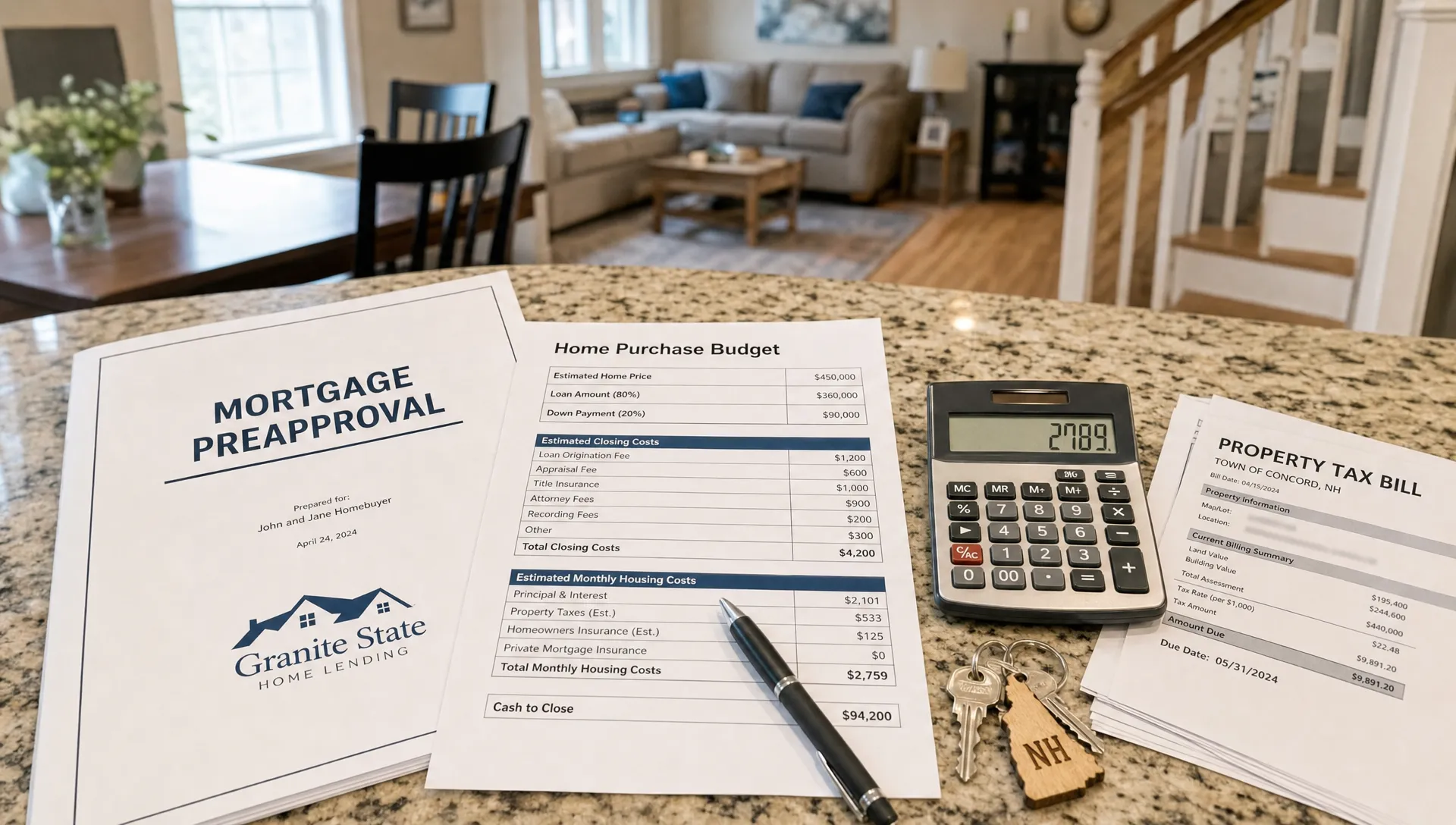
Cash to close includes more than the down payment. Closing costs, prepaid taxes, insurance, escrow setup, inspections, appraisals, moving costs, and early repairs can add up quickly.
A smart loan solution protects your post-closing liquidity. Keeping emergency reserves may be more valuable than stretching to make a larger down payment, especially if the home needs updates.
Approval strength
In a competitive purchase, sellers often look for buyers who appear prepared and reliable. A strong preapproval supported by verified information can help. This means your lender has reviewed income, assets, credit, and key documentation, rather than giving only a rough estimate.
Ask what has been reviewed and what conditions could still affect approval. The clearer your file is upfront, the fewer surprises you are likely to face later.
Flexibility
Your loan should match your life plans. If you expect a growing family, relocation, income changes, or future renovations, discuss those details before choosing a loan. A payment that is comfortable today could become restrictive if your expenses change.
Flexibility also includes refinance potential. While no one can guarantee future rates, it is reasonable to ask how today’s choice might position you if refinancing becomes attractive later.
Total cost
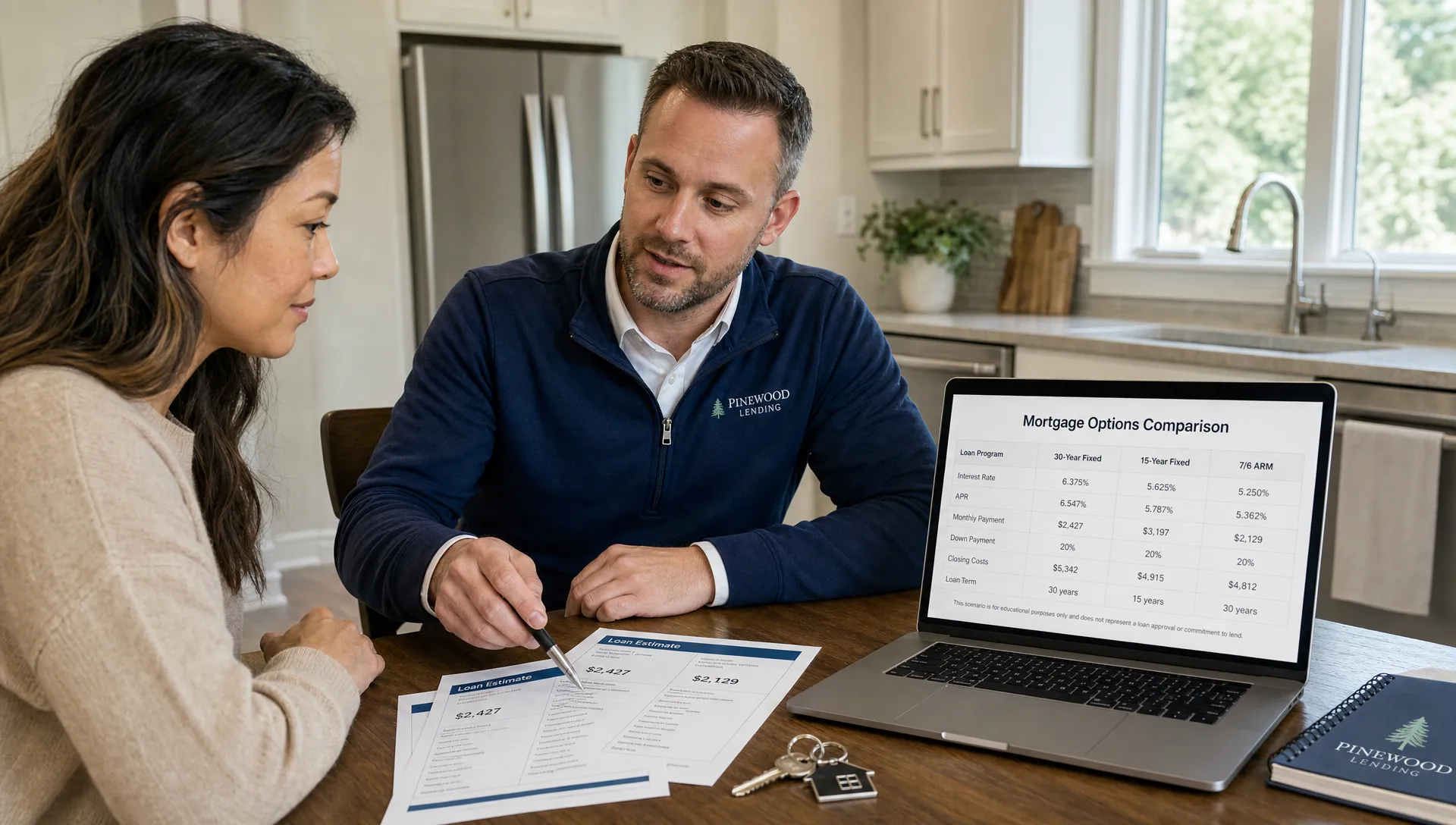
The lowest monthly payment is not always the lowest-cost loan. Compare interest rate, APR, lender fees, points, mortgage insurance, and expected time in the home. The Consumer Financial Protection Bureau encourages borrowers to compare Loan Estimates carefully because they show important details about loan costs and terms.
If two loans have similar payments but one requires much more cash upfront, the better option depends on how long you expect to keep the loan and what else that cash could do for you.
Common Mistakes Smart Loan Solutions Help You Avoid
Even well-qualified buyers can make expensive mistakes when they rush into financing. Smart loan solutions are designed to bring those risks into the open before they become problems.
One common mistake is focusing only on the interest rate. Rate matters, but it is just one piece of the loan. A lower rate with high points may cost more than a slightly higher rate with lower upfront fees, depending on how long you keep the mortgage.
Another mistake is underestimating cash to close. Buyers sometimes plan for the down payment but forget prepaid taxes, insurance, escrow reserves, and other closing costs. A transparent loan process should show these numbers early.
Buyers also sometimes skip the preapproval step or rely on a quick estimate. In 2026, a stronger file can give you more confidence when making an offer. If your income, credit, or assets require extra explanation, it is better to address that before you are under contract.
Finally, some buyers choose a loan based on today’s circumstances without considering the next few years. If your income may change, your household may grow, or your job location is uncertain, those realities should shape your mortgage strategy.
What to Prepare Before You Apply
The smoother your application, the easier it is for your lender to identify smart options. Most buyers should be ready to document income, assets, debts, employment, identity, and the source of funds for closing.
You may need recent pay stubs, W-2s, tax returns, bank statements, retirement or investment account statements, photo ID, and details about existing debts. Self-employed buyers may need additional business and tax documentation. Veterans exploring VA options may need a Certificate of Eligibility.
Before applying, review your credit reports, avoid opening new debt, and keep your financial accounts stable. Large deposits, job changes, or new monthly obligations can affect underwriting and may require explanation.
The more complete your file is at the beginning, the more accurately your lending team can compare loan scenarios.
The Human Side of Smart Lending
Buying a home is a financial decision, but it is also emotional. You may be trying to win an offer, move before a school year starts, relocate for a new job, or purchase after years of saving. Smart tools are valuable because they reduce friction, but human guidance helps you make sense of the tradeoffs.
A knowledgeable mortgage team can help explain why one option may fit better than another, what conditions could affect approval, and how to prepare for closing. They can also help you understand the difference between what is technically possible and what is financially comfortable.
That balance matters. In 2026, the best mortgage experience is not fully digital or fully manual. It is a blend of secure technology, transparent numbers, timely communication, and personalized advice.
Frequently Asked Questions
What are smart loan solutions for homebuyers? Smart loan solutions are mortgage strategies that combine technology, clear comparisons, and personalized guidance to help buyers choose a loan that fits their budget, timeline, and long-term goals.
Is the lowest interest rate always the best choice? Not always. A lower rate may come with higher upfront costs, points, or tradeoffs. Compare APR, closing costs, mortgage insurance, cash to close, and how long you expect to keep the loan.
How early should I get preapproved in 2026? Many buyers benefit from starting before they actively tour homes. Early preapproval gives you time to review credit, gather documents, compare options, and strengthen your offer strategy.
Can technology really make the mortgage process easier? Yes, when paired with human guidance. Secure uploads, e-signatures, and digital communication can reduce delays, while a mortgage professional helps interpret the details and guide decisions.
Do first-time buyers need a different loan solution? Often, yes. First-time buyers may need more support with cash-to-close planning, mortgage insurance, down payment options, and understanding the full monthly cost of ownership.
Make Your 2026 Mortgage Strategy Smarter
A smart loan solution should help you buy with clarity, not confusion. That means understanding your real budget, comparing loan options side by side, preparing your documents early, and working with a team that combines modern tools with human guidance.
New Era Lending offers technology-driven, personalized mortgage solutions for home purchases, refinancing, and equity access, with secure document uploads, e-signature support, transparent rates and terms, and expert support across 39 states. If you are preparing to buy, connect with New Era Lending to explore a clearer path to financing with confidence.