.jpg)
.jpg)





.jpg)

A New Hampshire Mortgage Guide for First-Time Buyers
Buying your first home in the Granite State is exciting, but a search for new hampshire mortgage can quickly turn into a maze of rates, loan types, taxes, insurance questions and local market surprises. The goal is not just to get approved. It is to understand what your payment will look like, how much cash you may need at closing and which loan path fits the way you actually plan to live. This guide walks first-time buyers through the New Hampshire details that matter most, from preapproval and down payment assistance to property taxes, rural loan eligibility and comparing lender offers with confidence.
What Makes a New Hampshire Mortgage Different for First-Time Buyers?
New Hampshire is a small state, but it does not behave like one housing market. A starter home near Manchester, Nashua or the Seacoast can come with very different pricing than a property in the Lakes Region, North Country or a rural town near the Vermont or Maine border. Your commute, school district, tax rate, property condition and winter utility costs can all change the budget.
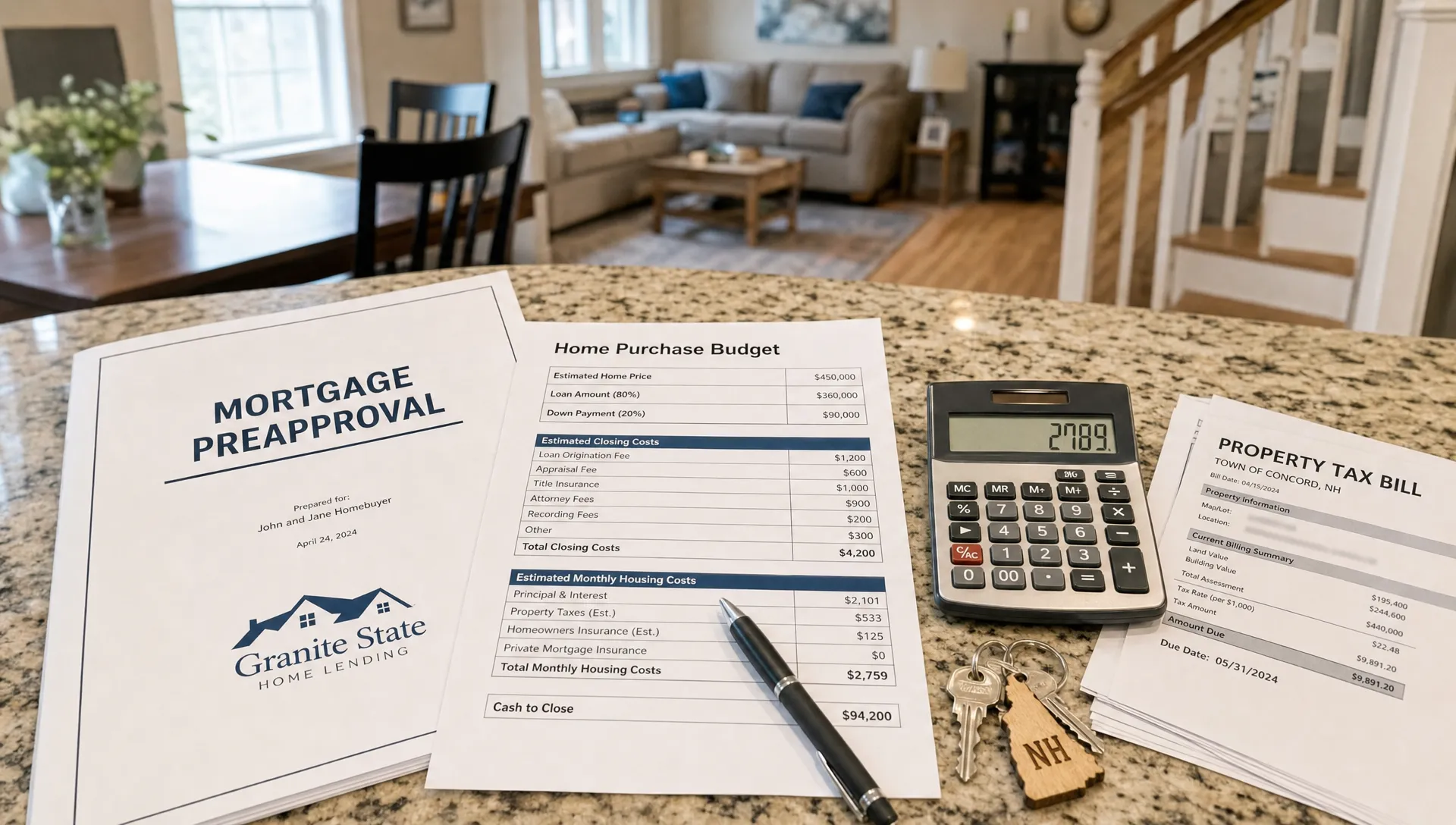
A New Hampshire mortgage also needs to account for the way local costs show up in the monthly payment. Many buyers focus on principal and interest, then get surprised by property taxes, homeowners insurance, mortgage insurance and escrow reserves. Because New Hampshire relies heavily on local property taxes, two similarly priced homes in different towns can have noticeably different monthly payments.
Local costs to review before you fall in love with a home
Before you tour properties, ask your lender to help you model total monthly payment at different price points. This should include estimated taxes, insurance, mortgage insurance if applicable and any homeowners association dues. If a property uses oil heat, propane, a private well, septic system or is in a flood zone, your cash planning should reflect inspections, maintenance and insurance costs too.
First-time buyers should also think about closing costs early. In many purchase transactions, closing costs can include lender fees, title charges, appraisal fees, prepaid taxes, prepaid insurance and escrow deposits. The total varies by loan, property and timing, so a general rule is helpful only as a starting point. Your Loan Estimate is the document that turns rough planning into a clearer number.
Step 1: Get Preapproved Before You Tour Homes
Preapproval is more than a letter. It is a review of your income, assets, credit and debts so you know what loan amount may be realistic before you make an offer. In competitive areas of New Hampshire, sellers often want to see that a buyer has already taken this step.
A solid preapproval for a New Hampshire mortgage usually requires recent pay stubs, W-2s or tax returns, bank statements, identification and permission to review credit. Self-employed buyers may need additional documentation, such as business tax returns or year-to-date profit and loss details. If you receive bonus income, overtime, commission or seasonal income, ask the lender how that income will be calculated before you rely on it.
Preapproval also helps you spot issues early. A lender may find that a small credit card balance, an undocumented deposit or a debt-to-income ratio concern needs to be addressed before you write an offer. If you are still comparing professionals, New Era Lending has a helpful guide on how to choose a lender as a first-time home buyer that explains why service, communication and loan fit matter alongside the rate.
Step 2: Choose the Right Loan Path
No single loan type is best for every first-time buyer. The right fit depends on credit profile, savings, military service, property location, income limits and how long you expect to stay in the home. A New Hampshire mortgage can be conventional, FHA, VA, USDA or paired with an assistance program, depending on eligibility.
| Loan path | Why first-time buyers consider it | Key point to confirm |
|---|---|---|
| Conventional loan | Allows low down payment options for eligible buyers and may offer flexible property choices | Private mortgage insurance usually applies with less than 20 percent down |
| FHA loan | Often helpful for buyers with lower credit scores or limited savings | FHA mortgage insurance and property standards apply |
| VA loan | Available to eligible service members, veterans and some surviving spouses | VA eligibility and any funding fee should be reviewed |
| USDA loan | Can allow no down payment in eligible rural or suburban areas | Property location and household income must meet USDA rules |
| State or local assistance | May help with down payment or closing costs | Income limits, education requirements and repayment terms can vary |
If you want a broader overview of national first-time buyer loan options, New Era Lending also explains the basics in its first-time home loan guide for 2026 buyers.
Down payment assistance and NH Housing programs
Many first-time buyers assume they need 20 percent down, but that is not always true. Some loan programs allow much smaller down payments and eligible buyers may be able to combine a mortgage with down payment or closing cost assistance.
For a New Hampshire mortgage, one important resource to review is New Hampshire Housing, the state housing finance agency. Program names, income limits, assistance amounts and lender participation can change, so buyers should confirm current details directly with the agency or an approved lender. Assistance may come with homebuyer education requirements, occupancy rules or repayment terms, so read the structure carefully rather than treating it as free money.
New Era Lending has a separate guide to down payment assistance for first-time home buyers if you want a deeper explanation of grants, forgivable loans, deferred loans and how assistance can work with common mortgage programs.
Budget for Cash to Close, Not Just the Down Payment
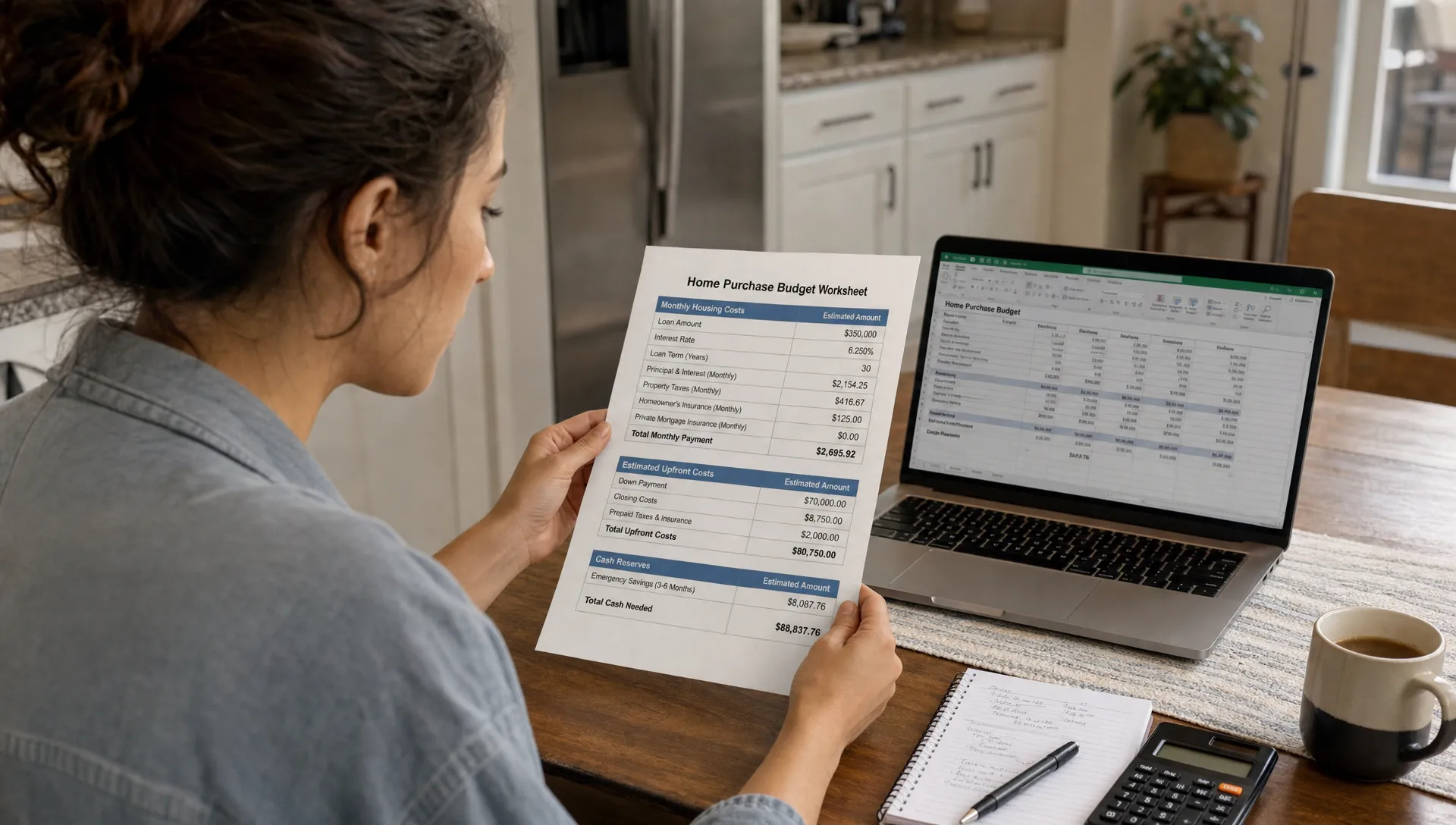
A first-time buyer budget should separate two numbers: monthly payment and cash to close. Monthly payment tells you whether the home is sustainable. Cash to close tells you whether you can complete the purchase without draining every dollar from savings.
Cash to close may include your down payment, closing costs, prepaid insurance, prepaid interest, escrow deposits and sometimes inspection costs paid before closing. In New Hampshire, inspections can be especially important if the home has a private well, septic system, older roof, wood stove, oil tank or basement moisture concerns. Those inspection costs are not always part of the closing statement, but they still affect your real buying budget.
A strong plan keeps a reserve after closing. Even a well-maintained home can need immediate spending on locks, snow removal equipment, heating fuel, minor repairs or furnishings. If your New Hampshire mortgage approval uses nearly all your savings, ask about lower cash-to-close options, seller credits, lender credits or assistance programs before you decide the price range is workable.
Property Details That Can Affect Approval in New Hampshire
The property is part of the approval, not just the borrower. A lender will usually require an appraisal to confirm value and identify concerns that affect lending guidelines. If the property is a condominium, the condo association may also need to meet loan program requirements. This can include insurance, budget reserves, occupancy mix and litigation status.
A New Hampshire mortgage for a rural property may involve additional checks. USDA loans require eligible property locations and household income limits, and buyers can review general rural eligibility through the USDA property eligibility tool. Homes with private wells or septic systems may need inspections or water tests depending on the loan program, lender requirements and local conditions.
Older New England homes can be wonderful, but they deserve careful review. Knob-and-tube wiring, aging heating systems, peeling paint, structural concerns, roof issues or unpermitted work can affect insurance, appraisal or loan approval. This does not mean older homes are off limits. It means your offer strategy should leave room for inspections, repair negotiations and realistic timelines.
How to Compare Offers Without Chasing Only the Lowest Rate
Rate matters, but it is not the only number. A lower rate may come with discount points, higher lender fees or less flexibility. A slightly higher rate may include credits that reduce your cash to close. The right choice depends on how long you expect to keep the loan, how much cash you have available and whether your priority is the lowest payment or the lowest upfront cost.
When comparing a New Hampshire mortgage offer, review the Loan Estimate carefully. The Consumer Financial Protection Bureau explains that this standardized document shows the interest rate, monthly payment, estimated cash to close and key loan costs so borrowers can compare offers more clearly.
Pay special attention to these items:
- Interest rate and APR: The interest rate drives principal and interest, while APR reflects certain loan costs.
- Discount points: Points can lower the rate, but they increase upfront cost.
- Lender credits: Credits may reduce cash to close, often in exchange for a higher rate.
- Mortgage insurance: Conventional, FHA, USDA and VA structures handle insurance or funding fees differently.
- Rate lock terms: A short lock may not be enough if the closing timeline is uncertain.
Seller credits can also help first-time buyers manage closing costs, but they must fit the loan program rules and the purchase contract. In a competitive market, asking for credits may affect negotiation strength, so coordinate with your agent and lender before writing the offer.
A Simple Timeline for First-Time Buyers
A first-time buyer can reduce stress by moving in a clear order. The timeline does not need to be complicated, but skipping steps can create expensive surprises.
- Three to six months before shopping: Review credit, estimate budget, reduce high-interest debt and save for cash to close.
- One to three months before shopping: Get preapproved, compare loan paths and discuss assistance options.
- Before making offers: Confirm payment comfort, property tax estimates, insurance assumptions and inspection priorities.
- After offer acceptance: Complete inspections, provide updated documents and review the Loan Estimate.
- During underwriting: Avoid new debt, large undocumented deposits and job changes without talking to your lender.
- Before closing: Review the Closing Disclosure, confirm funds needed and set up homeowners insurance.
This structure gives your lender time to solve issues before they become urgent. It also helps you make decisions based on numbers instead of pressure.
Frequently Asked Questions
Do I need 20 percent down for a New Hampshire mortgage? No. Many first-time buyers use loan programs with lower down payments, including conventional, FHA, VA or USDA options when eligible. You still need to budget for closing costs, reserves and any program-specific insurance or fees.
Are there first-time buyer programs in New Hampshire? Yes, eligible buyers may be able to use state, local or lender-supported assistance programs. Availability, income limits and repayment terms can change, so confirm the current requirements before you build your offer around assistance.
Can I buy in New Hampshire with a USDA loan? Possibly. USDA financing depends on property location, household income and borrower eligibility. Some rural and suburban parts of New Hampshire may qualify, but you should verify the specific address before making assumptions.
What should I compare when choosing a lender? Compare the full Loan Estimate, not just the interest rate. Review fees, credits, discount points, communication quality, program knowledge, closing timelines and whether the lender understands New Hampshire property types and local cost factors.
Start Your First Home Search With a Clear Plan
Buying your first home is easier when the financing plan is built before the offer. A good lender should help you understand loan choices, estimate the real monthly payment, review cash-to-close options and explain tradeoffs in plain language.
New Era Lending combines smart mortgage technology with personalized human guidance for home purchase, refinance and equity access needs. If you are preparing for a New Hampshire mortgage, connect with the team at New Era Lending to compare options and move forward with a plan that fits your goals.