.jpg)
.jpg)





.jpg)


What Is Mortgage Insurance? A Plain-English Guide

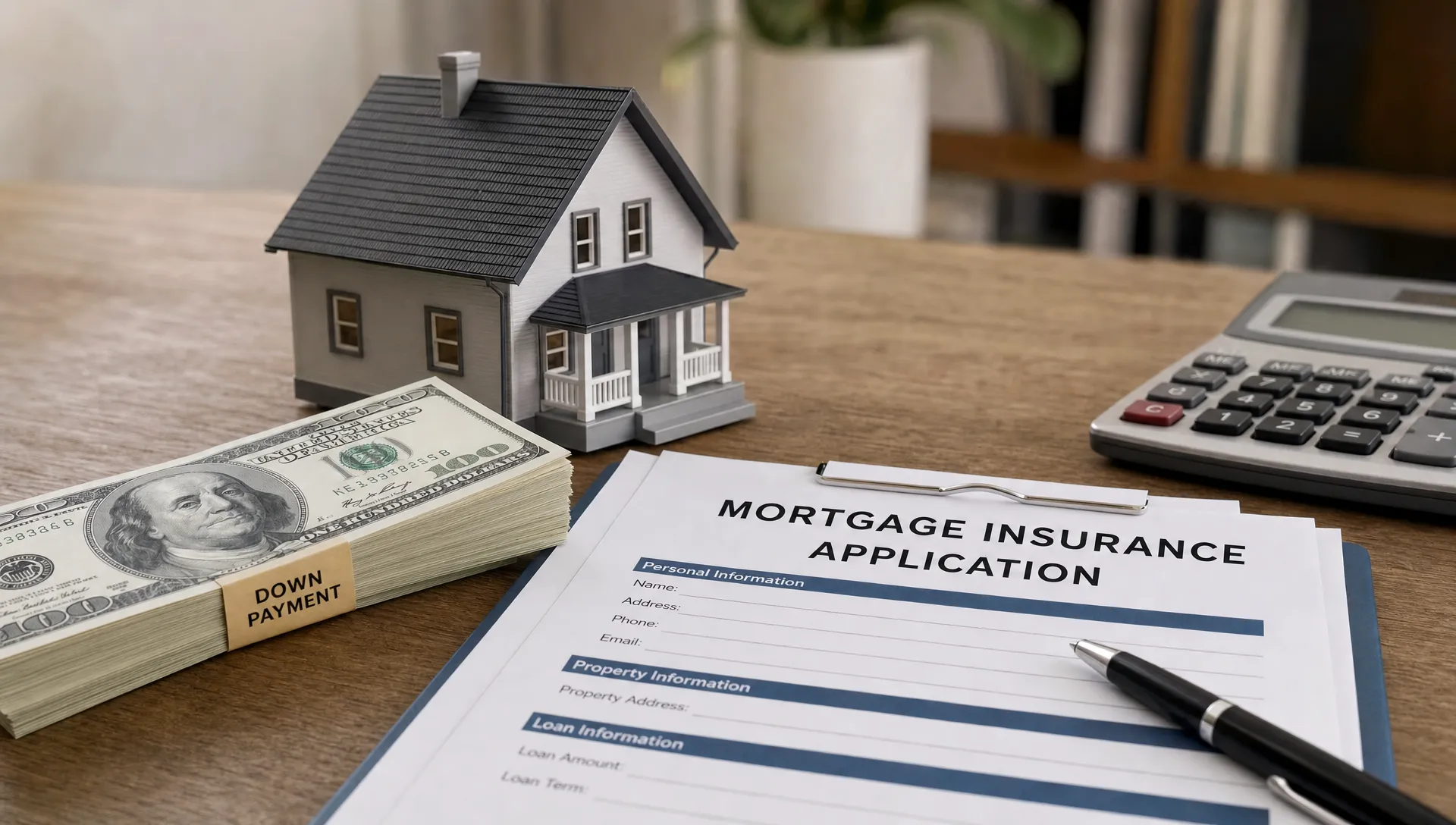
If you searched for mortgage insurance que es, you are probably trying to understand one simple thing: why a lender might add an insurance cost to your home loan and whether it helps you. In plain English, mortgage insurance is usually a cost you pay when the lender sees extra risk, often because your down payment is smaller. It does not insure your house like homeowners insurance does. It protects the lender if you stop making mortgage payments.
That may sound one-sided, and in a way it is. Still, mortgage insurance can also help buyers qualify sooner because it makes lower-down-payment loans possible. Instead of waiting years to save 20 percent down, some borrowers use a loan with mortgage insurance to buy earlier, then remove or refinance out of the cost later when possible.
Mortgage insurance que es: what it means in plain English
For a direct mortgage insurance que es answer, think of it as a lender safety net attached to certain home loans. If a borrower defaults and the lender has to take a loss, the insurance can reimburse part of that loss. The borrower usually pays for it, but the lender is the party being protected.
The reason it exists is tied to loan-to-value ratio, often called LTV. LTV compares your loan amount with the home’s value. If you buy a $400,000 home and borrow $380,000, your LTV is 95 percent. The lender has less cushion if home values drop or the loan goes into foreclosure, so mortgage insurance may be required.
Mortgage insurance is not always bad. It can be the tradeoff that lets you buy with 3 percent, 3.5 percent or 5 percent down instead of 20 percent. The key is understanding what you are paying, how long it may last and what options you have to lower or remove it.
Mortgage insurance is not homeowners insurance
One of the biggest points of confusion is the word “insurance.” A practical mortgage insurance que es explanation must separate mortgage insurance from homeowners insurance because they cover very different risks.
Homeowners insurance protects you and your property against covered events such as fire, theft, wind damage or liability claims. Mortgage insurance does not repair your roof, replace belongings or pay you after property damage. It also does not make your mortgage payments if you lose your job.
The Consumer Financial Protection Bureau explains that private mortgage insurance, or PMI, is usually required on conventional loans when the borrower makes a down payment of less than 20 percent. That is the version many buyers hear about first, but it is not the only type.
Here is the simple distinction:
| Type of insurance | Who it mainly protects | What it is tied to |
|---|---|---|
| Homeowners insurance | The homeowner and lender’s property interest | Damage, theft, liability and covered property risks |
| Mortgage insurance | The lender or loan program | Borrower default risk when equity is limited |
| Title insurance | Owner or lender, depending on policy | Ownership defects, liens or title problems |
When mortgage insurance is usually required
Mortgage insurance requirements depend on the loan program, down payment, loan size and sometimes your credit profile. If you are still learning how loans are structured, New Era Lending’s guide to what a mortgage loan is and how it works can help you connect these terms to the full borrowing process.
In everyday terms, a mortgage insurance que es answer often starts with this rule: the less equity you bring to the transaction, the more likely some form of mortgage insurance or guarantee fee will apply.
Conventional loans and PMI
On many conventional loans, private mortgage insurance applies when your down payment is below 20 percent. PMI may be paid monthly, upfront, through a higher interest rate or through a combination of methods, depending on the lender and loan structure.
Monthly borrower-paid PMI is common because it is easy to see in your payment. Lender-paid PMI can feel invisible because there may be no separate monthly PMI line item, but the cost is usually built into the rate. That can be helpful for some borrowers and expensive for others, so it is worth comparing both options in writing.
FHA loans and MIP
FHA loans use mortgage insurance premiums, often called MIP. FHA MIP usually includes an upfront premium and an annual premium paid in monthly installments. FHA loans can be appealing for borrowers with smaller down payments or more flexible credit needs, but MIP rules are different from conventional PMI rules.
For many FHA borrowers who put less than 10 percent down, MIP can last for the life of the loan. If the down payment is 10 percent or more, the annual MIP may end after 11 years. Rules can change and details vary, so use your loan estimate and lender guidance rather than relying on a rough rule of thumb.
VA, USDA and guarantee fees
VA loans do not have monthly mortgage insurance, but many VA borrowers pay a VA funding fee unless they qualify for an exemption. USDA loans also work differently from PMI. They generally include guarantee fees, which help support the loan program.
This matters because borrowers sometimes compare loan options by asking only, “Does this have PMI?” That question is too narrow. A better question is, “What are all upfront and monthly loan-related costs, and how long do they last?” For a broader program-by-program breakdown, see New Era Lending’s guide to mortgage loan options for different buyers.
How mortgage insurance affects your monthly payment
A useful mortgage insurance que es definition is not complete until you see how it affects your budget. Mortgage insurance is usually one part of your total monthly housing payment, along with principal, interest, property taxes and homeowners insurance. If you have homeowners association dues, those matter too.
Your exact mortgage insurance cost depends on factors such as loan type, down payment, credit score, loan term and whether the premium is monthly, upfront or built into the rate. Because the cost is personalized, two buyers purchasing similar homes can see different mortgage insurance amounts.
Here is a simplified example, not a quote:
| Scenario | Possible result |
|---|---|
| Larger down payment | Lower LTV and possibly lower or no mortgage insurance |
| Smaller down payment | Higher LTV and a greater chance of mortgage insurance |
| Stronger credit profile on a conventional loan | Potentially lower PMI cost |
| FHA loan with minimum down payment | FHA MIP is generally part of the loan structure |
This is why the Loan Estimate is so important. It shows projected payment details, closing costs and whether mortgage insurance applies. If you are comparing lenders, ask each one to explain the same three numbers: monthly payment, cash to close and total interest and insurance cost over your expected time in the home.
Can you avoid mortgage insurance?
You may be able to avoid mortgage insurance, but not every strategy is worth it. A clean mortgage insurance que es conversation should include the tradeoffs because avoiding the line item can sometimes cost more somewhere else.
The most direct way to avoid conventional PMI is to make a 20 percent down payment. That is not realistic for every buyer, especially in higher-cost markets. Some borrowers consider piggyback loans, lender-paid mortgage insurance or eligible VA loans if they have military service. Others choose to pay mortgage insurance temporarily because buying sooner is more important than waiting.
Here are common paths borrowers discuss with a lender:
- Put 20 percent down on a conventional loan, if affordable
- Compare monthly PMI with lender-paid PMI and upfront options
- Use a VA loan if eligible and if the full cost works for your situation
- Ask whether down payment assistance changes the mortgage insurance math
- Revisit refinancing later if home value, equity and rates make sense
If you want a deeper look at costs and removal rules, New Era Lending has a more detailed guide on property mortgage insurance costs, rules and how to avoid it.
Can you remove mortgage insurance later?
In many cases, yes, but the rule depends on the loan. With borrower-paid PMI on a conventional mortgage, federal law gives many borrowers the right to request cancellation when the loan reaches 80 percent of the home’s original value, as long as certain requirements are met. PMI may also terminate automatically at 78 percent of the original value if the loan is current.
That said, “original value” and “current market value” are not always treated the same way. Some lenders may allow cancellation based on a new appraisal after home improvements or appreciation, but seasoning rules and payment history requirements can apply.
FHA MIP is different. If your FHA mortgage insurance is scheduled for the life of the loan, you generally cannot simply request cancellation the way you can with eligible conventional PMI. Many borrowers look at refinancing into a conventional loan once they have enough equity, assuming the new rate, fees and long-term savings make sense.
How to decide if mortgage insurance is worth paying
A final mortgage insurance que es takeaway is that the cheapest-looking option is not always the best option. The right decision depends on your cash, timeline, credit, home price, local rent costs and how long you expect to keep the mortgage.
For example, using mortgage insurance to buy now may make sense if homeownership fits your budget and waiting would mean years of rising rent or missed stability. On the other hand, if the payment feels stretched, mortgage insurance can be a warning sign that you need a lower price range, a larger down payment or a different loan structure.
Ask your lender to compare options side by side. A helpful comparison should show the down payment, rate, mortgage insurance or guarantee fee, monthly payment, cash to close and estimated break-even point if refinancing is part of the plan. Clear numbers make the decision less emotional and easier to defend.
Frequently Asked Questions
Is mortgage insurance the same as PMI? Not always. PMI is private mortgage insurance for many conventional loans. FHA loans use MIP, VA loans may have a funding fee and USDA loans use guarantee fees instead of standard PMI.
Does mortgage insurance protect me if I cannot pay my mortgage? No. Mortgage insurance generally protects the lender or loan program if you default. It does not make your payments, replace income or protect the home from damage.
Can I refuse mortgage insurance? If your loan program requires it, you cannot simply refuse it and keep the same loan terms. You may need a larger down payment, a different loan program or another structure that changes how the risk is priced.
How do I know whether I am paying mortgage insurance? Check your Loan Estimate, Closing Disclosure and monthly mortgage statement. Look for PMI, MIP, mortgage insurance, guarantee fee or funding fee language. If you are unsure, ask your lender to identify every insurance or guarantee-related charge.
Is mortgage insurance tax deductible? Tax rules change and depend on your situation. Ask a qualified tax professional rather than assuming mortgage insurance premiums will or will not be deductible for your return.
Get a clearer answer for your loan scenario
Mortgage insurance is easier to understand when you see it in your own numbers. New Era Lending helps borrowers compare home purchase, refinance and equity access options with modern tools and human guidance across 39 states.
If you are deciding whether a low-down-payment loan, FHA loan, VA option or conventional mortgage makes sense, start with a conversation that compares the full payment, not just the interest rate. A clear mortgage plan should show what you pay now, what may change later and how each option supports your homeownership goals.