.jpg)
.jpg)





.jpg)


Home Loan Basics Every Buyer Should Know

Buying a home gets much easier when you understand the basics of how a home loan works. You do not need to become a mortgage expert, but you do need to know which numbers matter, what lenders review, and how each decision affects your payment and cash to close.
A home loan is more than an interest rate. It is a long-term financing decision tied to your income, savings, credit, property, taxes, insurance, and future plans. When you understand the moving parts early, you can shop with more confidence and avoid surprises late in the process.
What a home loan actually is
A home loan, often called a mortgage loan, is money borrowed to buy or refinance real estate. The property serves as collateral, which means the lender has a legal interest in the home until the loan is repaid. If the borrower does not make payments, the lender may have the right to pursue foreclosure through the legal process.
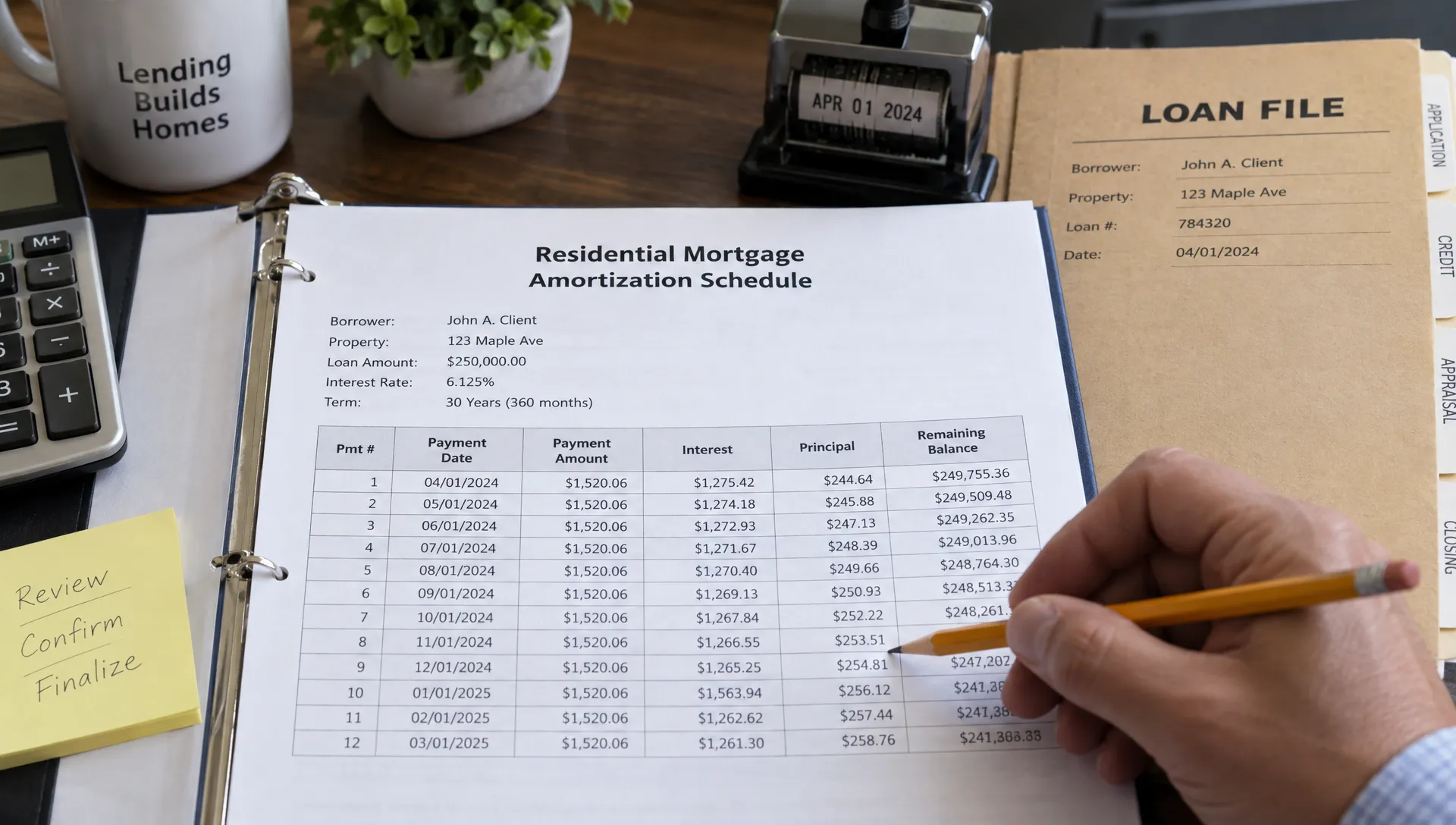
Most buyers repay a home loan over a set term, commonly 15, 20, or 30 years. Each monthly payment usually includes principal, which reduces the loan balance, and interest, which is the cost of borrowing. Many payments also include escrowed property taxes and homeowners insurance.
The key point is simple: the loan should fit your real budget, not just the maximum amount you can technically qualify for.
The basic numbers every buyer should know
Before you start comparing homes, get familiar with the numbers that shape your approval and your payment. These terms come up throughout the home loan process, and understanding them helps you ask better questions.
- Purchase price: The agreed price of the home before subtracting your down payment.
- Down payment: The amount you pay upfront toward the home price.
- Loan amount: The amount you borrow after your down payment.
- Loan-to-value ratio: The loan amount compared with the property value, often called LTV.
- Debt-to-income ratio: Your monthly debt payments compared with your qualifying monthly income, often called DTI.
- Cash to close: The total funds needed at closing, including down payment, closing costs, prepaid items, and any required reserves.
These numbers work together. A higher down payment may reduce the loan amount and monthly payment, but it can also reduce your available savings after closing. A lower down payment may help you buy sooner, but it could increase mortgage insurance or total monthly cost. The right answer depends on your full financial picture.
Pre-approval should come before serious house hunting
A home loan pre-approval is one of the most important first steps for buyers. It gives you a clearer idea of what you may qualify for and helps sellers take your offer more seriously.
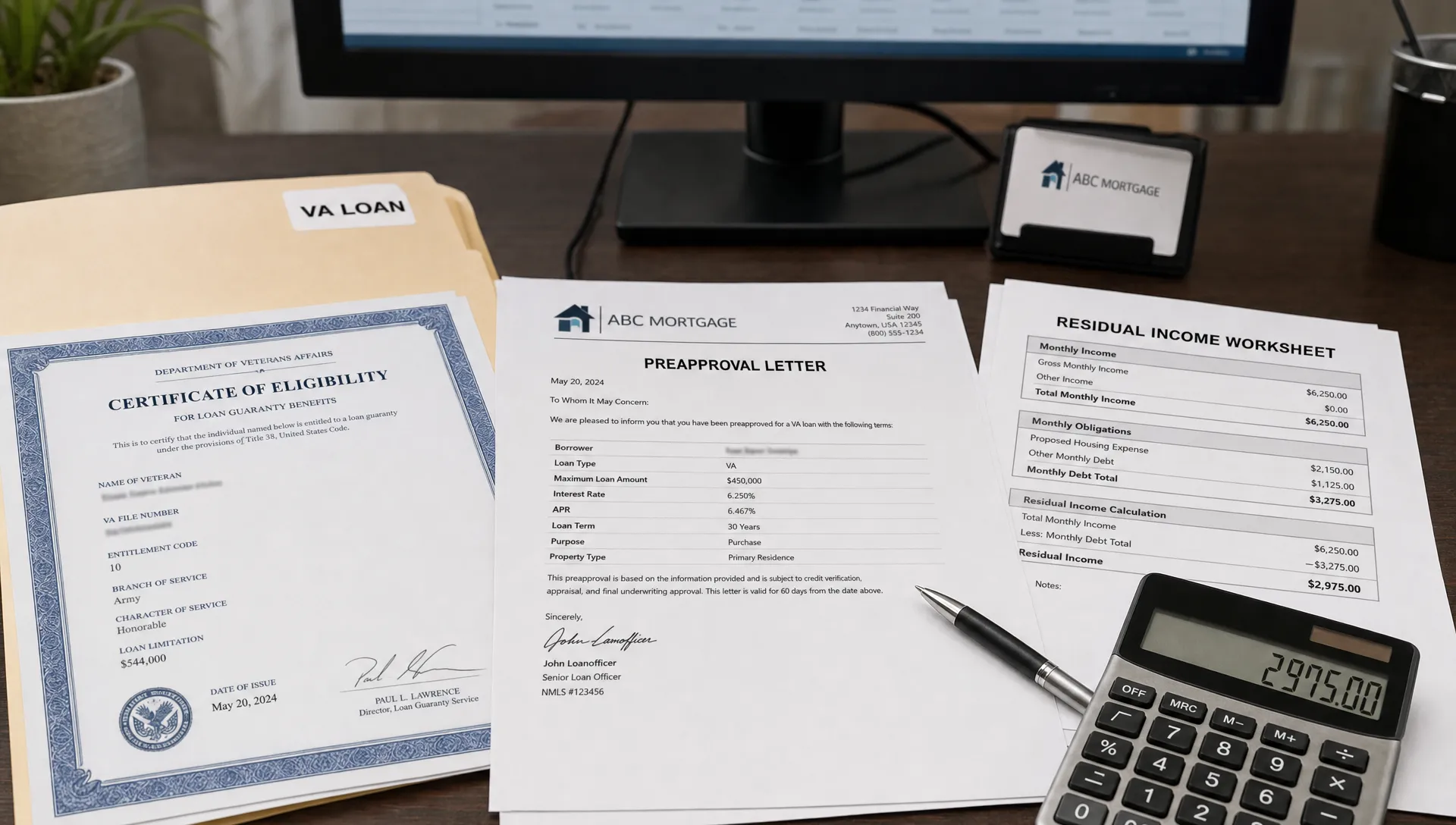
Pre-approval is different from a quick estimate. A stronger pre-approval usually involves a review of your credit, income, assets, debts, and basic loan scenario. The lender may ask for documents such as pay stubs, W-2s, tax returns, bank statements, identification, and explanations for unusual deposits or credit history items.
Getting pre-approved early can help you identify issues before you are under contract. For example, you may discover that paying down a credit card, documenting gift funds, or adjusting your price range could improve your loan options. If you are preparing to buy soon, reviewing the mortgage loan process from start to closing can help you understand what happens after pre-approval.
Your monthly payment is more than principal and interest
Many buyers first focus on the home price, but your monthly payment is what you live with after closing. A mortgage payment often includes several parts:
- Principal and interest: The core loan payment based on the amount borrowed, rate, and term.
- Property taxes: Local taxes that can change over time.
- Homeowners insurance: Coverage required by the lender to protect the property.
- Mortgage insurance: Often required when the down payment is below certain thresholds, depending on the loan program.
- HOA dues: Required in some communities, condos, and planned developments.
Some parts of the payment may stay fixed, while others can change. For example, a fixed-rate loan keeps the principal and interest portion stable, but property taxes and insurance premiums may rise. If you want a deeper breakdown, see New Era Lending’s guide on what changes your home loan payment over time.
A practical rule is to ask for the full estimated housing payment, not just the principal and interest amount. That gives you a more realistic view of affordability.
Down payment and cash to close are not the same thing
One of the biggest home loan basics to understand is the difference between down payment and total cash to close.
Your down payment is only one part of the money needed to complete the purchase. Cash to close can also include lender fees, title fees, appraisal costs, prepaid insurance, prepaid interest, escrow deposits, recording fees, and other settlement costs. These vary by location, property, lender, and loan type.
Many buyers also assume 20% down is required. It is not always required. Depending on eligibility, some conventional loans may allow low down payments, FHA loans may offer flexible credit and down payment options, and VA or USDA loans may allow eligible borrowers to buy with no down payment. However, lower down payment options can come with tradeoffs, such as mortgage insurance, funding fees, property restrictions, or program limits.
For a more detailed look at this decision, review what down payment you need for a mortgage loan.
Loan type matters because each program has different rules
Not every buyer fits the same loan program. The best home loan for one person may not be the best option for another buyer with different credit, cash, income, service history, or property goals.
Common home loan types include conventional loans, FHA loans, VA loans, USDA loans, jumbo loans, and specialized programs for certain property or borrower situations. Each one has its own rules for down payment, credit profile, property use, mortgage insurance, appraisal standards, and seller contributions.
For example, a buyer with strong credit and a larger down payment may prefer a conventional loan. A buyer with limited savings or more flexible credit needs may compare FHA options. Eligible veterans, active-duty service members, and certain surviving spouses may benefit from VA loan features. Buyers in eligible rural or suburban areas may want to explore USDA options.
The important part is not memorizing every program. It is asking your lender to compare realistic scenarios side by side. If you want a broader overview, New Era Lending’s guide to mortgage loan programs explains how major options differ.
Interest rate and APR are related, but not identical
Your interest rate affects the principal and interest portion of your monthly payment. APR, or annual percentage rate, is designed to reflect the cost of borrowing more broadly by including certain loan costs.
This distinction matters because the lowest advertised rate is not always the best deal. A lower rate may come with higher upfront costs, discount points, or different assumptions. A slightly higher rate with lower closing costs may be better if you expect to move or refinance in a few years.
Discount points are upfront fees paid to reduce the rate. Lender credits work in the opposite direction, where you may accept a higher rate in exchange for help covering certain closing costs. Neither is automatically good or bad. The right choice depends on your cash available, monthly payment goal, and how long you expect to keep the loan.
When comparing offers, use the same loan amount, property price, down payment, loan type, lock period, and timing. The Consumer Financial Protection Bureau’s Loan Estimate guide is a helpful resource for understanding the standardized form lenders provide after application.
Lenders approve both the borrower and the property
A home loan approval is not based only on your income or credit score. Lenders also evaluate the property being financed.
On the borrower side, lenders review credit history, employment, income stability, assets, debts, and documentation. On the property side, they may review an appraisal, title report, homeowners insurance, flood zone status, occupancy, and program-specific property standards.
This is why buyers should avoid major financial changes after applying. Opening new credit, financing furniture, changing jobs, moving large sums of money without documentation, or making unexplained deposits can create underwriting questions. Even if the action seems small, it may affect your approval, documentation requirements, or timeline.
It is also important to understand that an appraisal is not the same as a home inspection. An appraisal helps the lender evaluate value and basic property acceptability. A home inspection helps you understand the property’s condition as a buyer. In many cases, both are useful, but they serve different purposes.
The Loan Estimate is your comparison tool
Once you apply for a mortgage, lenders are generally required to provide a Loan Estimate for many home loan types. This document helps you compare offers in a consistent format.
Pay attention to the interest rate, APR, estimated monthly payment, estimated cash to close, loan costs, points, lender credits, escrow items, prepayment penalties if any, and whether the rate can change. Do not compare one lender’s rate to another lender’s payment unless the full scenario is the same.
A smart comparison asks: What am I paying upfront, what will I pay each month, and what is the long-term cost if I keep this loan? Those three answers often reveal more than the rate alone.
Your budget should include life after closing
Approval is not the same as comfort. A lender may approve a certain payment, but you are the one who must live with it while managing groceries, transportation, childcare, savings, repairs, and lifestyle costs.
A good home loan budget should leave room for emergency savings and maintenance. Homes need upkeep, and even newer properties can come with surprise expenses. Moving costs, furniture, utility setup, repairs, and HOA transfer fees can also add up quickly.
Before making an offer, ask yourself if the payment still feels manageable if taxes rise, insurance increases, or your monthly expenses change. In a 2026 market where rates and housing costs can shift, payment flexibility can matter just as much as purchase price.
Common home loan mistakes to avoid
Many buyer mistakes are preventable with early planning and good communication. The most common issues often come from focusing too much on one number and ignoring the full picture.
Do not shop based only on the maximum purchase price. Instead, start with a monthly payment range that fits your life. Do not assume all loan programs cost the same, because mortgage insurance, funding fees, rate structures, and property rules can make two loans feel very different.
Avoid comparing quotes from different days or with different assumptions. Mortgage pricing can move, and a quote with points is not the same as a quote without points. Also, do not wait until you find a house to ask hard questions. By then, your contract deadlines may already be running.
Most importantly, stay responsive during the process. Upload requested documents quickly, ask questions when something is unclear, and tell your loan team before making financial changes.
Questions to ask before choosing a home loan
A good loan officer should be able to explain your options clearly. Before you commit, consider asking:
- What loan programs do I realistically qualify for?
- What is my estimated full monthly payment, including taxes, insurance, and mortgage insurance?
- How much cash will I need to close?
- Are there discount points, lender credits, or fees affecting this rate?
- How long is the rate lock, and what happens if closing is delayed?
- What documents could delay underwriting if I do not prepare them now?
- How would my payment change with a different down payment or loan type?
These questions help shift the conversation from simply getting approved to choosing a home loan that fits your goals.
Frequently Asked Questions
How early should I get pre-approved for a home loan? It is smart to get pre-approved before serious house hunting. If you are still planning, starting 60 to 90 days early can give you time to address credit, savings, documentation, or budget questions.
Does pre-approval guarantee final approval? No. Final approval depends on underwriting, updated financial information, the property, appraisal, title work, insurance, and loan conditions. Pre-approval is a strong starting point, but it is not the same as clear to close.
Can I buy a home with less than 20% down? Yes, many buyers purchase with less than 20% down, depending on eligibility and loan program. The tradeoff may include mortgage insurance, program fees, or different approval requirements.
Is the lowest interest rate always the best home loan option? Not always. A low rate may include higher upfront costs or discount points. Compare rate, APR, cash to close, monthly payment, and how long you plan to keep the loan.
What should I avoid after applying for a home loan? Avoid taking on new debt, opening new credit, changing jobs without discussing it, moving large amounts of money without documentation, or making major purchases before closing.
What documents do buyers usually need? Many buyers need pay stubs, W-2s, tax returns if applicable, bank statements, identification, asset documentation, debt information, and property or purchase contract details. Requirements vary by borrower and loan type.
Make your next home loan decision with more confidence
The right home loan is not just the one with the lowest advertised rate. It is the one that fits your budget, timeline, eligibility, property, and long-term plans.
New Era Lending helps buyers navigate that decision with smart technology, secure document uploads, e-signature support, transparent rate and term discussions, and personalized human guidance. With a wide range of loan options, specialized veteran loan programs, and service across 39 states, the goal is to make home financing clearer and less stressful.
If you are preparing to buy, refinance, or explore your options, start with a personalized conversation through New Era Lending. A clearer path begins with knowing your numbers before you make your next move.