.jpg)
.jpg)





.jpg)

Getting Your First Home Starts With These 7 Steps

Buying a first home can feel like a maze at first. There are loan terms to learn, documents to gather, neighborhoods to compare and costs that do not always show up in the listing price.
The process gets much easier when you stop trying to figure out everything at once. Getting your first home is not one giant decision. It is a sequence of smaller steps that help you understand what you can afford, how financing works and what to expect before you sign at closing.
Use these seven steps as a practical path from early planning to keys in hand.
1. Get clear on what you want from your first home
Before you start comparing kitchens, backyards or commute times, define what homeownership needs to do for your life right now.
A first home does not have to be your forever home. It may be a starter condo, a single-family house with room to grow, a home closer to work or a place that gives you stability after years of renting. The clearer you are about your priorities, the easier it becomes to make smart tradeoffs.
Start with a short list of must-haves and nice-to-haves. Must-haves might include the number of bedrooms, school district, accessibility needs or distance from work. Nice-to-haves might include a finished basement, updated appliances or a larger yard.
Then think about your timeline. Are you hoping to buy in the next 60 days, six months or a year? Your timeline affects how quickly you need to improve credit, build savings, choose a lender and connect with a real estate agent.
This first step also helps you avoid emotional overspending. When you know what matters most, you are less likely to stretch your budget for features that looked exciting during a showing but do not support your long-term goals.
2. Build a real monthly payment budget
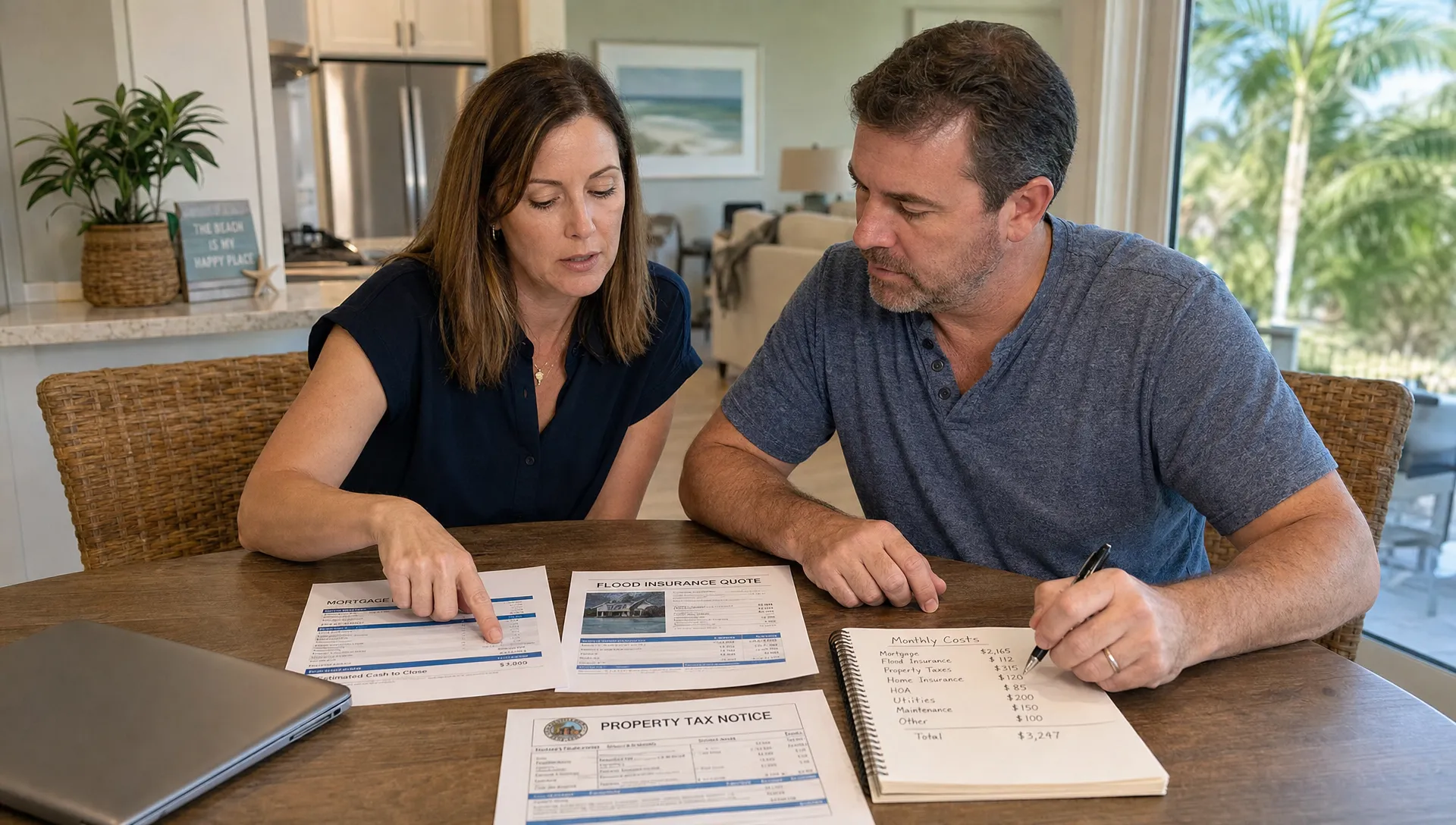
Many first-time buyers start with the purchase price. That number matters, but your monthly payment matters more because it affects your day-to-day life after closing.
A mortgage payment can include several parts, not just principal and interest. Depending on your loan, home and location, your total monthly housing cost may include:
- Principal and interest on the loan
- Property taxes
- Homeowners insurance
- Mortgage insurance, if required
- HOA dues, if the property has an association
- Utilities, maintenance and routine repairs
A home can be technically approvable but still uncomfortable. That is why your budget should include the payment you qualify for and the payment you can live with. Those are not always the same number.
Try running a mock homeowner budget before you shop. If your current rent is $1,800 and your estimated future housing payment is $2,400, move the $600 difference into savings for a few months. This can reveal whether the payment feels realistic while also helping you build cash for closing.
You will also want to keep emergency savings after you buy. Furnaces break, roofs leak and appliances rarely care that you just paid closing costs. A lender can help you understand approval numbers, but you should decide what payment protects your peace of mind.
If you want a broader overview of the early decisions buyers should make, New Era Lending also explains what to know before you buy your first home in a separate first-time buyer guide.
3. Review your credit, debt and documents early
Your credit profile helps lenders understand how you have managed borrowed money in the past. Your income, assets and debt help them evaluate whether the loan payment fits your financial picture.
Do not wait until you find a home to check these items. Reviewing them early gives you time to fix errors, reduce debt or explain anything unusual before underwriting begins.
You can request free credit reports through AnnualCreditReport.com, the federally authorized source for free credit reports. Look for accounts you do not recognize, late payments reported incorrectly or balances that seem wrong. If you find errors, dispute them with the credit bureau and keep records of the dispute.
It also helps to avoid major financial changes while preparing to buy. Opening new credit cards, financing furniture, changing jobs without a plan or moving large unexplained sums between accounts can create extra questions during the loan process.
Start gathering common mortgage documents in one folder so you are not scrambling later. These often include:
- Recent pay stubs
- W-2s or 1099s
- Federal tax returns, especially if self-employed
- Bank statements
- Retirement or investment account statements
- Photo ID
- Documentation for gift funds, if someone is helping with your purchase
Every borrower is different, so your lender may ask for additional documents. A clean document file makes the process smoother and helps your loan team move faster when you are ready to apply.
4. Plan for down payment and closing costs
One of the biggest myths about getting your first home is that you always need 20% down. A larger down payment can reduce your loan amount and may help you avoid mortgage insurance on some conventional loans, but many buyers purchase with less.
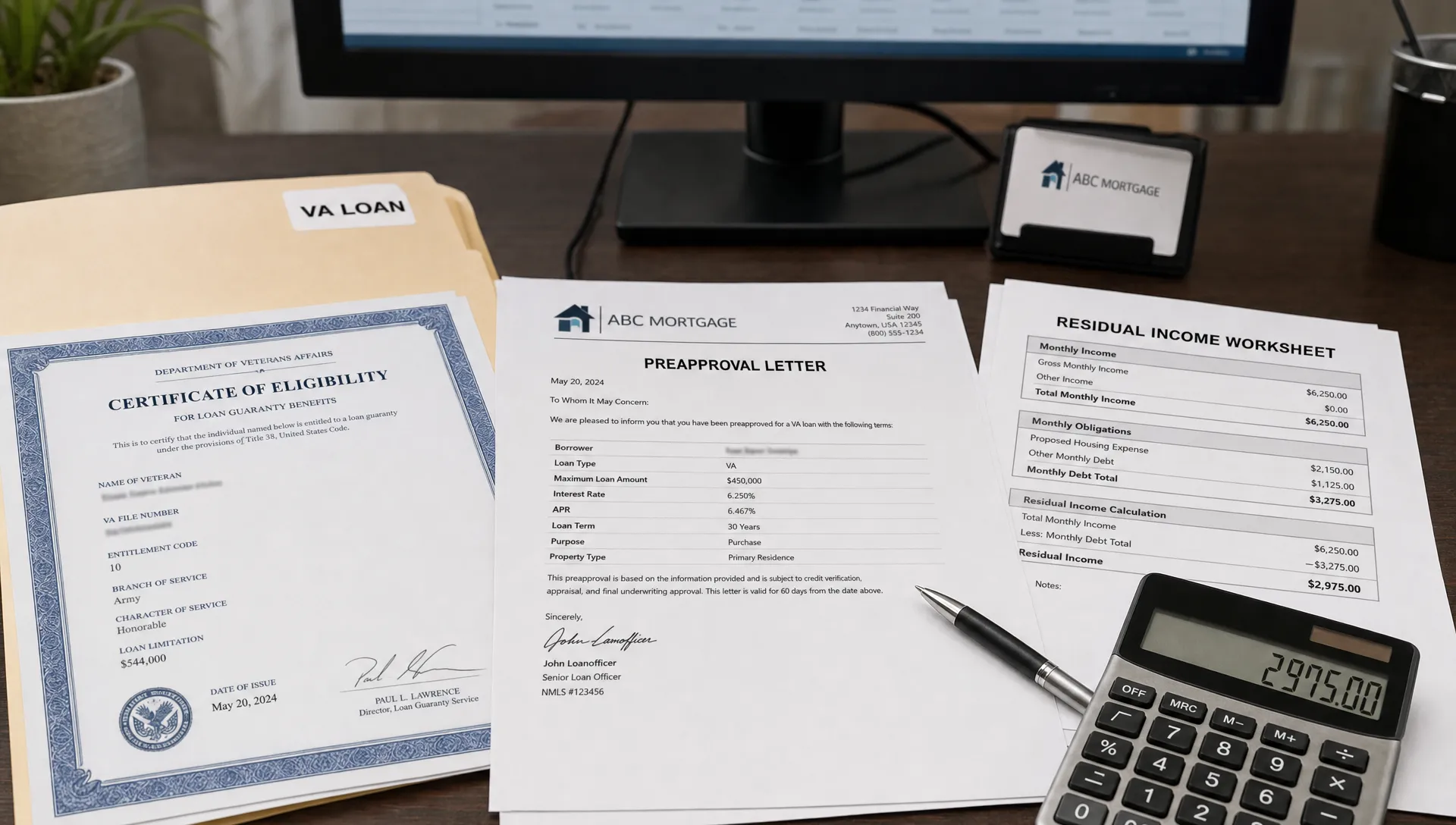
Depending on your eligibility, loan options may include conventional loans with low down payment programs, FHA loans, VA loans for eligible service members and veterans or USDA loans for certain rural and suburban areas. Some buyers may also qualify for down payment assistance through state, local or employer programs.
Your down payment is only one part of the cash needed to close. Closing costs can include lender fees, title fees, appraisal fees, prepaid taxes, prepaid insurance and escrow setup. These costs vary by loan, property and state, but they are often a meaningful part of your upfront budget.
This is where many first-time buyers get surprised. You may have enough saved for the down payment but still need more for the rest of the transaction. For a deeper breakdown, review New Era Lending’s guide to closing costs and the fees buyers often overlook.
There are ways to manage upfront cash. Seller concessions, lender credits or assistance programs may help in some situations, though they can affect your offer, interest rate or loan structure. A good mortgage conversation should show you the tradeoffs clearly rather than focusing only on the lowest possible cash-to-close number.
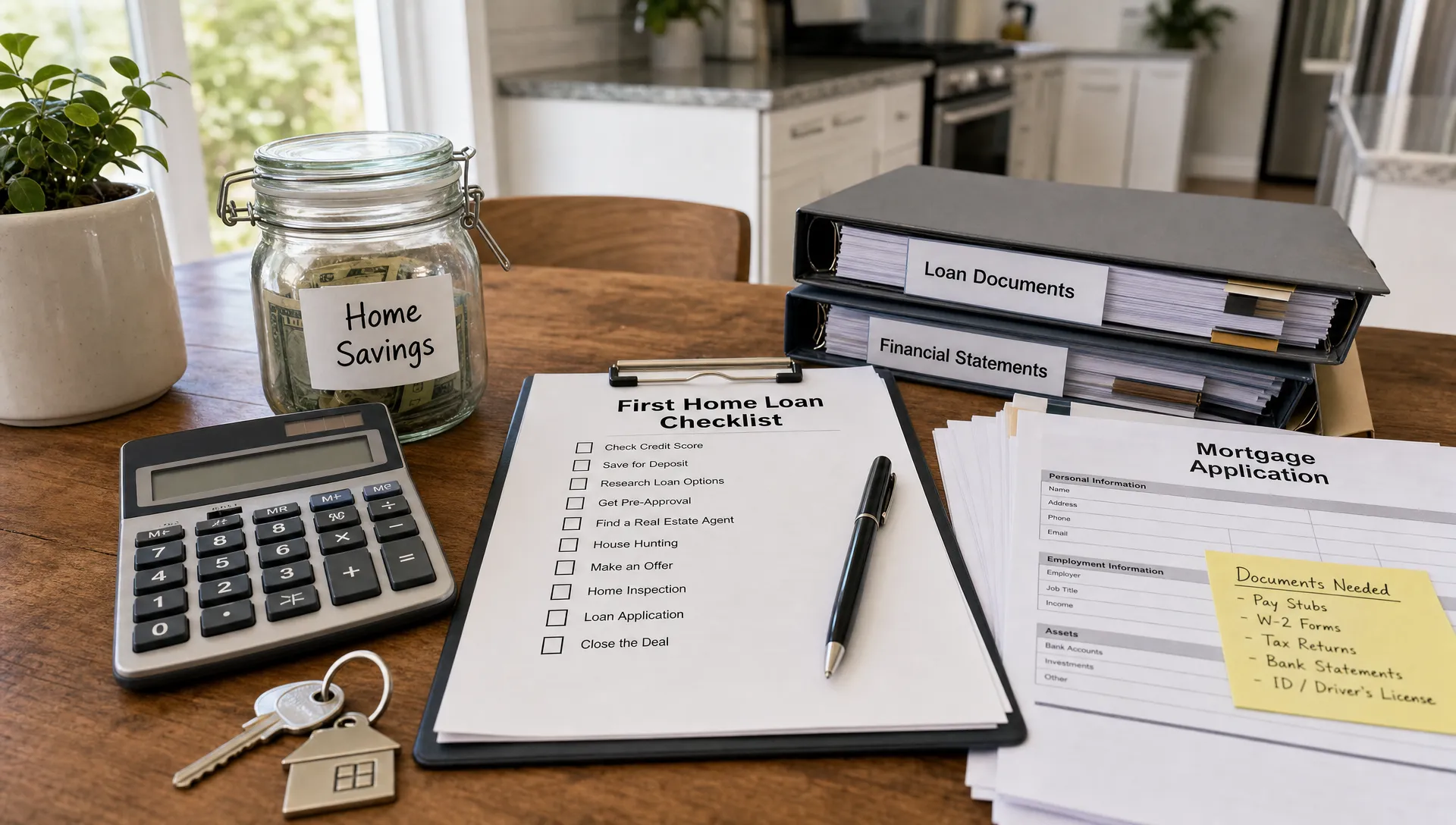
5. Get pre-approved before you start serious house hunting
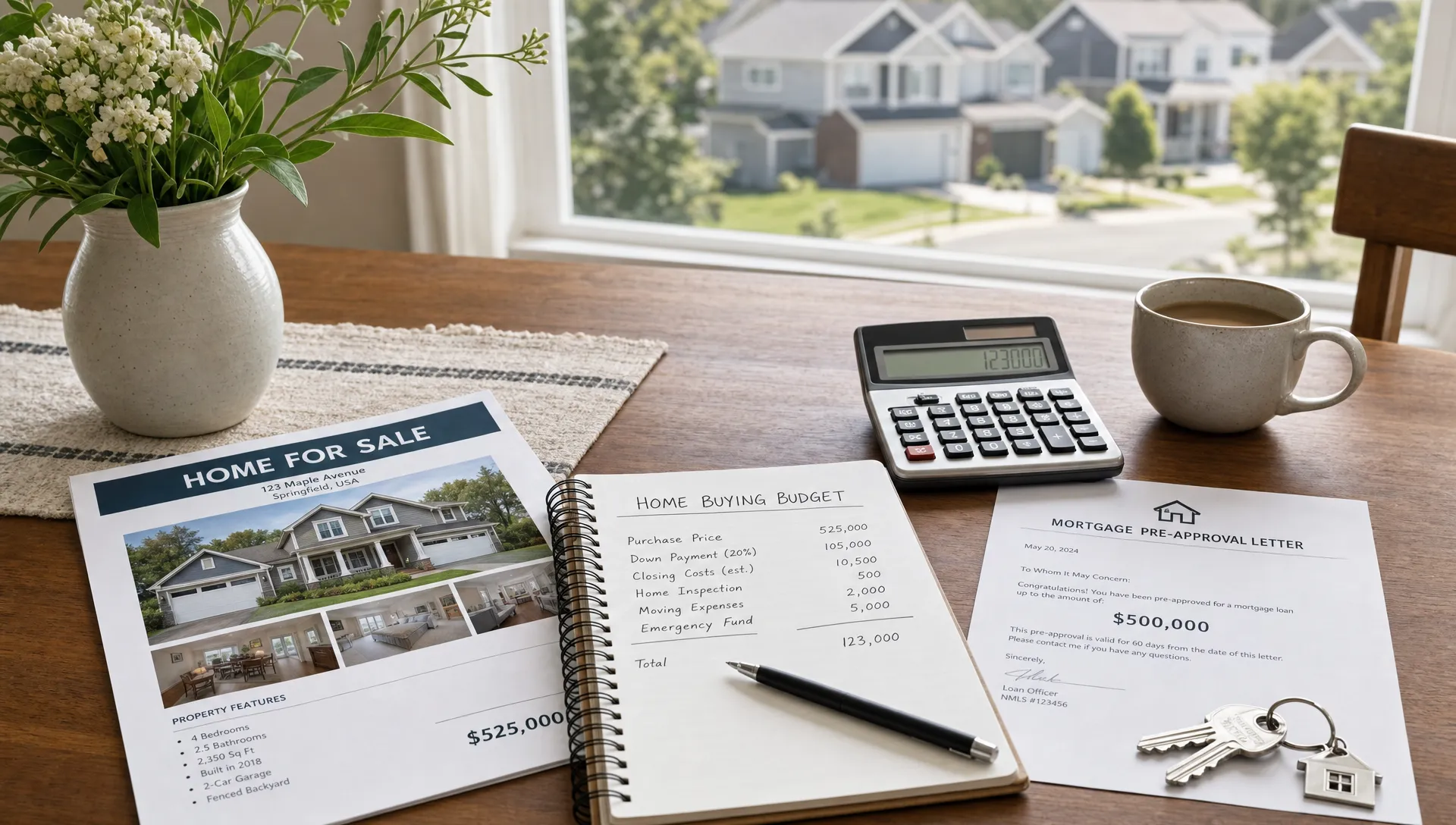
Pre-approval is one of the most useful steps in the first-home process. It gives you a clearer price range, helps you understand estimated payments and shows sellers that you are a serious buyer.
A pre-qualification is usually a lighter estimate based on information you provide. A pre-approval is stronger because the lender reviews key financial documents such as income, credit and assets. The exact process can vary by lender, but the goal is the same: identify what loan amount and program may fit before you make an offer.
This step can also reveal issues while there is still time to solve them. Maybe your debt-to-income ratio is slightly high. Maybe you need to document gift funds correctly. Maybe one loan option looks better than another once taxes, insurance and mortgage insurance are included.
At New Era Lending, the mortgage process is built around smart technology and human guidance, so buyers can move through document uploads, e-signatures and loan conversations with more clarity. That combination matters because technology can make the process faster, but first-time buyers still benefit from a person who can explain what the numbers mean.
Once you are pre-approved, ask your lender how long the pre-approval is valid and what could change it. A new debt, job change, lower credit score or higher interest rate could affect the final approval.
6. Compare loan options, not just interest rates
The lowest advertised rate is not always the best loan. A mortgage has several moving parts, including rate, APR, discount points, lender fees, mortgage insurance, loan term, cash to close and monthly payment.
For first-time buyers, the right loan depends on your credit profile, down payment, military service history, location, income and long-term plans. For example, an FHA loan may be helpful for a buyer with a smaller down payment or more flexible credit needs. A VA loan may be powerful for eligible veterans and service members. A conventional loan may be attractive for buyers with stronger credit or a path to cancel mortgage insurance later.
The Consumer Financial Protection Bureau encourages borrowers to use the Loan Estimate to compare mortgage offers. This standardized form makes it easier to review projected payments, closing costs and loan terms across lenders.
When comparing options, ask questions like these:
- What is my estimated total monthly payment?
- How much cash will I need to close?
- Are there discount points or lender credits?
- Is mortgage insurance required, and can it be removed later?
- How does this option fit my plan if I sell or refinance in a few years?
If you want a more detailed look at available loan paths, New Era Lending’s First-Time Home Loan Guide for 2026 Buyers walks through common options and planning points for new buyers.
7. Make a smart offer and stay steady through closing
Once you have your budget, pre-approval and loan strategy, house hunting becomes more focused. You and your real estate agent can look for homes that fit your goals instead of chasing every listing.
When you find the right property, your agent will help you structure an offer. Price matters, but so do contingencies, closing timeline, seller credits, earnest money and inspection terms. In a competitive market, a clean offer can help. In a slower market, you may have more room to negotiate repairs, closing costs or price.
After the seller accepts your offer, several things happen quickly. The home inspection checks the property condition. The appraisal helps confirm the home’s value for the lender. Underwriting reviews your file in detail. Title work verifies ownership history and checks for liens.
This is the stage where staying financially consistent is critical. Do not open new loans, make large purchases, switch banks without talking to your lender or ignore document requests. Even small changes can create underwriting delays.
Before closing, you will receive a Closing Disclosure that shows final loan terms and costs. Review it carefully and compare it with your earlier Loan Estimate. Ask questions if anything looks different from what you expected.
On closing day, you sign final documents, pay the required funds and complete the legal transfer of the home. After funding and recording are complete according to your state’s process, you get the keys.
Frequently Asked Questions
What is the first step in getting your first home? Start by defining your goals and building a realistic monthly payment budget. Before you focus on listings, know what type of home fits your life, how much payment feels comfortable and how much savings you have for upfront costs.
Do I need 20% down to buy my first home? Not always. Many first-time buyers use loan programs that allow lower down payments. Your options depend on your credit, income, location, military eligibility and overall financial profile.
Should I get pre-approved before looking at homes? Yes, if you are serious about buying. Pre-approval helps you understand your price range and gives sellers more confidence in your offer. It can also uncover loan issues before you are under contract.
How long does it take to buy a first home? The timeline varies. Some buyers move from pre-approval to closing in a couple of months, while others spend longer improving credit, saving cash or finding the right property. Preparation usually makes the timeline smoother.
Can I buy a home if my credit is not perfect? Possibly. Different loan programs have different credit requirements, and your full financial profile matters. A lender can review your credit, income, debts and savings to help you understand realistic options.
Take the next step with a clearer mortgage plan
Getting your first home is easier when you know the path before you start. You do not need to become a mortgage expert, but you do need a lender who can explain your options, answer questions clearly and help you move forward with confidence.
New Era Lending offers personalized mortgage guidance, modern technology and a wide range of loan options for buyers across 39 states. If you are ready to understand your budget, compare loan paths or begin pre-approval, start with New Era Lending and take the next step toward your first home.