.jpg)
.jpg)





.jpg)

VA Loans in North Carolina: What Buyers Need to Know
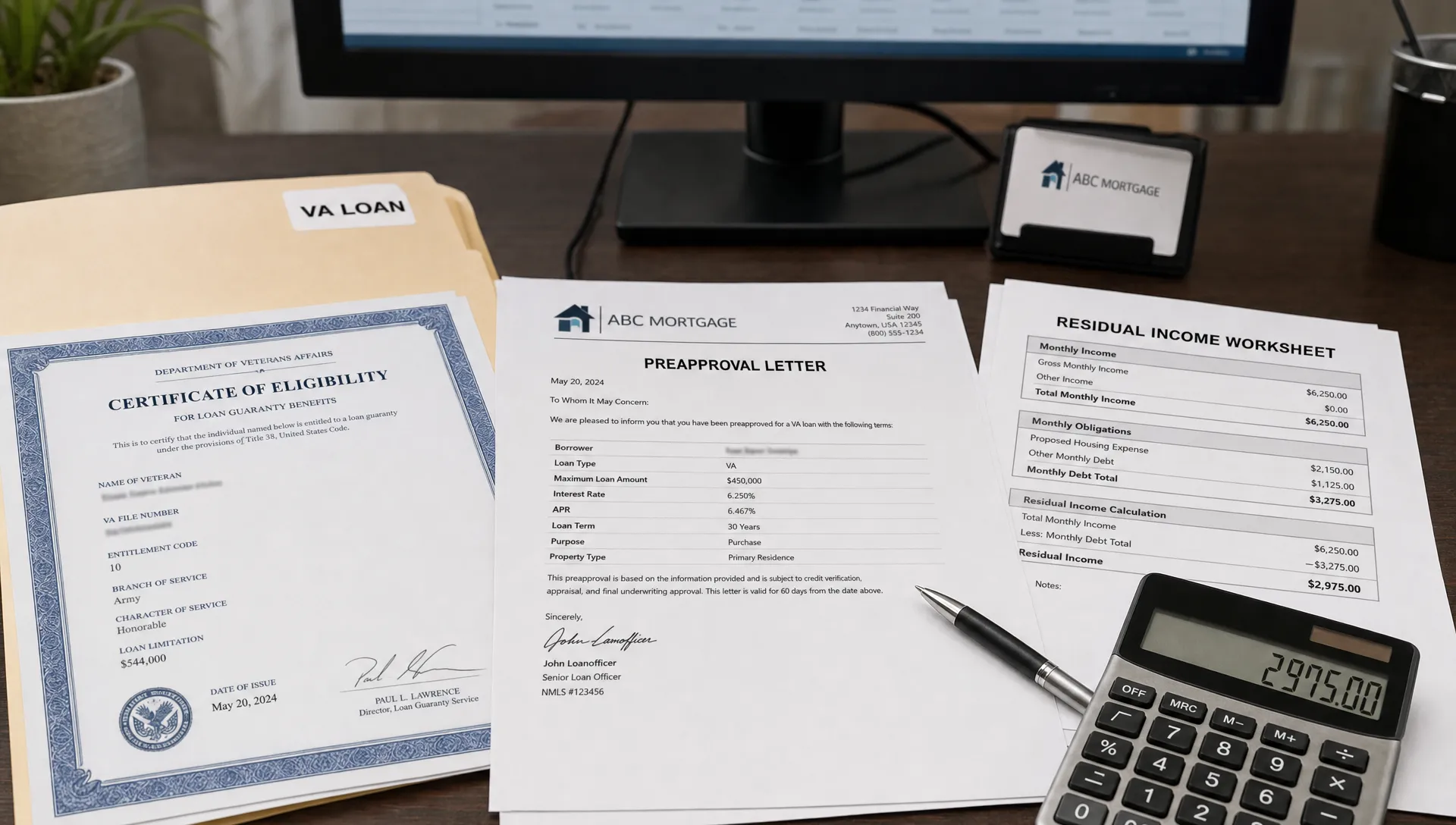
For eligible veterans, active-duty service members, certain National Guard and Reserve members and eligible surviving spouses, VA loans in North Carolina can make buying a home more accessible. The VA mortgage benefit is powerful, but it still has rules, local costs and property standards that buyers should understand before making an offer.
North Carolina has several large military communities, including areas around Fort Liberty, Camp Lejeune, Cherry Point and Seymour Johnson. It also has fast-moving housing markets where a strong preapproval, clear cash plan and knowledgeable lender can matter as much as the loan program itself.
VA loans in North Carolina: the basics buyers should understand
A VA loan is a mortgage made by a private lender and backed by the U.S. Department of Veterans Affairs. The VA guaranty reduces lender risk, which is why eligible borrowers may be able to buy with no required down payment, no monthly private mortgage insurance and more flexible qualification standards than many conventional loans.
That does not mean every buyer automatically qualifies for every property or price point. Lenders still review credit, income, debt, residual income, assets and the home being purchased. The property must also meet VA minimum property requirements and be intended as the borrower’s primary residence.
The biggest advantage of VA loans in North Carolina is that they can reduce the upfront cash barrier in a state where buyers may also need to plan for due diligence money, earnest money, inspections, moving expenses and closing costs. The loan benefit helps, but preparation still protects your budget.
If you want a broader overview of the program before focusing on North Carolina details, New Era Lending’s guide to VA loan benefits every eligible buyer should know is a helpful companion resource.
Who is eligible and what lenders review
Eligibility starts with military service, not income level. Many veterans, active-duty service members, some Reserve and National Guard members and certain surviving spouses may qualify. Buyers typically confirm eligibility with a Certificate of Eligibility, often called a COE. Your lender can usually help request it if you do not already have one.
Qualification is a separate step. For VA loans in North Carolina, lenders commonly evaluate whether your income is stable, whether your monthly debts are manageable and whether you have enough residual income after major obligations. Residual income is especially important in VA underwriting because it focuses on real household cash flow, not just a debt-to-income percentage.
Credit score rules can vary by lender because the VA does not set one universal minimum score for every loan scenario. A buyer with stronger credit, stable employment and reserves may have more options, but a past credit challenge does not always end the conversation.
Documentation for military, civilian and self-employed buyers
The documents you need depend on how you earn income. Active-duty borrowers may provide Leave and Earnings Statements. Civilian employees typically provide pay stubs, W-2s and bank statements. Retired service members may provide retirement income documentation, disability award letters if applicable and tax returns when needed.
Self-employed buyers should expect a closer look at income history, business stability and tax filings. A veteran entrepreneur might run a local fitness studio, a construction company or an ecommerce brand that works with partners such as an MMA apparel manufacturer, and in each case the lender needs to document reliable income rather than simply gross sales.
North Carolina costs and cash to plan for
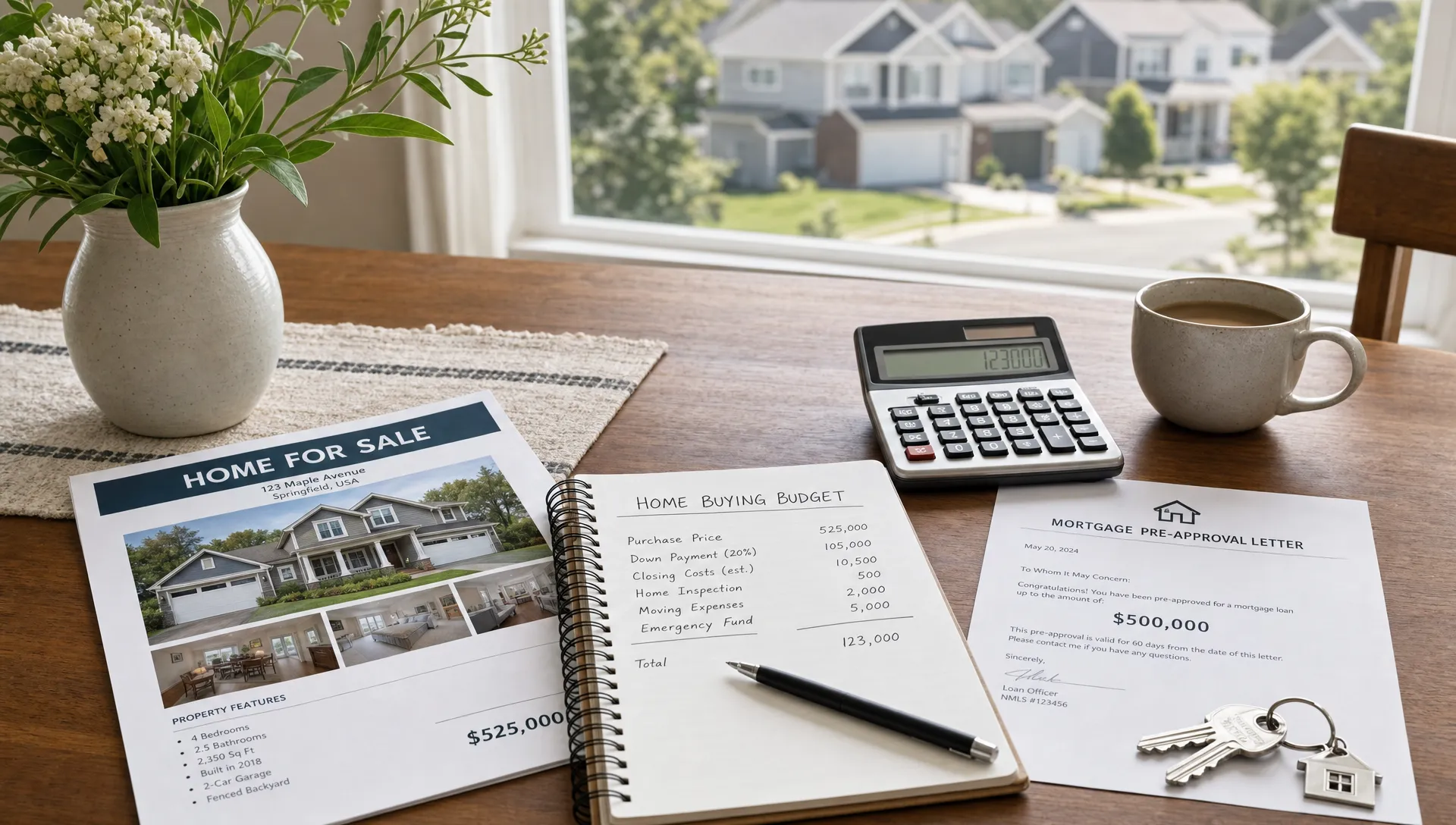
Even when VA loans in North Carolina allow $0 down, buyers should not assume they need no cash at all. North Carolina contracts often include due diligence money, earnest money and inspection costs. Closing costs can also include lender fees, appraisal fees, title charges, attorney fees, prepaid taxes, homeowners insurance and escrow setup.
The due diligence fee deserves special attention. In many North Carolina contracts, this negotiated amount is paid to the seller for the right to inspect and decide whether to move forward during the due diligence period. If the buyer terminates within that period, earnest money may be refundable under the contract, but the due diligence fee is often not. Your real estate agent and lender should help you understand the practical risk before you offer a large amount.
For a deeper local cost breakdown, see New Era Lending’s guide to getting a mortgage in North Carolina and the costs to plan for.
| Cost or cash item | Why it matters for VA buyers in North Carolina |
|---|---|
| Due diligence fee | Negotiated with the seller and often paid upfront under the purchase contract |
| Earnest money | Shows good faith and may be credited back at closing if the purchase proceeds |
| Home inspection | Helps identify repairs, safety concerns and future maintenance costs |
| VA appraisal | Confirms value and checks basic property standards for VA financing |
| Closing costs | May include lender, attorney, title, prepaid tax and insurance items |
| VA funding fee | A one-time VA cost for many borrowers, though some are exempt |
Property rules, appraisals and occupancy
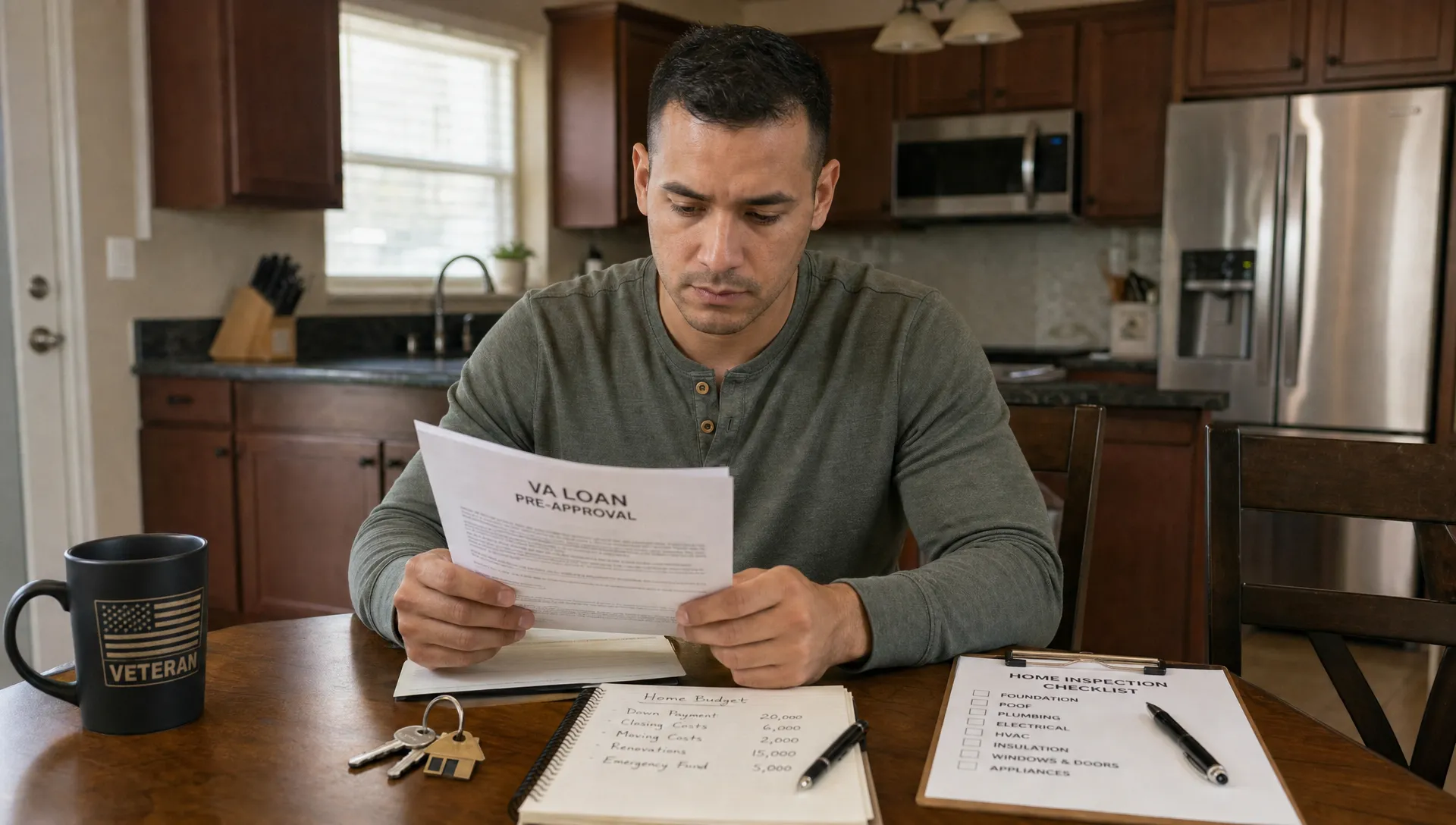
The home you buy with a VA loan must be safe, structurally sound and suitable for year-round occupancy. A VA appraiser reviews the property for value and minimum property requirements, but the appraisal is not the same as a full home inspection. Buyers should still consider a separate inspection so they understand the condition of the roof, HVAC, plumbing, electrical systems, foundation and drainage.
For VA loans in North Carolina, location can shape the property review. A coastal home may raise questions about flood insurance, wind exposure or elevation. A rural home may involve a private well or septic system. A condo must meet VA requirements, and some manufactured homes or new construction properties can involve additional documentation.
Occupancy is also central. VA financing is designed for a primary residence, not a vacation home or investment-only purchase. Borrowers generally need to certify that they intend to occupy the property within the required timeframe, though active-duty service members may have options when a spouse will occupy the home.
If you are comparing home types, New Era Lending’s article on VA loan property types, occupancy and rules explains the distinctions in more detail.
Making a competitive offer with a VA loan
Some sellers still misunderstand VA financing. They may assume it is slower, harder or more repair-heavy than other mortgage options. A well-prepared buyer can counter that perception with a strong preapproval, clear timelines and an agent who knows how to present the offer.
A lender experienced with VA loans in North Carolina can help you estimate your payment, identify cash needed to close and spot issues before the offer goes out. That can be especially useful in competitive markets such as Raleigh, Charlotte, Wilmington, Asheville and areas surrounding major bases.
You can also strengthen your offer by being precise about inspection timelines, appraisal expectations and seller concessions. VA rules allow certain seller-paid costs within program limits, but the offer still needs to make sense for the seller. The strongest strategy is usually not asking for every possible concession, but matching the request to your actual cash position and the competitiveness of the listing.
Step-by-step path for North Carolina VA buyers
The process becomes easier when you treat the loan, the contract and the property review as connected parts of the same plan.
- Confirm eligibility: Request or retrieve your Certificate of Eligibility and discuss service history with your lender.
- Get preapproved early: Share income, asset and credit documentation before touring seriously.
- Set a realistic cash plan: Account for due diligence money, inspections, closing costs, reserves and moving expenses.
- Choose the right property type: Confirm whether the home, condo, manufactured property or multi-unit property can meet VA and lender rules.
- Coordinate the offer: Align the purchase price, due diligence period, concessions and appraisal strategy before signing.
- Stay responsive through closing: Upload documents securely, answer lender questions quickly and review final terms carefully.
Used well, VA loans in North Carolina can support both first-time and repeat buyers. The benefit is reusable in many cases, and eligible homeowners may also have VA refinance options later if their goals change.
Frequently asked questions
Can VA loans in North Carolina really be used with no down payment? Yes, many eligible buyers can purchase with no required down payment if they have full entitlement and the lender approves the loan amount. You may still need cash for due diligence, inspections, closing costs or other contract-related expenses.
Who pays closing costs on a North Carolina VA loan? Buyers usually have closing costs, but some costs may be paid by the seller, lender credits or other allowed sources when structured correctly. The exact split depends on the contract, loan terms and VA rules.
Does the VA appraisal replace a home inspection? No. The VA appraisal supports the lender’s value decision and checks minimum property standards. A home inspection is a separate buyer-focused review of the property’s condition.
Can I use a VA loan for a condo in North Carolina? Yes, but the condo project must meet VA requirements. Your lender can help verify whether a specific condo is eligible before you spend money on inspections or appraisals.
Is the VA funding fee always required? No. Many VA borrowers pay a funding fee, but certain borrowers, including some receiving eligible VA disability compensation, may be exempt. Your lender should confirm your status and show the fee clearly in your loan estimate.
A clearer path to your North Carolina VA loan
A VA mortgage can be one of the strongest financing tools available to eligible buyers, but local details matter. Contract deposits, property condition, appraisal timing, insurance and closing costs can all affect the experience.
New Era Lending helps buyers compare mortgage options with smart technology, secure document uploads, e-signature support and personalized human guidance. If you are exploring a purchase, refinance or equity-access strategy, connect with the team to understand your options and move forward with more confidence.