.jpg)
.jpg)





.jpg)

VA Loan Benefits Every Eligible Buyer Should Know
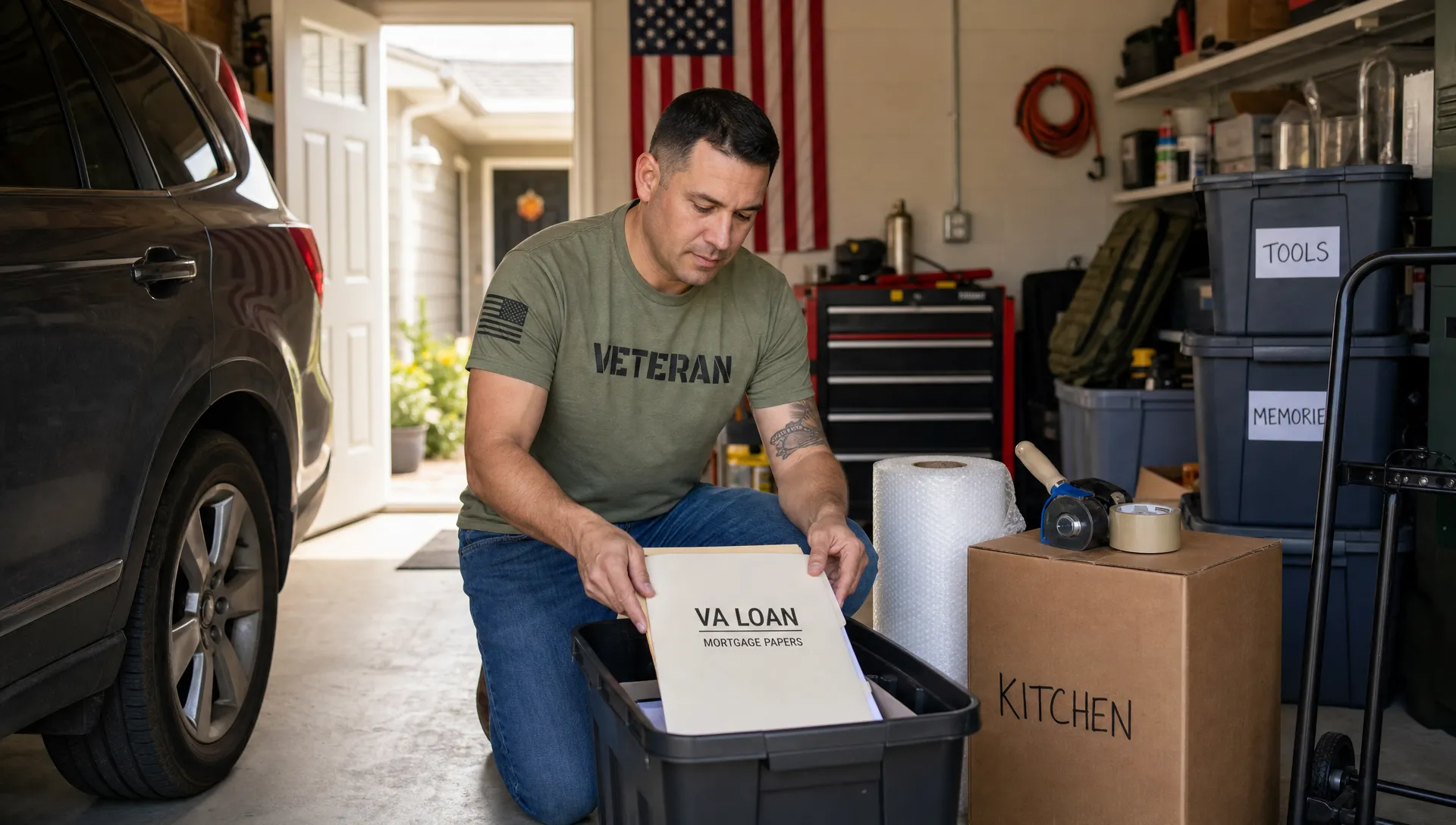
VA loans are one of the strongest home financing benefits available to eligible veterans, active-duty service members, certain National Guard and Reserve members and eligible surviving spouses. The headline advantage is familiar, $0 down for many qualified buyers, but that is only one part of the value.
The real power of a VA loan is how several benefits work together. A buyer may be able to keep more cash on hand, avoid monthly private mortgage insurance, qualify with more flexible guidelines and refinance later through VA-specific options. Used well, these mortgage benefits for veterans can make the path to homeownership more practical and less cash-intensive.
What a VA loan benefit actually does
A VA loan is not usually issued directly by the Department of Veterans Affairs. Instead, private lenders make the loan and the VA guarantees a portion of it. That guaranty reduces risk for the lender, which can help eligible borrowers access favorable terms.
The VA describes its home loan program as a benefit designed to help eligible borrowers buy, build, repair, retain or adapt a home for personal occupancy. You can review the official overview on the VA home loan program page, but the key point is simple: the VA loan is a benefit earned through service, not a one-time discount coupon.
If you want a broader explanation of how the program works from application through closing, New Era Lending also offers a clear guide to VA mortgage financing.
The major VA loan benefits at a glance
| VA loan benefit | What it can mean for an eligible buyer | What to check before relying on it |
|---|---|---|
| $0 down payment | You may buy a primary residence without a traditional down payment if you qualify and have full entitlement | Lender approval, property value and remaining entitlement still matter |
| No monthly PMI | You avoid private mortgage insurance, which is common on conventional loans with less than 20% down | VA loans may have a funding fee unless you are exempt |
| Flexible qualifying | VA guidelines can be more forgiving than some conventional standards | Lenders still review credit, income, debts and residual income |
| Reusable benefit | You can use VA loan eligibility more than once | Prior VA loans, entitlement restoration and occupancy rules can affect the next use |
| VA refinance options | Eligible homeowners may use options like an IRRRL or VA cash-out refinance | Benefits depend on your current loan, equity, rates and goals |
Benefit 1: $0 down can protect your savings
For many buyers, the down payment is the biggest obstacle to buying a home. A conventional loan may require a smaller down payment than people assume, but putting less than 20% down often leads to private mortgage insurance. FHA loans can help buyers with limited savings, but they include mortgage insurance costs of their own.
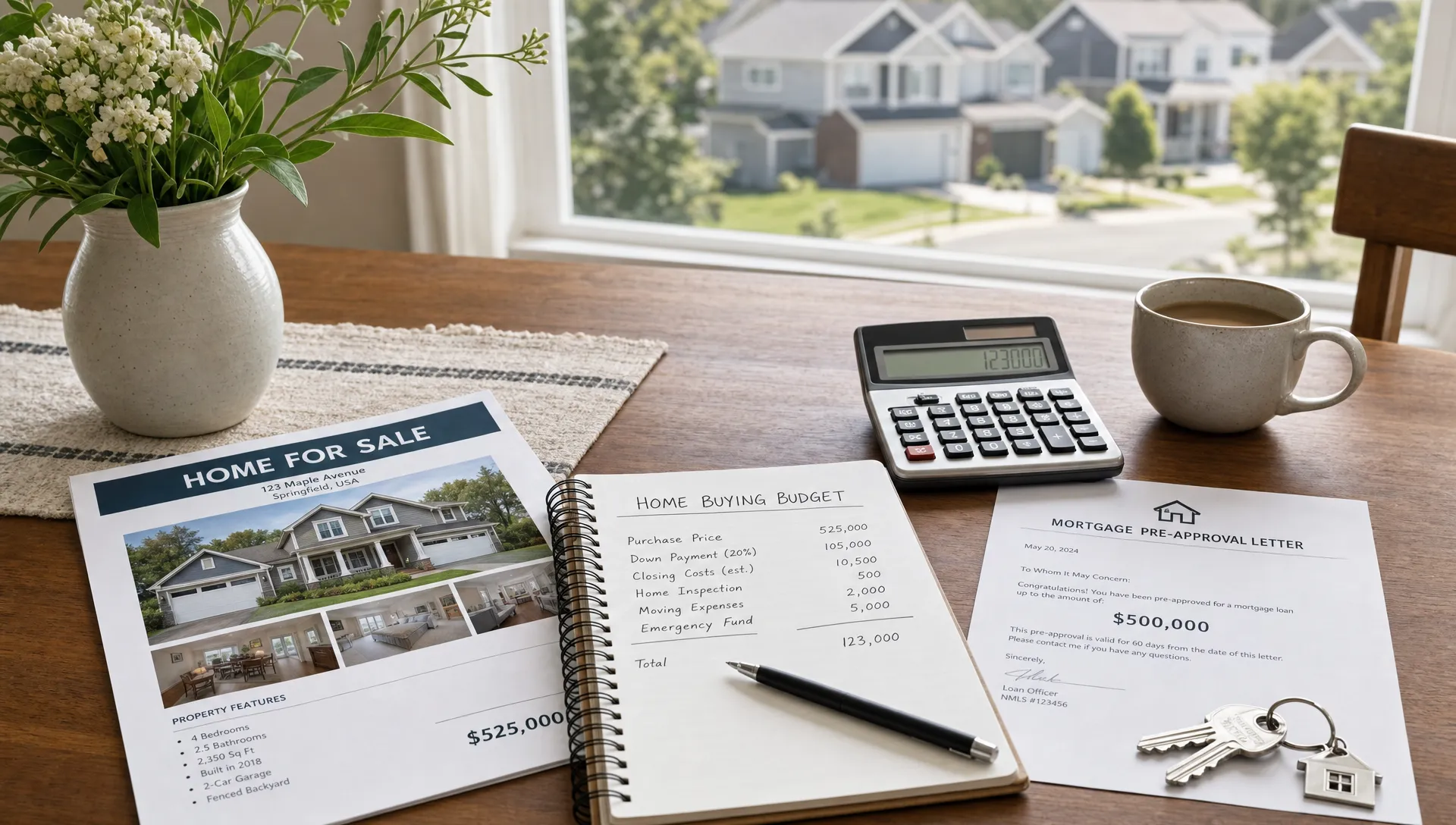
A VA loan can allow qualified buyers with full entitlement to purchase with no down payment. That does not mean the home is free to buy, because you still need to plan for closing costs, prepaid taxes, homeowners insurance, inspections, moving expenses and emergency savings. It does mean you may not have to drain your bank account just to meet a down payment requirement.
That flexibility can be especially useful for military families managing PCS moves, renters trying to buy sooner or buyers who would rather keep cash available for repairs and reserves.
Benefit 2: No monthly private mortgage insurance
Private mortgage insurance, often called PMI, protects a lender if a borrower defaults on a conventional loan. Buyers who put less than 20% down on a conventional mortgage usually pay PMI until they reach enough equity and meet cancellation requirements.
VA loans do not have monthly PMI. This can make a noticeable difference in the monthly payment, especially for buyers who would otherwise put little or nothing down. A lower monthly payment may improve affordability, but buyers should still compare the full cost of the loan rather than focusing on one line item.
The tradeoff is the VA funding fee. Many VA borrowers pay this one-time fee, which can usually be financed into the loan. The amount depends on factors such as first-time or subsequent VA loan use, down payment size and loan type. Some borrowers, including many veterans receiving VA disability compensation, may be exempt. The VA maintains current details on its funding fee and closing costs page.
Benefit 3: Flexible qualifying can open doors
The VA loan program looks at affordability in a practical way. Lenders still review credit history, employment, income, assets and debts, but VA loans also emphasize residual income. Residual income is the money left over after major monthly obligations are paid, and it helps show whether a household can realistically manage the mortgage.
This does not mean approval is automatic. The VA does not approve every borrower, and lenders may set their own credit score requirements. A late payment history, high debts or unstable income can still create challenges. Still, the VA framework can be more flexible than some conventional paths, especially when a borrower has strong income stability, manageable debts and documented service eligibility.
For first-time buyers, this flexibility can be a major advantage because a thinner credit history or limited savings does not necessarily end the conversation. If you are buying your first home, New Era Lending has a practical guide on VA loans for first-time home buyers that covers eligibility and next steps in more detail.
Benefit 4: Competitive terms may reduce long-term costs
Because the VA guaranty helps reduce lender risk, VA borrowers often have access to competitive loan terms. The exact rate depends on market conditions, your credit profile, loan amount, occupancy, property type and lender pricing. No responsible lender can promise that a VA loan will always be the cheapest option in every scenario.
The right way to evaluate cost is to compare the full loan estimate. Look at the interest rate, annual percentage rate, monthly payment, funding fee, closing costs and how long you expect to keep the home. A VA loan may offer a lower monthly cost because there is no PMI, but a conventional loan could be worth comparing if you have a large down payment or funding fee exemption does not apply.
Benefit 5: VA rules can limit certain borrower costs
VA loans include protections around closing costs. Some fees are limited, some are not allowed to be charged to the buyer in certain structures and sellers can pay certain costs within VA guidelines. This can help reduce out-of-pocket expense at closing.
Seller-paid costs are not guaranteed, of course. They depend on the offer, market conditions and negotiation. In a competitive market, a seller may prefer a clean offer over one asking for concessions. In a balanced market, seller credits can be a useful strategy for conserving cash.
This is where pre-approval quality and lender communication matter. A knowledgeable loan team can help structure the offer so the seller understands the VA loan, the buyer understands cash due at closing and everyone knows which costs are allowed.
Benefit 6: The benefit is reusable
A common myth is that a VA loan is only for a first home. In reality, eligible borrowers can use the VA loan benefit more than once. You may be able to restore entitlement after selling a home and paying off the VA loan, or you may have remaining entitlement available in some cases.
The details can become more complex if you still own a home financed with a VA loan, had a prior foreclosure or want to buy in a higher-priced market. Full entitlement generally removes VA loan limits for qualified borrowers, but lenders still approve based on income, credit, debts and property value. If you have partial entitlement, county loan limits can become relevant.

Benefit 7: VA loans are assumable, with approval
VA loans can be assumable, which means a future buyer may be able to take over the existing VA loan with lender or servicer approval. This feature can become valuable when your loan has a lower rate than current market rates.
There are important details. The person assuming the loan must qualify. If the buyer is not an eligible veteran substituting their own entitlement, your entitlement may remain tied to that loan until it is paid off. That can affect your ability to use a VA loan again. Assumability is a real benefit, but it should be handled carefully.
Benefit 8: VA refinance options can help after purchase
VA benefits do not stop at the purchase closing table. Eligible homeowners with an existing VA loan may be able to use an Interest Rate Reduction Refinance Loan, often called an IRRRL, to refinance into a better rate or more stable loan structure if program requirements are met.
A VA cash-out refinance may also allow eligible homeowners to access equity or refinance a non-VA loan into a VA loan. This can be helpful for debt consolidation, home improvements or replacing a higher-cost mortgage, but borrowing against home equity increases the loan balance and should be tied to a clear financial purpose.
The best refinance choice depends on your current rate, home value, equity, time horizon and closing costs. A refinance should solve a real problem, not just create a new loan.
When a VA loan may not be the best fit
VA loans are powerful, but they are not perfect for every buyer or property. The home must be used as a primary residence, so a VA loan is not designed for buying a pure investment property. The property also has to meet VA minimum property requirements, which focus on safety, soundness and basic livability.
Condo purchases may require extra attention because the condo project must be acceptable for VA financing. Homes needing significant repairs can also be harder to finance unless the issues are resolved before closing or handled through an appropriate program.
The VA appraisal is another area buyers should understand. It is not meant to replace a home inspection. The appraiser estimates value and checks for minimum property standards, but a separate inspection can help uncover condition issues that affect your budget and decision.
There are also cases where another loan type deserves a look. If you have a large down payment, excellent credit or a unique property scenario, comparing VA with conventional, FHA or other options can help confirm the best fit.
How to make the most of your VA loan benefit
The smartest VA buyers do not just ask whether they are eligible. They ask how the benefit fits their full financial picture. Before shopping for homes, it helps to confirm eligibility, estimate your monthly payment range and understand how much cash you will need beyond the down payment.
Start with your Certificate of Eligibility, also called a COE. This document confirms to the lender that you meet service-based eligibility requirements. You can request it through the VA, and many lenders can help retrieve it during the application process. The VA explains the process on its COE request page.
Next, gather the records your lender will need. This usually includes identity documents, income records, bank statements and VA-specific documentation. For a more detailed checklist, review New Era Lending's guide to veterans mortgage loan documents.
Finally, get clear on your buying strategy before making offers. Know whether you want to preserve cash, minimize the monthly payment, buy sooner or compare VA against another loan option. Those goals can change how you structure credits, down payment, rate options and closing costs.
Common VA loan myths that can cost buyers opportunities
Some eligible buyers hesitate because they have heard VA loans are slow, difficult or unattractive to sellers. A VA loan can run into delays when documents are missing, the property has repair issues or the lender is unfamiliar with VA requirements. The loan type itself is not the problem.
Another myth is that VA buyers are weaker because they may put $0 down. Down payment size does not automatically measure buyer strength. A well-qualified VA buyer with verified income, assets and a strong pre-approval can be a serious competitor.
A third myth is that VA loans are only for buyers with financial trouble. The VA loan is not a last-resort product. It is an earned benefit that can be useful for many eligible buyers, including those with strong credit and substantial savings who simply prefer to preserve cash or avoid PMI.
Frequently Asked Questions
Who is eligible for a VA loan? Eligibility is generally based on qualifying military service for veterans, active-duty service members, certain National Guard and Reserve members and some surviving spouses. A Certificate of Eligibility helps confirm service-based eligibility, but you still need to meet lender and property requirements.
Can I really buy a home with $0 down using a VA loan? Many qualified VA buyers with full entitlement can buy with no down payment. You still need to qualify for the payment and plan for closing costs, prepaid items, inspections, moving costs and reserves.
Do VA loans have PMI? No. VA loans do not require monthly private mortgage insurance. Some borrowers do pay a VA funding fee, unless they qualify for an exemption.
Is a VA loan always better than a conventional loan? Not always. VA loans are often highly competitive, especially for buyers with limited down payment funds, but a conventional loan may be worth comparing if you have a large down payment, a unique property or a specific long-term cost strategy.
Can I use a VA loan more than once? Yes. The VA loan benefit can be reused, though your entitlement position, prior VA loans and current property ownership can affect how the next purchase is structured.
Can I use a VA loan for a vacation home or rental property? VA loans are intended for primary residences. You generally cannot use a VA loan to buy a home solely as a vacation property or investment rental.
Take the next step with a VA-savvy mortgage team
A VA loan can be a major advantage, but the best results come from using the benefit strategically. You need clear eligibility guidance, a realistic payment plan, accurate cost comparisons and a loan process that keeps paperwork moving.
New Era Lending combines smart mortgage technology with personalized human guidance for home purchase, refinance and equity access. With secure document uploads, e-signature support, transparent rates and terms and availability across 39 states, the team is built to make the lending process simpler without removing the human support buyers still need.
If you are ready to explore your VA loan options, start with New Era Lending and compare the path that fits your homeownership goals.