.jpg)
.jpg)





.jpg)


Mortgage Debt Help Options for Homeowners
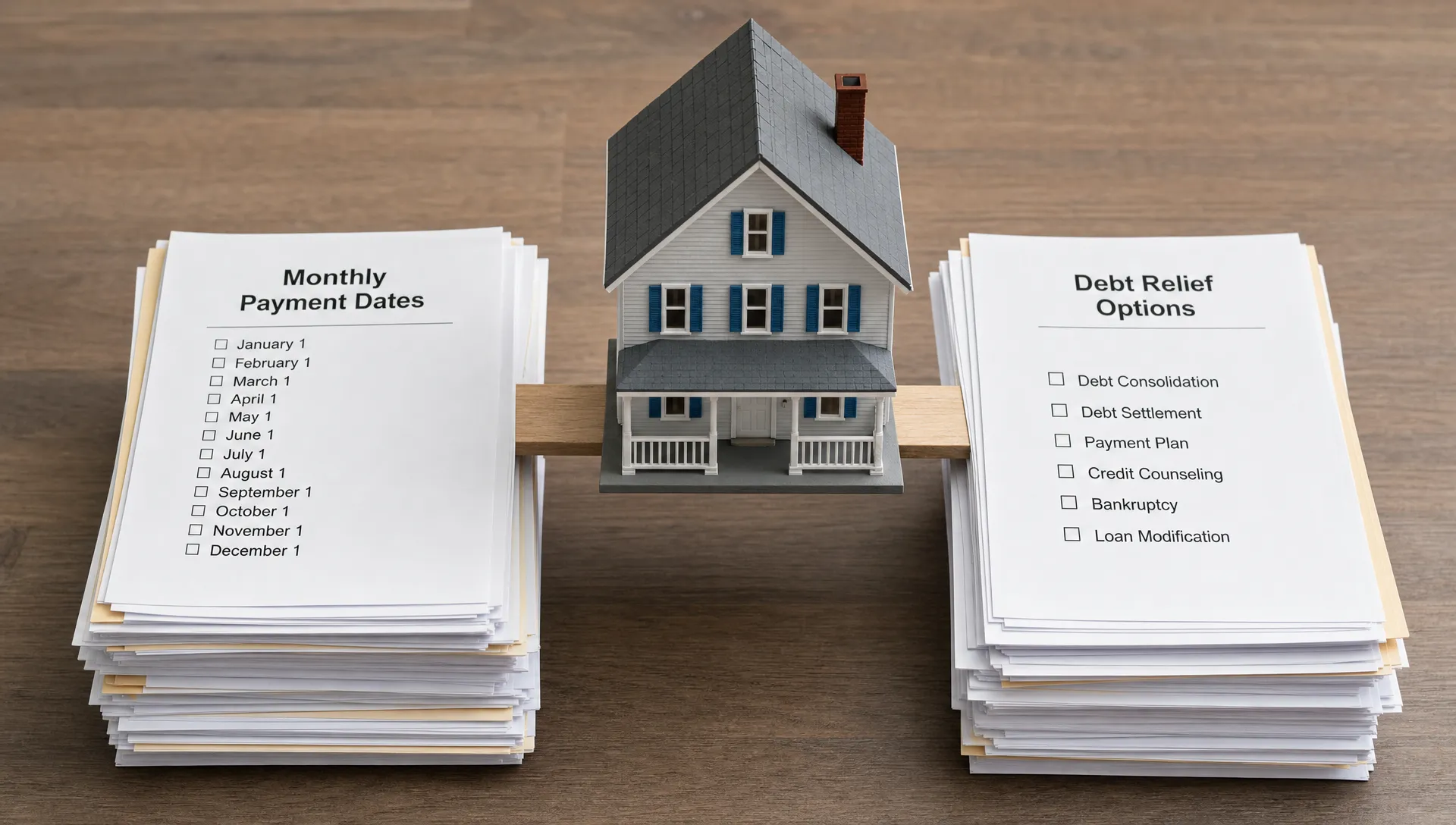
Mortgage debt can feel urgent because it is tied to the place you live. A missed credit card payment is stressful, but a missed mortgage payment can quickly raise questions about late fees, escrow shortages, credit impact and foreclosure timelines.
The good news is that mortgage debt help is not one single program. Homeowners may have several paths depending on whether the hardship is temporary, whether the loan is current, how much equity is in the home and what type of mortgage they have. The best first move is usually not to wait. The sooner you understand your options, the more choices you tend to have.
If you want a broader look at what comes next when you already have a home loan, New Era Lending has a helpful guide to next options for homeowners with a mortgage. This article focuses specifically on debt relief choices, from short-term hardship assistance to refinancing, equity strategies and foreclosure alternatives.
Start With a Clear Mortgage Debt Snapshot
Before choosing an option, get a complete picture of the problem you are trying to solve. A homeowner who is current but overwhelmed by high-interest consumer debt needs a different plan than someone who is 90 days behind after a job loss.
Gather the basics before you contact your lender, servicer or mortgage professional:
- Current mortgage balance, monthly payment, interest rate and loan type
- Escrow details, including property taxes and homeowners insurance
- Number of missed payments, if any, plus late fees
- Current monthly income and major expenses
- Other debts, including credit cards, personal loans, auto loans and student loans
- Estimated home value and available equity
- Hardship details, such as reduced income, medical bills, divorce or unexpected repairs
Your mortgage servicer is the company that collects your monthly payment. If you are behind or expect to fall behind, contact the servicer directly and ask for the loss mitigation or hardship assistance department. The Consumer Financial Protection Bureau offers consumer guidance on mortgage servicing, foreclosure prevention and borrower rights.
A HUD-approved housing counselor can also help you review options, understand paperwork and avoid scams. HUD provides a housing counseling search tool for finding approved counseling agencies.
Match the Option to the Type of Mortgage Debt Problem
Mortgage debt help works best when the solution matches the cause of the pressure. Lowering the interest rate may help if the loan itself is too expensive, but it will not fix a temporary income gap unless the new payment is meaningfully lower. A forbearance may help after a short-term hardship, but it is not designed to erase what you owe.
| Your situation | Options to explore | Main caution |
|---|---|---|
| Current on the mortgage, but payment feels too high | Rate-and-term refinance, term extension, budget review, escrow review | Closing costs and total interest may increase |
| Current on the mortgage, but other debts are overwhelming | Cash-out refinance, home equity loan, HELOC, debt management plan | Unsecured debt may become debt secured by your home |
| Temporary hardship, such as job loss or medical leave | Forbearance, repayment plan, short-term assistance | Missed payments usually still need a resolution plan |
| Long-term income reduction | Loan modification, refinance if eligible, selling before delinquency worsens | Not every borrower qualifies |
| Already behind on payments | Loss mitigation application, HUD counselor, repayment plan, modification, deferral | Deadlines matter, especially if foreclosure has started |
| Home is no longer affordable | Sale, short sale, deed in lieu, legal advice if needed | Credit, tax and relocation impacts should be reviewed |
This table is a starting point, not a final answer. Loan rules, investor guidelines, state laws and your documentation all matter.
Hardship Assistance Through Your Mortgage Servicer
If you are behind or about to miss a payment, mortgage hardship assistance is often the first place to look. These options are handled through your loan servicer, not through a new lender. They are meant to help homeowners avoid foreclosure when a hardship affects their ability to pay.
Forbearance
Forbearance temporarily pauses or reduces mortgage payments. It can help when the hardship is short-term, such as a temporary layoff, medical leave or disaster-related income disruption.
Forbearance does not normally forgive the debt. At the end of the forbearance period, the missed amount must be handled in some way. That could mean a repayment plan, deferral, loan modification or another approved option. Ask your servicer how the forbearance will be reported to credit bureaus, what happens when it ends and whether escrow payments for taxes and insurance are affected.
Repayment plan
A repayment plan spreads missed payments over a set period by adding a portion of the past-due amount to your regular monthly payment. This can work if your income has recovered and you can afford a temporarily higher payment.
It is less useful if your budget is still tight. Agreeing to a repayment plan that is not realistic can lead to another default.
Payment deferral or partial claim
A deferral moves missed payments to a later date, often the end of the loan or when the home is sold, refinanced or paid off. Some government-backed loans may offer partial claim options, which can place the past-due amount into a separate subordinate balance under program rules.
The exact structure depends on your loan type and servicer. Ask whether interest accrues, when the deferred amount becomes due and whether the option affects future refinancing or sale proceeds.
Loan modification
A loan modification changes the terms of your existing mortgage to make the payment more manageable. Depending on the program, it may adjust the interest rate, extend the repayment term, add missed payments to the balance or use another method to bring the loan current.
A modification can be powerful for homeowners with a long-term income change, but it requires documentation. Servicers typically ask for income proof, bank statements, hardship letters and completed loss mitigation forms. Submit a complete package and keep copies of everything.
Refinancing When You Are Current but Need Relief
If your mortgage is current and your credit profile still qualifies, refinancing may be a practical form of mortgage debt help. Instead of asking the existing servicer for hardship assistance, you replace your current mortgage with a new loan.
A refinance may help by lowering the interest rate, changing the loan term, switching loan type or restructuring debt. The right choice depends on your goal.
A rate-and-term refinance is often used to lower the payment or adjust the payoff timeline. Extending the term can reduce the monthly payment, though it may increase total interest over the life of the loan. Shortening the term can reduce long-term interest, but it usually raises the monthly payment unless the rate difference is significant.
A cash-out refinance allows you to borrow more than the current mortgage balance and receive part of your home equity as cash. Homeowners sometimes use this to pay off high-interest debts or cover large expenses, but the risk is higher because the new loan is secured by the home.
Closing costs matter. A lower payment is useful, but you should also compare the annual percentage rate, break-even period, total interest and how long you expect to keep the loan. For a deeper comparison of refinance structures, see New Era Lending’s guide to mortgage refinance options that could fit your goals.
Using Home Equity to Address Debt
Home equity can be a valuable tool, but it should be used carefully. Equity is the difference between what your home is worth and what you owe. If values have risen or you have paid down your mortgage, you may be able to access part of that equity through a cash-out refinance, home equity loan or home equity line of credit.
This can make sense when the new payment is affordable and the purpose is clear. For example, consolidating several high-interest debts into one lower-rate payment may improve monthly cash flow. It may also simplify your budget and reduce the risk of missed payments across multiple accounts.
The tradeoff is that you are often turning unsecured debt into debt secured by your home. If the new payment becomes unaffordable, your home could be at risk. You also may extend the debt over a longer period, which can increase total interest even if the monthly payment drops.
Before using equity for debt payoff, compare these numbers:
- New monthly payment versus current combined payments
- Total closing costs and fees
- Total interest over the expected time you will keep the loan
- Whether credit cards or other debts will stay paid off after consolidation
- Emergency savings after the transaction closes
New Era Lending covers this decision in more detail in its article on whether mortgage loan consolidation can lower your costs. The key is to measure both short-term payment relief and long-term cost.

Other Ways to Create Mortgage Payment Flexibility
Not every solution requires a refinance or formal hardship program. Some homeowners can improve cash flow by addressing the parts of the payment around the mortgage.
If your payment recently increased, review your escrow analysis. Property taxes and homeowners insurance premiums can raise the monthly payment even when the interest rate has not changed. Check for insurance discounts, compare coverage with reputable insurers and confirm whether the property tax assessment is accurate. If you believe the assessment is wrong, your county or local tax authority may have an appeal process.
A mortgage recast may help in a specific situation. If your loan allows recasting and you can make a lump-sum principal payment, the lender may re-amortize the loan and lower the monthly payment without a full refinance. This is not debt forgiveness and it requires cash upfront, but it can be useful after a bonus, inheritance or sale of another property.
Some homeowners also need flexibility because income has become irregular rather than permanently lower. Commission income, self-employment revenue or seasonal work can make a standard monthly budget feel tight. In that case, building a separate mortgage reserve account may help you smooth out high and low income months. If you are weighing options because your situation has changed, New Era Lending’s guide on what to do when you need mortgage flexibility can help frame the decision.
If You Are Behind or Facing Foreclosure
If foreclosure notices have arrived, speed matters. Do not assume the situation is too far gone and do not ignore mail from your servicer, court or trustee. Foreclosure timelines vary by state, and missing a response deadline can limit your choices.
Start by calling your servicer and asking what loss mitigation options are still available. Request the exact documents needed, the submission deadline and how to confirm that your package is complete. Keep a log of calls, dates, representative names and confirmation numbers.
A HUD-approved housing counselor can help you organize the process. If you have received legal notices, a housing counselor is not a substitute for an attorney. You may need to speak with a foreclosure defense attorney, legal aid office or bankruptcy attorney depending on your state and situation.
Bankruptcy is a serious step, but it may be relevant for some homeowners. Chapter 13 bankruptcy can sometimes help borrowers catch up on mortgage arrears through a court-approved repayment plan while keeping the home, if they have enough income to support the plan. The U.S. Courts bankruptcy basics page explains the general framework, but you should get legal advice before making that decision.
When Selling May Be the Smartest Debt Help Option
Selling the home can be difficult emotionally, but it may be the option that protects the most equity and reduces financial damage. If the home is no longer affordable and you have equity, selling before a foreclosure process advances can give you more control over timing, price and relocation planning.
If you owe more than the home is worth, ask the servicer about a short sale. In a short sale, the lender agrees to accept less than the full mortgage balance from the sale proceeds. Approval is not automatic, and there may be credit or tax consequences. A deed in lieu of foreclosure is another alternative where you transfer ownership to the lender, usually after other options have been reviewed.
These choices can have lasting financial impact, so involve qualified professionals. That may include a real estate agent experienced with distressed sales, a housing counselor, a tax professional and an attorney.
Watch Out for Mortgage Debt Relief Scams
When homeowners feel pressured, scammers often promise fast relief, guaranteed modifications or secret government programs. Be skeptical of anyone who asks for upfront fees, tells you to stop contacting your servicer or pressures you to sign over the deed.
The Federal Trade Commission warns consumers about mortgage relief scams and explains common red flags. A legitimate counselor or mortgage professional should encourage you to understand documents before signing and should not promise results that depend on lender approval.
Protect yourself by keeping payments directed to the verified servicer unless you have written, confirmed instructions. Use official phone numbers from your mortgage statement, not numbers from unsolicited texts, emails or mailers.
How to Choose the Right Mortgage Debt Help Option
A good option should solve the real problem without creating a larger one later. Before you sign paperwork or agree to a plan, ask three questions.
First, does this option address a temporary hardship or a long-term affordability issue? Forbearance may help with a temporary interruption, but a permanent income reduction may require a modification, refinance, sale or broader debt plan.
Second, what is the full cost? A smaller monthly payment can still cost more over time if the loan term is much longer or fees are high. Look beyond the payment and compare total interest, closing costs and future obligations.
Third, what happens if your income does not improve? A plan that only works under perfect conditions may not be safe. Leave room for repairs, insurance changes, taxes and life events.
The right mortgage debt help plan should make the home more stable, not just delay the same problem for a few months.
Frequently Asked Questions
What is the fastest mortgage debt help option if I am about to miss a payment? Contact your mortgage servicer before the payment is missed and ask about hardship or loss mitigation options. You can also contact a HUD-approved housing counselor for guidance on paperwork and next steps.
Will mortgage forbearance erase missed payments? Usually no. Forbearance temporarily pauses or reduces payments, but the missed amount still needs to be resolved through a repayment plan, deferral, modification or another approved option.
Can I refinance if I am behind on my mortgage? It is difficult to refinance after missed payments because lenders typically review recent mortgage history, credit and income. If you are already behind, servicer loss mitigation options may be more realistic than a standard refinance.
Is debt consolidation with home equity a good idea? It can help if the payment is affordable, the interest savings are real and you avoid running up new balances. The risk is that unsecured debts become secured by your home, so compare the total cost carefully.
Should I pay a company that promises mortgage relief? Be very cautious. Avoid companies that demand upfront fees, guarantee results or tell you not to contact your servicer. HUD-approved housing counselors are a safer starting point.
Talk Through Your Mortgage Debt Help Options
You do not have to sort through mortgage debt decisions alone. New Era Lending combines smart technology with personalized human guidance to help homeowners explore purchase, refinance and equity access options across 39 states.
If you are current on your mortgage and want to see whether refinancing, equity access or another lending option could improve your situation, connect with New Era Lending. A clear review of your goals, income, equity and loan terms can help you move from uncertainty to a practical next step.