.jpg)
.jpg)





.jpg)


What to Do If You Have a Mortgage and Need Flexibility

If you are thinking, “I have a mortgage, but my life does not fit the same payment plan anymore,” you have more options than you may realize. A mortgage is a long-term commitment, but that does not mean your strategy has to stay frozen for 15, 20, or 30 years.
Maybe your income has changed. Maybe you want to free up monthly cash flow, access home equity, remove a co-borrower, consolidate debt, or simply build more breathing room into your finances. The right move depends on what “flexibility” actually means for your situation.
This guide walks through practical mortgage flexibility options, what each one can help with, and how to decide which path deserves a closer look.
Start by defining the kind of flexibility you need
Before comparing loan products, start with the problem you are trying to solve. “I need flexibility” can mean several different things, and each goal points to a different solution.
You may be looking for flexibility if you want to:
- Lower your monthly mortgage payment
- Reduce short-term financial pressure after an income change
- Access cash from your home equity
- Change who is responsible for the loan
- Pay off your mortgage faster without feeling locked into a higher payment
- Avoid falling behind after a hardship
- Adjust your loan term or loan type to better match your current plans
Once your goal is clear, it becomes easier to compare the tradeoffs. A refinance may be useful for one homeowner, while another may be better served by a recast, repayment plan, or simply a budget reset.
If your payment feels too tight, focus on total monthly cash flow
When homeowners say they need mortgage flexibility, the most common concern is monthly payment pressure. Your mortgage payment may have felt comfortable when you bought the home, but property taxes, insurance, childcare, medical expenses, or job changes can alter the picture.
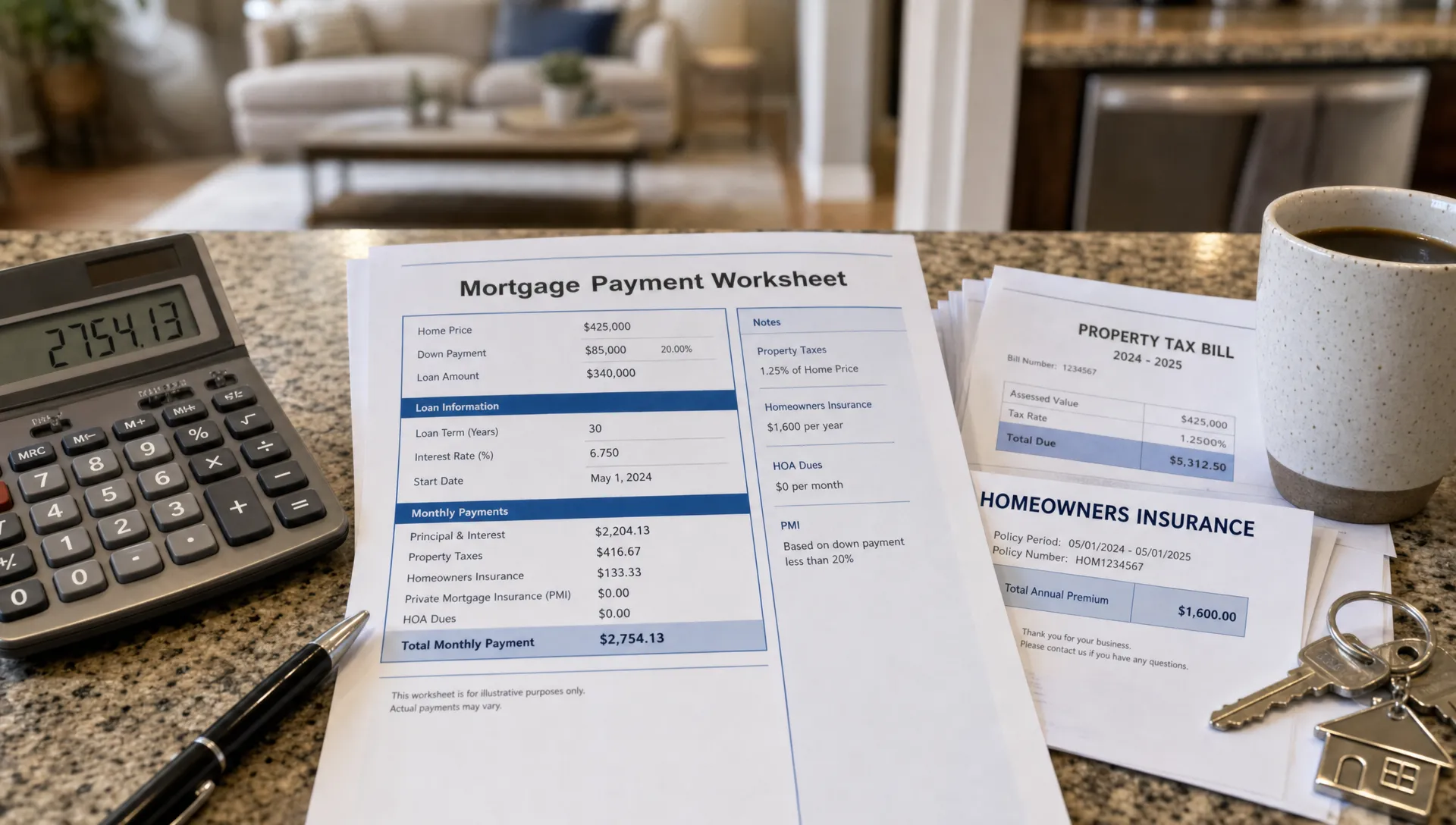
Start by looking at your full housing payment, not only principal and interest. Your true monthly cost may include mortgage insurance, homeowners insurance, property taxes, HOA dues, utilities, maintenance, and other housing-related expenses. If your payment is stretching your budget, it may help to revisit the same principles used when choosing a home loan in the first place, such as understanding your real comfort zone and total housing cost. New Era Lending’s guide on finding a mortgage that fits your budget is a useful starting point if you want to reset your numbers.
Depending on your current loan, credit profile, home equity, and market rates, these options may help lower monthly pressure:
- Rate-and-term refinance: You replace your current mortgage with a new loan, often to pursue a different interest rate, loan term, or payment structure.
- Longer repayment term: Extending the loan term may lower the monthly payment, although it can increase total interest paid over time.
- Mortgage recast: If your lender allows it and you have a lump sum available, you may be able to apply money toward principal and have the payment recalculated without a full refinance.
- Removing mortgage insurance: If your home value has increased or your loan balance has dropped, you may be eligible to remove private mortgage insurance, depending on loan type and lender rules.
The key is not just asking, “Can I lower my payment?” It is asking, “What will this cost me over time, and does the new structure support my next few years?”
If you need short-term breathing room, contact your servicer early
If your issue is temporary, such as a job loss, medical event, natural disaster, or short-term income gap, the first call should often be to your mortgage servicer. Your servicer is the company that collects your payment and manages your account. It may or may not be the same company that originated your loan.
Do not wait until you have missed multiple payments. The earlier you reach out, the more options may be available. Depending on your loan type and circumstances, your servicer may discuss options such as forbearance, a repayment plan, a payment deferral, or a loan modification.
The Consumer Financial Protection Bureau recommends contacting your servicer as soon as you think you may have trouble paying your mortgage. That conversation does not automatically mean you are in foreclosure or that you are giving up your home. It is simply the responsible first step when your current payment may not be manageable.
A few things to keep in mind:
- Forbearance usually pauses or reduces payments temporarily, but the missed amount still has to be resolved later.
- A repayment plan may spread missed payments over a set period.
- A loan modification may change the terms of the existing loan, usually for borrowers experiencing hardship.
- Refinancing is typically harder after missed payments, so acting early matters.
If your financial challenge is temporary, short-term relief may be better than replacing your mortgage entirely. If the challenge is long-term, you may need a deeper review of your loan structure.
If your home equity is strong, consider whether cash access makes sense
Home equity can create flexibility, especially if you have owned your home for several years or property values in your area have increased. Equity access can help with major expenses, debt consolidation, home improvements, education costs, or other financial goals.
Common ways to access equity include a cash-out refinance, a home equity loan, or a home equity line of credit. Each works differently. A cash-out refinance replaces your current mortgage with a new, larger mortgage and gives you the difference in cash after closing costs and payoff requirements. A home equity loan or line of credit may allow you to borrow against equity while keeping your first mortgage in place, if available and appropriate.
Equity can be powerful, but it should be used carefully. Your home secures the debt, so borrowing against it should support a clear purpose, not simply create short-term spending room. If you use equity to consolidate higher-interest debt, for example, compare the payment savings with the risk of turning unsecured debt into debt secured by your home.
A good equity conversation should include your current interest rate, your new estimated payment, closing costs, how long you plan to stay in the home, and what the funds will accomplish.
If your life changed, your mortgage may need to change too
Sometimes the issue is not affordability alone. Life changes can make the original mortgage structure feel outdated.
For example, you may need flexibility because of divorce, marriage, a new job, retirement planning, a growing family, a relocation, or a change in how long you expect to own the home. In these situations, the question becomes: does the current mortgage still match your life?
A refinance can sometimes help remove or add a borrower, change the loan term, switch loan type, or consolidate obligations into one updated structure. In other cases, a loan modification, assumption, sale, or legal agreement may be more relevant. Availability depends on your loan type, lender rules, credit profile, equity, and the reason for the change.
If you are considering a structural change, it is worth reading through the basics before making a decision. New Era Lending explains several possibilities in Thinking About Changing Mortgage Terms? Read This First, including refinancing, recasting, extending the term, cash-out refinancing, and modification.

If you want flexibility without lowering the payment
Not every homeowner wants a lower monthly payment. Some want the option to pay faster without locking themselves into a strict new obligation.
For example, a shorter-term refinance may help reduce total interest if the new payment is affordable, but it can also reduce monthly flexibility because the required payment is higher. Making extra principal payments on your existing loan may give you more control, since you can pay extra when cash flow allows and stop when you need breathing room.
This can be a smart middle ground for homeowners who have stable income but do not want to overcommit. Before making extra payments, confirm how your lender applies them. You generally want extra funds applied to principal, not treated as an early regular payment. Also check whether your loan has any prepayment penalty, although many modern mortgages do not.
The broader point is simple: flexibility is not always about paying less. Sometimes it is about preserving choices.
How to compare mortgage flexibility options
Once you know your goal, compare options using the same core questions. This helps you avoid choosing the option that looks best today but creates problems later.
Ask yourself:
- How long do I expect to stay in the home? Closing costs matter more if you plan to move soon.
- What is my current interest rate compared with today’s available rates? A refinance may be more or less attractive depending on the rate environment.
- Will this lower my payment, shorten my term, or both? Some options improve cash flow, while others improve long-term savings.
- What are the total costs? Look beyond the monthly payment and review closing costs, fees, and long-term interest.
- How stable is my income? A lower required payment may be valuable if your income varies.
- How much equity do I have? Equity affects refinance options, mortgage insurance, and cash-out possibilities.
- What problem am I solving? The right choice should address the actual issue, not just change the loan.
A refinance is often the first option homeowners think of, but it is not one-size-fits-all. If refinancing is on your list, compare the available paths carefully. New Era Lending’s overview of mortgage refinance options that could fit your goals can help you understand how different refinance strategies align with different homeowner priorities.
What not to do when you need flexibility
Mortgage decisions can feel urgent when money is tight, but rushed choices can be expensive. Try to avoid these common mistakes.
First, do not stop making payments without contacting your servicer. Missed payments can affect your credit and limit future options. If you are already behind, reach out anyway. Silence usually makes the situation harder.
Second, do not judge a new mortgage only by the monthly payment. A lower payment may come from a longer term, higher total interest, or added costs. That does not automatically make it wrong, but you should understand the tradeoff.
Third, avoid draining every dollar of savings to keep the mortgage unchanged. An emergency fund is part of financial stability. If your mortgage leaves you with no cushion, your current structure may need review.
Fourth, be careful with new debt before applying for a refinance or equity option. New credit cards, auto loans, or personal loans can affect your debt-to-income ratio and loan eligibility.
Finally, do not assume your neighbor’s mortgage strategy is right for you. Loan decisions depend on income, credit, equity, goals, time horizon, and risk tolerance.
A practical 7-day plan if you need mortgage flexibility
If you are unsure where to begin, use the next week to get organized before making any major decision.
- Day 1: Review your current mortgage statement: Note your balance, interest rate, payment breakdown, escrow amount, loan type, and servicer contact information.
- Day 2: Calculate your full monthly housing cost: Include taxes, insurance, mortgage insurance, HOA dues, utilities, maintenance, and any home-related debt.
- Day 3: Define your goal: Decide whether you need lower payments, cash access, hardship relief, borrower changes, faster payoff, or general breathing room.
- Day 4: Check your credit and debt picture: Review your credit report, monthly obligations, income stability, and recent account changes.
- Day 5: Estimate your home equity: Compare your approximate home value with your current loan balance, keeping in mind that formal valuation may be required.
- Day 6: Contact your servicer if hardship is involved: Ask what relief or modification options may be available before payments are missed.
- Day 7: Speak with a mortgage professional: Compare realistic options based on current rates, loan guidelines, costs, and your timeline.
This simple process can turn a vague sense of stress into a clear decision framework.
Frequently Asked Questions
Can I change my mortgage if I already have one? Yes, in many cases. Depending on your situation, you may be able to refinance, recast, request a loan modification, remove mortgage insurance, or use home equity. Eligibility depends on your loan type, credit, income, equity, payment history, and lender or servicer rules.
What is the best option if I need a lower mortgage payment? A refinance, longer loan term, mortgage insurance removal, recast, or hardship option may help, but the best choice depends on why the payment is too high. If you are facing temporary hardship, contact your servicer early. If your long-term budget has changed, compare refinance and term options.
Can I use home equity for more flexibility? Yes, if you qualify and have enough equity. Cash-out refinancing and other equity-based options may provide funds for major goals, but they also increase debt secured by your home. Review the purpose, costs, payment impact, and long-term risk before moving forward.
Should I refinance if I have a mortgage with a higher rate than current rates? Maybe. A lower rate can help, but refinancing only makes sense after considering closing costs, how long you plan to stay in the home, your new payment, and your total interest over time. The rate is important, but it is not the only factor.
What should I do if I cannot make my next mortgage payment? Contact your mortgage servicer as soon as possible. Ask about forbearance, repayment plans, deferral options, or loan modification. If you wait until you are further behind, you may have fewer options and more credit impact.
Find a mortgage path that fits your life now
Your mortgage should support your life, not trap you in a structure that no longer works. Whether you want to lower your payment, explore refinancing, access equity, or understand your options after a financial change, the best next step is a clear comparison based on your real numbers.
New Era Lending combines smart mortgage technology with personalized human guidance to help homeowners review purchase, refinance, and equity access options with confidence. With secure document uploads, e-signature support, transparent conversations, and availability across 39 states, the process is designed to feel simpler and more human.
If you have a mortgage and need flexibility, start by exploring your options with New Era Lending.