.jpg)
.jpg)





.jpg)

If You Have a Mortgage, Here Are Your Next Options
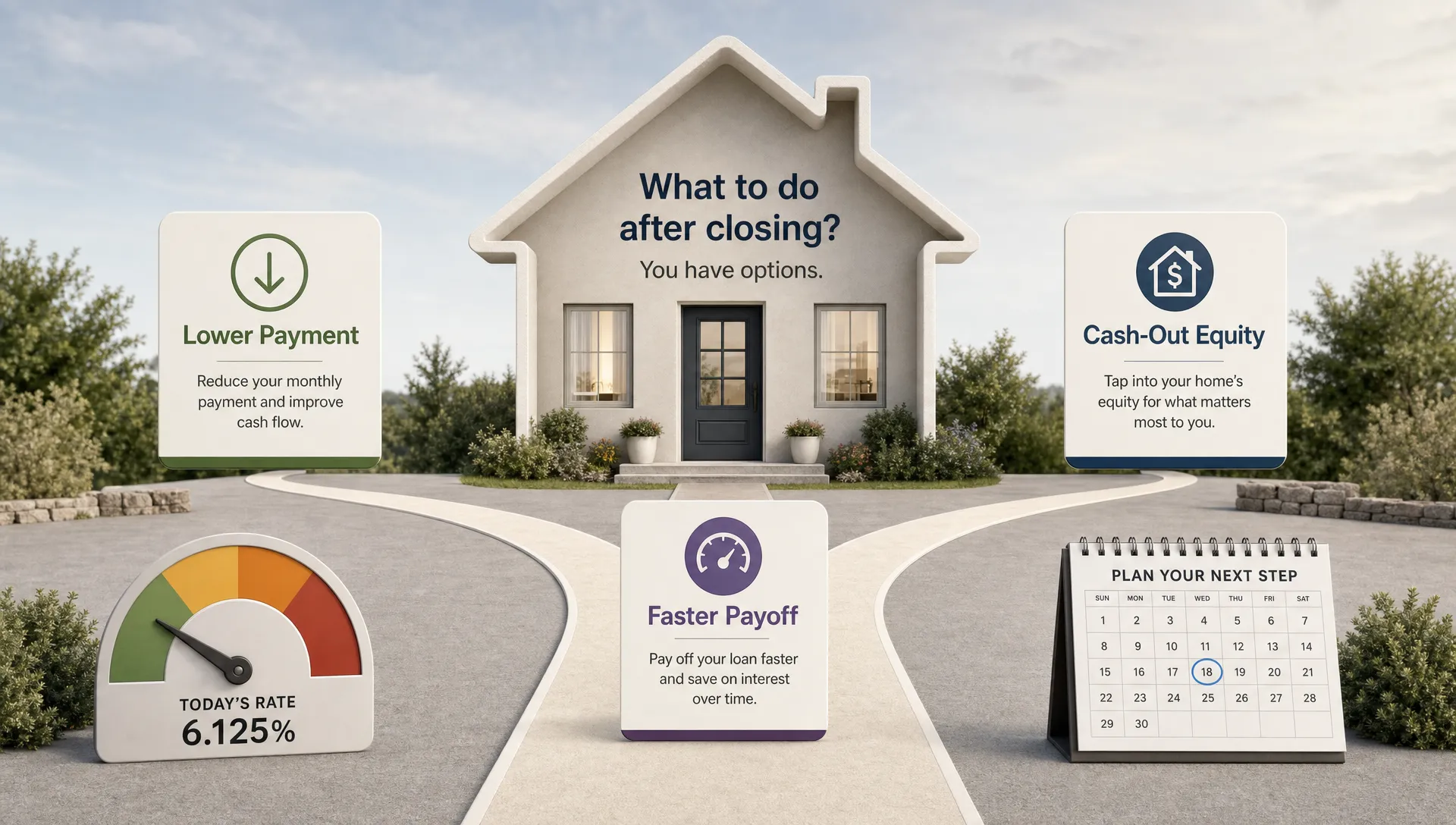
If you have a mortgage, your options do not stop after closing day. A mortgage is a long-term financial tool, and your best move can change as rates, income, home values, family needs, and life plans change.
Maybe your payment feels too high. Maybe your home has gained equity. Maybe you are thinking about moving, paying the loan off faster, or turning an adjustable rate into something more predictable. The right next step depends less on what is popular in the market and more on what you need your mortgage to do for you now.
This guide walks through practical paths to consider, what each option can accomplish, and the questions to ask before you make a move.
Start With the Reason You Want a Change
Before comparing loan programs or asking for quotes, define the problem you are trying to solve. A lower rate sounds appealing, but it may not be the right answer if your bigger goal is debt consolidation, cash flow, home improvements, or selling within a year.
A helpful first step is to write down your top goal in one sentence. For example, your goal might be to reduce your monthly payment, remove private mortgage insurance, access cash for renovations, pay off your home sooner, or create breathing room during a temporary hardship.
Then gather the basics of your current loan:
- Current interest rate and loan type
- Remaining loan balance
- Estimated home value
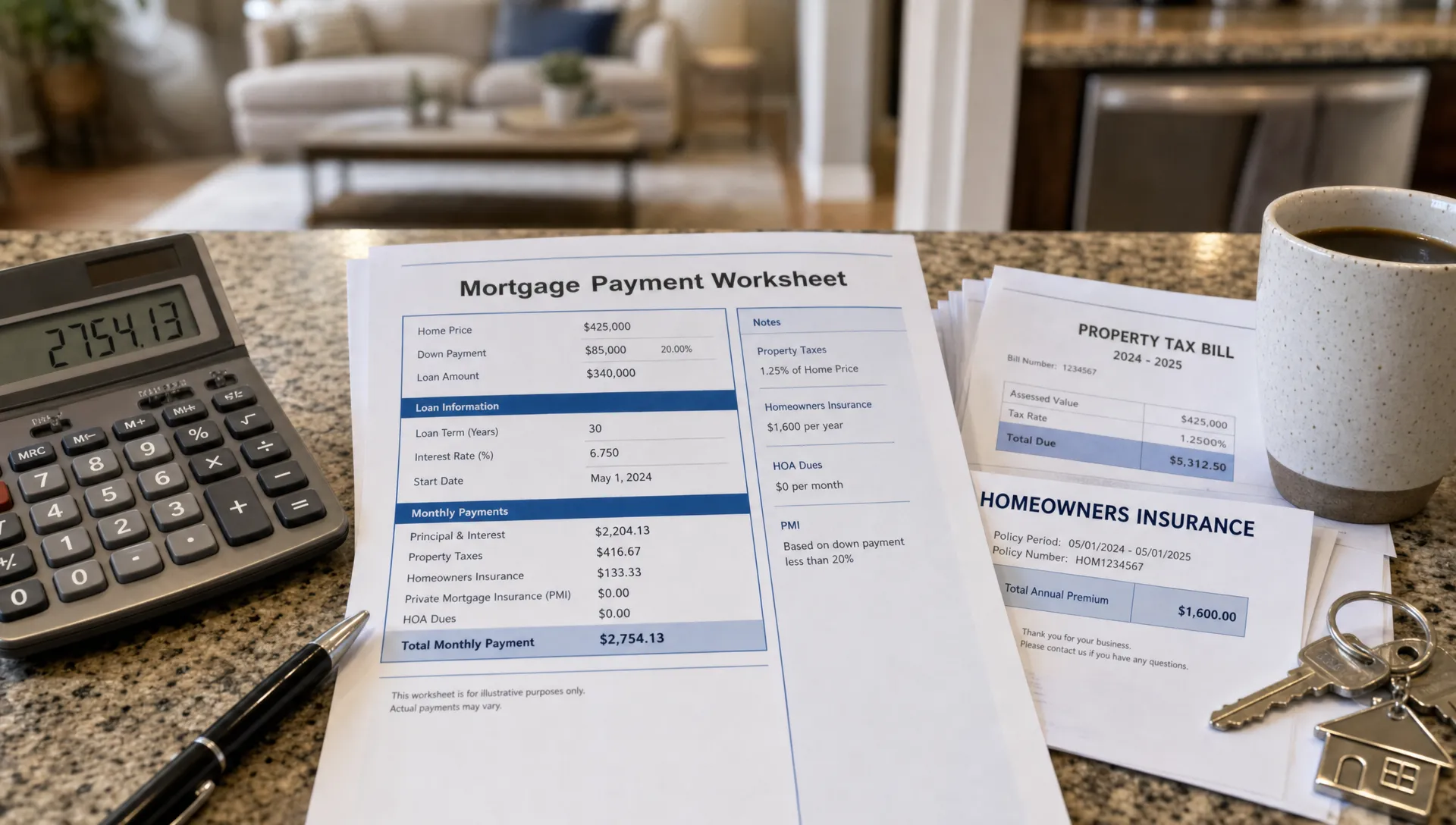
- Monthly principal and interest payment
- Escrow amount for taxes and insurance
- Remaining loan term
- Whether your loan has PMI, MIP, or another mortgage insurance cost
- How long you expect to stay in the home
That information helps you compare your real options instead of guessing. It also prevents a common mistake: focusing only on the monthly payment while overlooking closing costs, total interest, and how long it takes to break even.
Option 1: Keep Your Current Mortgage and Optimize Around It
Sometimes the smartest move is not a new loan. If you already have a competitive fixed rate, stable payment, and no immediate need for cash, keeping your current mortgage may protect you from unnecessary costs.
That does not mean doing nothing. You may still be able to improve your situation without a full refinance.
If your home value has increased and you have a conventional loan with private mortgage insurance, ask your servicer about PMI removal requirements. Some homeowners can request cancellation once they reach enough equity, subject to lender rules, payment history, and in many cases a valuation.
If your budget allows, you can also make extra principal payments. Even small additional payments can reduce interest over time, especially early in the loan. Be sure your servicer applies the extra amount to principal rather than future payments.
Another lesser-known option is a mortgage recast. With a recast, you make a large principal payment and the lender recalculates your monthly payment based on the lower balance and remaining term. This is not available on every loan, but when it is, it may help reduce the payment without changing your interest rate.
Keeping your current mortgage can make sense if your existing rate is hard to replace, your closing cost break-even period would be too long, or you plan to move soon. It can also be the right answer if your real issue is budgeting, insurance costs, property taxes, or short-term cash flow rather than the loan itself.
Option 2: Refinance to Change the Payment, Term, or Loan Structure
Refinancing replaces your existing mortgage with a new one. It can be useful, but it should be tied to a clear goal.
A rate-and-term refinance may help lower your interest rate, change the loan length, or move from an adjustable-rate mortgage to a fixed-rate mortgage. If rates have dropped since you bought your home, your credit has improved, or your equity position is stronger, this may be worth exploring.
A shorter-term refinance can help you pay off the home faster and potentially reduce total interest, though the monthly payment may increase. A longer-term refinance can reduce the monthly payment, but it may increase total interest over the life of the loan if you restart the clock for too long.
If your current mortgage has an adjustable rate, refinancing into a fixed-rate loan may provide more payment stability. That can be especially valuable if you plan to stay in the home and want a clearer long-term budget.
The most important calculation is the break-even point. If refinancing costs $5,000 and saves you $250 per month, the simple break-even period is about 20 months. If you expect to sell before then, refinancing may not be worth it. If you expect to stay longer, the savings could make sense.
For a deeper look at refinance structures, New Era Lending has a helpful guide to mortgage refinance options that could fit your goals.

Option 3: Use Home Equity Carefully
If your home is worth more than you owe, you may have access to equity. Equity can be a powerful financial resource, but it is still tied to your home, so it deserves careful planning.
A cash-out refinance replaces your current mortgage with a larger new mortgage. You receive a portion of the difference in cash, and the new loan pays off the old one. This can be useful for major home improvements, debt consolidation, or large planned expenses, but it also changes your mortgage balance and possibly your rate.
A home equity loan is often a separate second mortgage with a lump sum and fixed repayment structure. A HELOC, or home equity line of credit, can offer more flexible access to funds over time, often with variable rates. These products vary by lender, credit profile, equity, and state rules.
Equity access can make sense when the use of funds supports a larger financial plan. For example, improving the home may increase comfort and potentially value. Consolidating high-interest debt may lower monthly obligations, but only if you avoid rebuilding the same debt again.
It may be less appropriate when the cash is for short-term spending, uncertain investments, or covering a budget gap that has no long-term fix. Since the home secures the debt, missed payments can create serious consequences.
Before using equity, compare the new monthly obligation, total repayment cost, closing costs, and how much equity will remain after the transaction. Keeping a cushion matters, especially if home values soften or your plans change.
Option 4: Get Help Early if the Payment Is Becoming Hard to Manage
If your mortgage payment is starting to feel unmanageable, act before you miss payments if possible. Waiting often narrows your options.
Start by contacting your mortgage servicer. The servicer is the company that collects your payments and manages your account. Depending on your loan type and circumstances, potential options may include a repayment plan, forbearance, loan modification, partial claim, or other hardship assistance.
A forbearance may temporarily reduce or pause payments, but it does not usually erase them. A loan modification may change certain loan terms to create a more sustainable payment. The available solution depends on investor guidelines, loan type, hardship documentation, and your current status.
If you need flexibility because your finances or life circumstances have changed, you may also find it useful to review New Era Lending's article on what to do if you have a mortgage and need flexibility.
Legal questions can also affect mortgage decisions, especially during divorce, inheritance, title issues, contract disputes, liens, or co-owner disagreements. In those cases, speak with an attorney licensed where the property or dispute is located, or with qualified counsel such as Janssen Van den Biezenbos Advocaten if your matter involves Dutch legal issues.
The key is to separate two problems: the loan problem and the life event behind it. A lender can help evaluate mortgage options, while legal, tax, or financial professionals may be needed for issues outside the loan itself.
Option 5: Sell, Move, or Buy Again With a Better Strategy
Having a mortgage does not prevent you from moving. It simply means the existing loan must be handled as part of the sale or new purchase.
When you sell, the mortgage is typically paid off from the sale proceeds at closing. If you have enough equity, you may be able to use the remaining proceeds for your next down payment, closing costs, moving expenses, or reserves.
If you want to buy before selling, the planning becomes more complex. You may need to qualify while carrying both housing payments, use savings for the next down payment, consider a bridge-style solution, or time the sale and purchase closely. These choices depend heavily on your equity, income, credit, market conditions, and risk tolerance.
If your current home no longer fits your needs, compare the cost of moving against the cost of improving the home. Renovations, additions, and repairs may solve the problem, but they can also be expensive and disruptive. Moving may create a better long-term fit, but it can involve a new rate, closing costs, and a different monthly payment.
If you are buying again, it can help to revisit the basics of available financing. New Era Lending's simple guide to mortgage loan options explains common paths such as conventional, FHA, VA, USDA, jumbo, and other loan types.
Option 6: Pay the Mortgage Off Faster, But Keep Liquidity in Mind
Paying off a mortgage early can be emotionally satisfying and financially valuable. The benefit is clearest when you have a higher interest rate, strong emergency savings, and no higher-priority debt.
Common payoff strategies include adding a fixed amount to principal each month, making one extra payment per year, applying bonuses or tax refunds to principal, or refinancing into a shorter term. Each strategy can reduce interest, but it also sends cash into home equity, where it is less accessible than money in a savings account.
That tradeoff matters. If you use all available cash to pay down the mortgage, you may have less flexibility for emergencies, repairs, job changes, medical expenses, or investment opportunities. A paid-down home is valuable, but it does not replace a liquid emergency fund.
A balanced approach may work better for many homeowners: keep adequate reserves, pay down expensive debt first, contribute to retirement if appropriate, and then decide how much extra mortgage principal fits your plan.
How to Compare Your Next Options
The best mortgage decision is usually the one that improves your overall financial position, not just the one with the lowest advertised rate.
As you compare options, focus on these questions:
- What problem am I trying to solve right now?
- How much will this change cost upfront and over time?
- How long do I expect to keep the home or the new loan?
- Will this lower my risk or increase it?
- How will this affect my cash reserves?
- Does the option still make sense if my income, expenses, or home value changes?
Also compare offers using official Loan Estimates when possible. A verbal quote can be useful early in the process, but a Loan Estimate provides a clearer look at interest rate, APR, monthly payment, closing costs, and loan terms.
If you are uncertain, do not feel pressured to choose immediately. Mortgage decisions can affect your finances for years. A good lending conversation should clarify your options, not push you toward a one-size-fits-all answer.
Frequently Asked Questions
If you have a mortgage, can you refinance anytime? In many cases, yes, but eligibility depends on your loan type, equity, credit, income, payment history, and lender requirements. Some refinance programs also have waiting periods or seasoning rules.
Is it better to refinance or make extra payments? It depends on your current rate, available cash, closing costs, and goals. Refinancing may help change the payment or term, while extra payments can reduce interest without replacing the loan.
Can I use my home equity without refinancing my first mortgage? Sometimes. A home equity loan or HELOC may allow you to access equity while keeping your current first mortgage, subject to lender approval and product availability.
What should I do if I cannot afford my mortgage payment? Contact your servicer as early as possible and ask about hardship options. You may also want to speak with a HUD-approved housing counselor, legal professional, or financial advisor depending on your situation.
Does selling my home pay off my mortgage automatically? At closing, the mortgage is typically paid from the sale proceeds before remaining funds are distributed to you. Your exact payoff will include the loan balance plus any interest and applicable fees due through the payoff date.
Explore Your Next Mortgage Move With New Era Lending
If you have a mortgage and want to understand what comes next, you do not have to sort through the options alone. New Era Lending combines smart technology with personalized human guidance to help homeowners evaluate purchase, refinance, and equity access solutions with more clarity.
Whether your goal is a lower payment, a different term, cash from equity, or a strategy for your next home, the right conversation can help you compare the numbers and move forward with confidence. Start by reviewing your current loan, defining your goal, and connecting with New Era Lending to explore options available in your state.