.jpg)
.jpg)





.jpg)
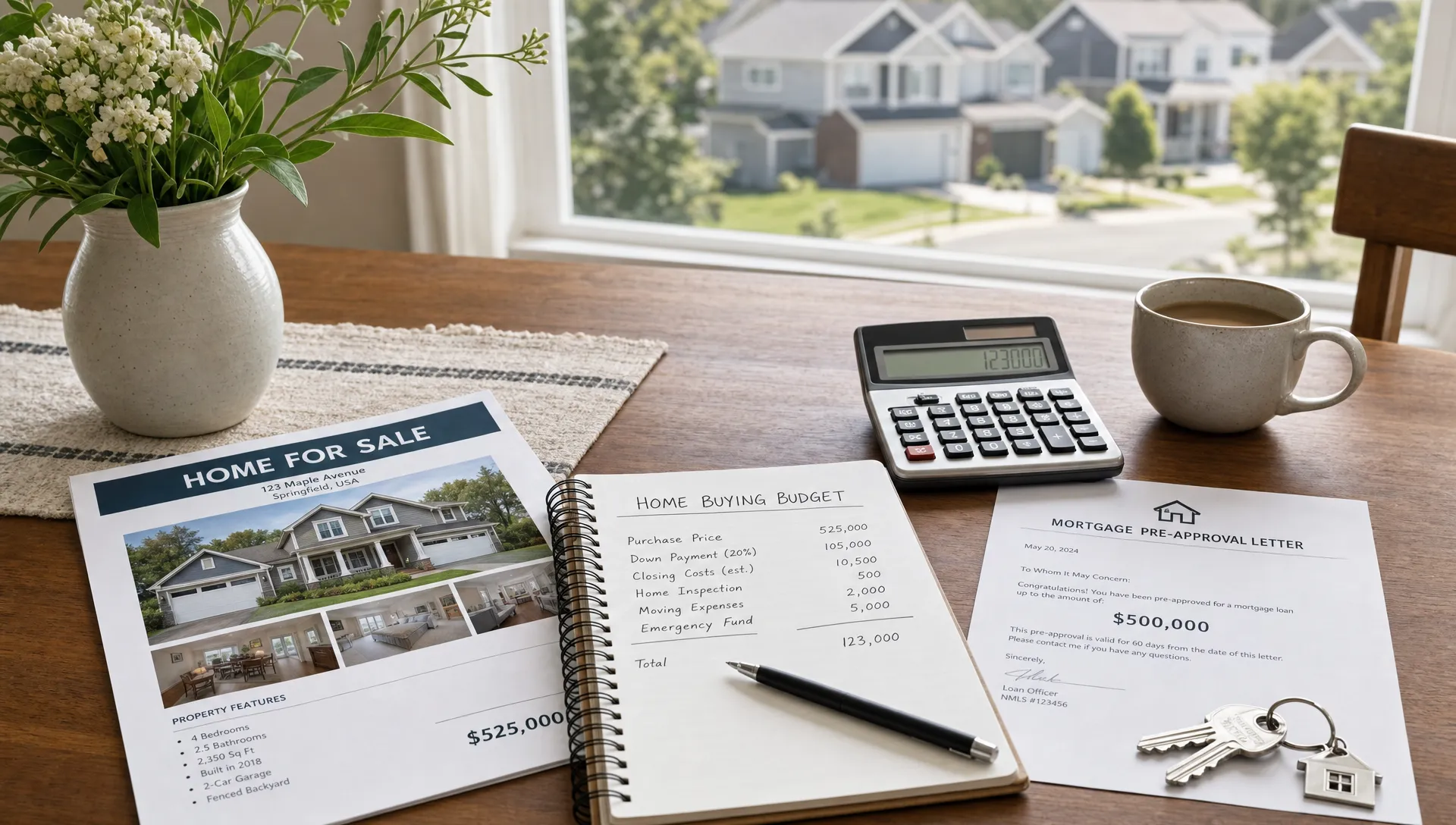

First-Time Buyer Down Payment Loans Explained
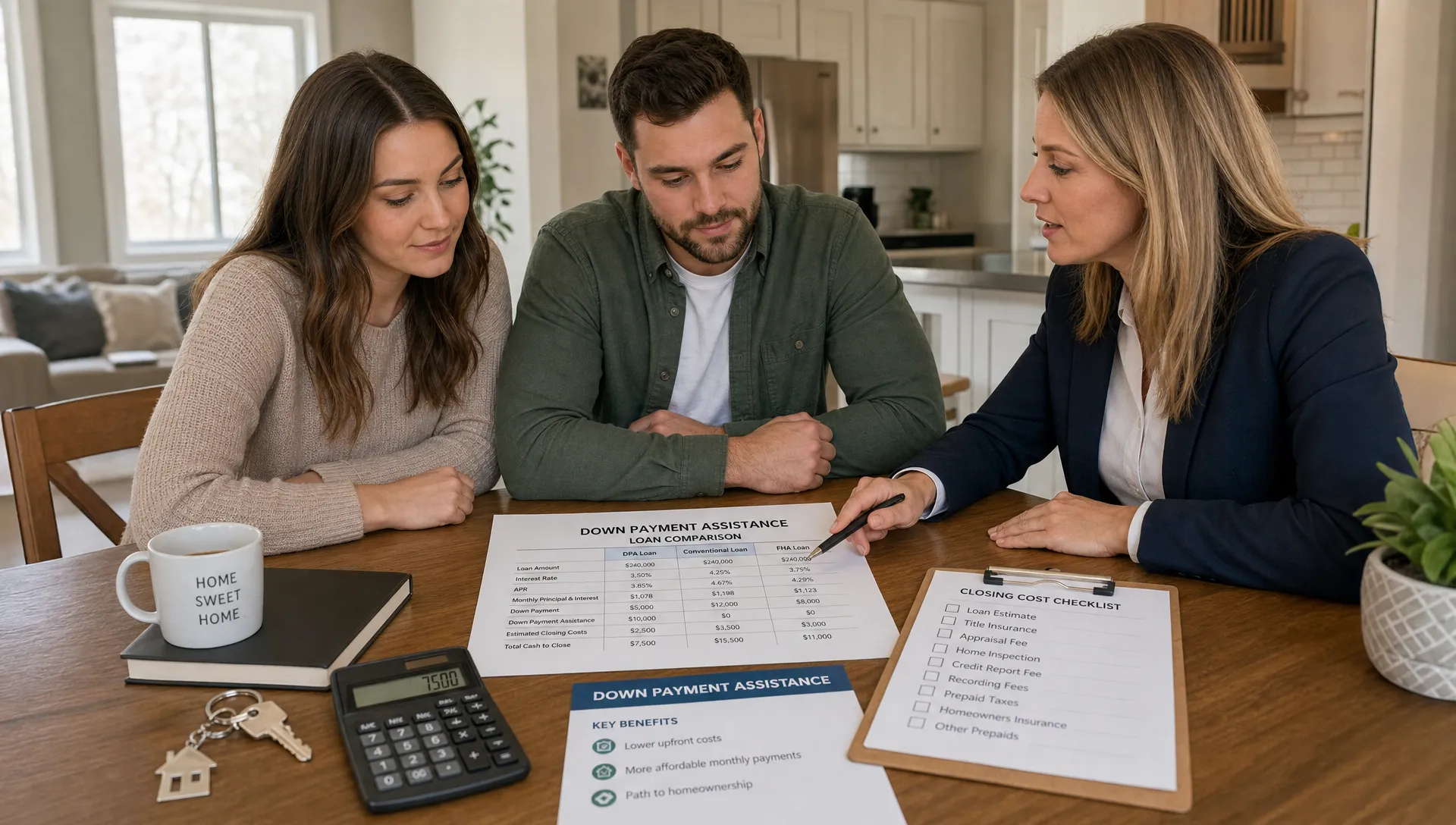
For many first-time buyers, the monthly mortgage payment is not the hardest part to picture. The bigger hurdle is often the cash needed before the keys change hands: down payment, closing costs, prepaid taxes, insurance and moving expenses.
A first-time buyer down payment loan can help bridge that gap. The word “loan” matters, though. Some programs must be repaid monthly, some are deferred until you sell or refinance and some may be forgiven if you meet the rules. Understanding that structure before you apply can prevent surprises later.
This guide explains how down payment loans work, how they pair with a primary mortgage and what to compare before choosing one.
What is a first-time buyer down payment loan?
A first-time buyer down payment loan is financing that helps cover the upfront money required to buy a home. It is usually paired with your main mortgage and is often structured as a second mortgage, meaning it sits behind the primary home loan.
These programs are commonly offered by state housing finance agencies, local governments, nonprofit organizations, employers or approved lenders. Eligibility can vary by location, income, property type and loan program.
“First-time buyer” does not always mean you have never owned property. Many assistance programs define a first-time buyer as someone who has not owned a primary residence in the past three years. Some programs also make exceptions for veterans, buyers in targeted areas or people who meet certain income guidelines.
A down payment loan is different from simply taking out a personal loan from a bank. Most mortgage programs have strict rules about borrowed funds. If a debt is used for your down payment, the lender must document it, approve it and include any required payment in your debt-to-income ratio.
If you are still comparing the broader landscape of assistance, New Era Lending’s guide to down payment assistance for first-time home buyers can help you understand how grants, loans and local programs fit together.
The main types of down payment loans
The same phrase can describe several very different structures. Before you focus on the dollar amount, find out whether the money is repayable, deferred or forgivable.
| Type of assistance | How it usually works | What to watch for |
|---|---|---|
| Repayable second mortgage | You borrow money for the down payment and make a separate monthly payment, usually alongside your main mortgage. | The payment may affect your debt-to-income ratio and overall affordability. |
| Deferred second mortgage | You do not make monthly payments, but the balance is due when you sell, refinance, transfer title or pay off the first mortgage. | You may owe the full balance later, even if there are no payments now. |
| Forgivable second mortgage | The loan is forgiven after you live in the home for a required period and follow program rules. | Selling or refinancing too soon may trigger partial or full repayment. |
| Grant | Funds do not need to be repaid if all requirements are met. | Grants may have stricter income, location or occupancy rules. |
| Matched savings or community program | A program matches your own savings toward the purchase. | You may need to save for a set period or complete approved education. |
Not every “free money” program is actually free, and not every loan is a bad deal. A deferred or forgivable loan can be a powerful tool if you plan to stay in the home long enough and understand the repayment triggers.
How down payment loans work with your mortgage
A home purchase usually has more than one layer of funding. Your primary mortgage covers most of the purchase price. Your down payment covers part of the price. Closing costs cover lender fees, title charges, escrow setup, prepaid interest, taxes and insurance.
A down payment loan may cover all or part of the down payment, and some programs can also help with closing costs. The details depend on the program and the mortgage type.
Here is a simplified example:
| Purchase detail | Example amount |
|---|---|
| Home price | $300,000 |
| 3% conventional down payment | $9,000 |
| Estimated closing costs and prepaids | $7,000 |
| Total cash need before assistance | $16,000 |
| Down payment loan | $9,000 |
| Remaining cash needed | $7,000 |
This example is not a quote and does not include every possible fee, but it shows why buyers should look beyond the down payment alone. Assistance that covers the down payment may still leave closing costs to handle.
Your lender must also confirm that the assistance program is allowed with your primary mortgage. FHA, conventional, VA and USDA loans each have rules about acceptable funding sources. Individual lenders may also have overlays, which are additional requirements beyond the basic program guidelines.
For a broader look at mortgage choices, including conventional, FHA, VA and USDA options, review this first-time home loan guide for 2026 buyers.
Who usually qualifies?
Down payment loan requirements vary widely, but most programs look at the same core factors. You will usually need to occupy the home as your primary residence, meet credit and income guidelines, buy within an eligible area and use an approved mortgage product.
Common requirements include:
- Income limits: Many programs are designed for low-to-moderate-income households and use area median income guidelines.
- Purchase price limits: The home price may need to fall below a program maximum for your county or metro area.
- Credit standards: Some programs set minimum credit scores or require approval through automated underwriting.
- Homebuyer education: You may need to complete an approved course before closing.
- Primary residence occupancy: Investment properties and second homes usually do not qualify.
- Program-approved lender: Some assistance programs can only be used with participating lenders.
Your full financial profile still matters. A down payment loan can reduce cash needed at closing, but it does not erase the need to qualify for the primary mortgage. Lenders will still review income, assets, debts, credit history and the property itself.
How repayment affects affordability
The biggest mistake buyers make is focusing only on whether they can get assistance. The better question is whether the assistance improves the whole purchase.
A repayable second mortgage can make buying sooner possible, but the monthly payment must fit your budget. A deferred second may keep your payment lower, but it can reduce your net proceeds when you sell. A forgivable loan may be ideal if you plan to stay through the full forgiveness period, but less helpful if your job, family plans or housing needs may change soon.
The Consumer Financial Protection Bureau recommends using the Loan Estimate to compare mortgage costs, interest rates, monthly payments and cash to close. If you are using a down payment loan, ask your lender or housing agency to show how the assistance affects both your upfront cash and long-term cost.
Do not overlook the post-closing budget
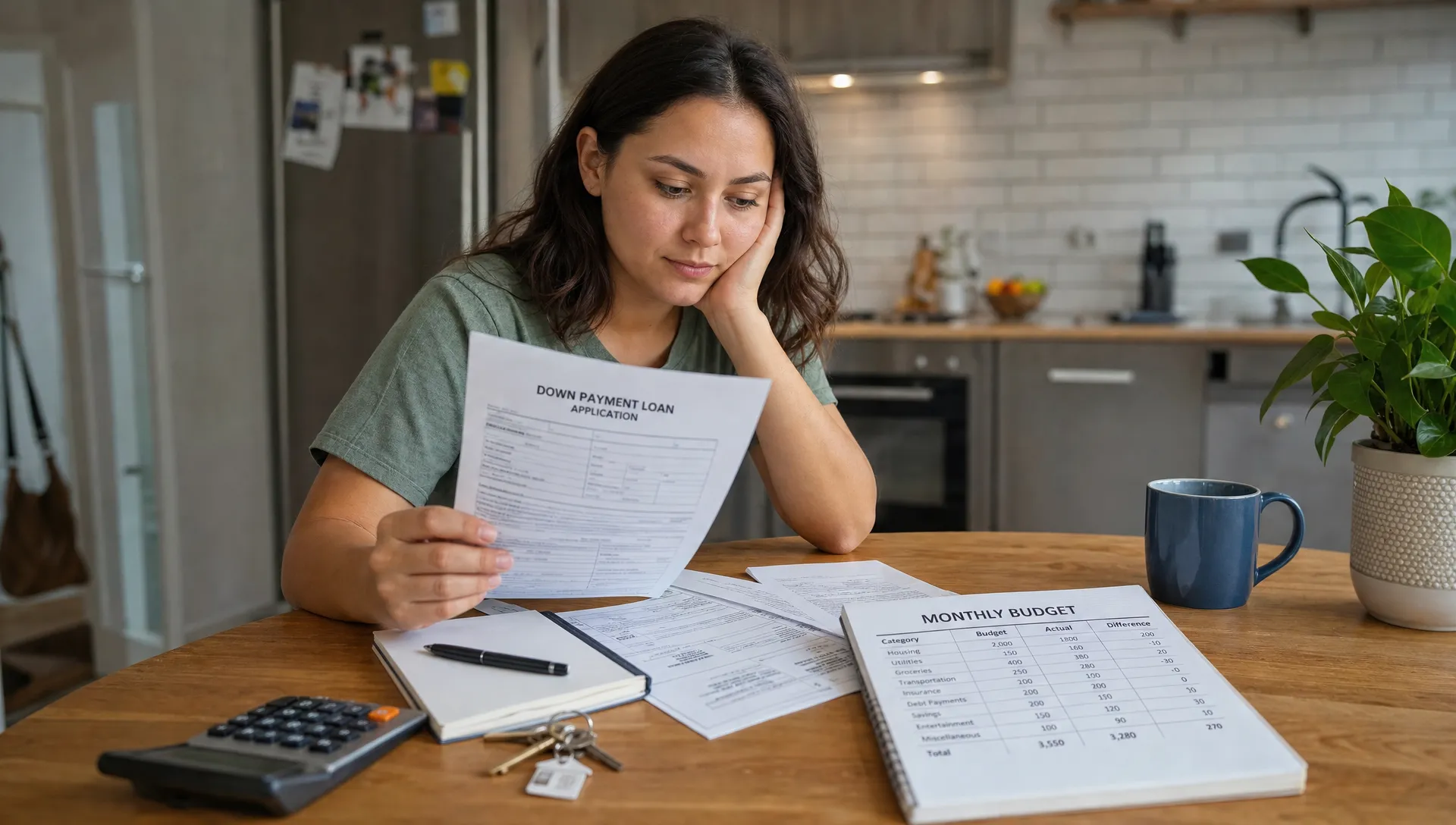
Getting to the closing table is only one part of the decision. Once you own the home, your budget has to absorb maintenance, utilities, insurance changes, furnishings and the unexpected repairs that do not ask permission before showing up.
A healthy purchase plan leaves room for life after closing. That means comparing mortgage options, but also checking everyday costs that come with a move. The same habit of reviewing terms before committing applies outside housing too. For example, a household relocating for work may compare local service providers that explain care, comfort and payment options clearly, such as My Smile Dental in Sydenham, so the broader household budget stays realistic.
Mortgage qualification looks at debts, income and documented obligations. Your personal comfort level should go further. If using a down payment loan leaves you with no emergency cushion, the deal may be too tight even if it technically gets approved.
Down payment loan vs no-down-payment mortgage
Some first-time buyers may not need a down payment loan at all. VA loans can offer eligible service members, veterans and certain surviving spouses a path to 0% down. USDA loans can also offer no-down-payment financing for eligible buyers and eligible properties in designated areas.
Down payment assistance can sometimes create a similar low-cash-to-close outcome, but the structure is different. With a no-down-payment mortgage, the primary loan program allows 100% financing. With a down payment loan, a separate source covers some or all of the required down payment.
Neither option is automatically better. A VA or USDA loan may be simpler if you qualify and the property fits. A down payment loan may work better if you are using FHA or conventional financing and need help with upfront funds. New Era Lending’s article on no down payment options for first-time buyers explains when 0% down may be available and what tradeoffs to review.
Can you use a personal loan for a down payment?
In most cases, using an unsecured personal loan for a mortgage down payment is difficult and often not allowed. Mortgage lenders need to verify the source of your funds. Borrowing the down payment from another lender can increase your debt, reduce your qualifying power and violate program rules if it is not an approved source.
That does not mean all borrowed or assisted funds are prohibited. Approved down payment assistance loans are built to work with mortgage guidelines. Gift funds from eligible donors may also be allowed when properly documented. Some buyers use retirement account loans, employer assistance or secured loans against eligible assets, but each option has rules and risks.
Before moving money, ask your mortgage professional what sources are acceptable for your loan type. A well-intended transfer or last-minute loan can delay underwriting if it is not documented correctly.
Questions to ask before accepting a down payment loan
The program name rarely tells the whole story. Ask for the written terms and compare them with your primary mortgage, your expected timeline and your monthly budget.
| Question | Why it matters |
|---|---|
| Is this a loan, grant or forgivable second mortgage? | The label determines whether you may owe money later. |
| Will I make monthly payments? | Payments affect your debt-to-income ratio and monthly comfort. |
| What interest rate applies? | Some assistance loans are 0%, while others accrue interest. |
| When is the balance due? | Sale, refinance, payoff or title transfer may trigger repayment. |
| Is forgiveness automatic or conditional? | You may need to live in the home for a set number of years. |
| Can I refinance later? | Some programs restrict refinancing or require repayment first. |
| Are there income or resale restrictions? | Future plans may be affected by program rules. |
| Does the program help with closing costs too? | Down payment help alone may not cover your full cash need. |
A good comparison should include your cash to close, total monthly payment, repayment triggers, projected time in the home and backup cash after closing.
When a first-time buyer down payment loan makes sense
A down payment loan can be a smart fit when your income is stable, your credit profile supports approval and the main obstacle is upfront cash. It can also help buyers preserve savings for repairs, moving costs or emergency reserves.
It may be less suitable if the added payment stretches your budget, if you expect to sell quickly or if repayment rules conflict with your plans. A buyer who may relocate in two years should be cautious with a forgivable loan that requires five years of occupancy. A buyer who expects to refinance soon should understand whether the second mortgage must be paid off first.
The best choice is not always the program with the largest dollar amount. A smaller grant with fewer restrictions may be better than a larger loan that creates repayment pressure later.
How to prepare before applying
Preparation can make the process smoother because assistance programs often add documentation and timing requirements. Start by getting your primary mortgage picture clear, then layer in down payment options.
Gather recent pay stubs, W-2s or tax returns if applicable, bank statements, identification, rental history and documentation for any gift funds. If the program requires homebuyer education, complete it early so the certificate is ready before closing deadlines become tight.
You should also ask whether the seller, property type or closing timeline could affect eligibility. Some programs need extra review time, and a competitive offer may require realistic expectations around the closing date.
Frequently Asked Questions
Is a first-time buyer down payment loan the same as down payment assistance? Not always. Down payment assistance is the broad category. A down payment loan is one type of assistance, along with grants, forgivable loans, deferred-payment loans and matched savings programs.
Do I have to repay a down payment loan? It depends on the program. Some require monthly payments, some are due when you sell or refinance and some are forgiven after you meet occupancy and timing requirements.
Can a down payment loan cover closing costs too? Some programs can help with closing costs, but others only cover the down payment. Ask for a written estimate showing your total cash to close after assistance.
Will a down payment loan make my mortgage harder to qualify for? It can if the loan requires a monthly payment that increases your debt-to-income ratio. Deferred or forgivable options may have less monthly impact, but lenders still need to approve the structure.
Can I combine a down payment loan with FHA, VA, USDA or conventional financing? Often yes, but only if the assistance program is approved for that loan type and your lender can document the funds properly. Program rules and lender overlays can vary.
Get clear before you choose
A first-time buyer down payment loan can turn a savings hurdle into a manageable path, but the terms matter as much as the amount. Before you commit, compare repayment rules, monthly impact, closing costs and how long you expect to stay in the home.
New Era Lending combines smart mortgage technology with personalized human guidance to help buyers compare loan options, review transparent terms and move through the process with more confidence. If you are weighing down payment help for your first home, start with a conversation at New Era Lending.