.jpg)
.jpg)





.jpg)

Traditional Home Loan vs Modern Options: What to Know
A traditional home loan can still be a strong fit for many buyers, but it is no longer the only practical path to financing a home. Today, borrowers can compare familiar fixed-rate mortgages with digital mortgage experiences, flexible loan programs, faster document workflows and specialized options for different income profiles or service histories.
The right choice is not about old versus new. It is about matching the loan structure, approval process and long-term payment to your actual goals. If you are buying, refinancing or tapping equity in 2026, understanding the difference can help you avoid paying for convenience you do not need or choosing simplicity that does not fit your life.
What a traditional home loan usually means
In everyday mortgage conversations, people often use this phrase to describe a conventional, fully documented mortgage with a predictable term, standard underwriting and a fixed monthly principal and interest payment. The classic example is a 30-year fixed-rate conventional mortgage.
This approach is familiar because it has clear rules. Lenders review income, credit, assets, debts, property value and down payment. Borrowers receive standardized disclosures, including a Loan Estimate, so they can compare interest rate, annual percentage rate, closing costs and estimated monthly payment.
For borrowers who have steady W-2 income, solid credit and enough savings for the down payment and closing costs, a traditional home loan may offer a straightforward path. It can also feel reassuring because the payment structure is easy to understand from the start.
Common strengths of the traditional path
The biggest advantage is predictability. With a fixed-rate mortgage, the principal and interest portion of the payment does not change over the life of the loan. Taxes, homeowners insurance and mortgage insurance can change, but the base loan payment stays consistent.
The appeal of a traditional home loan is strongest when you plan to stay in the property long enough to value stability more than short-term flexibility. It may also be easier to compare across lenders because the basic structure is widely understood.
This kind of loan can work especially well for buyers who want a clean approval process, sellers who prefer conventional financing and borrowers who do not need unusual income documentation or special program features.
Where the traditional path can feel limiting
Traditional does not always mean easiest. A borrower with strong cash flow but nontraditional documentation, such as a business owner with variable tax returns, may find the approval process more demanding than expected. A buyer with limited cash to close may also need to explore programs designed for lower down payments or assistance.
Timing can be another issue. Paper-heavy workflows, repeated document requests and unclear communication can make even a standard loan feel stressful. This is one reason many lenders now combine familiar mortgage products with newer technology that shortens the distance between application, documentation and decision.
What modern mortgage options add
Compared with a traditional home loan, modern options usually focus on flexibility, speed or borrower fit. Sometimes the difference is the loan program itself. Other times, it is the way the mortgage is delivered, with secure uploads, e-signature support, digital status updates and faster communication.
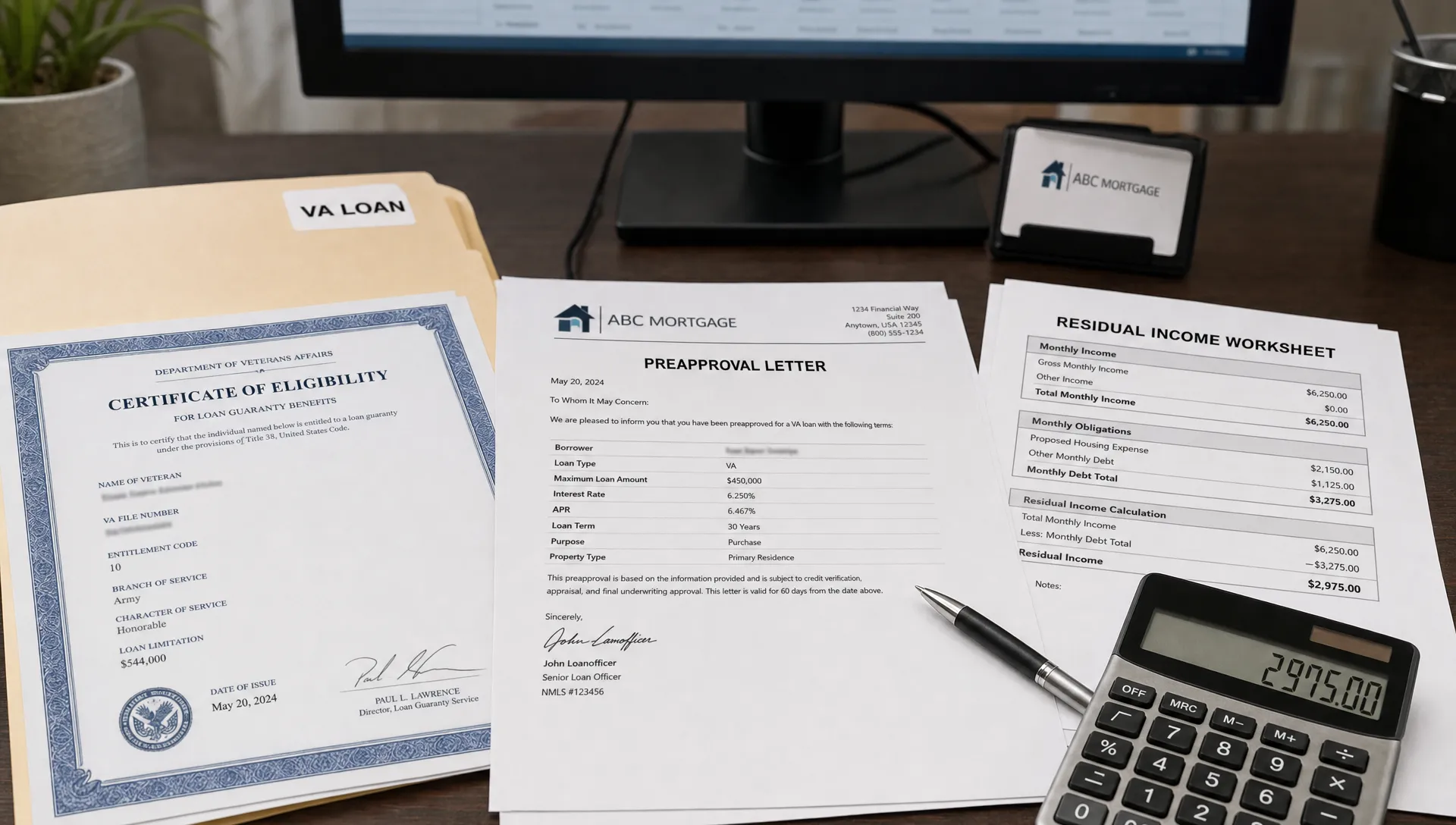
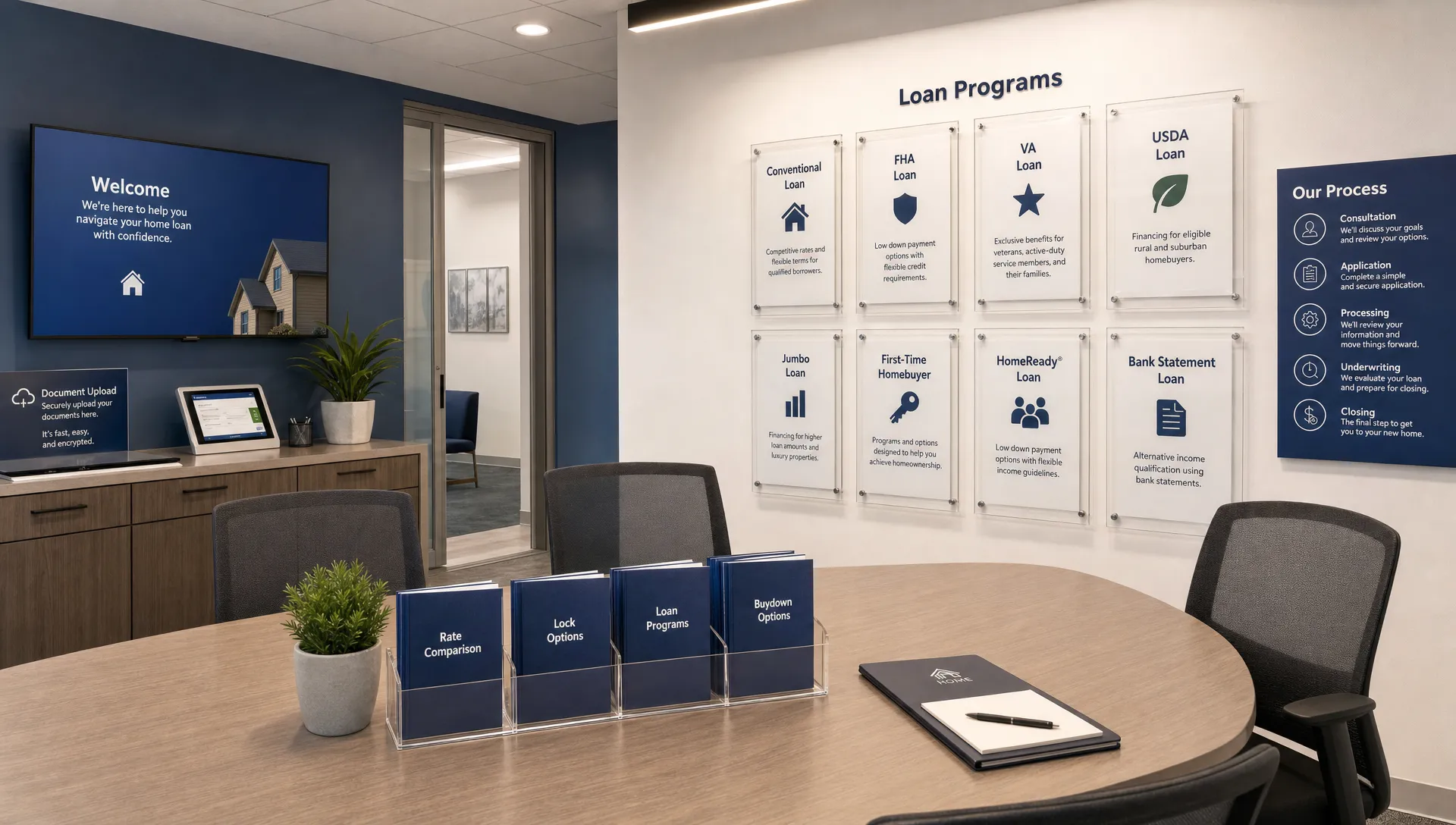
Modern does not automatically mean risky or complicated. FHA loans can help buyers with more flexible credit or down payment needs. VA loans can offer major benefits to eligible veterans, active-duty service members and qualifying spouses. USDA loans may support eligible rural and suburban buyers. Jumbo loans, renovation loans, portfolio options and certain non-QM programs can also fit specific situations.
If you want a broader overview of common programs, New Era Lending's guide to mortgage loan options for every buyer explains how different loan types generally work and when each may be considered.
| Option | Best suited for | Main advantage | What to review carefully |
|---|---|---|---|
| Conventional fixed-rate | Buyers with stable income and good credit | Predictable payment | Down payment, credit score, mortgage insurance |
| FHA loan | Buyers needing more flexible qualification | Lower down payment accessibility | Mortgage insurance and property standards |
| VA loan | Eligible military borrowers | Potentially no down payment | Funding fee and eligibility rules |
| USDA loan | Eligible rural or suburban buyers | Potential no down payment | Location and income limits |
| Adjustable-rate mortgage | Buyers with shorter ownership timelines | Lower initial rate potential | Future payment changes |
| Non-QM or portfolio loan | Borrowers with complex income | Alternative documentation potential | Rate, fees and long-term plan |
Comparing cost, speed and flexibility
The best mortgage is not always the one with the lowest advertised rate. A loan with a slightly lower rate but higher fees may cost more if you sell or refinance within a few years. A loan with faster approval may be worth considering if you are competing in a tight purchase market, but speed should not replace careful review.
A traditional home loan can be cost-effective when the borrower profile fits standard guidelines and the loan terms are transparent. Modern mortgage options can be valuable when they solve a specific problem, such as limited down payment funds, complex income, veteran benefits or the need for a more efficient digital process.

Cost is more than the interest rate
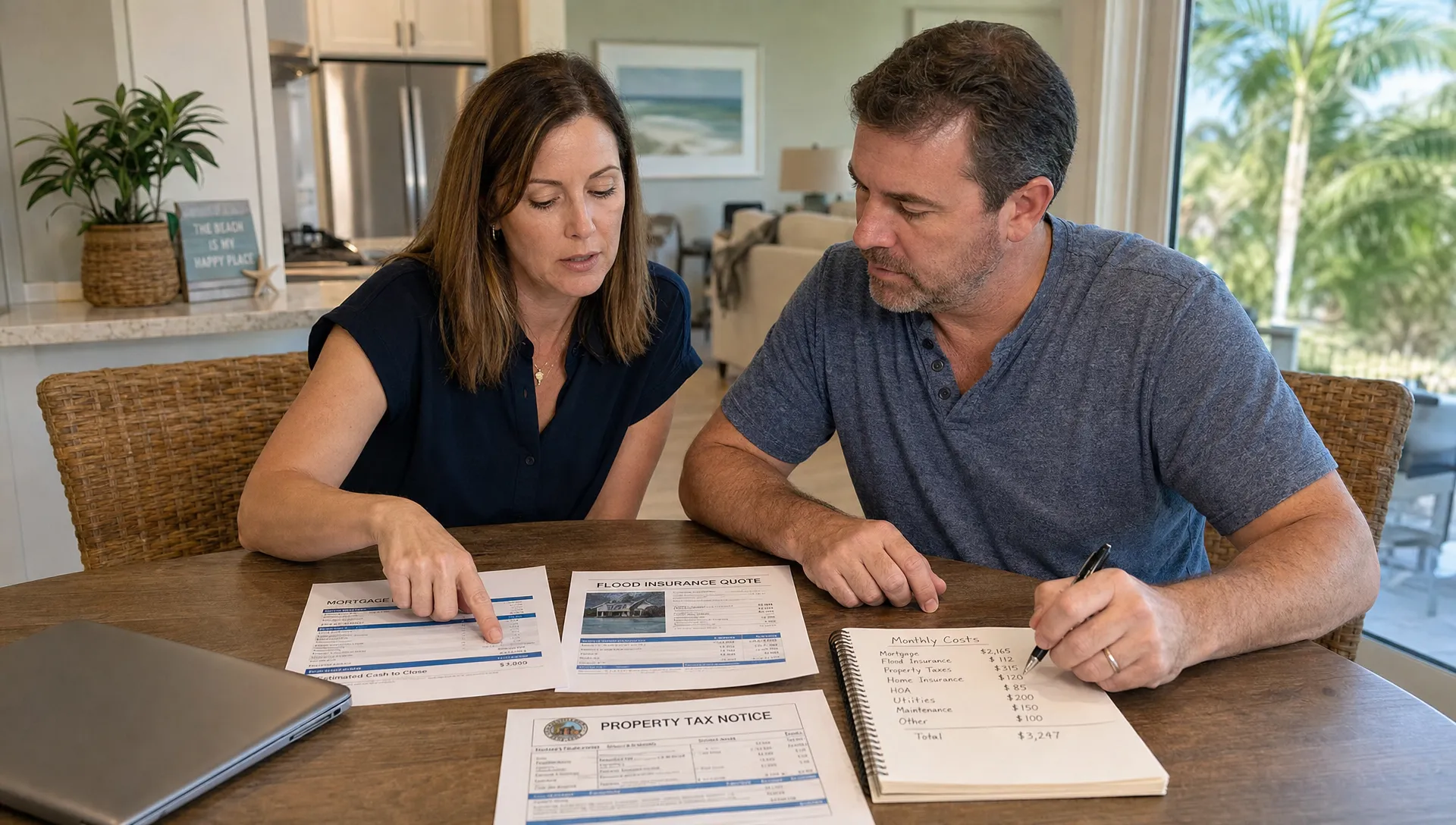
When comparing options, review the full monthly payment and the total cash needed to close. The monthly payment usually includes principal, interest, property taxes, homeowners insurance and possibly mortgage insurance or homeowners association dues.
Budgeting should also include life after closing. Utilities, maintenance, internet, mobile plans and entertainment expenses still matter once you own the home. Even routine choices like streaming subscription choices can affect the cushion you keep in your monthly budget, so it is smart to look beyond the mortgage payment alone.
For a deeper budgeting perspective, New Era Lending's article on smart home loans that match your budget walks through affordability in a practical way.
Speed should come with clarity
Digital tools can reduce friction, but they should not make the process feel impersonal. A fast approval is most useful when the borrower understands what has been approved, what still needs verification and what conditions remain before closing.
Modern lending is at its best when technology handles repetitive steps and experienced guidance helps with judgment calls. Secure document uploads, e-signatures and organized communication can make a standard mortgage feel much easier without changing the core product.
Which path fits your situation?
A traditional home loan may be the right answer if your income, credit and savings line up well with conventional guidelines. It can also suit buyers who want a long-term fixed payment and do not need specialized program features.
Modern options may be better if your situation does not fit a standard box. That might include military eligibility, self-employment, plans to renovate, limited cash to close or a shorter expected time in the home. Refinancing and equity access also bring different priorities, because the goal may be lowering payment, changing loan terms, consolidating debt or accessing cash for a major expense.
| Your priority | Traditional path may fit if | Modern option may fit if |
|---|---|---|
| Payment stability | You want a fixed payment for many years | You need a temporary strategy before refinancing or selling |
| Lower cash to close | You have savings for down payment and costs | You need FHA, VA, USDA or assistance options |
| Fast purchase timeline | Your documents are simple and ready | You need digital uploads and quick coordination |
| Complex income | Your tax returns clearly support the loan | You may need alternative documentation review |
| Long-term planning | You expect to keep the loan for years | You want flexibility based on a known life change |
The key is to avoid choosing based on labels. A modern process can deliver a familiar fixed-rate mortgage. A traditional loan can still use digital tools. What matters is whether the product, payment and process support the outcome you want.
Questions to ask before you choose
Before committing to a traditional home loan or a newer mortgage option, ask questions that reveal the real cost and the real fit. A clear lender should be able to explain not just what you qualify for, but why the recommended structure makes sense.
Start with these questions:
- What is the estimated full monthly payment, including taxes, insurance and mortgage insurance if applicable?
- How much cash will I need to close, and what costs could change before closing?
- Is the rate fixed or adjustable, and when could the payment change?
- What loan programs am I eligible for based on my credit, income, service history and property location?
- What documents will be needed, and how quickly can underwriting review them?
- If I refinance later, what would need to be true for that strategy to make sense?
If you are still narrowing the field, this 2026 guide to home loan options before you apply can help you organize your goals before comparing offers.
How New Era Lending approaches the comparison
New Era Lending combines technology-driven mortgage tools with human guidance for borrowers purchasing a home, refinancing or accessing equity. That combination matters because many borrowers do not need the most complicated loan. They need the right loan explained clearly, processed securely and matched to their timeline.
The value of the process is not just faster paperwork. It is having someone help you compare options without losing sight of the basics: affordability, documentation, rate structure, closing costs and long-term plans. Whether a traditional home loan or a more flexible modern option fits best, the decision should be grounded in numbers you understand.
New Era Lending serves borrowers across 39 states and offers a range of loan options, including specialized veteran loan programs. If you want personalized guidance, the next step is to review your situation with a lending team that can compare available paths clearly.
Frequently Asked Questions
Is a traditional home loan always a conventional mortgage? Not always, but many borrowers use the phrase that way. In most conversations, it refers to a standard fixed-rate mortgage with full documentation and familiar underwriting guidelines.
Are modern mortgage options riskier? Not necessarily. Some modern options are simply established loan programs delivered through a more efficient digital process. The risk depends on the loan terms, payment structure, fees and whether the product fits your situation.
Can I use digital tools with a traditional home loan? Yes. Many lenders now use secure uploads, e-signatures and online communication for standard mortgage products. The process can feel modern even when the loan itself is familiar.
How do I know which option is cheaper? Compare the interest rate, APR, closing costs, monthly payment and how long you expect to keep the loan. The cheapest option over five years may not be the same as the cheapest option over 30 years.
Should first-time buyers avoid nontraditional options? No, but they should ask more questions. FHA, VA, USDA and other programs can be excellent fits when used for the right reasons and explained clearly.
A smarter way to decide
Choosing between a traditional home loan and modern mortgage options should not feel like guessing. Start with your budget, timeline, credit profile, income documentation and plans for the property. Then compare loan structures side by side with a lender who can explain the tradeoffs in plain language.
If you are ready to explore your options, New Era Lending can help you review purchase, refinance and equity access solutions with modern tools and personalized guidance.