.jpg)
.jpg)





.jpg)

Choosing a New Florida Mortgage: Costs and Flood Insurance
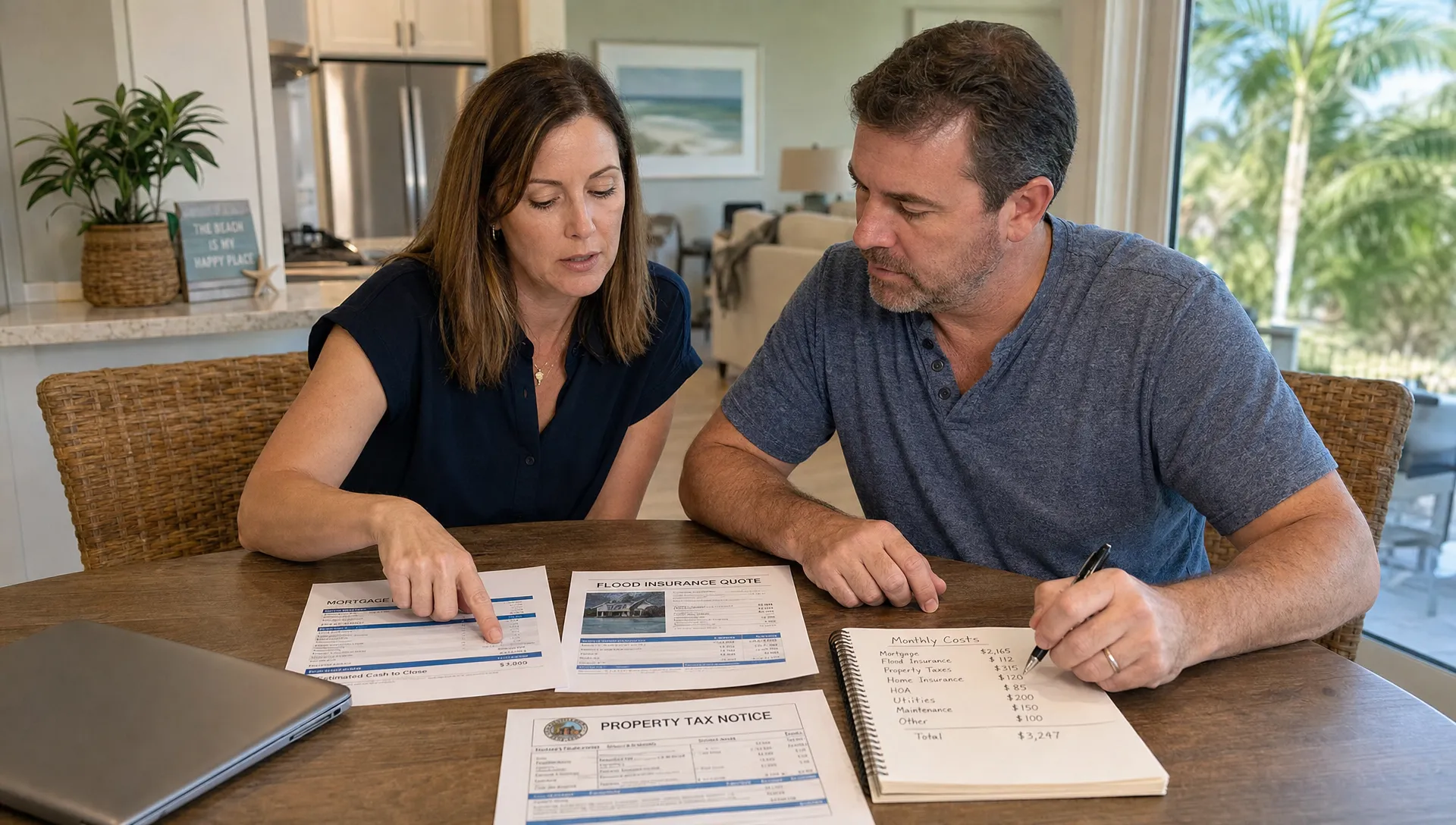
Choosing a new Florida mortgage is not only about finding a competitive rate. In Florida, the real cost of ownership can shift quickly once property taxes, homeowners insurance, wind coverage, HOA dues and flood insurance enter the picture. A loan that looks comfortable on the first estimate can feel very different after the full monthly payment is built out.
That does not mean buying in Florida has to feel uncertain. It means your mortgage comparison should start with local risk and cash flow, not just the interest rate at the top of a quote. Coastal homes, inland homes near rivers, condos, new construction and older properties can each carry different cost assumptions.
Use this guide as a practical checklist before you make an offer, lock a rate or compare lenders. The goal is to understand what can change your approval, your closing cash and your monthly payment before those numbers surprise you.
What Makes a New Florida Mortgage Different From Many Other States
A new Florida mortgage often has more moving parts than a similar loan in a lower-risk inland state. Florida buyers still need to compare the basics, including rate, APR, points, loan term and lender fees. The difference is that insurance and climate-related risk can play a larger role in whether the final payment works.
Your lender will look at your principal and interest payment, but approval is based on the broader housing expense. That usually includes property taxes, homeowners insurance and any required mortgage insurance. If flood insurance is required or strongly recommended, it becomes part of the affordability picture too.
| Cost factor | Why it matters in Florida | What to verify early |
|---|---|---|
| Homeowners insurance | Premiums can vary widely by roof age, location and coverage | Get a quote before your inspection period ends |
| Flood insurance | Required by many lenders in higher-risk flood zones | Check the FEMA map and ask about private options |
| Property taxes | Tax bills may reset after a sale | Estimate taxes based on your purchase price |
| HOA or condo dues | Common in planned communities and condos | Review monthly dues, reserves and assessments |
| Wind or hurricane deductible | Can affect out-of-pocket risk after a storm | Review deductibles, not only the annual premium |
Start With the Full Payment, Not Just the Rate
A new Florida mortgage should be evaluated through the full payment, sometimes called PITI, which stands for principal, interest, taxes and insurance. In Florida, it is smart to expand that mental model to include HOA dues, flood insurance and any mortgage insurance tied to the loan program.
Two buyers can receive the same interest rate and still have very different monthly payments. One property may have lower taxes but higher insurance. Another may be outside a mapped high-risk flood area but still have a large HOA fee. A third may need only standard homeowners coverage, while a nearby home requires separate flood protection.
When comparing lenders, ask for a Loan Estimate that reflects the best available insurance and tax assumptions at that moment. If those numbers are placeholders, treat the payment as incomplete. You can also use New Era Lending's guide to compare new mortgage rate offers so you are weighing APR, points and fees alongside the monthly payment.
The cleanest comparison is not the lowest quoted rate by itself. It is the offer that shows a realistic payment, explains the cash needed at closing and gives you confidence that the numbers will still work once the property details are known.
Flood Insurance Should Be Checked Before You Fall in Love With a Home
For a new Florida mortgage, flood insurance can be a deciding factor long before closing day. Lenders generally require flood insurance when a property is in a Special Flood Hazard Area and the loan is federally regulated or federally backed. Some lenders may also have overlays for properties with elevated risk, even outside the most obvious zones.
Start with the FEMA Flood Map Service Center, then confirm with your lender, insurance agent and title or closing team. Flood maps are useful, but they are not the whole story. A home outside a high-risk zone can still flood, and a home inside a mapped zone may have mitigation features that influence coverage options.
Special Flood Hazard Areas Are Not the Whole Story
FEMA flood zones help lenders determine whether flood insurance is mandatory, but buyers should not treat them as a simple yes or no risk label. Drainage, elevation, proximity to canals, storm surge exposure and local development can matter.
If the property has an elevation certificate, share it with your insurance agent. If it does not, ask whether one could help price coverage or clarify risk. For homes in coastal or low-lying areas, it may also be worth asking the seller about prior flood claims, past water intrusion and any improvements such as elevation work, drainage changes or flood vents.
NFIP and Private Flood Insurance Are Different Paths
Flood coverage may be available through the National Flood Insurance Program or through private insurers. Each path has its own underwriting approach, coverage structure and pricing method. Your lender will need to approve the policy if flood coverage is required for the loan.
| Flood insurance option | Potential advantage | What to ask |
|---|---|---|
| NFIP policy | Widely recognized by lenders in participating communities | What are the coverage limits and deductibles? |
| Private flood policy | May offer different pricing or coverage features | Will the lender accept this policy? |
| Excess flood coverage | Can add protection above a base policy | Is extra coverage needed for the property value? |
The important step is to price coverage early. Waiting until the final week before closing can create avoidable stress, especially if the premium affects your debt-to-income ratio or cash needed to close.
What Flood Insurance Can Change in Your Approval
Flood insurance affects more than your peace of mind. If it is required, the premium may be included in the escrow portion of your monthly mortgage payment. That can change your qualifying payment, which can affect approval if your budget is already tight.
A higher-than-expected premium can also change your cash to close. You may need to pay the first year of coverage upfront, then fund escrow deposits for future payments. The exact structure depends on your loan, lender requirements and closing setup.
If the home is otherwise perfect but the insurance numbers are uncomfortable, you still have options. You can compare flood policies, adjust your purchase price target, increase your down payment, request seller credits where allowed or revisit the loan program. The key is to make these decisions with real quotes rather than estimates.
Closing Costs, Reserves and Florida-Specific Cash Needs
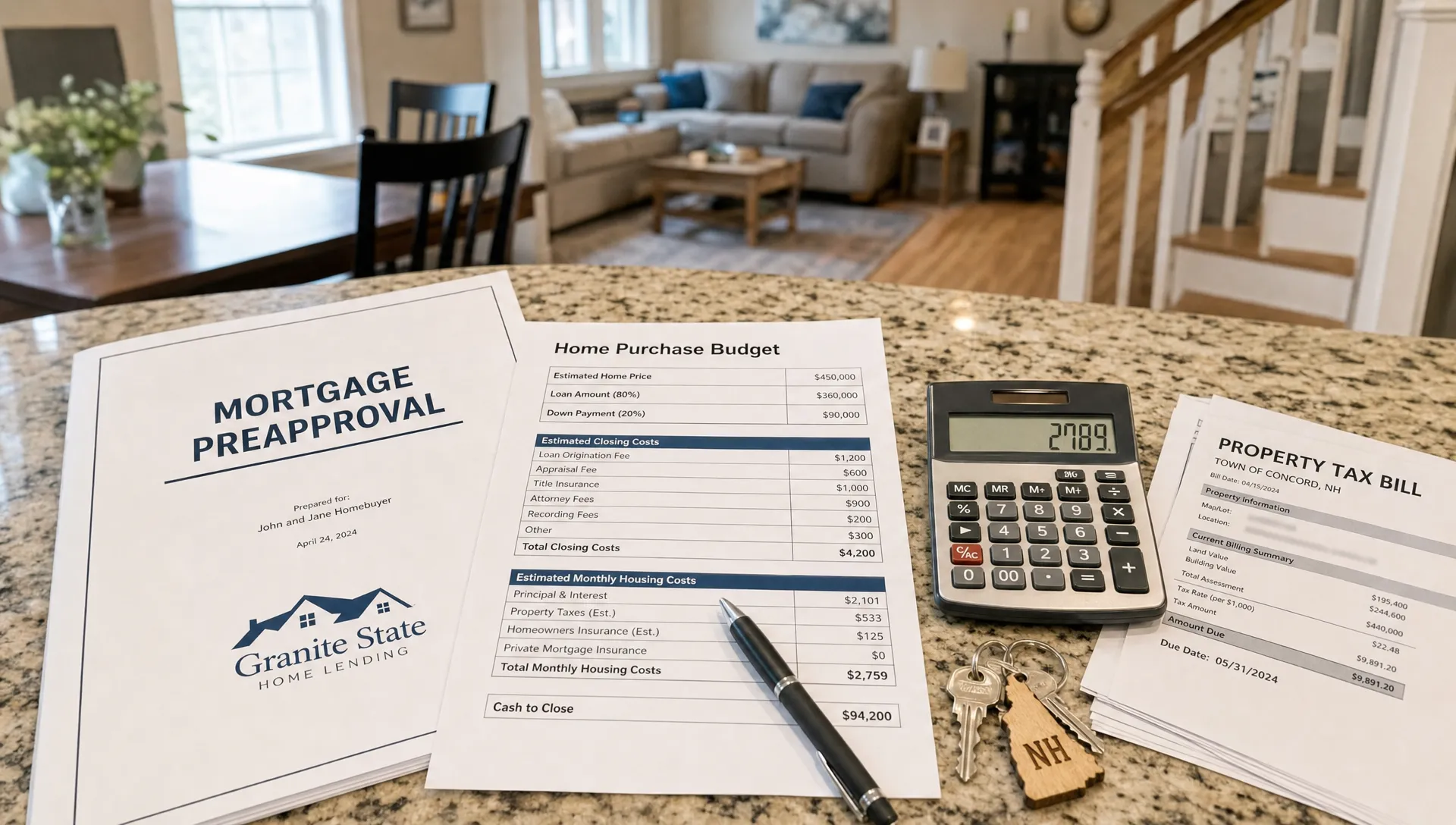
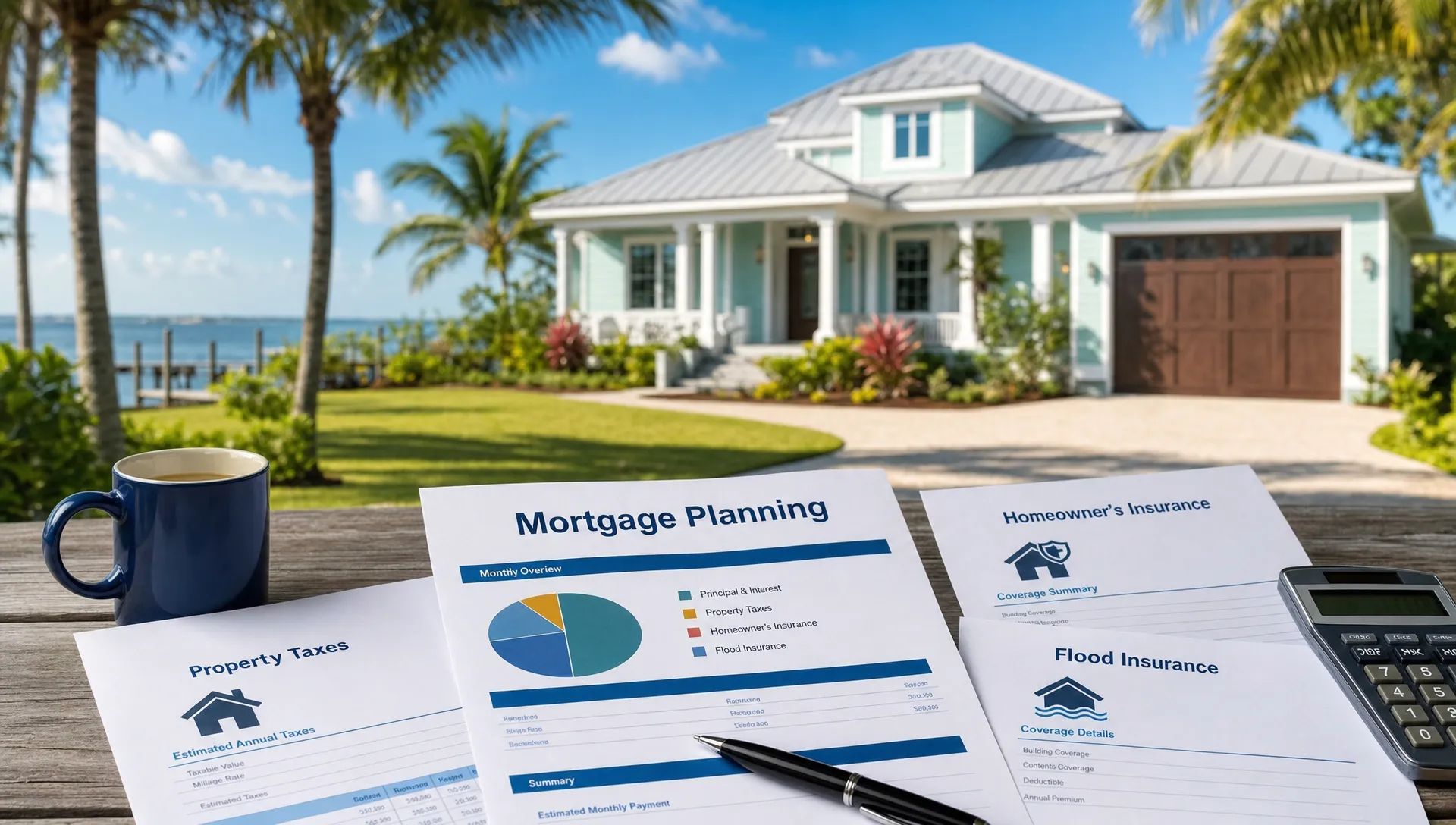
This is where a new Florida mortgage can surprise buyers who have only planned for the down payment. Closing costs often include lender fees, title charges, appraisal fees, prepaid interest, escrow deposits, recording charges and insurance payments. If the property is in a flood zone, the first-year flood premium may be part of the upfront cash picture.
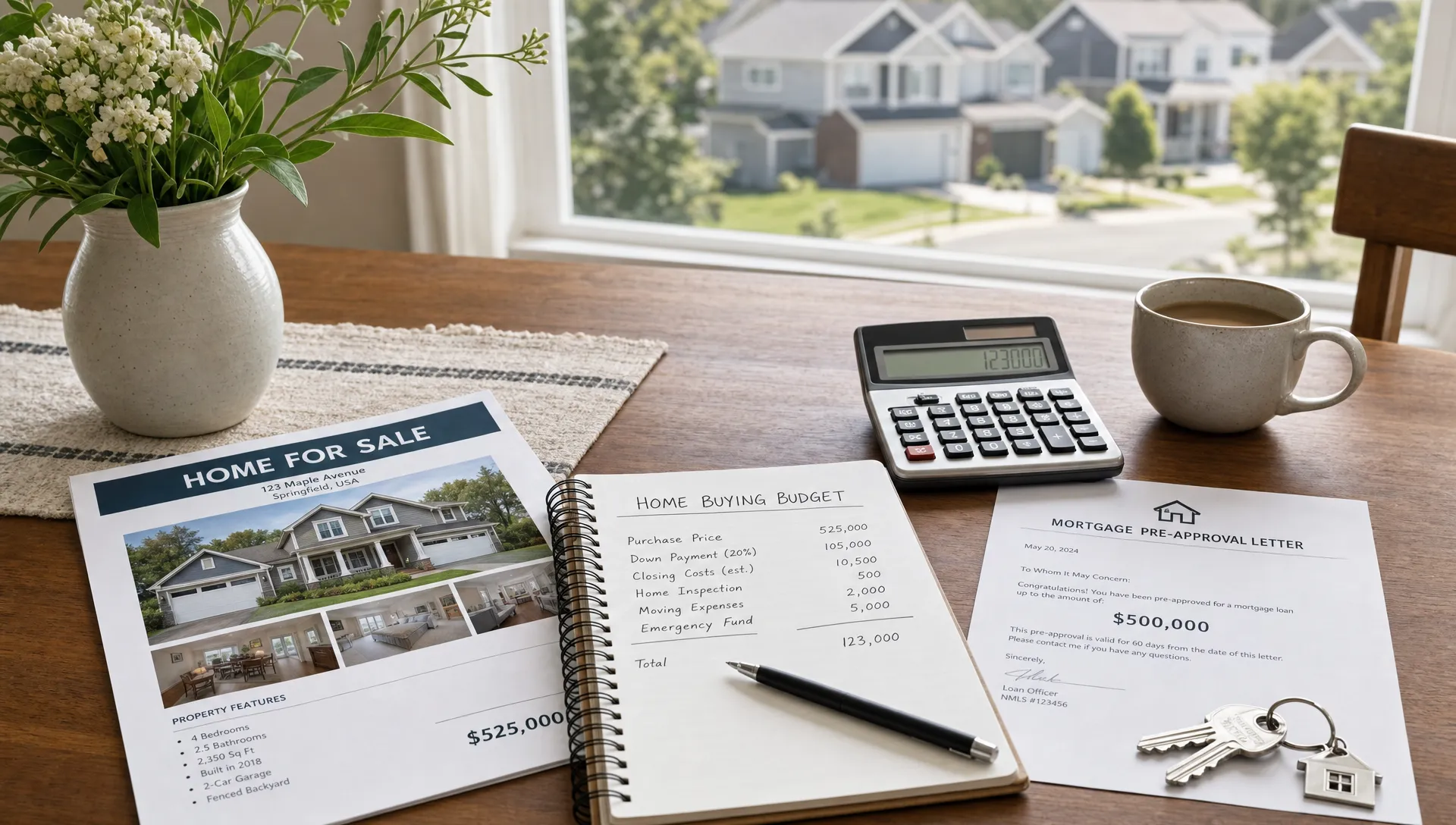
New Era Lending has a separate guide to closing cost categories buyers often miss, but the Florida takeaway is simple: ask for a cash-to-close estimate that includes realistic insurance numbers. If you are early in the process, use a range instead of one exact number.
Common Florida cash items to plan for include:
- Down payment based on your loan program and occupancy type
- Lender and third-party closing costs
- First-year homeowners insurance and possible flood insurance
- Escrow deposits for taxes and insurance
- Inspection, appraisal, survey or condo document review fees when applicable
If part of your cash to close comes from selling personal property, keep the bill of sale, receipt and deposit trail. The same documentation principle applies across asset sales: a seller should be able to point to transparent purity testing and fair valuation for old silver or another clear valuation method, then show how the funds entered a bank account. Lenders generally care less about the item sold and more about whether the money is sourced, documented and available.
Loan Type Choices: Conventional, FHA, VA and More
The best loan for a new Florida mortgage depends on your credit profile, down payment, military service history, property type and long-term plans. Conventional loans may work well for borrowers with strong credit and flexible down payment options. FHA loans can help buyers with more moderate credit or limited cash. VA loans can be powerful for eligible veterans, service members and qualifying spouses.
The property matters too. Condos may need project approval. Manufactured homes have specific requirements. Multi-unit properties, investment homes and jumbo loan amounts can change underwriting. Insurance availability can also matter because a lender will not ignore whether the property can be properly insured.
If you are not sure which program fits, review the main tradeoffs in New Era Lending's guide on how to choose the right new home loan. The right answer is rarely just the lowest payment today. It is the structure that fits your cash, risk tolerance, timeline and likely ownership period.
| Loan type | Often considered by | Florida cost item to watch |
|---|---|---|
| Conventional | Buyers with solid credit and flexible down payments | PMI if putting less than 20% down |
| FHA | Buyers seeking more flexible credit guidelines | Upfront and monthly mortgage insurance |
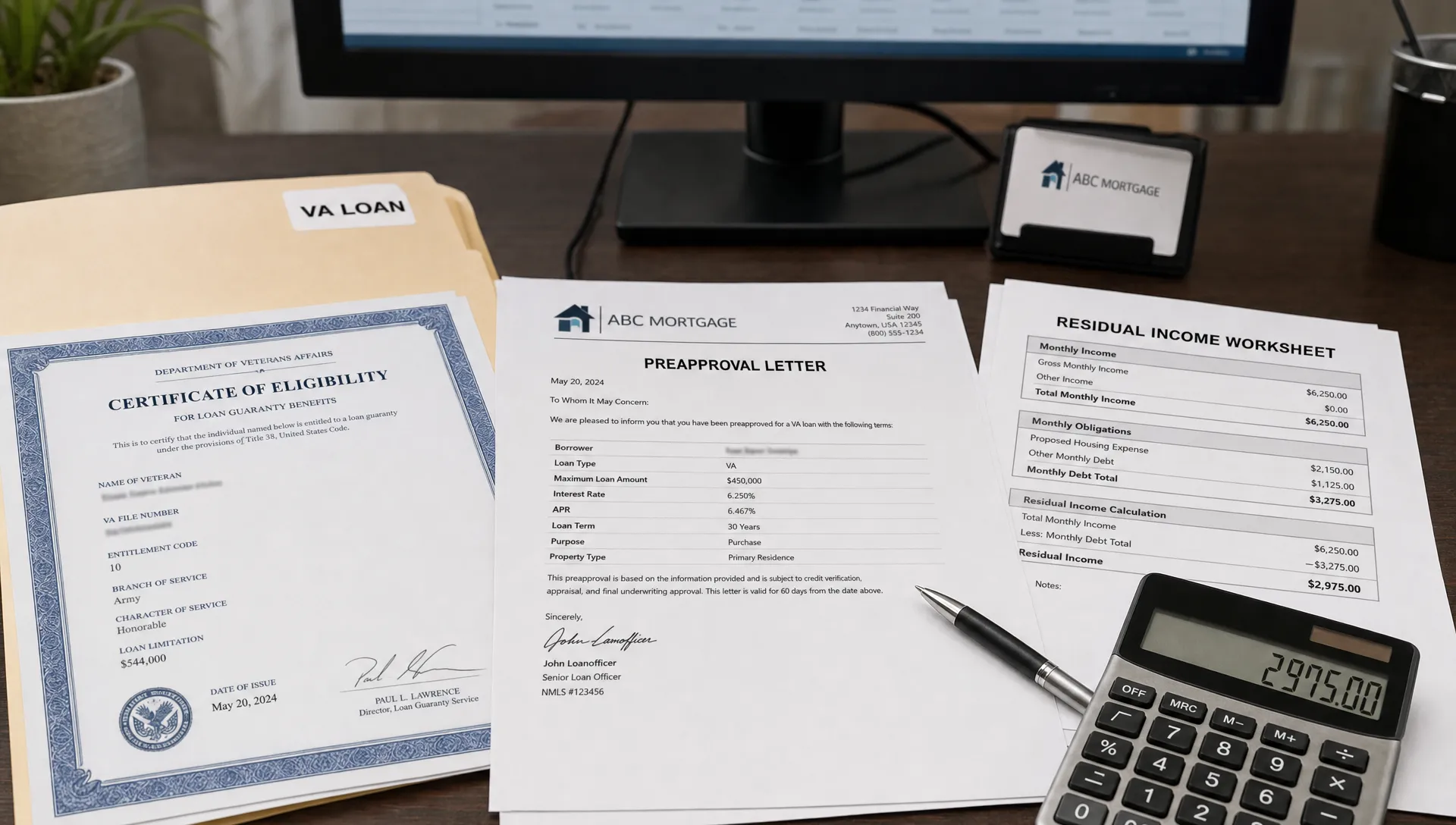
| VA | Eligible military borrowers | Funding fee, if applicable, and property standards |
| Jumbo | Buyers financing higher-priced properties | Reserve requirements and insurance review |
How to Compare Offers When Flood Insurance Is Uncertain
When flood insurance is uncertain, a new Florida mortgage quote should be treated as a working estimate. Ask each lender how they are calculating taxes and insurance, whether flood coverage is included and what happens if the premium changes before closing.
A useful lender conversation is specific. Instead of asking whether the payment looks right, ask which numbers are verified and which are still assumptions. That gives you a cleaner view of risk before you spend money on inspections, appraisal or rate lock extensions.
| Question for the lender | Why it helps |
|---|---|
| Is flood insurance included in this payment estimate? | Prevents an incomplete monthly payment comparison |
| What insurance premium did you use? | Shows whether the quote uses a real policy or a placeholder |
| Will this loan require an escrow account? | Clarifies monthly payment structure and upfront deposits |
| How much seller credit is allowed? | Helps if you need help with closing costs |
| What could change before closing? | Identifies the biggest remaining variables |
You should also compare timing. A lender that can move quickly is valuable, but speed should not come at the cost of unclear assumptions. Fast approvals are most useful when the file, property and insurance numbers are being reviewed together.
Questions to Ask Before Making an Offer
Before you commit to a new Florida mortgage, gather as much property-specific information as possible. This is especially important if you are buying near the coast, purchasing an older home, considering a condo or relying on a tight approval margin.
Ask these questions early:
- What flood zone is the property in according to the current map?
- Is flood insurance required by the lender?
- What are the estimated homeowners and flood insurance premiums?
- Are there wind, hurricane or named-storm deductibles?
- Will property taxes change after the sale?
- Are there HOA or condo assessments?
- Does the roof age affect insurance eligibility or pricing?
- Are all payment estimates based on real quotes or placeholders?
Your real estate agent, insurance agent and lender each see a different part of the transaction. The safest approach is to connect the dots before your deadlines pass. If one number changes, ask how it affects payment, cash to close and approval.
Frequently Asked Questions
Do all Florida homes need flood insurance? No. Flood insurance is not required for every Florida home, but it may be required by your lender if the property is in a Special Flood Hazard Area. Even when it is not required, some buyers choose coverage because flooding can happen outside mapped high-risk zones.
How early should I price flood insurance? Price it before your inspection period ends whenever possible. For a new Florida mortgage, an early flood quote helps you understand the real monthly payment and avoid late changes to cash needed at closing.
Is flood insurance the same as homeowners insurance? No. Standard homeowners insurance usually does not cover flood damage from rising water. Flood insurance is separate coverage, and wind or hurricane deductibles are another issue to review inside the homeowners policy.
Can a flood insurance premium affect mortgage approval? Yes. If the premium is required and escrowed, it can increase your qualifying monthly payment. If your debt-to-income ratio is close to the limit, even a moderate insurance change can matter.
Should I choose the lender with the lowest rate? Not automatically. The lowest rate is useful only if the full estimate is accurate. Compare APR, points, lender fees, taxes, insurance assumptions, closing cash and the lender's ability to explain Florida-specific risks.
Move Forward With Clearer Numbers
Florida can be a strong place to buy, but the mortgage decision needs to reflect the full cost of owning the home. That means pricing insurance early, checking flood requirements, reviewing tax assumptions and comparing loan offers with more than the interest rate in mind.
New Era Lending combines technology-driven mortgage tools with human guidance for purchase, refinance and equity access needs across 39 states. If you are planning a Florida purchase, bring your property address, insurance quotes and payment goals into the conversation early so your loan options can be compared with the real numbers on the table.