.jpg)
.jpg)





.jpg)


How Lenders Help You Buy a Home With Confidence
Buying a home is one of the few financial decisions where excitement and uncertainty arrive at the same time. You are choosing a place to live, comparing prices, thinking about the future, and trying to understand a mortgage process that may be new to you. A good lender helps turn that uncertainty into a clearer plan.
The right lender does more than tell you how much you might be able to borrow. They help you understand what you can afford, which loan options fit your goals, how much cash you may need, what documents matter, and what to expect from pre-approval through closing. In other words, lenders help you buy with confidence by replacing guesswork with guidance.
If you want a broader refresher on the mortgage process, New Era Lending's guide to home lending for today's buyers explains the fundamentals in plain language. This article focuses on the practical ways a lender can support your decisions before and during the home purchase journey.
What a Lender Really Does for a Home Buyer
A lender provides the financing that allows you to purchase a home, but that is only part of the role. A strong lender also acts as a guide through a detailed financial process.
That guidance matters because buying a home is not just about getting approved for the largest possible loan. It is about finding a mortgage structure that fits your income, savings, comfort level, timeline, and long-term plans. A lender helps translate those factors into numbers you can actually use while shopping.
A lender typically reviews several parts of your financial picture, including:
- Credit history and credit score
- Income, employment, or self-employment documentation
- Monthly debts and debt-to-income ratio
- Savings, down payment funds, and reserves
- Property type and occupancy plans
- Loan program requirements and eligibility
This review helps determine what loan options may be available and what price range may be realistic. It also helps identify potential issues early, before you are under contract and facing a deadline.
Building a Budget You Can Actually Live With
One of the most valuable ways lenders help you buy a home with confidence is by helping you understand the difference between purchase price and monthly affordability.
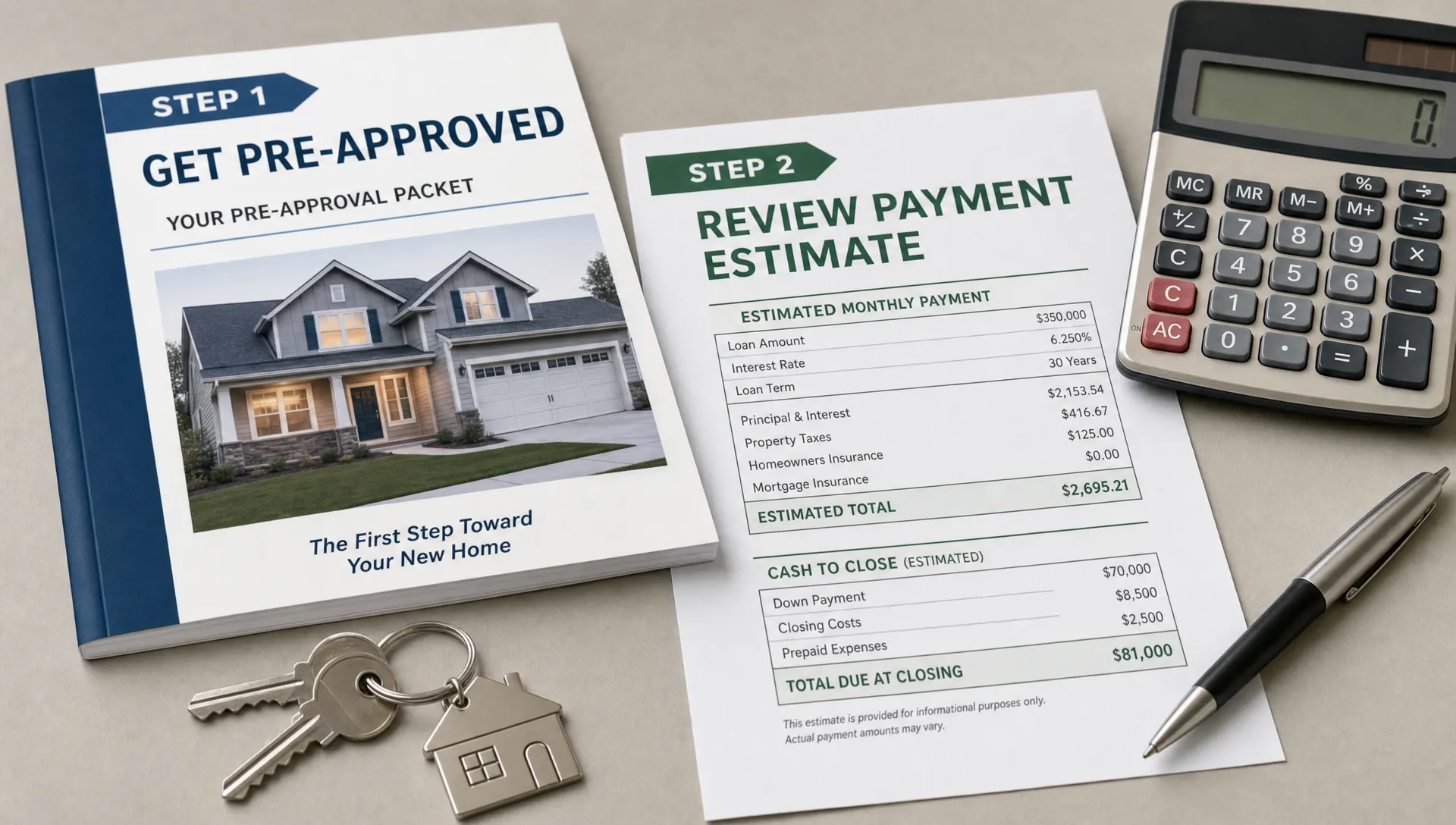
A home listed at a certain price does not tell the full story. Your true monthly payment may include principal, interest, property taxes, homeowners insurance, mortgage insurance, and possibly HOA dues. Closing costs and prepaid expenses also affect how much cash you may need before you receive the keys.
A responsible lender can walk you through payment scenarios at different price points and down payment levels. That lets you compare what feels comfortable, what feels stretched, and what might leave enough room for other priorities such as savings, repairs, travel, childcare, or retirement contributions.
This part of the process is especially important in a changing rate environment. Even a small shift in interest rate can affect monthly payment and buying power. A lender can explain how rates, points, loan terms, and mortgage insurance may change the numbers so you are not making decisions based on a rough online estimate alone.
Matching Your Goals With the Right Loan Option
There is no single best mortgage for every buyer. A loan that works well for one household may not be the best fit for another. Lenders help you compare options based on your credit profile, available cash, location, military service history, property type, and goals.
Common home purchase loan options may include conventional loans, FHA loans, VA loans, USDA loans, jumbo loans, renovation loans, and assistance programs. Each has different requirements, benefits, and tradeoffs. For example, one option may allow a lower down payment, while another may offer a better fit for borrowers with stronger credit or for eligible veterans.
The key is not simply getting a list of programs. It is understanding why one program may fit your situation better than another. If you are comparing possibilities, New Era Lending's article on loan options that can make buying a home easier provides a helpful overview of common paths buyers may consider.
A good lender should explain the practical impact of each option in everyday terms. What would your estimated payment look like? How much cash might you need? Are there mortgage insurance requirements? Are there property location rules? Are there income limits? How long might the approval process take? Those answers make it easier to choose based on fit, not guesswork.
Strengthening Your Offer With Pre-Approval
Before you start touring homes seriously, a lender can help you pursue pre-approval. Pre-approval is a more detailed review than a casual estimate because it often involves documentation such as pay stubs, W-2s, tax returns, bank statements, identification, and credit review.
A pre-approval does not guarantee final loan approval, since the property, appraisal, title work, and underwriting conditions still matter. Still, it can give you and your real estate agent a stronger starting point.
Pre-approval helps in several ways. It can clarify your price range, help you move faster when you find the right home, and show sellers that you have taken meaningful steps toward financing. In competitive markets, that can make your offer more credible.
It can also protect you from emotional overreach. When buyers shop without clear numbers, it is easy to fall in love with a home that may create financial stress. A lender can help set guardrails early so you can focus on homes that fit both your lifestyle and your budget.
Making Rates, Fees, and Cash to Close Understandable
Mortgage costs can feel confusing because there are several numbers involved. You may hear about interest rate, APR, discount points, lender fees, third-party fees, prepaid taxes, escrow deposits, and cash to close. These numbers are connected, but they do not all mean the same thing.
A lender helps you understand what each cost means and how it affects your decision. For example, the lowest advertised rate may not always be the lowest overall cost if it requires paying points or higher fees upfront. A slightly higher rate may sometimes make sense if it reduces cash needed at closing, depending on your goals and how long you expect to keep the loan.
Once you apply for a mortgage, lenders provide standardized disclosures that help you review and compare costs. The Consumer Financial Protection Bureau explains the Loan Estimate as a document designed to show key loan terms, projected payments, and closing costs in a consistent format.
A confident buyer should not feel rushed through this part of the process. Ask your lender to explain the numbers line by line. You deserve to understand not only what you are paying, but why you are paying it.
Reducing Friction Through Organized Documents
The mortgage process requires documentation because lenders must verify that the loan meets program guidelines. That paperwork can feel overwhelming if you do not know what is needed or why.
A good lender reduces stress by explaining document requests clearly. They can tell you which items are needed upfront, which may be requested later, and how to avoid delays. Modern lending tools can also make the process easier through secure document uploads, digital communication, and e-signature support.
This is where technology and human guidance work best together. Technology can make it faster and easier to submit information, while a knowledgeable lending professional can explain what is happening and answer questions when something is unclear.

Helping You Navigate Underwriting, Appraisal, and Conditions
After you are under contract, your loan moves through several important steps. The lender coordinates loan processing and underwriting, while also working with third parties involved in the transaction.
Underwriting is the formal review of your financial profile, documents, property details, and loan program requirements. If the underwriter asks for additional information, that does not always mean something is wrong. Often, it simply means the file needs clarification before it can move forward.
The appraisal is another key step. It helps the lender assess whether the home's value supports the loan amount. If the appraisal comes in lower than expected or identifies required repairs, your lender can explain what options may exist, although your real estate agent and other professionals may also be involved in negotiation and next steps.
A lender cannot control every part of the transaction. They cannot guarantee a property value, waive all program requirements, or make market conditions disappear. What they can do is help you understand what is happening, what is needed, and how to respond calmly.
Coordinating Timelines With the Rest of Your Team
Buying a home involves more than you and your lender. Your real estate agent, title or escrow company, insurance provider, appraiser, and sometimes attorneys or other specialists may all play a role. A lender helps keep the financing side aligned with the purchase timeline.
Important timing issues can include pre-approval updates, rate lock decisions, appraisal ordering, underwriting conditions, closing disclosure review, and final funding. When communication is steady, there are fewer surprises near the closing table.
The Closing Disclosure is one of the final documents buyers review before closing. The CFPB's Closing Disclosure guide explains that it outlines final loan terms and closing costs. Reviewing it carefully with your lender helps confirm that you understand your payment, cash to close, and loan structure before signing final documents.
A lender who communicates clearly can help you avoid unnecessary last-minute stress. If a deadline is approaching, you should know what is needed, who is responsible, and what the next step is.
Keeping the Human Side of Lending in the Process
Digital tools can make the mortgage process more convenient, but home buying is still a personal decision. You may have questions about affordability, family plans, job changes, savings goals, or whether a certain payment feels right. Those concerns deserve a human conversation.
The best lender experience combines smart technology with personal guidance. Fast uploads and e-signatures are helpful, but so is having someone who can explain your options without making you feel pressured. A buyer should feel informed, not pushed.
This is especially important for first-time buyers, self-employed borrowers, veterans, buyers relocating to a new state, or anyone comparing multiple loan paths. If you are still deciding who to work with, this guide on how to choose a lender as a first-time home buyer can help you evaluate communication, transparency, and overall fit.
Signs a Lender Is Helping You Buy With Confidence
Not every lending experience feels the same. Some buyers leave conversations more confused than when they started. Others feel equipped to make decisions because their lender explains the process clearly.
Look for signs that your lender is focused on your confidence, not just your application:
- They explain your estimated payment in detail, not only the purchase price.
- They discuss cash to close early, including closing costs and prepaid items.
- They compare loan options in a way that matches your goals.
- They are transparent about rates, fees, points, and tradeoffs.
- They provide clear document instructions and secure submission methods.
- They communicate timelines and next steps before deadlines become stressful.
- They encourage questions and answer them in plain language.
- They do not pressure you into a loan structure you do not understand.
A good lender should make the process feel more manageable. If you are constantly unsure what is happening, what you owe, or why a document is needed, it may be worth asking for more clarity.
How to Prepare Before Speaking With a Lender
You do not need to know everything before contacting a lender. In fact, part of the lender's role is to help you learn. Still, a little preparation can make the conversation more useful.
Before your first serious mortgage discussion, it helps to gather recent income documents, review your monthly debt payments, check your available savings, and think about your preferred monthly payment range. You can also make a list of questions about down payment, closing costs, credit, rate locks, or loan programs.
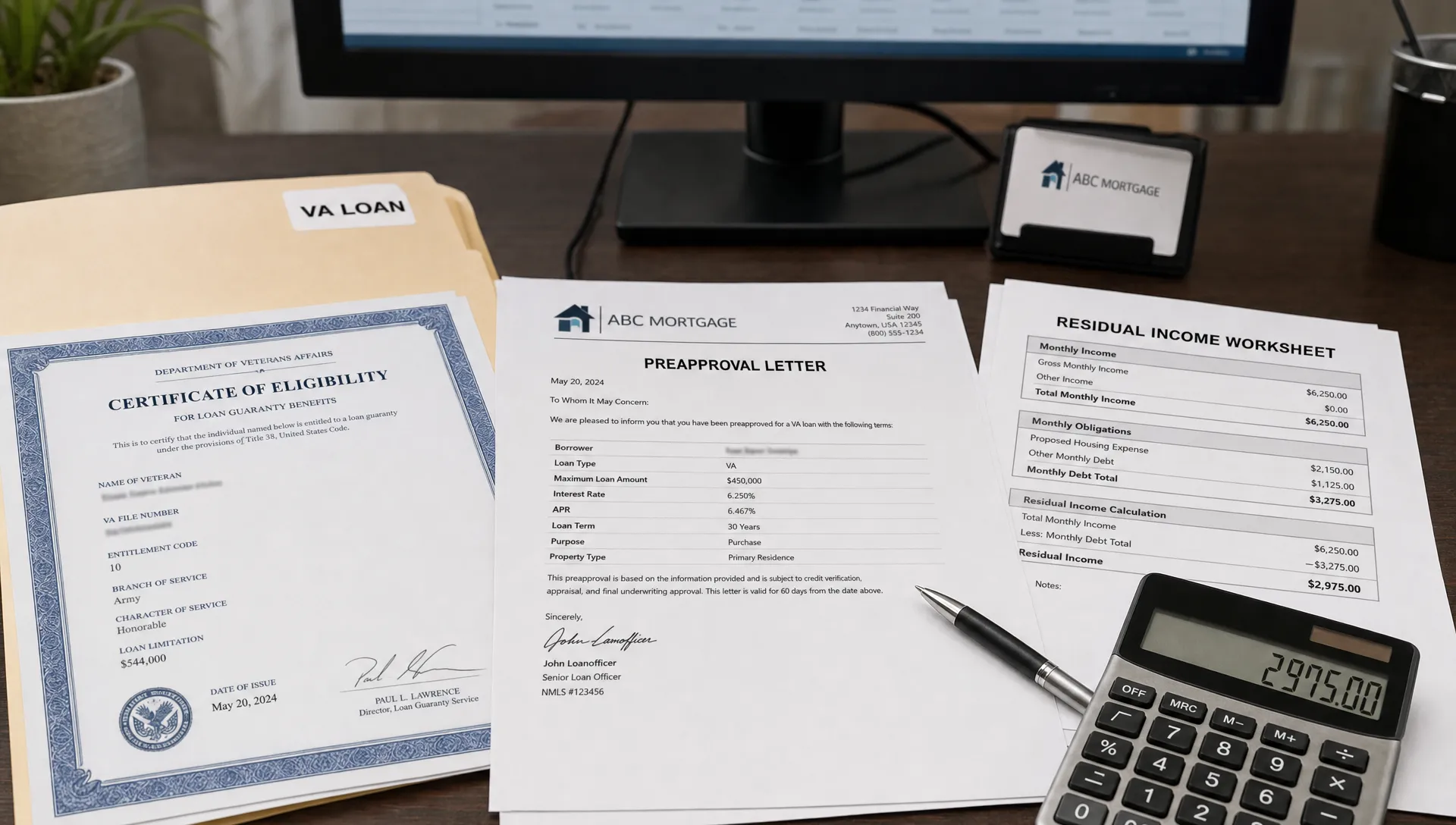
Be honest about your goals and concerns. If you want to keep more savings after closing, say so. If your income is variable, mention it early. If you are eligible for veteran benefits, ask about VA loan options. If you expect a job change, large deposit, gift funds, or debt payoff, tell your lender before it affects the file.
The more complete the conversation, the better your lender can help you avoid surprises.
How New Era Lending Supports Buyer Confidence
New Era Lending offers personalized mortgage solutions for home purchases, refinancing, and equity access, combining smart technology with expert human guidance. For buyers, that means the process is designed to be clearer, more secure, and easier to navigate from early planning through closing.
The company provides a wide range of loan options, transparent rates and terms, secure document uploads, e-signature support, educational resources, and specialized veteran loan programs. New Era Lending is available in 39 states, giving many buyers access to modern mortgage support with a human touch.
The goal is simple: help buyers move forward with more clarity and less confusion. A mortgage is a major decision, and the right guidance can make the path to homeownership feel more organized, informed, and achievable.
Frequently Asked Questions
What does a lender do when you buy a home? A lender reviews your finances, explains loan options, provides pre-approval when appropriate, helps estimate payments and cash to close, processes your loan application, coordinates underwriting, and supports the financing side of closing.
Does pre-approval guarantee I will get the mortgage? No. Pre-approval is an important step, but final approval depends on the property, appraisal, title review, updated financial documents, underwriting conditions, and loan program requirements.
How early should I talk to a lender before buying a home? It is smart to speak with a lender before you begin serious home shopping. Early guidance can help you understand your budget, improve your readiness, and avoid surprises when you find a home you want to offer on.
Can a lender help if I do not have a 20 percent down payment? Yes. Many buyers purchase with less than 20 percent down, depending on loan program eligibility and financial profile. A lender can explain options that may fit your situation and help you understand payment and cost differences.
What should I ask a lender before choosing one? Ask about loan options, estimated monthly payment, cash to close, interest rate, APR, fees, rate lock policies, communication timelines, document requirements, and what support you will receive from application to closing.
Move Toward Homeownership With a Clearer Plan
Buying a home is easier when you have a lender who explains the numbers, respects your goals, and helps you understand each step before you take it. If you are preparing to purchase, the right guidance can help you shop with confidence instead of uncertainty.
To explore your mortgage options, start a conversation with New Era Lending and get the support you need to move forward with clarity.