.jpg)
.jpg)





.jpg)

Down Payment Loans: Smart Ways to Cover Upfront Costs
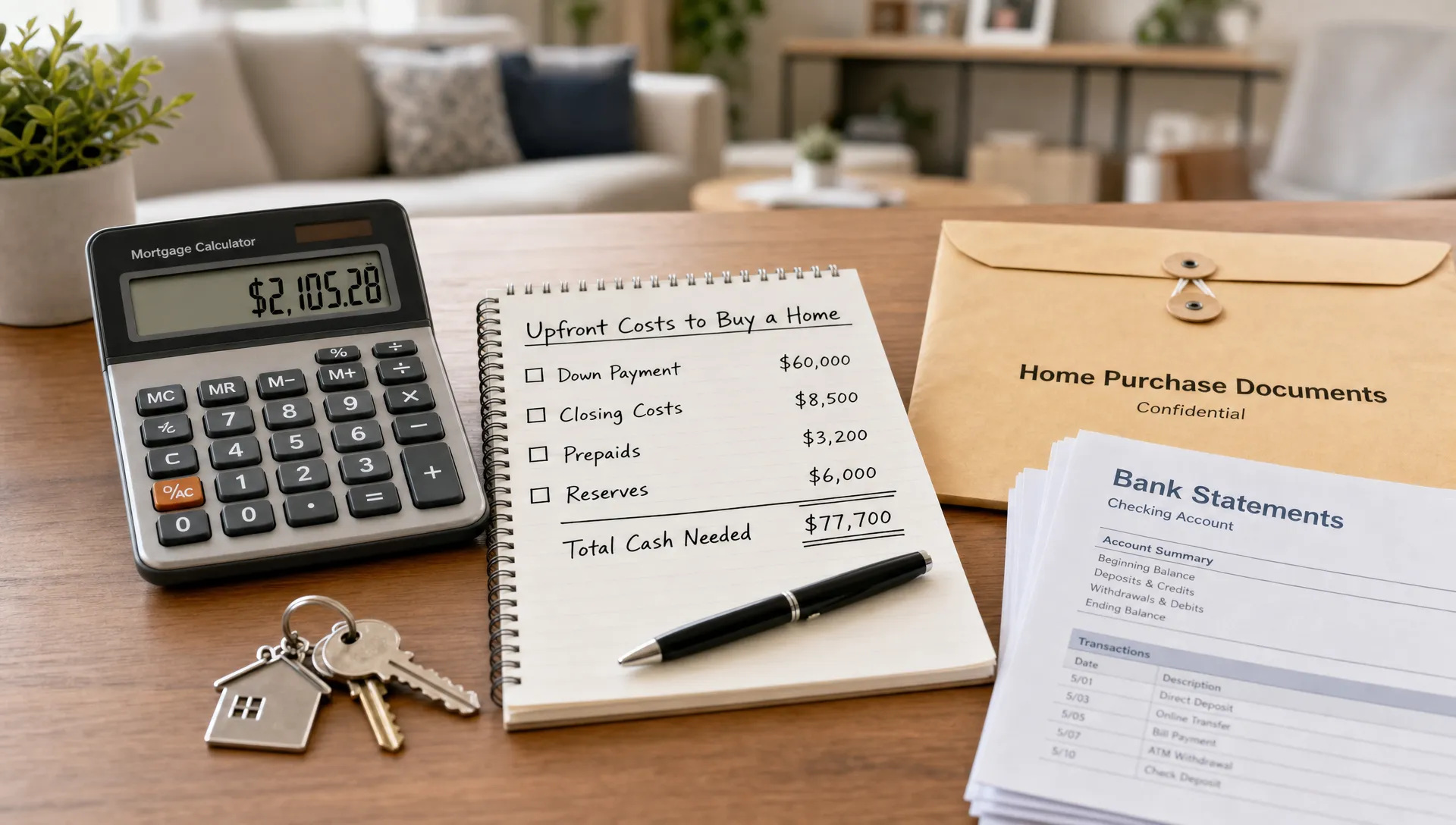
Buying a home rarely comes down to one number. The down payment gets most of the attention, but buyers also need cash for closing costs, prepaid taxes and insurance, inspections, moving expenses, and sometimes reserves after closing. That is why many borrowers search for down payment loans when their income can support a mortgage payment, but their savings have not caught up yet.
The good news is that you may have more options than you think. A 20% down payment is not required for many buyers, and in some cases, the smarter move is not to borrow more, but to use the right loan program, assistance option, gift funds, or credit strategy. For context, the National Association of Realtors has reported that the typical first-time buyer puts far less than 20% down, which reflects how common lower down payment paths have become.
The key is knowing which sources of funds are acceptable to mortgage lenders and which ones can hurt your approval. A down payment solution should help you get into a home without creating a payment shock, underwriting issue, or cash shortage right after closing.
What are down payment loans?
The phrase down payment loans can mean a few different things. In everyday conversation, buyers may use it to describe any money borrowed to cover upfront homebuying costs. In mortgage underwriting, however, the details matter.
A legitimate down payment loan is usually one of the following:
- A down payment assistance loan from a state, county, city, housing agency, nonprofit, or approved program provider
- A forgivable or deferred second mortgage used with a first mortgage
- A secured loan against an acceptable asset, such as a retirement account or home equity, depending on the situation and program guidelines
- A repayable assistance loan with monthly payments included in your debt-to-income ratio
What it usually does not mean is taking out a regular unsecured personal loan or credit card cash advance right before applying for a mortgage. Those debts can create problems because the lender must verify the source of funds, count the new payment in your debt ratio, and confirm the funds meet program rules.
If you are still deciding how much cash you actually need, New Era Lending has a helpful overview of the down payment for a home loan and how requirements vary by loan type.
Start with your real cash-to-close number
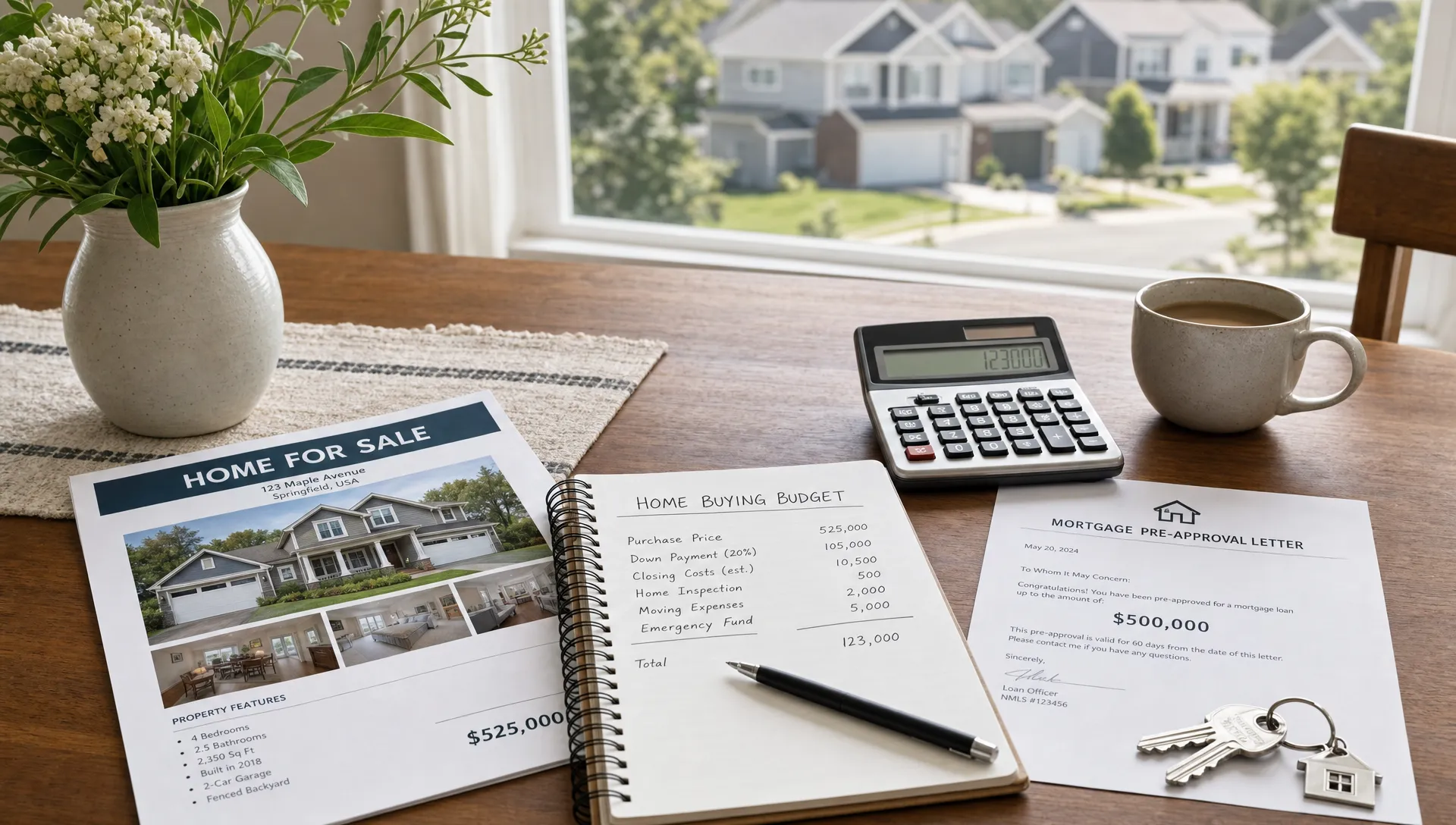
Before comparing down payment loans, calculate your total cash to close. This is the amount you need to bring to settlement after your loan amount, credits, deposits, and verified funds are factored in.
Your down payment is only one part of that total. Closing costs can often add thousands of dollars, and prepaid items can surprise buyers who only budgeted for the down payment. If you want a deeper breakdown, this guide to closing costs and overlooked fees explains the common expenses buyers should plan for.
Upfront cost              | What it covers                                                          | Can assistance sometimes help?
Down payment              | Your required contribution toward the purchase price                    | Yes, depending on program rules
Closing costs             | Lender fees, title fees, appraisal, recording, and related charges      | Yes, through some assistance, seller credits, or lender credits
Prepaids and escrow setup | Homeowners insurance, property taxes, and interest collected at closing | Sometimes, depending on loan and assistance guidelines
Inspections               | Home inspection, pest inspection, or specialized evaluations            | Usually paid outside closing and often not covered
Reserves | Funds left after closing, if required or recommended | Assistance may not replace reserve requirements Smart ways to cover upfront costs
The best option depends on your loan type, credit profile, income, location, military eligibility, property type, and how long you plan to stay in the home. Here are the most common ways buyers reduce or cover upfront costs without derailing mortgage approval.
Down payment assistance loans
Down payment assistance, often called DPA, is one of the most direct solutions. These programs are commonly offered by housing finance agencies, local governments, nonprofits, or approved partners. They may be structured as grants, deferred loans, forgivable second mortgages, or repayable second mortgages.
Some programs are limited to first-time home buyers, but first-time buyer often means you have not owned a home in the past three years. Others may be available to repeat buyers in specific areas or occupations. Income limits, purchase price limits, homebuyer education, and occupancy requirements are common.
Because DPA rules vary widely, it is worth reviewing how down payment assistance for first-time home buyers typically works before assuming you do or do not qualify.
Forgivable or deferred second mortgages
A forgivable second mortgage may not require repayment if you meet certain conditions, such as living in the home as your primary residence for a set period. A deferred second mortgage may not require monthly payments, but it often becomes due when you sell, refinance, transfer the property, or pay off the first mortgage.
These can be powerful tools, but read the terms carefully. A program that looks like free help may have repayment triggers. If you plan to move in two or three years, a forgivable loan with a five-year occupancy requirement may be less attractive than it first appears.
Low down payment mortgage programs
Sometimes the best down payment loan is no separate loan at all. You may qualify for a mortgage that reduces the down payment requirement in the first place.
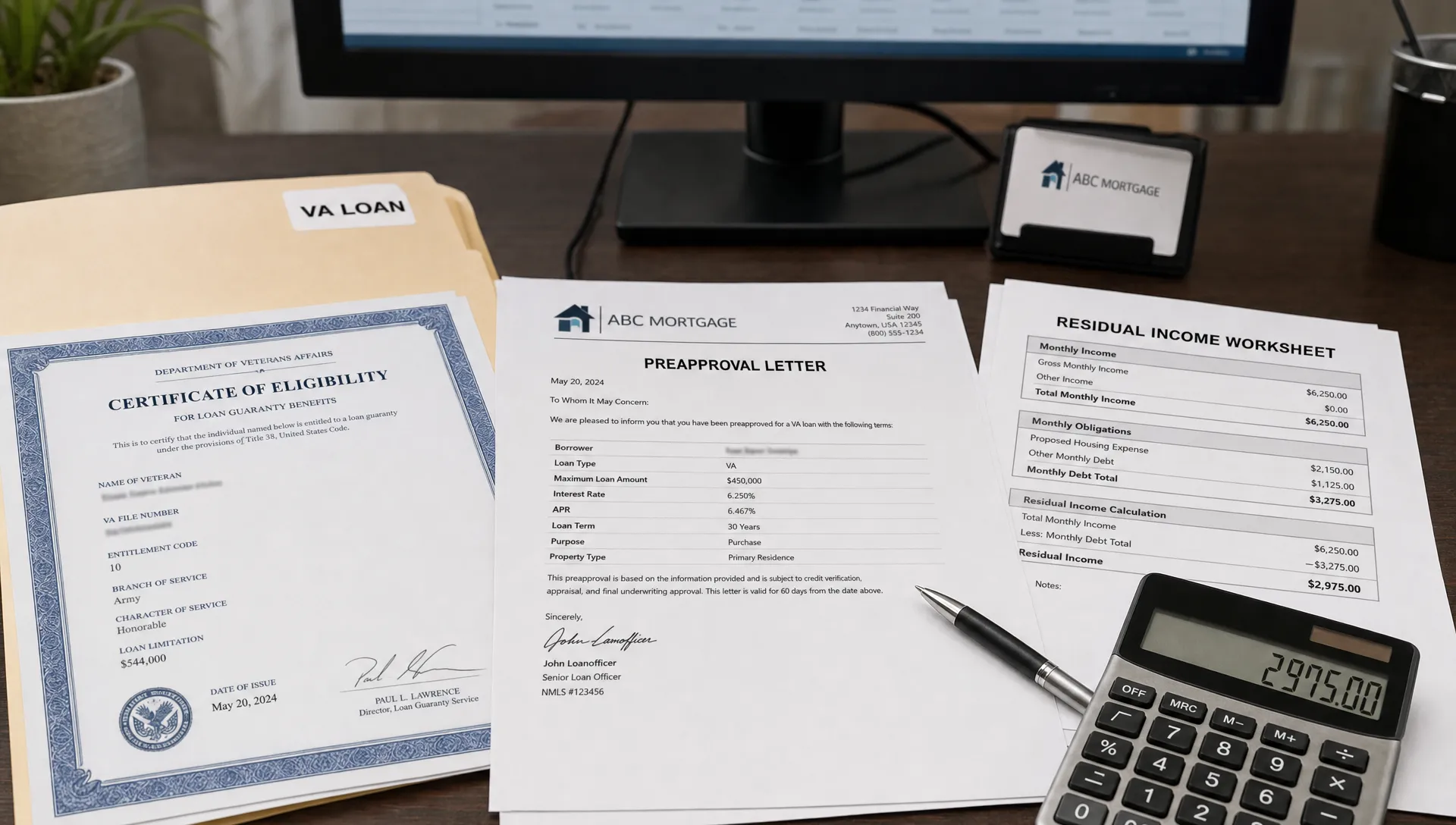
Conventional loans may allow down payments as low as 3% for eligible borrowers. FHA loans often allow 3.5% down for borrowers who meet credit and underwriting requirements. VA loans, for eligible service members, veterans, and surviving spouses, may offer 0% down, while USDA loans may offer 0% down for eligible rural and suburban properties and income-qualified borrowers. Program rules, fees, and eligibility requirements apply, so compare the full monthly payment and long-term cost.
For buyers trying to reduce cash needed upfront, reviewing lower down payment mortgage options can be just as important as looking for a separate loan.
Gift funds from family or approved sources
Gift funds can help with a down payment or closing costs if they meet the loan program's documentation rules. Typically, the lender will need a signed gift letter confirming the money is not expected to be repaid. The donor may also need to show where the funds came from.
The biggest mistake is moving money around without a paper trail. Large deposits that cannot be documented may create delays or require additional conditions before closing.
Seller credits and lender credits
Seller credits and lender credits usually help with closing costs rather than the down payment itself, but they can still reduce the cash you need to bring to closing.
A seller credit is negotiated as part of the purchase contract. The seller agrees to contribute toward eligible buyer costs, subject to loan program limits. A lender credit may reduce upfront costs in exchange for a higher interest rate. Neither is automatically good or bad. The right choice depends on how long you expect to keep the loan, how much cash you have, and whether the monthly payment remains comfortable.
Secured borrowing for move-up buyers
If you already own a home, options such as a home equity line of credit, bridge loan, or proceeds from selling your current property may help with the next purchase. These strategies are more complex because timing matters. You may need to qualify with both housing payments, document the source of funds, and manage contingencies in your purchase contract.
Retirement account loans are another possibility for some buyers, but they should be treated carefully. Borrowing from retirement can reduce long-term savings, create tax consequences if not repaid according to plan rules, and add a payment that may affect mortgage approval. Speak with a financial or tax professional before using retirement funds.

Options that can backfire
When buyers feel close to homeownership, it is tempting to grab the fastest money available. Unfortunately, fast money is not always mortgage-friendly money.
Unsecured personal loans are a common example. Even if the cash lands in your bank account, the lender will likely see the new debt on your credit report or bank statements. The monthly payment may raise your debt-to-income ratio, and the funds may not be acceptable for your minimum required investment.
Credit cards and cash advances are even riskier. They can increase utilization, lower your credit score, and create expensive revolving debt at the exact moment your loan file is being reviewed. Opening new accounts during the mortgage process can also trigger additional underwriting questions.
Undocumented cash is another problem. Mortgage lenders must verify where funds came from. Cash kept at home, transfers from friends without gift documentation, or sudden deposits from unclear sources can delay closing or make funds ineligible.
Business funds require extra care, especially for self-employed borrowers. Moving money from a business account to a personal account may be allowed in some cases, but the lender may need to verify that the withdrawal will not harm the business. If you are balancing a home purchase with business expansion or relocation costs, keep those plans separate and documented. For example, an entrepreneur comparing overseas workspace costs might use an office space marketplace in Malta to estimate commercial rent before deciding how much cash can safely be allocated to a home purchase.
The general rule is simple: before borrowing or moving money, ask your mortgage professional how it will be treated.
How lenders evaluate down payment funds
Mortgage approval is not only about having enough money. The lender also needs to confirm that the money is allowed, documented, and consistent with the loan program.
What lenders review        | Why it matters
Source of funds            | Confirms the money is from an acceptable source, such as savings, gift funds, assistance, or approved asset borrowing
Repayment terms            | Determines whether a second loan payment must be included in your debt-to-income ratio
Program eligibility        | Verifies that the assistance or loan is allowed with your mortgage type
Combined loan-to-value     | Measures total financing compared with the home's value when a second mortgage is involved
Documentation              | Supports underwriting with bank statements, gift letters, assistance approvals, or loan terms
Occupancy and income rules | Confirms you meet any requirements tied to assistance programs or special loan options How to choose the right approach
A smart down payment strategy should answer more than one question. It should help you buy the home, keep your payment manageable, and leave you financially stable after closing.
Consider these factors before choosing a loan or assistance path:
- Total monthly payment: Include the first mortgage, mortgage insurance if applicable, property taxes, homeowners insurance, HOA dues, and any second mortgage payment.
- True cost over time: A lender credit may reduce upfront cash but raise the rate. A repayable assistance loan may solve today's cash gap but add another monthly payment.
- Repayment triggers: Forgivable or deferred programs may become due if you sell or refinance before a required period ends.
- Cash reserves: Draining every dollar for the down payment can leave you vulnerable to repairs, moving costs, or income interruptions.
- Offer strength: Some sellers and listing agents may evaluate financing type, assistance timelines, and closing certainty when comparing offers.
The right answer is not always the option with the lowest upfront cost. Sometimes putting slightly more down, keeping a cleaner loan structure, or using credits for closing costs can create a smoother approval and better long-term outcome.
A practical plan for covering upfront costs
If you are trying to bridge the gap between your savings and the cash needed to buy, use a step-by-step approach.
- Estimate your cash to close early: Ask for a realistic estimate that includes down payment, closing costs, prepaids, escrow setup, inspections, and reserves.
- Get preapproved before applying for new credit: A preapproval can show whether new debt would help or hurt your qualifying position.
- Compare loan programs first: A lower down payment mortgage may reduce the need for separate borrowing.
- Check assistance options by location: Many DPA programs are tied to the property address, income limits, or local housing goals.
- Document every dollar: Keep bank statements, gift letters, assistance approvals, and transfer records organized.
- Avoid major financial changes before closing: Do not open new credit, make large unexplained deposits, or move funds between accounts without guidance.
This process can save time because it narrows your options to the ones that actually work with mortgage underwriting. It also helps prevent last-minute surprises when you are already under contract.
Frequently Asked Questions
Can I get a loan for my down payment? Yes, but not every loan is acceptable. Down payment assistance loans, approved second mortgages, and certain secured loans may be allowed, depending on the mortgage program. Unsecured personal loans are often problematic because they add debt and may not qualify as acceptable funds.
Are down payment assistance loans only for first-time buyers? Not always. Many programs focus on first-time buyers, but some define first-time as not owning a home in the past three years. Others may serve repeat buyers, specific occupations, veterans, or buyers in targeted areas.
Do down payment loans have to be repaid? Some do and some do not. Grants may not require repayment. Forgivable loans may be erased after you meet occupancy requirements. Deferred loans may be due when you sell or refinance. Repayable second mortgages usually require monthly payments.
Can seller credits replace my down payment? Usually no. Seller credits generally help cover eligible closing costs and prepaid expenses, not the buyer's required down payment. However, reducing closing costs can free up your own funds for the down payment.
Will using assistance make my offer weaker? Not necessarily. It depends on the program, seller expectations, market conditions, and how prepared your lender is. A well-documented preapproval and clear assistance approval can help strengthen your position.
Make your upfront-cost strategy clearer
Down payment loans can be useful, but they work best when they are part of a complete financing plan. The smartest path may be a true assistance loan, a lower down payment mortgage, gift funds, seller credits, or a combination that keeps your approval strong and your post-closing budget healthy.
New Era Lending helps buyers compare mortgage options with smart technology, secure document uploads, e-signature support, and personalized human guidance. If you are planning a purchase and want to understand your down payment, closing costs, and assistance options, connect with a lending professional before you move money or apply for new credit.