.jpg)
.jpg)





.jpg)


How to Lower Your Monthly Mortgage Payment Safely
Lowering your mortgage payment can create real breathing room in your budget, but the safest path is not always the one with the lowest number on next month’s statement. A smaller payment can come with tradeoffs: a longer payoff timeline, new closing costs, more interest over time or the risk of resetting progress you have already made.
The goal is to lower your monthly mortgage payment without weakening your long-term financial position. That means looking beyond the advertised rate and asking what changes, what costs are added and how long you plan to keep the loan.
Below are practical ways to reduce your payment safely, plus the questions to ask before you refinance, remove mortgage insurance, adjust escrow or make a bigger housing decision.
Start with your full housing payment, not just principal and interest
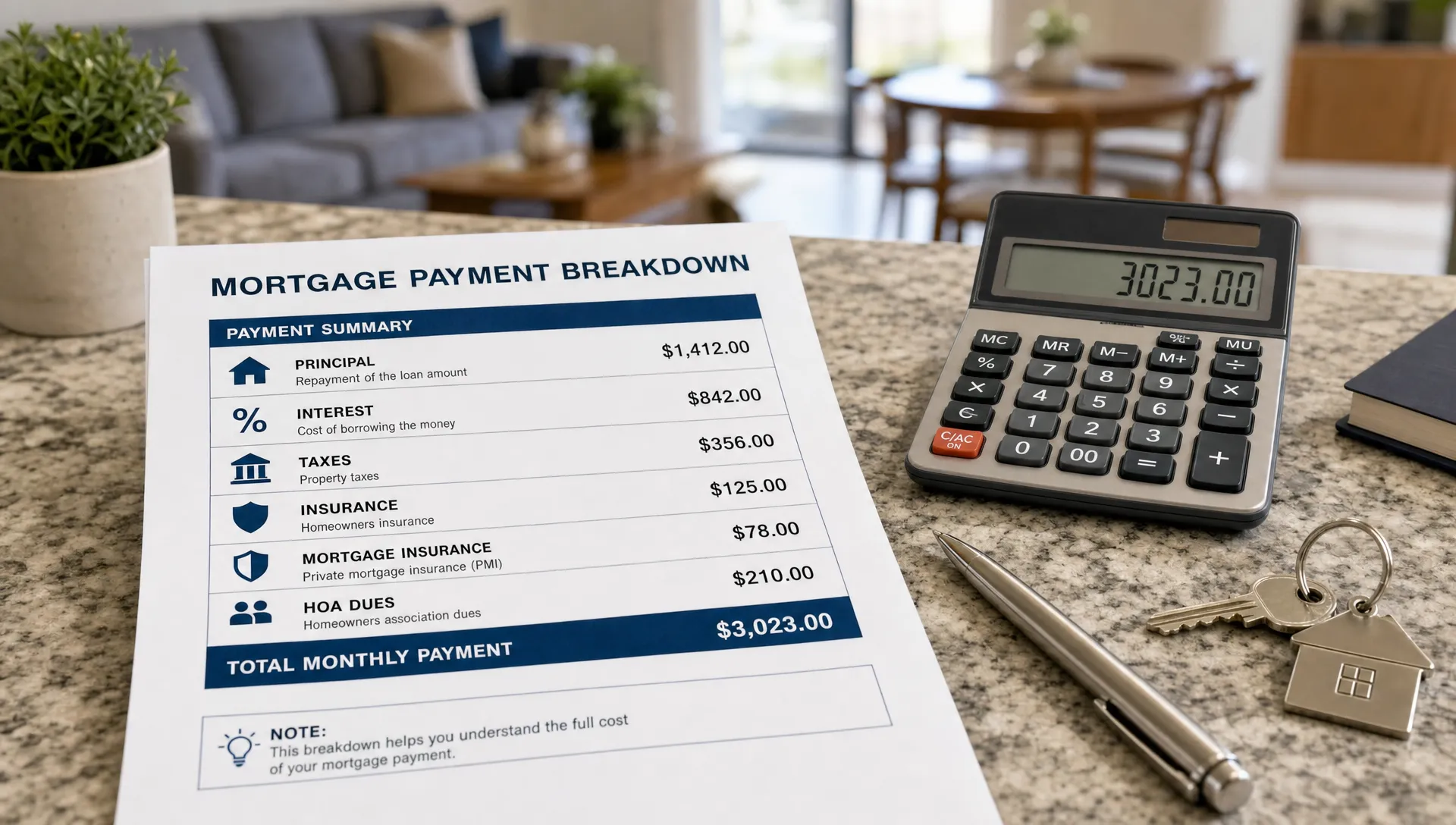
Many homeowners think of their mortgage payment as one number, but it usually includes several moving parts. Before you decide which strategy makes sense, break your payment into its components.
| Payment component | What it covers | Can it usually be reduced? |
|---|---|---|
| Principal | Repayment of the loan balance | Sometimes, through recasting or a new loan structure |
| Interest | Cost of borrowing | Often, if you qualify for a lower rate or refinance effectively |
| Property taxes | Local tax assessment | Sometimes, through appeal or exemption programs |
| Homeowners insurance | Coverage for the property | Often, by shopping policies or adjusting coverage carefully |
| Mortgage insurance | PMI, MIP or similar coverage | Sometimes, if equity or loan rules allow removal |
| HOA dues | Community fees, if applicable | Rarely, unless you move or reassess housing choices |
This matters because a refinance may lower principal and interest but leave taxes, insurance and HOA dues unchanged. On the other hand, a successful insurance review or PMI removal can lower your total payment without replacing your loan.
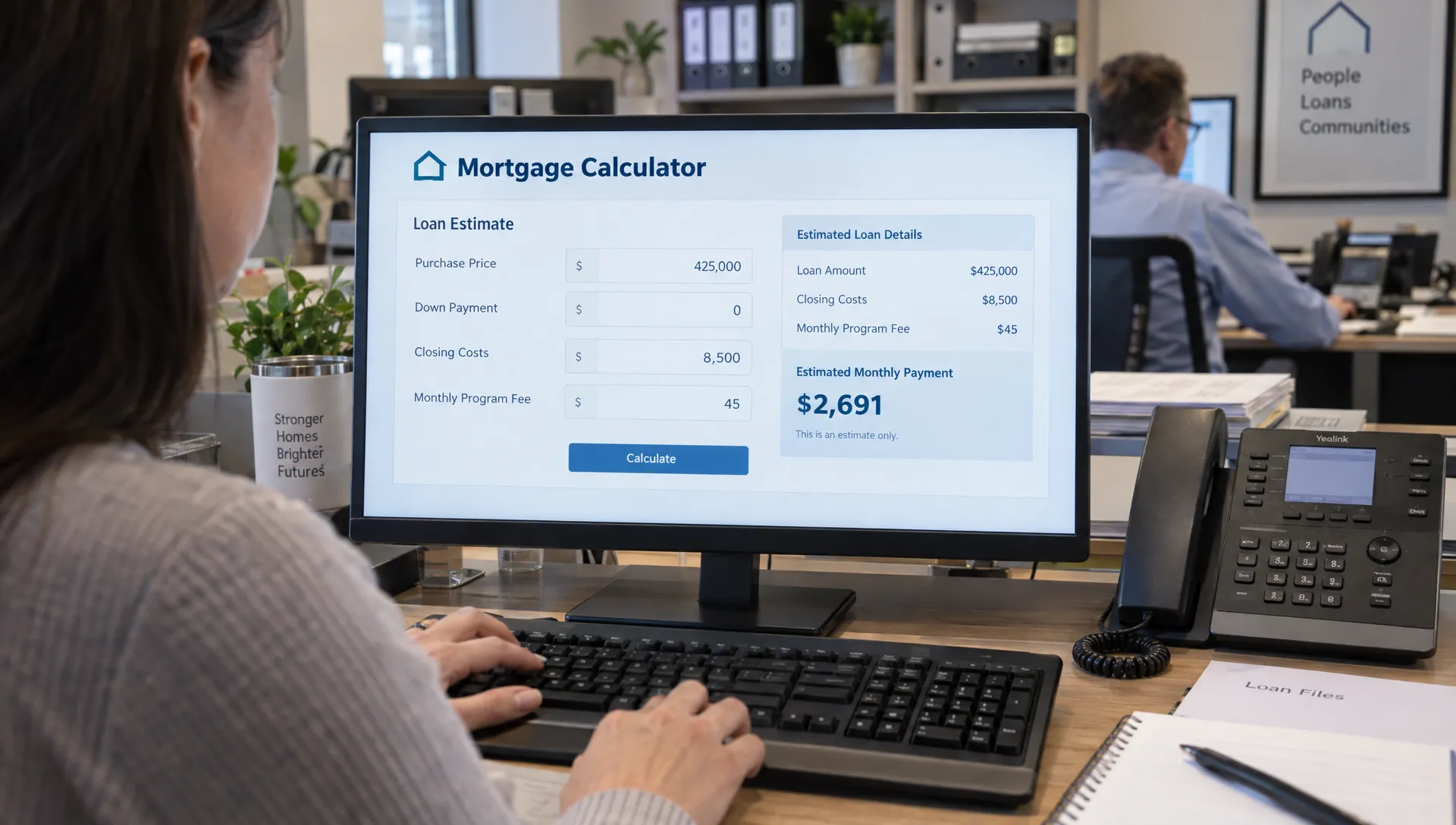
If you are still mapping out your numbers, New Era Lending’s guide on how to estimate your monthly mortgage payment can help you separate the pieces before comparing options.
Define “safe” before chasing a lower payment
A safe payment reduction should pass three tests. First, it should improve monthly cash flow in a way that actually helps your household. Second, it should not create surprise costs you cannot comfortably absorb. Third, it should fit your likely timeline in the home.
For example, refinancing to lower your payment may make sense if the monthly savings outweigh the closing costs within a reasonable period. But if you expect to sell in 12 months, paying thousands in new loan costs for a slightly lower payment may not be worth it.
A safe strategy also avoids stretching your budget too far in a different direction. Paying discount points to lower your rate can be smart for some homeowners, but not if it drains your emergency fund. Extending a loan term can reduce the monthly bill, but it may increase total interest if you keep the loan for many years.
Use this quick filter before you commit:
- Monthly savings: How much will the total housing payment decrease after all changes?
- Upfront cost: What will you pay in closing costs, points, fees or escrow adjustments?
- Break-even point: How many months of savings are needed to recover the cost?
- Total interest: Will you pay more over the life of the loan?
- Flexibility: Does the new structure still let you save, invest and handle emergencies?
Refinance only when the numbers support it
A refinance is one of the most common ways to lower a monthly mortgage payment. You replace your current mortgage with a new one, ideally with better terms, a lower rate, a longer term or a structure that fits your current goals.
A rate-and-term refinance may reduce your payment if you can secure a lower interest rate or extend the repayment term. For homeowners with higher-rate loans, this can be a strong option. For homeowners who already have a low rate, the math may be less favorable, especially after closing costs.
The safe way to evaluate a refinance is to compare total cost, not just the new monthly payment. Ask your lender for a clear view of:
- The new principal and interest payment
- Estimated taxes, insurance and escrow changes
- All closing costs
- Whether costs are paid upfront or rolled into the new loan
- How the new loan term compares with your remaining term
- The break-even timeline
Rolling closing costs into the loan can reduce the cash needed at closing, but it does not make those costs disappear. They become part of the balance you repay with interest. That can still be reasonable, but you should understand the tradeoff.
If you are specifically exploring refinance structures, compare the options in Mortgage Loan Refinance: Options to Lower Payment or Term before you decide which path fits your goal.
Improve your rate offer before applying
A lower rate can lower your monthly mortgage payment, but the offer you receive depends on your financial profile and the loan details. Even small changes can matter when you are borrowing a large amount.
Common factors that influence mortgage pricing include credit score, debt-to-income ratio, loan-to-value ratio, occupancy type, loan program and whether you choose points or lender credits. You cannot control every factor, but you can often improve the ones lenders review most closely.
Practical steps may include paying down revolving credit balances, avoiding new debt before applying, correcting credit report errors and gathering complete income documentation. If you are self-employed or have variable income, organized documentation can make the review smoother.
You can also compare the cost of buying down the rate. Paying points may lower the monthly payment, but the longer you stay in the loan, the more likely you are to benefit. If you sell or refinance again too soon, you may not recover the upfront cost.
For a deeper look at pricing factors, New Era Lending explains how to get a lower rates mortgage offer without focusing only on the advertised rate.
Remove mortgage insurance when eligible
Mortgage insurance can add a meaningful amount to your monthly payment. If you have private mortgage insurance on a conventional loan, you may be able to request cancellation once you reach enough equity, subject to lender rules, payment history and property value requirements.
There are different rules depending on the loan type. Conventional PMI often has cancellation paths based on equity. FHA mortgage insurance works differently and may not be removable without refinancing, depending on when the loan was originated, down payment and loan term. VA loans do not have monthly mortgage insurance, though they may include a funding fee. USDA loans have their own guarantee fee structure.
The safest first step is to contact your loan servicer and ask exactly what is required. Do not assume your home value has automatically triggered cancellation. Your servicer may need a written request, an appraisal or proof that no subordinate liens exist.
PMI removal is especially attractive because it can reduce the monthly payment without resetting your entire mortgage. If your equity has grown due to appreciation, extra payments or years of regular repayment, this is worth checking before you refinance.
Review homeowners insurance without underinsuring the property
Homeowners insurance premiums can rise over time, especially in markets affected by weather risk, rebuilding costs and insurance carrier changes. Since insurance is often paid through escrow, an increase can raise your monthly mortgage payment even when your loan terms have not changed.
Shopping insurance may help, but the goal is not to cut coverage below what you need. A cheaper policy can become expensive if it leaves gaps after a claim. Review deductibles, dwelling coverage, personal property limits, liability coverage and exclusions carefully.
You may be able to lower premiums by comparing carriers, bundling policies, improving home safety features or choosing a higher deductible that still fits your emergency fund. If you increase your deductible, make sure you can actually pay it after a storm, fire or other covered event.
Escrow changes can be confusing because your servicer may adjust the payment after an annual analysis. If your payment jumped, ask whether the increase came from insurance, taxes, a prior escrow shortage or a combination.

Check property tax assessments and exemptions
Property taxes are another major part of many mortgage payments. If your tax bill rises, your escrow payment may rise with it. Homeowners usually cannot negotiate tax rates directly, but you may have options if your property assessment is incorrect or if you qualify for an exemption.
Look up your local assessor’s process for appeals, deadlines and documentation. In many areas, you may need comparable property values, photos, repair estimates or evidence that the assessed value is higher than market reality. Missing the filing window can mean waiting another year.
Also check for exemptions tied to homestead status, age, disability, veterans benefits or other local programs. These rules vary widely by state, county and municipality, so your local tax authority is the best source.
A successful appeal or exemption can lower the escrow portion of your mortgage payment, but it may take time to show up. Keep records and notify your loan servicer once the tax bill changes.
Ask whether a mortgage recast is available
A mortgage recast, sometimes called re-amortization, can lower the monthly principal and interest payment without replacing your loan. You make a lump-sum payment toward the principal, then the lender recalculates the payment based on the lower balance and remaining term.
This can be useful if you receive a bonus, inheritance or proceeds from selling another property and want a lower monthly payment while keeping your current interest rate. Recasting usually has a fee, but it is often less expensive than a full refinance. Availability depends on loan type and lender rules, and not every mortgage can be recast.
The tradeoff is liquidity. Once you put a large amount into the home, that cash is no longer easily available. Recasting is safest when you still have enough emergency savings after the lump-sum payment.
Be careful with extending the loan term
Extending the loan term is one of the most direct ways to reduce a monthly mortgage payment. If you refinance from a mortgage with 22 years remaining into a new 30-year loan, the payment may fall because the balance is spread over more years.
That lower payment may be helpful if your income changed, you need to free up monthly cash flow or you are prioritizing debt reduction elsewhere. The risk is that you may pay more total interest over time.
This does not automatically make term extension a bad idea. It simply means you need to decide whether the monthly relief is worth the long-term cost. Some homeowners choose a longer term for flexibility, then pay extra principal when cash flow allows. Before doing that, confirm whether the loan has any prepayment penalty. Many mortgages do not, but you should verify.
A balanced approach is to compare the required payment with your ideal payment. If the new loan gives you a lower required payment but you can voluntarily pay more in strong months, you may gain flexibility without giving up all progress.
Avoid risky shortcuts that only look cheaper
Some options lower the payment today but create larger problems later. That does not mean they are always wrong, but they require extra caution.
Adjustable-rate mortgages can begin with a lower payment than fixed-rate loans, but the payment may rise after the initial period if market rates change. Interest-only loans can also reduce early payments, but they delay principal repayment and may lead to payment shock later. Cash-out refinancing can be useful for specific goals, but increasing your loan balance to pay unsecured debt may put your home at greater risk if spending habits do not change.
Loan modification, forbearance or repayment plans may be appropriate if you are experiencing hardship. In that case, speak with your servicer early and keep written records. You can also seek help from a HUD-approved housing counselor if you are behind or worried about missing payments.
Be wary of anyone promising guaranteed payment reduction, pressuring you to sign quickly or asking for upfront fees to “save” your home. A safe mortgage decision should be clear enough for you to explain in plain language before you sign.
Consider whether the home still fits your life
Sometimes the safest way to lower housing costs is not a loan adjustment. It is a broader housing decision. Downsizing, relocating, renting out unused space where allowed or moving to a lower-maintenance property can reduce the full cost of ownership, including utilities, maintenance, insurance, taxes and HOA dues.
This is especially relevant for empty nesters, retirees and homeowners whose monthly mortgage payment is only one piece of a bigger affordability issue. A smaller loan payment will not solve the budget if the home still requires expensive upkeep.
Housing options vary by country and life stage. For example, some buyers researching lower-maintenance later-life living compare residential communities such as luxury park home bungalows with traditional homes to understand how downsizing, location and property style can affect total monthly housing costs.
If you are staying in the U.S. market, the same principle applies: compare the total cost of ownership, not just the mortgage. A less expensive home with higher taxes, steep HOA dues or major repair needs may not improve your budget as much as expected.
Run the break-even math before choosing a strategy
The break-even calculation tells you how long it takes for monthly savings to recover upfront costs. It is not the only factor, but it is one of the clearest ways to avoid a bad deal.
Here is a simple example:
| Refinance item | Example amount |
|---|---|
| Current total payment | $2,450 per month |
| New estimated total payment | $2,250 per month |
| Monthly savings | $200 |
| Closing costs | $4,000 |
| Break-even point | 20 months |
In this example, the homeowner needs to keep the new loan for about 20 months to recover the closing costs through monthly savings. If they plan to sell in a year, the refinance may not be worthwhile. If they plan to stay for five years and the new loan is otherwise appropriate, it may make sense.
Break-even math becomes more complex when costs are rolled into the loan, the term changes or escrow refunds are involved. Ask your lender to show the side-by-side comparison in writing. You should be able to see current loan, proposed loan, payment difference, closing costs, cash needed at closing and estimated long-term interest.
Match the strategy to your situation
The right way to lower your payment depends on why the payment feels too high. A homeowner with a strong interest rate but rising escrow costs needs a different solution than someone with an older high-rate loan. A homeowner with new equity may start with PMI removal, while someone with a temporary hardship may need to talk with the servicer before missing a payment.
| Your situation | Safer first options to explore |
|---|---|
| Your interest rate is high compared with current offers | Rate-and-term refinance, with break-even analysis |
| You have gained significant equity | PMI cancellation, refinance review or recast if available |
| Escrow increased sharply | Insurance review, tax assessment check, escrow analysis request |
| You received a lump sum | Recast, principal payment or savings reserve comparison |
| You need temporary relief due to hardship | Contact servicer early and ask about available assistance |
| The home no longer fits your budget or lifestyle | Downsizing, relocation or broader housing cost review |
The safest path often starts with the least disruptive option. Check escrow, insurance, taxes and PMI before replacing your loan. Then compare refinance offers if the loan itself is the main issue.
Questions to ask your lender before you sign
A trustworthy mortgage conversation should make the tradeoffs clear. Before moving forward, ask direct questions and make sure the answers match the documents you receive.
- What is my new total monthly payment, including escrow? Principal and interest alone may not reflect your real payment.
- How much will I pay in closing costs? Ask for the total, not just lender fees.
- Are any costs being rolled into the loan? If yes, ask how that changes the balance and long-term interest.
- How long is my break-even period? Compare it with how long you expect to keep the home or loan.
- Does the loan term restart? A lower payment may come from stretching repayment over more years.
- Is there a prepayment penalty? Confirm this before relying on future extra principal payments.
- What happens if taxes or insurance rise? Your payment may still change if escrow changes later.
If the answer is unclear, slow down. A lower monthly payment is only helpful if you understand what you are accepting.
Frequently Asked Questions
What is the safest way to lower your monthly mortgage payment? The safest first step is to review your full payment, including escrow, insurance, taxes and mortgage insurance. PMI removal, insurance shopping or tax corrections may reduce the payment without replacing your loan. If the loan terms are the issue, compare refinance options with closing costs and break-even timing.
Does refinancing always save money? No. Refinancing can lower your monthly payment, but it may add closing costs, restart the loan term or increase total interest. It is safest when the monthly savings, new terms and expected time in the home justify the cost.
Can I lower my payment without refinancing? Yes. Depending on your situation, you may be able to remove PMI, recast the mortgage, shop homeowners insurance, appeal property taxes or correct escrow issues. These options do not require a full refinance, though eligibility varies.
Is it bad to extend my mortgage term to lower the payment? Not always, but it can increase total interest if you keep the loan for the full term. It may be useful for cash-flow flexibility, especially if you can make extra principal payments later. Compare both monthly relief and long-term cost before deciding.
Should I pay points to lower my mortgage rate? Paying points can make sense if you keep the loan long enough to recover the upfront cost through monthly savings. If you may sell or refinance soon, the break-even period may be too long.
Lower your payment with a plan, not guesswork
Lowering your monthly mortgage payment safely comes down to clarity. Know what part of the payment you are reducing, what it costs to make the change and how the decision affects your future flexibility.
New Era Lending combines smart mortgage technology with personalized human guidance to help homeowners compare purchase, refinance and equity options with confidence. If you want to understand whether a refinance, recast alternative or another strategy fits your numbers, connect with New Era Lending and review your options before making a move.