.jpg)
.jpg)





.jpg)

Investment Property Loans With No Down Payment: What to Know
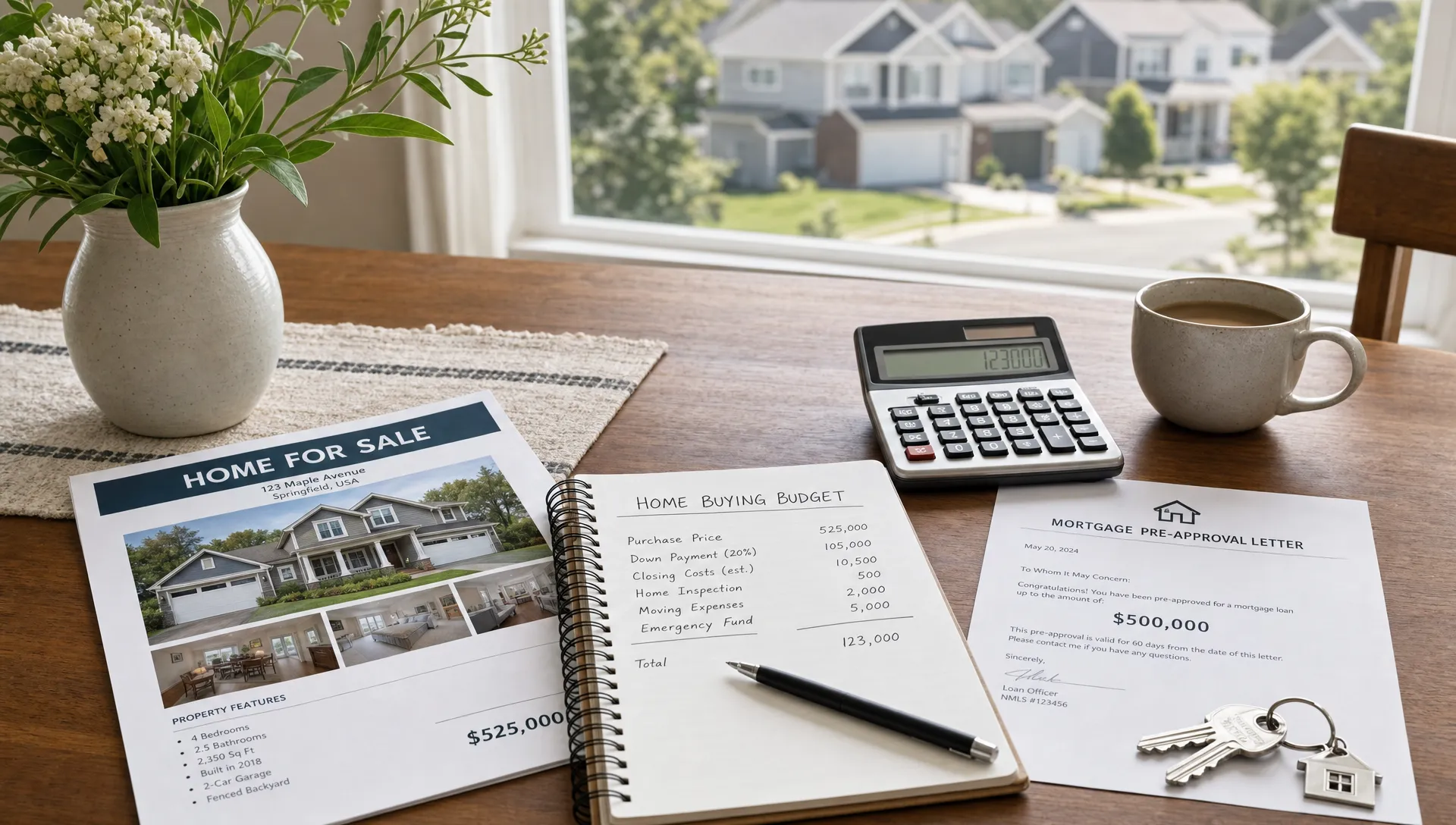
Searching for investment property loans with no down payment can lead to offers that sound simpler than they are. For a property you will rent out without living in it, zero-down financing is not a standard mortgage option. Most lenders require you to contribute equity, pledge other collateral or bring in another source of funding.
There are workable alternatives, but they solve different problems. An eligible buyer might purchase an owner-occupied multifamily home with a VA loan. Another investor might borrow against existing equity or negotiate seller financing. None of these automatically means buying a rental with no cash, no additional debt or no financial risk.
Separate the down payment from the cash you need
Before comparing offers, identify what the lender actually means by “zero down.”
| Description | What it means | What may still be required |
|---|---|---|
| No required down payment | The purchase mortgage can finance the eligible purchase price | Closing costs, reserves and property expenses |
| No personal cash toward the down payment | Another permitted source supplies the required funds | Additional payments, partner equity or repayment obligations |
| No cash at closing | Eligible financing and credits cover settlement costs | Reserves, inspection expenses and future repairs |
These are not interchangeable promises. Ask for a written explanation of the funding sources, collateral and cash required before treating any advertisement as a financing plan.
When investment property loans with no down payment involve living in the property
One legitimate route is buying a property that serves as both your home and a source of rental income. Often called house hacking, this strategy can involve living in one unit of a small multifamily property while renting the others.
For eligible veterans, service members and certain surviving spouses, a VA purchase loan may allow a qualifying property with up to four residential units. The buyer must occupy the property as a primary residence and meet the applicable occupancy requirements.
The VA’s purchase-loan guidance explains that no down payment is generally required when the sales price does not exceed the appraised value. Available entitlement and lender requirements also affect eligibility.
This is not a workaround for purchasing a rental you never intend to occupy. Representing an investment property as your primary residence to obtain better financing can constitute mortgage fraud.
Rental income also does not guarantee approval. The lender determines whether projected rent can count toward qualification and what documentation, reserves and property conditions are required. A vacant unit or an unverified rental estimate may not support the income calculation you expected.
Start by deciding whether living in the property fits your plans. Then have the lender evaluate the specific building rather than assuming that every duplex or fourplex qualifies.
Why other low-down-payment programs may not fit
Many search results mix primary-residence assistance with investor financing. That distinction matters because investment property loans with no down payment generally cannot rely on programs intended exclusively for owner-occupants.
USDA financing can offer eligible buyers no-down-payment homeownership opportunities in qualifying locations. However, the USDA guaranteed loan program requires the home to serve as the borrower’s primary residence. It is not a program for buying a property solely to rent to tenants.
FHA financing may support an eligible owner-occupied property with one to four units, but it ordinarily requires a down payment. For qualifying borrowers, that minimum can be 3.5%. Permitted assistance may reduce the buyer’s personal contribution, but the loan itself is not inherently zero down.
Down payment assistance programs have their own restrictions. Many require primary occupancy, impose income limits or include repayment conditions. Do not assume that an assistance program covers a non-owner-occupied rental just because it covers home purchases.
Likewise, seller credits generally help pay eligible closing costs, not the required down payment. Gift-fund rules are also more restrictive for investment properties than for primary residences.
For a baseline comparison, New Era Lending’s explanation of investment property down payments helps separate ordinary equity requirements from alternative ways of funding them.
Using existing equity instead of savings
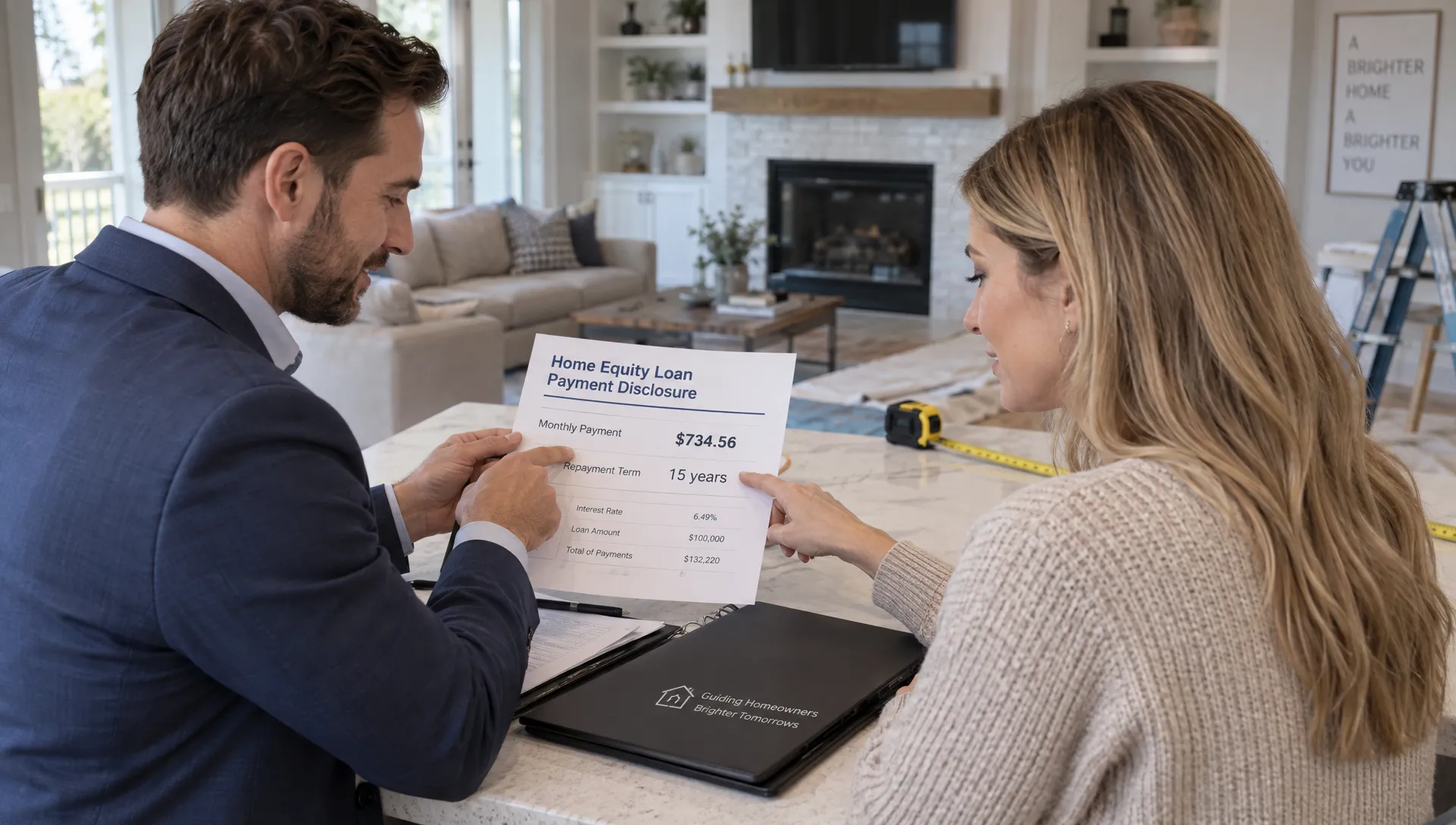
If you already own real estate, borrowing against its equity may provide funds for another purchase. Possible structures include a home equity loan, a HELOC or a cash-out refinance, subject to eligibility and lender rules.
For example, you might use an approved equity loan to supply the down payment on a rental and obtain a separate mortgage for the remaining purchase price. The rental mortgage still has a down payment. You have simply borrowed the money elsewhere.
This is why some advertised investment property loans with no down payment are more accurately described as purchases with no new savings contributed toward the down payment.
The lender must accept the funding source and account for the additional obligation when applicable. Available equity alone does not establish affordability or approval.
Compare the combined payments, not just the rental mortgage payment. A variable-rate HELOC can become more expensive, and borrowing against your primary residence puts that home at risk if you cannot meet the obligation.
Some portfolio or private lenders may consider additional property as collateral instead of requiring the same cash contribution. These arrangements are lender-specific, and multiple properties can become exposed to one financing problem. Ask whether selling or refinancing either property requires consent and what conditions allow collateral to be released.
Negotiating seller financing with little or nothing down
Seller financing means the seller accepts payments under an agreed financing arrangement rather than receiving the entire purchase price immediately. A seller could agree to little or no upfront payment, but there is no requirement that they do so.
When evaluating investment property loans with no down payment through seller financing, focus on the contract rather than the headline. The interest rate, repayment schedule and default provisions determine whether the arrangement is manageable.
A low initial payment may come with a balloon payment several years later. If your plan depends on refinancing that balance, consider what happens if property values fall, rental income weakens or you no longer qualify for a new loan.
Existing debt on the property creates another concern. A sale or financing arrangement may trigger a senior mortgage’s due-on-sale provision, depending on the circumstances.
Have a real estate attorney and title professional review ownership, liens, recording protections and the proposed documents. Confirm how taxes and insurance will be paid and what happens after a missed payment.
Seller financing can provide flexibility when both parties understand the risks. It should not replace title due diligence or a realistic repayment plan, especially when the seller’s willingness to accept zero down is the main attraction.
Reading private-lender and DSCR offers carefully
Private lenders sometimes advertise financing for the entire purchase price. The crucial question is which value they use to calculate their lending limit.
A loan covering 100% of the purchase price may still rely on substantial existing equity, additional collateral or a discounted acquisition price. “Up to 100% financing” does not necessarily mean financing the purchase, closing costs, renovation budget and reserves without limits.
With investment property loans with no down payment, distinguish loan-to-value (LTV) from loan-to-cost (LTC). LTV compares debt with the property value used by the lender. LTC compares financing with eligible project costs. The lender’s definitions and valuation method can materially change the cash needed.
DSCR loans assess rental income relative to the payment obligations defined by the lender. They may suit some investors whose qualification does not fit traditional personal-income underwriting, but a DSCR loan is not automatically a zero-down product. Equity, credit and reserve requirements still apply.
For any short-term or renovation loan, examine the maturity date, extension fees, interest calculation and draw conditions. A renovation budget funded through reimbursements may require you to advance money first.
Obtain a written explanation of the loan’s exit strategy. Selling or refinancing later is a plan, not a guaranteed outcome.
Calculate the money needed beyond the purchase price
A financing structure can eliminate one upfront expense while leaving several others untouched. Before comparing investment property loans with no down payment, build a cash plan that separates settlement costs from money you must retain after closing.
The following is an illustrative planning example, not a lender quote or a statement of required reserves:
| Item | Assumed amount |
|---|---|
| Purchase price | $250,000 |
| Down payment at an assumed 20% | $50,000 |
| Closing costs and prepaid expenses | $7,500 |
| Immediate repairs | $5,000 |
| Cash retained for vacancies and emergencies | $10,000 |
| Total funds needed or retained | $72,500 |
If the down payment were fully funded elsewhere or eliminated, the other amounts would still total $22,500, before any additional financing fees. The reserve amount is money retained, not necessarily paid at settlement.
Actual costs depend on the property, location and financing terms. Inspections and other expenses may also be due before closing.
Next, estimate monthly cash flow after all debt payments, property taxes, insurance, maintenance and management expenses. Include vacancy and larger repairs rather than treating gross rent as spendable income.
Borrowing the down payment increases leverage. It may preserve savings initially, but the additional payment can reduce the rental’s margin for error. A deal that works only with uninterrupted rent collection needs more scrutiny, not simply a smaller upfront contribution.
Inspect the property before committing to high leverage
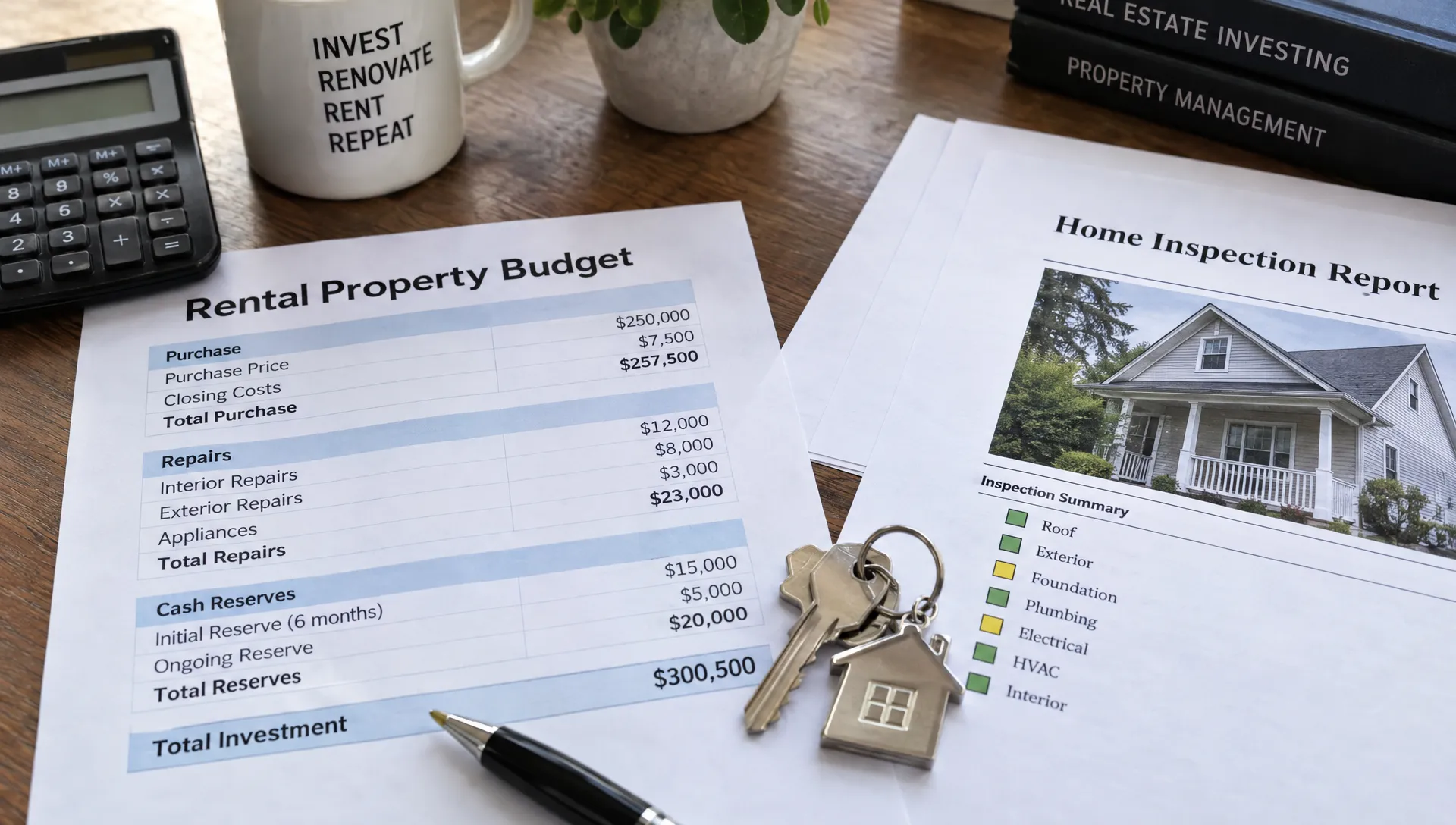
A zero-down structure does not reduce the cost of a failing sewer line, water intrusion or deferred maintenance. In fact, limited starting equity and additional debt can make unexpected repairs harder to absorb.
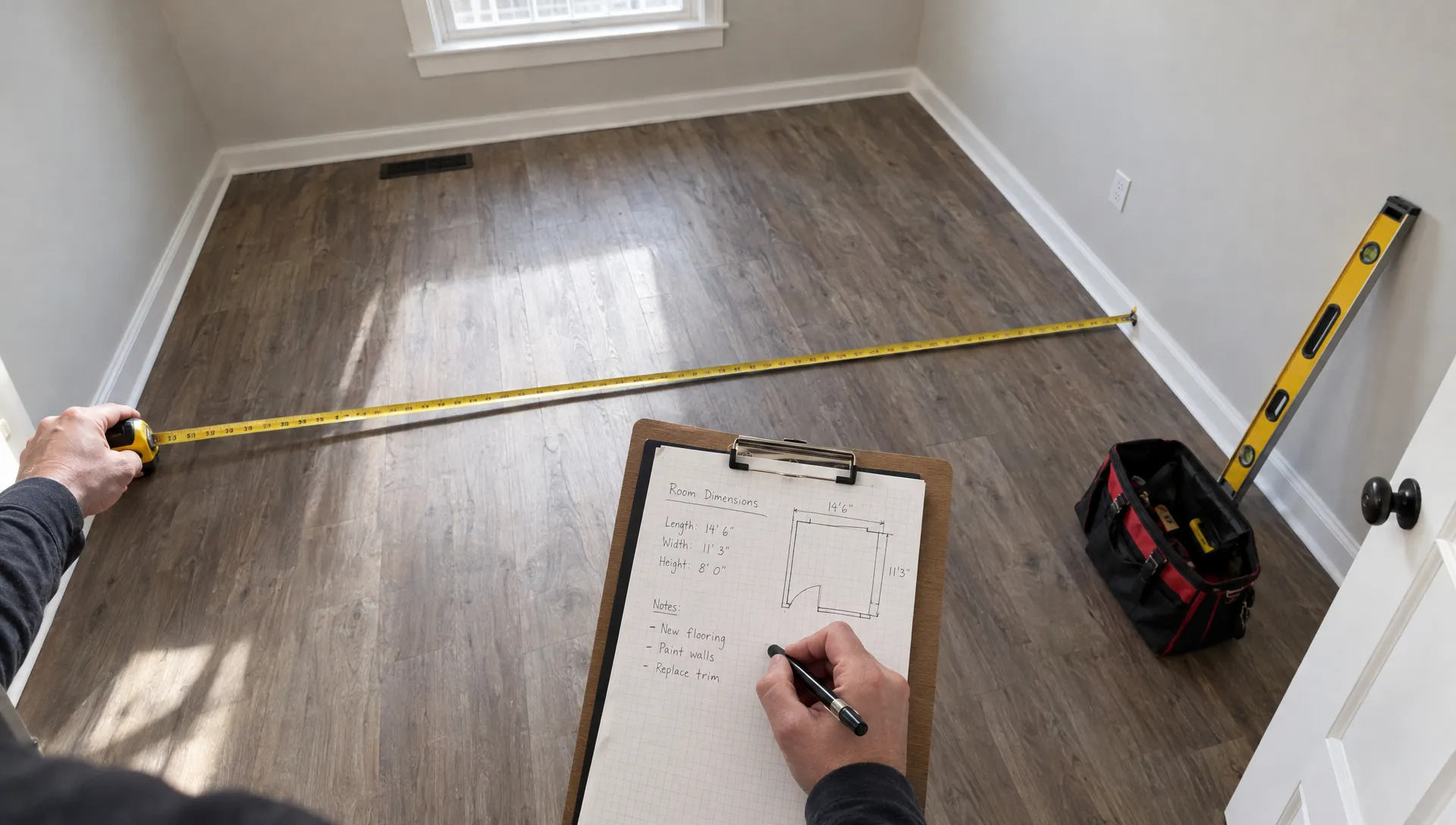
Arrange appropriate inspections before committing beyond the protections in your purchase contract. Depending on the building, that may include a general home inspection, sewer camera inspection, roof evaluation or specialist assessment of moisture problems. Obtain repair estimates rather than relying solely on the seller’s description.
Make those services location-specific. For readers who also own rentals in Toronto or the GTA, A&V Drain’s plumbing and waterproofing services are a local resource for drain, sewer and water-intrusion assessments. U.S. buyers should arrange equivalent services with qualified contractors in their property’s market.
Review leases and rent records as carefully as the physical condition. Verify security deposits, unpaid balances and any landlord obligations that transfer with the sale. Check local rental restrictions, insurance availability and realistic operating expenses.
The attraction of investment property loans with no down payment should not override these checks. Preserving cash at purchase helps only if the property’s condition and income support the debt afterward.
If inspections uncover material problems, revisit the price, repair funding and reserve plan before deciding that the financing makes the purchase affordable.
Get the structure reviewed before making an offer
Tell the lender exactly how you intend to use the property. Include whether you will occupy a unit, where the down payment funds would come from and whether another property will secure any borrowing.
Bring documentation for income, assets, existing mortgages and other debts. For a rental purchase, the lender may also request leases, rent estimates and property-specific information. New Era Lending’s guide to what lenders evaluate for investment mortgages explains the broader qualification picture.
When comparing investment property loans with no down payment, request answers to a few specific questions:
- What occupancy classification and loan program apply?
- How much cash must be paid before closing, paid at closing and retained afterward?
- Are borrowed funds permitted, and how will their payments affect qualification?
- Which properties secure the debt, and what restrictions affect their sale or refinance?
- Is there a balloon payment, prepayment penalty or short-term maturity?
A preapproval is not final approval of every property or funding arrangement. Appraisal results, property condition and underwriting can change the transaction.
Ask for a side-by-side comparison with a conventional down-payment structure. Putting money down may produce a more manageable payment or reduce collateral exposure, even when a lower-cash alternative is available.
Frequently asked questions
Can I buy a rental property with a VA loan and never live there? Not as a standard VA purchase transaction. The property must meet primary-residence occupancy requirements. An eligible buyer may purchase a qualifying multifamily property, occupy one unit and rent the others.
Are investment property loans with no down payment available through DSCR programs? DSCR financing is not inherently zero down. Any offer claiming no down payment needs a lender-specific review of collateral, valuation, equity requirements and cash needed outside the purchase loan.
Can a seller credit cover my down payment? Generally, seller credits cover eligible closing costs and prepaid expenses within program limits. They do not replace the borrower’s required down payment. Seller financing is a separate arrangement with different terms and legal considerations.
Can I borrow the down payment for an investment property? Some loan programs permit certain secured borrowing sources, subject to documentation and qualification. The lender must review the source and resulting debt. Do not assume that credit-card advances or unsecured loans are acceptable.
Does zero down mean I need no savings? No. Closing costs, inspections, repairs and lender-required reserves can remain. Even without a required reserve minimum, maintaining cash for vacancies and emergencies reduces the chance that one expense causes a payment problem.
Find the financing that fits the property
Start with your occupancy plans, available equity and sustainable payment, not a zero-down advertisement. New Era Lending offers personalized mortgage guidance for purchases, refinancing and equity access. Discuss your proposed property and funding sources with the team to identify available options, understand the cash requirements and compare the risks before making an offer.