
.jpg)
.jpg)





.jpg)


Does a Loan Pull Hurt Your Credit? Mortgage Shopping Explained
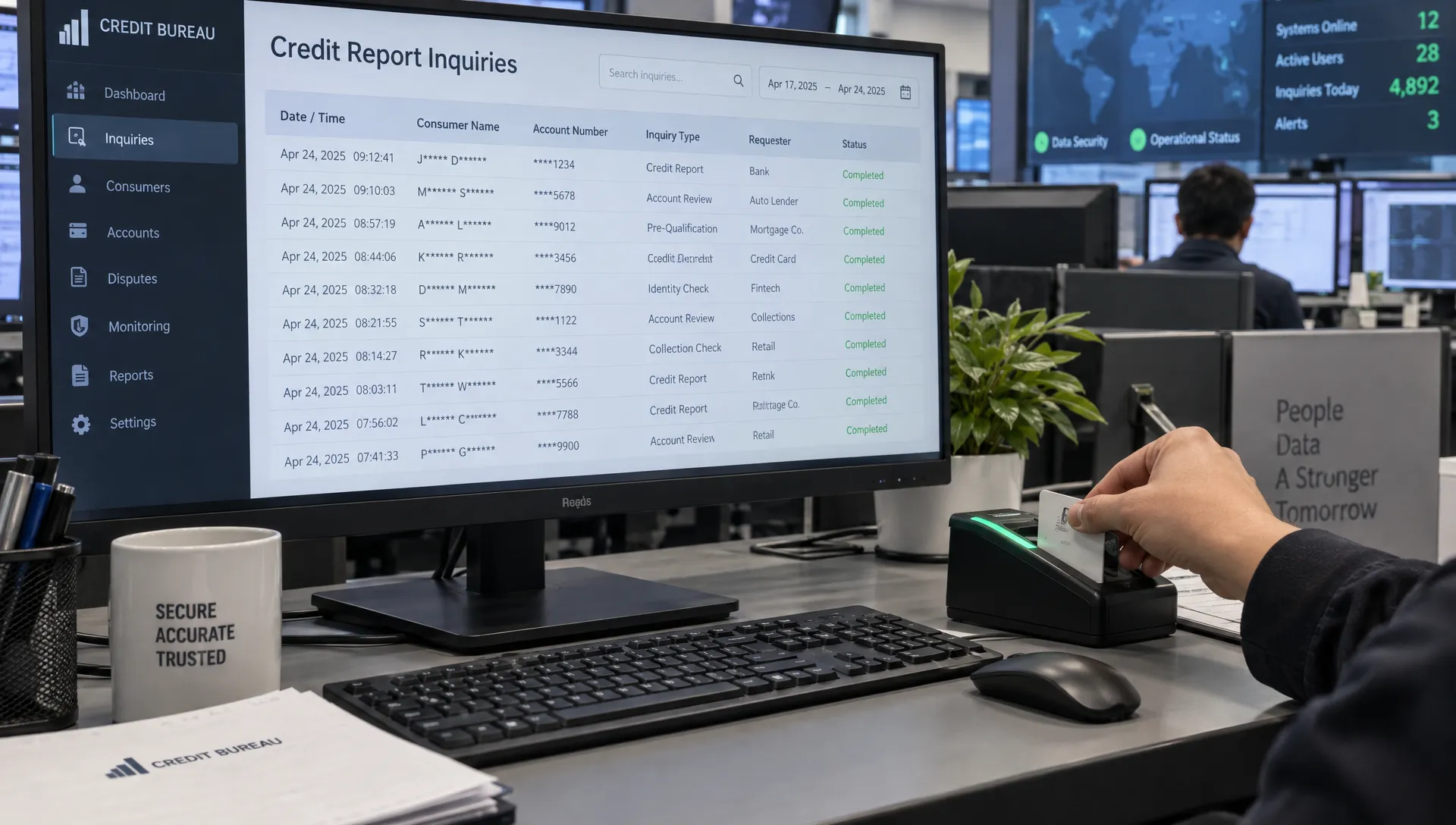
A loan pull can lower your credit score if it is a hard inquiry, but a soft inquiry does not affect your score. For mortgage shoppers, the key distinction is that credit-scoring models generally group qualifying mortgage inquiries made within a limited shopping window, rather than treating every lender comparison as a separate hit.
That means you do not need to choose the first lender you contact just to protect your credit. You do need to understand what kind of credit check the lender plans to run, organize your applications and avoid taking on unrelated debt before closing.
Does a loan pull mean a hard or soft inquiry?
“Credit pull” is an informal term for accessing your credit information. It does not tell you whether the check affects your score. The inquiry type matters.
A soft inquiry may occur when you check your own credit, receive a prescreened offer or let a lender conduct an initial review. Soft inquiries do not affect credit scores.
A hard inquiry typically occurs when a lender checks your credit as part of an application for financing. It can affect your score, even if you ultimately decline the loan or the lender does not approve you.
| Credit-check situation | Typical inquiry type | Effect on your credit score |
|---|---|---|
| Checking your own credit report | Soft | No effect |
| Initial mortgage screening | Soft, hard or no inquiry, depending on the lender | Ask before proceeding |
| Mortgage application requiring a credit check | Usually hard | Can affect your score, with rate-shopping protections potentially applying |
| Credit review before closing | Depends on the lender and review method | Ask whether another hard inquiry is planned |
The effect of a loan pull depends on your credit history, not just the fact that an inquiry occurred. According to FICO's explanation of credit inquiries, one additional hard inquiry takes fewer than five points off a FICO score for most people. That is not a guaranteed result for every borrower.
How mortgage rate shopping protects your credit
Mortgage shopping is different from applying for several unrelated credit accounts. Scoring models recognize that borrowers may need multiple quotes to choose one home loan.
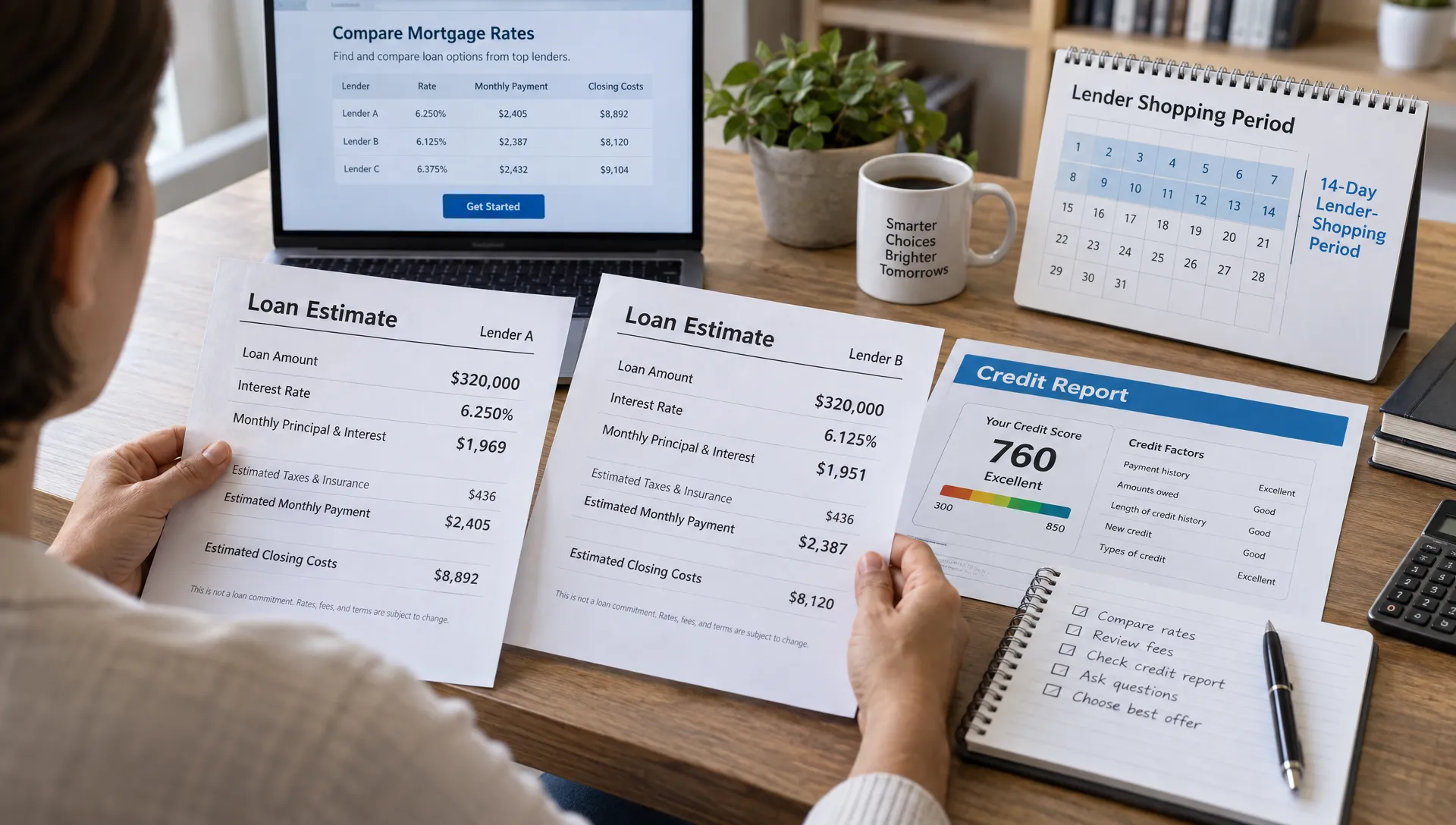
Depending on the scoring model, qualifying mortgage inquiries within a 14- to 45-day shopping window can count as one inquiry for scoring purposes. Older FICO versions use a shorter window, while newer versions allow a longer one. VantageScore generally uses a 14-day inquiry-grouping window.
A loan pull from each lender may still appear separately on your credit report, even when the scoring model groups those inquiries. Several entries on the report do not necessarily mean several separate score penalties.
This protection does not mean mortgage applications are invisible to lenders. An underwriter can still review your inquiries and ask whether you opened new accounts. It also does not mean a mortgage inquiry and a credit card application receive the same treatment.
Why a 14-day shopping plan is useful
Because you may not know which scoring model a lender will use, completing your initial mortgage comparisons within 14 days is a practical, conservative approach. It is a planning strategy, not a promise that your score will remain unchanged.
For example, suppose three lenders check your credit on days 1, 5 and 10 while you compare offers for the same mortgage. Those checks generally fit within the shorter shopping window. An additional application several weeks later may fall outside that window under some models.
FICO also has special treatment for qualifying mortgage inquiries made during the 30 days before scoring. That rule is separate from the shopping window. Rather than trying to calculate every scoring exception, focus on comparing lenders promptly and avoiding unnecessary applications for other credit.
What happens from prequalification to closing?
A lender's label for an early approval step does not reliably tell you how it checks credit. One lender may offer a preliminary assessment without a hard inquiry, while another may require one before issuing a preapproval.
Ask whether the next loan pull will be soft or hard before you authorize it. Also ask what the lender can determine at that stage. A soft-pull estimate may help you explore options, but it is not the same as a completed underwriting review.
Before you submit an application
Get a clear answer to this question: “Will this step create a hard inquiry, and when would you need another credit check?” If you are applying with a co-borrower, ask how each person's credit will be reviewed.
You can check your own reports without creating a hard inquiry. The Federal Trade Commission's guide to free credit reports explains how to access reports through the authorized service. Review account balances, payment history and unfamiliar accounts before you begin shopping.
After preapproval
Preapproval does not freeze your financial situation until closing. A lender may review credit again or check for new debt as part of its final verification process.
That review is not always another hard inquiry. Ask your lender what it expects to do and tell your loan contact before opening an account, financing furniture or making a large purchase on credit. Even a modest new monthly payment can change your debt-to-income ratio.
Compare offers, not just credit checks
To make each loan pull worthwhile, prepare your comparison criteria before submitting applications. A slightly different interest rate is not enough to explain which mortgage is the better fit.
Request offers based on comparable assumptions, including the loan amount, down payment, loan type and rate-lock period. If one quote includes discount points and another does not, the lower rate may come with a higher upfront cost.
Use the Loan Estimate to compare the proposed terms. The Consumer Financial Protection Bureau's homebuying resources explain mortgage shopping and the disclosures borrowers receive.
Pay particular attention to:
- Interest rate and APR: APR incorporates certain borrowing costs, but it should not replace a review of the actual fees and terms.
- Points and lender credits: Check whether you are paying upfront for a lower rate or accepting a higher rate to reduce closing costs.
- Monthly payment: Include mortgage insurance, property taxes and homeowners insurance where applicable, not just principal and interest.
- Cash to close: Compare the money needed at closing and understand which estimates may change.
- Rate-lock terms: Confirm whether the rate is locked, how long the lock lasts and what happens if closing is delayed.
New Era Lending's explanation of loan payment terms that can raise or lower costs can help you identify differences that matter beyond the advertised rate.
Avoid financial changes that matter more than inquiries
A loan pull is only one part of your credit profile. Late payments, rising credit card balances and new debt can be more consequential than a small inquiry-related score change.
Keep paying every account on time and avoid running up balances while your mortgage is in progress. Do not assume you should close an old credit card to look more financially responsible. Closing it can reduce available credit and increase your utilization percentage if you carry balances elsewhere.
Your lender also reviews more than your score. Bank statements, income documentation and the source of closing funds can all affect the approval process. An inquiry might have a limited scoring effect while an unexplained deposit creates a separate documentation issue.
For borrowers who gamble, the priority is keeping down-payment and emergency savings out of play. A Swedish guide to casinos and responsible gambling addresses a different market, not U.S. lending rules. Do not budget for closing based on a casino bonus or an expected withdrawal; ask your lender how any actual proceeds must be documented.
For broader preparation, New Era Lending's tips for a smoother mortgage approval cover organizing documents and managing financial changes. During rate shopping, the practical goal is to keep your finances stable while collecting enough information to make an informed choice.
What if you find an unfamiliar inquiry?
If a loan pull appears on your report and you do not recognize the company name, first check whether it belongs to a lender's credit-reporting provider. The name on the report may differ from the lender you contacted.
Contact the lender or company listed and ask what application prompted the inquiry. If you did not authorize an application and suspect identity theft, follow the credit bureau's dispute process and consider placing a fraud alert or credit freeze.
Do not dispute an accurate inquiry simply because your score changed. Legitimate inquiries generally cannot be removed just because you regret applying.
Hard inquiries can remain on a credit report for up to two years. FICO generally considers them in scoring for 12 months. Those are different timelines: an inquiry can remain visible after it stops affecting a FICO score.
Also remember that a score shown in a consumer app may differ from the score your mortgage lender uses. A change in the app is not, by itself, proof that your mortgage eligibility has changed.
Frequently asked questions
Will checking my own credit hurt my score? No. Checking your own credit report or score is a soft inquiry and does not affect your credit score. It can help you spot errors before applying.
Does mortgage preapproval always require a hard inquiry? No universal rule applies to every lender's preapproval process. Ask what kind of credit check is required and whether the resulting approval is preliminary or based on a more complete review.
Can I shop with several mortgage lenders without several score penalties? Generally, qualifying mortgage inquiries within the applicable rate-shopping window are grouped for scoring. Aim to complete comparisons within 14 days to accommodate shorter windows, but do not assume your score cannot change.
Can a loan pull cause a mortgage denial? An inquiry alone does not automatically cause denial. Its effect could matter if your score is near a program or pricing threshold, but lenders also consider income, debt, assets and other eligibility factors.
Will a lender check credit again before closing? It may. The method varies, so ask whether another hard inquiry is expected and what financial changes you need to report before closing.
Get clarity before you authorize a credit check
You should not have to guess when a lender will check your credit or what the results mean for your application. Ask about inquiry type, expected timing and the assumptions behind each quote.
Connect with New Era Lending for personalized guidance on purchasing, refinancing or accessing equity. Start by explaining your shopping timeline and asking how credit checks fit into the process.