.jpg)
.jpg)





.jpg)


Home Equity Cash Out Loan: Costs, Limits, and Alternatives

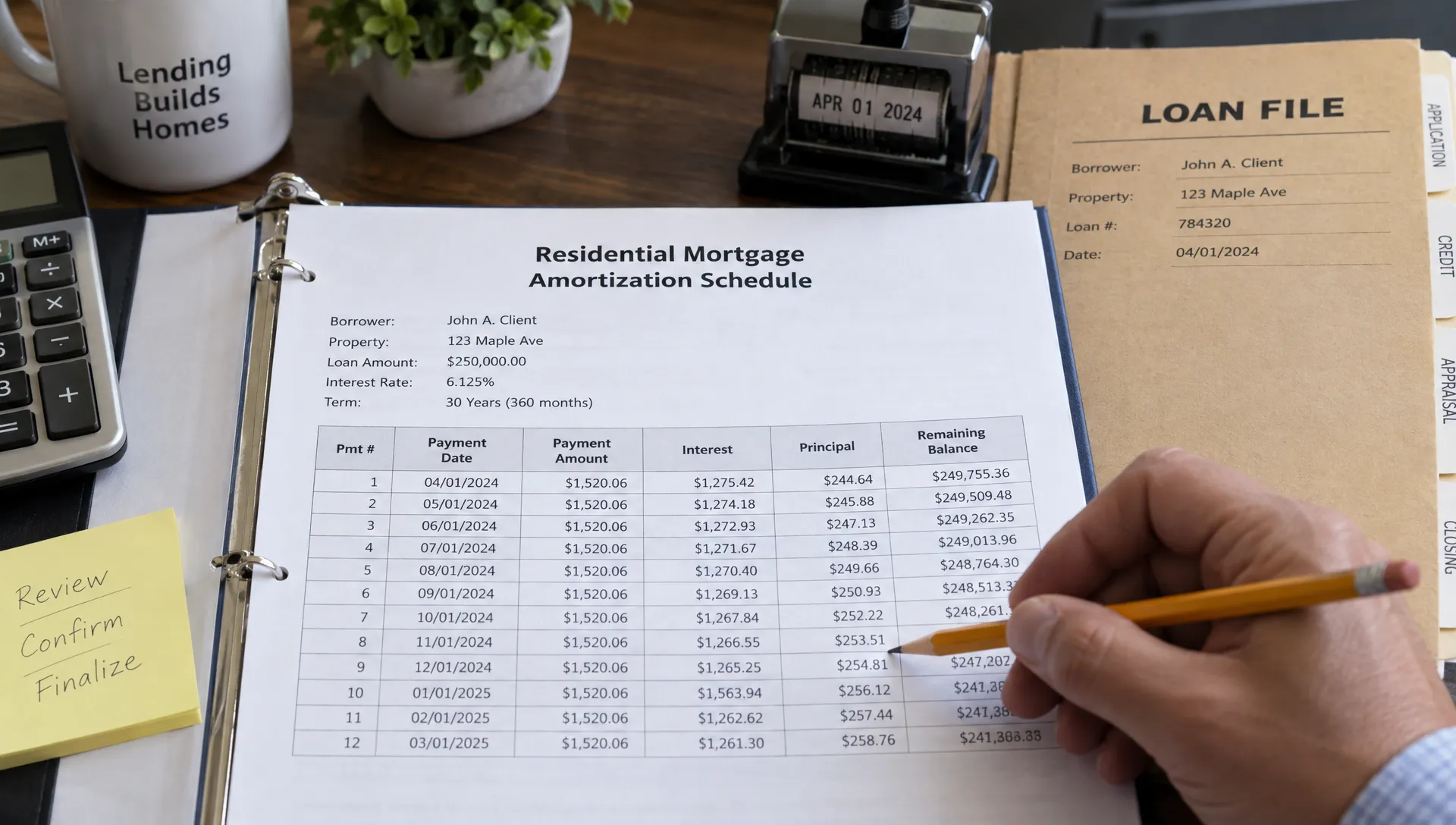
A home equity cash out loan can turn part of your ownership stake into spendable cash, but your available equity is not the amount you will necessarily receive. Borrowing limits, mortgage payoffs and closing costs all reduce the final proceeds. The bigger question is whether accessing that cash requires replacing an existing mortgage with a more expensive one.
Before choosing a loan, compare three numbers: the cash you actually receive, the combined monthly payment and the cost over your expected repayment period. A lower advertised rate or smaller payment does not automatically mean a better deal.
This guide focuses on the costs that are easy to miss, how lenders calculate borrowing limits and which alternatives may let you access funds without refinancing your entire mortgage. All dollar amounts and rates in the examples are hypothetical, not current offers.
What a home equity cash out loan actually means
The phrase generally refers to a cash-out refinance: you replace your current mortgage with a larger mortgage and receive the remaining proceeds after existing liens and transaction costs are paid.
A home equity loan works differently. It typically adds a separate loan secured by your property while leaving your first mortgage in place. A home equity line of credit, or HELOC, also generally preserves the first mortgage but provides revolving access to funds rather than a single lump sum.
Confirm which product a lender is quoting. Similar language can describe loans with very different payment structures and costs.
Costs to include beyond the interest rate
The cost of a home equity cash out loan includes both the expense of closing the transaction and the expense of carrying the resulting debt. Compare them separately so that a low upfront charge does not distract from a higher long-term cost.
Closing fees, points and lender credits
Depending on the transaction, closing charges can include origination fees, an appraisal, title services, recording fees and other settlement expenses. Some costs are lender-controlled; others come from third parties or local requirements.
One discount point equals 1% of the loan amount. On a $400,000 mortgage, one point costs $4,000. Paying points may reduce the rate, but the savings must justify the upfront expense over the time you expect to keep the loan.
A lender credit works in the opposite direction: the lender helps cover closing costs, typically in exchange for a higher rate. “No closing costs” therefore does not necessarily mean no cost to you.
Also separate fees from prepaid interest and escrow funding. Those items affect cash needed at closing, but they are not all lender charges. The Consumer Financial Protection Bureau's Loan Estimate guide explains where these amounts appear.
Repricing your existing mortgage balance
A cash-out refinance applies the new rate to the entire replacement mortgage, not just the cash withdrawn. That distinction matters when your current mortgage has a lower rate.
For example, borrowing an additional $90,000 through a refinance could also mean repricing several hundred thousand dollars of existing debt. A second mortgage may carry a higher rate on the new borrowing while preserving a favorable first mortgage.
A home equity cash out loan should therefore be evaluated against the cost of keeping your existing mortgage, not just against the rate on the debt or expense you plan to pay.
Extending the term creates another trade-off. Restarting a 30-year repayment schedule may reduce the monthly payment while increasing total interest and delaying the date you become mortgage-free.
Borrowing limits: calculate net cash, not just equity
Your equity is the home's value minus outstanding debt secured by it. Lenders generally require you to retain some equity, so that number is not your borrowing limit.
For many conventional cash-out refinances on a one-unit primary residence, an 80% loan-to-value ceiling is common. Other property types, occupancy categories and loan programs can have different limits. A lender may also impose stricter requirements.
A useful estimate is:
Maximum new loan = lender-accepted property value × permitted LTV
Estimated net cash = new loan amount − mortgage payoffs − costs paid from proceeds
Here is an illustrative calculation:
| Item | Hypothetical amount |
|---|---|
| Lender-accepted home value | $500,000 |
| Permitted loan-to-value ratio | 80% |
| Maximum new mortgage | $400,000 |
| Existing mortgage payoff | $300,000 |
| Costs paid from proceeds | $10,000 |
| Estimated cash received | $90,000 |
The homeowner has $200,000 in equity, but receives only $90,000 under these assumptions. If the accepted property value falls to $475,000, the same 80% limit allows a $380,000 mortgage, reducing estimated proceeds to $70,000 with the other figures unchanged.
Equity is only one qualification requirement
Qualifying for a home equity cash out loan also depends on income, credit, existing obligations and the property's eligibility. Having sufficient equity does not guarantee approval for the maximum amount.
Lenders assess debt-to-income ratio using the proposed payment and other qualifying monthly debts. Credit history can affect eligibility and pricing. Cash reserves, occupancy, ownership history and how recently you obtained the existing mortgage may also matter.
For a second mortgage or HELOC, lenders generally examine combined loan-to-value, or CLTV, which accounts for multiple liens. HELOC underwriting may consider the full credit limit rather than only the amount initially drawn.
Ask which valuation method will be used and whether existing subordinate liens must be paid off or subordinated. Those details can change both available cash and the closing timeline.
Compare options using the same cash amount
A useful comparison holds the money you receive constant. Otherwise, a cheaper-looking quote may simply provide less cash or leave certain costs to be paid separately.
Suppose you owe $300,000 on a mortgage with a 3.5% rate and 25 years remaining. Its monthly principal-and-interest payment is approximately $1,502. You want $90,000 in usable cash.
To compare a home equity cash out loan fairly, consider both the replacement mortgage and an illustrative second-loan option:
| Comparison | Cash-out refinance | Separate home equity loan |
|---|---|---|
| Existing mortgage | Replaced | Kept at 3.5% |
| New borrowing | $400,000 replacement mortgage | $95,000 second loan |
| Illustrative new rate and term | 6.75%, 30 years | 9%, 15 years |
| Costs deducted from proceeds | $10,000 | $5,000 |
| Net cash received | $90,000 | $90,000 |
| New loan's monthly principal and interest | About $2,594 | About $964 |
| Combined monthly principal and interest | About $2,594 | About $2,466 |
These figures assume fixed rates and fully amortizing payments. They exclude property taxes, insurance and other housing expenses. The fees are illustrative, not typical-cost claims.
Despite its higher rate, the second loan produces a lower combined payment in this example because the existing mortgage remains unchanged. It also pays off in 15 years, while the replacement mortgage runs for 30 years.
Actual quotes can produce a different result. Compare remaining balances and cumulative interest at the date you expect to sell, refinance or finish repayment, rather than relying on the first month's payment alone.
Alternatives that may preserve your existing mortgage
The best alternative to a home equity cash out loan depends on whether you need a fixed amount, ongoing access to funds or a smaller loan that does not require property collateral.
Fixed-rate home equity loan
A home equity loan can suit a defined expense, such as a renovation with a firm contractor price. It generally provides a lump sum with a predictable repayment schedule.
Its main advantage is preserving your existing first mortgage. Its drawbacks include a second required payment, possible closing costs and another lien on your home. Keeping the first mortgage does not remove foreclosure risk if you fail to repay the second loan.
HELOC
A HELOC can fit expenses spread over time because you can draw funds as needed, subject to the agreement. That flexibility can reduce interest charges when you do not need the entire approved amount immediately.
However, rates are commonly variable. Payments can rise with rate changes or when the account moves from its draw period into repayment. Compare the rate index, margin, caps, annual fees and repayment structure. New Era Lending's comparison of cash-out refinancing and HELOCs explores those structural differences in more detail.
Unsecured financing or a smaller project
For a modest expense, an unsecured personal loan may avoid mortgage closing costs and a lien on your property, though its rate may be higher and repayment period shorter.
Using savings, completing work in stages or postponing optional spending can also reduce the amount financed. Compare total dollars paid, not just rates: a higher-rate small loan can sometimes cost less than refinancing a much larger mortgage balance.

Business financing for business expenses
Using a home equity cash out loan for business spending creates an additional risk: your home secures an investment whose revenue may not materialize. Compare business financing and confirm the actual funding requirement before pledging personal property.
For example, a US e-commerce seller expanding into the UK could obtain quotes for UK fulfillment and warehousing services to estimate storage, order handling and distribution costs. Those operating quotes help distinguish a short-term working-capital need from a larger investment.
Evaluate repayment using reliable income, not projected sales alone. Business credit can involve personal guarantees too, so review the security and guarantee terms rather than assuming every business loan protects personal assets.
How to compare written offers without missing a cost
Start with your desired net proceeds and a payment you can sustain. Include taxes, insurance, maintenance and other debts in the household budget, even when those expenses do not appear in the quoted principal-and-interest payment.
When requesting a home equity cash out loan quote, ask each lender to use the same cash target and comparable assumptions. A quote with points should not be treated as equivalent to a quote without points.
Your comparison should capture:
- Net proceeds: The amount available after all required payoffs and deductions.
- Pricing: The rate, APR, discount points, lender credits and rate-lock terms.
- Payment structure: The term, fixed or variable rate and any future payment changes.
- Transaction costs: Lender fees, third-party charges, prepaid items and escrow funding shown separately.
- Exit costs: Any prepayment penalty, HELOC early-closure fee or other applicable charge.
APR provides a broader cost measure than the interest rate, but it is not a substitute for reviewing the payment schedule and fees. It also cannot predict future variable-rate changes or your actual ownership period.
Before signing, test the payment against a temporary income reduction or a major repair. New Era Lending's guide to accessing equity without straining your budget offers a framework for that affordability check.
If the purpose is debt consolidation, compare payoff dates as well as payments. Moving unsecured debt into a mortgage can lower the monthly obligation while extending repayment and putting your home at risk.
Frequently asked questions
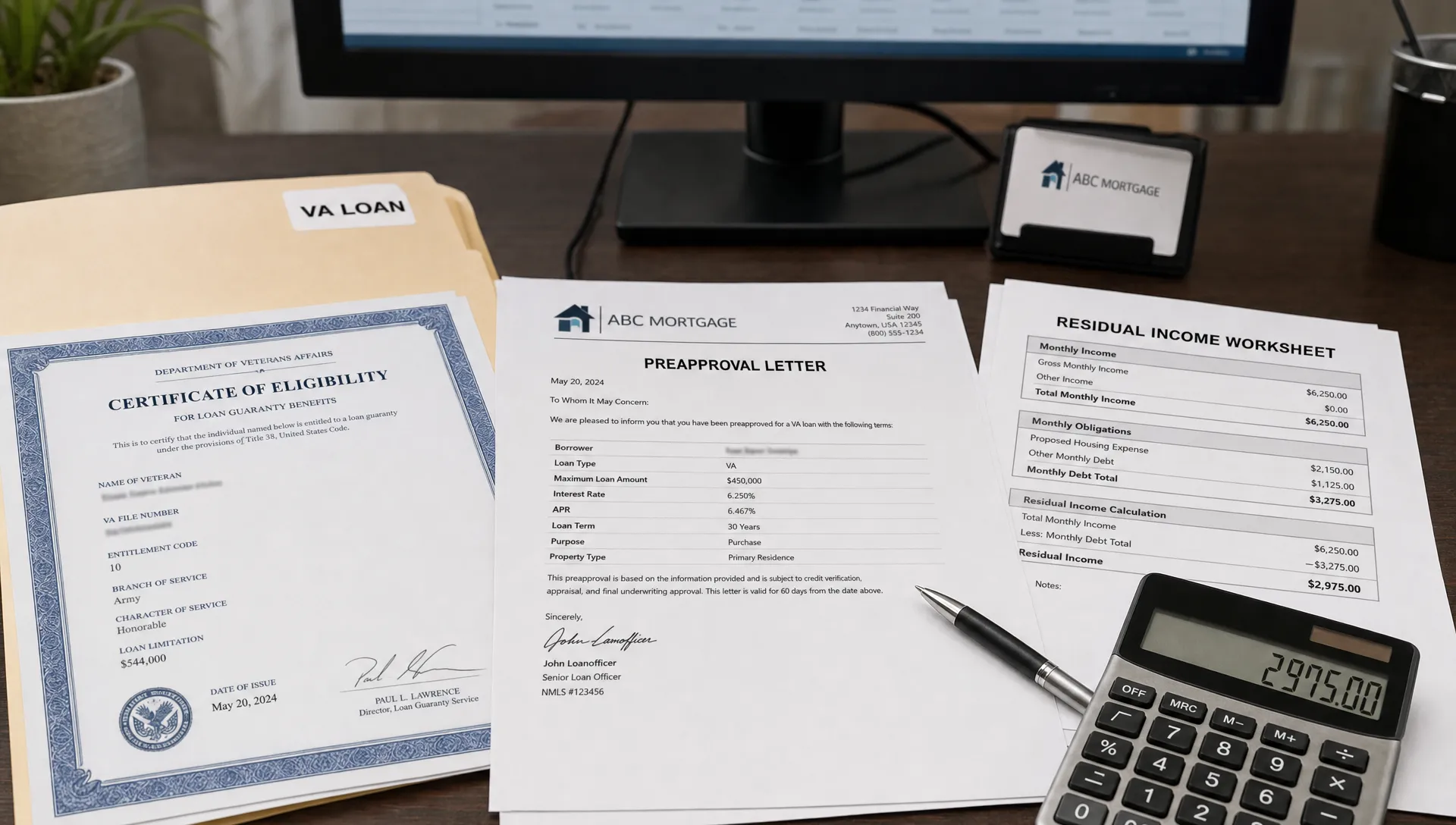
Can I withdraw all of my home equity? Usually not. Most programs require you to retain equity, and closing costs further reduce proceeds. Certain eligible veteran loan programs may permit higher loan-to-value ratios, but lender requirements, entitlement, valuation and affordability still apply.
Is there a universal credit score requirement? No. Requirements vary by loan program, lender and transaction details. Credit can affect both approval and price, so an advertised minimum is not a guarantee that you qualify or receive a particular rate.
Are the cash proceeds taxable income? Loan proceeds generally are not taxable income because you must repay them. Forgiven debt and other unusual circumstances can have different tax consequences. Ask a tax professional about your situation.
Is the interest on a home equity cash out loan deductible? Interest on the cash-out portion generally qualifies for the home mortgage interest deduction only when the proceeds buy, build or substantially improve the home securing the loan, subject to applicable limits and itemization. Personal debt consolidation generally does not meet that use requirement. Other tax treatment may apply to business uses. Review IRS Publication 936 and get individualized tax advice.
Can closing costs be added to the loan? Often, costs can be covered through the new balance or deducted from proceeds if program rules and borrowing limits allow. You then receive less cash or carry more debt. Financing costs does not make them disappear.
Get a comparison based on your actual numbers
Before choosing a home equity cash out loan, gather your mortgage balance, current rate, remaining term and desired cash amount. Ask for written options showing net proceeds, combined payments and costs over the period you expect to keep the debt.
New Era Lending combines a technology-driven mortgage process with personalized human guidance. Ask which equity-access options are available for your property and circumstances, then compare them against keeping your current mortgage before making a decision.