.jpg)
.jpg)





.jpg)


How to Access Equity Without Hurting Your Budget

Accessing home equity can be a smart way to fund a major goal, but it should never turn your house into a financial stress point. The goal is not simply to borrow the largest amount a lender may approve. The goal is to access equity in a way that keeps your monthly payment, cash reserves, and long-term plans intact.
That budget-first mindset matters even more when rates, insurance costs, property taxes, and everyday expenses are all competing for room in your monthly cash flow. Home equity is real wealth, but it is also tied to the roof over your head. Used carefully, it can help you renovate, consolidate higher-interest debt, cover planned expenses, or create more flexibility. Used without a plan, it can add pressure to your budget and reduce your options later.
Here is how to think through your choices before you borrow.
Start With Your Real Monthly Comfort Zone
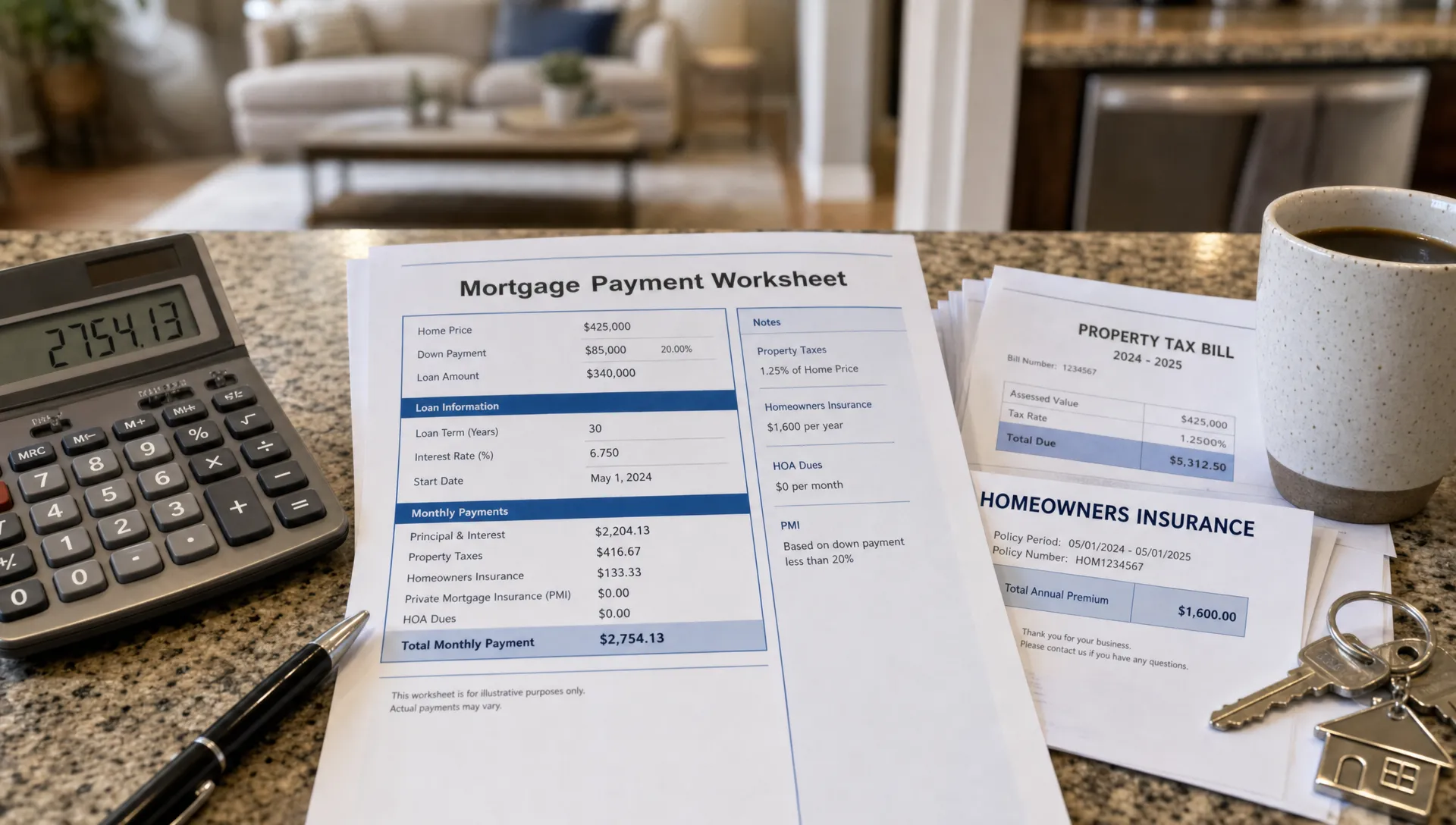
Before comparing loan types, start with the number that matters most: the payment you can comfortably handle every month.
This is different from the amount a lender says you may qualify for. Lenders evaluate income, debt, credit, property value, and other risk factors. That review is important, but your personal budget includes details that may not show up fully on an application, such as childcare, medical costs, retirement contributions, seasonal income, family support, and lifestyle priorities.
A practical way to define your comfort zone is to review your current monthly budget and ask three questions:
- How much extra payment could I take on without reducing emergency savings?
- Would this payment still feel manageable if insurance, taxes, utilities, or groceries increased?
- Am I solving a one-time need, or creating a long-term obligation?
If the new payment only works in a perfect month, it is probably too tight. A safer equity strategy leaves breathing room.
Understand How Much Equity Is Actually Available
Your home equity is the difference between your home’s market value and what you still owe on mortgages or other liens. But available equity is usually less than total equity because lenders often require you to keep a cushion in the home.
For example, if your home is worth $400,000 and your current mortgage balance is $250,000, you have about $150,000 in total equity. That does not necessarily mean you can borrow $150,000. Lenders may use a combined loan-to-value ratio, often called CLTV, to determine how much debt can be secured by the property.
The basic idea is simple: your current mortgage balance, plus the new equity loan or line, is compared with your home’s value. The lower that combined percentage, the more equity remains in the home.
If you want a deeper look at borrowing limits and cost factors, New Era Lending’s guide to how much you can borrow with equity home loans explains how lenders evaluate equity, loan structure, and repayment risk.
Choose the Right Equity Option for Your Cash Flow
There are several ways to access equity, and the best choice depends on how you plan to use the money, how predictable your expenses are, and how much payment stability you need.
Home Equity Loan
A home equity loan typically provides a lump sum with a fixed repayment schedule. Because the payment is usually predictable, it can work well when you know the amount you need and want a clear payoff timeline.
This can be useful for a defined project, such as replacing a roof, completing a remodel, or consolidating a specific amount of higher-interest debt. The budgeting advantage is structure. You know what you borrowed, what you owe each month, and when the loan is scheduled to end.
The tradeoff is that you receive the full amount upfront. If your project comes in under budget, you may have borrowed more than necessary. If costs increase, you may need another source of funds.
HELOC
A home equity line of credit, or HELOC, gives you access to a revolving credit line that you can draw from as needed during the draw period. This can be helpful for projects with uncertain timing or variable costs, such as phased renovations.
The budgeting challenge is that HELOC payments can change. Many HELOCs have variable rates, and payments may increase when rates rise or when the line enters its repayment phase. That does not make a HELOC a bad option, but it means you should stress-test the payment before you rely on it.
If you are weighing payment stability against flexibility, the comparison between an equity mortgage loan and a HELOC can help you understand the practical differences.
Cash-Out Refinance
A cash-out refinance replaces your existing mortgage with a new, larger mortgage, and you receive the difference in cash after eligible costs and payoff amounts. This can make sense in specific situations, especially when the overall refinance improves your long-term mortgage strategy.
But a cash-out refinance affects your entire mortgage, not just the cash you take out. If your current mortgage has a favorable rate, replacing it could increase the cost of your existing balance. That is why it is important to compare the total monthly payment, total interest, closing costs, and how long you plan to stay in the home.
For many homeowners, the key question is not “Can I get cash out?” It is “Does refinancing the whole mortgage still make sense after I account for the new rate, term, and total cost?”
Borrow for a Clear Purpose, Not Just Because Equity Is Available
One of the easiest ways to hurt your budget is to borrow without a defined use for the funds. Equity can feel like available cash, but it is secured by your home and must be repaid.
Before moving forward, write down the reason for borrowing and the expected financial result. A strong purpose usually has a clear cost, timeline, and benefit.
Home improvements may increase comfort, safety, energy efficiency, or resale appeal. Debt consolidation may lower total monthly obligations or reduce interest costs, but only if you avoid rebuilding the balances you paid off. Education, medical expenses, or family needs may be valid reasons, but they still need a repayment plan that fits your income.
The Consumer Financial Protection Bureau notes that home equity borrowing uses your home as collateral, which means missed payments can create serious consequences. That risk is why the budget conversation should come before the loan amount conversation.
Stress-Test the Payment Before You Commit
A budget-safe equity plan should work in more than one scenario. Instead of testing only today’s payment, test what happens if your costs rise or your income changes.
For a fixed-rate home equity loan, look at whether the payment still fits after adding realistic increases for insurance, taxes, utilities, and maintenance. For a HELOC, ask what the payment could look like if rates increase or if the repayment period begins. For a cash-out refinance, compare your current mortgage payment to the new full payment, not just the cash you receive.
A simple stress test might include these checks:
- Add a cushion to the estimated payment and see if your budget still works.
- Keep at least a basic emergency fund after closing costs and project expenses.
- Review whether the loan term extends debt farther than you are comfortable with.
- Consider whether the use of funds will reduce other costs or create future value.
This step often reveals the difference between an affordable loan and an approval that feels affordable only on paper.

Do Not Ignore Closing Costs, Fees, and Timing
When homeowners think about how to access equity, they often focus on the monthly payment. That matters, but it is not the only cost.
Depending on the loan type and lender, there may be closing costs, appraisal fees, title-related charges, recording fees, or other expenses. Some loans may advertise limited upfront costs, but costs can still appear in the rate, repayment terms, or payoff conditions. The right question is not only “What is my payment?” It is also “What is the total cost to access this money?”
Timing matters too. If you need funds for a contractor deposit next week, your options may differ from a homeowner planning a project three months from now. A more flexible timeline can give you room to compare offers, gather documents, and avoid rushed decisions.
New Era Lending’s mortgage process combines smart technology with human guidance, including secure document uploads and e-signature support, which can help make the process more organized without removing the need for careful review.
Keep an Equity Cushion for the Future
Just because you can access equity does not mean you should use all of it. Keeping equity in your home protects flexibility.
A cushion can matter if home values soften, if you need to sell sooner than expected, or if a future refinance becomes useful. It can also help you avoid feeling trapped if your financial goals change.
This is especially important for homeowners using equity for improvements. Renovation budgets can shift quickly once work begins. If you borrow the maximum available amount and then face cost overruns, you may have fewer backup options.
A more conservative approach is to borrow what you need for the planned purpose, keep cash reserves intact, and avoid using home equity as a substitute for day-to-day spending discipline.
Be Careful With Debt Consolidation
Using home equity to consolidate credit cards or personal loans can reduce monthly payments or lower interest costs, but it requires discipline. You are moving unsecured debt into debt secured by your home.
That can be worthwhile when it is part of a bigger financial reset. It can be risky when it simply frees up credit cards for new spending.
If debt consolidation is your goal, build a plan before closing. Decide whether you will reduce credit limits, pause new card spending, set up automatic payments, or use a written payoff strategy. The loan should help you move forward, not restart the same cycle with a larger secured balance.
Consider Tax Treatment, But Do Not Base the Decision on It
Some homeowners ask whether home equity interest is tax deductible. Under current IRS guidance, home mortgage interest may be deductible in certain situations when funds are used to buy, build, or substantially improve the home securing the loan. Rules can change, limits apply, and personal circumstances matter.
Because tax treatment depends on how the funds are used and your broader financial picture, it is wise to speak with a qualified tax professional before assuming any deduction. A potential tax benefit should be a bonus, not the main reason the payment fits your budget.
Compare the Full Plan, Not Just the Rate
A lower rate is appealing, but it does not automatically mean the loan is better for your budget. Term length, fees, payment structure, prepayment options, and whether the rate is fixed or variable all shape affordability.
For example, a longer term may reduce the monthly payment but increase total interest over time. A shorter term may save interest but create a payment that strains your monthly cash flow. A variable-rate line may start comfortably but become harder to manage if rates change.
The best equity option is the one that supports your goal with a payment you can live with and a total cost you understand. If you are comparing several loan structures, this guide on finding the right loan without guesswork can help you evaluate your goal, borrower profile, and long-term plan together.
A Budget-Safe Checklist Before You Access Equity
Before you apply, take time to organize your numbers. This makes the conversation with a lending professional more productive and helps you avoid surprises.
Gather your estimated home value, current mortgage balance, monthly income, recurring debts, credit obligations, insurance and tax costs, and the amount you want to borrow. Then decide what monthly payment would feel comfortable, not just possible.
Ask potential lenders to explain the payment, rate type, repayment term, closing costs, total cost, and what could cause the payment to change. If the answer is unclear, keep asking. Transparent terms are essential when your home is involved.
A good equity strategy should leave you with confidence, not confusion. You should understand why you are borrowing, how the money will be used, when it will be repaid, and what the loan does to your monthly budget.
Frequently Asked Questions
What is the safest way to access equity without hurting my budget? The safest approach is to start with your monthly comfort zone, borrow only for a clear purpose, compare total costs, and leave an equity and cash reserve cushion. The right product depends on whether you need a lump sum, flexible access, or a full refinance.
Will accessing home equity increase my monthly payment? In many cases, yes. A home equity loan usually adds a fixed monthly payment, a HELOC may create variable payments, and a cash-out refinance changes your main mortgage payment. Always review the full payment before deciding.
How much equity should I leave in my home? There is no single number that fits everyone. Many lenders require you to keep some equity in the property, but your personal cushion should also reflect your risk tolerance, local market conditions, future plans, and emergency savings.
Is a HELOC better than a home equity loan for budgeting? A HELOC can be useful when you need flexible access to funds, but a home equity loan may be easier to budget because payments are typically more predictable. The better option depends on your project, rate preference, and repayment plan.
Can I use home equity to pay off credit card debt? You can, but be careful. Consolidating high-interest debt with home equity may reduce payments or interest, but it also secures that debt with your home. It works best when paired with a plan to avoid rebuilding card balances.
Access Equity With a Plan That Fits Your Life
Home equity can be a powerful financial tool when it is used with structure. The key is to avoid chasing the largest approval and focus instead on the loan that supports your goal while protecting your monthly budget.
New Era Lending helps homeowners explore personalized mortgage and equity solutions with modern tools, transparent guidance, and real human support. Whether you are considering a home equity loan, HELOC, refinance, or another mortgage option, the right next step is a clear conversation about your goals, numbers, and comfort zone.
If you are ready to compare options, start with New Era Lending and take a smarter path toward accessing equity with confidence.