.jpg)
.jpg)





.jpg)

No Down Payment No PMI Mortgage: Is It Really Possible?
Yes, a no down payment no pmi mortgage is possible for some borrowers, most clearly through an eligible VA purchase loan. But “no down payment,” “no monthly PMI” and “no cash due at closing” are three different promises. A loan can satisfy the first two and still require substantial cash upfront.
The useful question is not just whether a program exists. It is whether you qualify, what costs remain and whether the payment fits your budget. Here is how to separate a genuine zero-down, no-PMI option from an offer that simply moves expenses somewhere else.
Three promises that should not be confused
No down payment means you are not required to contribute a percentage of the purchase price toward the home. It does not automatically eliminate lender charges, title expenses, prepaid insurance or other costs associated with closing.
No PMI means no private mortgage insurance, the coverage typically required on conventional loans with less than 20% down. PMI protects the lender, not the homeowner. Other loan programs can have different insurance charges or guarantee fees without calling them PMI.
No cash to close means your remaining upfront obligations are covered through permitted credits, assistance or other acceptable sources. Even then, you may need money before closing for inspections or an earnest money deposit. Any required reserves are another separate consideration.
These distinctions matter because an advertisement can be technically accurate without describing the full cost of buying the home.
Which no down payment no pmi mortgage options are real?
The following comparison tests both parts of the promise at once. Program eligibility and the lender’s requirements still determine what is available to an individual borrower.
| Loan structure | Can it eliminate the borrower’s down payment? | Does it eliminate PMI? | What still needs attention? |
|---|---|---|---|
| Eligible VA purchase loan | Yes, subject to entitlement, value and lender requirements | Yes, with no monthly mortgage insurance | Funding fee unless exempt, closing costs and property eligibility |
| USDA guaranteed loan | Yes, for eligible borrowers and properties | No conventional PMI | Upfront and annual guarantee fees |
| FHA loan with down payment assistance | Assistance may cover the required contribution | No, FHA mortgage insurance still applies | Assistance terms and FHA insurance charges |
| Conventional loan with lender-paid mortgage insurance and assistance | Possibly, depending on both programs | No separate borrower-paid PMI charge | Insurance cost may be reflected in the rate or other pricing |
| Specialty 100% financing program | Sometimes | Depends on the specific product | Eligibility restrictions, pricing, fees and possible second loans |
VA loans: the clearest match for eligible borrowers
For an eligible borrower, a no down payment no pmi mortgage through the VA program can satisfy both promises without a monthly mortgage insurance charge. The VA’s purchase-loan guidance confirms that eligible VA loans can offer no down payment and no PMI or monthly mortgage insurance.
Eligibility generally involves qualifying military service or an eligible surviving-spouse status. A Certificate of Eligibility establishes entitlement, but it is not a loan approval. The lender still evaluates income, credit, debts and the property.
Zero down is not automatic in every VA transaction. Full entitlement, lender requirements and the relationship between the purchase price and appraised value matter. Limited remaining entitlement or an appraisal below the price can create a down payment requirement.
Most borrowers also pay a VA funding fee unless they qualify for an exemption. Financing an eligible fee can reduce upfront cash needs, but it increases the loan balance. Closing costs remain separate.
USDA loans: zero down, but not zero recurring fees
A USDA guaranteed loan can finance an eligible primary residence without a down payment. The property must be in an eligible area, and household income must meet the program’s limits. Some qualifying locations are suburban communities rather than remote rural areas.
A USDA loan may fit a search for a no down payment no pmi mortgage because it does not use conventional PMI. However, it carries an upfront guarantee fee and an annual fee that is generally collected through the monthly payment.
That makes the distinction more than a naming issue: there is still a recurring program charge. Review the USDA guaranteed-loan requirements, then ask the lender to identify the applicable fees in your quote.
Household income eligibility and the income used to qualify for repayment are also different calculations. Do not assume that meeting one requirement means you meet both.
When “no PMI” means the expense moved elsewhere
Outside VA financing, scrutinize how the lender eliminates the visible insurance charge. A missing line item does not necessarily mean a lower-cost mortgage.
Lender-paid mortgage insurance
With lender-paid mortgage insurance, the lender arranges the insurance rather than charging you a separate monthly premium. Its cost is commonly reflected in a higher interest rate or other loan pricing.
That arrangement does not, by itself, remove the down payment requirement. You would need a separate eligible financing or assistance structure to address that part of the purchase.
When comparing a no down payment no pmi mortgage offer, ask whether mortgage insurance is truly absent or simply paid through the loan’s pricing. New Era Lending’s explanation of how a no-PMI mortgage works provides additional context for that distinction.
Down payment assistance and second mortgages
Down payment assistance can reduce the amount you contribute from savings, but its structure matters. Assistance may be a grant, a forgivable loan, a deferred-payment loan or a second mortgage with required payments.
An FHA loan paired with assistance still has FHA mortgage insurance. A conventional loan paired with assistance may still require PMI unless another approved feature addresses it. Neither automatically meets both parts of the headline.
A second loan also creates questions about interest, repayment and what happens when you sell or refinance. Ask whether assistance becomes repayable after moving out, transferring ownership or paying off the first mortgage.
Similarly, a piggyback mortgage is not automatically a zero-down solution. It involves a second loan, and many structures still require a borrower contribution.
What zero down can look like in actual dollars
A no down payment no pmi mortgage can reduce the savings needed for a purchase without reducing your cash requirement to zero. Consider this hypothetical transaction, which illustrates the arithmetic rather than a lender quote:
| Item | Illustrative amount |
|---|---|
| Purchase price | $300,000 |
| Required down payment | $0 |
| Closing costs and prepaid expenses | $9,000 |
| Permitted seller credit toward those expenses | $6,000 |
| Remaining amount to cover | $3,000 |
The seller credit must be allowed under the loan program, cover eligible expenses and be negotiated into the transaction. It is not guaranteed merely because you qualify for zero-down financing.
This example excludes any program-specific funding or guarantee fee. If an eligible fee is financed, the loan balance may exceed the purchase price. If paid upfront, it adds to the cash requirement.
An earnest money deposit already paid is generally credited toward your obligations at closing. However, inspections and some other expenses may be paid separately before then. Required reserves can also mean you need money left in your accounts after closing.
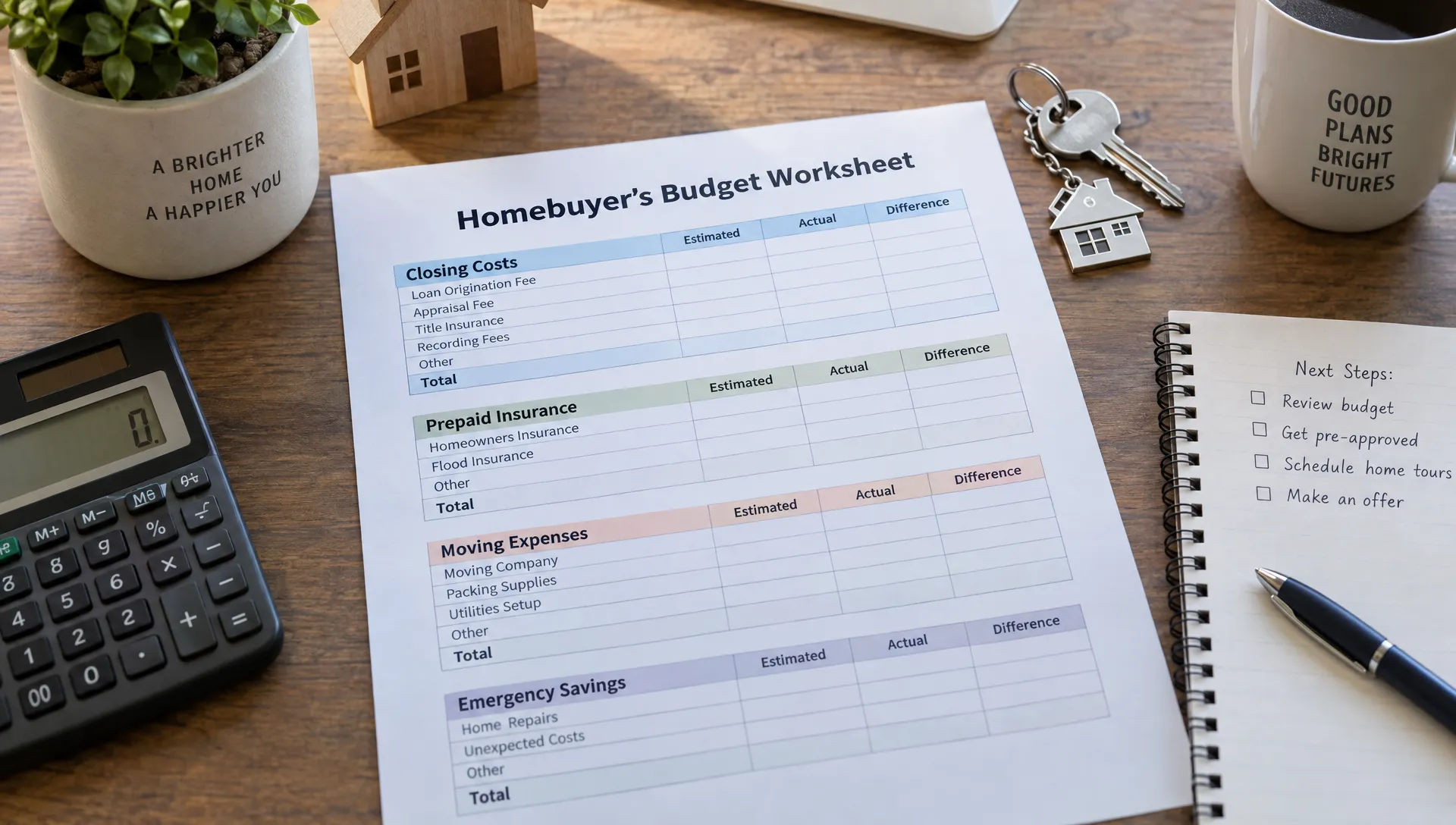
Ask for two figures: the estimated cash needed to close and the savings you should retain afterward. They answer different questions.
How to verify an offer before committing
Before choosing a no down payment no pmi mortgage, request a written explanation of the loan structure. A marketing headline or prequalification conversation is not enough to establish the final terms.
Use these questions to uncover costs that might otherwise stay hidden:
- What is the exact loan program? Identify VA, USDA, conventional, FHA or a proprietary product, plus any assistance program.
- Is any insurance or guarantee charge required? Ask about upfront charges, recurring fees and lender-paid coverage.
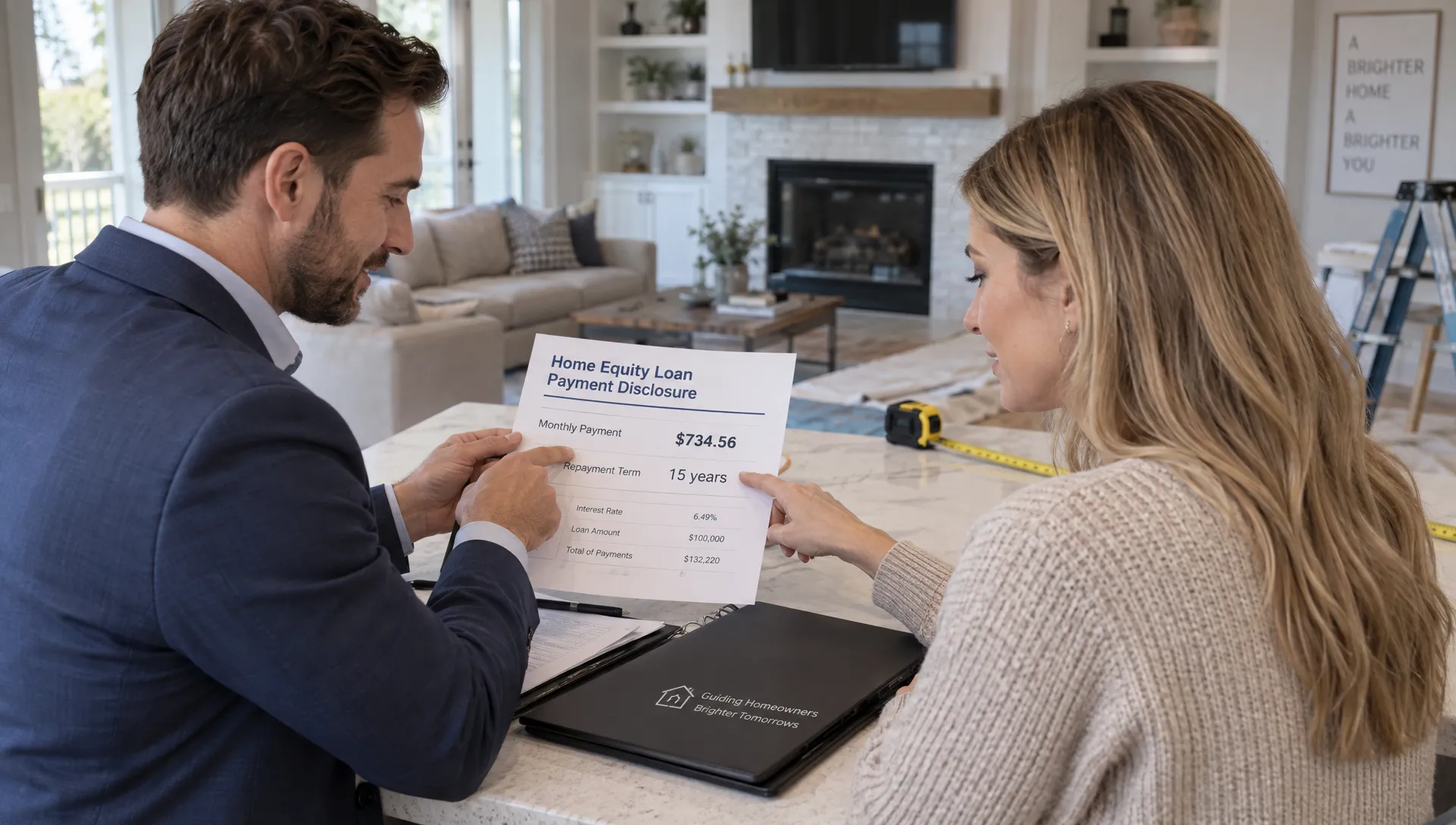
- What is the complete monthly payment? Include principal, interest, taxes, homeowners insurance, applicable program fees and any second-loan payment.
- What cash must I provide? Separate down payment, closing costs, prepaid expenses, deposits and reserves.
- What happens when I sell or refinance? Check assistance repayment obligations and restrictions attached to additional financing.
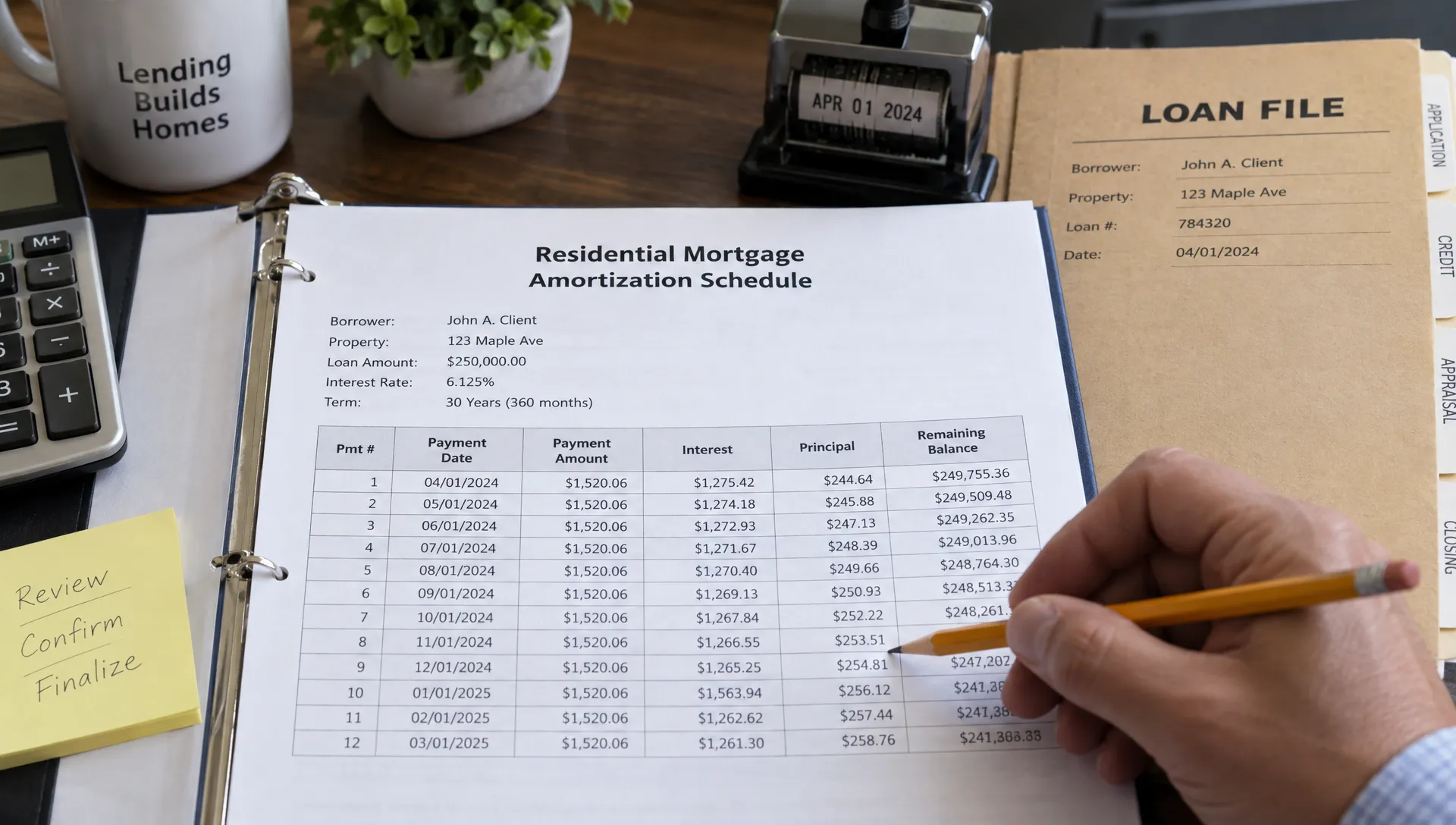
When comparing Loan Estimates, use the same purchase price, loan term and loan amount where possible. Compare the interest rate, APR, lender charges and cash to close, while recognizing that taxes and insurance estimates can differ between quotes.
Also examine how long you expect to keep the loan. Paying more interest to avoid a separate PMI charge may not be the better deal over your expected ownership period.
Keep an ownership budget outside the mortgage quote
Even if a no down payment no pmi mortgage lowers your entry cost, it does not pay for moving, furniture or repairs after closing. A home inspection can help identify likely expenses, although it cannot guarantee that every problem will be found.
Get itemized estimates for planned work rather than relying on a single “renovation” allowance. For example, the painting and decorating services offered by WM Painting in Australia’s Illawarra and South Coast distinguish interior painting, exterior painting and wallpaper installation. Those are useful categories to separate when requesting quotes from contractors local to your U.S. purchase.
Keep optional cosmetic work separate from essential repairs. Some property conditions may also need to be resolved before the home qualifies for financing, rather than becoming projects you can postpone until after closing.
Frequently asked questions
Can a first-time buyer get zero down with no PMI? Yes, if the buyer qualifies for a suitable program, most clearly an eligible VA purchase loan. First-time-buyer status alone does not establish eligibility, and VA financing is not limited to first-time buyers.
Does a USDA loan have mortgage insurance? USDA guaranteed loans do not have conventional PMI, but they have upfront and annual guarantee fees. The annual charge affects the monthly payment, so compare the full cost rather than the label.
Who qualifies for a no down payment no pmi mortgage without military eligibility? Possible routes include USDA financing, with its guarantee fees, or select specialty products. Availability depends on location, income, property eligibility and lender rules. Assistance combined with a conventional loan does not automatically eliminate PMI.
Is zero down always better than making a small down payment? No. Keeping savings available can be valuable, but borrowing more generally increases interest expense and leaves less initial equity. Compare both structures against your cash needs and expected ownership period.
Find out which promise your loan can actually deliver
The strongest offer is the one whose eligibility, cash requirements and long-term costs you understand. If no program meets both goals, compare lower down payment mortgage options rather than stretching into a payment you cannot comfortably sustain.
New Era Lending combines mortgage technology with personalized human guidance. Ask for help reviewing suitable options, identifying any remaining insurance or program fees and estimating your cash to close before deciding how much of your savings to commit.