.jpg)
.jpg)





.jpg)


Your Mortgage Journey From Pre-Approval to Closing

A successful mortgage journey is not just about getting approved. It is about knowing what happens next, what your lender needs from you, and how each decision affects your timeline, monthly payment, and closing experience.
From pre-approval to closing, the process can feel like a series of checkpoints. Some are exciting, like finding the right home and getting your offer accepted. Others are more technical, like underwriting, appraisal review, title work, and the Closing Disclosure. When you understand the purpose of each step, you can move with more confidence and fewer surprises.
Below is a practical walkthrough of what to expect, what to prepare, and how to stay on track from the moment you get pre-approved until the keys are in your hand.
Step 1: Start With a Strong Pre-Approval
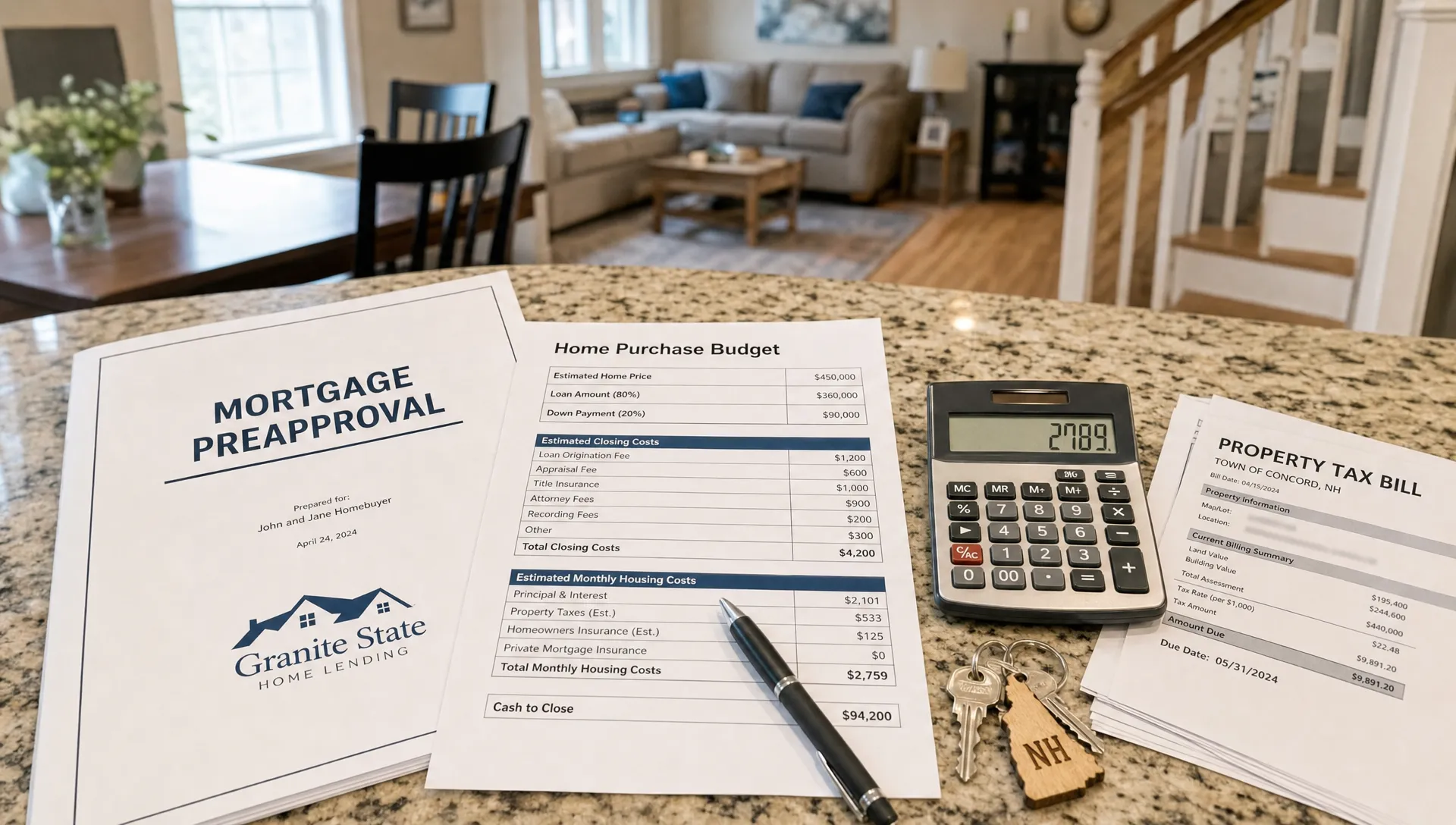
Pre-approval is one of the most important early steps in the homebuying process. It gives you a clearer picture of what you may be able to borrow and helps sellers take your offer more seriously.
During pre-approval, a lender typically reviews your income, credit, assets, debts, and overall financial profile. The goal is to estimate how much home you can reasonably afford and which loan options may fit your situation.
A strong pre-approval usually depends on documents such as:
- Recent pay stubs or income documentation
- W-2s, tax returns, or business income records, depending on your employment type
- Bank statements and asset documentation
- Identification
- Permission to review your credit
- Information about current debts and monthly obligations
Pre-approval is not the same as final approval. Final approval comes later, after the property, appraisal, title, insurance, and underwriting review are complete. Still, a thoughtful pre-approval can help you shop with realistic expectations and avoid wasting time on homes outside your comfort zone.
If you want a broader foundation before you begin, New Era Lending’s guide to home loan basics every buyer should know explains key terms like down payment, loan-to-value ratio, debt-to-income ratio, and cash to close.
Step 2: Define Your Real Homebuying Budget
Your pre-approval amount is not always the same as your ideal purchase price. A lender may approve you for a certain amount, but you still need to decide what monthly payment feels sustainable for your household.
Your mortgage payment may include principal, interest, property taxes, homeowners insurance, mortgage insurance if applicable, and HOA dues if the property has an association. You should also plan for utilities, maintenance, moving costs, furnishings, and emergency savings.
This is where your mortgage journey becomes personal. Two buyers with the same income can have very different comfort levels based on family size, lifestyle, savings goals, debt, and career stability.
Before you make offers, ask yourself:
- What monthly payment would allow me to live comfortably?
- How much cash do I want left after closing?
- Am I prepared for repairs, maintenance, or renovations?
- Do I expect my income or expenses to change soon?
- Is this home a short-term stepping stone or a long-term plan?
A clear budget helps you avoid becoming house poor and makes the rest of the process less stressful.
Step 3: Shop for the Right Home With Financing in Mind
Once you have your pre-approval and budget, you can begin shopping seriously. At this stage, your real estate agent and lender both play important roles.
Your agent helps you evaluate homes, neighborhoods, market conditions, and offer strategy. Your lender helps you understand how each property may affect financing. For example, property taxes, HOA dues, location, home type, and condition can all influence the final numbers.
A condominium, rural property, manufactured home, or multi-unit property may have different lending requirements than a standard single-family home. A home with major safety or structural issues may also create financing challenges, especially for certain loan programs.
Before submitting an offer, it is smart to ask your lender for an updated payment estimate based on the actual property. This can help you compare homes more accurately and avoid surprises after your offer is accepted.
Step 4: Make an Offer and Move Into Contract
When you find the right home, your agent will help you write an offer. The offer usually includes the purchase price, earnest money deposit, proposed closing date, financing terms, inspection timelines, and any contingencies.
Once the seller accepts, you are officially under contract. This is when the mortgage process shifts from planning to execution.
Your lender will need a copy of the signed purchase contract. From there, your loan application can be updated with the property address, purchase price, taxes, insurance estimates, and other property-specific details.
According to the Consumer Financial Protection Bureau, once you submit a complete mortgage application, lenders generally must provide a Loan Estimate within three business days. The Loan Estimate is designed to help you understand your projected loan terms, monthly payment, closing costs, and cash to close.
Review this document carefully. It is not just paperwork. It is one of the most useful tools you have for understanding the cost of the loan.
Step 5: Choose Your Loan Program and Rate Strategy
By this point, your lender should help you compare loan options based on your goals and eligibility. Common mortgage options may include conventional loans, FHA loans, VA loans for eligible veterans and service members, USDA loans for eligible rural properties, and jumbo loans for higher-priced homes.
The right loan is not always the one with the lowest rate. You also need to consider down payment requirements, mortgage insurance, credit guidelines, property rules, closing costs, and long-term flexibility.
You may also discuss whether to lock your interest rate or let it float. A rate lock protects you from market movement for a set period, while floating means your rate can change before closing. The best choice depends on your timeline, risk tolerance, and market conditions.
When comparing rate options, ask about:
- The interest rate and annual percentage rate
- Discount points or lender credits
- Estimated monthly payment
- Lock period and expiration date
- Whether the rate is fixed or adjustable
- What could cause the final payment or costs to change
A transparent lender should explain these details in plain language, not rush you through them.
Step 6: Submit Documents and Keep Your Finances Stable
After you are under contract, your lender will begin collecting and verifying documentation. Even if you already provided documents for pre-approval, updated versions may be needed.
Loan processing can include verifying employment, reviewing bank deposits, checking asset sources, confirming insurance, ordering title work, and preparing the file for underwriting. The faster you respond to requests, the easier it is to keep your closing timeline on track.
This is also the time to avoid major financial changes. Do not open new credit cards, finance furniture, buy a car, switch jobs, move large sums of money without documentation, or make unexplained cash deposits unless you have talked to your lender first.
For more practical ways to reduce approval friction, review these home buying mortgage tips for a smoother approval. Small choices during this stage can make a big difference.

Step 7: Appraisal, Title, and Insurance Reviews Begin
While you are submitting documents, several property-related reviews happen behind the scenes.
The appraisal helps the lender evaluate whether the home’s value supports the loan amount. The appraiser is not there to approve your decor preferences or replace a home inspection. Their role is to provide an independent opinion of value and note certain property conditions relevant to the loan.
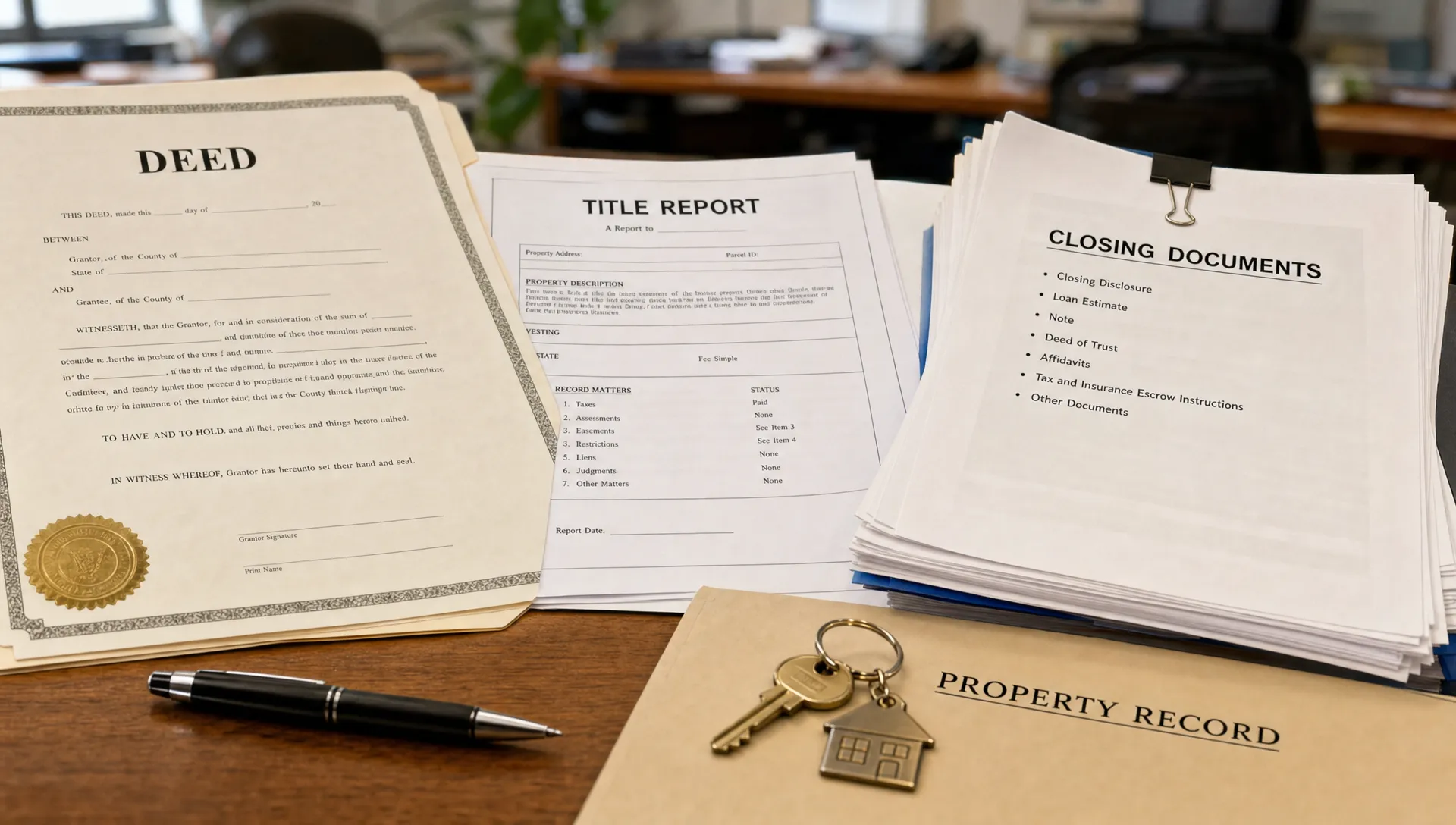
Title work checks ownership history and looks for issues such as unpaid liens, ownership disputes, or recording problems. The goal is to make sure the property can be transferred properly and that the lender’s interest is protected.
Homeowners insurance is also required before closing. Your lender will need proof that coverage is in place. If the property is in a flood zone, flood insurance may also be required.
These reviews can affect timing. If the appraisal comes in low, if repairs are required, or if title issues appear, your team may need additional time to resolve them.
Step 8: Underwriting Reviews the Full File
Underwriting is where the lender evaluates the full loan file. The underwriter reviews your borrower profile, property information, documentation, appraisal, title, insurance, and loan program requirements.
It is common for underwriting to issue conditions. Conditions are additional items needed before final approval. They might be simple, such as an updated bank statement, a letter explaining a deposit, proof of homeowners insurance, or a clarification from your employer.
Getting conditions does not mean something is wrong. It usually means the underwriter needs the file to be complete and fully documented.
The best way to handle underwriting is to respond quickly, clearly, and completely. If a request seems confusing, ask your loan team what is needed before sending partial information. A complete response is often faster than multiple rounds of back-and-forth.
Step 9: Review the Closing Disclosure
As you move closer to closing, you will receive a Closing Disclosure. This document shows your final or near-final loan terms, monthly payment, closing costs, prepaid items, and cash needed to close.
Federal rules generally require that you receive the Closing Disclosure at least three business days before closing. This gives you time to review the details and ask questions.
Compare the Closing Disclosure with your earlier Loan Estimate. Some numbers may change for valid reasons, such as updated tax prorations, insurance premiums, prepaid interest, or final title fees. If something looks unfamiliar, ask for an explanation before closing day.
Pay close attention to:
- Loan amount
- Interest rate
- Monthly payment
- Cash to close
- Closing costs
- Prepaid taxes and insurance
- Escrow account details
- Whether there is a prepayment penalty
Do not wait until you are sitting at the closing table to understand the numbers. A clear closing review can prevent stress and confusion.
Step 10: Get Clear to Close
“Clear to close” is one of the best phrases a buyer can hear. It means the lender has completed underwriting requirements and is ready to move toward final closing.
After clear to close, the lender, title company, closing attorney if applicable, and real estate agents coordinate the final documents, signing appointment, funding, and recording. The exact process varies by state and local practice.
Even after clear to close, continue to avoid financial changes. Some lenders may re-verify employment or credit shortly before closing. A last-minute job change, new debt, or major account movement can still create problems.
Step 11: Prepare for Closing Day
Closing day is when you sign the final documents and complete the purchase. Depending on your state and transaction, you may sign with a title company, escrow officer, attorney, or notary.
You will typically need a government-issued photo ID and certified funds or a wire transfer for your cash to close. Always verify wiring instructions directly with the title company using a trusted phone number. Wire fraud is a serious risk in real estate transactions, so never rely only on emailed instructions without verification.
Before closing, you will usually complete a final walkthrough. This gives you a chance to confirm the home is in the expected condition, agreed-upon repairs are complete, and the seller’s belongings have been removed unless otherwise negotiated.
Once documents are signed, funds are received, and the transaction is recorded or otherwise finalized according to local rules, ownership transfers to you. In many cases, that is when you receive the keys.
Step 12: Know What Happens After Closing
Your mortgage journey does not end the moment you get the keys. There are still a few important post-closing steps.
Watch for information about your first mortgage payment, loan servicer, escrow account, and any servicing transfer notices. Your loan servicer is the company that collects payments and manages the account after closing. Sometimes it is the same company that originated the loan, and sometimes it changes.
Keep your closing documents in a safe place. You may need them for taxes, future refinancing, insurance questions, or resale.
You should also update your mailing address, set reminders for your first payment, apply for any applicable homestead exemption in your area, and build a maintenance plan for the home.
If your move-in plans include repairs, renovations, or contractor work, think beyond design choices and budget. Safe, durable gear matters on job sites, and professional workwear suppliers can be useful resources for crews or hands-on homeowners preparing for physical projects after closing.
Common Mistakes That Can Delay Your Mortgage Journey
Many closing delays are preventable. The biggest issues often come from missing documents, financial changes, or misunderstandings about cash to close.
Try to avoid these common mistakes:
- Making large purchases before closing
- Opening or closing credit accounts without guidance
- Changing jobs during the loan process without telling your lender
- Depositing large amounts of cash that cannot be documented
- Waiting too long to shop for homeowners insurance
- Ignoring lender emails or document requests
- Assuming pre-approval is the same as final approval
- Forgetting to verify wire instructions before sending funds
A smooth process depends on communication. If something changes, tell your lender early. It is usually easier to solve an issue before it becomes urgent.
What a Good Lender Should Do Along the Way
A mortgage is a major financial decision, and buyers deserve clear guidance. A good lender should not simply collect documents and quote numbers. They should explain what is happening, why it matters, and what you can expect next.
That includes helping you understand your options, setting realistic timelines, providing transparent rate and cost information, and using secure systems for document uploads and signatures when available.
New Era Lending focuses on combining smart mortgage technology with personalized human guidance, helping buyers navigate purchase, refinance, and equity access options with more clarity. If you want to understand what a more organized experience can look like, this article on what a simple mortgage process should look like is a helpful next step.
Frequently Asked Questions
How long does the mortgage journey take from pre-approval to closing? Many purchase loans close in about 30 to 45 days after a signed contract, but timelines vary based on loan type, appraisal timing, title work, documentation, and local closing practices.
Does pre-approval guarantee I will get the loan? No. Pre-approval is an important early review, but final approval depends on underwriting, the property, appraisal, title, insurance, and updated financial documentation.
Can I change jobs during the mortgage process? You should talk to your lender before making any employment change. A new job, pay structure, probationary period, or industry change can affect approval or require extra documentation.
What should I not do before closing? Avoid new debt, large purchases, unexplained deposits, credit changes, and job changes unless your lender has reviewed the situation first.
What is cash to close? Cash to close is the total amount you need to bring to closing. It may include your down payment, closing costs, prepaid taxes, prepaid insurance, escrow deposits, and other final adjustments.
When do I get the keys to my new home? Key timing depends on your state, contract, and local process. In many purchases, keys are released after signing, funding, and recording are complete.
Move Through Your Mortgage Journey With Confidence
The path from pre-approval to closing has many moving parts, but it does not have to feel overwhelming. When you understand each stage, stay organized, and work with a lender who communicates clearly, you can make better decisions and avoid unnecessary stress.
Whether you are buying your first home, upgrading, relocating, or planning your next move, New Era Lending offers modern mortgage tools and personalized guidance designed to make financing simpler. To take the next step, visit New Era Lending and start your mortgage journey with a team built to help you move forward with confidence.